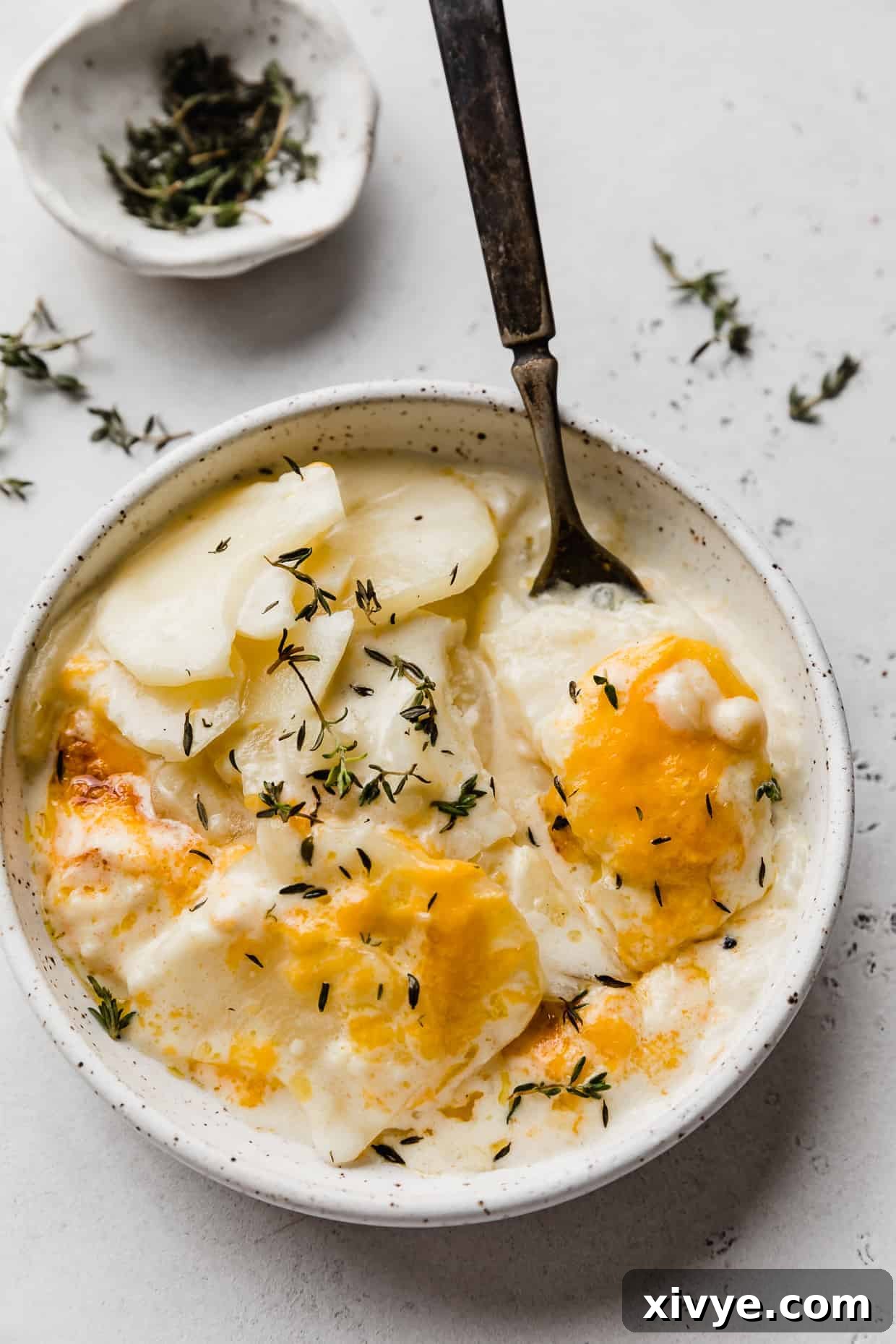
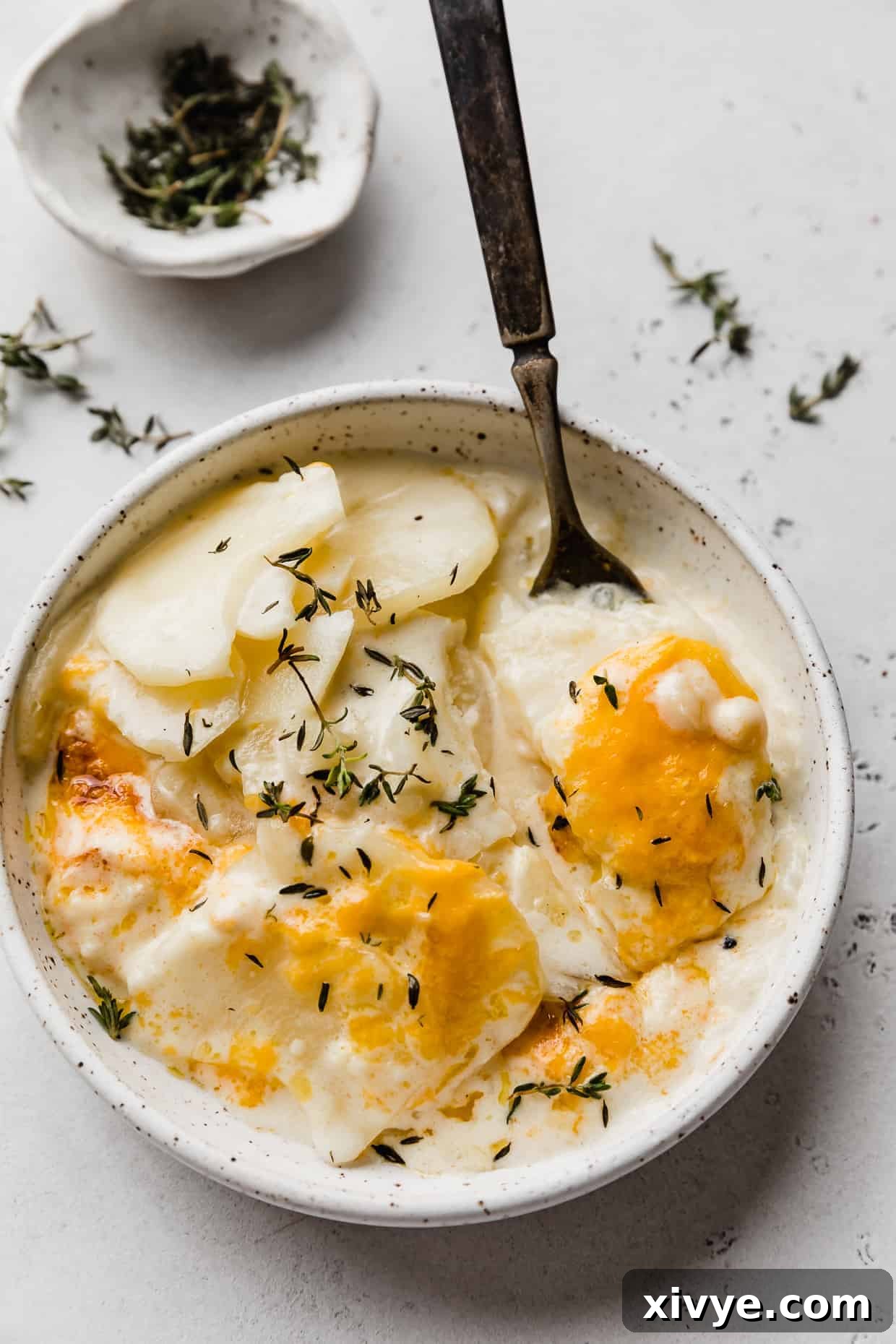
Welcome to the ultimate guide for crafting the most delectable Gluten-Free Scalloped Potatoes – an elegantly simple yet profoundly flavorful side dish that promises to be the star of any meal. Imagine tender, thinly sliced potato layers bathed in a rich, creamy sauce infused with aromatic spices, all topped with a golden blanket of melted cheese. This classic recipe stands out not only for its incredible taste but also for being entirely gluten-free, making it a perfect choice for those with dietary restrictions or anyone seeking a lighter, yet equally satisfying, alternative to traditional flour-thickened versions.
Unlike many scalloped potato recipes that rely on flour as a thickener, our method achieves that coveted creamy consistency using naturally gluten-free ingredients, ensuring every bite is smooth, luscious, and utterly irresistible. It’s a versatile dish that transitions beautifully from a cozy family dinner to a festive holiday feast, consistently earning rave reviews.
If you’re on the hunt for more crowd-pleasing potato side dishes that are as effortless and delicious as these homemade scalloped potatoes, be sure to explore my Twice Baked Potatoes and Funeral Potatoes – they’re absolute family favorites. For those who adore cheesy vegetable gratins, consider trying my Brussels Sprouts Gratin with Bacon or the comforting Cauliflower Gratin. Both are packed with cheesy goodness and offer a wonderful way to enjoy vegetables.
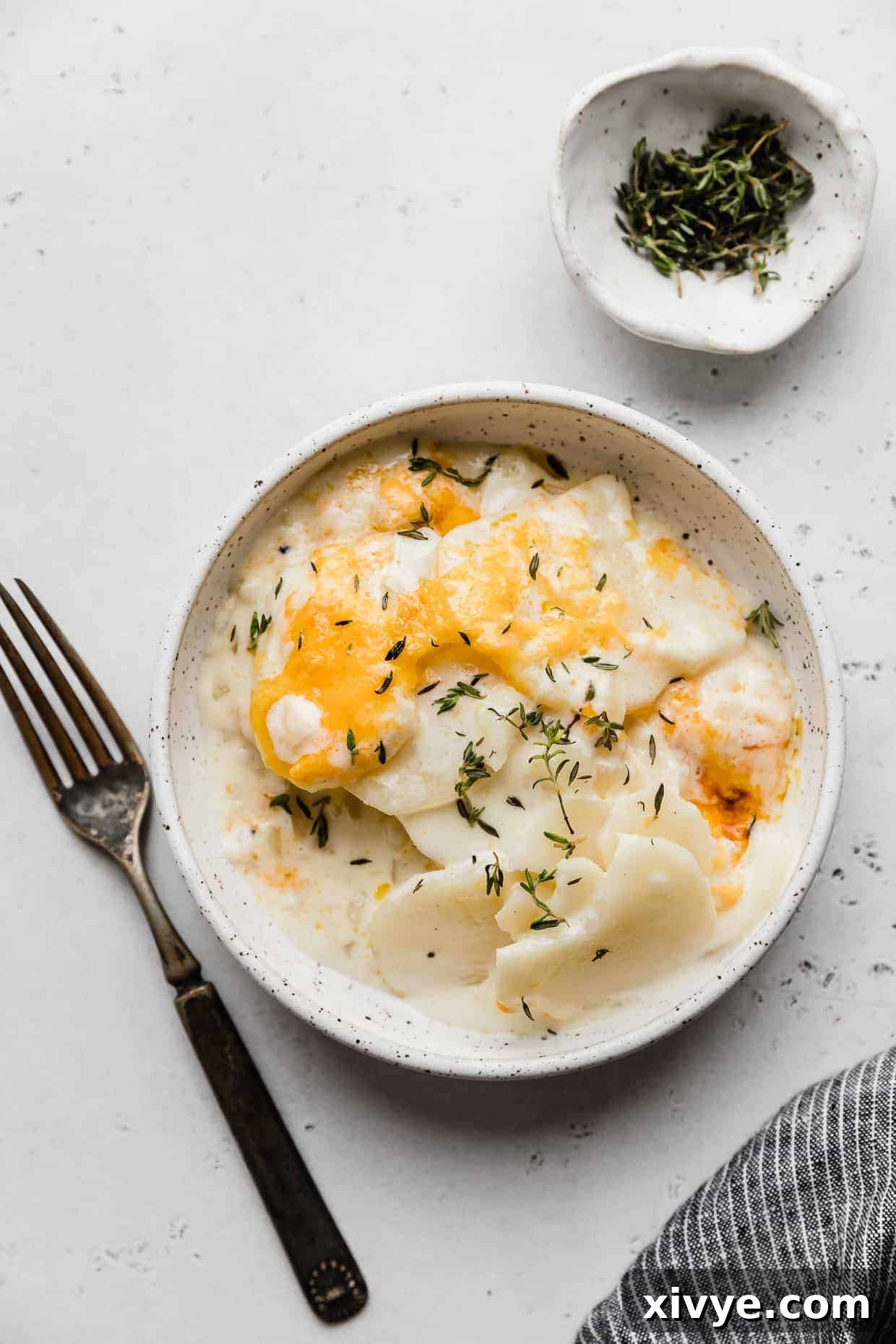
Why This Gluten-Free Scalloped Potato Recipe Is a Must-Try
This recipe isn’t just another side dish; it’s a testament to how simple techniques and quality ingredients can create culinary magic. Here’s why these gluten-free scalloped potatoes will become a staple in your kitchen:
- Effortless Parboiled Potatoes for Perfect Texture: The secret to achieving tender, evenly cooked potatoes without endless baking lies in our innovative parboiling method. We gently simmer the thinly sliced potatoes directly in the flavorful cream sauce on the stovetop. This not only significantly reduces oven time to a mere 15 minutes but also allows the potatoes to absorb all the delicious herbed cream, ensuring they are perfectly tender and infused with flavor from the inside out. This step guarantees a consistently smooth and creamy texture, avoiding the common pitfalls of crunchy or mushy potatoes.
- Luxuriously Creamy and Cheesy: Prepare for a symphony of rich flavors! These gluten-free scalloped potatoes are a celebration of dairy, cooked in a decadent blend of heavy cream, savory chicken broth, and aromatic spices. The potatoes are layered and baked to perfection, then crowned with a generous amount of melted cheese that bubbles and turns golden brown. Every forkful delivers a comforting embrace of creamy, cheesy goodness, making it the best scalloped potatoes recipe you’ll ever taste.
- Naturally Gluten-Free without Compromise: One of the standout features of this recipe is its complete absence of flour. Many traditional scalloped potato recipes rely on flour to thicken the sauce, which can be problematic for those with gluten sensitivities or dietary preferences. Here, the heavy cream naturally thickens during the cooking process, resulting in an incredibly smooth, velvety sauce that is every bit as satisfying – if not more so – than its flour-laden counterparts. You get all the classic creamy texture and rich flavor without any gluten, making it a truly inclusive dish for everyone at your table.
Essential Ingredients for Perfect Scalloped Potatoes
The success of these gluten-free scalloped potatoes lies in selecting fresh, high-quality ingredients. Each component plays a vital role in building the dish’s incredible flavor and texture:
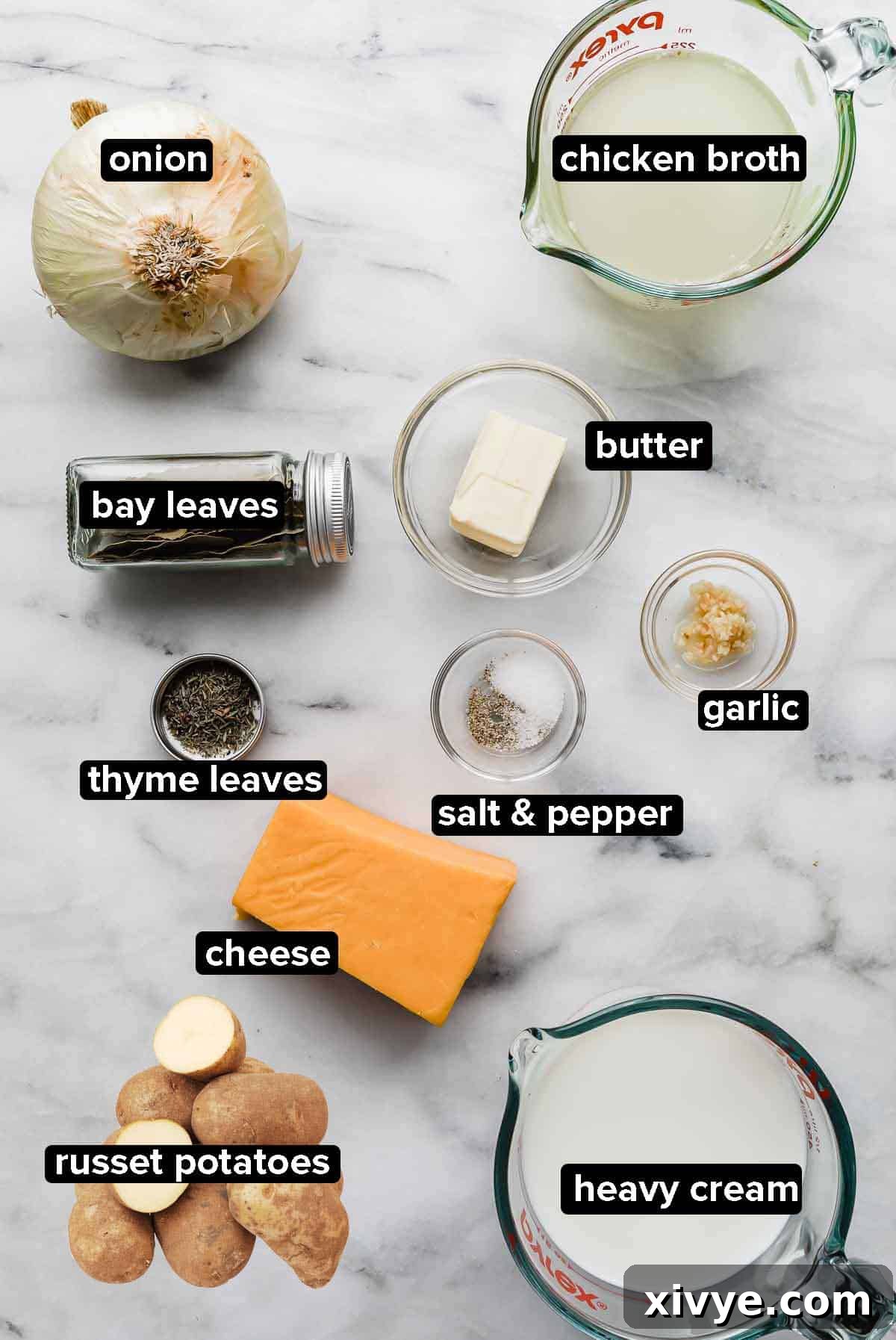
- Unsalted Butter: Butter forms the foundational richness of our sauce. Using unsalted butter gives you precise control over the overall seasoning of the dish. If you opt for salted butter, be sure to reduce the added salt in the recipe to avoid an overly salty outcome. Remember, you can always add more salt at the table, but you can’t take it away!
- Onion: A finely diced yellow or white onion provides a sweet and savory aromatic base for our cream sauce. These varieties offer a balanced flavor that complements the potatoes without overpowering them. Sweating them gently until translucent releases their full flavor potential.
- Garlic Cloves: Freshly minced garlic is non-negotiable for this recipe. It imparts a robust, pungent flavor that garlic powder simply cannot replicate. While a strong garlic presence, it’s balanced by the cream and potatoes, adding depth without being “too in your face.”
- Chicken Broth: Chicken broth adds another layer of savory depth to our sauce. It blends beautifully with the cream and spices. For a vegetarian-friendly option, feel free to substitute with vegetable broth without any compromise on flavor.
- Heavy Cream: This is the cornerstone of our luxuriously creamy sauce. Heavy cream provides unparalleled richness and thickens naturally during cooking, eliminating the need for flour. If you desire a slightly lighter sauce that’s not quite as thick, you can substitute it with half-and-half, though the texture will be less decadent.
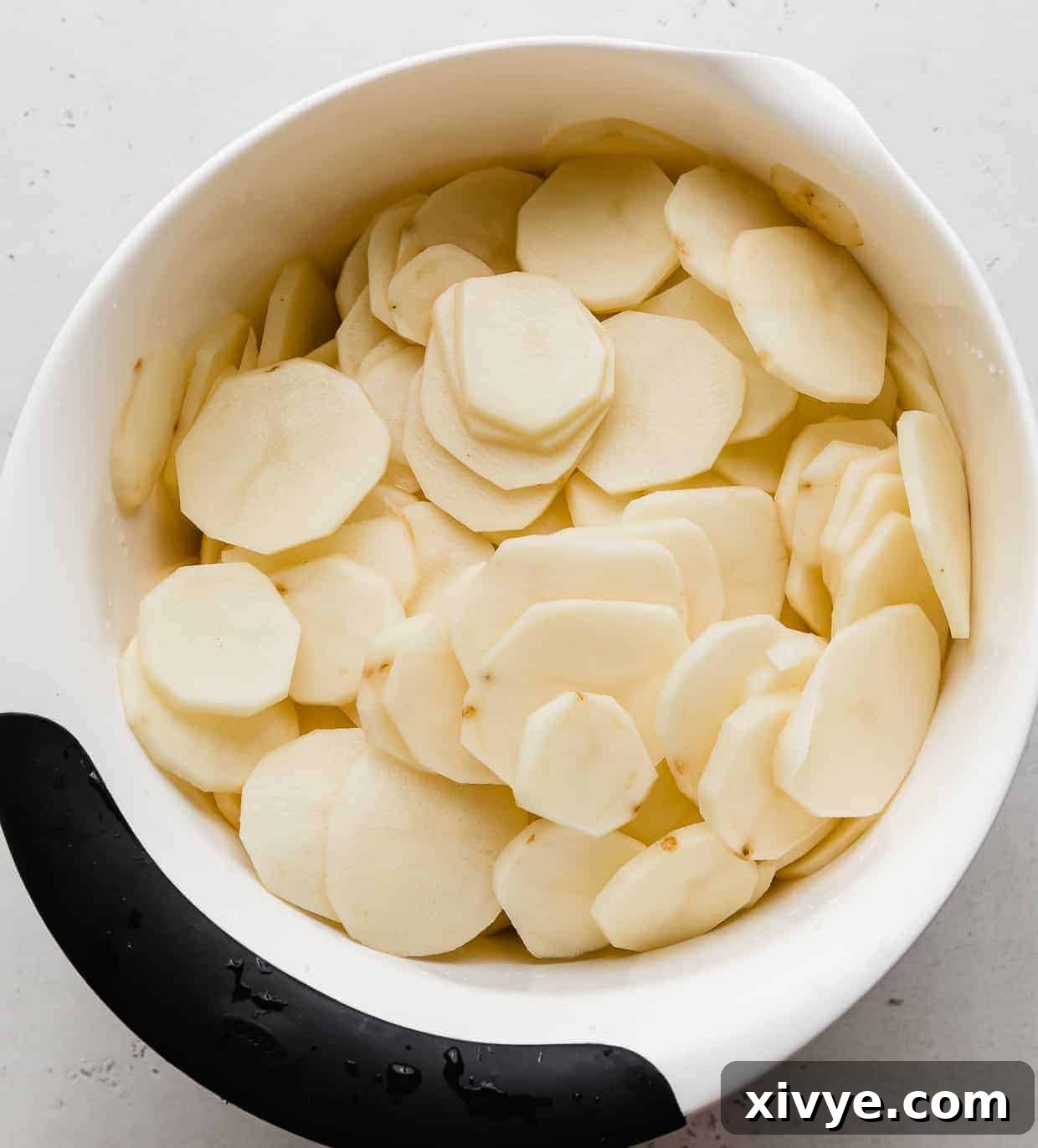
- Russet or Yukon Gold Potatoes: The choice of potato is crucial for scalloped potatoes. Russet potatoes, with their starchy texture, become incredibly tender and absorb the sauce beautifully. Yukon Gold potatoes are another excellent choice, offering a naturally buttery flavor and holding their shape well while still achieving a creamy consistency. Whichever you choose, ensure they are peeled and sliced uniformly to about ⅛ inch (3mm) thick. A mandoline slicer is highly recommended for achieving consistent, thin slices, which are essential for even cooking. Inconsistent slices can lead to some potatoes being crunchy while others are mushy.
- Bay Leaves: These aromatic leaves are simmered whole in the cream sauce to infuse it with a subtle, earthy, and slightly floral note. Remember to remove them before baking, as they are not meant to be eaten.
- Fresh Thyme: Fresh thyme sprigs are superior to dried ground thyme for this recipe. The sprigs release their fragrant oils slowly into the sauce as it simmers, imparting a delicate, herbaceous flavor that perfectly complements the rich cream and potatoes. Like bay leaves, the sprigs can be easily removed before transferring the mixture to the baking dish.
- Cheddar Cheese: Sharp cheddar cheese provides a fantastic savory, tangy note and a beautiful golden crust when baked. Freshly grated cheese melts much smoother than pre-shredded varieties, which often contain anti-caking agents. Don’t hesitate to experiment with different cheeses; refer to our recipe tips section for exciting variations to customize your dish.
Easy Step-by-Step Guide to Gluten-Free Scalloped Potatoes
Follow these simple instructions to create a truly unforgettable side dish:
- Prepare Your Baking Dish and Oven: Begin by preheating your oven to 425ºF (220°C). Position an oven rack in the middle of the oven to ensure even baking. Lightly grease a 9×13-inch baking dish or casserole dish with butter or cooking spray. This crucial step prevents the potatoes and cheese from sticking and makes for easier cleanup.
- Craft the Creamy, Aromatic Sauce: In a large Dutch oven or a heavy-bottomed pot, melt 2 tablespoons of unsalted butter over medium-high heat. Once the butter is shimmering, add the finely diced onion and cook, stirring occasionally, for about 5 minutes, or until the onion has softened and become translucent. Next, add the minced garlic and cook for just another minute until it becomes fragrant. Be careful not to burn the garlic, as it can turn bitter quickly.
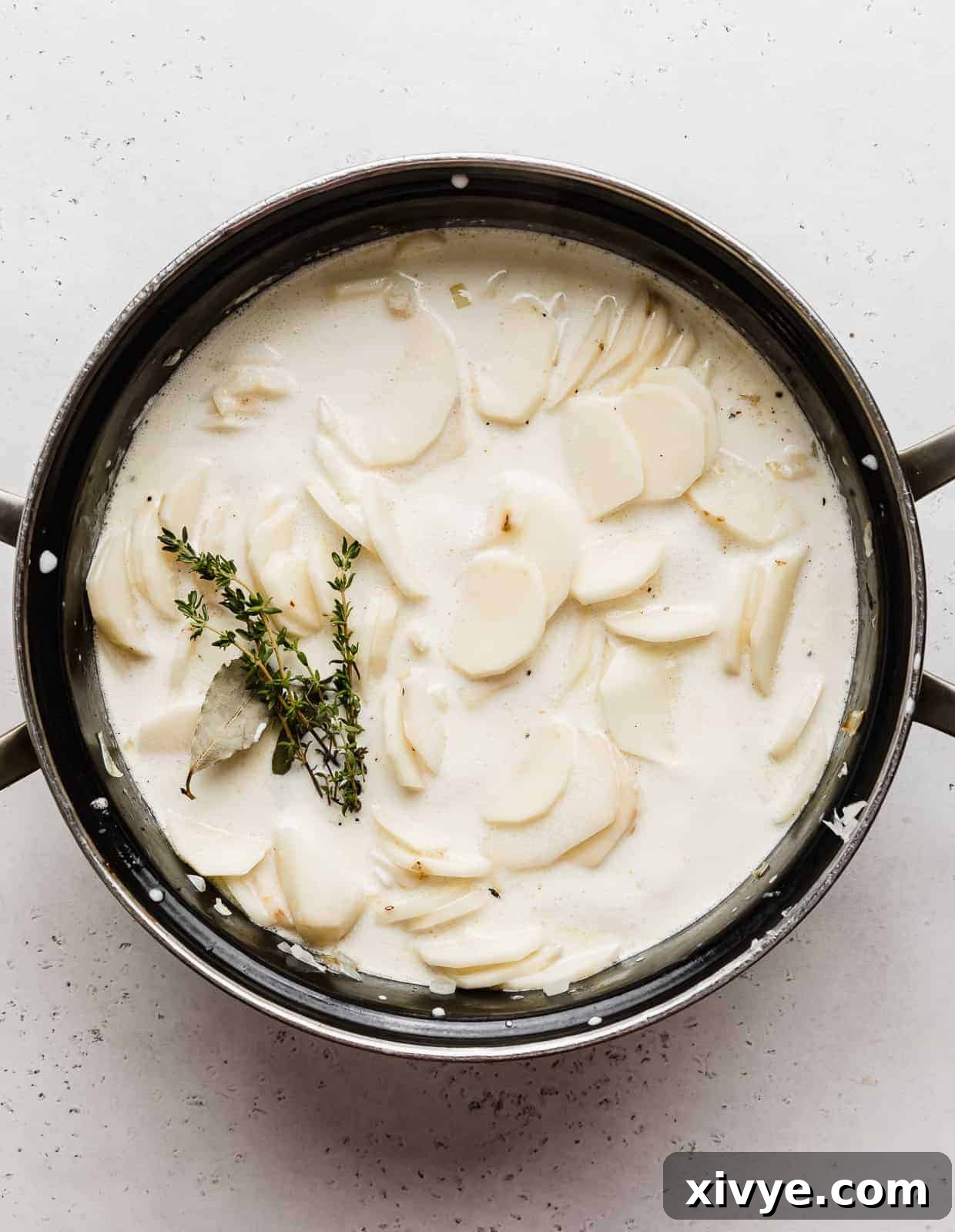
- Infuse the Potatoes with Flavor: Into the same Dutch oven, pour in 1 ½ cups of chicken broth, 2 ½ cups of heavy cream, 2 teaspoons of salt, ¼ teaspoon of freshly ground black pepper. Add the thinly sliced potatoes, 2 whole bay leaves, and the sprigs of fresh thyme. Stir everything gently to ensure the potatoes are submerged in the liquid. Bring the mixture to a boil over medium-high heat. Once boiling, reduce the heat to medium-low, cover the Dutch oven, and let it simmer for 7-12 minutes. The goal here is to parboil the potatoes until they are *almost* tender. You’ll know they’re ready when the tip of a paring knife can be easily slipped into a slice with just a little resistance. Avoid overcooking at this stage, as it can lead to mushy potatoes after baking.
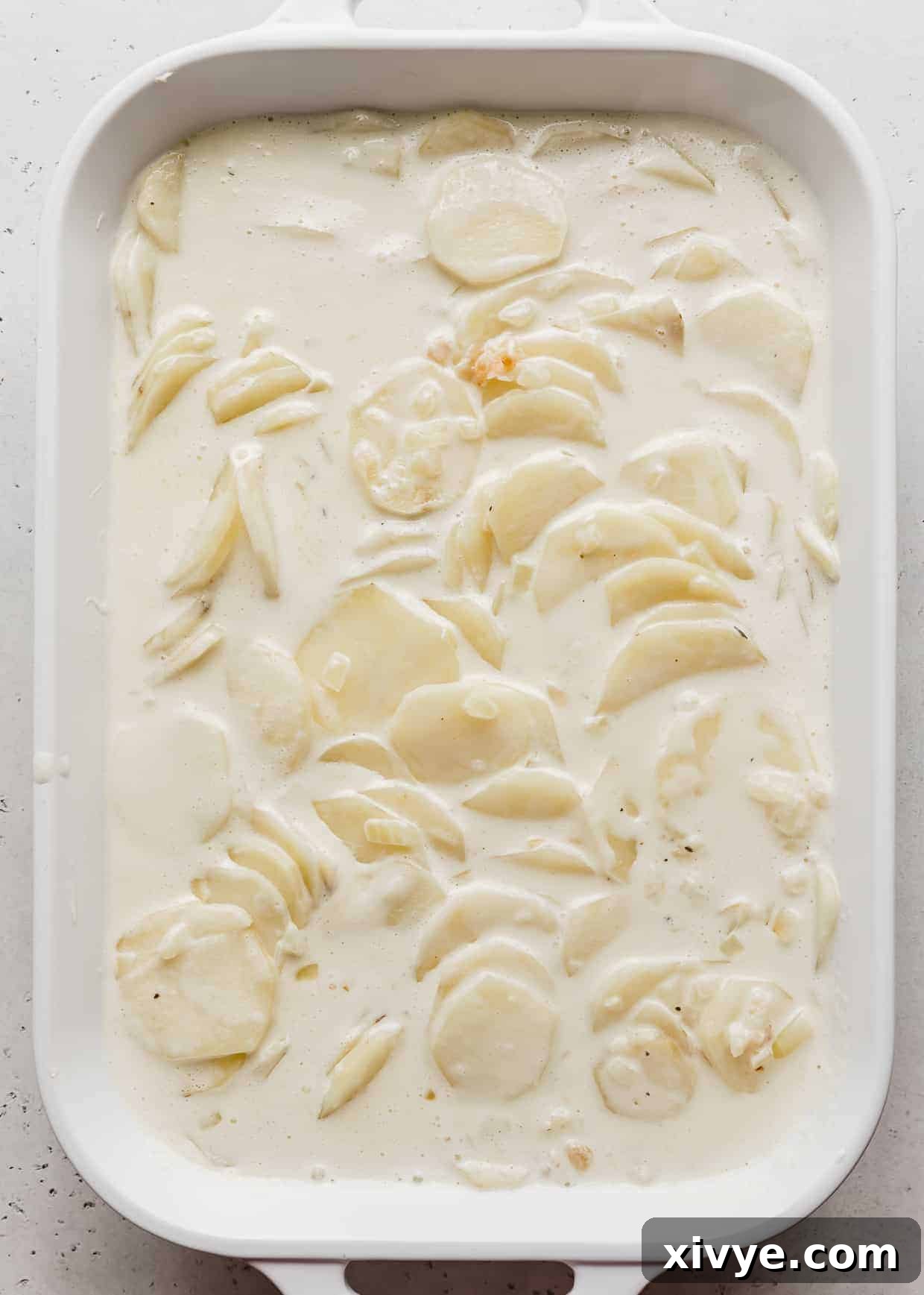
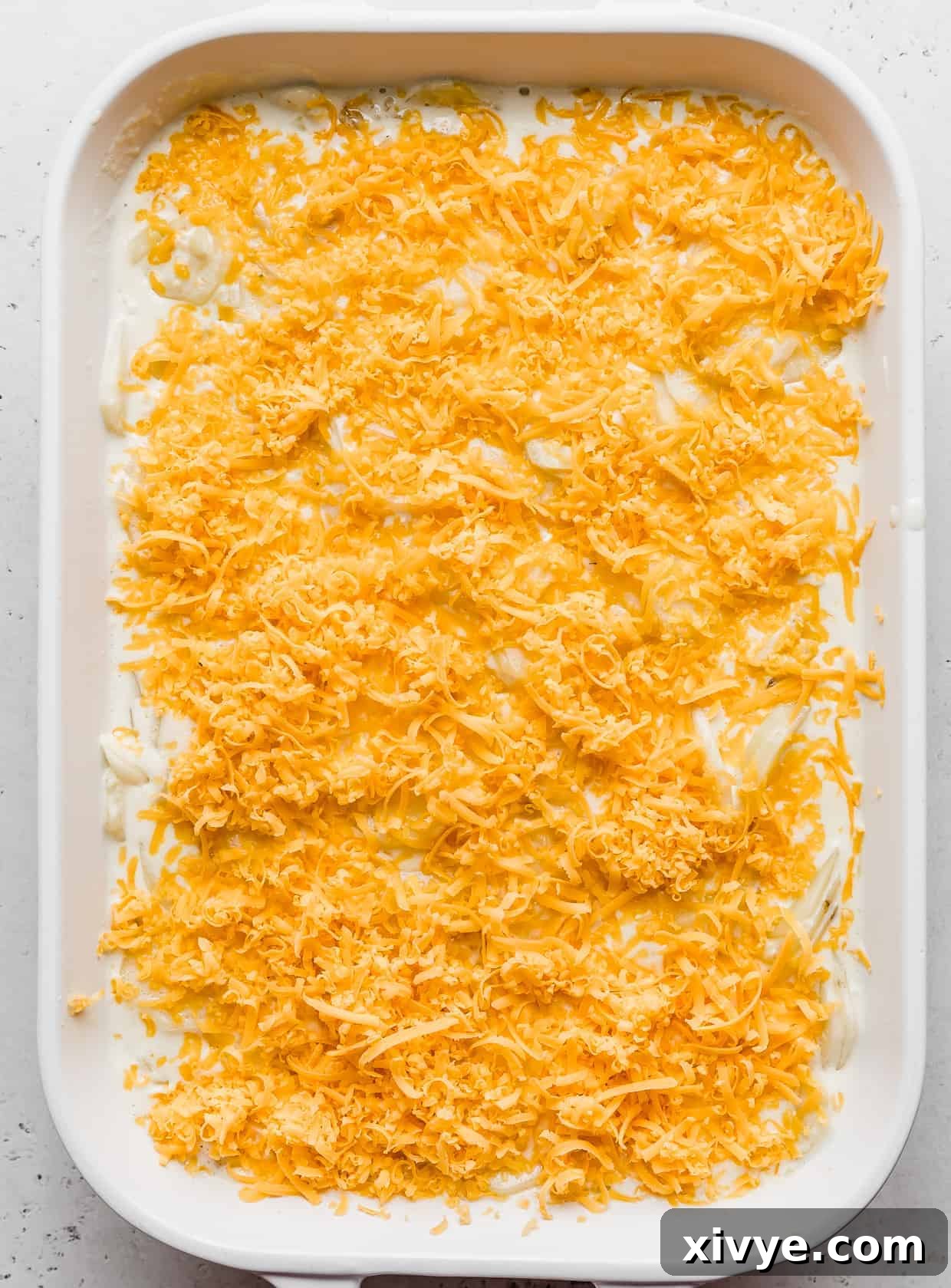
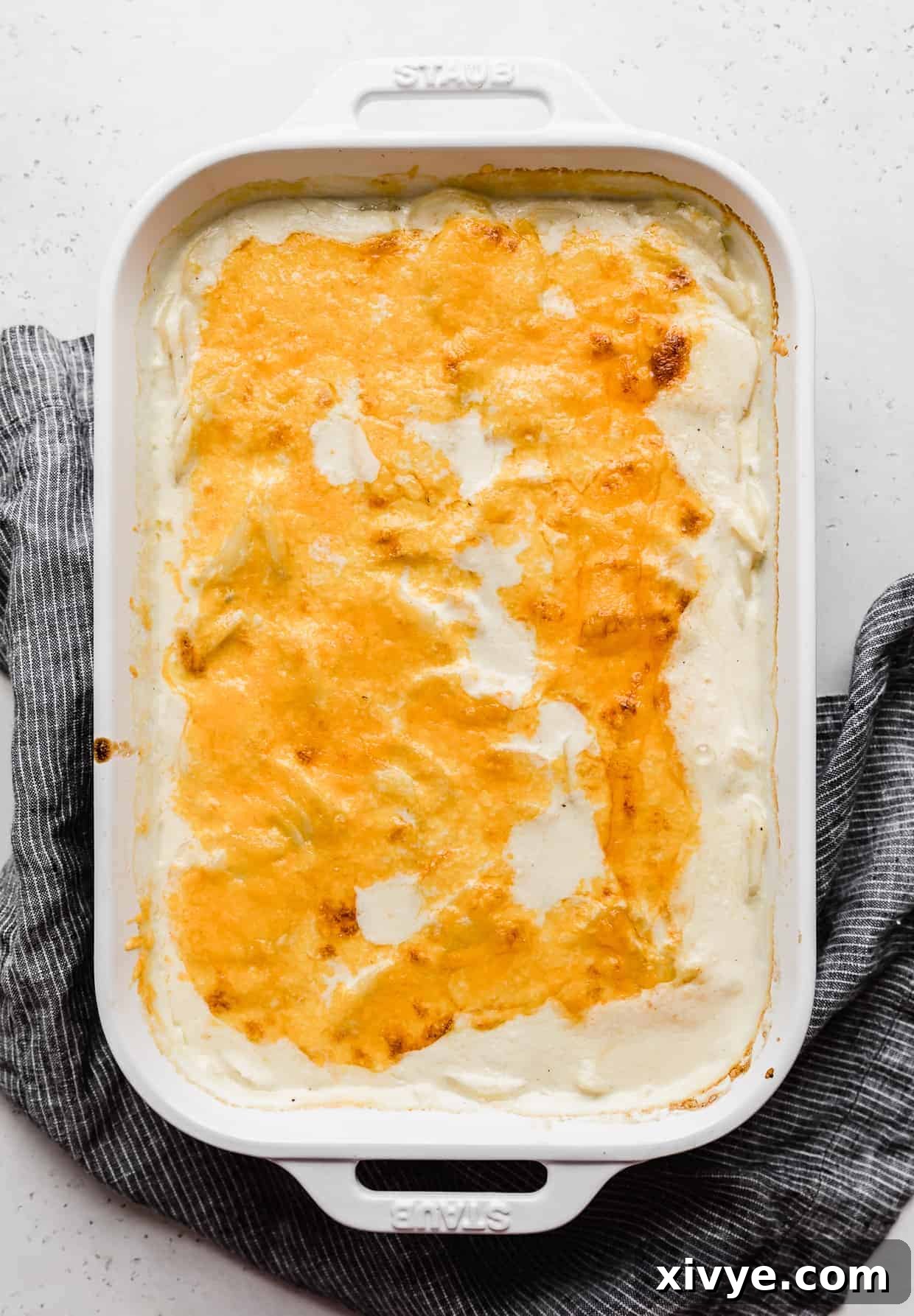
- Assemble and Bake to Golden Perfection: Carefully remove the bay leaves and thyme sprigs from the potato mixture. Using a slotted spoon, transfer the parboiled scalloped potatoes and their creamy sauce to the prepared 9×13-inch baking dish. Spread the potatoes into an even layer as best as possible to ensure uniform cooking. Now, it’s time for the “cheesy goodness”! Generously sprinkle the 2 cups of shredded cheddar cheese evenly over the top of the potatoes. Place the baking dish in the preheated oven and bake for 10-15 minutes, or until the sauce is bubbling merrily, and the cheese on top has melted into a beautiful golden brown crust.
- Rest and Serve for Maximum Enjoyment: Once your golden-brown scalloped potatoes are out of the oven, resist the urge to dig in immediately! Allow the pan to rest for at least 10 minutes before serving. This resting period is crucial as it allows the sauce to set and prevents the dish from being too runny. It also ensures the potatoes are perfectly tender and the cheese is slightly firm. Then, scoop out generous portions of these creamy, cheesy potatoes and enjoy!
Expert Tips for the Best Gluten-Free Scalloped Potatoes
Achieving culinary perfection often comes down to a few key tips and tricks. Here’s how to elevate your gluten-free scalloped potatoes:
Using a mandoline slicer is an absolute game-changer and a HUGE time saver for this recipe! It allows you to create perfectly uniform ⅛-inch (3mm) thick potato slices in a matter of minutes. Consistency in slice thickness is paramount for even cooking, ensuring every potato layer is tender. However, mandoline slicers are incredibly sharp, so please exercise extreme caution and always use the provided handguard to protect your fingers.
The thinness of the potato slices is vital. If your potato slices are too thick, they will require significantly more cooking time and may result in an undercooked, crunchy texture in the center, even after baking. Aim for that perfect ⅛-inch thickness.
When cooking the potatoes on the stove, closely monitor their tenderness. The potatoes are ready for the oven when the tip of a paring knife can be easily slipped into a slice with just a little resistance, indicating they are almost tender but not fully cooked. It’s crucial not to overcook them at this stage, as they will continue to soften in the oven. Overcooked potatoes will result in a mushy, overly soft final dish.
This gluten-free scalloped potatoes recipe intentionally omits flour as a thickener, embracing a naturally creamy sauce. The rich consistency comes from using heavy cream, which reduces and thickens beautifully on its own, delivering a luscious texture without any gluten. It’s an ideal choice if you are following a gluten-free diet, proving that you don’t need flour to achieve ultimate creaminess.
These cheesy, creamy potatoes are a perfect side dish for any special occasion. They make a fantastic addition to holiday meals like Easter, Thanksgiving, and Christmas. Beyond holidays, this dish is a common and beloved Sunday meal side dish in many families, including my own, thanks to its comforting and satisfying nature.
Wondering what to serve with scalloped potatoes? Their rich flavor pairs beautifully with a variety of main courses. Consider serving them alongside my flavorful Creamy Dijon Mustard Chicken, a savory Mississippi Pot Roast, or a light and zesty Lemon Honey Glazed Salmon for a perfectly balanced meal.
Delicious Variations to Explore
While the classic recipe is outstanding, don’t hesitate to customize your scalloped potatoes to suit your taste:
- Lighter Sauce: If you prefer a slightly less rich sauce, swap out some of the heavy cream for half-and-half. Just be aware that the sauce won’t be as thick or quite as decadent.
- Cheese Exploration: Elevate the cheesy layer by experimenting with different types of cheese. White cheddar offers a sharper flavor, Gruyère provides a nutty complexity, Swiss cheese adds a delicate creaminess, and Monterey Jack melts beautifully. For those who enjoy a little heat, pepper jack cheese will introduce a delightful kick.
- Meat Enhancements: For a heartier dish, consider adding cooked, crumbled bacon or diced ham between the potato layers. These additions infuse the dish with smoky, savory notes that are incredibly satisfying.
- Herb & Spice Swaps: While thyme is wonderful, try adding a pinch of freshly grated nutmeg for warmth, or a touch of rosemary for an earthy aroma. A hint of paprika can also add color and a subtle smoky flavor.
- Cheese-Free Option: Although traditionally cheesy, you can certainly make scalloped potatoes without cheese by simply omitting the shredded cheese topping. The creamy sauce alone is delicious and rich enough to carry the dish.
Make-Ahead, Storing, and Freezing Tips
Planning ahead for gatherings or busy weeknights? These tips will help you manage your scalloped potatoes efficiently:
To prepare your scalloped potatoes ahead of time, follow the recipe completely up to the point just before baking. Cover the baking dish tightly with aluminum foil or plastic wrap and store it in the refrigerator for up to 24 hours. When you’re ready to bake, you may need to add an extra 5-10 minutes to the baking time since the dish will be starting from a cold temperature.
Leftover scalloped potatoes can be stored in an airtight container or covered tightly with plastic wrap in the refrigerator for up to 4 days. They reheat beautifully, offering a convenient and delicious meal later in the week.
Freezing scalloped potatoes is generally not recommended. The rich, dairy-based sauce tends to separate when thawed, significantly affecting the consistency, texture, and flavor of the dish. The cream can become grainy or watery, and the potatoes may turn mushy. For the best quality, it’s always best to enjoy this dish fresh or within a few days of refrigeration.
Frequently Asked Questions About Scalloped Potatoes
The primary distinction lies in their preparation and ingredients. Scalloped potatoes feature thinly sliced potatoes baked in a simple cream- or milk-based sauce, often without cheese between the layers (though many modern recipes, like this one, include it!). The name “scalloped” historically refers to the way the potatoes are sliced. Au gratin potatoes, on the other hand, typically involve layers of potatoes with generous amounts of cheese, and often breadcrumbs, creating a savory crust on top. The term “gratin” is French for “scraping” or “grating,” and “gratiné” refers to a browned crust. While both are incredibly delicious and comforting potato dishes, au gratin potatoes are defined by their cheesy, crusted top, whereas scalloped potatoes are known for their creamy sauce.
The best potatoes for scalloped potatoes are those that offer a good balance of starch and moisture to achieve a creamy texture without falling apart. Russet potatoes are an excellent choice due to their high starch content, which helps thicken the sauce and ensures they become wonderfully tender. Yukon Gold potatoes are another fantastic option; they have a naturally buttery flavor, hold their shape well, and become incredibly creamy. Both varieties will yield delicious results in this recipe.
Traditionally, many scalloped potato recipes use flour to thicken the cream sauce, making them not gluten-free. However, this specific recipe is entirely gluten-free because it relies solely on heavy cream to create a rich, thick sauce, without the addition of any flour. Always check the ingredients list if you are unsure, especially when consuming scalloped potatoes prepared by others, to ensure they meet your dietary needs.
I generally do not recommend freezing scalloped potatoes. The sauce is primarily dairy-based, and dairy products tend to separate and become grainy or watery upon thawing, leading to a compromised texture and flavor. For optimal results, it’s best to enjoy this dish fresh or stored in the refrigerator for a few days.
To reheat a large portion or the entire baking dish of scalloped potatoes, place it back in an oven preheated to 425ºF (220°C) for about 5-10 minutes, or until heated through and bubbling. For individual servings, you can microwave them for approximately 30 seconds to 1 minute, depending on the quantity, stirring halfway through to ensure even heating. Loosely cover with a microwave-safe lid or damp paper towel to prevent drying out.
If your scalloped potatoes are still hard after baking, it’s likely because they weren’t sufficiently cooked during the initial parboiling stage on the stovetop. It’s crucial for the potatoes to be almost tender before they go into the oven. During the stovetop simmer, a knife should slide into a potato slice with only a slight bit of resistance. If they were too firm when transferred to the baking dish, the oven time might not have been enough to fully tenderize them. Ensure uniform, thin slices for even cooking.
Scalloped potatoes are a wonderfully versatile side dish that complements a wide array of main courses. Their rich, creamy, and savory profile makes them an excellent pairing for roasted meats such as a classic Mississippi Pot Roast, a succulent roasted chicken, or a festive holiday ham. They also pair beautifully with pan-seared pork chops, grilled steak, or even a hearty vegetarian loaf. Explore any of my dinner recipes to find your perfect pairing!
More Delicious Potato Recipes to Savor
If you’re a potato enthusiast, these other recipes from my collection are sure to delight:
- Buttery Parsley Potatoes
- Air Fryer Hasselback Potatoes
- Brown Butter Rosemary Mashed Potatoes
- Air Fryer Potato Wedges
- Mashed Potatoes with Sour Cream
Did you try this amazing recipe for gluten-free scalloped potatoes? I’d absolutely love to hear about your experience! Please consider leaving a star rating and a review below the recipe card to share your thoughts and help other home cooks. Your feedback means a lot!
Stay connected and up-to-date with all our latest delicious recipes by following us on Instagram, TikTok, YouTube, Facebook, and Pinterest.
Print
SaveSaved!
Review
Gluten Free Scalloped Potatoes Recipe
 Whitney Wright
Ingredients
- 2 tablespoons butter
- 1 onion – finely chopped
- 2 garlic cloves – minced
- 1 ½ cups chicken broth
- 2 ½ cups heavy cream
- 2 teaspoons salt
- ¼ teaspoon freshly ground black pepper
- 4 pounds russet potatoes – peeled and sliced ⅛” inch thick (3mm thick). I use a mandolin for uniform slices
- 2 bay leaves
- sprigs of fresh thyme
- 2 cups cheddar cheese – shredded
Equipment
-
13″x9″ glass baking pan
Instructions
-
Preheat oven to 425°F (220°C). Adjust oven rack to middle position. Lightly butter or spray a 9×13-inch baking dish.
-
In a large Dutch oven over medium-high heat, melt the butter. Add the finely chopped onions and cook, stirring occasionally, until softened, about 5 minutes. Add the minced garlic and cook for 1 minute more until fragrant.
-
Stir in the chicken broth, heavy cream, salt, black pepper, thinly sliced potatoes, bay leaves, and fresh thyme sprigs. Bring the mixture to a boil. Once boiling, reduce to a simmer and lower the heat to medium-low. Cover and simmer the potatoes until they are almost tender, approximately 7-12 minutes. The potatoes are ready when the tip of a paring knife can be easily slipped into a slice with just a little resistance. Avoid overcooking the potatoes at this stage, or they may become mushy after baking.
-
Carefully discard the bay leaves and thyme stems from the potato mixture.
-
Transfer the potato mixture to the prepared baking dish. Spread the potato slices into an even layer as best as possible.
-
Evenly sprinkle the shredded cheddar cheese over the top of the potatoes. Bake for 10-15 minutes, or until the sauce is bubbling and the cheese topping is golden brown and melted.
-
Remove the pan from the oven and let it rest for 10 minutes before serving. This allows the sauce to set and prevents the dish from being too runny.
Notes
Recipe adapted from ATK.