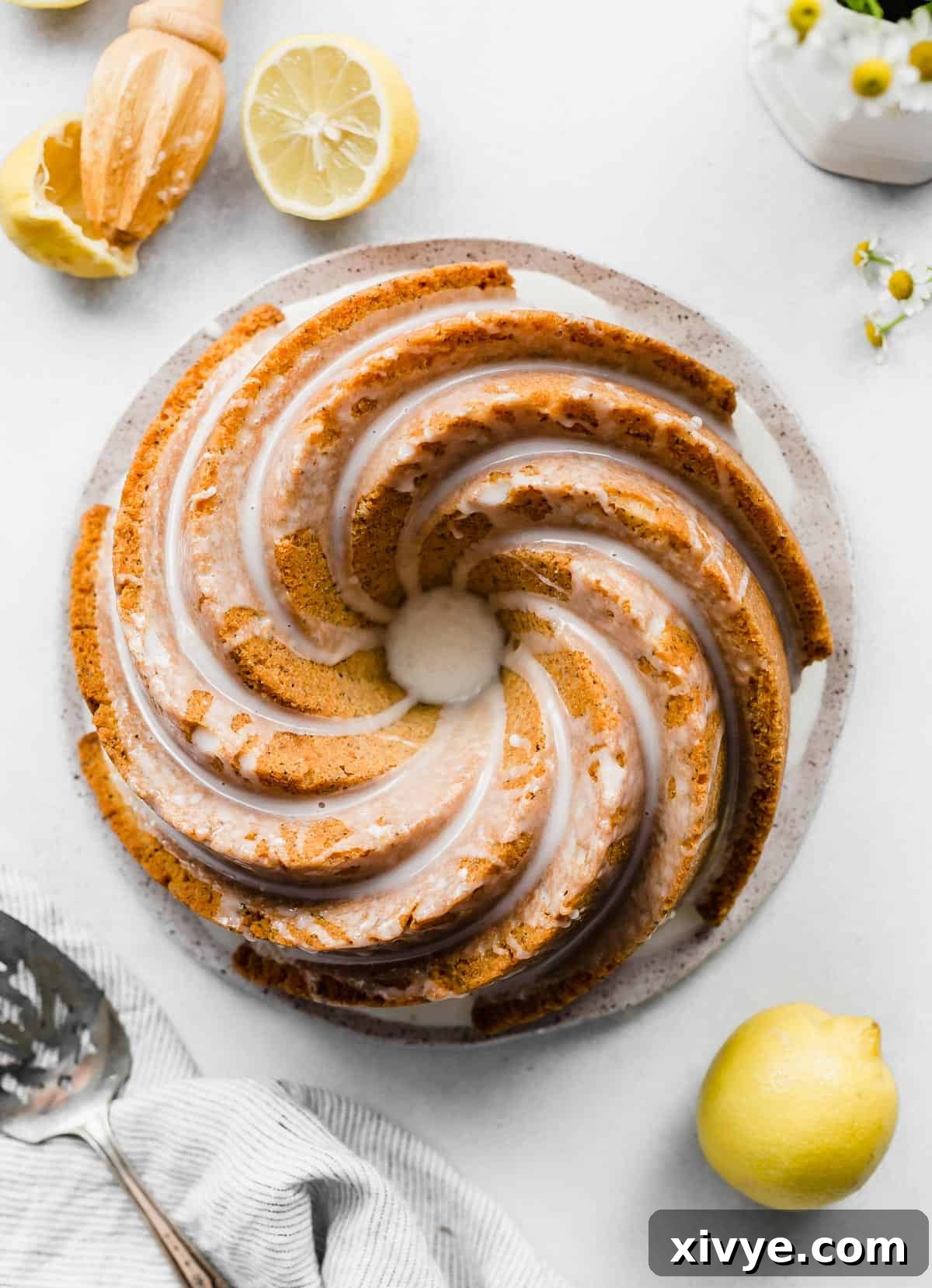
Welcome to the ultimate guide for baking a truly magnificent Lemon Poppy Seed Bundt Cake! This recipe isn’t just about combining ingredients; it’s a carefully crafted experience designed to deliver an unparalleled burst of fresh lemon flavor and an incredibly moist, tender crumb. Every bite promises a delightful dance of bright citrus notes and the subtle crunch of poppy seeds, all enveloped in a rich, buttery cake and crowned with a luscious lemon glaze. Whether you’re a seasoned baker or just starting your culinary journey, this from-scratch bundt cake recipe is guaranteed to impress and become a treasured favorite.
The secret to its irresistible texture lies in a thoughtful combination of sour cream and vegetable oil. These ingredients work in harmony to ensure the cake remains perfectly tender and moist, even days after baking. The vibrant lemon flavor comes from a generous use of both fresh lemon juice and fragrant lemon zest, creating a truly authentic taste that store-bought flavors simply can’t match. To complete this masterpiece, a two-part lemon glaze is applied: a thinner layer that soaks into the cake for added moisture and lemon infusion, and a thicker, opaque layer for a stunning visual finish. Prepare to dazzle your family and friends with this show-stopping dessert!
If you’re as enamored with the bright, zesty flavor of lemon and the delightful texture of poppy seeds as we are, you’ll love exploring these other delicious recipes:
- Lemon Poppy Seed Cake From Cake Mix
- Lemon Poppy Seed Scones
- Lemon Poppy Seed Cookies
- Easy Lemon Poppy Seed Bread
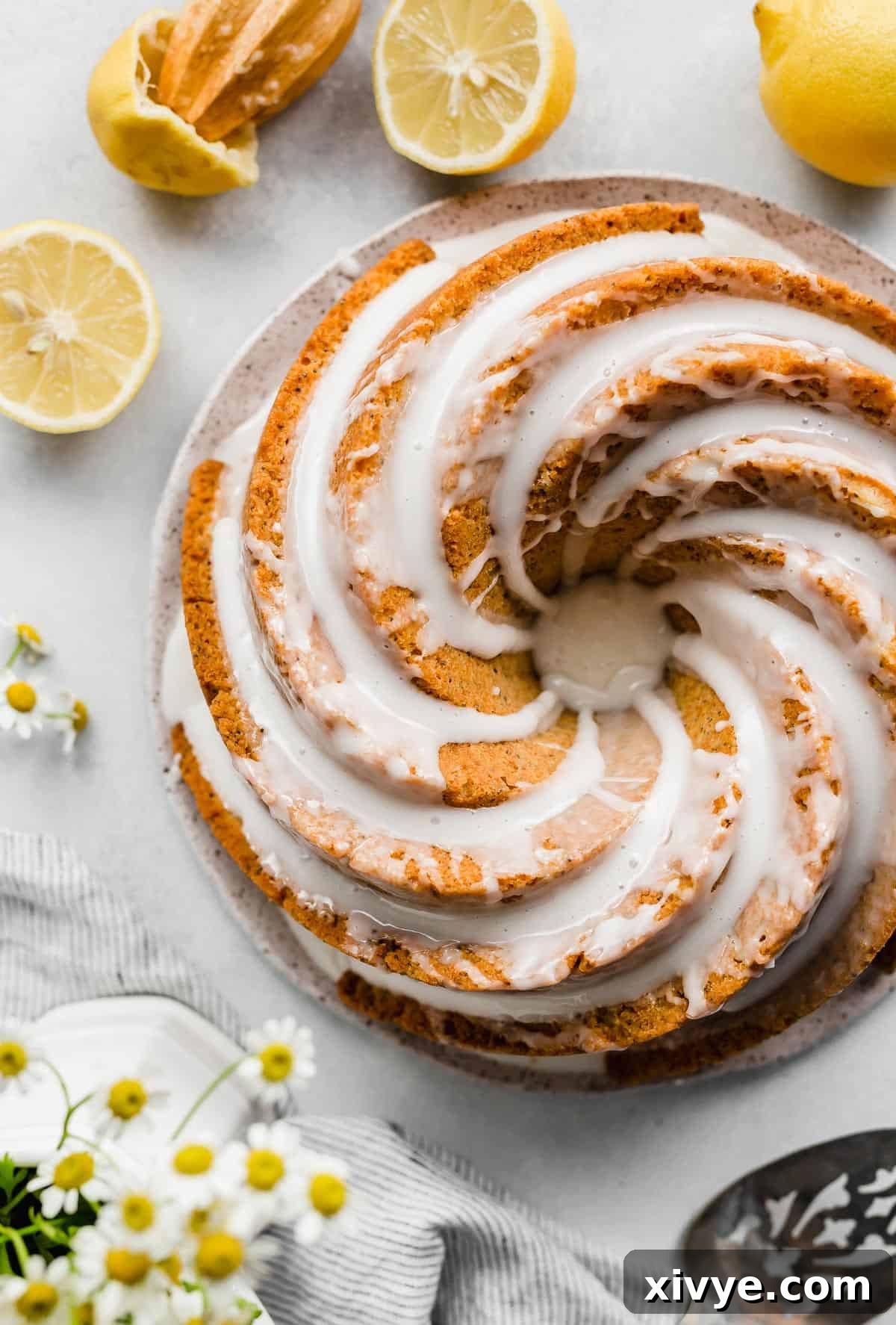
Why This Lemon Poppy Seed Bundt Cake Recipe Is a Must-Try
Crafting the perfect bundt cake involves a delicate balance of flavor, texture, and presentation. This lemon poppy seed bundt cake excels in every aspect, making it a reliable and incredibly delicious choice for any occasion. Here’s why this particular recipe stands out:
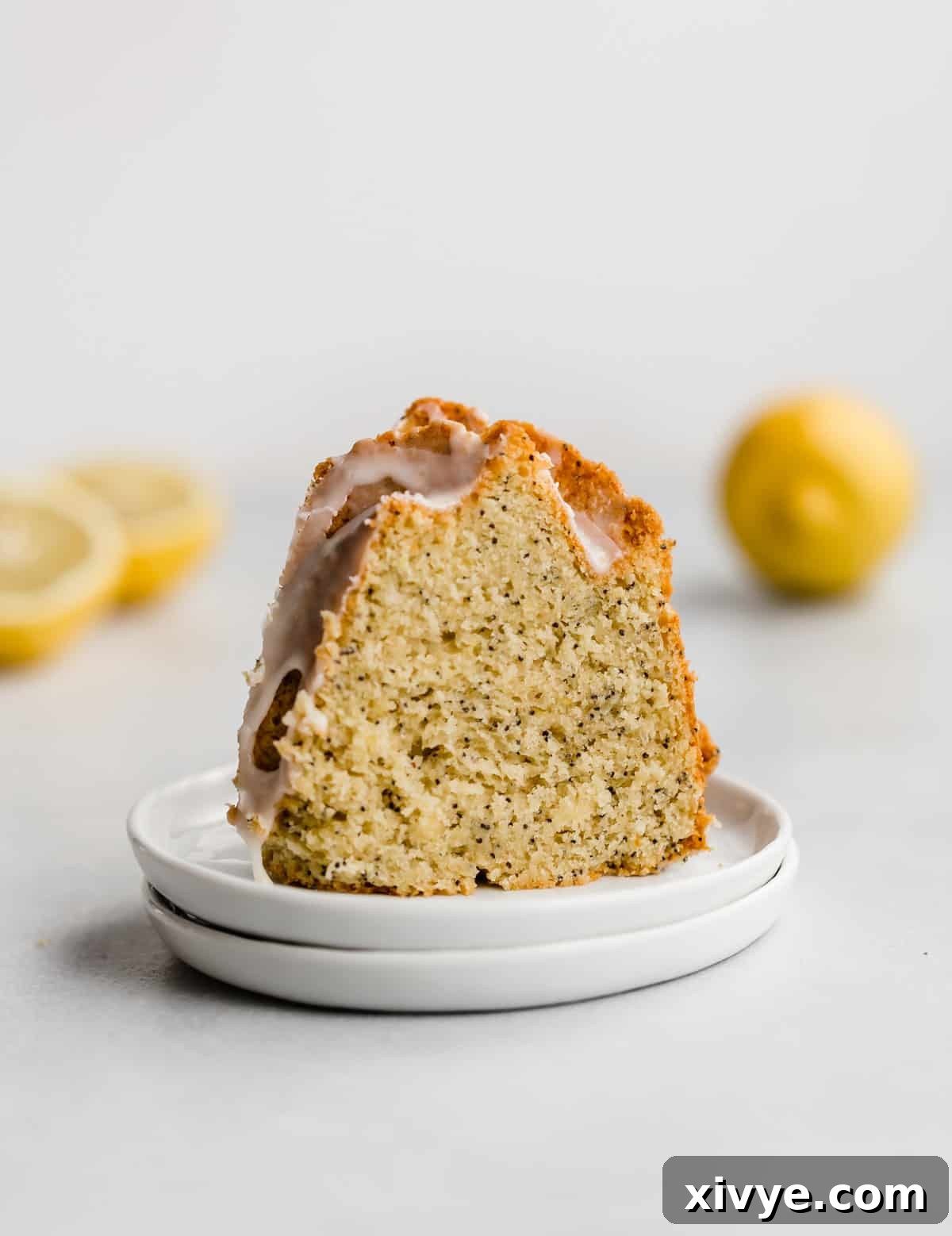
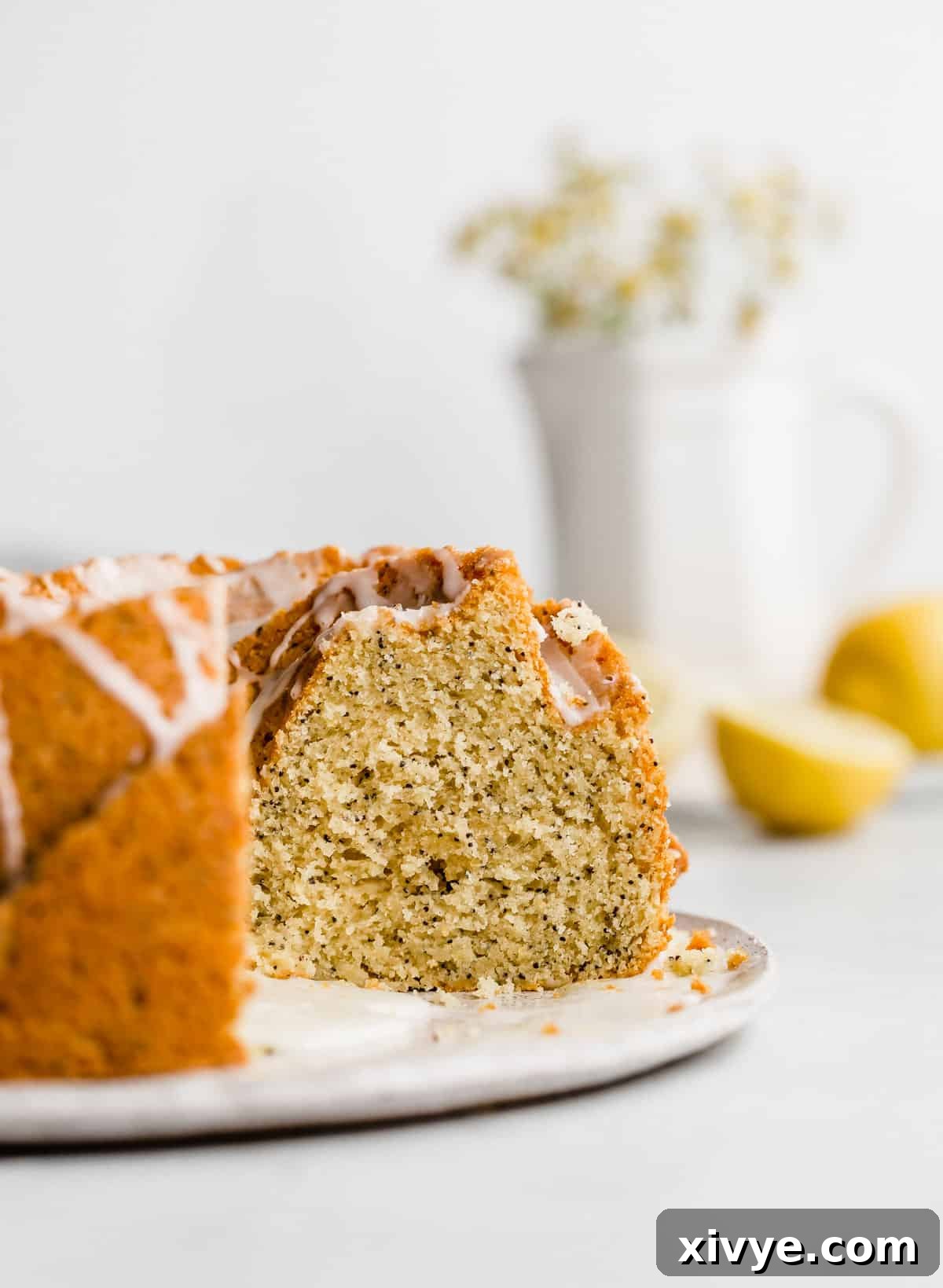
- Unbelievably Moist and Tender Texture: The foundation of any great cake is its texture. We’ve meticulously developed this recipe to ensure an exceptionally moist and tender crumb that practically melts in your mouth. The inclusion of both vegetable oil and sour cream is key here. Oil, being a liquid at room temperature, contributes to a consistently soft texture, preventing the cake from drying out. Sour cream adds an extra layer of richness and moisture, thanks to its fat content, while also introducing a subtle tang that complements the lemon beautifully. This combination results in a cake that stays fresh and delightful for days, making it perfect for preparing ahead.
- Remarkably Bold and Authentic Lemon Flavor: If you love lemon, this cake is for you. We don’t shy away from using fresh lemon zest and freshly squeezed lemon juice to achieve a truly vibrant and natural lemon flavor. Many recipes rely on extracts, but nothing compares to the bright, aromatic punch of real lemons. The zest, in particular, carries essential oils that imbue the cake with a deep citrus aroma and taste that is both prominent and perfectly balanced, ensuring it’s never overpowering, just refreshingly delicious.
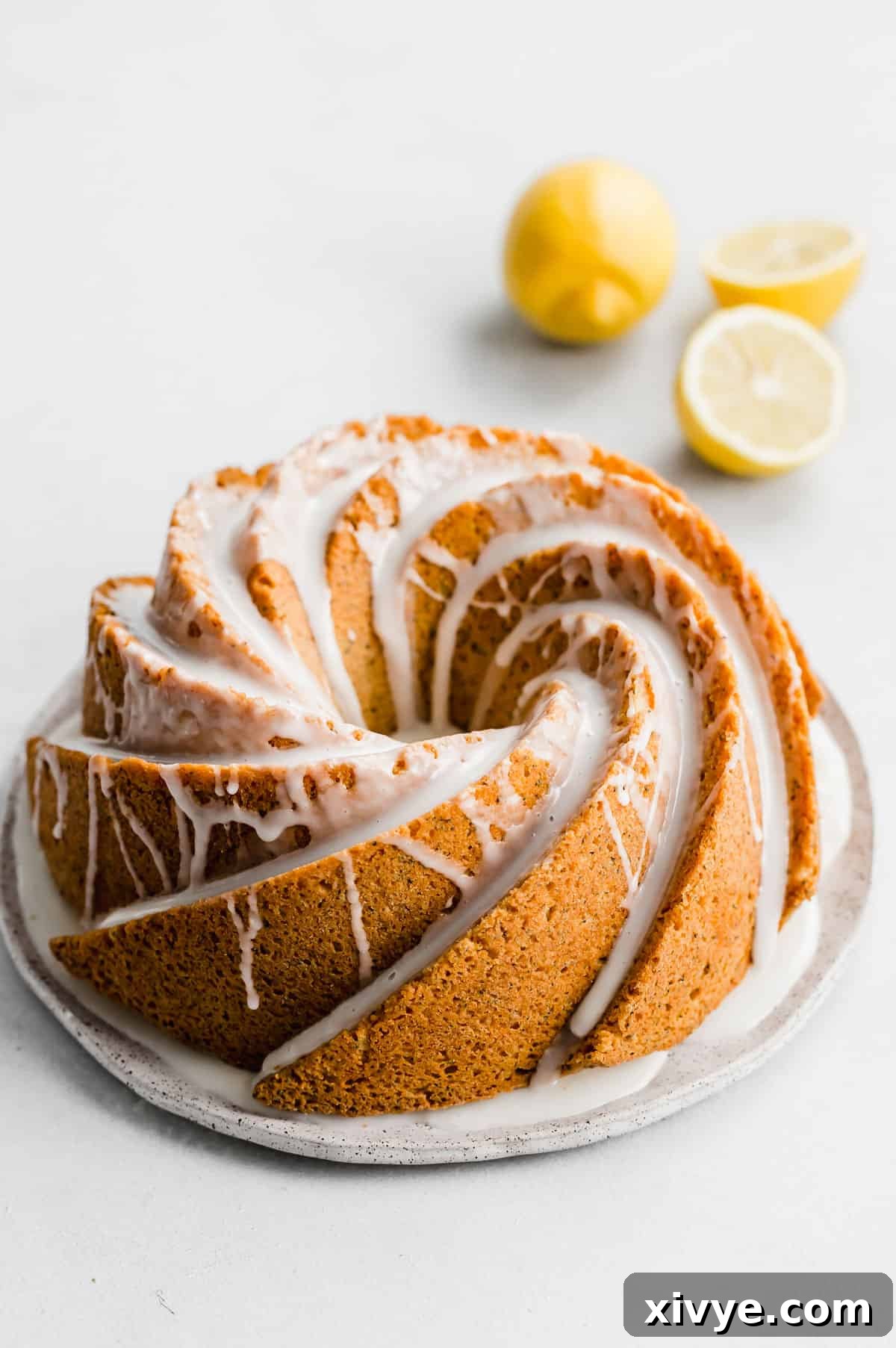
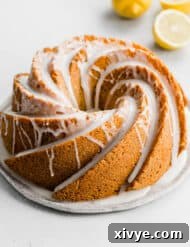
- Dual-Layered Lemon Glaze for Enhanced Flavor and Appearance: What’s a bundt cake without an exquisite glaze? This recipe features a two-stage lemon glaze that elevates both the cake’s flavor and its visual appeal. First, a slightly thinner lemon glaze is drizzled over the still-warm cake. This allows the glaze to seep into the pores of the cake, infusing it with additional moisture and an extra layer of tangy lemon goodness. Once the cake has fully cooled, a second, thicker lemon glaze is applied, creating a beautiful, opaque coating that contrasts wonderfully with the cake’s golden hue and provides that classic bundt cake finish. This dual-glaze technique ensures every bite is moist, lemony, and utterly delicious, offering a stunning presentation that will wow your guests.
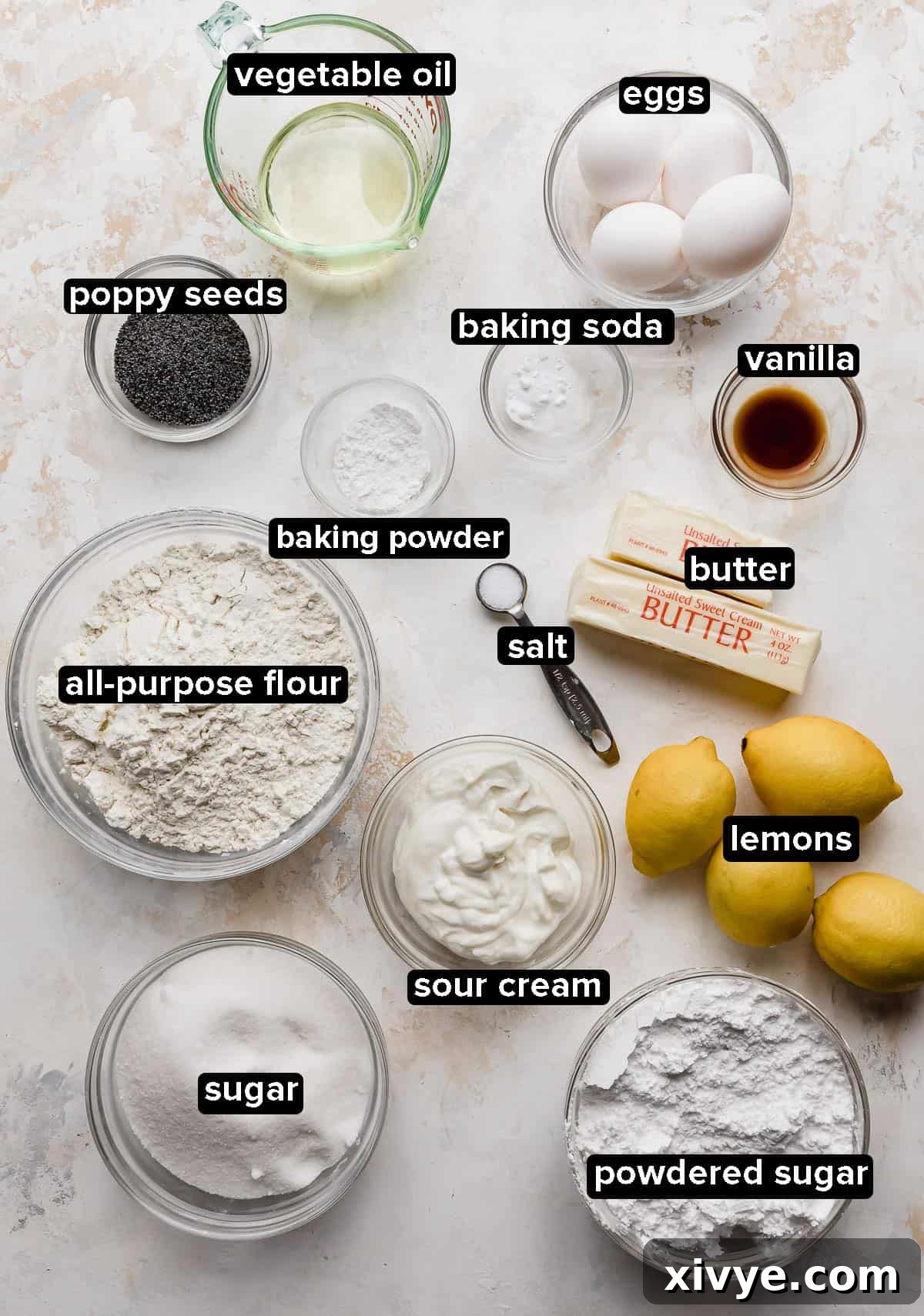
Essential Ingredient Notes for Your Perfect Bundt Cake
Every ingredient plays a crucial role in the success of this Lemon Poppy Seed Bundt Cake. Understanding their function will help you achieve the best possible results. Here’s a closer look at the key components:
- All-Purpose Flour: Standard all-purpose flour is ideal for this recipe, providing the necessary structure without making the cake tough. For best results, measure your flour by weight (grams) if possible, or use the “spoon and level” method: spoon flour into your measuring cup and then level it off with a straight edge, rather than scooping directly from the bag, which can compact the flour and lead to an overly dense cake.
- Baking Powder & Baking Soda: These are our primary leavening agents, responsible for the cake’s beautiful rise and tender texture. Baking powder reacts when wet and with heat, while baking soda requires an acidic ingredient (like sour cream and lemon juice in this recipe) to activate. Ensuring your leavening agents are fresh is crucial for a properly risen cake. If baking at high elevation, leavening amounts may need adjustment. For specific guidance, refer to resources like King Arthur Baking’s tips on high-altitude baking, as air pressure changes how cakes rise.
- Poppy Seeds: These tiny seeds are essential for both flavor and texture. Their subtle nutty taste and delightful crunch add a unique dimension to the cake. We use a generous 3 tablespoons in this recipe for a truly poppy seed-loaded experience, but feel free to adjust to your preference.
- Unsalted Butter: Using unsalted butter allows you to control the total salt content in your recipe. Ensure your butter is softened to room temperature before creaming with sugar; this creates air pockets that contribute to a light and fluffy cake texture. If using salted butter, reduce the added salt by ¼ teaspoon for every ½ cup of butter used.
- Granulated Sugar: Beyond sweetness, sugar plays multiple vital roles in baking. It helps to tenderize the cake by interfering with gluten development, locks in moisture, and contributes to the golden-brown crust through caramelization during baking.
- Fresh Lemon Juice & Lemon Zest: The heart of our lemon flavor! Always opt for fresh lemons. The zest contains concentrated oils that provide the most intense and aromatic lemon essence, while the juice adds that bright, tangy acidity. Avoid bottled lemon juice if possible, as its flavor is often muted and lacks the vibrancy of fresh.
- Vegetable Oil: The inclusion of vegetable oil is a key factor in achieving an incredibly moist and soft cake. Unlike butter, which is solid at room temperature, oil remains liquid, meaning it contributes to a consistently tender crumb that doesn’t firm up as the cake cools. This helps keep the cake moist for longer. Any neutral-flavored oil, such as canola or sunflower oil, will work well.
- Sour Cream: This ingredient is a true game-changer for moisture and richness. Sour cream adds extra fat and acidity to the batter. The fat tenderizes the cake, while the acidity reacts with the baking soda to promote a better rise and a finer crumb. It also imparts a subtle tang that beautifully balances the sweetness of the cake.
Step-by-Step Instructions: Baking Your Perfect Lemon Poppy Seed Bundt Cake
Follow these detailed steps to create a show-stopping Lemon Poppy Seed Bundt Cake. Precision and attention to detail at each stage will ensure the best possible outcome.
- Prepare Your Pan and Oven: Begin by preheating your oven to 350°F (175°C). Position an oven rack in the center of the oven. This ensures even baking. Next, meticulously grease and flour a 10-cup bundt pan. You can use baking spray with flour, or apply softened butter/shortening with a pastry brush, ensuring all nooks and crannies are coated, then dust generously with flour, tapping out any excess. This step is critical to prevent sticking and ensure your beautiful cake releases cleanly. Set the prepared pan aside.
- Combine the Dry Ingredients: In a medium-sized bowl, whisk together the all-purpose flour, baking powder, baking soda, salt, and poppy seeds. Whisking ensures these ingredients are evenly distributed, which is important for proper leavening and consistent flavor throughout the cake. Set this mixture aside.
- Cream Butter and Sugar: In the bowl of a stand mixer fitted with the paddle attachment (or using a large bowl with hand beaters), cream together the softened butter and granulated sugar on medium speed for 2-3 minutes. Beat until the mixture is light, fluffy, and pale in color. This process incorporates air, which contributes to the cake’s airy texture.
- Incorporate Eggs and Flavorings: Add the eggs one at a time to the creamed butter and sugar mixture, beating well after each addition until fully incorporated. Scrape down the sides of the bowl as needed to ensure everything mixes evenly. Next, add the fresh lemon zest, vanilla extract, freshly squeezed lemon juice, and vegetable oil. Mix on low speed until all these wet ingredients are thoroughly combined, but do not overmix at this stage.
- Alternate Dry and Wet Mixtures: With the mixer on its lowest speed, begin to alternate adding the dry flour mixture and the sour cream to the wet ingredients. Start and end with the flour mixture. A good rhythm is: add one-third of the flour mixture, mix until just combined; then add half of the sour cream, mix until just combined; followed by another third of the flour, the remaining sour cream, and finally the last third of the flour. Mix only until the ingredients are *just* combined and no streaks of dry flour remain. Overmixing at this stage can develop the gluten too much, resulting in a tough, dense cake. The batter will be relatively thick.
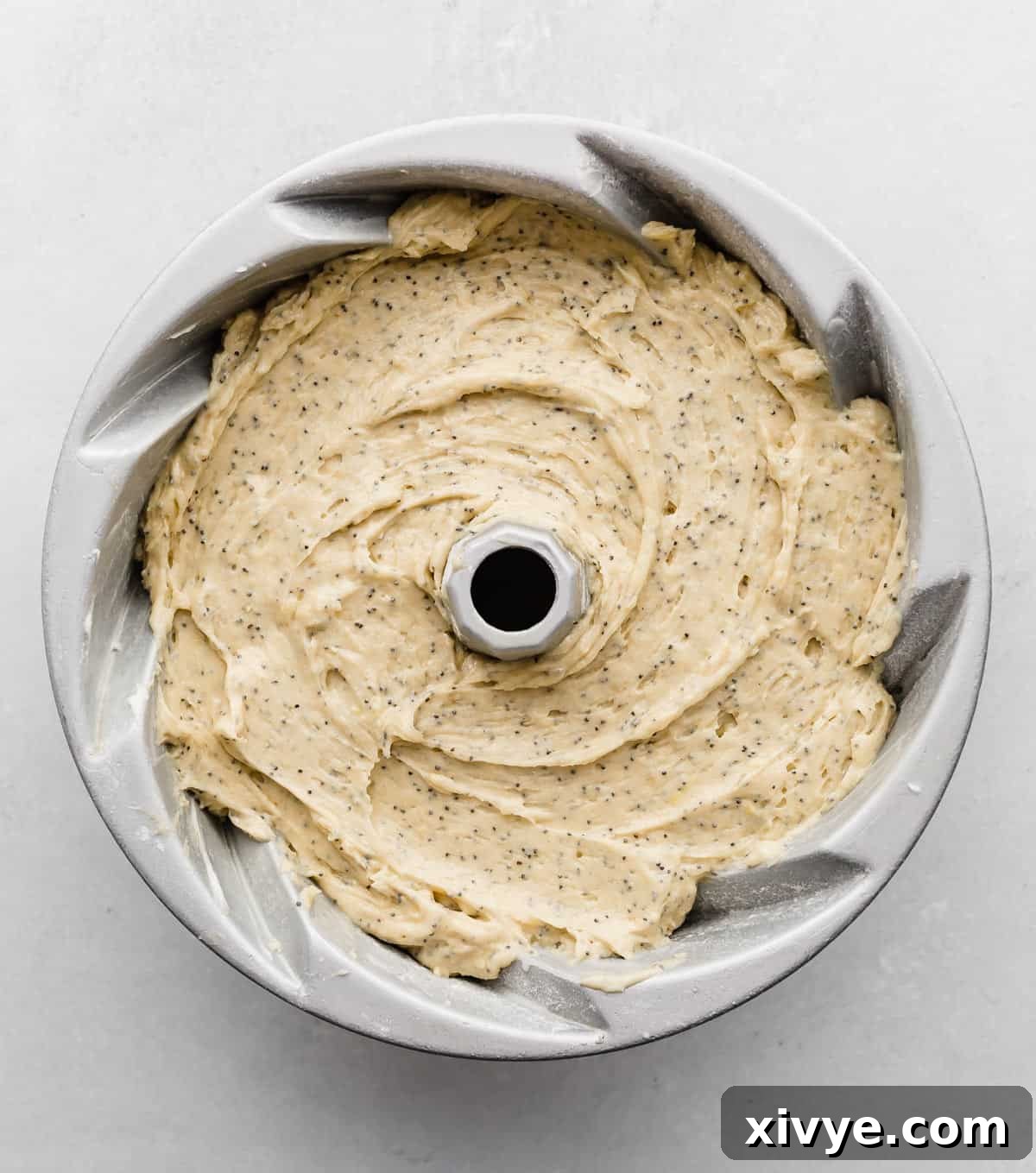
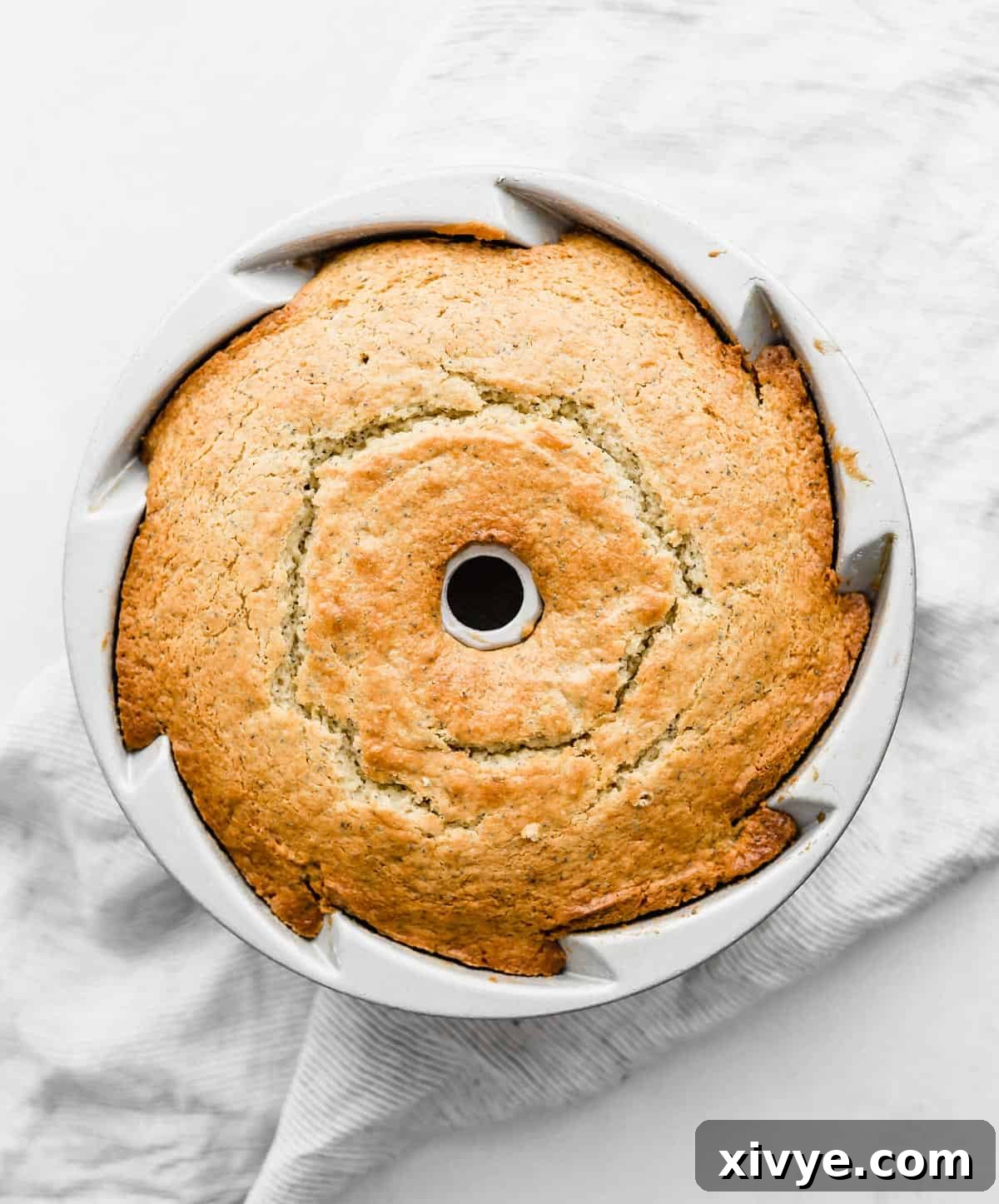
- Fill and Bake: Spoon the thick cake batter evenly into your prepared bundt pan. Use a spatula to gently level the top of the batter to ensure even baking. Place the bundt pan into the preheated oven and bake for 40-50 minutes. Baking times can vary, so start checking around 40 minutes. The cake is done when a wooden skewer or toothpick inserted into the center comes out clean, with perhaps a few moist crumbs attached, but no wet batter.
- Cooling Process (Crucial for Moisture!): Once baked, remove the pan from the oven. Let the cake cool in the bundt pan on a wire rack for exactly 10 minutes. This allows the cake to set and prevents it from breaking when inverted. After 10 minutes, carefully invert the cake onto the wire rack and lift the pan away. Allow the cake to cool on the rack until it is just warm to the touch. This next step is essential for maximum moisture: once warm, lightly cover the cake with plastic wrap and let it continue cooling completely to room temperature. The plastic wrap traps steam, keeping your cake wonderfully moist.
- Prepare the Lemon Glaze: While your cake is cooling, prepare the bright lemon glaze. In a medium bowl, whisk together the fresh lemon juice, vanilla extract, and sifted powdered sugar until completely smooth and free of lumps. The consistency should be pourable yet thick, similar to a rich syrup. If it’s too thick, add a tiny splash more lemon juice; if too thin, add a bit more powdered sugar.
- Glaze and Serve: Once the cake is completely cooled (this is important for the glaze to set properly), drizzle the lemon glaze generously over the top of the bundt cake. Allow the glaze to set for a few minutes before slicing and serving. The vibrant lemon aroma and stunning appearance will invite everyone to enjoy a slice of this delightful cake!
Expert Recipe Tips for Bundt Cake Success
Achieving a bakery-worthy Lemon Poppy Seed Bundt Cake is easier than you think with these helpful tips:
- Room Temperature Ingredients are Key: Ensure your butter and eggs are at room temperature. This allows them to emulsify properly, creating a smooth batter that traps air efficiently, resulting in a lighter and more uniform cake texture. For eggs, simply place them in a bowl of warm water for 5-10 minutes.
- Sour Cream vs. Greek Yogurt: While sour cream provides a richer, more tender cake due to its higher fat content, plain Greek yogurt can be used as a healthier 1:1 substitute. It will still provide a lovely tang and moisture, though the texture might be slightly different. Ensure it’s plain and unsweetened.
- Avoid Overmixing the Batter: After adding the flour and sour cream, mix only until the ingredients are just combined. Overmixing develops the gluten in the flour, which can lead to a tough, dense, and dry cake. A few small lumps are perfectly fine; resist the urge to keep mixing until perfectly smooth.
- Mastering Bundt Pan Preparation: This is arguably the most crucial step for a beautiful bundt cake. Bundt pans, with their intricate designs, are notorious for sticking. A high-quality baking spray that contains flour (often labeled “baking spray with flour”) is your best friend here. Alternatively, generously grease the entire inside of the pan with softened butter or shortening, ensuring every crevice is coated, then dust thoroughly with all-purpose flour, tapping out any excess. For extra insurance, some bakers even do both! The better your pan is prepared, the cleaner your cake will release.
- Choosing the Right Bundt Pan Size: This recipe is designed for a 10-cup bundt pan and typically fits perfectly without overflow. However, bundt pan capacities can sometimes vary slightly, or certain designs might hold less volume. If you’re concerned about overflow, especially if you have a smaller 10-cup pan or a particularly intricate design, you can use a 12-cup bundt pan. Alternatively, remove about ½ to ¾ cup of batter and bake it into a couple of cupcakes or a mini loaf for a baker’s treat!
- The Art of Glazing: For that ultimate glossy finish and enhanced lemon flavor, consider applying the glaze in two stages. First, make a slightly thinner glaze (by adding a tiny bit more lemon juice) and drizzle a few tablespoons over the still-warm cake. This thinner glaze will seep into the cake, adding moisture and flavor. Once that has absorbed and the cake is fully cooled, thicken the remaining glaze with a little more powdered sugar and apply it generously over the entire cake. This dual application creates a beautiful aesthetic and a delightful taste experience.
- Adjusting Glaze Consistency: If your glaze is too thick, add a tiny amount of fresh lemon juice or a splash of milk (about ¼ teaspoon at a time) until it reaches your desired pourable consistency. If it’s too thin, gradually whisk in more powdered sugar until it thickens up.
Make Ahead, Storing, and Freezing
This Lemon Poppy Seed Bundt Cake is excellent for making ahead, and its moist nature ensures it stays delicious for days. Here’s how to properly store and freeze it:
- Storing at Room Temperature: Once the cake is completely cooled and glazed, store it covered at room temperature. A cake dome, an airtight container, or simply wrapping it tightly with plastic wrap will keep it fresh for up to 3 days. The plastic wrap after initial cooling is particularly helpful in locking in moisture.
- Freezing Slices: If you want to enjoy this cake later, individual slices freeze beautifully. Allow the cake to come to room temperature and cut it into desired slices. Wrap each slice tightly in two layers of plastic wrap to prevent freezer burn. For longer storage (beyond a week), add an additional layer of aluminum foil around each wrapped slice. Store in the freezer for up to 1-2 months. When ready to enjoy, remove the desired number of slices and let them thaw in the refrigerator overnight, or at room temperature for a few hours.
Common Questions & Answers About This Recipe
Can I use store-bought lemon juice instead of fresh?
While you technically *can* use store-bought lemon juice, this recipe heavily relies on the bright, authentic flavor that only fresh lemons can provide, especially from the zest. Since you’ll need fresh lemons for the zest anyway, it’s highly recommended to use their juice as well. Store-bought lemon juice often has a less vibrant and sometimes slightly metallic taste that will diminish the overall lemon impact of the cake. If you must use it, consider adding a little extra zest from a fresh lemon or dried lemon peel for a more pronounced citrus note, but be aware the flavor profile will be less bold than intended.
Can I substitute Greek yogurt for the sour cream?
Yes, you can absolutely make this lemon poppy seed bundt cake with Greek yogurt! I often lean towards sour cream in my cakes because its higher fat content typically yields an even more tender and rich result. However, using plain, full-fat Greek yogurt is a fantastic alternative that will still deliver a delicious cake with a lovely texture, and it can be a slightly healthier option. Simply substitute it in a direct 1:1 ratio. Ensure the Greek yogurt is plain and unsweetened so it doesn’t alter the cake’s sweetness or introduce unwanted flavors.
Can I substitute gluten-free flour for the all-purpose flour?
Yes, you can substitute gluten-free (GF) flour for the all-purpose flour. It’s crucial to use a 1:1 baking blend that is specifically formulated for replacing regular flour in recipes. Some GF flour blends already contain xanthan gum, which is important for structure and moisture in gluten-free baking. Check the ingredient list on your GF flour bag. If it doesn’t contain xanthan gum, you’ll need to add a small amount (typically ½ teaspoon per cup of flour) to your dry ingredients to help with binding and moisture retention. For reliable results, I recommend Bob’s Red Mill Gluten Free 1:1 Baking Flour, which is a popular and effective choice.
Do I need to alter my baking for high elevation?
This cake recipe was developed and tested at sea level. If you typically have success with sea-level recipes in your higher altitude kitchen, you might be able to bake this cake as is. However, baking at higher altitudes means lower air pressure, which can cause cakes to rise too quickly and then collapse, or dry out faster. Common high-altitude adjustments include slightly reducing leavening agents, sugar, and sometimes increasing liquid. Increasing oven temperature can sometimes be risky with cakes as it might cause the outside to set too quickly while the inside remains undercooked. For detailed and precise guidance on high-altitude baking, resources like Cooks Illustrated offer excellent tips and adjustments that can save your bakes.
Do I have to use a bundt pan for this cake?
No, a bundt pan isn’t strictly necessary, although it gives the cake its signature elegant shape. You can certainly bake this batter in other pans. For instance, it would work well in two 8-inch round cake pans. Adjust the baking time accordingly; round cakes typically bake faster than bundt cakes due to less dense batter and different surface area exposure. Start checking for doneness around 25-30 minutes for round pans.
Can I make this into cupcakes?
Yes, you can transform this bundt cake recipe into delightful lemon poppy seed cupcakes! While I haven’t personally tested this specific recipe as cupcakes, the batter consistency is generally suitable. I recommend baking a single test cupcake first to accurately determine the optimal baking time. Keep the oven temperature at 350°F (175°C). Cupcakes typically bake much faster, likely somewhere in the range of 12-18 minutes. Fill cupcake liners only about two-thirds full to prevent overflow. You can expect to yield approximately 24-30 cupcakes from this recipe. Lightly spraying the cupcake liners with a non-stick spray can also help prevent sticking, especially with denser batters.
More Zesty Lemon Recipes to Enjoy
If you can’t get enough of that refreshing lemon flavor, here are some other fantastic recipes from our collection that celebrate this versatile citrus:
- Lemon Ricotta Cookies
- Lemon Bar Cake
- Lemon Zucchini Bread
- Lemon Pasta Recipe
- Lemon Honey Glazed Salmon
Did you try this recipe? We’d absolutely love to hear about your experience! Your feedback helps us grow and improve. Please leave a rating and review right on the blog post. Or, scroll down to the recipe card section to share your thoughts.
Stay connected with us for more delicious recipes and baking inspiration! Follow us on Instagram, TikTok, Facebook, and Pinterest.
Whitney Wright
Lemon Poppy Seed Bundt Cake
One of our absolute favorite cakes! This lemon poppy seed bundt cake is renowned for its incredible moisture, intense lemony flavor, and a smooth, elegant lemon glaze that makes it irresistible. Perfect for any gathering or a delightful treat.
Prep Time: 10 mins
Cook Time: 45 mins
Cool Time: 45 mins
Total Time: 1 hr 40 mins
Servings: 8 servings
Ingredients
Lemon Poppy Seed Bundt Cake
- 3 cups all-purpose flour
- 3 teaspoons baking powder
- ¾ teaspoon baking soda
- ½ teaspoon salt
- 3 tablespoons poppy seeds
- ¾ cup unsalted butter, softened to room temperature
- 2 cups granulated sugar
- 2 ½ tablespoons fresh lemon zest
- ¼ cup fresh lemon juice
- 4 large eggs, at room temperature
- 1 teaspoon vanilla extract
- ½ cup vegetable oil
- 1 cup sour cream (can substitute plain Greek yogurt in a 1:1 substitution)
Lemon Glaze
- 3 tablespoons fresh lemon juice (or as needed to thin out glaze)
- ½ teaspoon vanilla extract
- 2 cups powdered sugar, sifted
Instructions
- Preheat oven to 350°F (175°C) and place the oven rack in the center. Thoroughly grease and flour a 10-cup bundt pan (refer to notes and tips for best results). Set aside.
- In a medium-sized bowl, whisk together the all-purpose flour, baking powder, baking soda, salt, and poppy seeds until well combined. Set aside.
- In the bowl of a stand mixer fitted with the paddle attachment (or using hand beaters), cream the softened butter and granulated sugar for 2-3 minutes on medium speed until the mixture is light and fluffy. Add the eggs one at a time, beating well after each addition until fully incorporated, scraping down the bowl as needed. Mix in the lemon zest, vanilla extract, fresh lemon juice, and vegetable oil until thoroughly combined.
- With the mixer on low speed, alternate adding the dry flour mixture and the sour cream, beginning and ending with the flour. For example: add ⅓ of the flour, mix; then ½ of the sour cream, mix; then ⅓ of the flour, the remaining sour cream, and finally the last ⅓ of the flour. Mix only until the batter is just combined and no dry streaks remain. Be careful not to overmix. The batter will be fairly thick.
- Pour the batter evenly into the prepared bundt pan. Bake for 40-50 minutes. (Our cake baked perfectly in 44 minutes.) The cake is done when a wooden skewer or toothpick inserted into the center comes out clean, with a few moist crumbs clinging to it, but no wet batter.
- Remove the bundt pan from the oven and let the cake cool in the pan on a wire rack for 10 minutes. After 10 minutes, carefully invert the cake onto the wire rack to remove it from the pan. Allow it to cool on the wire rack until it is just warm to the touch. Once warm, lightly cover the cake with plastic wrap and let it cool completely to room temperature. This crucial step helps keep the cake incredibly moist!
- Once the cake is completely cool, prepare the lemon glaze and drizzle it generously over the top. Slice and serve your delicious Lemon Poppy Seed Bundt Cake!
Lemon Glaze
- In a small bowl, whisk all the glaze ingredients (fresh lemon juice, vanilla extract, and sifted powdered sugar) together until completely smooth. The consistency should be pourable but thick, similar to a rich syrup. Add a dash more powdered sugar if it’s too thin, or a tiny amount of lemon juice if it’s too thick, until your desired consistency is reached.
Notes
This recipe consistently bakes well in a standard 10-cup bundt pan without issues. However, if you are concerned about overflow or have a particularly intricate pan, you can use a 12-cup bundt pan or reserve a small amount of batter to bake as cupcakes (see FAQs for details).
Nutrition Information
Calories: 872 kcal (44% Daily Value)
Carbohydrates: 120g (40% Daily Value)
Protein: 10g (20% Daily Value)
Fat: 41g (63% Daily Value)
Saturated Fat: 26g (130% Daily Value)
Cholesterol: 166mg (55% Daily Value)
Sodium: 468mg (20% Daily Value)
Potassium: 324mg (9% Daily Value)
Fiber: 2g (8% Daily Value)
Sugar: 81g (90% Daily Value)
Vitamin A: 864 IU (17% Daily Value)
Vitamin C: 8mg (10% Daily Value)
Calcium: 176mg (18% Daily Value)
Iron: 3mg (17% Daily Value)
Course: Dessert
Cuisine: American
Did you make this recipe?
Please leave a star rating and review on the blog post letting us know how you liked this recipe! We love seeing your creations – take a picture and tag @saltandbaker on TikTok, Instagram, and Facebook so we can see what you’re making!