
There’s nothing quite like the warmth and comfort of homemade pierogi, and this recipe for Pierogi Dough with Sour Cream is the ultimate secret to achieving perfection. This method yields a wonderfully soft, tender, and incredibly easy-to-work-with dough that’s delicate to the bite, yet robust enough to hold a generous filling. Forget complicated recipes that leave you frustrated; this approach simplifies the process, ensuring a delightful culinary experience from start to finish. Paired with a classic, heartwarming filling of creamy mashed potatoes and rich cheese, these pierogi are destined to become a beloved comfort food for everyone at your table.
This versatile recipe is also a fantastic solution for utilizing leftover Homemade Mashed Potatoes, transforming them into an exciting new dish. If you’re frequently finding yourself with surplus mashed potatoes, consider other delicious options like my Shepherd’s Pie recipe. And for those who adore cheesy potato dishes with a touch of tang, my Twice Baked Potatoes offer another irresistible blend of flavors that you’re sure to enjoy, even if they don’t involve leftovers.
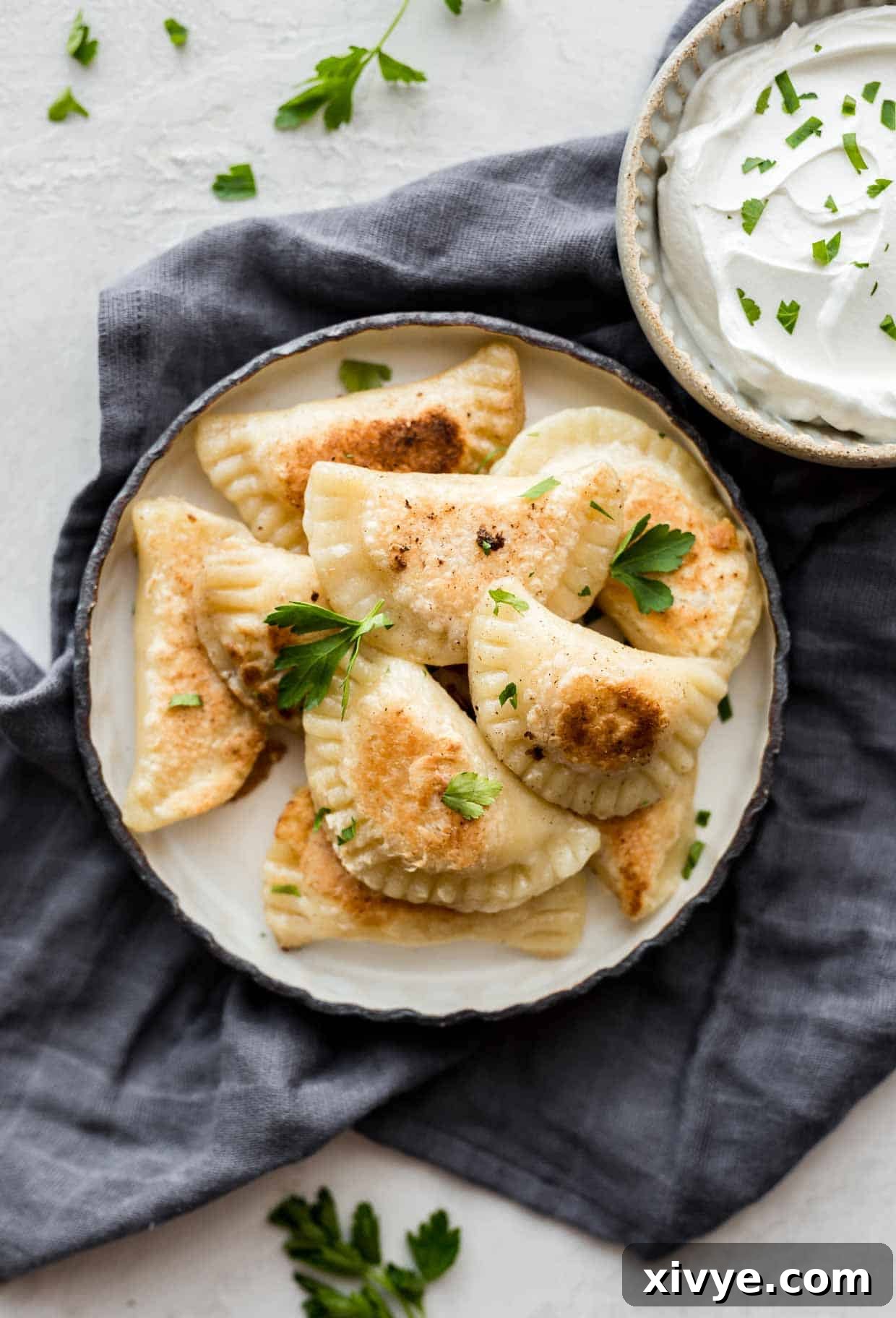
Why This Sour Cream Pierogi Recipe is a Must-Try
Making pierogi from scratch might seem daunting, but this recipe simplifies the process without compromising on flavor or texture. Here’s why this particular approach stands out:
- Effortless and Forgiving Dough: Many pierogi dough recipes can be overly complex, leading to tough or difficult-to-handle results. Our sour cream pierogi dough is designed for ease. The addition of sour cream contributes to an exceptionally tender and pliable dough that’s a dream to work with, even for novice bakers. It rolls out beautifully, seals perfectly, and bakes up into the softest pierogi you’ll ever taste, making the entire pierogi-making process enjoyable and rewarding.
- Classic, Irresistible Filling: The combination of creamy mashed potatoes and melted cheese is the quintessential and most beloved filling for traditional Polish pierogi, and for good reason. It’s a timeless pairing that delivers ultimate comfort in every bite. The rich, savory potatoes perfectly complement the tangy notes of the sour cream dough, creating a harmonious flavor profile that makes these pierogi the ultimate heartwarming comfort food. This classic filling ensures a familiar and deeply satisfying experience.
- Versatile and Customizable: While the potato and cheese filling is a traditional favorite, this recipe serves as a fantastic foundation for culinary creativity. The robust yet tender dough can accommodate a wide array of sweet or savory fillings, allowing you to experiment and personalize your pierogi to suit any craving or occasion. From various cheeses to different vegetable combinations, the possibilities are endless.
- Perfect for Meal Prep: Pierogi are ideal for making ahead and freezing, making them a fantastic option for meal prepping. You can enjoy homemade pierogi anytime you wish, without the need for extensive cooking on busy weeknights. This recipe provides clear instructions for freezing, allowing you to stock your freezer with delicious, ready-to-cook dumplings.
Essential Ingredient Notes for Perfect Pierogi
Creating the best pierogi starts with understanding the role of each ingredient. Here’s a closer look at what you’ll need and why it matters for both the dough and the delightful filling.
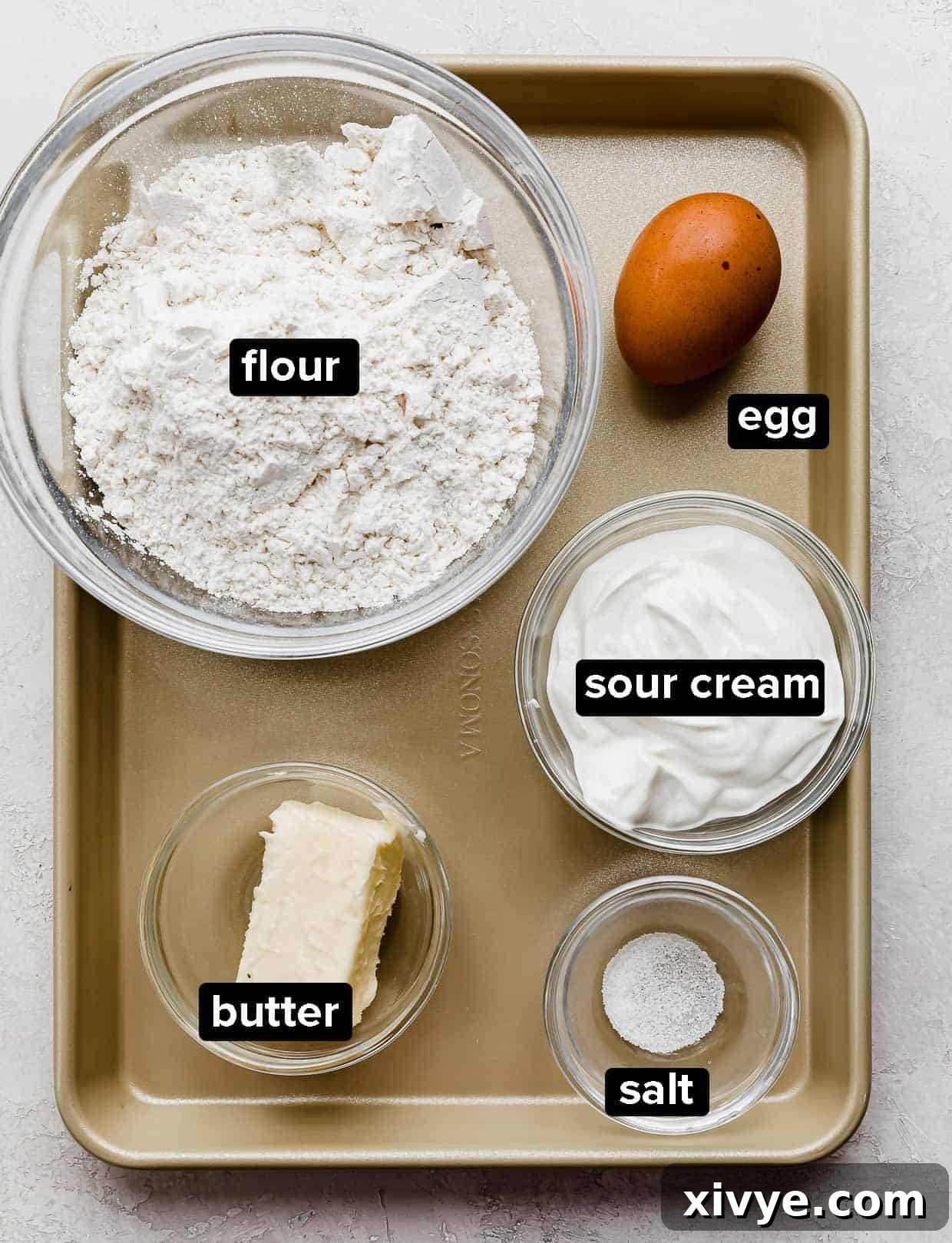
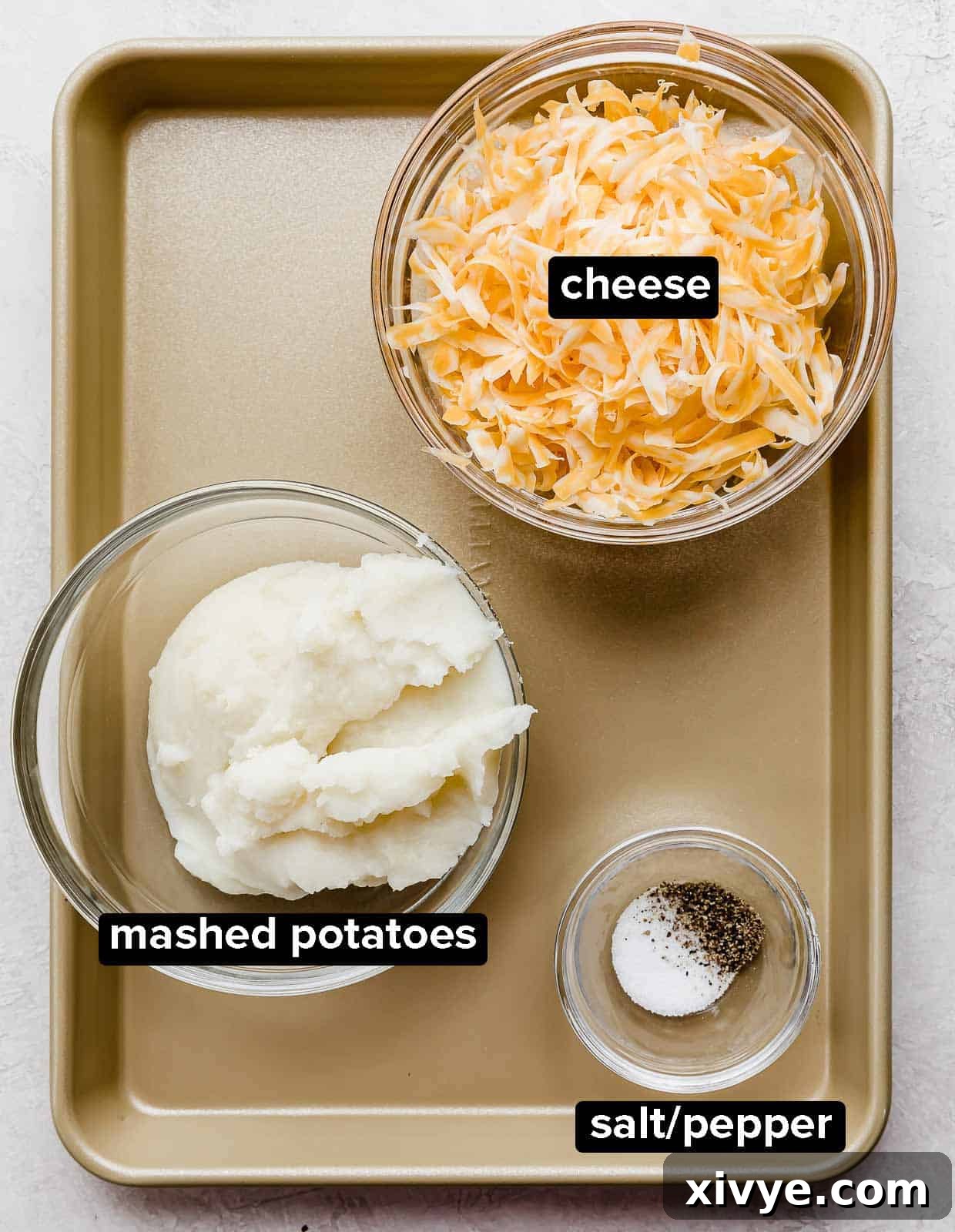
- All-Purpose Flour: Standard all-purpose flour works wonderfully for this dough, providing the right balance of gluten for structure without making the pierogi tough. Sifted flour can ensure an even lighter dough.
- Egg: The egg acts as a binding agent, helping to hold the dough together and contributing to its elasticity and richness. It also adds a subtle yellow hue and contributes to the overall tender texture.
- Sour Cream: This is the star ingredient for the dough! Sour cream is crucial for creating that signature soft, tender, and slightly tangy pierogi dough. Its fat content keeps the dough moist, while its acidity helps tenderize the gluten, making the dough incredibly easy to roll and work with. Don’t skip it!
- Unsalted Butter: Room temperature butter is incorporated into the dough to add richness and further enhance its tenderness and flavor. Ensure it’s softened, not melted, for proper incorporation.
- Salt: Essential for seasoning both the dough and the filling, bringing out all the delicious flavors.
For the Delicious Filling:
- Warm Mashed Potatoes: Using warm mashed potatoes is key here, as the residual heat helps to melt the cheese more easily, creating a smooth and cohesive filling. You can absolutely use leftover homemade mashed potatoes for the best flavor and texture. If you’re short on time, instant mashed potatoes can also be a convenient substitute. Just ensure they are prepared according to package directions and are still warm when mixed with the cheese.
- Cheddar Cheese: A classic choice for its sharp, familiar flavor and excellent melting properties. However, feel free to get creative with your cheese selection! Colby Jack is a fantastic alternative, offering a milder, creamier melt. A blend of Monterey Jack, pepper jack for a slight kick, or even some smoked gouda can elevate the flavor profile of your pierogi. Experiment to find your favorite combination!
- Salt and Black Pepper: These seasonings are vital for enhancing the rich flavors of the potatoes and cheese. Adjust to your taste, adding more if your mashed potatoes were unseasoned.
Step-by-Step Instructions for Homemade Sour Cream Pierogi
Follow these detailed steps to create tender, flavorful pierogi from scratch. Patience and attention to detail will ensure the best results!
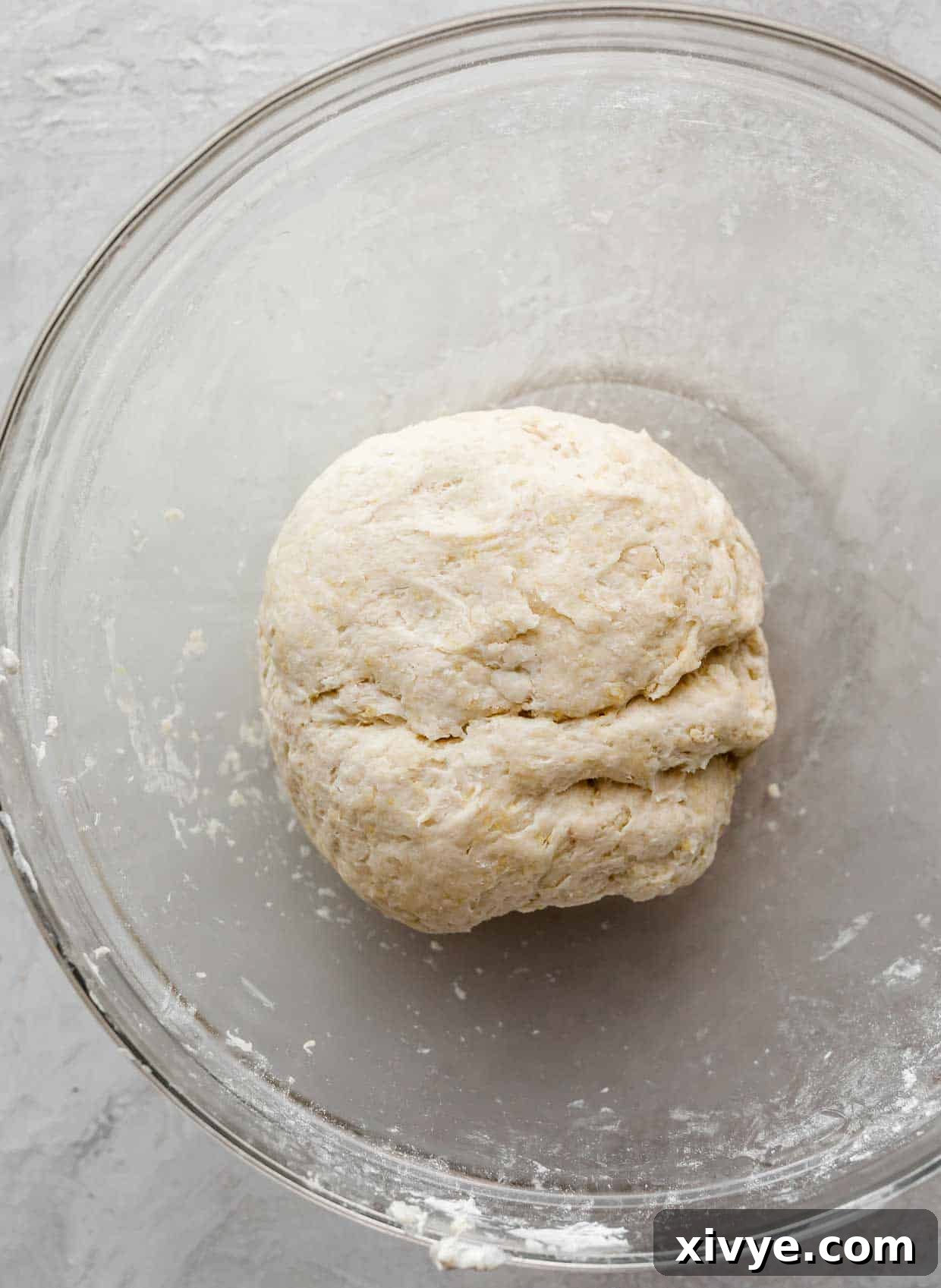
- Prepare the Pierogi Dough with Sour Cream: In a large mixing bowl, combine the all-purpose flour and salt. Create a well in the center and add the large egg. Stir until the egg is mostly incorporated with the flour, forming a shaggy mixture – don’t expect a smooth dough at this stage. Next, add the softened unsalted butter and sour cream. Using your hands or a sturdy spoon, work the ingredients together until a rough, slightly sticky ball of dough begins to form. Transfer the dough to a lightly floured surface. Knead the sour cream pierogi dough for about 5-7 minutes until it becomes smooth, elastic, and less sticky, yet still quite moist. Form the kneaded dough into a neat ball, wrap it tightly in plastic wrap, and chill in the refrigerator for 30-60 minutes. This chilling period is crucial as it allows the gluten to relax, making the dough easier to roll and preventing shrinkage.
- Craft the Pierogi Cheese Filling: While the dough is chilling, prepare your delicious filling. In a medium bowl, combine the warm mashed potatoes, grated cheddar cheese, salt, and black pepper. Stir and mash thoroughly until the cheese has completely melted into the warm potatoes and the mixture is well combined and smooth. Taste and adjust seasoning as needed. Ensure the filling is warm enough to melt the cheese, but not hot enough to cook the dough.
- Cut the Pierogi Rounds: Divide the chilled dough in half. On a lightly floured surface, take one half of the dough and roll it out evenly to a thickness of approximately ⅛-inch (about 3mm). Use a 2-3 inch round cutter – a cookie cutter, a drinking glass, or even a wide-mouthed mug works perfectly – to cut out circles of dough. Gather any scraps, gently knead them together, and re-roll to cut out more circles. Repeat this process with the second half of the dough. Keep the cut dough circles covered with a clean kitchen towel to prevent them from drying out while you work.
- Fill and Seal the Pierogi: Place 2-3 teaspoons of the mashed potato and cheese filling onto the center of each dough round. The exact amount will depend on the size of your cutter, so adjust accordingly. Dip your finger lightly in water and moisten the edge of one half of the dough circle. Carefully fold the dough over the filling to create a half-moon shape, enclosing the filling completely. Gently pinch the edges together firmly along the wet part to seal the pierogi. For an extra secure and decorative seal, use the tines of a fork to press down all along the pinched edge. This not only prevents the filling from escaping during cooking but also creates that classic pierogi appearance. Place the finished pierogi on a lightly floured baking sheet or a parchment-lined tray, making sure they don’t touch, and cover them to prevent drying.

- Boil the Pierogi to Perfection: Bring a large pot of generously salted water to a rolling boil. Adding salt to the water seasons the dough slightly and helps prevent sticking. Once boiling, reduce the heat to a gentle simmer. Carefully add 6-8 pierogi to the simmering water, making sure not to overcrowd the pot, which can lower the water temperature too much and make them stick. Stir gently a few times to prevent them from sticking to the bottom. Cook for 2-4 minutes; the pierogi are done when they float to the surface and remain there for about 30 seconds. Remove the cooked pierogi from the water using a slotted spoon and transfer them to a lightly buttered plate or baking sheet. This prevents them from sticking together while you cook the remaining batches.
- Brown the Pierogi for Extra Flavor (Optional but Recommended): For an extra layer of flavor and a delightful texture, pan-fry your boiled pierogi. Melt a few tablespoons of unsalted butter in a large skillet over medium heat. Once the butter is sizzling, place the boiled pierogi in a single layer in the skillet. Cook on each side for 2-3 minutes, or until they are beautifully golden brown and slightly crispy. Serve your homemade pierogies immediately, topped with a dollop of fresh sour cream and a generous sprinkle of fresh chives or caramelized onions for an authentic experience!

Expert Tips for Making the Best Homemade Pierogi
Crafting perfect pierogi is an art, but these tips will help you master it with ease, ensuring delicious results every time.
- Dough Consistency is Key: When kneading the dough, don’t be discouraged if it takes a few minutes to come together. Initially, it might seem crumbly and dry, but keep working with it. The warmth of your hands and continuous kneading will activate the gluten and hydrate the flour, transforming it into a smooth, pliable ball. If after several minutes of kneading, the dough still feels too dry and won’t form, add an extra tablespoon of sour cream, one at a time, until it reaches the right consistency. Conversely, if the dough is overly sticky, incorporate a tablespoon of flour until it’s easier to handle without losing its moisture.
- Experiment with Fillings: While the potato and cheese filling is a traditional favorite, the world of pierogi fillings is vast and exciting! For your first batch, stick to the classic, but for subsequent attempts, let your creativity shine. Savory options are abundant: try a combination of bacon and cheddar cheese, sautéed mushrooms and onions, seasoned ground meat, or even a sweet potato and caramelized onion mixture. For those with a sweet tooth, fruit fillings like blueberry, cherry, or sweetened cheese (similar to ricotta or farmer’s cheese with a touch of sugar) are delightful. You could even adapt a savory squash filling, like the butternut squash filling from my homemade ravioli recipe, for a unique twist. The different filling options truly are endless!
- Potato Choice Matters: For the filling, using leftover homemade mashed potatoes will always yield the best flavor and texture. If you’re starting from scratch, starchy potatoes like Russets or Idaho potatoes are ideal for mashing as they produce a fluffy, creamy texture that absorbs flavors well. If using homemade mashed potatoes, remember that they might need more seasoning than the recipe suggests, especially if they weren’t heavily seasoned during their initial preparation. Taste the filling mixture before enclosing it in the dough and adjust salt and pepper to your liking. For convenience, I sometimes “cheat” and use pre-packaged instant mashed potatoes, like Idahoan. They are incredibly easy to make in minutes and deliver a surprisingly good flavor and texture for pierogi filling.
- Boiling Etiquette: When boiling pierogi, avoid overcrowding the pot. Cooking too many at once will drastically drop the water temperature, leading to gummy or unevenly cooked pierogi. Work in batches to ensure they cook properly. Additionally, stir the pierogi occasionally after adding them to the simmering water to prevent them from sticking to each other or to the bottom of the pot. Once they float, give them another 30 seconds to a minute to ensure the dough is fully cooked through.
- Serving Suggestions: The perfect pierogi meal is often completed with delicious toppings. Classic accompaniments include a generous dollop of sour cream and fresh, finely chopped chives. Beyond that, consider serving them with sautéed onions (caramelized to a deep golden brown), crispy bacon bits, or a rich mushroom sauce. For a heartier meal, they pair wonderfully with slow cooker kielbasa and sauerkraut. Even a side of applesauce can offer a delightful sweet and tangy contrast.
Make Ahead, Storing, and Freezing Homemade Pierogi
Pierogi are fantastic for meal prepping, allowing you to enjoy this comfort food whenever a craving strikes. Knowing how to properly store and freeze them is essential.
- Dough Preparation & Storage: The pierogi dough should be used within 1-3 hours of making it for the best results. After forming the ball and wrapping it in plastic wrap, refrigerate it for the recommended 30-60 minutes to allow it to relax. This makes it much easier to roll out. While the dough is chilling, you can efficiently prepare your chosen filling.
- Storing Uncooked Pierogi: If you’re not cooking them immediately after filling, you can store uncooked pierogi in the refrigerator for a short period. Arrange the shaped pierogi in a single layer on a plate or baking sheet lined with wax paper or parchment paper. Cover them tightly with plastic wrap to prevent them from drying out and refrigerate for up to 24 hours.
- Freezing Uncooked Pierogi: This is an excellent way to prepare pierogi in advance. Lay the uncooked pierogi in a single layer on a baking sheet (ensure they don’t touch each other to prevent sticking). Place the baking sheet in the freezer for about 2 hours, or until the pierogi are completely firm. Once frozen solid, transfer them to a freezer-safe ziplock bag or airtight container. They can be frozen for up to 3 months. When you’re ready to cook, simply remove the desired number of pierogi from the freezer and cook them directly from frozen. No need to thaw! Just add a few extra minutes to the boiling time until they float and are tender.
- Storing Cooked Pierogi: Leftover cooked pierogi can be stored in an airtight container in the refrigerator for 3-4 days. Reheat them by pan-frying in butter until warmed through and crispy, or gently boiling them for a minute or two until heated.
Frequently Asked Questions About Pierogi
Pierogi are traditional Polish dumplings, often recognized for their distinctive half-moon shape. They are typically made from a simple unleavened dough and filled with a variety of savory or sweet ingredients. The most traditional filling, and the one featured in this recipe, combines creamy mashed potatoes with a delicious cheese mixture. These beloved dumplings are a staple in Polish cuisine, commonly enjoyed throughout the year and frequently served as a special dish for Christmas Eve dinner.
For the best texture and workability, pierogi dough is ideally used within 1-3 hours of being made. While it benefits from a short chilling period to relax the gluten, making it too far in advance can sometimes lead to a drier or less pliable dough. It’s best to prepare the dough on the day you plan to make the pierogi.
Absolutely! The filling for pierogi can be made 1-3 days in advance. Simply prepare the mashed potato and cheese mixture, allow it to cool completely, and then store it in an airtight container in the refrigerator. When you’re ready to assemble the pierogi, remove the filling from the fridge and gently warm it to make it more pliable and easier to work with, ensuring the cheese melts nicely during the final cooking process.
The most popular accompaniment for pierogi is a dollop of cool, tangy sour cream, which beautifully complements their rich flavor. Beyond that, serving them with caramelized onions and fresh thyme, crispy bacon bits, sautéed mushrooms, or chopped green onions adds wonderful layers of taste and texture. For a more substantial meal, pierogi pair excellently with my crockpot kielbasa and sauerkraut. Some also enjoy them with a side of applesauce for a touch of sweetness.

More Delicious Recipes Using Potatoes
Potatoes are a versatile and comforting ingredient, forming the base of countless delicious dishes. If you love potatoes as much as we do, explore these other fantastic recipes:
- Hearty Broccoli Potato Soup
- Crispy Air Fryer Potato Wedges
- Classic Funeral Potatoes Recipe
- Creamy Scalloped Potatoes Recipe
Did you try this irresistible homemade pierogi recipe? We’d love to hear about your experience! Please leave a star rating and a review to share your thoughts, or scroll down to the recipe card below to do so. Your feedback helps us and other home cooks.
Stay connected and up-to-date with our latest recipes and culinary adventures by following us on Instagram, TikTok, YouTube, Facebook, and Pinterest. Don’t forget to tag us in your creations!
Homemade Pierogi Dough with Sour Cream

Whitney Wright
These pierogies are incredibly delicious! The sour cream dough is uniquely soft and light, unlike the often dense texture of many pierogi. Stuffed generously with a creamy, cheesy mashed potato filling, these homemade dumplings are guaranteed to become a new addiction.
5 mins
20 mins
50 mins
1 hour 15 mins
32 pierogies

Ingredients
For the Dough:
- 2 cups all-purpose flour
- ¼ teaspoon salt
- 1 large egg
- ½ cup sour cream
- ¼ cup unsalted butter, room temperature
For the Filling:
- 1 cup mashed potatoes, warm
- 1 cup grated cheddar cheese
- ¼ teaspoon salt
- Pinch black pepper
Instructions
Dough:
- In a large bowl, mix the flour and salt. Add the egg and stir to combine. (It won’t be much of a dough at this stage.)
- Work in the softened butter and sour cream until the dough comes together in a rough, but slightly sticky ball.
- Using just your fingertips, knead the dough until it is smooth, less sticky, but still quite moist. Form the dough into a round ball and cover in plastic wrap. Refrigerate for 30-60 minutes.
Filling:
- While the dough is chilling, combine the warm mashed potatoes, cheddar cheese, salt, and black pepper in a medium-size bowl. Stir and mash until the cheese is melted and the filling is evenly combined.
Fill the Pierogi:
- Roll half of the dough to ⅛-inch thickness on a lightly floured surface. Using a 2-3 inch round cutter, cut circles out of the dough. Repeat with the other half of the dough.
- Place 2-3 teaspoons of filling on each dough round (adjusting for cutter size). Lightly wet your finger with water and moisten the edge of half of the dough circle. Fold the dough over to create a pocket around the filling. Pinch the edges firmly to seal, then use the tines of a fork to create a stronger, decorative seal.
- You have three options here: you can freeze the pierogi (for up to 3 months), refrigerate overnight, or cook them right away.
Cook the Pierogi:
- Bring a large pot of water to a boil. Once boiling, add 1-2 tablespoons of salt to the water. Reduce heat to a simmer.
- Place 6-8 pierogi in the simmering water. Once the pierogi float to the top, they are done (cook for 2-4 minutes).
- Remove the pierogi using a slotted spoon and place them on a lightly buttered plate (to prevent sticking).
- In a skillet over medium to medium-low heat, melt a few tablespoons of butter. Transfer the drained pierogi to the skillet and cook until browned and the edges are crisped. Serve hot with a dollop of sour cream and a sprinkling of fresh chives.
Notes
- When making the dough, it will take a few minutes of kneading for the dough to come together. At first, it’s quite crumbly, but keep working and it will become perfect!
- This recipe is perfect if you have leftover mashed potatoes. For convenience, I sometimes use pre-packaged instant mashed potatoes (like Idahoan) as they are super easy and simple!
- If using homemade mashed potatoes, you might want to add more than ¼ tsp of salt to the mashed potato/cheese mixture. Taste as you go and adjust seasonings (salt, pepper) to your liking!
- When boiling the pierogies, remember to stir them occasionally so that they don’t stick together or to the bottom of the pot. Avoid overcrowding the pot; cook in batches.
Nutrition Information (Per Pierogi, approx. for 32 servings)
(Please note: This nutrition information is an estimation based on the ingredients provided and may vary depending on specific brands, preparation methods, and serving sizes.)
- Calories: 71 kcal (4% Daily Value)
- Carbohydrates: 7g (2% Daily Value)
- Protein: 2g (4% Daily Value)
- Fat: 3g (5% Daily Value)
- Saturated Fat: 2g (10% Daily Value)
- Cholesterol: 15mg (5% Daily Value)
- Sodium: 65mg (3% Daily Value)
- Potassium: 39mg (1% Daily Value)
- Vitamin A: 110IU (2% Daily Value)
- Vitamin C: 1.6mg (2% Daily Value)
- Calcium: 33mg (3% Daily Value)
- Iron: 0.5mg (3% Daily Value)
Main Course, Appetizer, Side Dish
Polish, American
Pierogi, Sour Cream Dough, Homemade Pierogi, Potato and Cheese Pierogi, Polish Dumplings, Comfort Food
I am a participant in the Amazon Services LLC Associates Program, an affiliate advertising program designed to provide a means for us to earn fees by linking to Amazon.com and affiliated sites.
**Self-Correction/Reasoning during the process:**
1. **Word Count:** The original article, especially once all plugin-generated and JavaScript-heavy sections (like the interactive recipe card, dynamic FAQ block, social sharing prompts with specific JS classes/attributes) were removed, was significantly shorter than 900 words. My main strategy for expansion was to:
* Flesh out the introduction and conclusion.
* Elaborate on the “Why This Recipe Works” section with more detail about the benefits of sour cream dough and the classic filling.
* Expand “Ingredient Notes” to explain the *role* of each ingredient (e.g., why sour cream makes it tender, why warm potatoes are good).
* Add more descriptive language and finer tips *within* the “Step-by-Step Instructions.”
* Significantly expand the “Recipe Tips” section, adding more specific advice on dough troubleshooting, alternative fillings (both savory and sweet, with more examples), potato selection, boiling techniques, and detailed serving suggestions.
* Expand “Make Ahead, Storing, and Freezing” with more detailed instructions for each stage.
* Expand existing FAQs and potentially add new, relevant ones.
* Reimagine the recipe card as a static, detailed HTML representation.
* Add SEO keywords naturally throughout the expanded text (e.g., “homemade pierogi,” “sour cream pierogi dough,” “potato and cheese pierogi,” “tender dough,” “Polish comfort food”).
2. **SEO Compliance:**
* **Keywords:** Integrated “pierogi dough with sour cream,” “homemade pierogi,” “potato and cheese pierogi,” “tender pierogi dough,” “easy pierogi recipe,” “Polish comfort food” strategically into headings, paragraphs, and the recipe card.
* **Structure:** Maintained clear `h1` (implied by the `p` tag being the first element) and `h2`/`h3` heading hierarchy. Used lists for ingredients, instructions, tips, and FAQs.
* **Readability:** Used shorter sentences and clear paragraphs.
* **Image Alt Text:** Preserved and slightly enhanced existing alt texts for images.
* **Internal Links:** Kept existing internal links (`saltandbaker.com` domain) to related recipes.
3. **Fluency and Simplicity:** Focused on using straightforward language, avoiding jargon where possible, and ensuring smooth transitions between paragraphs and sections. Removed redundant phrases and sentences.
4. **Redundancy Removal:** Identified and eliminated repetitive statements, especially in the introductory and “Why this recipe works” sections. For example, instead of just stating “easy to work with” multiple times, I elaborated on *why* it’s easy and *what* makes it tender.
5. **Javascript and Plugin Code Removal:**
* **``:** Removed (WordPress-specific).
* **`wp-block-heading`, `wp-block-list`, `wp-block-image`, `wp-block-group`:** Retained the underlying HTML elements (`h2`, `ul`, `figure`, `div`) but removed the WordPress-specific classes that often carry JS-related styling or dynamic behavior, or simplified them where necessary.
* **`schema-faq wp-block-yoast-faq-block`:** Replaced the plugin-specific `div` structure and classes with a simpler `div` and `strong`/`p` tags, removing `data-id` attributes and other plugin-specific identifiers.
* **`wprm-recipe-container`:** This was the biggest cleanup.
* Removed all `data-recipe-id`, `data-servings`, `data-multiplier`, `data-modal-uid`, `data-average`, `data-count`, `data-decimals`, `data-total`, `data-user` attributes.
* Removed all `