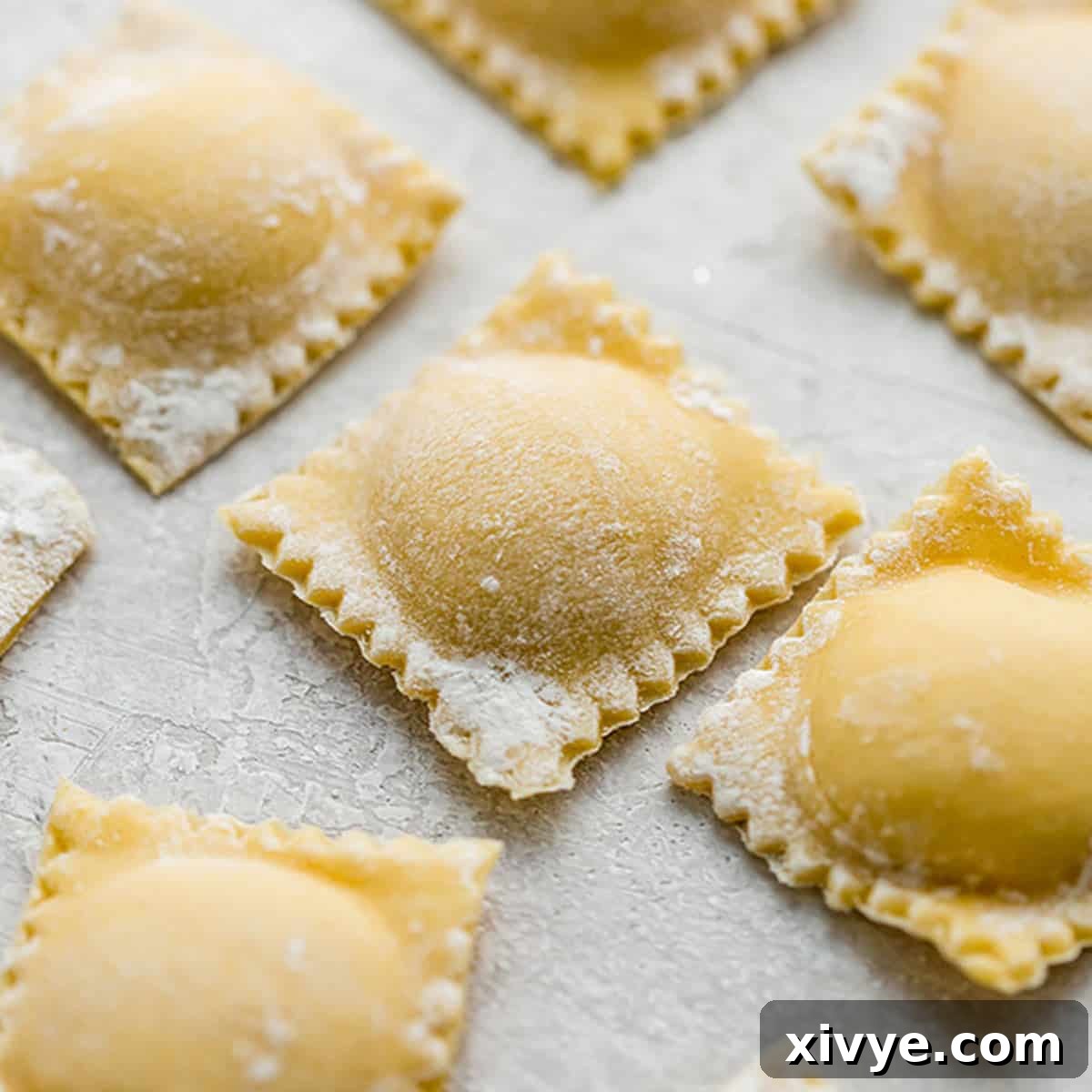
Embarking on the journey of homemade ravioli might seem daunting at first glance, but with the right guidance and a few essential tools, it transforms into an incredibly rewarding culinary experience. Forget the pre-packaged versions; nothing compares to the rich, vibrant flavors and superior texture of fresh, homemade pasta. Moreover, the true magic lies in the freedom to customize every aspect, from the delicate pasta dough to the inventive fillings, making each batch a unique reflection of your culinary creativity.
While my personal favorite remains the comforting butternut squash filled ravioli, the possibilities are genuinely endless. Imagine savoring savory sausage-stuffed ravioli bathed in a rich red sauce, or perhaps a sophisticated thyme ricotta and parmesan filling nestled atop a vibrant bed of fresh cherry tomatoes. This guide is designed to empower you to explore these delightful combinations and many more, making your kitchen a hub of Italian culinary artistry.
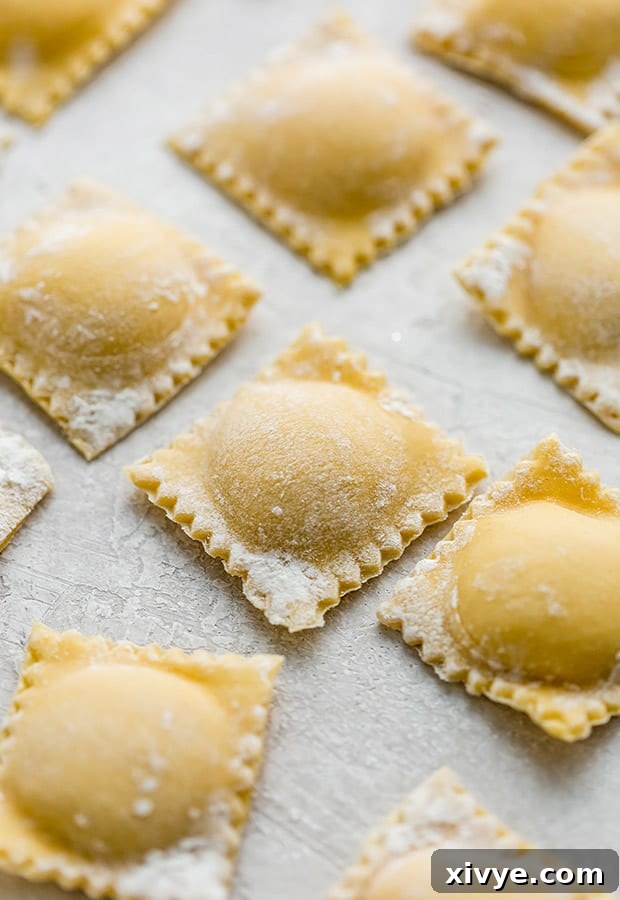
Why This Recipe is Your Go-To for Homemade Ravioli
This comprehensive guide to making fresh ravioli from scratch is meticulously crafted to ensure your success, even if you’re a novice in the art of pasta making. Here’s why this recipe stands out:
- Efficiency with Modern Tools: For those fortunate enough to own a stand mixer, leveraging a pasta attachment significantly streamlines the process, drastically cutting down on prep time. This allows you to focus more on the enjoyable aspects of cooking and less on the laborious kneading. However, don’t fret if you don’t have one; we also provide guidance for traditional hand-kneading, embracing the authentic Italian method.
- Beginner-Friendly Batch Sizes: We understand that making pasta for the first time can feel overwhelming. That’s why we offer instructions for a half batch of ravioli dough. This manageable quantity is less time-consuming and still yields a generous amount of delicious ravioli, perfect for building confidence without committing to a large, daunting project. It’s the ideal starting point for your pasta-making adventure.
- Unparalleled Customization Potential: The primary advantage of homemade ravioli over store-bought alternatives lies in the complete control you have over the fillings. Beyond the standard cheese, you can infuse your ravioli with an array of flavors. Consider a creamy spinach and ricotta, a hearty mushroom blend, or even a spicy arrabbiata chicken filling. This flexibility also extends to accommodating diverse dietary needs or preferences within your household – half with a vibrant vegetable filling, half with a rich meat option.
- Clear, Uncomplicated Instructions: This recipe is designed to be a fool-proof, step-by-step guide. Every stage, from mixing the dough to forming the delicate pockets and cooking them to perfection, is broken down into simple, easy-to-follow steps. Our aim is to demystify the pasta-making process, ensuring you feel empowered and never overwhelmed. You’ll be creating exquisite pasta with confidence and joy.
Essential Ingredients for Perfect Pasta Dough
Crafting exceptional homemade ravioli begins with a few simple, high-quality ingredients. Each plays a crucial role in achieving the desired texture and flavor of your pasta dough.
- Eggs: The heart of fresh pasta dough. You’ll be utilizing both full large eggs and extra large egg yolks. The whole eggs contribute to the overall structure and moisture, while the additional yolks are key for imparting a rich, vibrant golden color and a tender, silky texture to the pasta. Always opt for the freshest eggs available for the best results.
- Flour: The foundational component. We recommend using good quality all-purpose flour, though traditional Italian ’00’ flour can also be used for an even finer, silkier dough. You’ll begin by forming a classic flour well on your work surface, a time-honored technique that helps in the gradual incorporation of the wet ingredients into the dry. This method is explained in detail in the steps below.
- Salt: A non-negotiable flavor enhancer. A pinch of kosher salt (or fine sea salt) not only seasons the dough itself, but also plays a subtle role in strengthening the gluten structure, contributing to a more resilient and flavorful pasta.
Mastering Homemade Ravioli: A Detailed Step-by-Step Guide
Step 1: Preparing the Silky Ravioli Dough
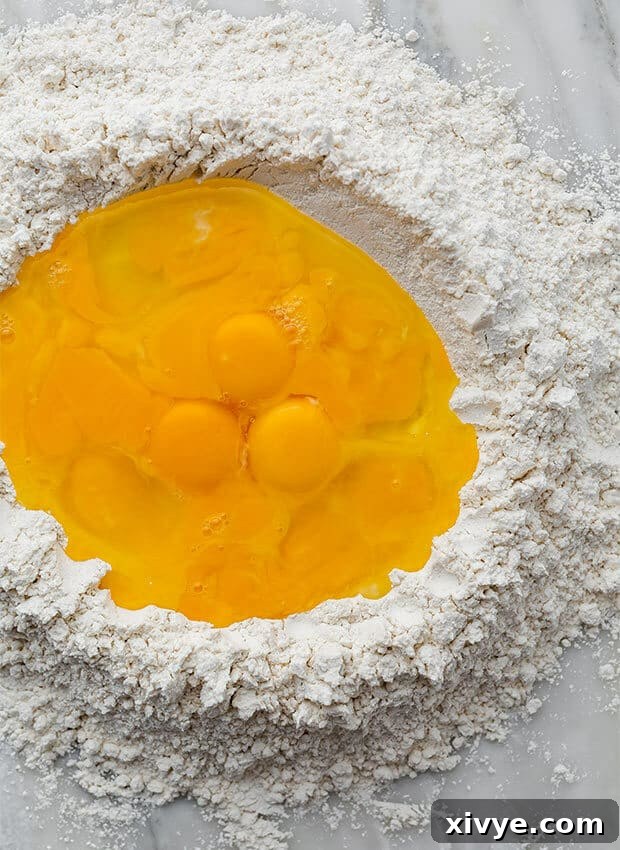
- Combine Flour and Salt: On a clean, spacious work surface (a large wooden board or clean countertop works best), measure out your flour and kosher salt. Use your hands to thoroughly mix them together. Once combined, gather the mixture and form it into a neat mound, approximately 10-12 inches in diameter. Ensure the mound is stable and uniform.
- Create the Flour Well: Using your fingers, carefully create a wide, deep well in the center of the flour mound. Think of it as building a small dam to hold your liquid ingredients. Make sure the walls of the well are thick and sturdy to prevent any spills.
- Add Eggs to the Well: Gently crack the full eggs and carefully separate and add the egg yolks directly into the center of the well.
- Begin Incorporating Liquids and Solids: With a fork, carefully and gently beat the eggs and yolks within the well until they are smooth and evenly combined. Once beaten, slowly start to incorporate the surrounding flour into the egg mixture. This is a crucial step that requires patience. Begin by drawing small amounts of flour from the inner edge of the well into the liquid, stirring constantly. Continue this process little by little. The goal is to prevent the “flour wall” from collapsing and the eggs from spilling out, which can create a sticky mess and make the dough difficult to handle.
- Bring the Dough Together: As more flour is incorporated, the mixture will become thicker and more shaggy. At this point, set aside your fork and use your hands to gather the dough fragments and bring them together. The dough will initially appear rough and crumbly, but as you work it, it will gradually coalesce into a cohesive mass.
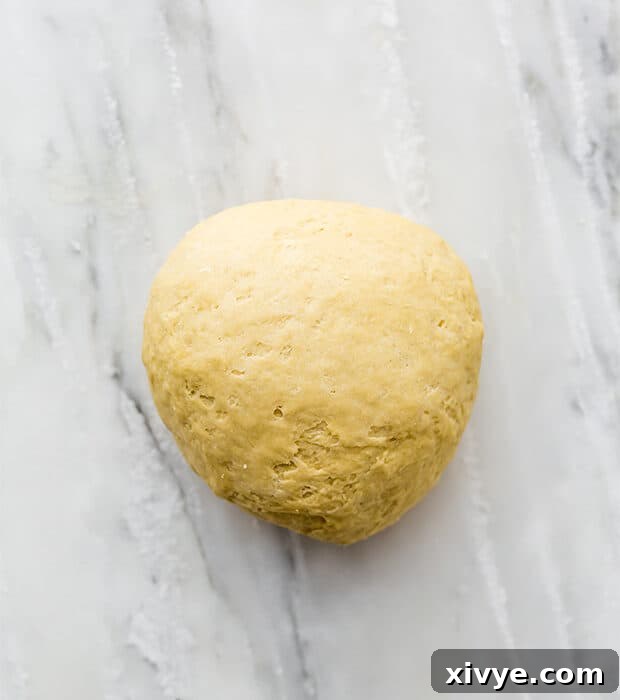
- Form a Ball: Once the dough has largely come together, form it into a rough ball. Don’t worry if it’s not perfectly smooth yet.
- Kneading for Texture and Elasticity: Begin kneading the dough actively for a full 10 minutes. This process is vital for developing the gluten, which gives pasta its characteristic chewiness and elasticity. Use the heel of your hand to push the dough away from you, then fold it back over itself, rotate the dough a quarter turn, and repeat. This rhythmic motion helps create a strong, pliable dough.
- Testing for Readiness: You’ll know the dough is perfectly kneaded when it feels smooth, elastic, and slightly firm. To test, press your finger gently into the dough; if it springs back slowly, it’s ready. The surface should also have a beautiful, uniform, and smooth appearance.
- Rest the Dough: Wrap the dough ball tightly with plastic wrap to prevent it from drying out. Let it rest at room temperature for at least 30 minutes. This resting period allows the gluten to relax, making the dough much easier to roll out thinly without resistance or tearing.
- Storage (if not using immediately): If you’re not planning to make ravioli right away, the wrapped dough can be stored in the refrigerator for up to 2-3 days. Before rolling, remember to remove it from the fridge and allow it to come to room temperature for about 30-60 minutes, as cold dough will be stiff and difficult to work with.
Step 2: Rolling Out the Perfect Pasta Sheets
Achieving the ideal thickness for your pasta sheets is paramount for delicious ravioli. While a pasta machine simplifies this, manual rolling is also achievable with patience.
- Prepare Dough Portions: Divide your rested ravioli dough into manageable sections. For a full batch, aim for 8 equal pieces. If you’re working with a half batch, 4-6 sections will be sufficient. This ensures each piece is easier to handle and roll.
- Initial Flattening and Flour Dusting: Take one portion of dough and flatten it into a rough rectangular shape using your hands. This pre-shapes the dough for the pasta roller. Lightly dust both sides of the dough with flour to prevent sticking, but avoid excessive flour, which can make the pasta dry.
- First Pass Through the Pasta Roller (Setting #1): Attach your pasta sheet roller to your stand mixer. Set the thickness dial to #1 (the widest setting). Turn your stand mixer to a slow speed (typically speed 1 or 2). Pass the floured dough portion through the rollers. Immediately after the first pass, fold the dough in half lengthwise, and run it through the #1 setting again. Repeat this folding and rolling process at least 4 more times. This crucial step helps to further develop gluten, creates a perfectly smooth sheet, and ensures uniform thickness before you begin thinning it out.
- Gradually Thinning the Dough (Setting #2): After multiple passes on setting #1, lightly re-flour both sides of the dough sheet. Change the pasta sheet roller setting to #2. Pass the dough through this setting two times. You’ll notice the dough becoming visibly thinner and longer.
- Continuing to Thin (Settings #3, #4): Change the setting to #3 and pass the dough through once. Next, adjust to setting #4 and pass it through once more. At this point, your pasta will be quite thin.
- Final Thickness (Setting #5 – Optional): The ideal thickness for ravioli is generally about 1/16th of an inch. If you prefer a slightly thicker, more toothsome ravioli, you can stop at setting #4. However, if you desire a delicate, very thin pasta dough, proceed to setting #5 and run it through once. Always gauge the dough’s feel; it should be pliable but not overly sticky or tearing.
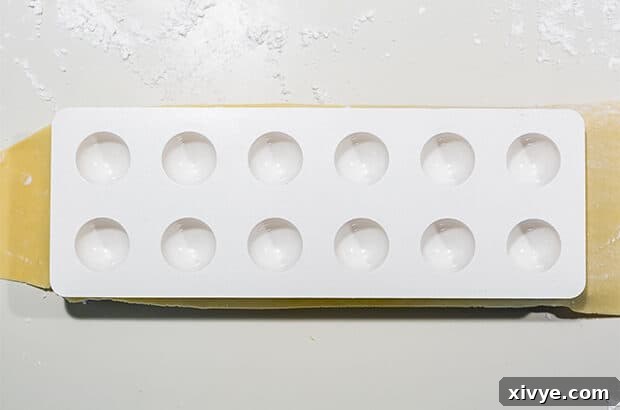
Step 3: Crafting and Filling Your Ravioli
With beautifully rolled pasta sheets, it’s time to bring your ravioli to life by filling and shaping them. Precision and a gentle touch are key here.
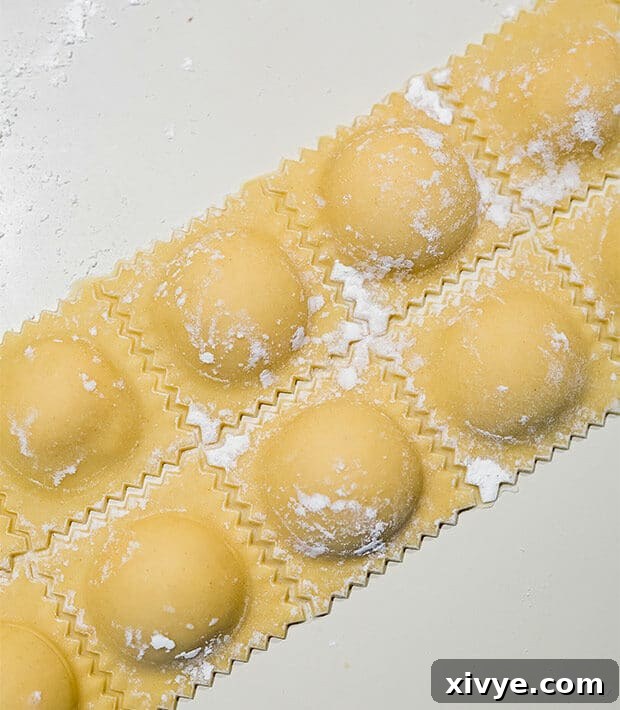
- Generously Flour the Ravioli Mold: If you’re using a ravioli mold (like the one pictured), this step is critical. Heavily flour the entire mold frame. Create a small pile of flour on your counter and dip the metal frame directly into it, ensuring every crevice is thoroughly coated. This generous flouring is essential to prevent the delicate pasta from sticking and ensures easy release of the finished ravioli.
- Prepare Your Favorite Filling: Have your chosen ravioli filling ready. As mentioned, my personal favorite is my butternut squash ravioli recipe, but feel free to unleash your creativity here!
- Lay Pasta Over the Mold: Carefully drape one of your rolled pasta sheets over the floured ravioli mold, ensuring it covers all the indentations evenly.
- Create Indents for Filling: If your mold comes with a special tool (often a white portion that presses down), place it over the dough and gently press. This will create small divots or pockets in the pasta sheet, marking where your filling will go. If not using such a tool, you can gently press into the center of each square with your fingers, being extremely careful not to tear the pasta.
- Fill Each Pocket: Using a small spoon or a cookie scoop for consistent portions, place approximately 1 tablespoon of your chosen filling into each created divot or cube on the pasta sheet. Avoid overfilling, as this can make sealing difficult and lead to burst ravioli during cooking.
- Cover with a Second Pasta Sheet: Carefully place another pasta sheet over the filled ravioli mold, gently pressing it down to cover the filling and the first layer of dough. Ensure there are no air pockets around the filling, which could cause the ravioli to separate.
- Seal the Ravioli: Take a rolling pin and roll firmly over the top sheet of dough on the mold. This action will press the two pasta sheets together, sealing the edges of each individual ravioli and cutting them into their distinct shapes. Roll thoroughly to ensure a tight seal.
- Release and Separate: Carefully turn the ravioli mold over onto a clean, lightly floured surface or a baking sheet. Gently tap the mold on the counter to release the fresh ravioli. If any ravioli remain attached, use a sharp knife or a fluted pasta cutter to carefully separate them.
- Prepare for Cooking or Storage: Place the freshly formed and filled ravioli on a baking sheet lined with parchment paper that has been generously dusted with flour. This prevents them from sticking to each other or to the sheet. Continue making ravioli with the remaining dough and filling until all ingredients are used up.
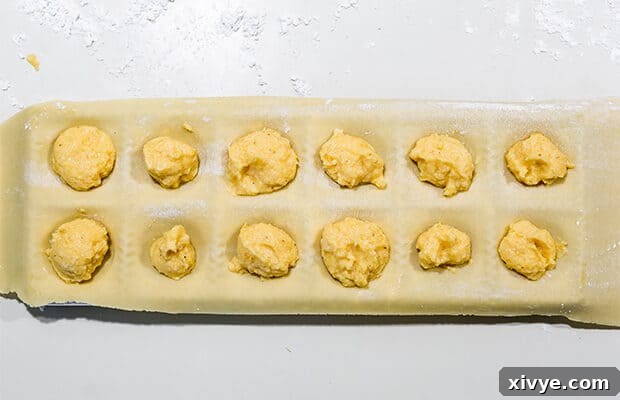
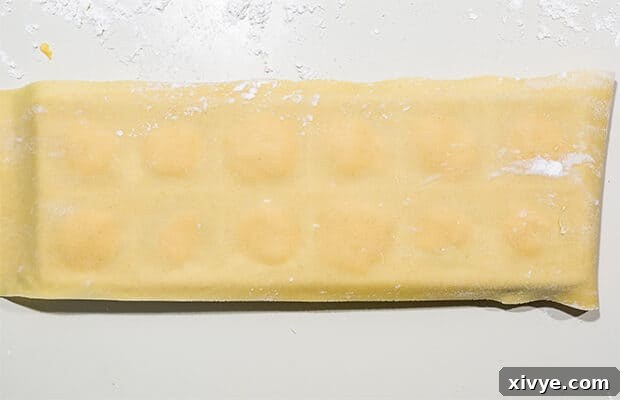
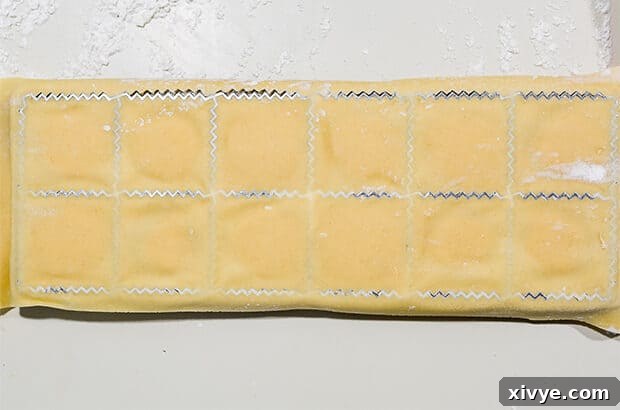
Step 4: Perfectly Cooking Your Homemade Ravioli
Cooking fresh ravioli is a quick process, and getting it right ensures a tender, al dente bite. Follow these steps for optimal results:
- Prepare the Boiling Water: Place a large pot of water over medium-high heat. It’s crucial to use a generously sized pot with plenty of water, as this helps maintain a consistent boiling temperature once the ravioli are added.
- Season the Water: Once the water comes to a rolling boil, add a tablespoon or two of salt. Salting the water not only flavors the pasta but also aids in keeping the individual ravioli from sticking together.
- Cook in Batches: Gently place about 8-10 ravioli into the boiling water at a time. It’s important not to overcrowd the pot, as this will lower the water temperature too quickly, leading to uneven cooking and potentially sticky pasta. You will need to cook the ravioli in several batches.
- Monitor and Test for Doneness: Fresh ravioli cooks remarkably fast, typically in about 3-4 minutes. You’ll know they’re perfectly cooked when they float to the surface of the water. This indicates they are tender yet still have a delightful bite, known as “al dente.”
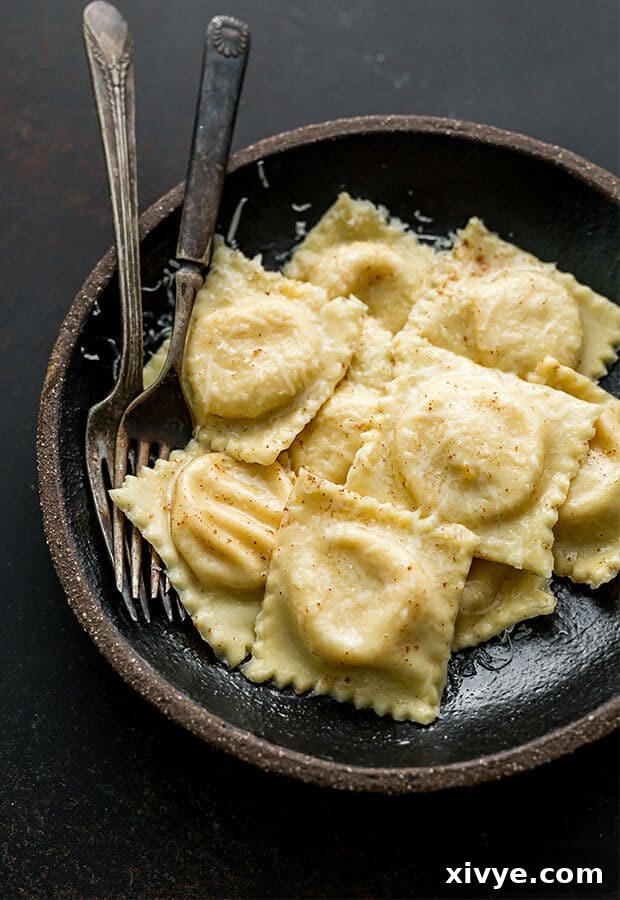
- Transfer and Serve: Using a slotted spoon, carefully transfer the cooked ravioli from the pot. You can either place them directly onto a lightly oiled plate to prevent sticking while you finish cooking the remaining batches, or immediately toss them into a skillet with your chosen sauce to coat them beautifully. Serve hot and enjoy the fruits of your labor!
Advanced Tips for Ravioli Perfection
Beyond the basic steps, these insights will help you refine your ravioli-making skills and troubleshoot common challenges, ensuring consistently excellent results.
Traditional vs. Modern: Kneading Your Dough
While this recipe guides you through making the ravioli dough by hand, embracing the tactile experience of traditional Italian pasta making, you certainly have options. A stand mixer fitted with a dough hook can significantly reduce the physical effort and time spent kneading. However, as many Italian nonnas (and my husband, who lived in Italy for two years) will attest, there’s an undeniable satisfaction and a subtle difference in texture when pasta is kneaded with the warmth of human hands. It’s a labor of love that connects you directly to the culinary heritage.
Essential Tools for Crafting Homemade Ravioli
Having the right tools can make your ravioli-making process much smoother and more enjoyable. Here are some recommendations:
- Ravioli Maker: This is my preferred tool and what I use for consistent results. It simplifies the shaping and sealing process.
- Ravioli Press: Similar to a ravioli maker, this can help create uniform square or circular ravioli.
- Hand Stamp Ravioli Cutter: For those who prefer a more artisanal look, a hand stamp allows you to cut and seal individual ravioli. Alternatively, you can free-hand cut squares or circles and crimp the edges together with the tines of a fork for a rustic charm.
- Ravioli Roller: A specialized rolling pin designed to cut and seal ravioli from two sheets of pasta dough.
- Pasta Sheet Attachment: An invaluable attachment for stand mixers (like KitchenAid), making the dough rolling process incredibly efficient and consistent.
- Rolling Pin: A traditional rolling pin is perfectly adequate if you don’t have a pasta machine. Just be prepared for a bit more effort to achieve thin, even sheets.
Refining Your Homemade Ravioli Dough Techniques
The dough is the foundation of great ravioli, and a few expert tricks can elevate your results:
- The Flour Well: Size Matters! When creating the flour well, make it significantly larger than you think you need, especially since you’ll be adding 5 full eggs and 3 egg yolks for a full batch. A common beginner mistake is making the well too small, leading to the dreaded “egg drizzle” over your flour wall. Aim for sturdy, high walls to contain the liquid effectively.
- Egg Beating Timing: You can beat the eggs with a fork in a separate bowl before pouring them into the flour well, or gently beat them once they are in the well. The timing doesn’t significantly impact the final dough, so choose whichever method you find more convenient.
- Dough Consistency Adjustments: After kneading, assess your dough’s texture. If the dough feels overly sticky and adheres to your work surface or hands, incorporate a tiny bit more flour, a teaspoon at a time, until it reaches a smooth, non-sticky consistency. Conversely, if the dough appears too dry, stiff, or crumbly, add a very light spritz of water (using a spray bottle works well) and continue kneading until it becomes pliable.
- Achieving Even Thickness When Rolling: For an effortlessly even pasta sheet, a KitchenAid pasta roller attachment is truly a game-changer. It provides consistent results with minimal effort. However, if you’re using a traditional rolling pin, dedication is key. Roll the dough consistently in all directions, turning it frequently, until it is super thin – you should almost be able to see your hand through it.
- Batching for Rolling: When making a full batch of dough, divide it into 8 sections for easier management with the pasta attachment. For a half batch, 4 to 6 sections are usually ideal. This prevents the dough from drying out or becoming unmanageable during the rolling process.
- Pasta Sheet Roller Best Practices: Always dust your dough portions lightly with flour before running them through the pasta sheet roller. This prevents sticking and ensures smooth passage. Don’t hesitate to run the dough through settings like #3 or #4 more than once if you feel it needs further refinement or thinning. Trust your tactile judgment – gauge how the dough feels in your hands.
- Flouring the Ravioli Mold for Release: To ensure your ravioli release effortlessly from the mold, generous flouring is non-negotiable. My most effective method is to create a small pile of all-purpose flour on my counter and then thoroughly dip the entire metal ravioli frame into the flour, making sure it’s completely coated.
- Efficient Ravioli Filling: For quick and consistent filling of each ravioli pocket, a small cookie scoop (about 1 tablespoon capacity) is an excellent tool. It helps measure precise amounts, ensuring uniform ravioli and preventing overfilling.
Storing Your Delicious Homemade Ravioli
Proper storage ensures your hard work doesn’t go to waste, allowing you to enjoy fresh ravioli later.
Refrigeration: Uncooked, fresh ravioli dough can be kept tightly wrapped in plastic in the refrigerator for several days. Once cooked, homemade ravioli will stay fresh in an airtight container in the fridge for 3-4 days.
Freezing for Long-Term Storage: To enjoy homemade ravioli months later, flash freezing is the ideal method. Arrange the uncooked, filled ravioli in a single layer on a baking sheet lined with wax paper and dusted with flour. Place the baking sheet in the freezer for approximately 1 hour, or until the ravioli are frozen solid. This prevents them from sticking together. Once frozen, transfer the individual ravioli to a freezer-safe ziplock bag or airtight container and store them in the freezer for up to 3 months. When ready to cook, simply boil them directly from frozen; there’s no need to thaw them first.
Frequently Asked Questions About Homemade Ravioli
When using a ravioli maker, the sealing process is integrated: once the mold is filled and covered with the second sheet of dough, a rolling pin is used to press firmly over the top, which crimps and seals the edges. If you’re utilizing a ravioli stamp, the stamp itself will create a decorative and secure seal. For those making ravioli entirely by hand without specialized tools, I highly recommend using a dough crimper or, more commonly, the tines of a fork to press firmly around the perimeter of each ravioli, ensuring a tight seal that prevents the filling from escaping during cooking.
Unlike some types of homemade pasta, fresh ravioli does not typically need to dry before cooking. In fact, it’s often best to cook them shortly after they are made. Once all your ravioli are formed and neatly arranged on a floured surface, you can proceed directly to boiling them. This preserves their delicate texture and ensures a tender bite.
To cook your fresh homemade ravioli, bring a large pot of generously salted water to a rolling boil. Carefully add about 8-10 ravioli to the pot at a time, taking care not to overcrowd, as this can lower the water temperature and cause sticking. The ravioli will cook quite quickly, usually within 3-4 minutes. You’ll know they are perfectly done when they float to the surface of the water. Using a slotted spoon, gently remove them and serve immediately with your favorite sauce.
Explore More Italian Recipe Favorites
If you’ve enjoyed the process of making homemade ravioli, you’ll love diving into these other classic Italian dishes that bring the authentic flavors of Italy right into your kitchen:
- Best Bolognese Sauce
- Fettuccine Alfredo
- Bucatini Cacio e Pepe
- Easy Baked Ziti
Did you try your hand at this delightful recipe? We’d love to hear all about your experience! Click here to share your rating and review, or simply scroll down below the recipe card to leave your feedback. Your insights are invaluable!
Stay connected and up-to-date with our latest culinary adventures by following us on Instagram, joining our community on Facebook, and finding inspiration on Pinterest.
Print
SaveSaved!
Review
How to Make Ravioli
 Whitney Wright
Ingredients
Full Batch
- 4 cup all purpose flour
- 1 teaspoon kosher salt
- 5 large eggs
- 3 large egg yolks
For half the recipe:
- 2 cups all purpose flour
- ½ teaspoon kosher salt
- 3 large eggs
- 2 large egg yolks
Equipment
-
ravioli maker
-
ravioli cutting set
Instructions
-
To make the ravioli dough, mix the flour and salt together on a clean work surface. Form into a 10-12 inch diameter mound.
-
Using your hands, make a well in the flour and salt mixture. Pour the eggs and egg yolks into the well. Using a fork, gently beat the eggs and yolks. Once you’ve done that, slowly incorporate the flour into the eggs.
-
If the dough is too wet and it’s sticking to your work surface, add a little bit of flour to the dough. If the dough is too dry, add a spritz of water to the dough.
-
Form the dough into a ball. Begin kneading it for 10 minutes. (Pushing the dough with the heel of your hand, and then rotating it). You’ll know the dough is ready when you press into it and it springs back. The dough should have a nice smooth appearance to it.
-
Wrap the dough with plastic wrap and let it sit for 30 minutes at room temp. (If you aren’t using the dough right away, place it in the refrigerator).
-
Roll out the ravioli (I use my kitchen aid pasta roller attachment). Roll out to about ⅛” to 1/16″ thick. (Depending on how thin/thick you want your pasta to be).
-
Using a ravioli mold, place the sheet of dough over the ravioli mold (following instructions for the ravioli mold), gently create a small divot in the dough. Fill each cube with 1 tablespoon of filling. Cover with dough. Use a rolling pin and roll overtop the dough so that it seals. Turn the mold over and tap it on the counter to release the ravioli. Use a knife to separate any ravioli that didn’t separate.
-
Transfer the ravioli to a baking sheet lined with parchment paper that has been dusted with flour. Continue rolling out the pasta dough and filling the ravioli until all of the dough and filling has been used.
Cooking the Ravioli
-
Bring pot of water to boil. Once boiling add 1 tablespoon of salt to the water. Add some of the ravioli to the water. Don’t overcrowd. You’ll want to do this in batches. Cook for 3-4 minutes or until they float to the top. Using a slotted spoon, transfer them to a lightly oiled plate or add them to whatever sauce you plan on serving with them.
Notes
Here are additional tips:
Tools for Making Homemade Ravioli
- Ravioli maker (this is what I have and use) There are different methods people use for stuffing and making the ravioli. I use a ravioli maker. You can also use a hand stamp ravioli or feel free to free-hand it by cutting your own squares and then cinch the edges together using the tines of a fork.
- Ravioli press: You can do square or circular ravioli
- Ravioli roller
- Pasta sheet attachment
Making the Homemade Ravioli Dough
Make the flour well BIG because you’ll be adding 5 eggs and 3 egg yolks to that well. When I made this ravioli recipe last year, I made the mistake of having the well be too small. Let’s just say we had eggs drizzling over the flour wall.
You can beat the eggs with a fork prior to pouring them into the flour well or you can wait and lightly beat the eggs once they’re in the flour well — it doesn’t matter.
Once the eggs are incorporated into the flour and you’ve kneaded it, if the dough is too wet and it’s sticking to your work surface, add a little bit of flour to the dough. On the contrary, if the dough is too dry, add a spritz of water to the dough.
Rolling out ravioli dough: To achieve an even thickness, I use my kitchen aid pasta roller attachment and it’s amazing. If you don’t have one, it’s definitely something to consider purchasing. But once again, it’s not necessary. You can make homemade ravioli with an old fashioned rolling pin, just roll the dough until super thin.
If making the full batch of ravioli, section the dough into 8, and then roll out each section with the pasta attachment. If making the half batch of ravioli dough, section the dough into 4-6 sections.
If you use a pasta sheet roller: Dust the dough with flour before running it through the pasta sheet roller, this prevents the dough from sticking. You can definitely run the ravioli dough through the #3 setting more than once. You really have to gauge how the dough feels.
Flouring the ravioli mold: What I found to work the very best was to have a pile of flour on my counter and then dip the metal ravioli frame into the flour so that it was covered in flour.
How to fill homemade ravioli: I use a really small cookie scoop for ease in measuring the filling.
Storing: Ravioli dough will keep in the refrigerator for several days. Cooked, homemade ravioli will keep in the fridge for 3-4 days.
Freezing: Flash freeze the uncooked and filled ravioli on a wax paper lined baking sheet for about 1 hour, then transfer the frozen ravioli to a freezer-safe ziplock bag and store in freezer for up to 3 months. Boil and cook as normal straight out of the freezer.
Use this recipe when making my butternut squash ravioli!
Nutrition
This recipe was originally published on Nov. 3, 2019. It was republished on Aug. 17, 2021, to include additional information and/or photos.