
Welcome to the ultimate guide for creating perfectly soft, thick, and utterly delightful sugar cookies, every single time! True to their name, these “No Fail Sugar Cookies” are designed to be foolproof, ensuring you achieve that coveted soft and fluffy texture without any fuss. This isn’t just a recipe; it’s your new go-to for effortlessly impressive cut-out sugar cookies that will earn rave reviews. If you’ve been searching for an easy sugar cookie recipe that consistently delivers bakery-quality results, your search ends here. Get ready to bake the softest, most delicious sugar cookies you’ve ever had!
Whether you’re celebrating a special occasion or simply craving a classic treat, these versatile sugar cookies are perfect. They are my absolute favorite for any holiday baking needs. Imagine heart-shaped cookies for Valentine’s Day, festive trees and snowflakes for Christmas, or playful pumpkins for Halloween – this recipe adapts beautifully to any cookie cutter you choose. While this recipe is ideal for rolling and cutting, if you’re in the mood for a drop-style cookie, you might enjoy exploring my Crumbl Sugar Cookies or my Swig Sugar Cookies, which offer different, yet equally delicious, experiences.

Why This Is the Best No-Fail Sugar Cookie Recipe
This recipe isn’t called “no-fail” for nothing! It incorporates several key elements and techniques that guarantee consistent success, even for beginner bakers. Here’s a deeper dive into what makes this recipe truly outstanding:
- Unmatched Versatility for Any Season: While the images showcase delightful Christmas sugar cookies, this robust “no fail sugar cookie” recipe is a year-round champion. From vibrant Easter cookies shaped like bunnies and eggs, spooky Halloween cut-outs, to heartfelt Valentine’s creations, these cookies are perfect for any festive occasion. The dough’s consistent texture and ability to hold its shape make it ideal for intricate designs and various holiday themes, allowing your creativity to shine throughout the year.
- No Chilling Required for the Dough: One of the most significant advantages of this recipe is the time-saving convenience of not needing to chill the dough. This means you can go from mixing bowl to oven much faster, making it perfect for spontaneous baking sessions or when you’re short on time. This unique quality simplifies the baking process without compromising on quality, allowing for a smooth and enjoyable experience from start to finish.
- Achieve Ultimate Softness and Fluffiness: The secret to truly soft, thick, and fluffy sugar cookies lies in a slightly increased amount of baking powder. You’ll notice this recipe calls for 2 ½ teaspoons of baking powder, which is a bit more than many traditional recipes. This extra leavening agent is crucial for creating that desirable lift and airy texture, ensuring your cookies are not only soft when fresh but also remain incredibly tender for days, making them perfect for sharing or savoring over time.
- Perfectly Shaped Cookies, Every Batch: Say goodbye to cookies that spread too much and lose their charming shapes! This recipe incorporates a smart trick to prevent overspreading: freezing the cut-out sugar cookies for just 10 minutes before baking. This brief chill solidifies the butter in the dough, allowing the cookies to maintain their intricate designs and thick stature as they bake. The result is consistently beautiful, perfectly formed cookies that look as good as they taste.
- Simple and Accessible Ingredients: Beyond its clever techniques, this recipe shines due to its reliance on readily available, common pantry staples. There are no exotic ingredients to source, making it accessible for every home baker. Each component plays a vital role in creating the perfect balance of flavor and texture, ensuring a consistently delicious outcome without unnecessary complexity.
Essential Ingredient Spotlight for Perfect Sugar Cookies
Understanding the role of each ingredient is key to mastering these “no fail sugar cookies.” Here’s a closer look at the stars of this recipe:
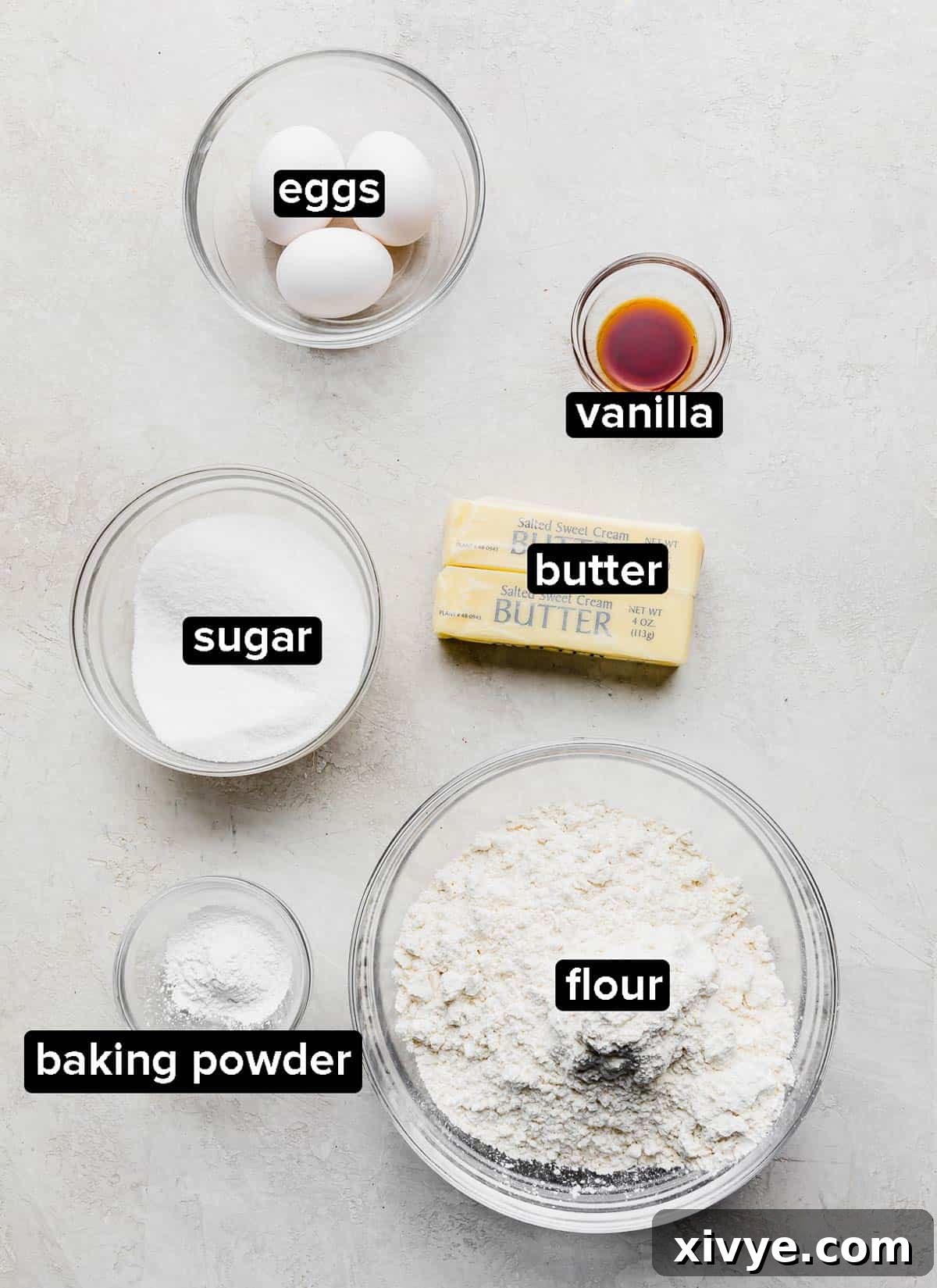
- Salted Butter (Softened to Room Temperature): Butter is much more than just a fat source in baking; it’s a foundational building block for texture and flavor. Using salted butter in this recipe imparts a subtle, delicious salty-sweet balance that enhances the overall taste profile. Crucially, ensuring your butter is softened to room temperature allows it to cream properly with the sugar, creating a light and airy base for your dough. This aeration is what contributes significantly to the soft, fluffy texture of the final cookie, a quality you simply wouldn’t achieve with oil. If you only have unsalted butter, simply add ¼ teaspoon of salt when you add the flour and baking powder.
- Granulated Sugar: Beyond its role in sweetness, granulated sugar contributes to the cookies’ tenderness and helps achieve that slightly crisp edge that beautifully contrasts with the soft interior. When creamed with butter, it helps create tiny air pockets, further aiding in the cookie’s lift and delicate texture.
- Large Eggs (Room Temperature): Eggs are indispensable binding agents in nearly all baking. In this sugar cookie recipe, using three eggs provides a robust structure, ensuring the dough comes together cohesively and the cookies hold their shape during baking. They also contribute to the richness and moisture of the cookies, and, along with the baking powder, they assist in giving a bit of lift. Using room temperature eggs is vital as they emulsify more effectively with the butter and sugar, resulting in a smoother, more uniform dough.
- Pure Vanilla Extract: Vanilla is the heart of sugar cookie flavor. A good quality vanilla extract elevates the simple ingredients, adding warmth, depth, and a classic, comforting aroma. Don’t skimp on this ingredient; it truly makes a difference in the final taste of your homemade sugar cookies.
- Baking Powder (2 ½ tsp): As previously highlighted, baking powder is our primary leavening agent. It’s responsible for the impressive rise, transforming the dough into thick, soft, and fluffy cookies. The slightly generous amount used here is precisely calibrated to achieve that sought-after plump texture that keeps these cookies soft for days, setting them apart from thinner, crispier versions.
- All-Purpose Flour: Flour provides the essential structure for your cookies. All-purpose flour is versatile and works wonderfully here, striking the right balance between strength and tenderness. It’s important to measure your flour correctly (spoon it into the measuring cup and level it off) to avoid a dense or dry cookie. Too much flour can lead to a tough cookie, even with this “no fail” recipe.
Easy Step-by-Step Guide to Baking Your No-Fail Sugar Cookies
Follow these simple instructions to bake a batch of perfect, soft, and delicious cut-out sugar cookies:
- Cream Butter and Sugar: In the bowl of a stand mixer fitted with the paddle attachment, or using a hand mixer, combine the softened salted butter and granulated sugar. Beat on medium speed for about 2 minutes until the mixture is light, fluffy, and pale in color. This creaming process is crucial for incorporating air, which contributes to the cookies’ soft texture.
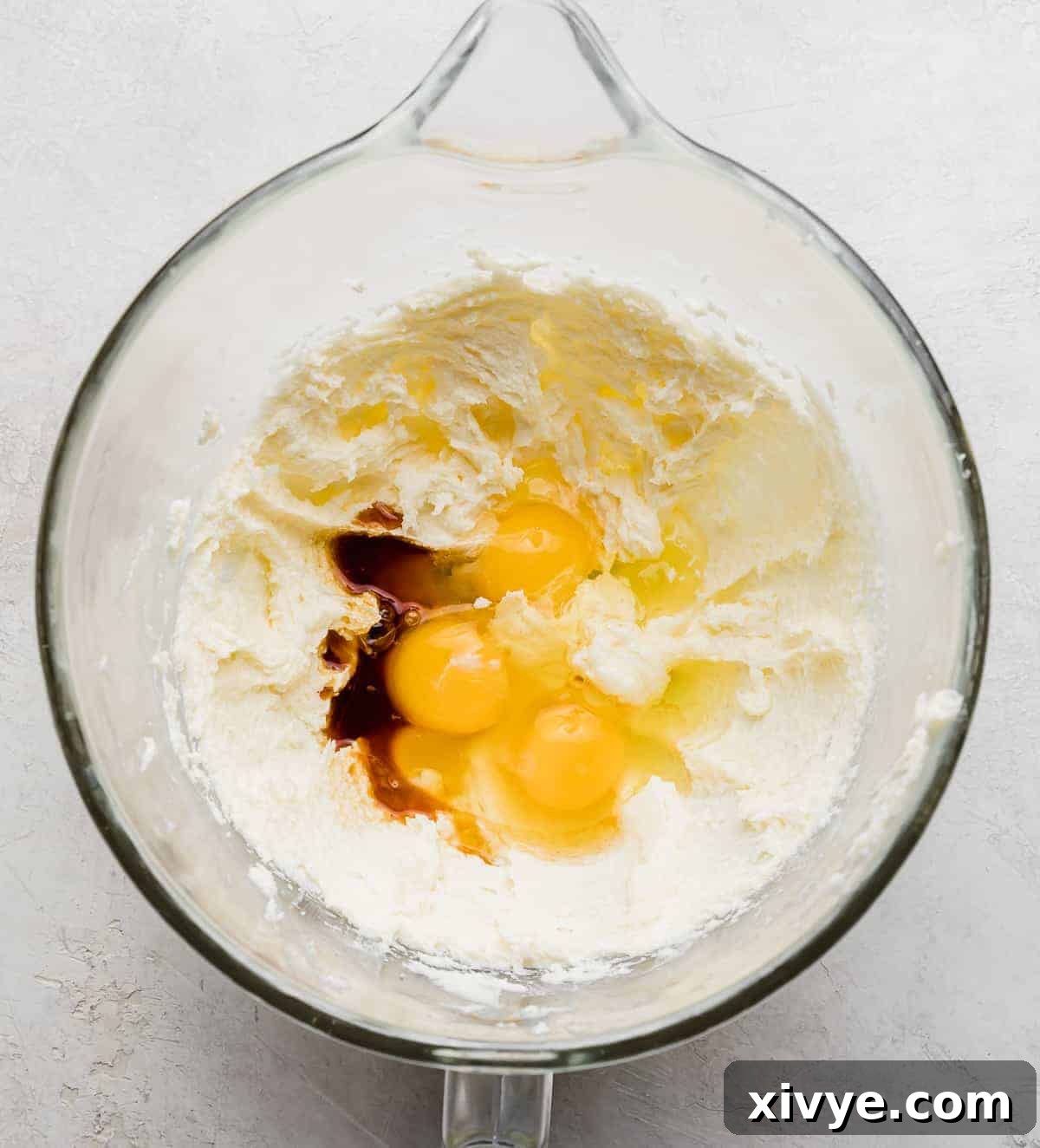
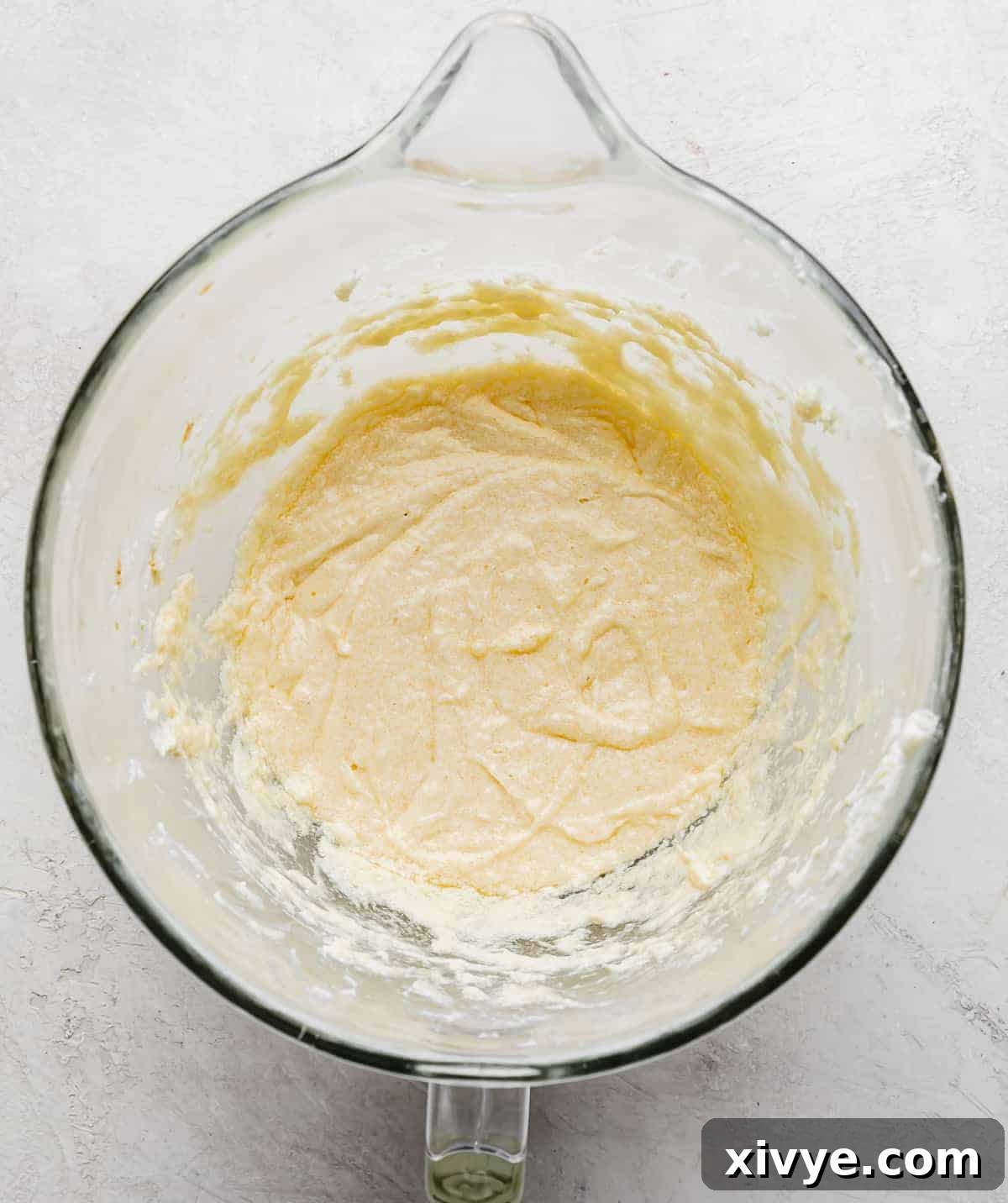
- Incorporate Wet Ingredients: Add the room temperature eggs one at a time, mixing well after each addition until fully combined. Stir in the vanilla extract. Scrape down the sides of the bowl to ensure everything is evenly incorporated, creating a smooth, homogenous mixture.
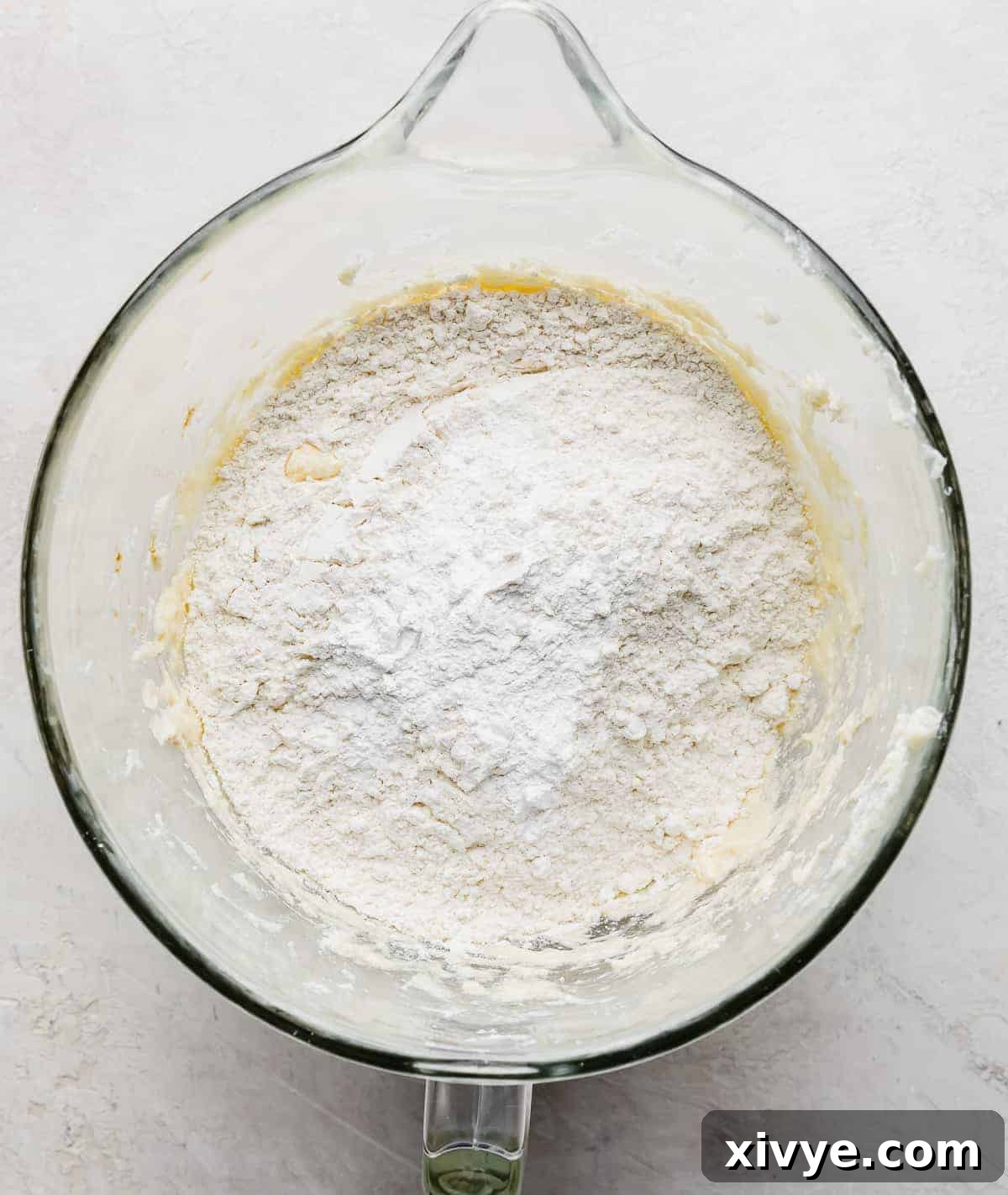
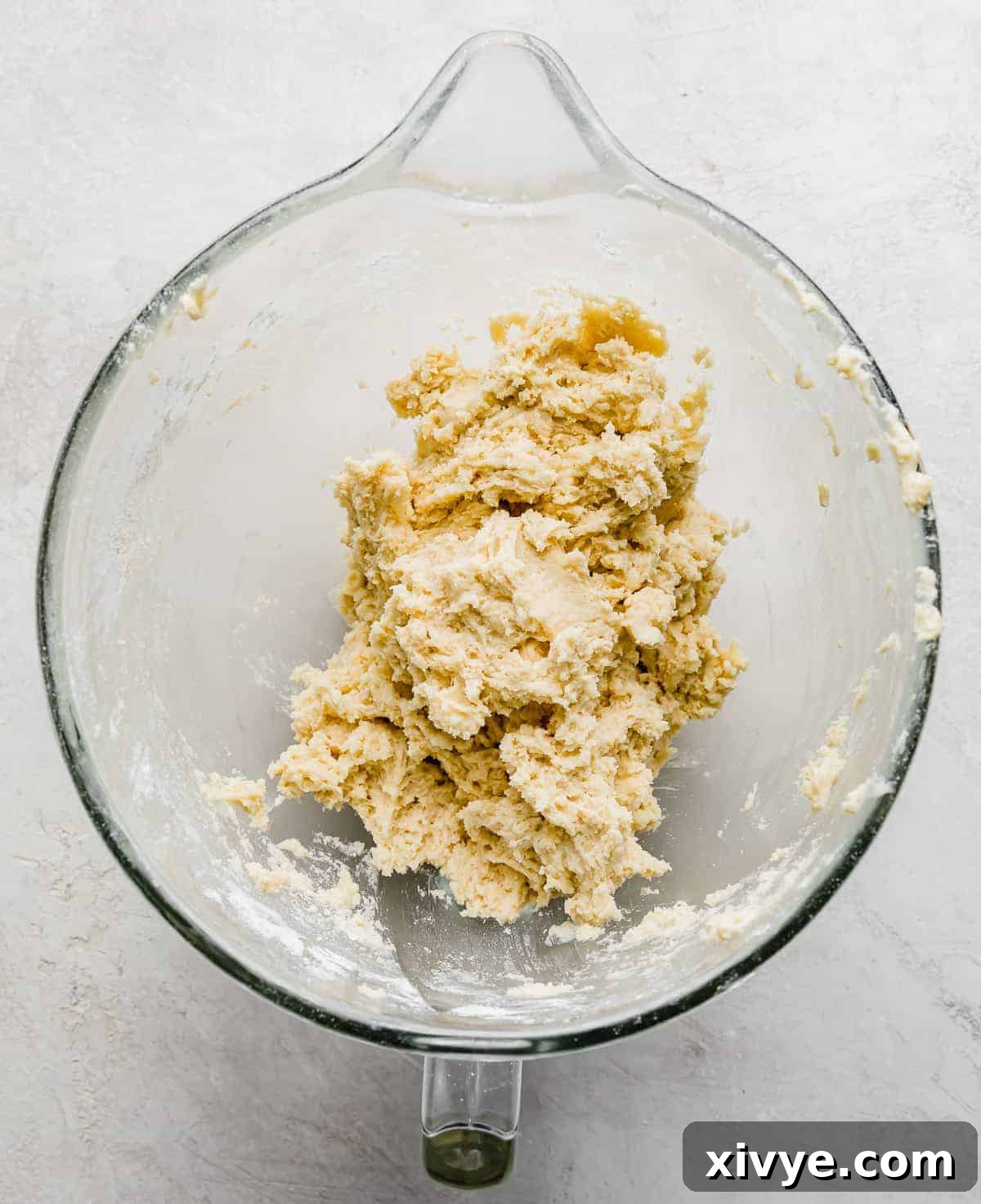
- Add Dry Ingredients: Gradually add the all-purpose flour and baking powder to the wet mixture. Mix on low speed until just combined. Be careful not to overmix, as this can develop the gluten too much, leading to tougher cookies. The dough should come together into a soft, pliable ball.

- Roll and Cut Dough: Lightly flour a clean surface (your countertop or a pastry mat) and your rolling pin. Divide the dough into two or three portions for easier handling. Roll out one portion of the dough to about ¼ inch thick. For thicker, softer cookies, you can go slightly thicker. Use your favorite cookie cutters to cut out shapes. Carefully transfer the cut-out cookies to a baking sheet lined with parchment paper.

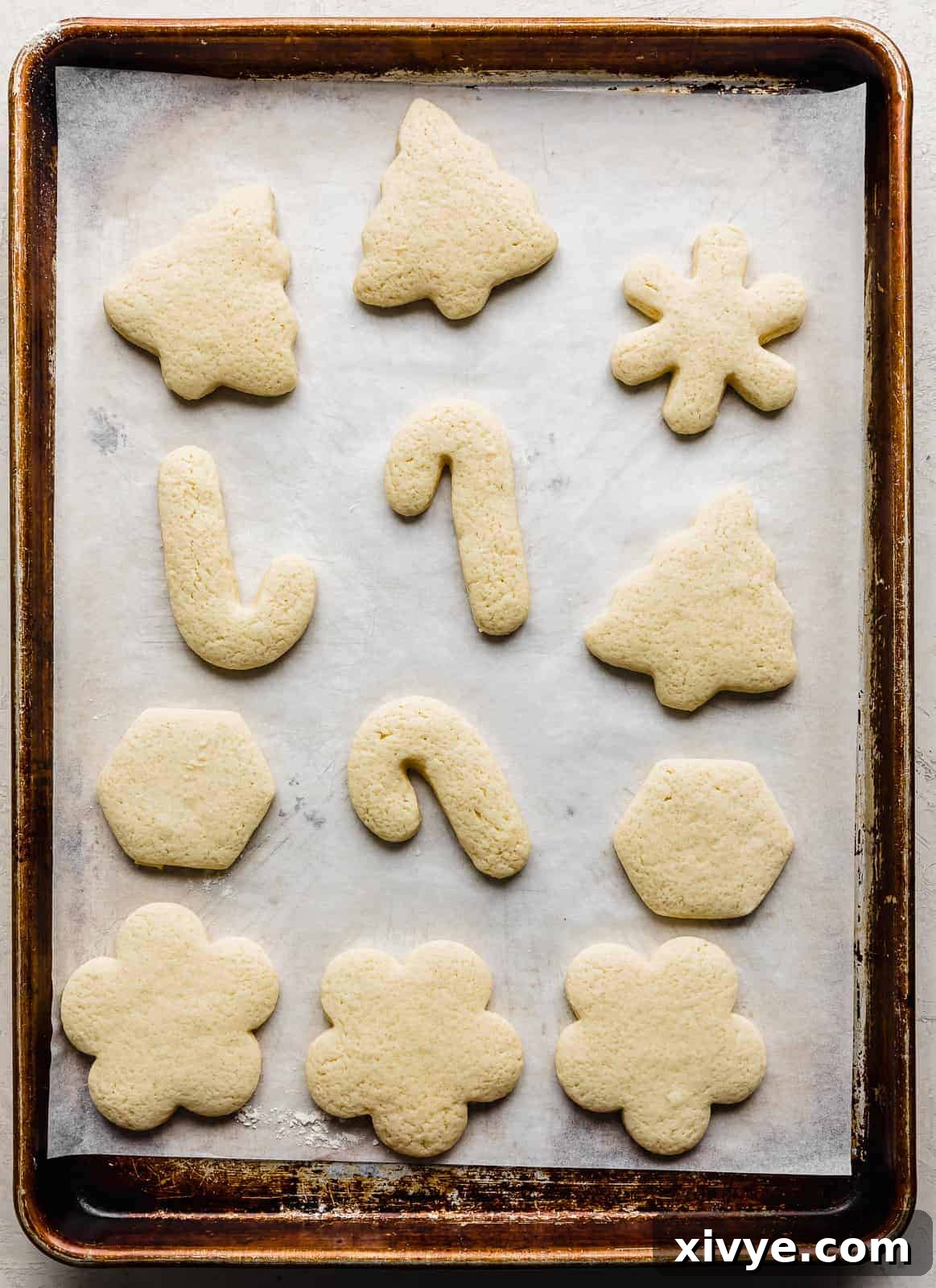
- Freeze Before Baking: This is a crucial “no-fail” step! Place the baking sheet with the cut-out cookies into the freezer for 10 minutes. This quick chill helps the cookies hold their shape perfectly and prevents them from spreading excessively in the oven. While the cookies are chilling, preheat your oven to 350°F (175°C).
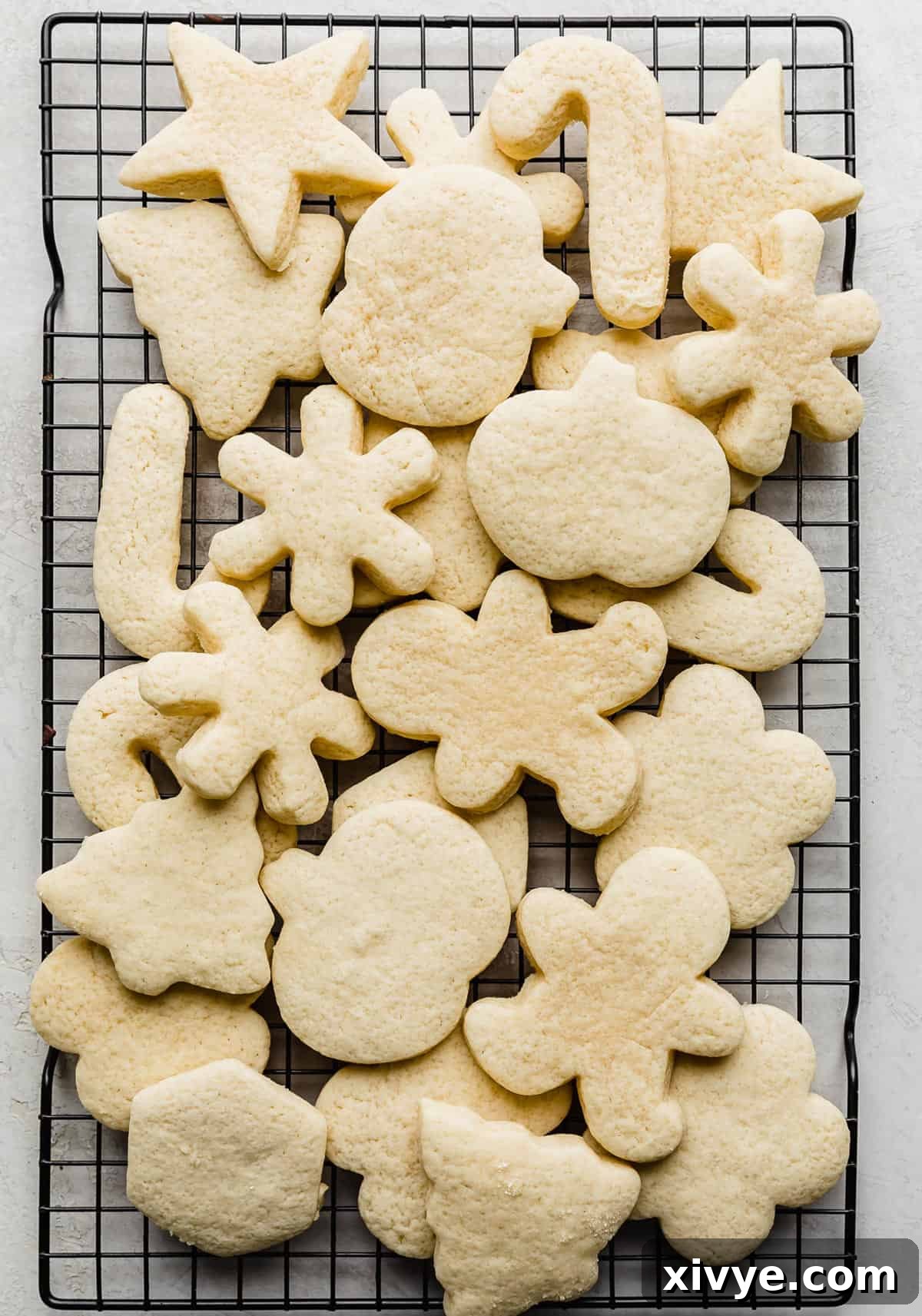
- Bake and Cool: Bake the cookies for 10 minutes at 350°F (175°C). Keep an eye on them; the edges should be just set and very lightly golden. Avoid overbaking if you want super soft cookies. Remove from the oven and let them cool on the baking sheet for 5 minutes before carefully transferring them to a wire cooling rack to cool completely. Allowing them to cool fully before frosting ensures your decorations stay pristine!
Expert Tips for Sugar Cookie Success
Elevate your sugar cookie game with these additional insights and creative ideas:
Perfecting Your Decorations: You can choose to adorn these delightful “no fail sugar cookies” with either frosting or icing – both yield a delicious cookie. For a classic, elegant finish, try royal icing, which hardens smoothly and is ideal for intricate designs. If you prefer a creamier, softer topping, a simple buttercream or the cream cheese frosting provided in this recipe is heavenly. Don’t be afraid to experiment with different colors and sprinkles to match any theme or holiday! For vibrant hues, use gel food coloring which provides intense color without thinning your icing.
Flavorful Variations to Explore: While the simple classic recipe is a favorite for its pure, soft, and tasty profile, don’t hesitate to experiment with flavor variations to add an exciting twist. A dash of almond extract alongside or in place of vanilla can introduce a sophisticated nutty note. A pinch of cinnamon, nutmeg, or cardamom can add warmth, especially for fall or winter holidays. Consider adding citrus zest (lemon, orange, or lime) to the dough for a bright, refreshing flavor profile. You can also mix in a teaspoon of cocoa powder for a subtle chocolate version or a touch of espresso powder to deepen the vanilla notes.
Dough Handling for Flawless Shapes:
* Don’t Over-Flour: While a lightly floured surface is necessary to prevent sticking, too much flour can make your cookies dry and tough. Use just enough to prevent the dough from adhering.
* Even Thickness: Aim for consistent dough thickness (¼ inch is ideal) across your rolling surface. This ensures even baking.
* Re-rolling Scraps: Gather dough scraps, gently press them together, and re-roll. Try to minimize re-rolling to keep the dough tender. If the re-rolled dough gets too warm, a quick 5-10 minute chill in the fridge can help.
Knowing When Your Cookies Are Done: The key to soft sugar cookies is to avoid overbaking. Cookies are done when the edges are just barely set and very lightly golden, and the centers still look slightly soft. They will continue to set as they cool on the baking sheet.
Cooling Rack Importance: Transferring cookies to a wire rack after a brief cool-down on the baking sheet is important. This allows air to circulate around the entire cookie, preventing the bottoms from becoming soggy and ensuring even cooling and texture.
Storing and Freezing for Freshness
These “no fail sugar cookies” are fantastic make-ahead treats, thanks to their excellent shelf life when stored properly. Here’s how to keep them fresh:
Storing Baked Cookies:
* Room Temperature: Store frosted or unfrosted cookies in an airtight container or Ziploc bag at room temperature for 4-5 days. Ensure any frosting is fully set before stacking or storing.
* Refrigerator: For extended freshness, cookies can be stored in the fridge for up to 10 days in an airtight container.
Freezing Baked Cookies:
* Plain or Iced: Freeze plain or iced cookies for up to 3 months. If using icing, wait until the icing has completely set and hardened before layering the cookies with parchment paper in an airtight container or freezer-safe bag.
* Frosted: If using a softer frosting (like buttercream), flash freeze the individual frosted cookies on a baking sheet until the frosting is firm. Once firm, you can layer them with parchment paper in an airtight container or freezer bag without smudging the frosting.
* Thawing: When ready to enjoy, remove the cookies from the freezer and let them thaw at room temperature or in the refrigerator until soft.
Freezing Cookie Dough:
* Refrigerator: The prepared sugar cookie dough can be stored in an airtight container or Ziploc bag in the fridge for 1-2 days before rolling, cutting, and baking.
* Freezer: For longer storage, freeze the raw cookie dough in an airtight container or Ziploc bag for 1-2 months. When ready to use, thaw the dough in the refrigerator overnight before rolling out and baking as usual. This makes them perfect for preparing well in advance of holiday baking!
Frequently Asked Questions About Sugar Cookies
Several factors can contribute to hard sugar cookies. One common culprit is overmixing the dough, which develops the gluten too much, leading to a tough texture. Another significant reason is overbaking the cookies. Baking them for too long at too high a temperature can dry them out, making them hard and crumbly. Finally, an improper ratio of flour to fat and leavening agents can also result in a denser, harder cookie. This “no fail” recipe is designed with an optimal balance, but even with the best recipe, overmixing or overbaking will diminish the desired softness.
The primary tricks to achieving truly soft and fluffy sugar cookies, like those in this “no fail” recipe, are three-fold: First, avoid overmixing the dough. Mix until the ingredients are just combined to prevent gluten development. Second, do not overbake the cookies. Pull them from the oven when the edges are just set and the centers still look slightly soft. They will continue to cook slightly as they cool. Third, and critically, use the perfect ratio of flour to fat to baking powder. This recipe excels in this aspect, featuring a bit more baking powder to ensure that signature thick, airy, and soft texture every time.
For this particular “no fail sugar cookie” recipe, you do not need to chill the dough before rolling it out! This is a fantastic time-saver and makes the dough easier to work with, especially when cutting out intricate shapes. However, there’s a small but important chilling step: I highly recommend freezing the cut-out dough shapes for 10 minutes just before baking. This brief chill solidifies the butter, which is key to preventing the cookies from spreading too much in the oven, ensuring they maintain their beautiful, crisp shapes.
Absolutely! If you prefer to use unsalted butter, simply add ¼ teaspoon of salt to the dry ingredients (flour and baking powder) when you combine them. This will provide the necessary balance to the flavor profile that salted butter naturally brings.
The best way to prevent excessive spreading in this recipe is to follow the instruction to freeze your cut-out cookies for 10 minutes on the baking sheet before baking. This re-chills the butter in the dough, allowing the cookies to set quickly in the oven before the butter fully melts. Also, ensure your butter isn’t too soft (borderline melted) when you start, and avoid over-greasing your baking sheet. Parchment paper is always recommended.

Explore More Delicious Cookie Recipes
- Classic Chocolate Chip Cookies
- Hearty Oatmeal Chocolate Chip Cookies
- Indulgent Double Chocolate Chip Cookies
- Spicy Gingersnap Cookies
Did you try this amazing recipe? We’d love to hear about your baking experience! Click here to leave a rating and review, or simply scroll down to the recipe card below. Your feedback helps us grow and inspires other bakers!
Stay connected and up-to-date with our latest recipes and baking tips by following us on Instagram, Facebook, and Pinterest.

Print Recipe
Save
Saved!
Review
No Fail Sugar Cookies

Whitney Wright
25
10
35
24
cookies (may vary depending on your cookie cutter size)
27 votes
Ingredients
For the Sugar Cookies
-
1
cup
granulated sugar -
1
cup
salted butter –
softened to room temperature -
2
tsp
pure vanilla extract
-
3
large eggs –
room temperature -
3 ½
cups
all-purpose flour -
2 ½
tsp
baking powder
For the Cream Cheese Frosting
-
4
cups
powdered sugar -
3
tbsp
cream cheese,
softened -
2
tbsp
butter,
softened -
1
tsp
vanilla extract
-
4
tbsp
milk
Instructions
-
In the bowl of a stand mixer fitted with the paddle attachment, or using a hand mixer, cream the butter and sugar for 2 minutes on medium speed until light and fluffy. Add eggs and vanilla extract. Mix until just combined, scraping down the sides of the bowl as needed. Add the flour and baking powder. Mix on low speed until combined, being careful not to overmix.
-
Preheat oven to 350°F (175°C). Prepare baking sheets by lining them with parchment paper.
-
Lightly flour a clean surface. Roll out dough to about ¼” thick (or thicker if you prefer a very thick cookie). Use cookie cutters to cut into your desired shapes. Carefully place the cut-out cookies on the parchment-lined baking sheets.
-
Place the baking sheet with the cut-out cookies in the freezer for 10 minutes. This essential step helps prevent the cookies from spreading too much during baking.
-
Bake at 350°F (175°C) for 10 minutes. Cookies are done when the edges are just set and very lightly golden. Remove from oven and let cool on the pan for 5 minutes. Transfer to a wire rack to cool completely before frosting. You can frost with royal icing, store-bought icing, or the homemade cream cheese frosting below.
For the Cream Cheese Frosting
-
Add all frosting ingredients (powdered sugar, softened cream cheese, softened butter, vanilla extract, and milk) to a medium-sized bowl. Beat together with an electric mixer until combined and smooth. Add additional milk or powdered sugar, a tablespoon at a time, to reach your desired frosting consistency – whether you prefer a thick, pipeable frosting or a thinner glaze.
Video
Notes
Storing Baked Cookies: Store frosted or unfrosted cookies in an airtight container or Ziplock bag at room temperature for 4-5 days, or in the fridge for up to 10 days.
Freezing Baked Cookies: Freeze plain or iced cookies in the freezer for up to 3 months. If iced, wait until the icing has completely set before layering with parchment paper and storing in an airtight container or Ziplock bag. If frosted, flash freeze the cookies on a baking sheet until the frosting is set/hard, then layer with parchment paper in an airtight container or Ziplock bag in the freezer.
Remove from the freezer and let thaw at room temperature or in the fridge.
Freezing Cookie Dough: You can also store the raw cookie dough in the fridge for 1-2 days prior to rolling, cutting and baking, or freeze the dough in an airtight container or Ziplock bag for 1-2 months. Thaw in the refrigerator overnight before use.
Nutrition
Calories:
176
kcal
(9%)
Carbohydrates:
23
g
(8%)
Protein:
3
g
(6%)
Fat:
8
g
(12%)
Saturated Fat:
5
g
(25%)
Polyunsaturated Fat:
1
g
Monounsaturated Fat:
2
g
Trans Fat:
1
g
Cholesterol:
41
mg
(14%)
Sodium:
76
mg
(3%)
Potassium:
72
mg
(2%)
Fiber:
1
g
(4%)
Sugar:
8
g
(9%)
Vitamin A:
266
IU
(5%)
Calcium:
26
mg
(3%)
Iron:
1
mg
(6%)
Dessert
American
Did you make this recipe?
Please leave a star rating and review on the blog post letting me know how you liked this recipe! Take a picture and tag @saltandbaker on TikTok, Instagram, and Facebook so I can see what you’re making!
This recipe was originally published on Nov. 29, 2017. It was republished on Nov. 29, 2021 to include additional information and photos, and updated again for improved readability and SEO in [Current Year].