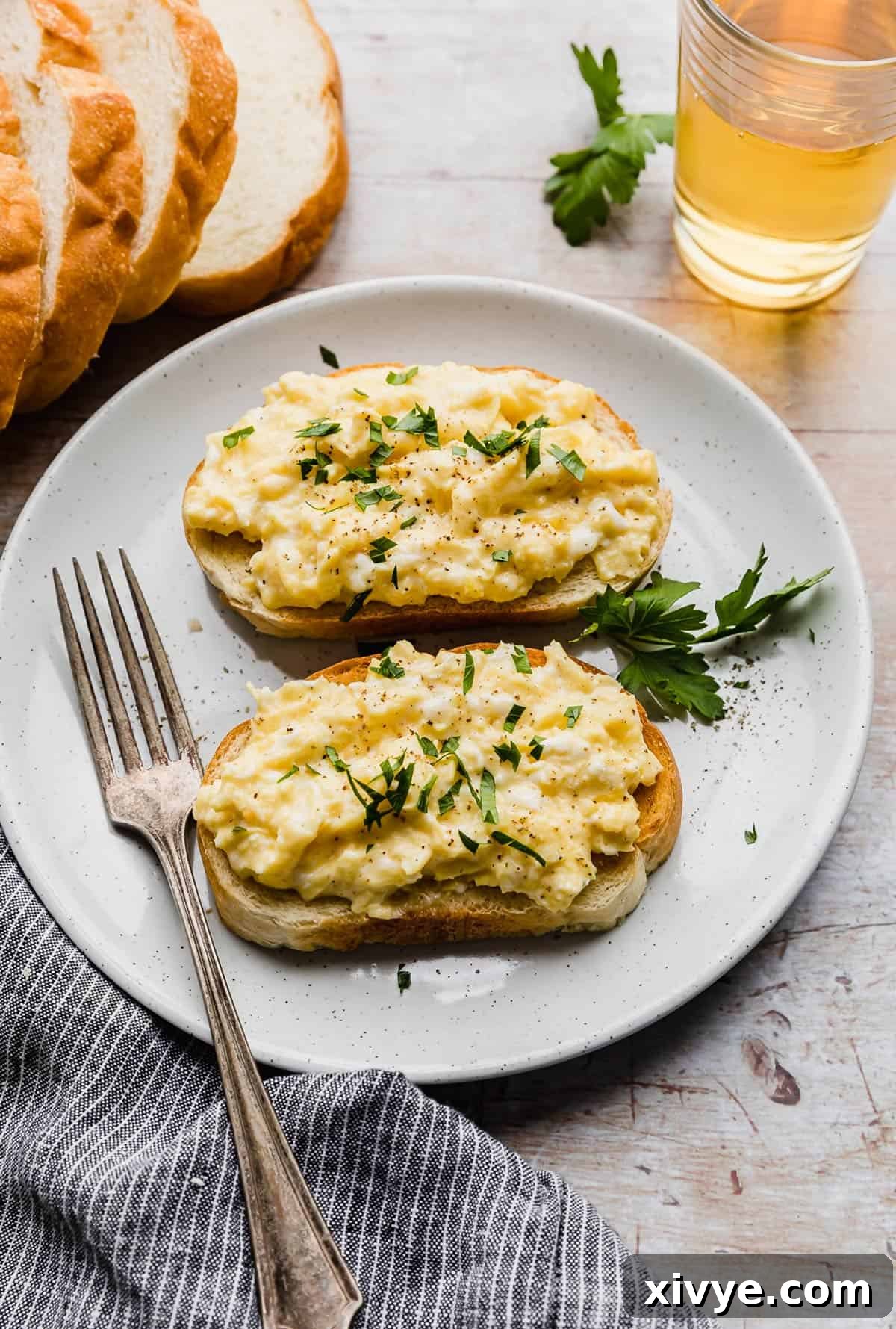
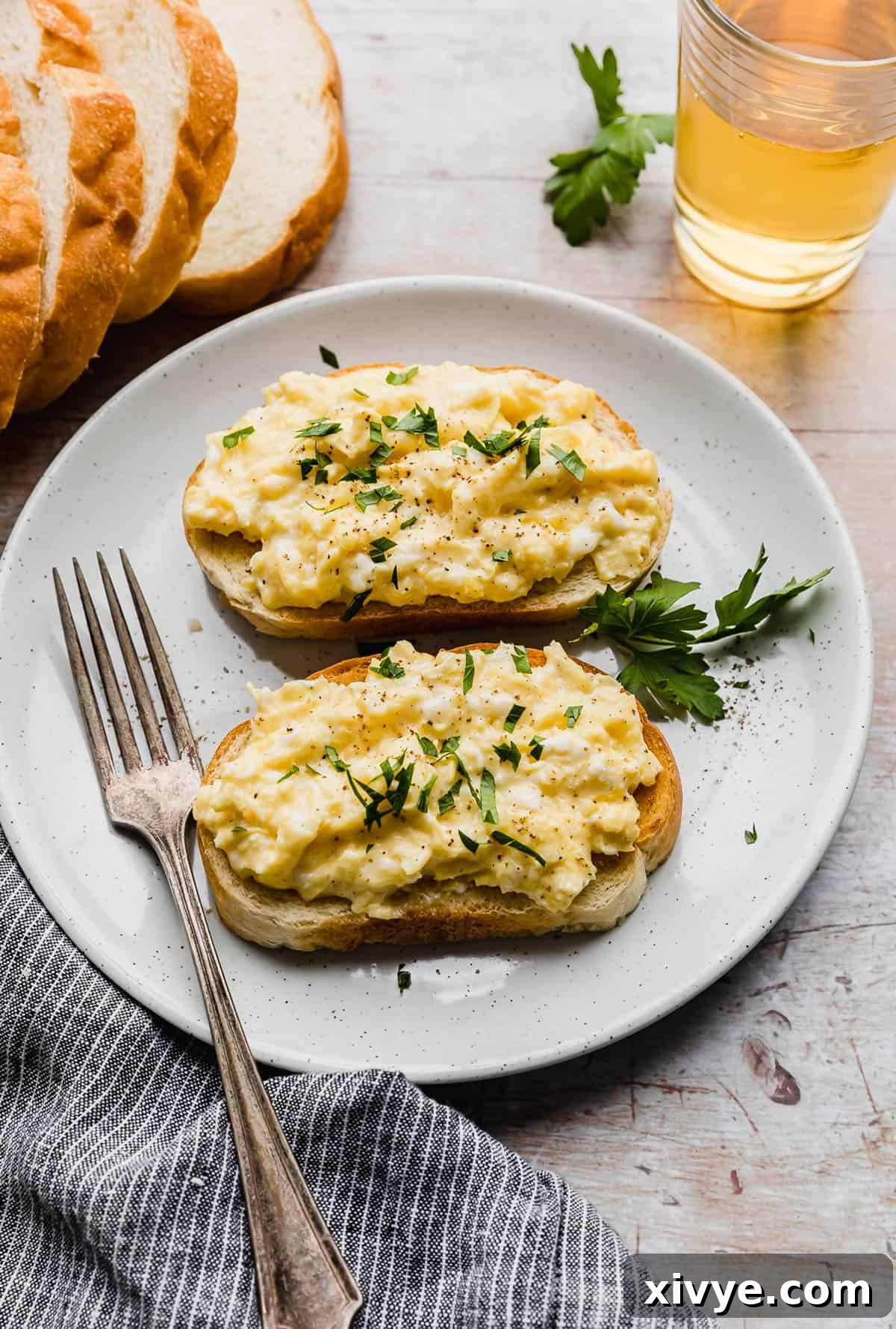
There’s nothing quite like the comforting embrace of a classic breakfast, and few dishes deliver that warmth as perfectly as **fluffy scrambled eggs on toast**. Imagine deliciously soft, custardy egg folds, gently cooked to perfection, often enhanced with your favorite cheese, and served atop a crisp, buttery slice of toast. This timeless combination isn’t just a meal; it’s an experience, promising a delightful start to any day.
If you’re reading this, chances are you share our passion for eggs – especially for breakfast! And why wouldn’t you? Eggs are a nutritional powerhouse, incredibly versatile, and can be transformed into countless delicious dishes. If you’re eager to explore more egg-centric recipes from your fridge, be sure to check out our Southwestern sausage and egg burritos, our extra cheesy scrambled eggs, the nostalgic sausage and egg McMuffin, and our incredibly easy breakfast casserole. But for now, let’s dive into mastering the art of the perfect scrambled eggs on toast.
Why This Scrambled Eggs on Toast Recipe is a Must-Try
While seemingly simple, achieving truly perfect scrambled eggs can be surprisingly elusive. This recipe, however, goes beyond basic instructions, guiding you to a breakfast experience that’s consistently exceptional. Here’s why this particular approach to **scrambled eggs on toast** stands out:
- Achieve Perfectly Cooked Scrambled Eggs Every Time: There’s a fine line between perfectly cooked, fluffy eggs and dry, overcooked bits. This recipe demystifies the process, walking you through the essential do’s and don’ts to ensure your scrambled eggs are always tender and moist, never rubbery or crumbly. We focus on technique to transform ordinary eggs into an extraordinary culinary delight.
- Experience Creamy, Custardy Perfection: Say goodbye to dry, unappetizing scrambled eggs. Our method emphasizes a gentle, controlled cooking process that results in eggs boasting a rich, custardy texture. They are incredibly soft, moist, and melt-in-your-mouth delicious, creating a luxurious mouthfeel that elevates the entire dish.
- Quick and Effortless Preparation: Perfect for busy mornings, this recipe is designed for speed and simplicity without compromising on quality. You can have a gourmet-tasting breakfast on the table in mere minutes, making it an ideal choice for weekdays or a leisurely weekend treat.
- Incredibly Versatile and Customizable: While we provide a fantastic foundational recipe, scrambled eggs on toast are wonderfully adaptable. Whether you prefer a specific type of cheese, a medley of fresh herbs, or additional savory elements, this dish serves as a blank canvas for your breakfast creativity.
- A Timeless Comfort Food: There’s a reason this dish remains a global favorite. It evokes a sense of nostalgia and provides ultimate comfort, making it more than just sustenance – it’s a moment of pure culinary bliss that satisfies both body and soul.
Essential Ingredients for the Ultimate Scrambled Eggs on Toast
Crafting the perfect **scrambled eggs on toast** begins with understanding your ingredients. While the list is short, the quality and type of each component can significantly impact the final flavor and texture. Here’s a closer look at what you’ll need and some tips for selection:
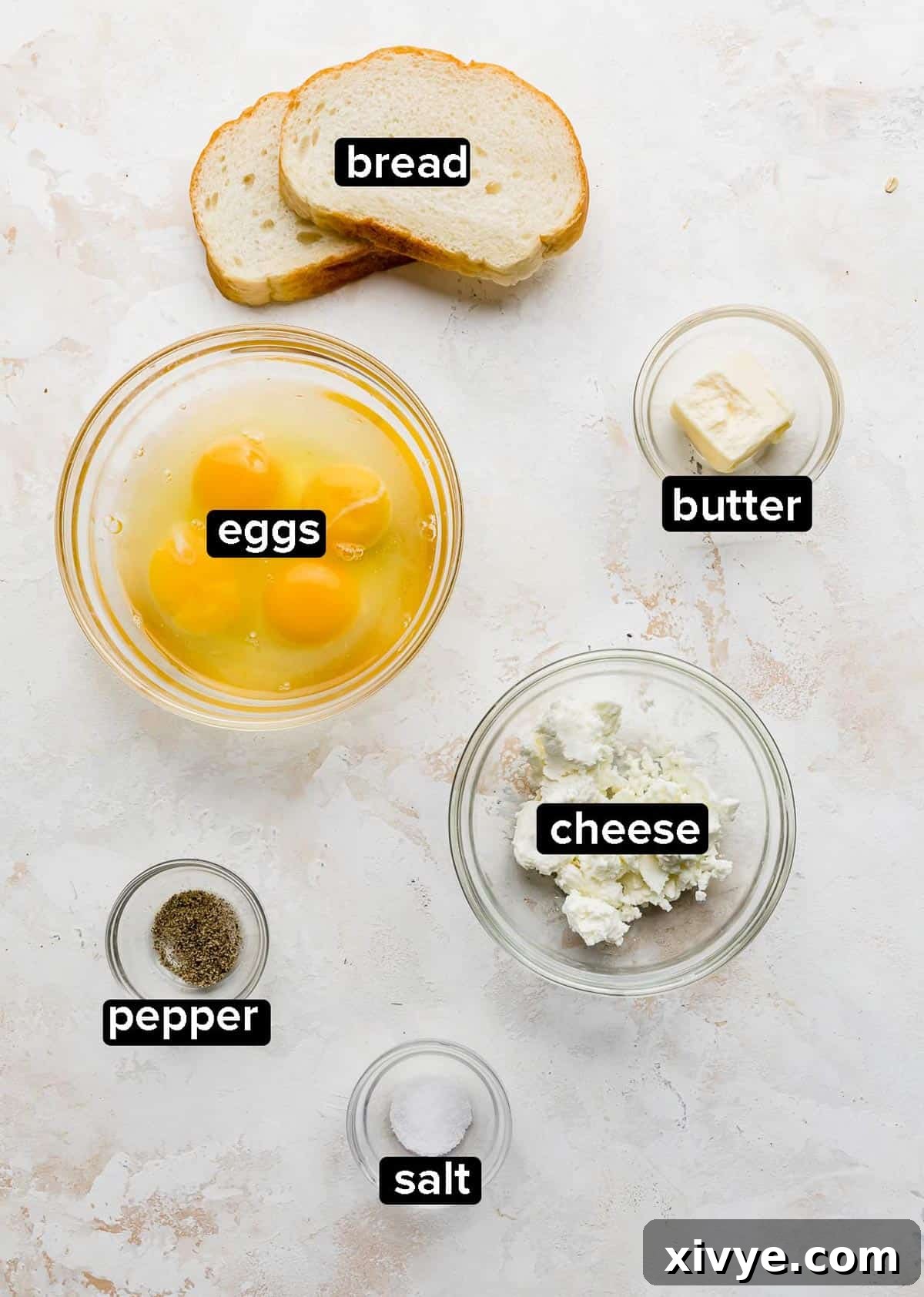
- The Bread – Your Foundation: Just as with any toast-based creation, the quality of your bread can make or break this dish. While standard sliced sandwich bread works, elevating your choice to an artisan variety like French bread, sourdough, or a hearty whole-grain loaf will transform the experience. These breads offer better texture, flavor, and a more satisfying crispness when toasted, providing a robust base for your **creamy scrambled eggs**. Consider the thickness; a slightly thicker slice holds up better to the moist eggs.
- The Eggs – The Star of the Show: Fresh, large eggs are ideal for the best flavor and texture. The color of the yolk can vary depending on the hens’ diet, but this won’t significantly affect the taste or cooking. Ensure your eggs are at room temperature if possible, as this can sometimes contribute to a slightly more uniform cook.
- The Cheese – A Creamy Indulgence: This is where you can truly personalize your **cheesy scrambled eggs**. I absolutely loved using tangy goat cheese in this recipe; my husband and I found it incredibly delicious! Feta cheese is another fantastic option, offering a delightful salty tang. For a milder, classic flavor, consider shredded cheddar, Monterey Jack, Colby Jack, or even a touch of cream cheese for extra richness. Feel free to experiment with whatever cheese you enjoy most – the key is finding one that melts well and complements the eggs.
- The Butter – Flavor and Non-Stick Insurance: Cooking your eggs in butter is crucial for two main reasons: flavor and preventing sticking. Butter imparts a rich, savory depth that oil simply can’t match. Even if you’re using a high-quality nonstick pan, eggs are notoriously prone to sticking. A generous pat of butter creates a protective layer, ensuring your **fluffy scrambled eggs** slide effortlessly from the skillet. You can use either salted or unsalted butter, adjusting the added salt in the recipe accordingly.
- Salt and Pepper – The Essential Seasoning: A simple pinch of salt and a grind of fresh black pepper are all you need to enhance the natural flavor of the eggs. Add salt before cooking to help break down the egg proteins for a creamier result, and adjust to taste at the end.
- Fresh Herbs – The Perfect Garnish (Optional but Recommended): A sprinkle of freshly chopped chives or parsley adds a vibrant pop of color and a fresh, aromatic finish that beautifully complements the richness of the eggs. Dill is another excellent choice for those who enjoy its unique flavor.
Mastering Scrambled Eggs on Toast: Detailed Instructions
Follow these steps carefully to achieve perfectly **fluffy, custardy scrambled eggs** ready to adorn your favorite toast.
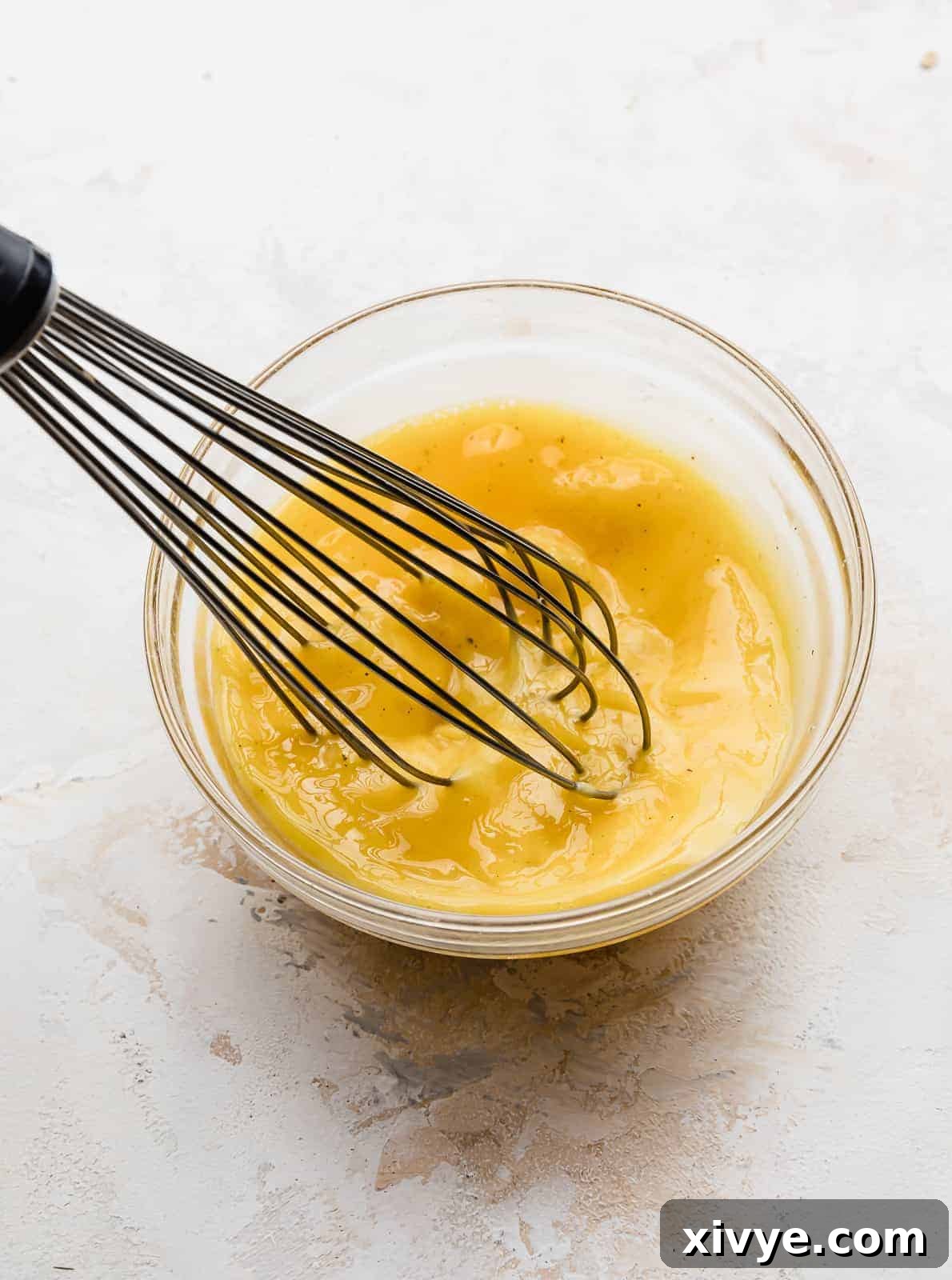
- Prepare the Eggs: In a medium-sized bowl, crack open your eggs. Add the salt and a generous pinch of fresh ground black pepper. Using a whisk, vigorously beat the mixture until the yolks and whites are thoroughly combined and no streaks remain. This vigorous whisking incorporates air, which contributes to the lightness and fluffiness of the finished eggs.
- Toast Your Bread: While preparing your eggs, toast your chosen bread. You can use a toaster for convenience or achieve a beautiful golden crispness on a skillet over medium heat. Toast until the bread is golden brown and slightly firm. Once toasted, generously butter the toast if desired – this adds another layer of flavor and moisture that pairs wonderfully with the eggs.
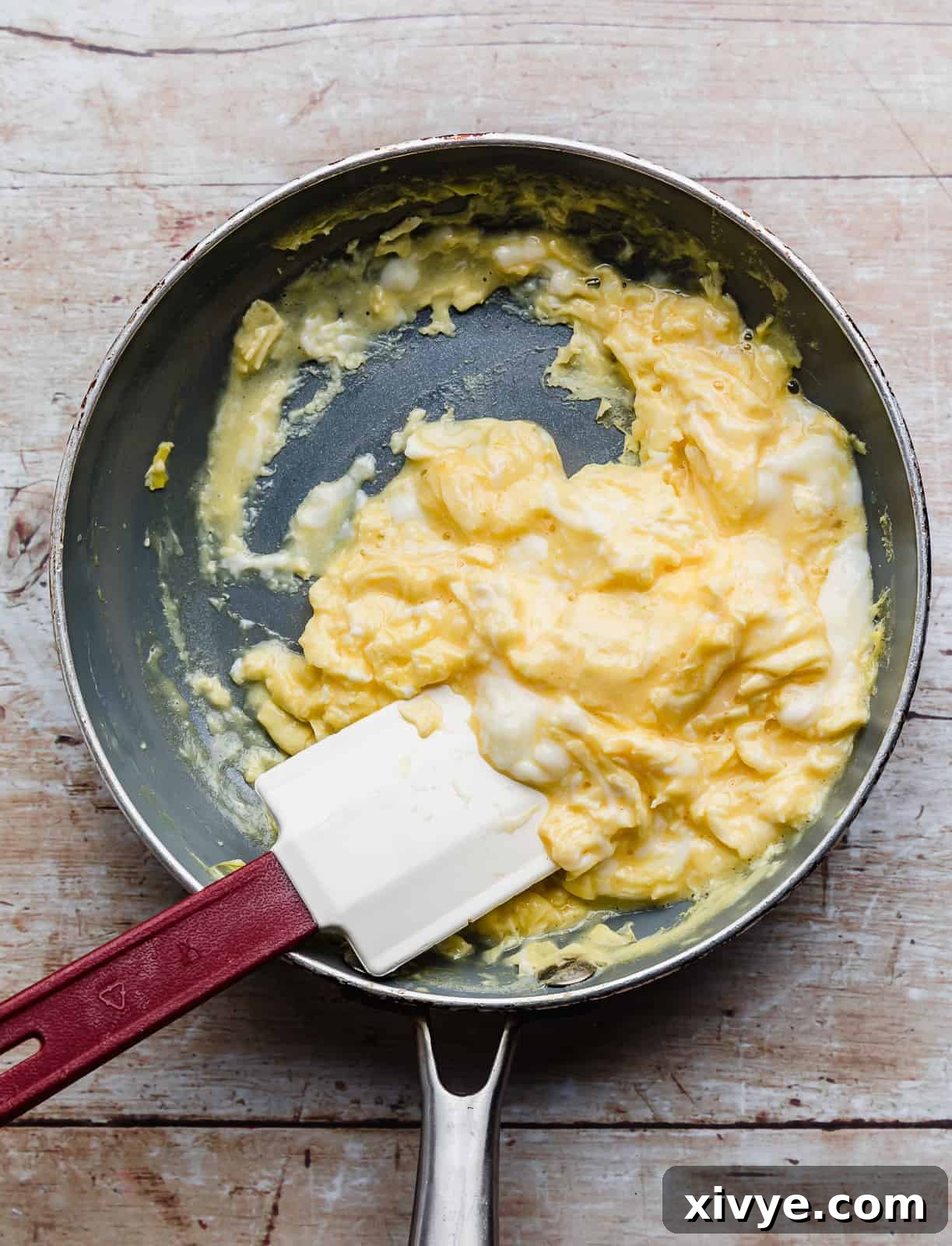
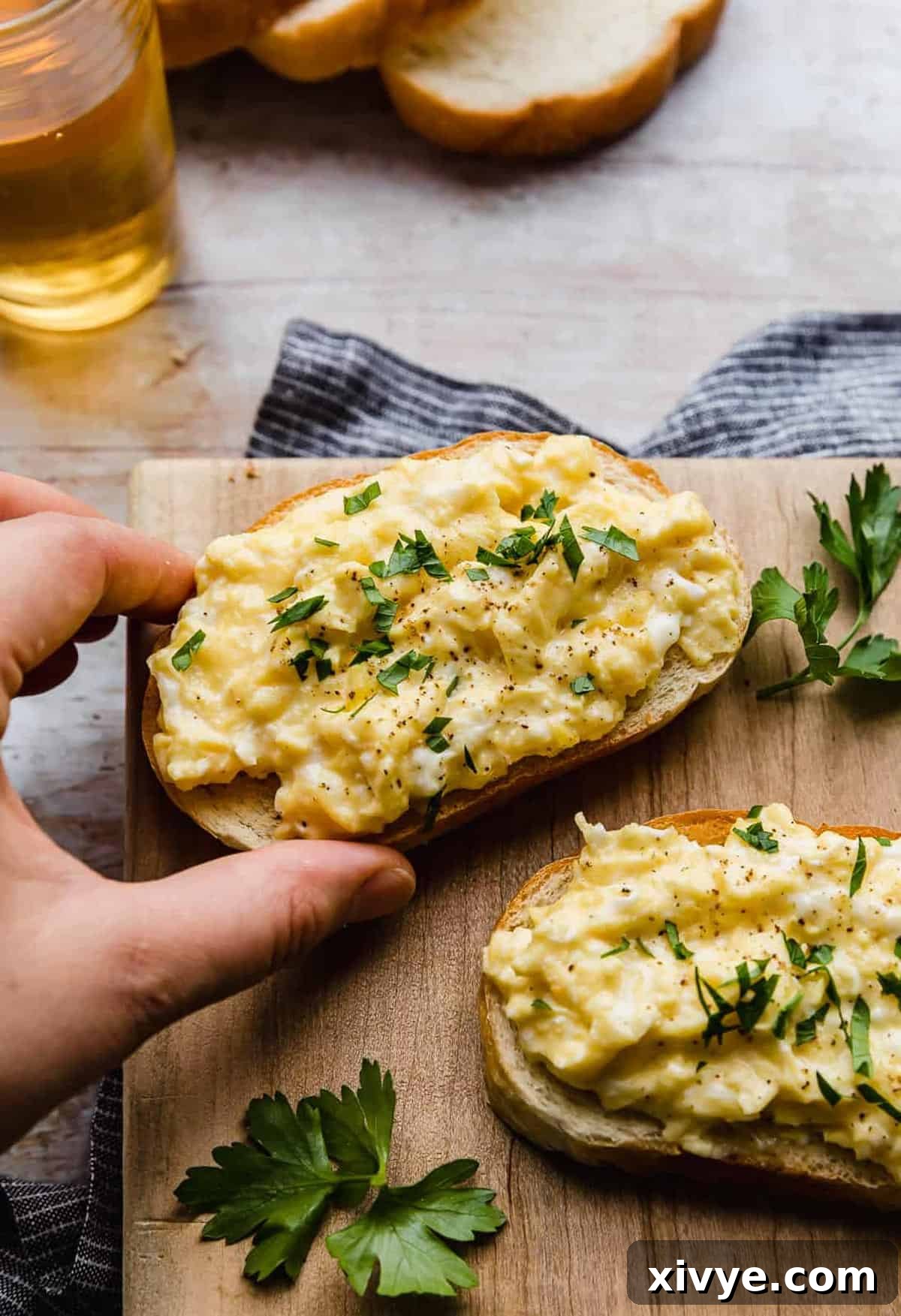
- Cook the Eggs – The Secret Technique: Place a nonstick skillet over medium-low heat. Add the butter and allow it to melt completely, ensuring it coats the entire bottom of the pan. Once the butter is melted and slightly foamy, pour in the whisked egg mixture. Immediately, using a silicone spatula, begin to stir the eggs. This isn’t just a casual stir; it’s a constant, gentle push and fold motion, moving the eggs from the edges to the center of the pan. Continuously push, fold, and move the egg mixture slowly but constantly for about 2 minutes. The goal is to create soft, custardy folds, not tiny, separated curds. Keep the heat medium-low to prevent overcooking and browning. The eggs should gather into a pile of soft, glistening, and almost custardy scrambled folds.
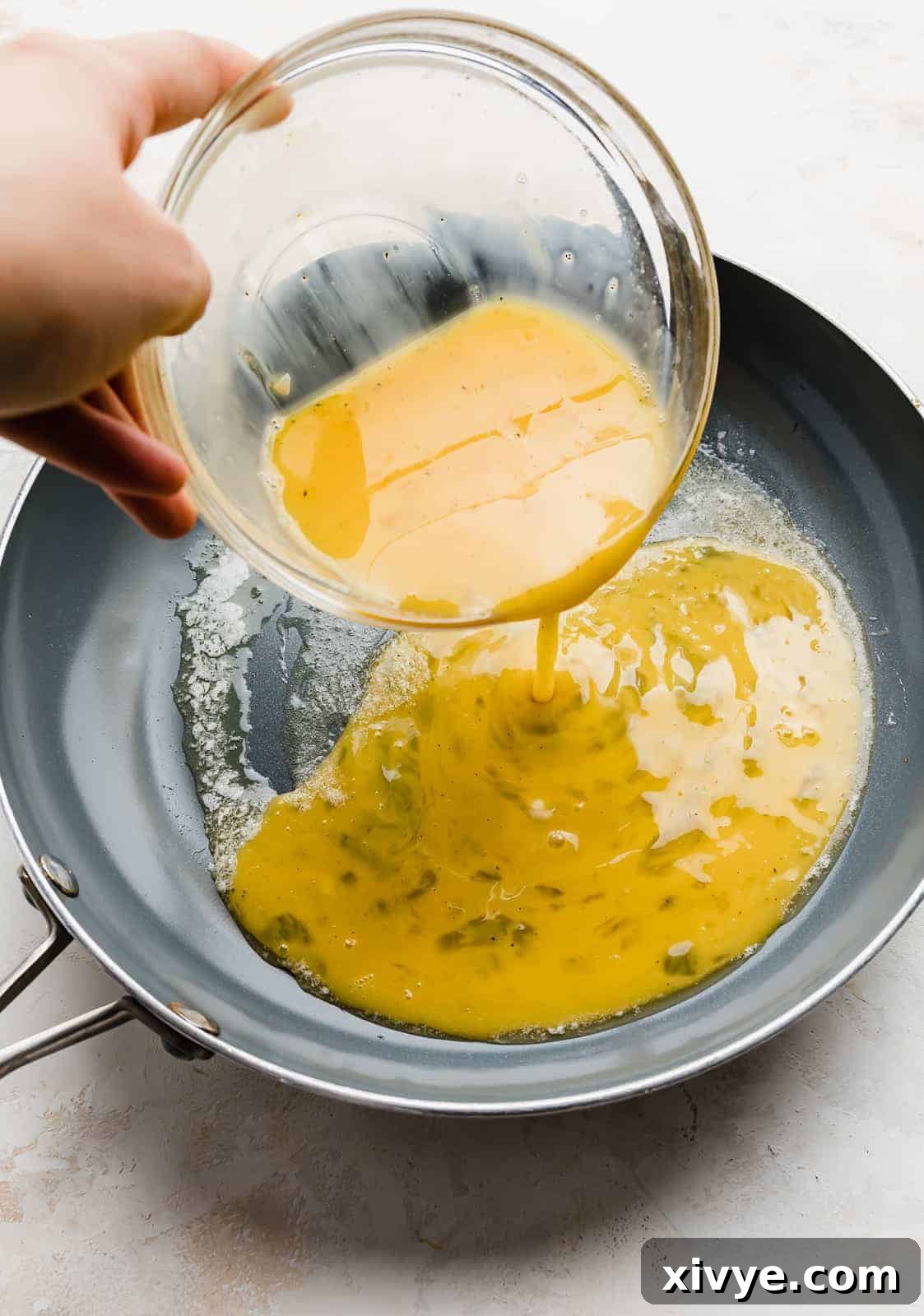
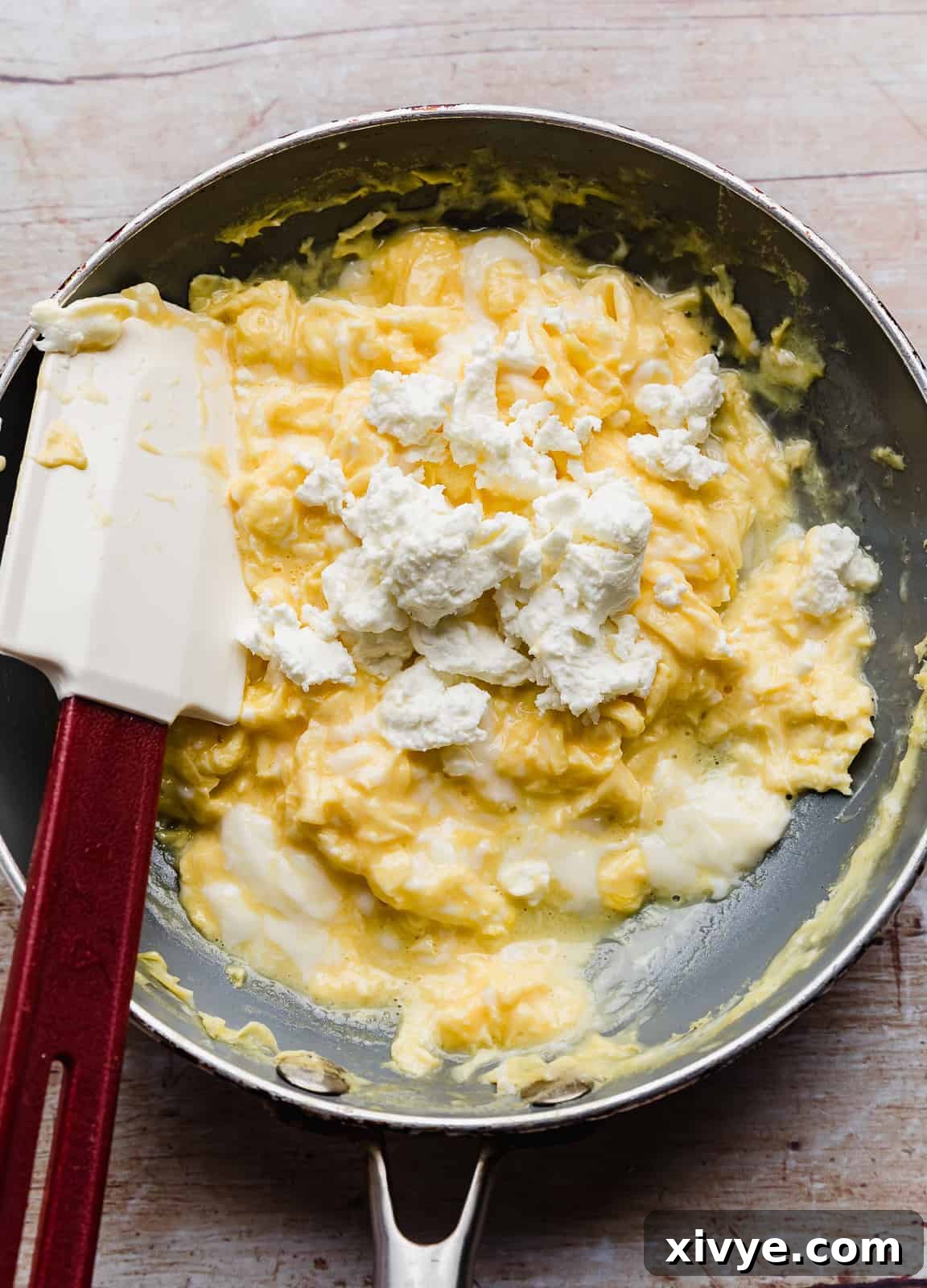
- Add the Cheese (Optional but Recommended): Once your eggs have reached that soft, custardy consistency, sprinkle your chosen cheese over the top. Continue to gently stir and fold for an additional 30 seconds to 1 minute, just until the cheese begins to melt and become gooey. Immediately remove the skillet from the heat. Remember, the eggs will continue to cook slightly from the residual heat of the pan, so it’s always better to undercook slightly than overcook.
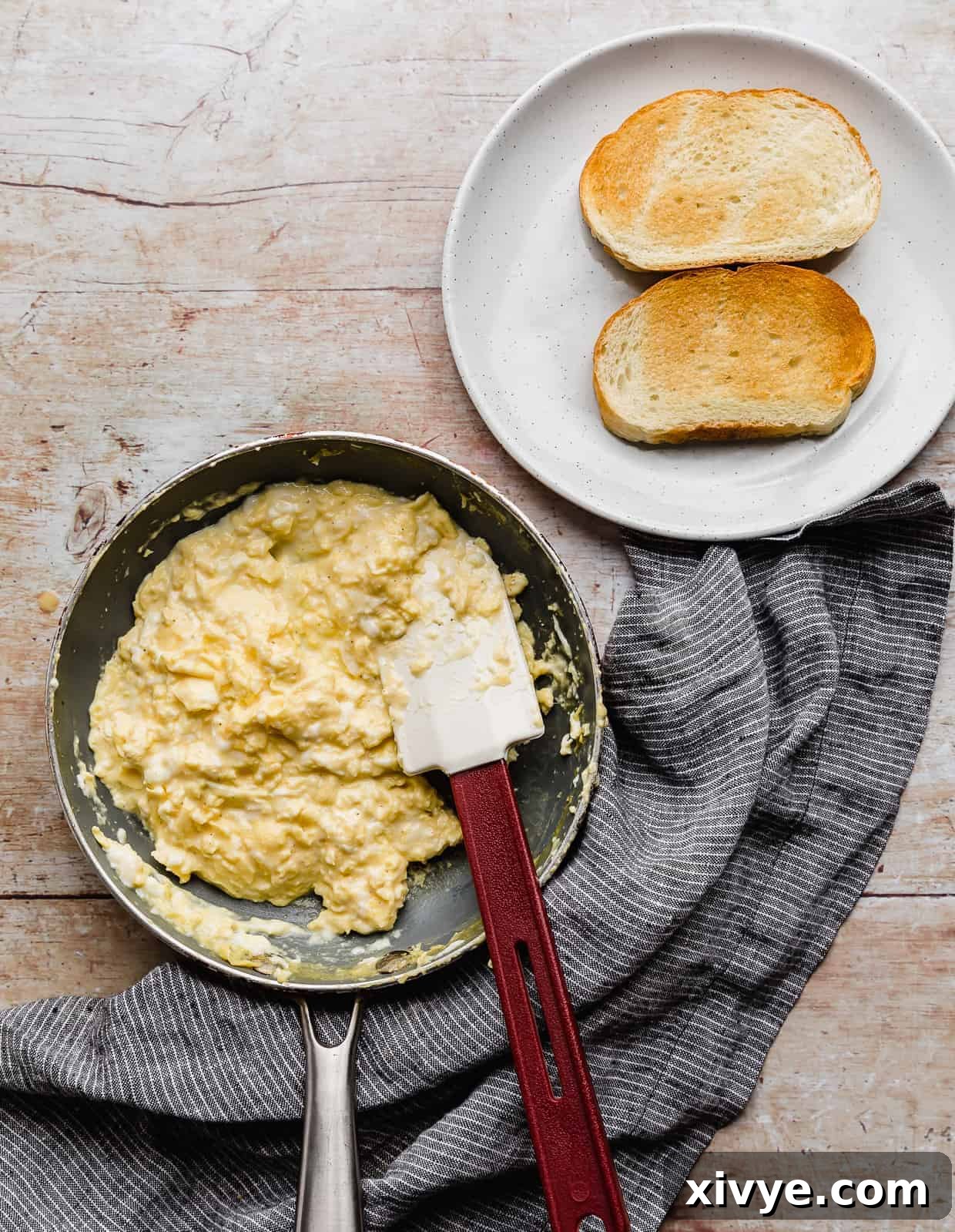
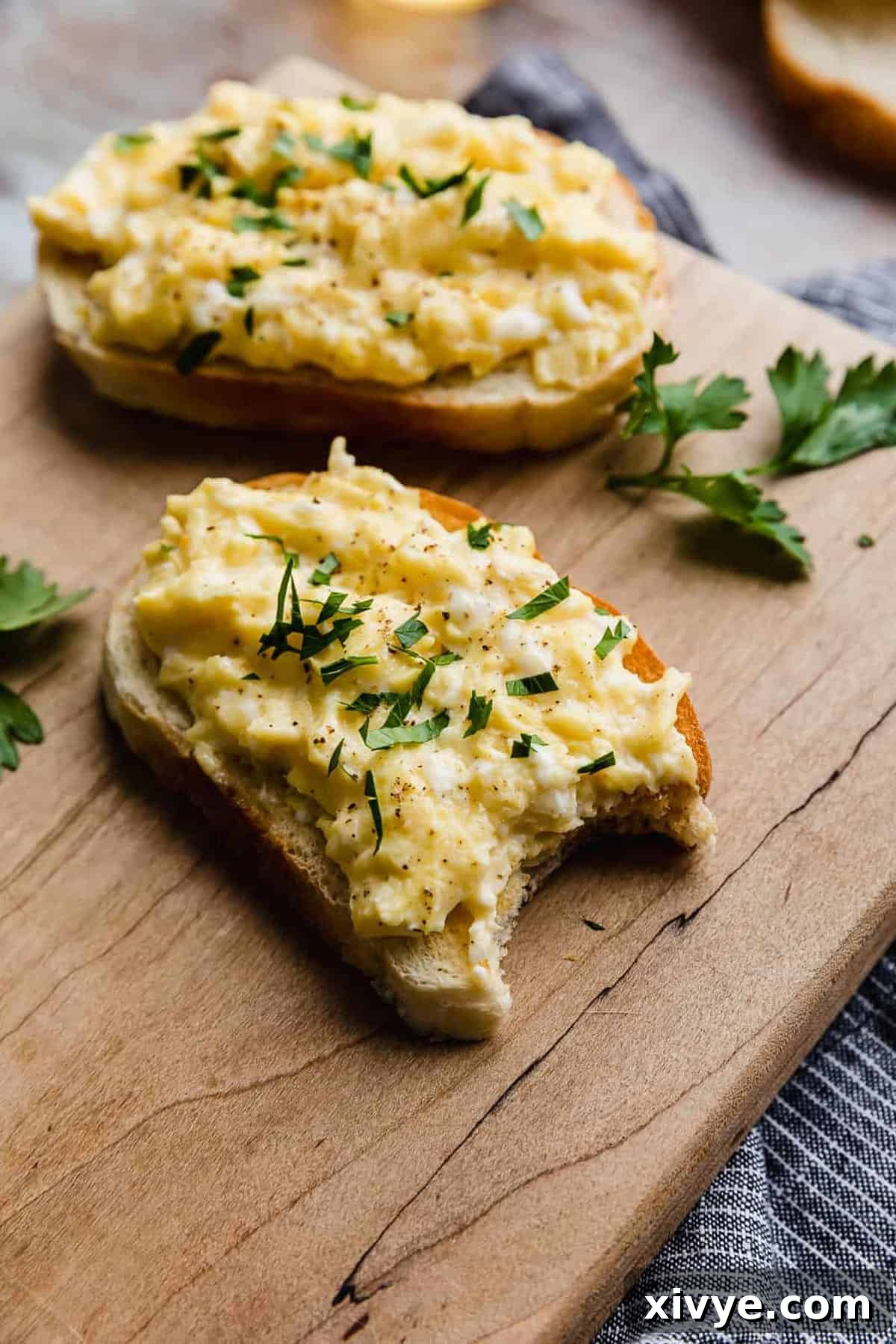
- Serve and Garnish: Spoon the warm, **creamy scrambled eggs** generously onto your prepared, buttered toast. For a fresh finish, top with a sprinkle of chopped chives or fresh parsley. Serve immediately and enjoy the delightful combination of textures and flavors.
Expert Tips for the Best Scrambled Eggs Every Time
Achieving the perfect plate of **scrambled eggs on toast** is all about technique and attention to detail. These expert tips will help you avoid common pitfalls and ensure your eggs are consistently fluffy, creamy, and delicious:
- The Golden Rule: Do Not Overcook Your Eggs! This is perhaps the most critical tip. Perfectly scrambled eggs should never resemble small, dry, separated pieces. Instead, they should be a cohesive, fluffy, and creamy mixture with soft, undulating folds. If your eggs separate into tiny, bite-sized curds and look dry, it’s a clear sign you’ve overcooked them. Always remove them from the heat when they are still slightly wet, as they will continue to cook from the residual heat of the pan.
- Master the Folding Technique for Fluffiness: The true secret to achieving **fluffy scrambled eggs** lies in how you handle them in the pan. Resist the urge to vigorously whisk, mash, or break the egg mixture into bits while cooking. Instead, use a silicone spatula to gently fold, push, and move the eggs from the edges towards the center of the pan. This gentle movement encourages the formation of large, soft curds and maintains that desired custardy texture.
- Avoid Adding Extra Liquid (Milk, Cream, Water): Contrary to popular belief, adding milk, cream, or water to your scrambled eggs can often do more harm than good. These liquids dilute the egg flavor and can make the mixture too watery, leading to longer cooking times. This prolonged exposure to heat often results in overcooked, dry eggs as you try to evaporate the excess moisture. For truly creamy eggs, rely on the butter and proper cooking technique, not added liquids.
- Control the Heat: Keep your skillet on medium-low heat. High heat will cook the eggs too quickly on the outside while leaving the inside raw, leading to an uneven texture and browning. A lower, slower heat ensures the eggs cook gently and evenly, resulting in a consistently tender and creamy consistency.
- Choose the Right Pan: A good quality nonstick skillet is your best friend when making scrambled eggs. It prevents sticking and allows the eggs to slide easily, making the folding technique much simpler.
- Seasoning is Key: While we add salt and pepper at the beginning, a quick taste test before serving allows you to adjust the seasoning. A dash more salt or a fresh grind of pepper can really bring out the flavors.
- Serve Immediately: Scrambled eggs are best enjoyed hot and fresh off the skillet. The texture and warmth are at their peak right after cooking.
Ways to know you’ve made the perfect scrambled eggs:
- When spooned onto toast, they hold together beautifully without crumbling, allowing for a delightful bite without a mess.
- The eggs possess a slight sheen, indicating they haven’t been overcooked to the point of dryness. They retain their natural moisture and tenderness.
- They boast a vibrant yellow color and a visibly creamy appearance. Perfectly cooked scrambled eggs will not have any browned edges or spots, which are indicators of excessive heat and overcooking.
Frequently Asked Questions About Scrambled Eggs on Toast
The primary trick to making truly fluffy scrambled eggs lies in the cooking technique, specifically how you stir the eggs. Instead of whisking vigorously or breaking apart the egg mixture while it cooks – which results in small, dry bits of egg – you should gently fold, move, and push the egg mixture around the pan with a silicone spatula. This method encourages the formation of larger, softer curds and a more cohesive, tender dish. Another crucial tip is to avoid overcooking them. It’s always better to remove the eggs from the heat slightly sooner than you think, as they will continue to cook from the residual heat of the pan, ensuring they remain moist and fluffy.
Absolutely! Scrambled eggs on toast can be a wonderfully healthy and nutritious breakfast. Eggs are an excellent source of high-quality protein, essential vitamins, and minerals. To boost the health benefits further, opt for whole wheat or whole grain bread for your toast, which provides fiber and complex carbohydrates. You can also add a side of fresh vegetables like spinach or bell peppers to your eggs, or serve with sliced avocado for healthy fats, turning it into a well-rounded and energizing meal.
While I personally love goat cheese in this recipe for its tangy, creamy notes (and my husband agrees it’s incredibly yummy!), many cheeses pair beautifully with scrambled eggs. Feta is another popular choice, offering a nice salty crumb. For classic comfort, you can’t go wrong with sharp cheddar, mild Monterey Jack, or even spicy pepper jack for a kick. Colby Jack offers a smooth, buttery flavor. For a more sophisticated touch, consider a sprinkle of Parmesan or a dollop of cream cheese for extra richness. Ultimately, the best cheese is the one you enjoy most!
A high-quality nonstick skillet is undoubtedly the best choice for making scrambled eggs. Its smooth surface ensures the eggs don’t stick, allowing them to cook evenly and be easily folded, which is key to achieving that desirable fluffy, custardy texture. A good nonstick pan also makes cleanup a breeze.
While freshly made scrambled eggs offer the best taste and texture, you can technically prepare them a little in advance if needed. However, they tend to lose some of their creaminess and become slightly drier upon reheating. If you must prepare them ahead, undercook them slightly, cool quickly, and reheat gently in a microwave or on the stove with a tiny pat of butter, stirring frequently, to avoid further drying them out. It’s always recommended to make them fresh for the optimal experience.
Scrambled eggs on toast are a complete meal on their own, but they also welcome a variety of delicious accompaniments. Consider serving them with crispy bacon, savory sausage, sliced avocado, a fresh fruit salad, sautéed mushrooms, or grilled tomatoes. A dollop of hot sauce or a sprinkle of red pepper flakes can also add a delightful kick.
More Irresistible Breakfast Recipes to Explore
If you love a hearty and delicious breakfast, you’re in the right place! Beyond our perfect **scrambled eggs on toast**, we have a collection of amazing recipes to brighten your mornings. Dive into these other favorites:
- Classic Buttermilk Waffles: Fluffy, golden, and utterly delightful.
- Decadent Almond Joy Oatmeal: A sweet and satisfying start to your day.
- How to Cook Perfectly Crispy Bacon in the Oven: The easiest way to get perfectly cooked bacon every time.
- Healthy German Pancakes (Dutch Baby): A light, airy, and impressive breakfast.
- Everything Bagel Breakfast Sandwich: All your favorite breakfast flavors in one portable meal.
Did you try this recipe for **fluffy scrambled eggs on toast**? We’d absolutely love to hear about your experience! Click here to leave a star rating and a review to share your thoughts and any delicious variations you tried.
Stay connected and up-to-date with all our latest recipes and culinary adventures by following us on Instagram, Facebook, and Pinterest. Don’t miss out on more mouth-watering inspiration!
Print
Save
Review
Scrambled Eggs on Toast
 Whitney Wright
Ingredients
- 2 slices bread – any bread variety, ideally artisan
- 1 tablespoon butter – salted or unsalted
- 4 eggs – large, fresh
- ¼ teaspoon salt – more or less to your liking
- pinch fresh ground black pepper – more or less to your liking
- ¼ cup goat cheese – crumbled feta, cheddar cheese are also good options. See notes for more ideas.
- fresh chopped parsley or chives – for topping
Instructions
-
In a medium bowl, vigorously whisk the eggs, salt, and pepper until well combined.
-
Toast bread in a toaster or on a skillet over medium heat until golden and slightly crisp. Butter the bread generously if desired.
-
In a nonstick skillet set over medium-low heat, add the butter. Once melted, pour in the egg mixture. Using a silicone spatula, immediately begin to gently push, fold, and move the eggs from the edges to the center of the pan, slowly but constantly. Cook for approximately 2 minutes, or until the eggs form soft, custardy folds and are still slightly moist.
-
Add the cheese and continue gently stirring for an additional 30 seconds to 1 minute, until the cheese is melted and gooey. Remove from heat immediately. The eggs will continue to cook slightly from the residual heat.
-
Spoon the scrambled eggs onto the prepared toast, top with chopped chives or parsley, and enjoy warm.
Notes
Do not overcook the eggs. Scrambled eggs should not look like tiny pieces of cooked eggs. The best scrambled eggs are a fluffy, creamy-looking (and tasting) egg mixture. If your scrambled eggs produce a separated, bite-sized egg pieces dish, it means you’ve overcooked and over-scrambled the eggs.
The trick to getting fluffy scrambled eggs is to fold/push/move the egg mixture while cooking, not whisking or mashing or breaking the egg mixture into bits.
Do not add additional liquid to your scrambled eggs. If you add milk, cream, water, or any other liquid to the egg mixture, you risk the scrambled eggs being too watery. If your mixture is too watery, you’ll be fooled into thinking the eggs aren’t cooked yet, and you’ll actually end up overcooking the scrambled eggs.