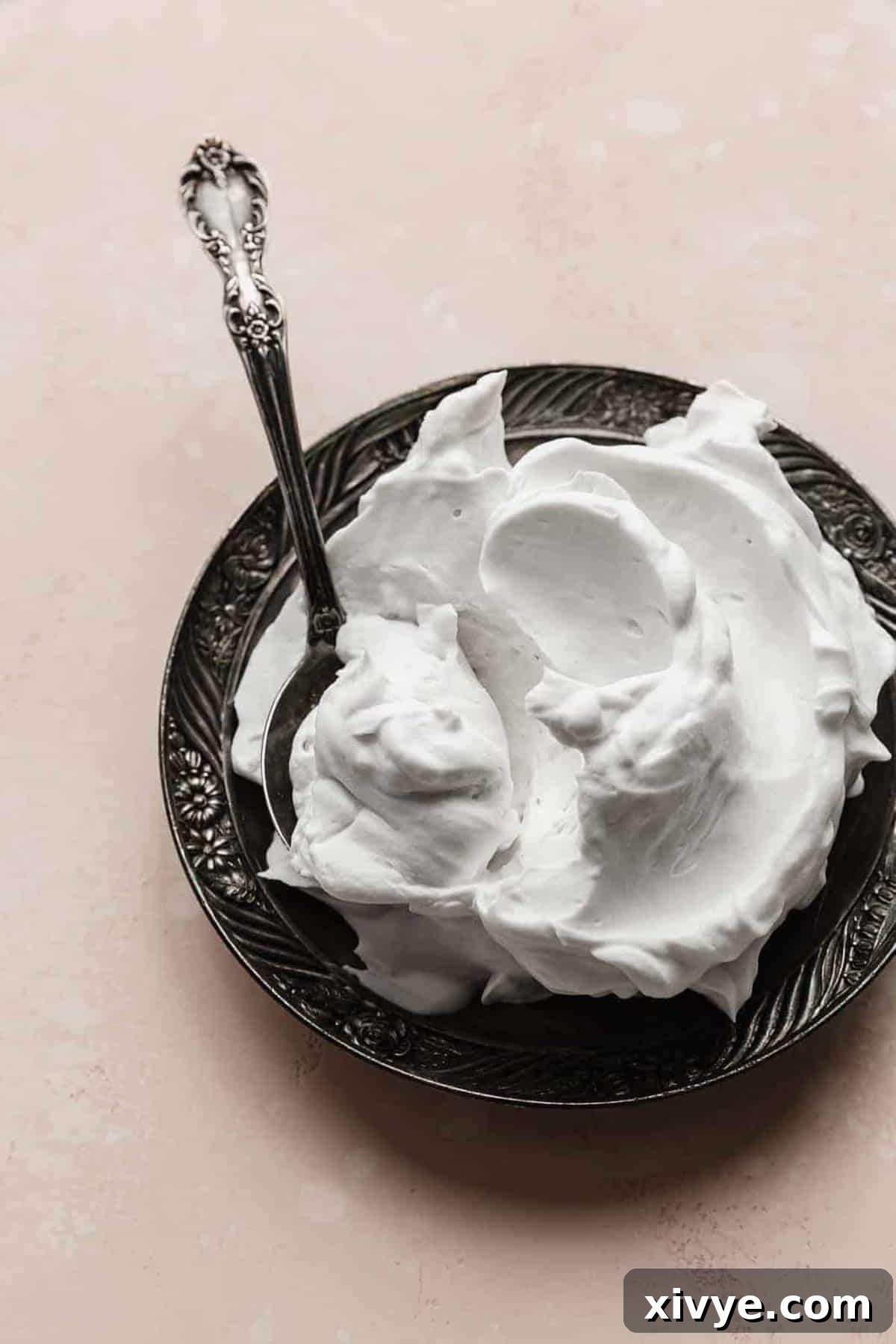
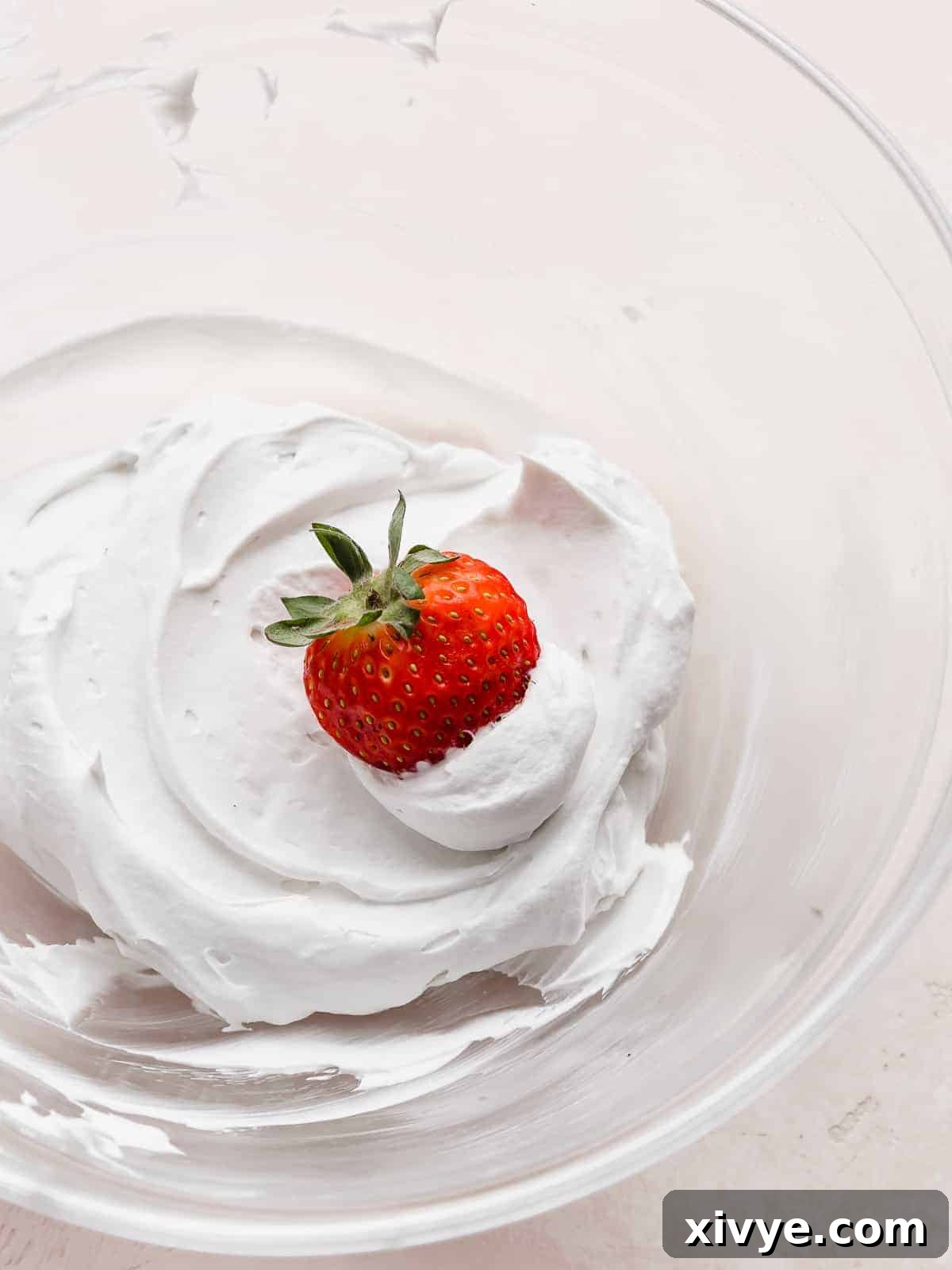
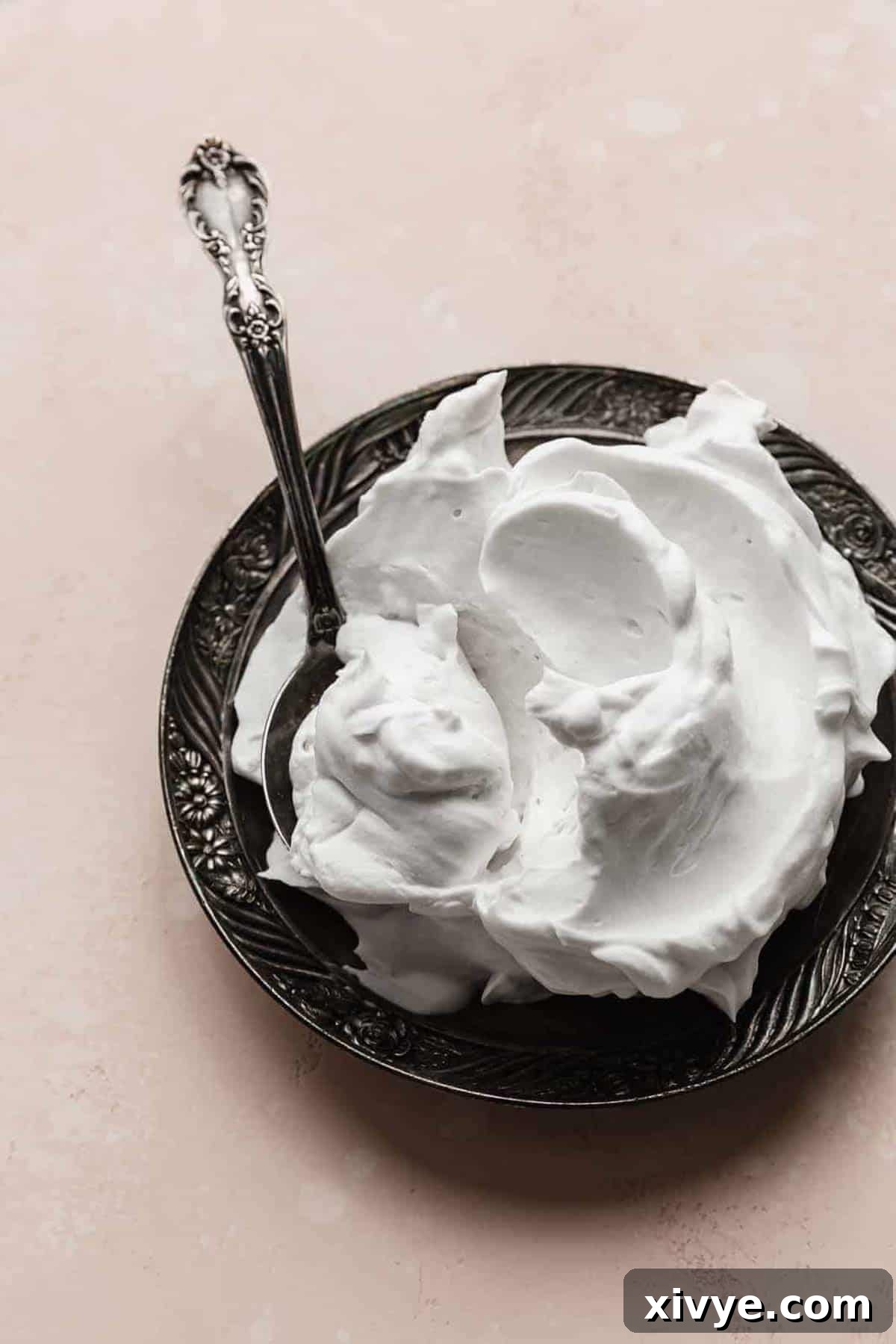
Imagine a cloud-like topping that’s delicate, rich, and utterly delicious, yet completely dairy-free. That’s exactly what you get with **Coconut Whipped Cream**! Crafted from full-fat coconut milk or coconut cream, this plant-based marvel is a fantastic alternative to traditional whipped cream. Its light, airy texture and subtly sweet flavor make it a universally loved treat, appealing to both those who avoid dairy and those who simply appreciate a fantastic dessert topping. Prepare to be amazed by its versatility and delightful taste – your dairy-free friends will cheer, and your dairy-loving friends won’t even notice the difference!
There’s an undeniable charm in adding a generous dollop of fluffy whipped cream to your favorite treats. Whether it’s crowning a bowl of fresh fruit, elevating your morning granola, or making a stack of pancakes feel extra special, whipped cream brings a touch of magic. I particularly adore pairing this homemade vanilla ice cream with a spoonful of coconut whipped cream, finished with a luscious drizzle of raspberry sauce – it’s pure bliss! This versatile cream also shines atop a variety of pies. Envision it on a zesty key lime pie, a comforting pumpkin pie, a decadent banoffee pie, or even a classic fresh peach pie. However, its true destiny seems to be as the perfect complement to a rich and creamy coconut cream pie, creating a harmonious symphony of flavors.
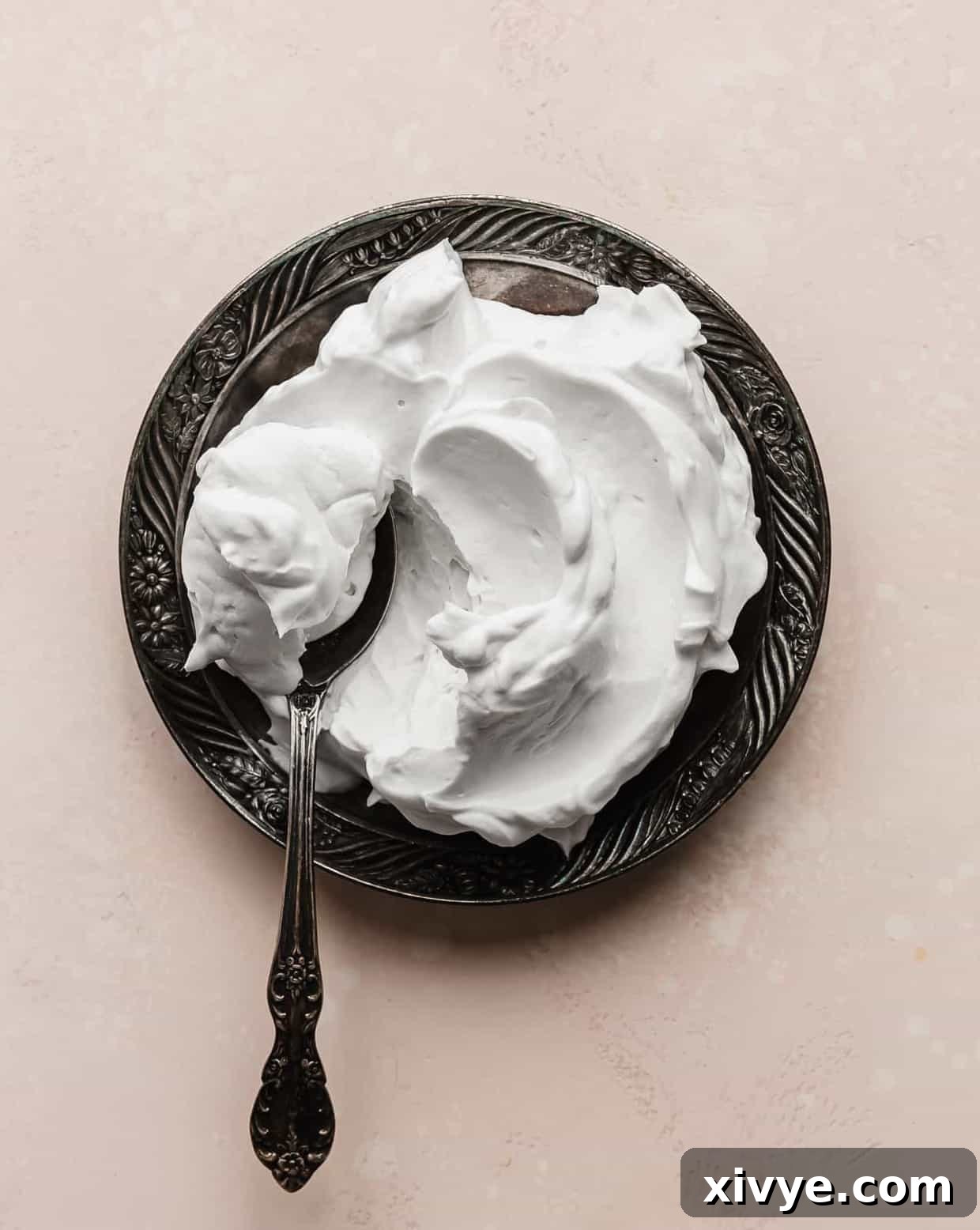
Why This Dairy-Free Whipped Cream Recipe is a Game-Changer
This isn’t just another whipped cream recipe; it’s a culinary revelation that stands out for several compelling reasons. We’ve meticulously tested and perfected this method to ensure you achieve consistent, delightful results every time. Here’s why this coconut whipped cream will become your go-to:
- Unbelievably Thick and Fluffy Texture: Say goodbye to watery or inconsistent whipped creams. This recipe delivers a remarkably thick, rich, and pillowy coconut whipped cream that holds its shape beautifully. Its luxurious consistency is comparable to, if not better than, traditional dairy whipped cream, making it ideal for piping, spreading, or simply spooning generously.
- The Ultimate Versatile Topping: Beyond being a delicious treat, this coconut whipped cream is an incredibly adaptable topping for a wide array of dishes. It’s naturally dairy-free, gluten-free, and vegan, catering to various dietary needs without compromising on flavor or texture. Use it to dollop onto a steaming mug of hot chocolate, garnish an elegant dessert, or add a touch of indulgence to your breakfast foods like waffles, pancakes, and fruit salads. Its mild coconut flavor complements almost anything, making it a truly universal condiment.
- The Magic of Chilled Coconut Cream: The secret to this recipe’s success lies in the chilling process. By refrigerating your can of full-fat coconut milk beforehand, you allow the thick, creamy solids to separate from the liquid. This essential step ensures you’re working with the richest part of the coconut milk, which whips up into the most stable and voluminous cream. While it requires a little foresight, the superior results—a firmer, more stable, and incredibly airy whipped cream—are absolutely worth the wait.
- A Crowd-Pleaser for All Diets: Whether you’re committed to a dairy-free, vegan, or gluten-free lifestyle, or simply exploring healthier alternatives, this coconut whipped cream is the perfect replacement for conventional whipped cream. Its delightful taste and texture are so impressive that even those who regularly consume dairy will be utterly smitten. It’s a testament to how flavorful and satisfying plant-based options can be, proving that healthy choices can be incredibly delicious too.
Essential Ingredients for Perfect Coconut Whipped Cream
Crafting this delightful dairy-free whipped cream requires just a few simple ingredients. The key to success lies in selecting the right ones and understanding their role. Here’s a closer look at what you’ll need:
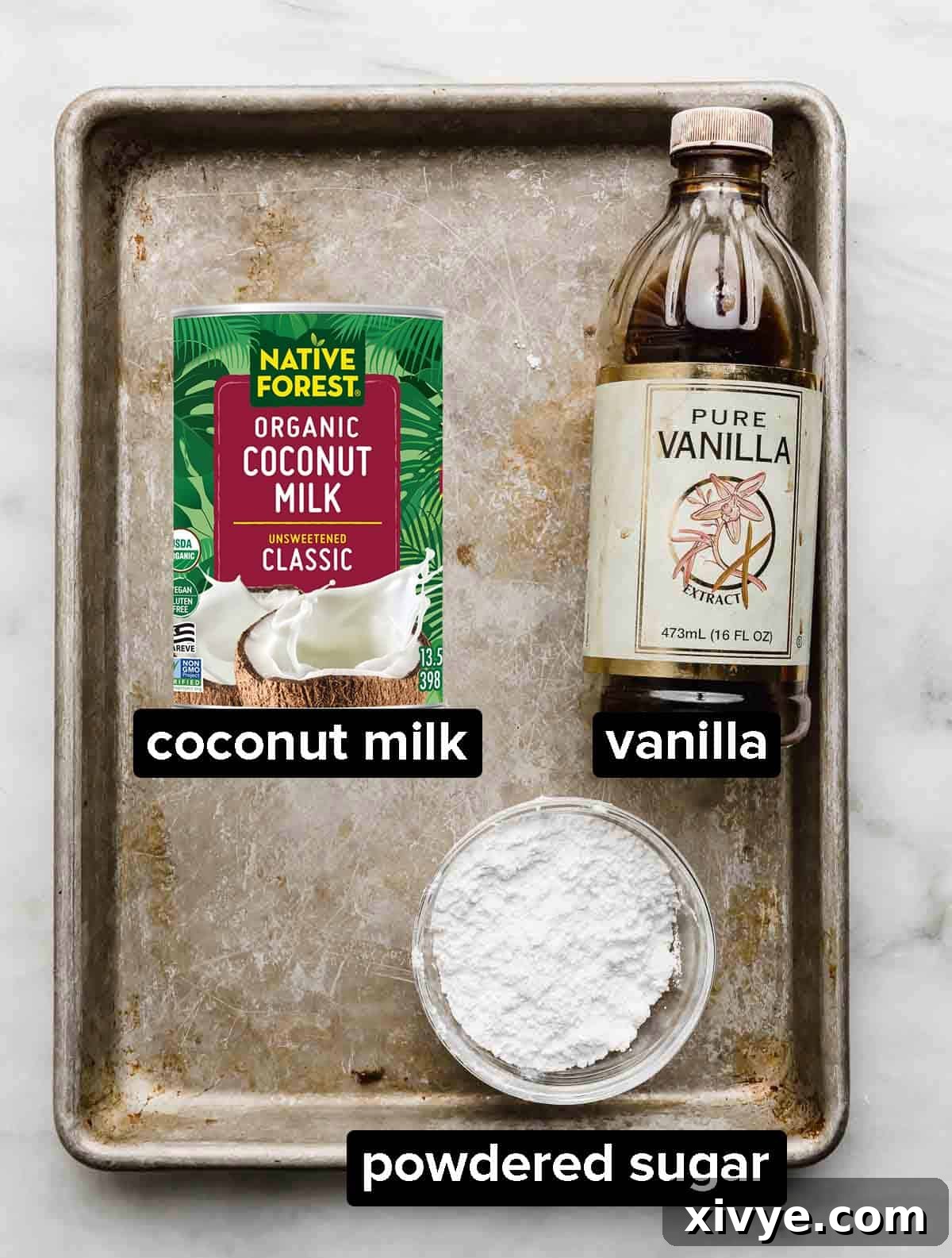
- Canned Full-Fat Coconut Milk or Coconut Cream: This is the star ingredient, and its quality is paramount. You’ll need one 13.5-ounce can of full-fat coconut milk or a can of dedicated coconut cream. The term “full-fat” is crucial here; light coconut milk or the carton varieties found in the refrigerated section (often near almond milk) will not yield the desired results. Look for brands known for high fat content and minimal additives, as this directly impacts the amount of solid cream you’ll get after chilling. I’ve had excellent results with Native Forest from Whole Foods, which consistently provides a thick, solid cream layer. If Native Forest isn’t available, don’t fret! Some brands perform better than others, and it may take a little experimentation. Resources like Minimalist Baker offer fantastic guides on which brands work best, so you can consult those if you’re having trouble finding a suitable option. The higher the fat content, the better your whipped cream will be.
- Powdered Sugar (Confectioners’ Sugar): This ingredient adds sweetness and helps stabilize the whipped cream, contributing to its smooth texture. Powdered sugar is preferred over granulated sugar because its fine particles dissolve quickly and prevent a gritty mouthfeel. For those seeking alternative sweeteners, you have several options:
- Maple Syrup: A great vegan-friendly choice that adds a lovely, subtle flavor. Start with a smaller amount and add more to taste, as it’s a liquid and can slightly alter the consistency.
- Stevia: For a sugar-free option, liquid stevia drops or powdered stevia work well. Adjust to your desired sweetness level.
- Honey: If you’re not strictly vegan, honey offers a distinct, natural sweetness.
- Agave Nectar: Another plant-based liquid sweetener that blends smoothly.
Remember to adjust the amount of sweetener to your personal preference.
- Vanilla Extract: A touch of vanilla extract is essential for enhancing the overall flavor profile. It adds a warm, aromatic depth that beautifully complements the natural coconut notes and helps to mellow out any strong “coconutty” taste, creating a more balanced and inviting cream. High-quality vanilla extract makes a noticeable difference, so choose wisely. For a twist, consider experimenting with other extracts like almond, peppermint, or even a hint of citrus zest for different flavor experiences.
Easy Step-by-Step Guide to Homemade Coconut Whipped Cream
Creating perfectly fluffy coconut whipped cream is straightforward when you follow these simple steps. Precision and patience are key, especially during the chilling phase.
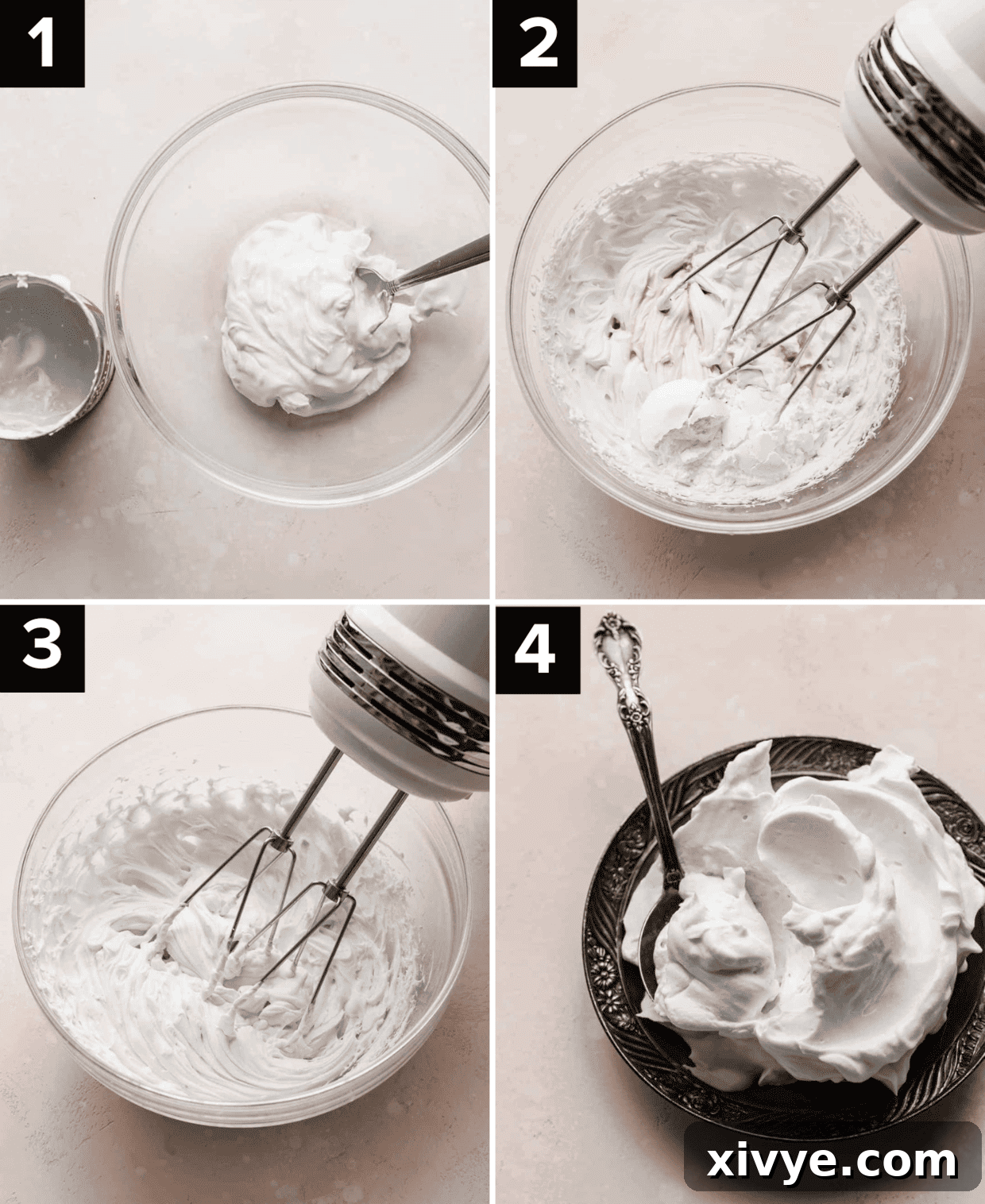
- Chill Your Coconut Milk Thoroughly: This is arguably the most crucial step for success. Place your can of full-fat coconut milk or coconut cream in the refrigerator for a minimum of 18-24 hours, or ideally, 1-2 full days. Do not shake the can during this time. The goal is to allow the rich, solid coconut cream to separate and rise to the top, while the watery liquid (coconut water) settles at the bottom. This extended chilling period ensures maximum separation, which is essential for achieving a thick, stable whipped cream.
- Carefully Remove the Hardened Cream: Once your coconut milk is thoroughly chilled, remove the can from the refrigerator. Do not shake or tip it. Gently open the can. You should see a thick, solid layer of coconut cream at the top. Carefully use a spoon or spatula to scoop out this hardened, opaque cream and transfer it into a clean, chilled mixing bowl. Be mindful not to dig too deep, avoiding the clear liquid underneath. The remaining liquid coconut milk can be stored in an airtight container in the fridge for other uses, such as smoothies, curries, or soups – don’t discard it!
- Whip Until Smooth and Fluffy: Using an electric mixer (either a hand mixer or a stand mixer fitted with a whisk attachment), begin beating the hardened coconut cream on medium-high speed. Start slowly to break up any lumps, then increase the speed. Beat for approximately 1 minute until the cream becomes smooth and slightly aerated. At this point, add 2 tablespoons of powdered sugar (or your chosen sweetener) and ¼ teaspoon of vanilla extract. Continue to beat for another 1-2 minutes, or until the mixture is well combined, thick, and resembles traditional whipped cream. The cream should be light, airy, and hold soft peaks. Be careful not to overmix, as this can sometimes cause the cream to become grainy.
- Serve Immediately or Store: Your freshly made coconut whipped cream is now ready to enjoy! Serve it immediately with your favorite treats. If you’re not using it right away, gently transfer the whipped cream to an airtight container and store it in the refrigerator. It will firm up considerably as it chills, so you might need to give it a quick whisk before serving again to restore its airy texture.
Expert Tips for the Best Coconut Whipped Cream
Achieving consistently perfect coconut whipped cream is simple with a few insider tips. These insights will help you avoid common pitfalls and ensure a consistently fluffy, stable, and delicious result every time.
Choosing the Right Coconut Milk Brand: The brand of coconut milk you use can significantly impact your results. Not all brands are created equal in terms of fat content and separation. Many brands, unfortunately, contain stabilizers that prevent the cream from hardening effectively. From extensive testing, I’ve found Native Forest (especially the Classic or Organic varieties) from Whole Foods to be exceptionally reliable, consistently yielding a thick, solid layer of cream. Brands like Thai Kitchen, while popular, often don’t work as well for whipped cream due to their composition. When shopping, look for cans with minimal ingredients (just coconut and water, perhaps a natural gum) and ideally, a higher fat percentage listed on the nutrition label. Some people find success with Aroy-D or Savoy as well. Don’t be discouraged if your first attempt with a new brand isn’t perfect; a little experimentation can lead you to your personal favorite.
Always Use Full-Fat Canned Coconut Milk: This is non-negotiable for successful coconut whipped cream. You need the high-fat content to achieve that desirable thick, stable texture. Avoid “light” or “reduced-fat” coconut milk, as these simply won’t separate enough to create a scoopable cream. Furthermore, steer clear of coconut milk sold in cartons in the refrigerated section (often labeled as a dairy alternative like almond milk). These carton varieties are typically designed for drinking or smoothies and have a much thinner consistency that will not whip up. Always reach for canned, full-fat coconut milk or a dedicated can of coconut cream, where the fat content is concentrated.
The Importance of Thorough Chilling: For optimal results, ensure your can of coconut milk is chilled in the refrigerator (not the freezer!) for at least 18-24 hours, or even up to 2 days. This extended chilling period is vital for allowing the coconut solids to properly separate from the liquid. Without sufficient chilling, you won’t get that distinct, firm layer of cream at the top, and your whipped cream will likely be thin and runny. Patience here pays off immensely in the texture and stability of your final product. Placing the can in the freezer for a quick chill might seem tempting, but it can cause ice crystals to form, negatively affecting the cream’s texture.
Pre-Chill Your Mixing Bowl and Whisks: To give your coconut cream the best chance at achieving maximum fluffiness and stability, consider chilling your mixing bowl and whisk attachment (if using a stand mixer) or hand mixer beaters in the freezer for 10-15 minutes before you begin whipping. Keeping the cream as cold as possible throughout the mixing process helps it emulsify better and maintain its structure, resulting in a firmer, longer-lasting whipped cream.
Creative Serving Suggestions: This gluten-free and vegan whipped cream is incredibly versatile! While it’s a natural fit for classic desserts, don’t limit yourself. Try it on:
- Breakfast Favorites: Dollop it on homemade pancakes, waffles, French toast, oatmeal, or even a healthier option like breakfast quinoa or overnight coconut chia pudding.
- Desserts: Beyond pies, it’s exquisite on fruit tarts, chocolate avocado mousse, or as a topping for cakes like carrot cake or angel food cake.
- Beverages: Elevate your hot cocoa, coffee, or smoothies with a generous swirl.
- Fresh Fruit: A simple bowl of berries or sliced tropical fruit becomes an indulgent dessert with a scoop of this creamy topping.
Using Coconut Whipped Cream as Frosting: While it’s wonderfully creamy, coconut whipped cream is best suited for toppings rather than thick frosting for cakes or cupcakes, especially if they need to sit out at room temperature for extended periods. This cream thrives when kept chilled. If you do wish to use it as a light frosting, apply it just before serving and then keep the frosted items refrigerated. Its delicate nature means it can soften and lose shape if left at warmer temperatures.
Strict Refrigeration is Key: Due to its natural ingredients and preference for cold temperatures, coconut whipped cream must be kept refrigerated. It typically won’t hold its structure or freshness well at room temperature for longer than 2 hours, particularly in warmer environments. Always store it in an airtight container in the coldest part of your fridge.
Making it Sugar-Free: If you’re managing sugar intake, easily transform this recipe into a sugar-free delight. Instead of powdered sugar, add a splash of liquid stevia drops, erythritol, or monk fruit sweetener to taste. If using a powdered sugar alternative, ensure it’s finely ground to avoid a grainy texture. Adjust to your desired level of sweetness gradually.
Troubleshooting Clumpy or Stiff Cream:
- If your cream is slightly clumpy: Don’t despair! This can happen, especially if it’s very cold. Simply continue mixing for another minute or two. The friction from the beaters can help smooth it out.
- If your cream is too stiff or still clumpy after extended mixing: You can always add a small splash of the reserved liquid coconut milk (the clear liquid you separated earlier) to the bowl. Add it a teaspoon at a time, continuing to beat, until the desired consistency is reached. This helps to loosen the mixture, make it creamier, and introduce more air bubbles, giving the cream a better lift and lighter texture. The trick is to maintain a careful balance; too much liquid will prevent it from thickening. Start small and add gradually.
Make Ahead, Storing, and Freezing Dairy-Free Whipped Cream
One of the great advantages of coconut whipped cream is its impressive stability when properly stored. This makes it an excellent option for meal prepping or preparing ahead for special occasions.
Making Ahead: You can easily prepare this dairy-free coconut whipped cream a day or two in advance. Simply follow the recipe instructions through to whipping, then transfer the finished cream to an airtight container. This allows the flavors to meld beautifully and gives you one less thing to worry about on the day of serving.
Storing: Store the freshly made coconut whipped cream in an airtight container in the coldest part of your refrigerator for up to a week. You’ll notice that the whipped cream will firm up considerably as it sits in the fridge; this is completely normal. Before serving, you might want to give it a quick re-whip with an electric mixer for about 30 seconds to 1 minute. This will restore its light and airy texture, making it perfectly fluffy again.
Freezing: While theoretically possible, I generally do not recommend freezing this particular coconut whipped cream recipe. The texture tends to suffer significantly upon thawing; it can become grainy, icy, or separate, losing its smooth and creamy consistency. This whipped cream is truly at its best when enjoyed fresh or after being properly refrigerated. If you’re looking for a frozen coconut dessert, consider using coconut milk in ice cream or sorbet recipes instead of attempting to freeze this whipped cream for later use.
Frequently Asked Questions About Coconut Whipped Cream
To achieve a firmer and more stable coconut whipped cream, the most critical factor is ensuring your full-fat canned coconut milk has been thoroughly chilled in the refrigerator for at least 18-24 hours, or ideally even longer. This allows the fat solids to properly separate. When scooping, make sure you’re only getting the thick, hardened cream from the top and leaving as much liquid behind as possible. During whipping, avoid adding too much liquid sweetener; if your cream is struggling to stiffen, try using powdered sugar or a powdered sugar alternative instead of a liquid one. Also, chilling your mixing bowl and beaters beforehand can significantly help the cream hold its structure better.
Unfortunately, no, it is not possible to make proper coconut whipped cream without chilling the can of coconut milk beforehand. The chilling process is absolutely essential. It causes the solid, high-fat portion of the coconut milk to separate and solidify at the top of the can. Without this separation, you’ll simply have a liquid coconut milk mixture that will not whip up into a fluffy, stable cream. The success of the recipe hinges on using only the thick, hardened cream.
Yes, coconut whipped cream can be a much healthier alternative to traditional dairy whipped cream, especially for those with specific dietary needs or health goals. Coconut milk contains healthy fats, including medium-chain triglycerides (MCTs), which can be easily digested and used for energy. It’s also naturally cholesterol-free. When you use natural sweeteners like honey, maple syrup, or stevia instead of refined sugar, this whipped cream recipe certainly leans towards the healthier side. Enjoying it in moderation as part of a balanced diet can be a delicious way to incorporate healthy fats and avoid dairy.
Absolutely! By nature, full-fat canned coconut milk is both gluten-free and vegan, making the base of this whipped cream recipe suitable for these dietary requirements. To ensure the entire recipe remains vegan, simply choose a plant-based sweetener. Maple syrup is an excellent and popular vegan choice, but you can also use agave nectar or stevia. For gluten-free needs, all ingredients typically used (coconut milk, powdered sugar, vanilla extract) are naturally gluten-free, but it’s always wise to check labels for any potential cross-contamination warnings if you have severe sensitivities.
No, you cannot use light coconut milk for this recipe. Light coconut milk has a reduced fat content, which means there won’t be enough solid cream to separate and whip up properly. For successful, thick, and fluffy coconut whipped cream, always use full-fat canned coconut milk or dedicated coconut cream.
If your coconut cream doesn’t separate well, there are a few potential reasons. First, ensure it was truly full-fat coconut milk and not a light version or carton milk. Second, verify it was chilled for a sufficient amount of time (18-24 hours is the minimum, longer is better). Lastly, the brand can make a big difference. Some brands contain more stabilizers which prevent good separation. If this happens, you might try a different brand next time. For your current can, you can still try to scoop out any semi-solid parts, but the yield and texture won’t be as ideal.
Explore More Delicious Whipped Cream Recipes
If you love the versatility and deliciousness of homemade whipped cream, you’ll be thrilled to discover these other fantastic recipes from our collection:
- Cream Cheese Whipped Cream Frosting: A tangy and sweet frosting perfect for red velvet cakes or cupcakes.
- Classic Whipped Cream Frosting: The traditional, light, and airy frosting that pairs beautifully with almost any dessert.
- Healthy Greek Yogurt Whipped Cream: A lighter, protein-packed version that’s great for fruit parfaits or a guilt-free topping.
- Fresh Lemon Whipped Cream: Zesty and refreshing, perfect for spring and summer desserts.
Did you try this amazing dairy-free whipped cream? We’d absolutely love to hear about your experience! Leave a star rating and review right here on the blog post, or scroll down to the recipe card and share your thoughts there. Your feedback helps us and other home cooks. Don’t forget to stay connected and up-to-date with all our latest recipes and tips by following us on Instagram, TikTok, YouTube, Facebook, and Pinterest. We can’t wait to see your culinary creations!
Print
Review
Coconut Whipped Cream

Whitney Wright
2 minutes
1 day
1 day
2 minutes
4
servings
Ingredients
- 13.5 oz full-fat coconut milk – thoroughly chilled for 24 hours (or more)
- 2 tablespoons powdered sugar – or substitute with maple syrup for a vegan option, or stevia for sugar-free
- ¼ teaspoon vanilla extract
Equipment
-
hand mixer or stand mixer with whisk attachment
-
Chilled mixing bowl
Instructions
-
1. Chill Coconut Milk: Place the can of full-fat coconut milk in the fridge for 1-2 full days to allow the cream to separate and solidify.
-
2. Scoop Cream: Carefully remove the chilled can from the fridge without shaking it. Open the can and scoop out the thick, hardened coconut cream from the top into a chilled mixing bowl. Reserve the liquid coconut milk for other uses.
-
3. Whip the Cream: Using an electric hand mixer or stand mixer, beat the coconut cream on medium-high speed for about 1 minute until smooth. Add the powdered sugar (or chosen sweetener) and vanilla extract. Continue to beat for another 1-2 minutes until thick, airy, and well combined.
-
4. Serve and Store: Serve immediately or store the whipped coconut cream in an airtight container in the fridge for up to 5 days. It will firm up in the fridge; re-whip briefly if needed before serving to restore its fluffiness. Enjoy with fresh fruit, cakes (like carrot cake or angel food cake), pies, hot chocolate, waffles, pancakes, granola, or oatmeal.
Notes
Always chill the can of coconut milk in the refrigerator for at least 18-24 hours; do not use the freezer. For an extra touch, chill your mixing bowl and beaters for 10-15 minutes before whipping to help the cream stay cold and stable.
If the cream appears clumpy, continue mixing. A small splash of the reserved liquid coconut milk can be added gradually (1 teaspoon at a time) to help soften and smooth the mixture if it’s too stiff or chunky.
To make it sugar-free, simply substitute powdered sugar with liquid stevia drops or another powdered sugar alternative to taste.
This whipped cream must be kept refrigerated. It will not hold its structure well at room temperature for more than 2 hours.
Nutrition
Calories: 17kcal (1%)
Carbohydrates: 4g (1%)
Protein: 1g (2%)
Fat: 1g (2%)
Saturated Fat: 1g (5%)
Sodium: 1mg
Sugar: 4g (4%)
Did you make this recipe?
Please leave a star rating and review on the blog post letting me know how you liked this recipe! Take a picture and tag @saltandbaker on Tik Tok, Instagram, and Facebook so I can see what you’re making!