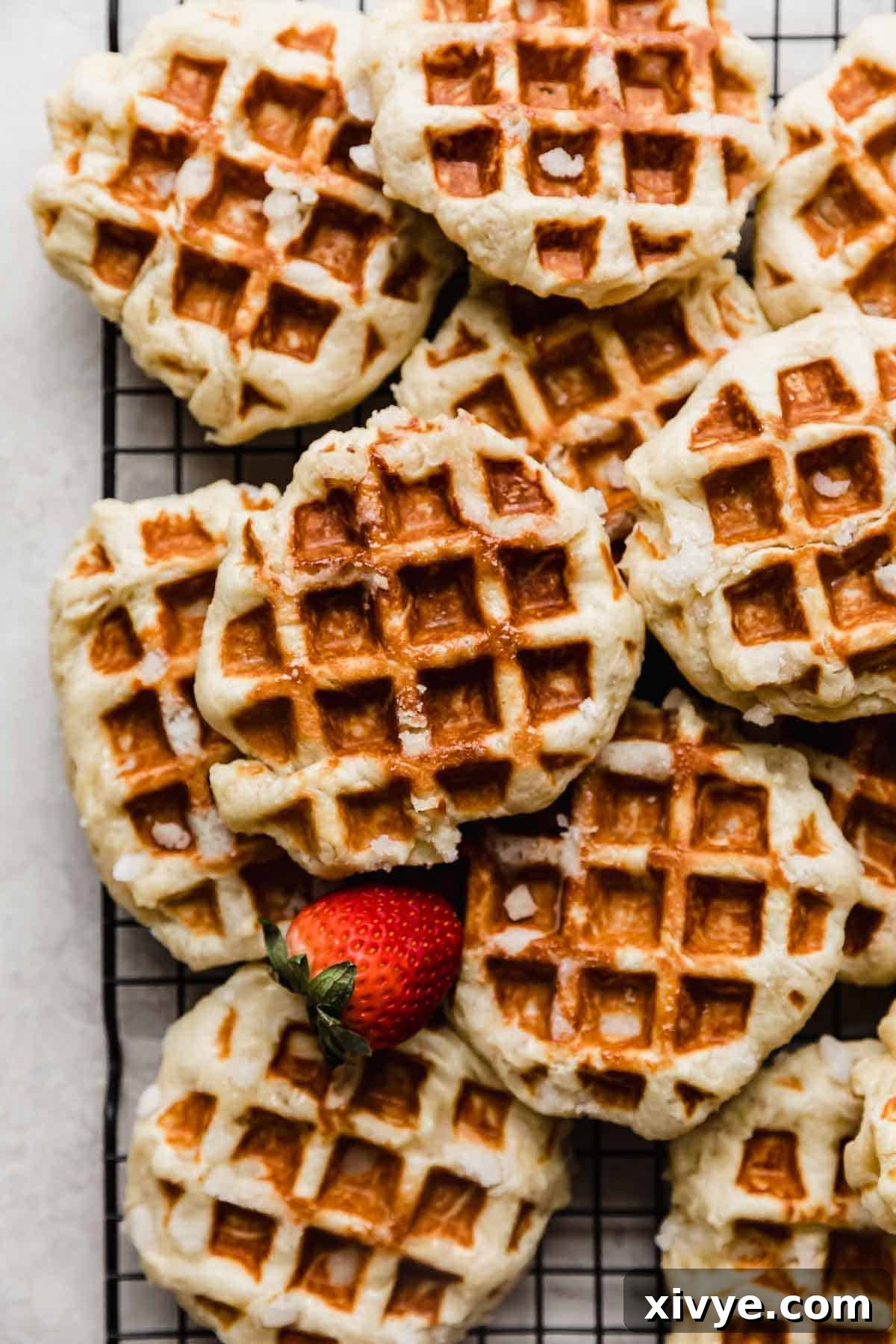
Prepare to embark on a culinary journey to the heart of Belgium with these incredible Liege Waffles. Far from your typical breakfast batter, these authentic Belgian Liege Waffles are a masterpiece of yeasted dough, generously studded with chunks of pearl sugar. As they cook to golden perfection in your waffle iron, this unique sugar melts and caramelizes, creating irresistible pockets of sweet, crunchy bliss that truly define the Liege waffle experience. Warm, incredibly sweet, and delightfully chewy, each bite promises to melt in your mouth, leaving you craving another.
The beauty of these Liege waffles lies in their versatility. While they are a decadent treat on their own, their rich flavor profile makes them the perfect canvas for a myriad of toppings. Imagine them adorned with a vibrant medley of fresh fruits, perhaps alongside a zesty Lemon Curd for a bright contrast. Or indulge in the velvety smoothness of Nutella Whipped Cream, the sweet tang of a homemade Raspberry Sauce, or the luxurious depth of a Salted Butterscotch Sauce. For a lighter, yet equally delightful option, a dollop of fluffy Greek Yogurt Whipped Cream adds a wonderful creamy texture without overwhelming the waffle’s natural sweetness. Whether for a special brunch, a comforting dessert, or an indulgent snack, these Liege waffles promise an unforgettable experience.
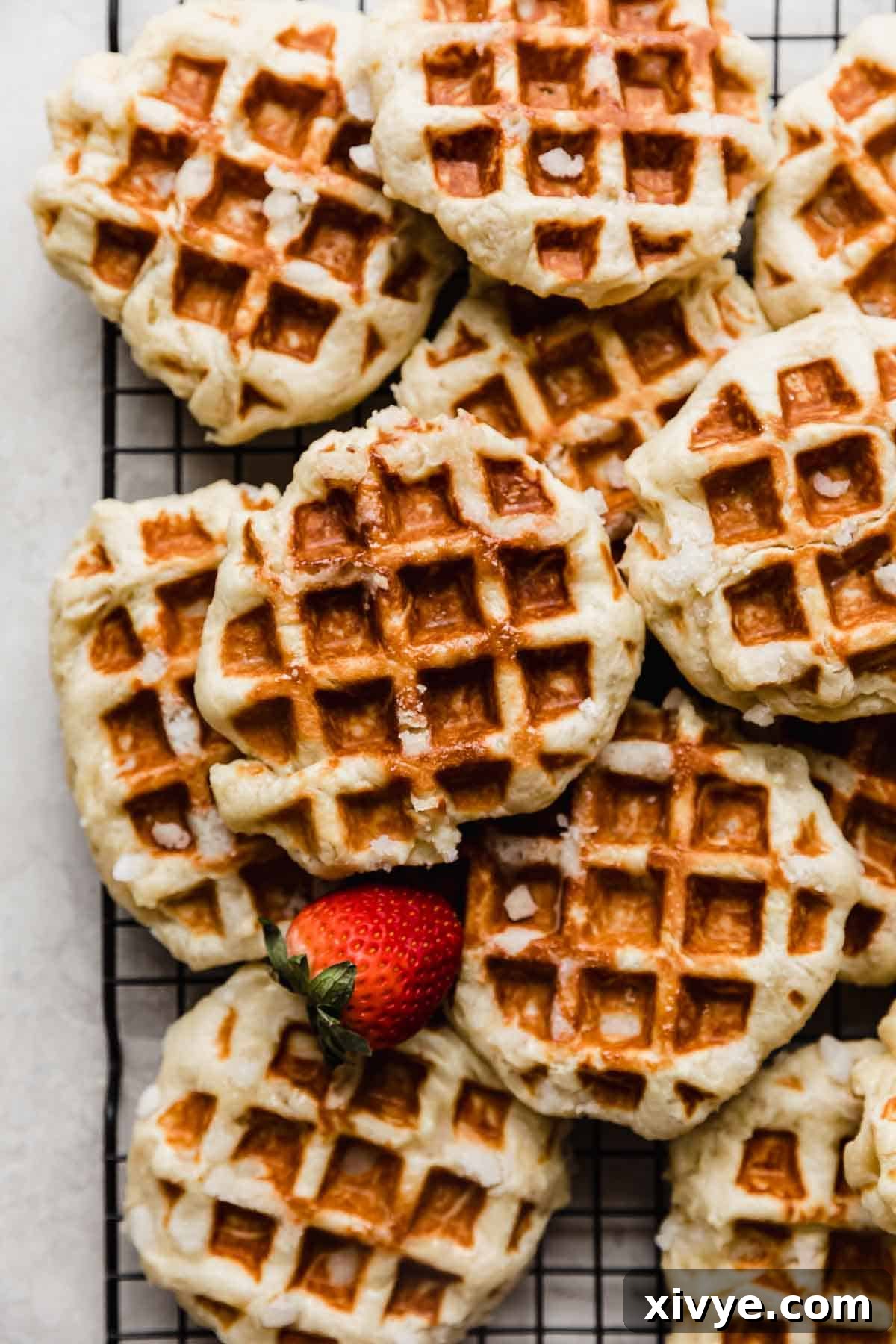
Why This Liege Waffle Recipe Stands Out
Crafting the perfect Liege waffle is an art, and this recipe delivers on all fronts, creating an experience that rivals the finest Belgian cafes. Here’s why this recipe will become your go-to for truly exceptional Liege waffles:
- A Tribute to Waffle Love: This recipe draws its inspiration from the legendary Waffle Love food truck, a Utah institution celebrated for its utterly addicting Liege waffles. We’ve meticulously reverse-engineered their magic to bring you a copycat recipe that captures the same irresistible taste and texture. If you’ve ever dreamt of enjoying that authentic Waffle Love experience from the comfort of your home, this recipe is your golden ticket. It’s more than just a waffle; it’s a taste of a beloved tradition, perfected for your kitchen.
- The Unmistakable Yeasted Waffle Dough: Unlike common waffles made with a simple batter, authentic Liege waffles are crafted from a rich, brioche-like yeasted dough. This fundamental difference is what gives them their signature substance, incredible chewiness, and a depth of flavor that a thin batter simply cannot achieve. The yeast works its magic, creating a robust, airy structure that holds up beautifully to the intense heat of the waffle iron and the melting sugar, resulting in a waffle that is both tender and satisfyingly hearty.
- The Allure of Belgian Pearl Sugar: The true soul of a Liege waffle lies in its pearl sugar. These dense, irregularly shaped sugar crystals are kneaded directly into the dough and, unlike granulated sugar, they do not fully dissolve during cooking. Instead, they caramelize on the exterior of the waffle, forming a wonderfully crisp, sugary crust, and create delectable pockets of melted, gooey sweetness within. Each bite offers a delightful textural contrast and an explosion of concentrated caramel flavor that is utterly unique to Liege waffles. This special ingredient transforms a simple waffle into an extraordinary culinary delight.
Essential Ingredients for Authentic Liege Waffles
Understanding each ingredient’s role is key to mastering these incredible Liege waffles. Here’s a closer look at what you’ll need and why it matters:
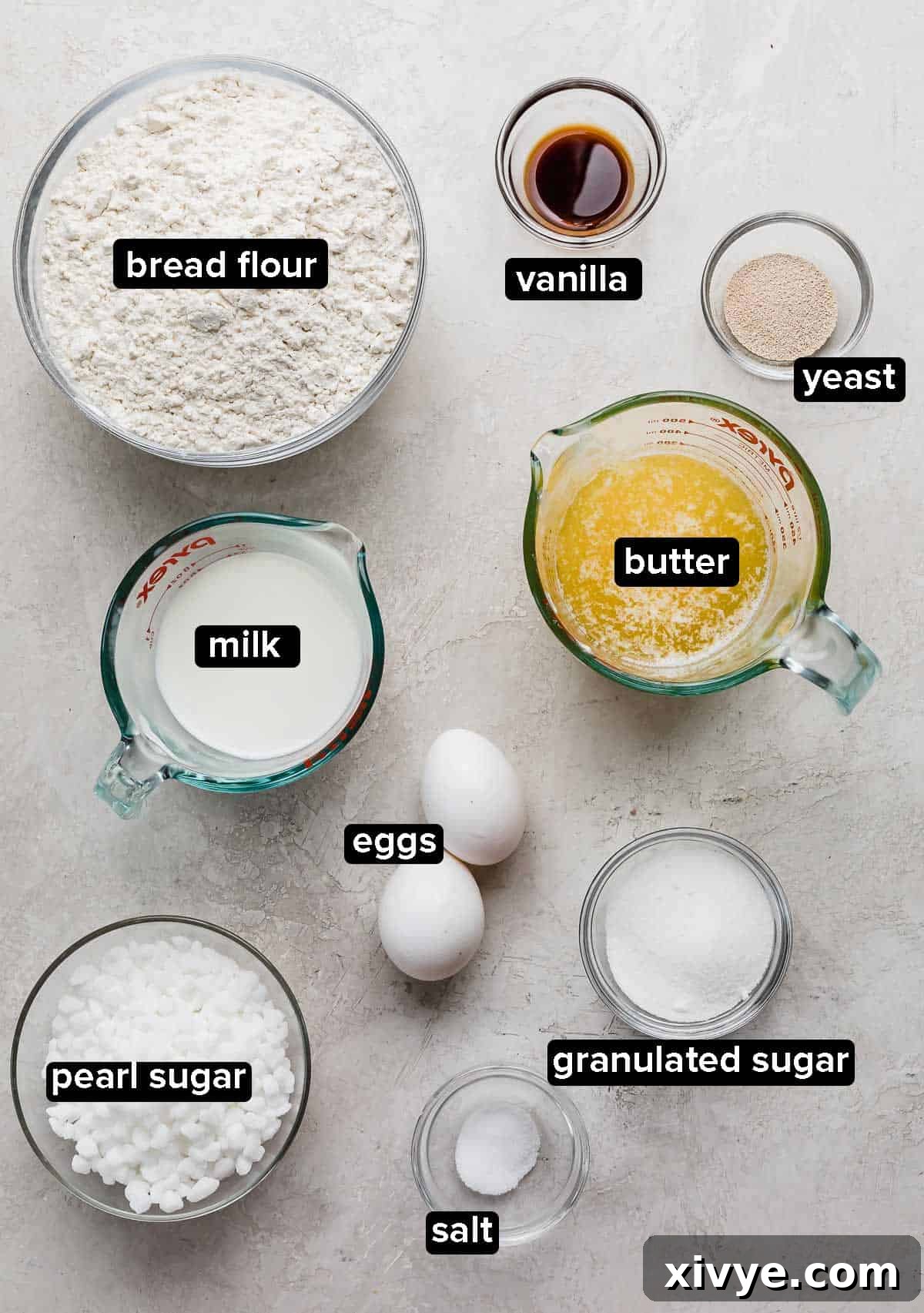
- Milk: The liquid base for our yeasted dough, milk provides the necessary moisture to activate the yeast and bring the dough together. Its fat content also contributes to the richness and tenderness of the final waffle. Ensure it’s warmed to the correct temperature to perfectly activate the yeast.
- Active Dry Yeast: This is the leavening agent responsible for the unique airy, chewy texture of Liege waffles. Active dry yeast requires activation in warm liquid before being incorporated into the dough. Look for fresh yeast to ensure a robust rise. (Remember, instant yeast is pre-activated and can be added directly to dry ingredients, but for this recipe, active dry yeast is preferred for its specific activation process and resulting dough development).
- Granulated Sugar: Beyond just adding sweetness, granulated sugar plays a crucial dual role. A small portion feeds the active dry yeast, promoting its bubbling activity and helping the dough rise. The remainder provides the fundamental sweet base for the waffle dough itself.
- Bread Flour: Opting for bread flour over all-purpose flour is essential for the characteristic chewiness of Liege waffles. Bread flour boasts a higher protein content (typically 10-13% compared to all-purpose flour’s 9-11%). This higher protein translates to more gluten development, which creates a stronger, more elastic dough capable of holding the pearl sugar and developing that desirable rich, chewy texture.
- Unsalted Butter: Melted unsalted butter is incorporated directly into the dough, ensuring even distribution of its rich, creamy flavor. It tenderizes the dough, adds moisture, and contributes significantly to the indulgent taste and golden-brown crust of the waffles. Using unsalted butter allows you to control the overall salt content of the recipe.
- Large Eggs: Eggs act as a binder, adding structure and richness to the dough. They contribute to the beautiful golden color of the cooked waffles and enhance their overall flavor and tenderness. Using room temperature eggs helps them incorporate more smoothly into the dough.
- Salt: A small amount of salt is vital for balancing the sweetness and enhancing the overall flavor profile of the waffles. It also plays a role in controlling yeast activity, preventing it from over-proofing too quickly.
- Vanilla Extract: Vanilla adds a warm, aromatic note that complements the sweetness of the waffles and the richness of the butter. Opt for pure vanilla extract for the best flavor.
- Belgian Pearl Sugar: This is the star ingredient that makes Liege waffles truly special. Belgian pearl sugar, also known as “sucre perlé,” is made from compressed beet sugar. Its large, irregularly shaped crystals are designed to partially melt and caramelize under high heat without fully dissolving. This creates those iconic pockets of gooey, crispy, intensely sweet caramelized sugar throughout the waffle, providing an unparalleled texture and flavor. Do not substitute with regular granulated sugar, as it will simply dissolve and not create the same effect.
Crafting Your Own Belgian Liege Waffles: A Detailed Guide
Follow these step-by-step instructions carefully to achieve perfect, authentic Belgian Liege waffles every time:
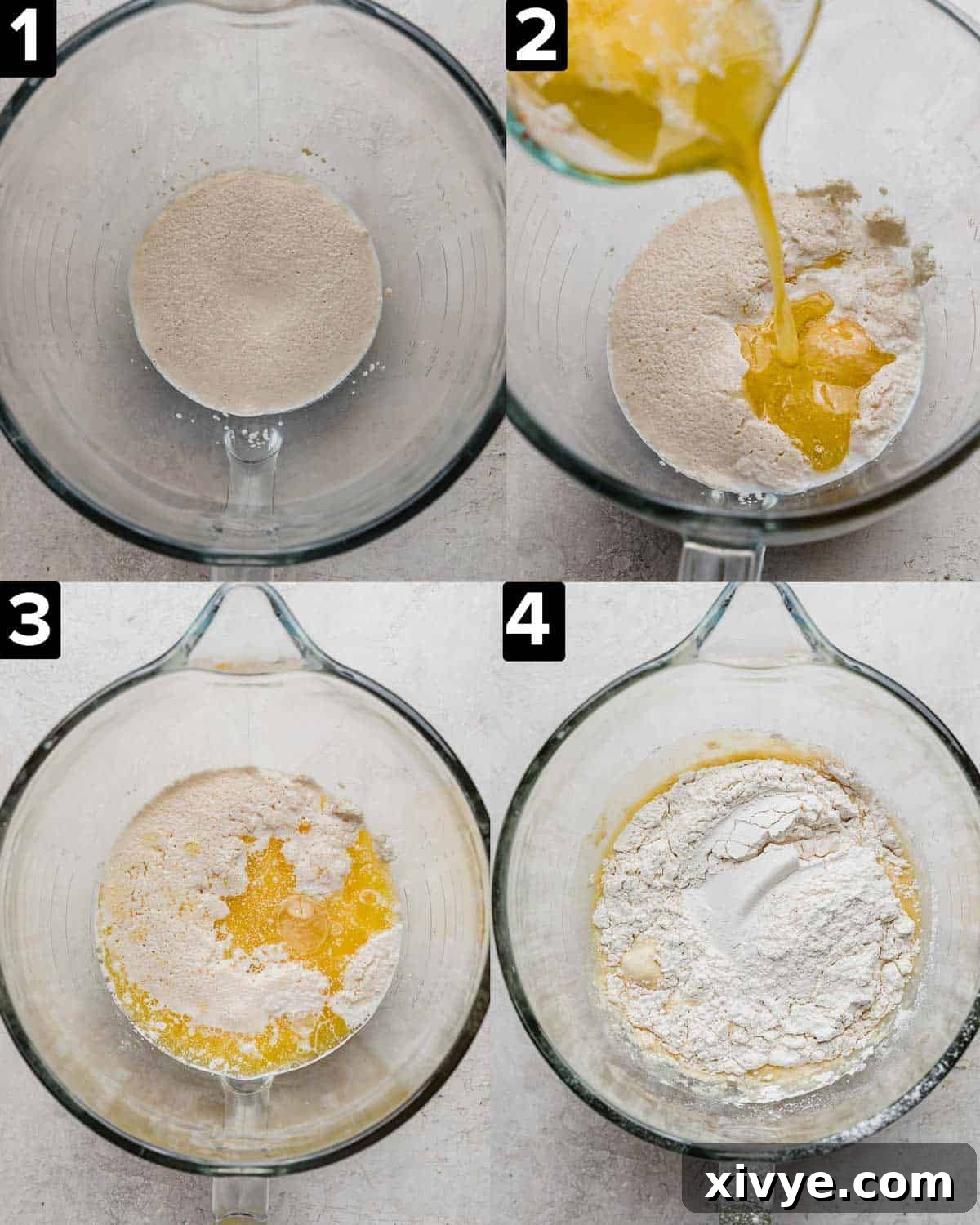
- Activate the Yeast and Prepare the Base: Begin by gently warming ¾ cup of milk to a lukewarm temperature, ideally between 100°F and 115°F (around 40-46°C). This temperature is crucial for activating the yeast without killing it. Pour the warm milk into the bowl of your stand mixer, fitted with the dough hook attachment. Add 1 teaspoon of granulated sugar and 2 ½ teaspoons of active dry yeast. Give it a gentle stir to combine, then let the mixture sit undisturbed for 10 minutes. During this time, the yeast should become foamy and bubbly, indicating it’s active and ready to work its magic.
- Incorporate Wet Ingredients for Richness: Once your yeast is visibly active, add 2 large room-temperature eggs and 1 cup of melted unsalted butter (ensure the butter has cooled slightly so it doesn’t scald the yeast). Whisk these ingredients thoroughly into the milk and yeast mixture until well combined. The mixture should appear smooth and slightly emulsified.
- Build the Dough and Develop Gluten: Now, begin adding your bread flour. Start with 2 cups of bread flour and mix on a low speed for about 30 seconds, or until the flour is just wet and incorporated. This initial mixing helps prevent dry spots. Next, add the remaining granulated sugar, ½ teaspoon of salt, 2 teaspoons of vanilla extract, and the remaining 2 cups of bread flour. Continue to mix the dough on medium-low speed for approximately 4 minutes. The goal is for the dough to come together, becoming smooth and elastic, and cleanly pull away from the sides of the bowl. This kneading process is vital for developing the gluten structure.
- First Rise: Developing Flavor and Volume: Once the dough is kneaded, cover the mixer bowl tightly with plastic wrap. Place the bowl in a warm, draft-free spot and allow the dough to rise until it has visibly doubled in size. This typically takes about 1 to 2 hours, depending on the warmth of your kitchen. After it has risen, gently press down on the center of the dough to deflate it. This step releases accumulated gases and prepares the dough for the next stage. (If you plan to make the waffles ahead of time, this is the perfect stage to wrap the deflated dough in plastic wrap and refrigerate it overnight. See “Make Ahead” tips for details).
- The Pearl Sugar Infusion: Transfer the risen and deflated dough onto a clean, lightly floured work surface. Flatten the dough slightly into a disc. Now, evenly spread 1 ¼ cups of Belgian pearl sugar over the surface of the dough. Begin to knead the pearl sugar into the dough. This part can be a bit tricky, as the sugar crystals may try to escape, but persistence is key! Continue kneading until the pearl sugar is uniformly distributed throughout the dough. You want pockets of sugar in every bite.
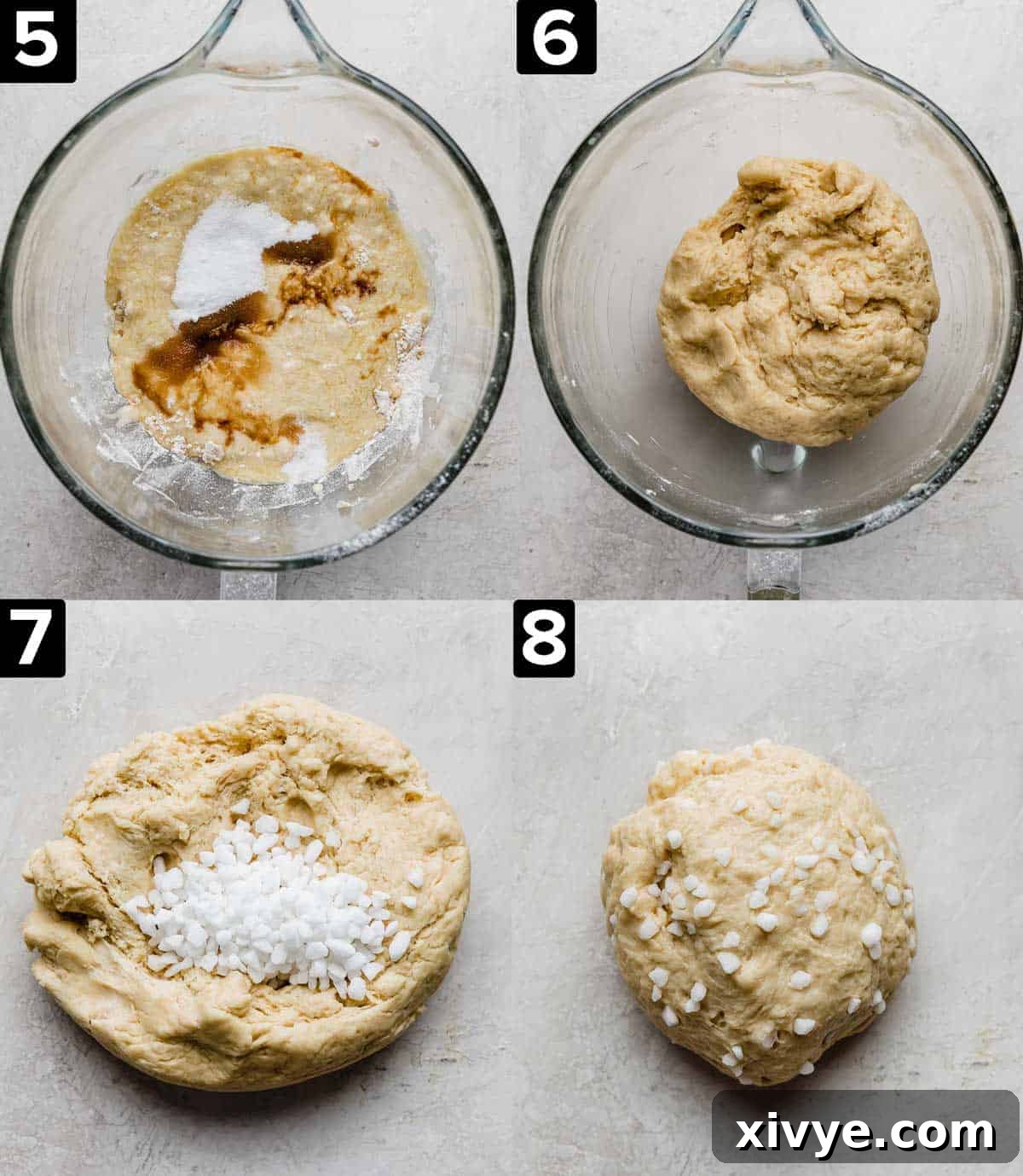
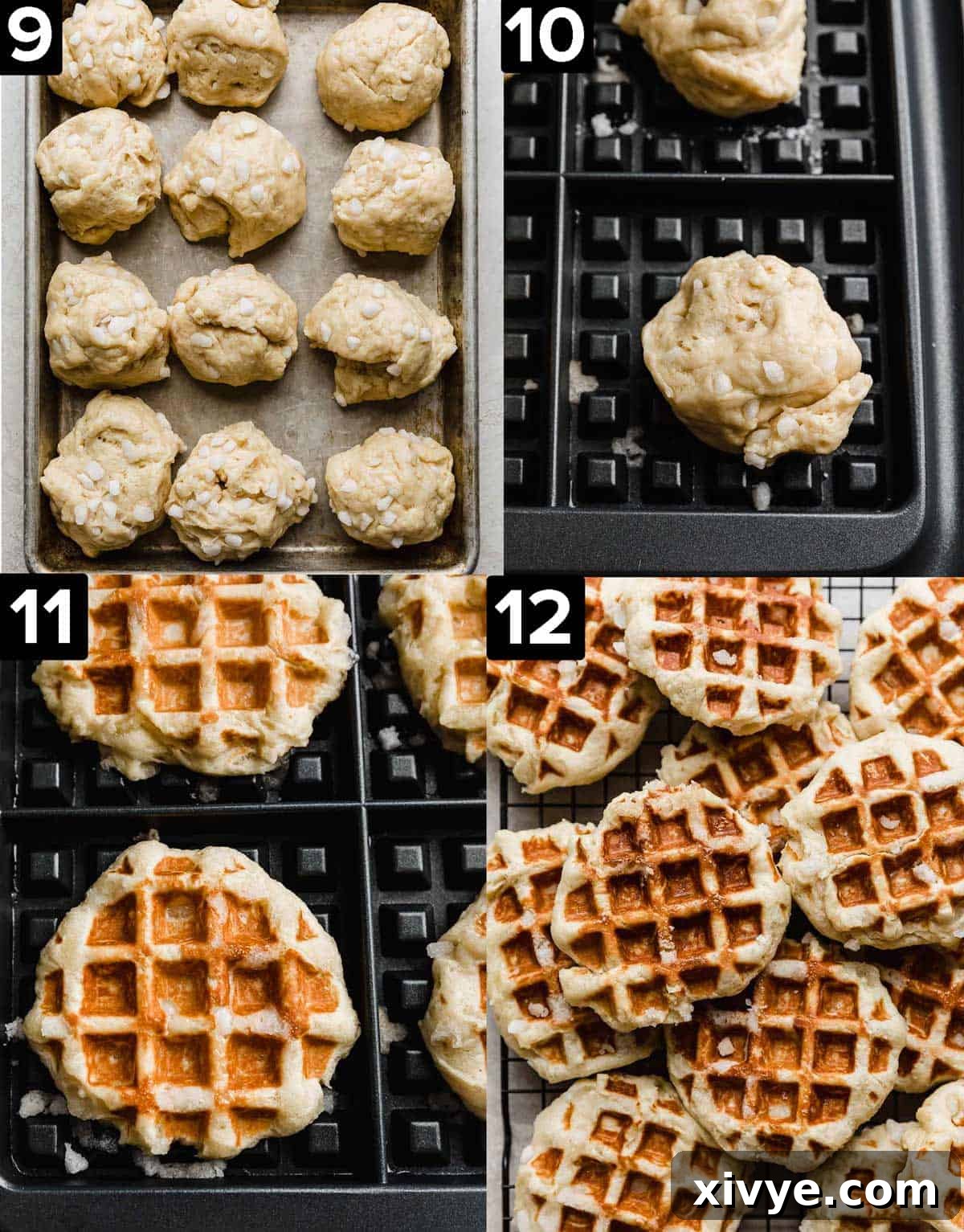
- Portion and Rest: Divide the dough, now rich with pearl sugar, into 12 equal portions. Shape each portion into a rough ball. Arrange these dough balls on a baking sheet or a clean surface and cover them loosely with plastic wrap or a clean kitchen towel. Allow them to rest for about 10 minutes. This resting period helps the gluten relax, making the dough easier to work with and resulting in a more tender waffle. Use this time to preheat your waffle iron.
- Cook to Golden Perfection: Place one dough ball (or as many as your waffle iron can accommodate without overcrowding) directly into the center of the preheated waffle iron. Gently close the lid, pressing down lightly on the dough. Cook for 3-4 minutes, or until the waffle is beautifully golden brown and the pearl sugar has melted and caramelized, creating a glossy, irresistible crust. Cooking times can vary based on your waffle iron, so keep a close eye on them.
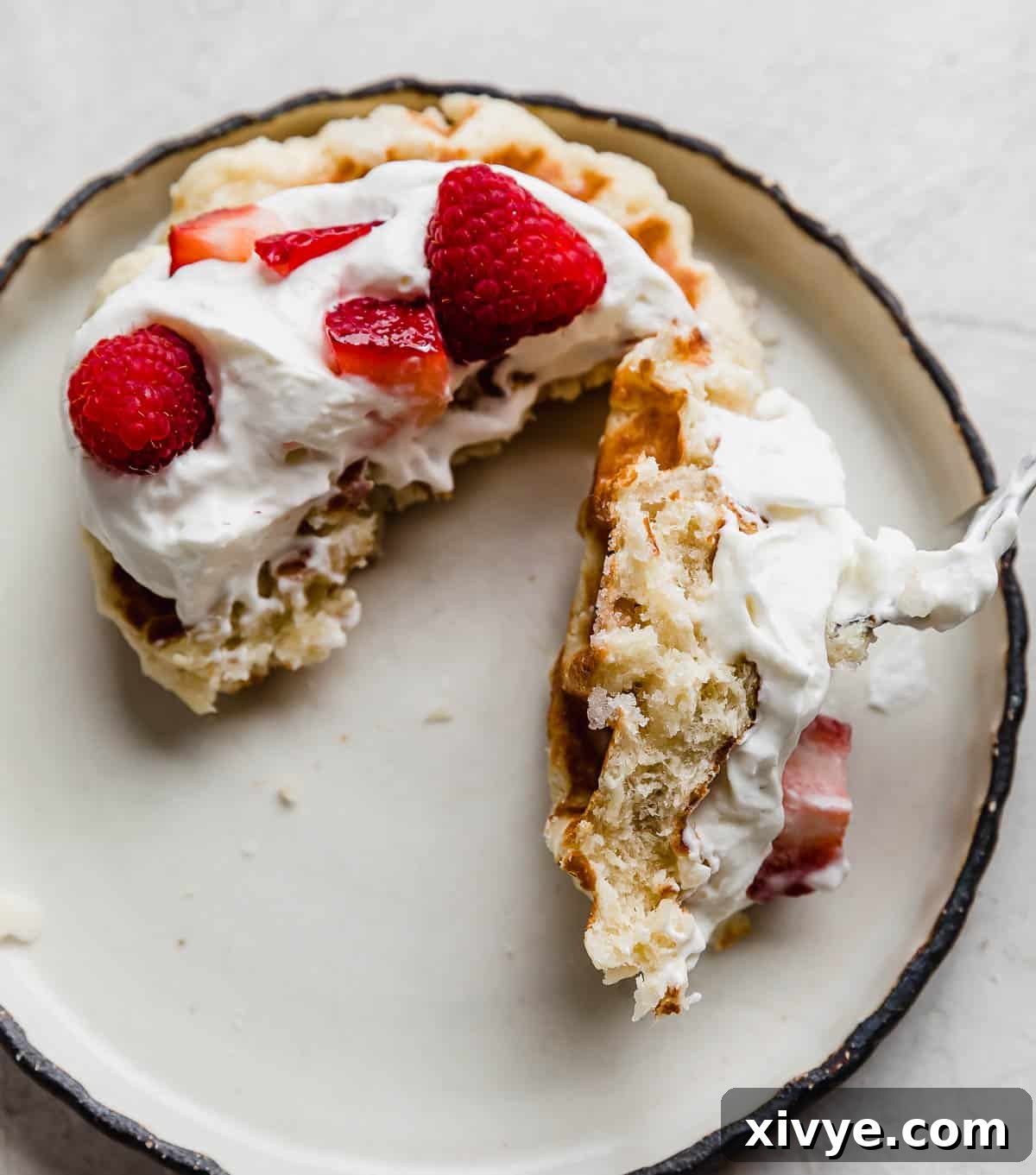
- Serve and Savor: As each Belgian Liege waffle finishes cooking, immediately transfer it to a serving plate. Serve them warm to fully appreciate the melted pearl sugar. Get creative with your toppings! We highly recommend Biscoff spread, Nutella, a generous dollop of freshly whipped cream, and a handful of fresh berries. These waffles are a true delight, enjoy every sweet, chewy bite!
Expert Tips for Liege Waffle Success
Mastering the Belgian Liege Waffle Dough
- Precision with Milk Temperature: The temperature of your milk is paramount for yeast activation. It must be warm enough to awaken the yeast but not so hot that it kills it. Aim for a temperature range of 100°F-115°F (38°C-46°C). I find 110°F (43°C) to be the sweet spot. A kitchen thermometer is your best friend here. If the milk is too cold, the yeast won’t activate; if it’s too hot, your yeast will die, and your dough won’t rise.
- Sugar: Fuel for Yeast: Remember that granulated sugar isn’t just for sweetness; it serves as vital “food” for the yeast. As the yeast consumes the sugar, it produces carbon dioxide gas, which is what causes your dough to rise, creating that wonderful light and airy texture. It’s a fascinating bit of food science in action!
- Test Your Yeast: If, after the initial 10-minute resting period, your milk and yeast mixture hasn’t developed a frothy, bubbly layer on top, it’s a strong indication that your yeast is old or inactive. Don’t proceed with the recipe if this happens; your waffles won’t rise. It’s best to discard the mixture and start again with fresh yeast to avoid disappointment.
- Kneading Pearl Sugar: Incorporating the pearl sugar into the dough can be a slightly challenging but rewarding task. The dense sugar crystals don’t easily stick to the sticky dough, so it requires a bit of patience and “finagling.” Don’t be afraid to really work it in, folding and pressing until the sugar is as evenly dispersed as possible. This ensures those delightful pockets of caramelization in every bite. If some sugar falls out, just press it back into the dough.
Achieving Perfection on the Waffle Iron
- Temperature Control is Key: If your waffle iron boasts temperature control, this is your ideal scenario! Start by preheating your waffle iron to around 320°F (160°C). This is roughly the temperature at which sugar begins to melt. You can then experiment by gradually increasing the temperature to about 340°F (170°C), where sugar caramelizes beautifully.
- Avoid Burning the Sugar: Crucially, do not heat your waffle iron above 350°F (175°C). At this temperature, the delicate pearl sugar begins to burn rapidly, leading to a bitter taste and dark, scorched spots. It’s always best to start with a lower temperature and gradually increase it as you learn your specific waffle iron’s quirks. The first waffle often acts as a “trial” run to gauge the perfect cooking time and temperature.
- Waffle Irons Without Temperature Control: If your waffle iron doesn’t have a temperature dial, don’t despair! You can still make delicious Liege waffles. Preheat the iron as you normally would, then turn it off for a few minutes to allow it to cool slightly before adding your dough. You may need to experiment a bit with turning it on and off to maintain an optimal temperature that melts and caramelizes the sugar without burning it.
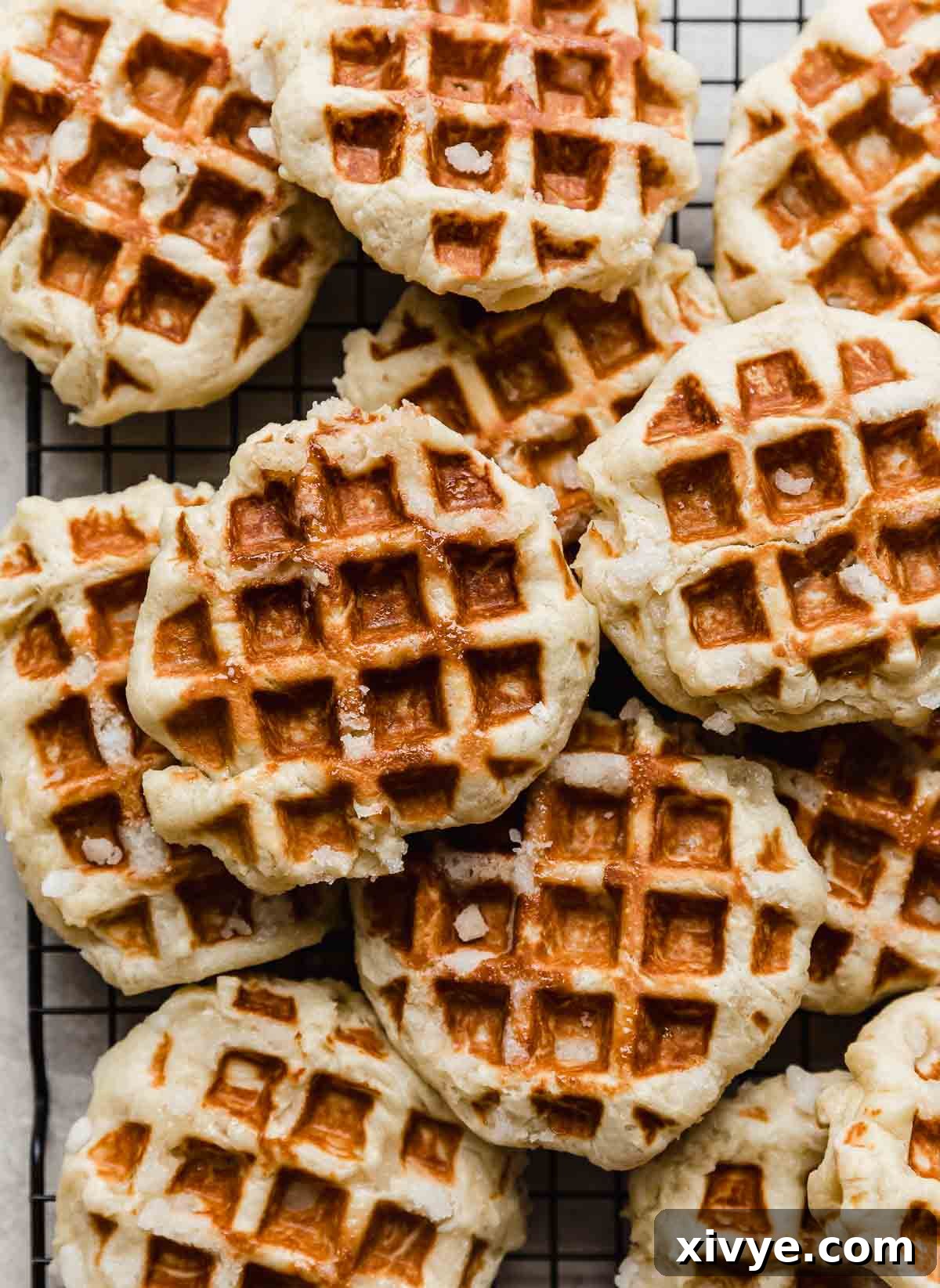
- Signs of Doneness: Your Belgian Liege waffles are perfectly cooked when they are a beautiful golden brown color, and you can see the pearl sugar visibly melted and caramelized on the surface, creating a glossy, slightly sticky exterior. The aroma of sweet, toasted sugar will also fill your kitchen.
- Keeping Waffles Warm: If you’re serving a crowd or not eating them immediately, keep the cooked waffles warm by placing them on a wire rack set over a baking sheet in a preheated 200°F (95°C) oven. This prevents them from getting soggy and keeps them at the ideal serving temperature.
- The Waffle Love Whipped Cream Secret: For a truly next-level experience, replicate Waffle Love’s famous whipped cream. The secret? Adding mascarpone cheese! Mascarpone lends a wonderful richness and, more importantly, helps the whipped cream maintain its structure. This prevents it from melting too quickly when it comes into contact with your warm, freshly cooked Liege waffle, ensuring a perfect creamy topping with every bite.
- Diverse Topping Ideas: Beyond the classics, get creative with your toppings! Think rich Nutella, sweet cookie butter, tart lemon curd, or even a simple dusting of powdered sugar. The robust flavor and texture of these waffles can stand up to almost anything. Whether you prefer sweet, tangy, or creamy, these waffles are guaranteed to be a hit!
Make Ahead, Storing, and Freezing Liege Waffles and Dough
These Liege waffles are incredibly versatile when it comes to preparation and storage, making them perfect for busy mornings or future indulgences:
- Make-Ahead Dough (Overnight): If you prefer to prepare the dough in advance, you can do so after the first rise and deflating step. Simply wrap the deflated dough tightly in plastic wrap and refrigerate it overnight. The next morning, remove the dough from the fridge and allow it to sit at room temperature for 30-40 minutes, or until it’s close to room temperature and slightly softened. Then, proceed with incorporating the pearl sugar and cooking as directed. However, if you’re in a hurry, you can certainly proceed with the recipe immediately after the first rise; overnight resting is optional but can deepen the flavor.
- Storing Cooked Waffles: Leftover Liege waffles can be stored in an airtight container in the refrigerator for 5-7 days. To reheat, simply place them on a baking sheet in a preheated oven (around 300°F / 150°C) until warmed through and crisp again. A toaster oven also works wonderfully for a quick reheat.
- Freezing Cooked Waffles: For longer storage, allow cooked Liege waffles to cool completely to room temperature. Once cooled, arrange them in a single layer on a baking sheet and freeze until solid. Then, transfer the frozen waffles to a freezer-safe ziplock bag or airtight container. They will keep well in the freezer for up to 1 month. To reheat, thaw them in the refrigerator overnight, then place them on a baking sheet in a 250°F (120°C) oven until warmed through and crispy. You can also toast them directly from frozen if your toaster has a defrost or waffle setting, just keep an eye on the sugar!
- Freezing Liege Waffle Dough: Yes, you can freeze the dough! After incorporating the pearl sugar and dividing the dough into 12 balls, individually wrap each dough ball tightly in plastic wrap. Place the wrapped dough balls in an airtight container or a freezer-safe bag. Freeze for up to 2 months. To use, remove the desired number of dough balls and let them thaw in the refrigerator overnight. Once thawed, allow them to come to room temperature for 30-40 minutes before cooking them in your waffle iron as directed.
Frequently Asked Questions About Liege Waffles
Belgian Liege waffles are a type of dense, rich, and chewy waffle originating from the Liege region of Belgium. Unlike standard waffles, which are typically made from a thin batter, Liege waffles are made from a brioche-like yeasted dough. Their defining characteristic is the incorporation of pearl sugar, which caramelizes when cooked, creating pockets of sweet, crunchy goodness. They are sweeter and more substantial than a traditional Belgian (Brussels) waffle, often served plain or with minimal toppings for breakfast, dessert, or a snack. (And let’s be honest, breakfast food often doubles as dessert in our book!).
The term “Belgian waffle” often broadly refers to any large, deep-pocketed waffle made in a waffle iron, including American waffles which use baking powder/soda in a thin batter. More specifically, in Belgium, there are two main types: Brussels waffles and Liege waffles. Brussels waffles are made from a yeast-leavened *batter*, resulting in a lighter, crispier, and often rectangular waffle. Liege waffles, on the other hand, are made from a yeast-leavened *dough* (like bread dough) and feature the distinct pearl sugar, leading to a denser, chewier, irregularly shaped waffle with caramelized edges. So, the primary distinction lies in the leavening agent (yeast) and the consistency (dough vs. batter), as well as the unique addition of pearl sugar in Liege varieties.
Absolutely! Liege waffle dough freezes beautifully. After you’ve incorporated the pearl sugar and divided the dough into 12 individual balls, wrap each ball tightly in plastic wrap. Store these wrapped dough balls in an airtight container or a freezer-safe bag for up to 2 months. When you’re ready to enjoy fresh waffles, simply remove the dough from the freezer, let it thaw overnight in the refrigerator, and then allow it to come to room temperature for 30-40 minutes before cooking it as directed in the recipe. This makes them a perfect make-ahead treat!
Yes, you can certainly use your regular waffle iron! While a waffle maker with adjustable temperature settings is ideal for Liege waffles, allowing you to fine-tune the caramelization of the pearl sugar (which can burn easily), most standard waffle irons will work. If your waffle iron doesn’t have temperature control, refer to our Recipe Tips section for guidance on managing the heat and preventing the sugar from scorching. You might need to adjust cooking times or briefly turn off the iron to achieve the perfect golden-brown finish.
Pearl sugar, or “sucre perlé,” is a type of specialty sugar made from highly compressed beet sugar that forms hard, opaque, irregularly shaped pellets. It’s crucial for Liege waffles because, unlike granulated sugar, it doesn’t fully dissolve when heated. Instead, it softens, melts partially, and caramelizes on the surface of the waffle, creating a delightful crunchy exterior and pockets of gooey, intensely sweet caramel within the waffle. This unique texture and flavor contrast is what sets Liege waffles apart and cannot be replicated with regular sugar.
While Liege waffles make an absolutely divine breakfast or brunch item, their rich, sweet, and satisfying nature also makes them perfect for dessert, an afternoon snack, or even a delightful street food treat. In Belgium, they are often enjoyed simply warm, by hand, without extra toppings. Their versatility allows them to fit into any part of your day when you crave a truly indulgent treat!
More Delicious Breakfast & Brunch Recipes
If you loved these Liege waffles, be sure to explore more of our delightful breakfast and brunch creations:
- Classic Buttermilk Waffles Recipe
- Irresistible Chocolate Chip Waffles
- Old Fashioned Fluffy Buttermilk Pancakes
- Simple and Sweet English Pancakes
- Cloud-like Fluffy Japanese Pancakes
Did you try this incredible Belgian Liege Waffle recipe? We’d absolutely love to hear about your experience! Leave a star rating and a review right here on the blog, or scroll down below the recipe card to share your thoughts. Your feedback helps us and other home bakers!
Stay connected and up-to-date with all our latest recipes and culinary adventures by following us on Instagram, TikTok, YouTube, Facebook, and Pinterest. Don’t forget to tag us in your creations!

Print
Save
Saved!
Review
Authentic Belgian Liege Waffles

Whitney Wright
20 minutes
4 minutes
24 minutes
12
servings
Ingredients
- ¾ cup milk
- 2 ½ teaspoons active dry yeast
- ¼ cup granulated sugar – divided
- 2 large eggs – room temperature
- ½ teaspoon salt
- 2 teaspoons vanilla extract
- 4 cups bread flour
- 1 cup unsalted butter – melted and slightly cooled
- 1 ¼ cups Belgian pearl sugar
Instructions
-
Heat the milk to lukewarm, about 110°F (43°C).
-
Add the warm milk to the bowl of a stand mixer fitted with the dough hook. Add 1 tsp of the granulated sugar and the active dry yeast. Lightly mix, then let sit for 10 minutes to allow the yeast to bubble and activate.
-
Add the large eggs and melted (and slightly cooled) butter to the bowl and whisk to combine. Add 2 cups of bread flour and mix for about 30 seconds, or until the flour is wet. Then, add the remaining granulated sugar, salt, vanilla extract, and the remaining 2 cups of bread flour. Mix on medium-low speed for approximately 4 minutes, until the dough pulls away cleanly from the sides of the bowl and is smooth and elastic.
-
Cover the bowl tightly with plastic wrap and let the dough rise in a warm, draft-free place for 1-2 hours, or until it has doubled in size.
-
Gently press down on the dough in the center to deflate it. At this point, you have the option to wrap the dough in plastic wrap and refrigerate it overnight if you wish to prepare it in advance. If refrigerating, allow the dough to sit at room temperature for 30-40 minutes the next morning, until it’s close to room temperature, before proceeding.
However, you can also continue directly with the next steps if you’re not making it ahead.
-
Transfer the dough to a clean, lightly floured work surface. Flatten the dough slightly and spread the 1 ¼ cups of Belgian pearl sugar evenly over the surface. Knead the pearl sugar into the dough until it is thoroughly and evenly distributed throughout. This may take a few minutes as the sugar crystals are dense.
-
Divide the pearl sugar-studded dough into 12 equal portions. Roll each portion into a rough ball shape.
-
Cover the dough balls loosely and let them rest for 10 minutes while your waffle iron preheats to the desired temperature (see “Recipe Tips” for guidance on temperature).
-
Place one dough ball in the center of your preheated waffle iron. Gently press the top down. Cook for approximately 3-4 minutes, or until the waffle is golden brown and the pearl sugar has melted and caramelized into a glossy, crisp coating. Keep a close eye on your waffles, as cooking times can vary significantly between different waffle irons.
-
Serve your Belgian Liege waffles immediately while warm. Garnish with your favorite toppings such as Biscoff spread, Nutella, freshly whipped cream, and fresh berries for an ultimate treat!
Notes
If your waffle iron allows for temperature control, it’s best to start with a lower heat setting. Pearl sugar can burn easily, so avoid setting the iron above 350°F (175°C) to ensure perfect caramelization without scorching.
Nutrition
Carbohydrates: 36g (12%)
Protein: 7g (14%)
Fat: 17g (26%)
Saturated Fat: 10g (50%)
Cholesterol: 69mg (23%)
Sodium: 118mg (5%)
Potassium: 100mg (3%)
Fiber: 1g (4%)
Sugar: 5g (6%)
Vitamin A: 535IU (11%)
Calcium: 32mg (3%)
Iron: 0.6mg (3%)
Breakfast
American, Belgium
Did you make this recipe?
Please leave a star rating and review on the blog post letting me know how you liked this recipe! Take a picture and tag @saltandbaker on TikTok, Instagram, and Facebook so I can see what you’re making!