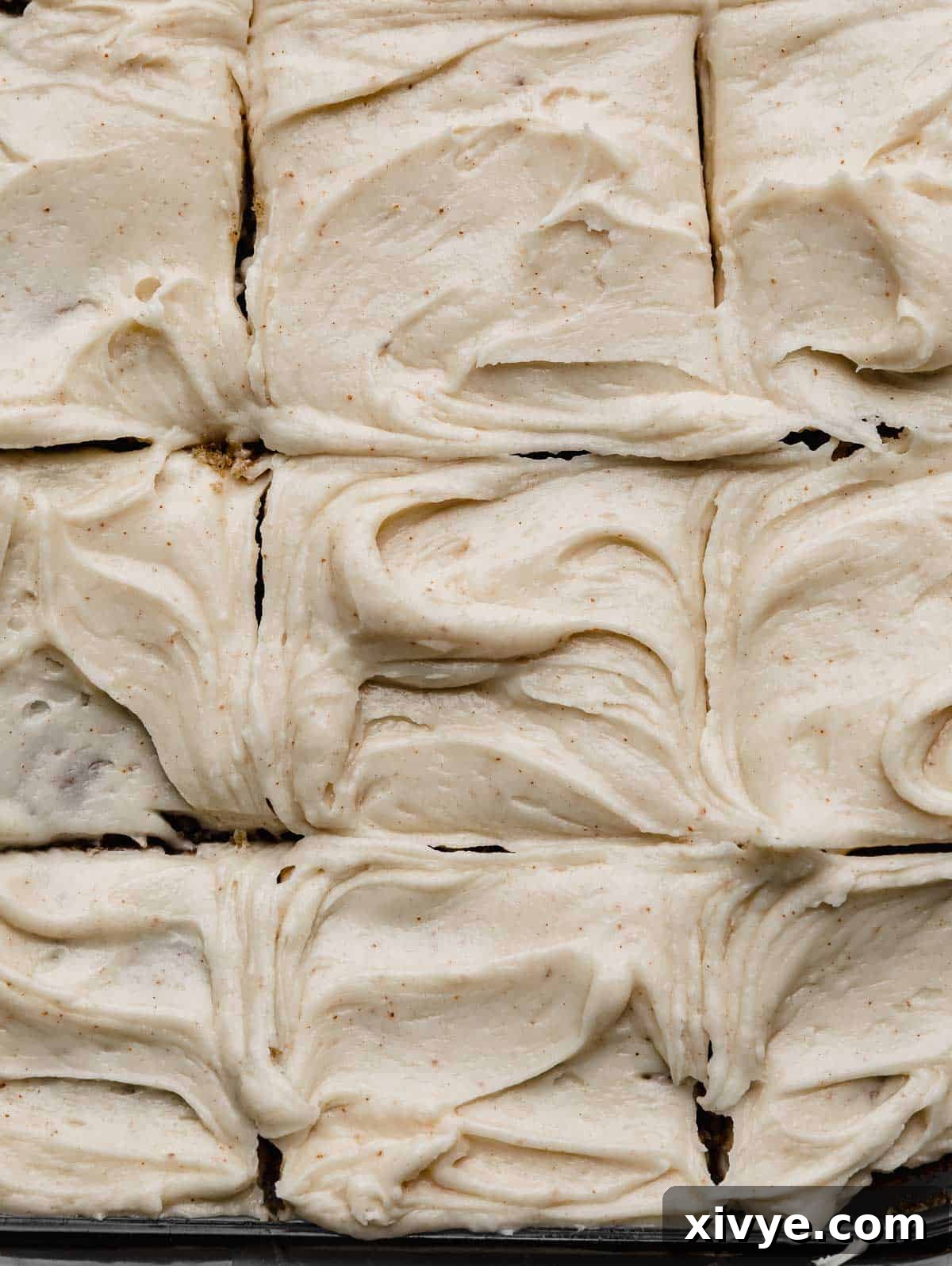
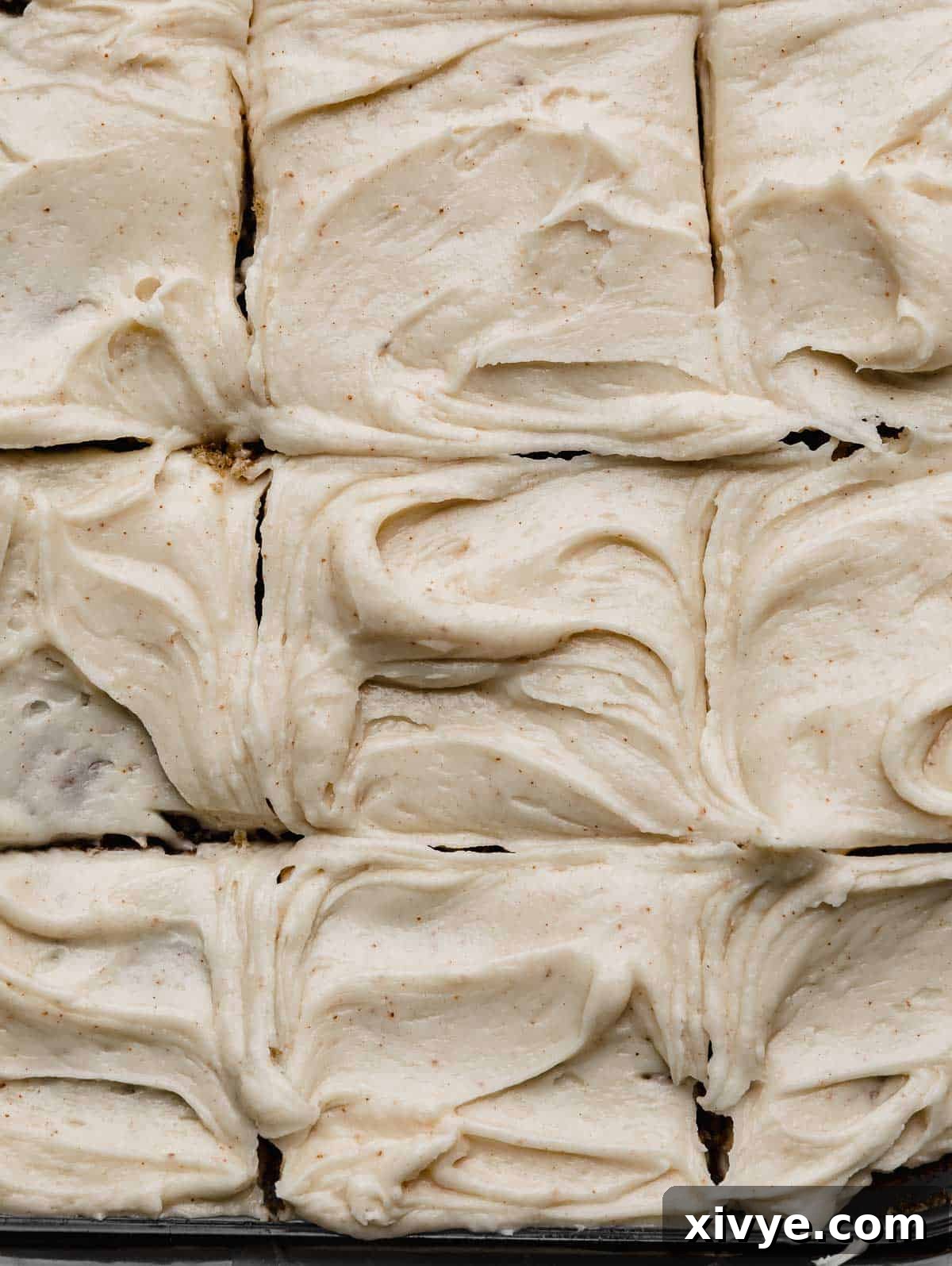
Prepare to elevate your dessert game with a frosting that’s nothing short of revolutionary: Brown Butter Cream Cheese Frosting. This isn’t just any frosting; it’s a harmonious blend of the classic tangy cream cheese and the sophisticated, nutty depths of browned butter. If you’ve ever wished for a frosting that offers more than just sweetness, something with a complex flavor profile that tantalizes the taste buds, then this recipe is about to become your new culinary obsession.
The magic of brown butter transforms an already beloved cream cheese frosting into an extraordinary creation. Each spoonful delivers a rich, caramelized essence that perfectly complements the creamy, slightly tart base. This frosting isn’t merely a topping; it’s an experience, a gourmet touch that can turn any ordinary baked good into a masterpiece. Whether you’re a seasoned baker or just starting your journey, the simplicity of making this frosting belies its incredible impact.
Its versatility knows no bounds. This delectable brown butter frosting can be used anywhere you’d typically reach for a standard cream cheese frosting, but with an added layer of flavor that will impress everyone. Imagine it swirled generously atop moist Gingerbread Sandwich Cookies, fluffy Banana Cupcakes, warm, sticky Cinnamon Rolls, or spiced Pumpkin Bars. Personally, there’s nothing quite like it draped over a luscious Zucchini Cake, where its nutty notes sing in perfect harmony with the subtle vegetable sweetness. This frosting is destined to become your signature finishing touch for all your favorite baked treats.
Why This Recipe Works: The Ultimate Frosting Upgrade
This brown butter cream cheese frosting isn’t just another recipe; it’s a testament to how simple culinary techniques can yield profound flavor transformations. Here’s why this particular frosting will become a staple in your kitchen and why it consistently delivers exceptional results:
- Unforgettable Flavor Profile: The Best Cream Cheese Frosting Enhanced. Regular cream cheese frosting is undoubtedly a crowd-pleaser, but brown butter takes it to an entirely new dimension. The process of browning butter caramelizes the milk solids, creating a deep, nutty, and slightly toasty flavor. This richness perfectly balances the characteristic tang of cream cheese, resulting in a frosting that is both comforting and sophisticated. It elevates any dessert, making it feel elegant, indulgent, and truly special. Imagine frosting a birthday cake or a batch of cupcakes for a special occasion, knowing each bite will offer a nuanced flavor that surprises and delights. Even for everyday treats like Sunday morning cinnamon rolls, this frosting transforms them from simply delicious to utterly extraordinary. It’s the secret ingredient that makes people ask, “What’s in this? It’s amazing!”
- Remarkably Easy & Quick to Prepare. Don’t let the gourmet flavor fool you; this is an incredibly straightforward recipe. While browning butter might sound intimidating, it’s a simple technique that adds a complex layer of flavor without adding complexity to the overall process. With just a few basic ingredients and minimal effort, you can whip up this rich, fluffy frosting in 15 minutes or less. The most challenging part is waiting for the browned butter to cool! This speed makes it perfect for when you need an impressive frosting without spending hours in the kitchen, allowing you more time to enjoy your finished creations.
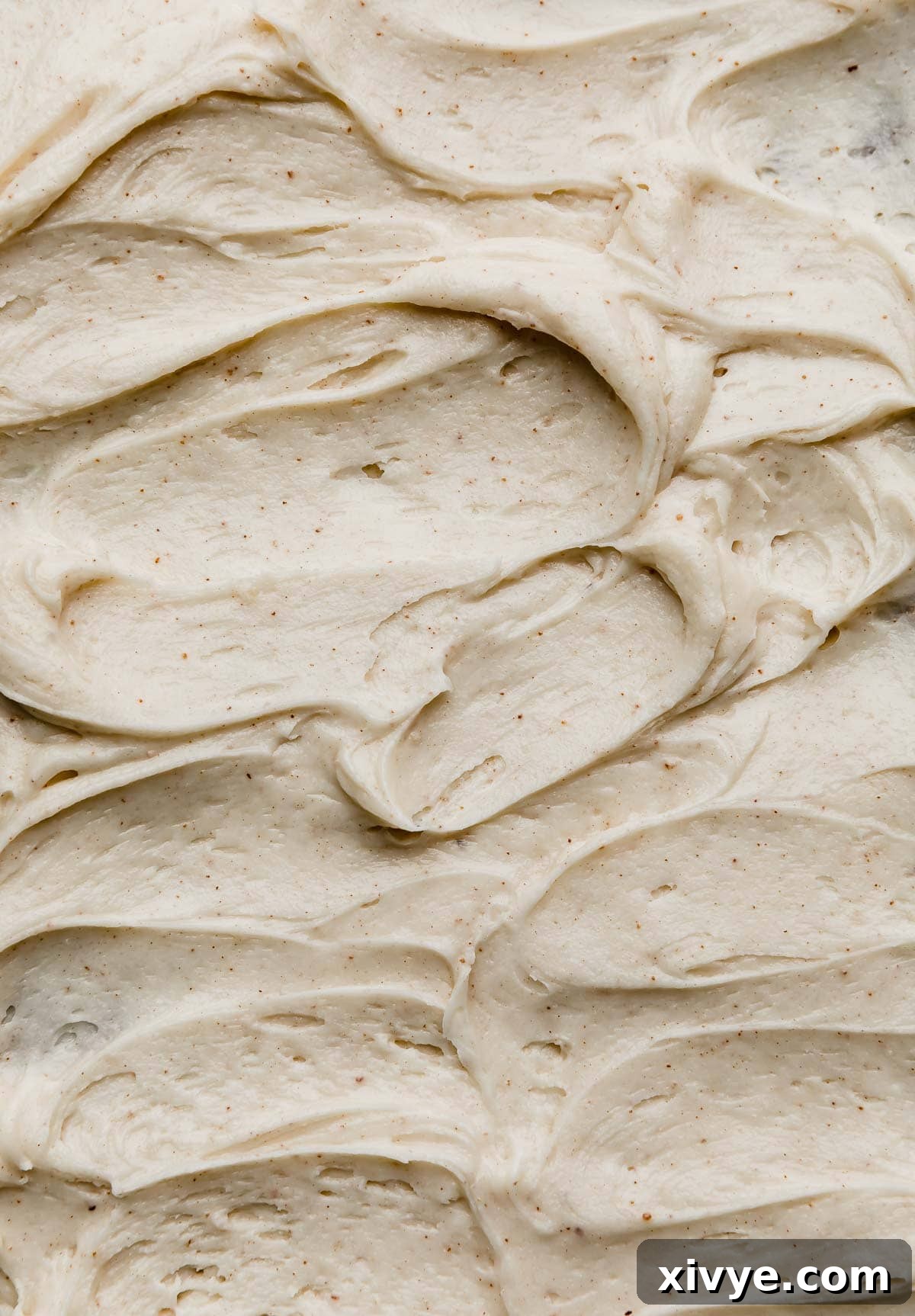
- Perfect Texture Every Time. Achieving the ideal frosting consistency is crucial, and this recipe delivers. The careful balance of ingredients ensures a frosting that is perfectly smooth, wonderfully fluffy, and holds its shape beautifully for piping or spreading. It’s stiff enough to create intricate designs but soft enough to melt delightfully in your mouth. This reliable texture is one of the key reasons why this recipe is a favorite among home bakers.
- Versatile Pairing Potential. Beyond its incredible taste, this frosting’s adaptability is a major strength. Its unique flavor profile complements a vast array of desserts, from fruit-forward cakes and spiced autumnal treats to simple chocolate cupcakes. It’s a frosting that truly enhances, rather than overwhelms, the flavors of the baked goods it adorns.
Key Ingredients for Flavor Perfection
Every exceptional recipe relies on quality ingredients and understanding their role. For this brown butter cream cheese frosting, each component is carefully selected to contribute to its unique taste and luxurious texture:
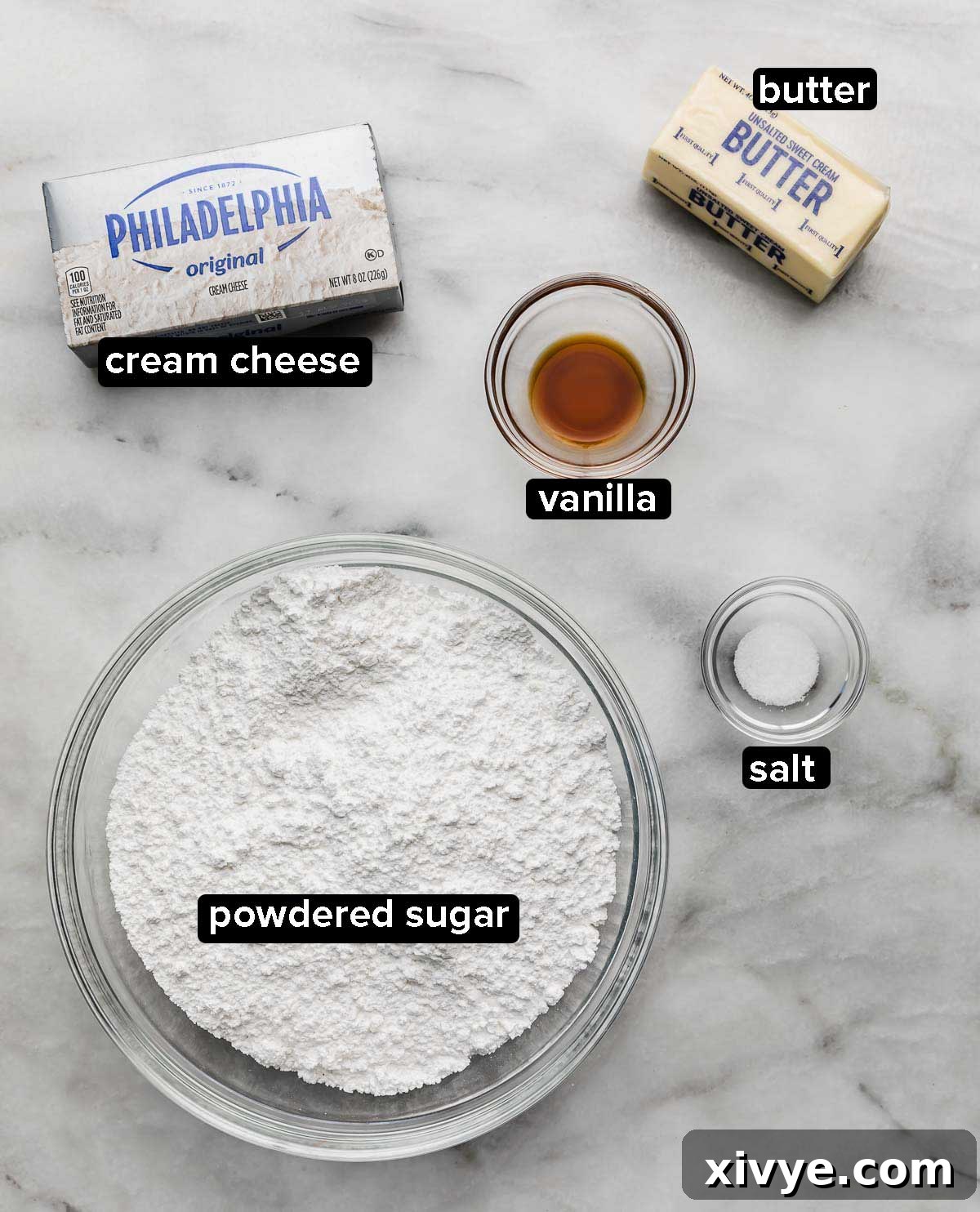
- Unsalted Butter: The Foundation of Nutty Flavor. This is the star ingredient that sets our frosting apart. Using unsalted butter is crucial because it allows you to precisely control the overall saltiness of your frosting. The magic happens when the butter is gently heated, allowing its milk solids to caramelize and transform from a pale yellow to a beautiful golden brown, releasing a fragrant, nutty aroma. This process, known as the Maillard reaction, creates the depth of flavor that is the hallmark of brown butter. Starting with high-quality unsalted butter ensures the purest, richest brown butter taste.
- Cream Cheese: The Tangy, Velvety Heart. A critical component of any cream cheese frosting, the cream cheese contributes its signature tangy flavor and incredibly smooth, creamy texture. For the best results, always opt for a full-fat brick of cream cheese. Low-fat or whipped cream cheese varieties contain more water and less fat, which can result in a runny, unstable frosting that lacks the desired richness and body. Ensure it’s softened to room temperature for optimal blending, preventing lumps and ensuring a silky-smooth finish.
- Powdered Sugar (Confectioners’ Sugar): Sweetness and Structure. Powdered sugar is essential for both sweetening the frosting and achieving its smooth, melt-in-your-mouth consistency. Unlike granulated white sugar, which can leave a grainy texture, powdered sugar dissolves seamlessly into the mixture. It also contains a small amount of cornstarch, which helps stabilize the frosting and prevents it from becoming too runny. The amount can be adjusted slightly to suit your desired sweetness and stiffness.
- Vanilla Extract: The Classic Flavor Enhancer. A touch of vanilla extract is vital for enhancing the overall flavor profile of our frosting. Its warm, aromatic notes complement both the nutty brown butter and the tangy cream cheese, tying all the flavors together beautifully. Opt for a good quality pure vanilla extract for the best results; artificial vanilla simply won’t offer the same depth.
- Salt: The Flavor Balancer and Amplifier. A small amount of salt might seem counterintuitive in a sweet frosting, but it plays a crucial role. Salt doesn’t just balance out the sweetness; it also significantly enhances and amplifies the complex, toasty notes of the browned butter. It helps to bring forward the subtle caramelization, making the overall flavor more pronounced and well-rounded. Don’t skip it!
How to Make Brown Butter Cream Cheese Frosting: A Step-by-Step Guide
Crafting this incredible frosting is a straightforward process, but paying attention to a few key details will ensure your results are consistently perfect. Follow these steps for a truly memorable brown butter cream cheese frosting:
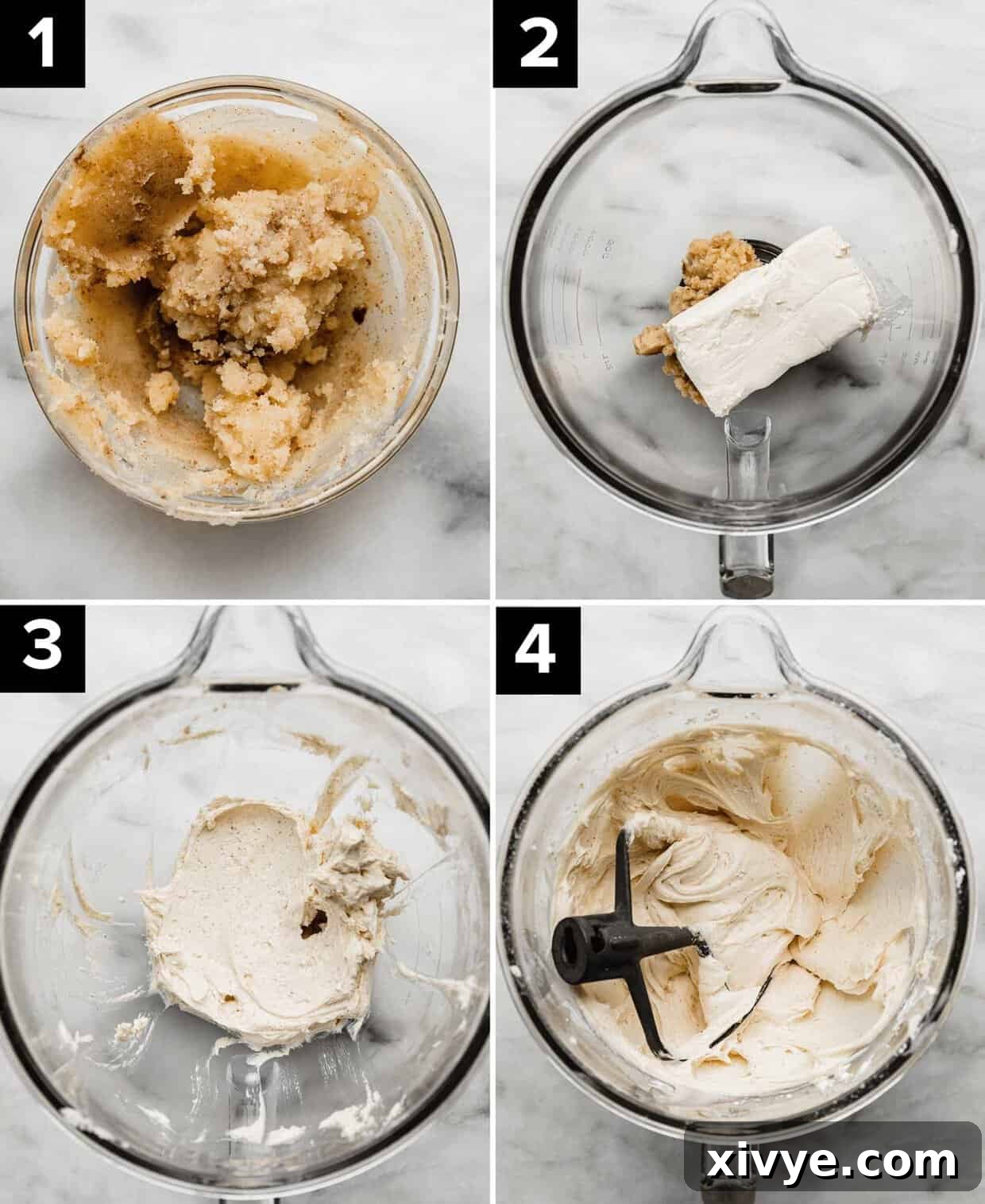
- Step 1: The Art of Browning Butter. Begin by cutting ½ cup of unsalted butter into tablespoon-sized pieces. This helps the butter melt and brown more evenly. Place the butter in a light-colored saucepan. A light-colored pan is essential because it allows you to easily monitor the color changes as the butter browns, preventing it from burning. Melt the butter over medium-low to medium heat, stirring almost constantly. Initially, the butter will melt and foam. Continue to cook, and you’ll notice the foam subsiding, and small brown specks will begin to form at the bottom of the pan. These are the milk solids caramelizing, creating that coveted nutty flavor. Keep stirring and watching carefully; once the butter turns a beautiful amber color and smells distinctly nutty and toasty, remove it from the heat immediately to prevent burning. For a comprehensive visual and detailed guide on this crucial step, refer to my dedicated blog post on how to brown butter. Once browned, immediately transfer the hot butter to a heat-safe bowl to stop the cooking process. Allow it to cool completely to room temperature. This is a critical step – the butter must re-solidify to the consistency of softened butter, not be liquid. You can expedite this process by placing it in the fridge for about an hour, checking periodically. While the butter cools, remember to set out 8 oz of cream cheese so it can soften to room temperature as well.
- Step 2: Creaming the Browned Butter and Cream Cheese. Once your browned butter has cooled and re-solidified to a softened, spreadable consistency, add it to a medium-sized mixing bowl. Using an electric hand mixer or a stand mixer fitted with the paddle attachment, beat the browned butter at medium or medium-high speed until it’s smooth and fluffy, typically about 1 minute. You might notice the little brown bits from the butter tending to sink to the bottom, which is perfectly normal. Next, add the 8 oz of softened cream cheese to the bowl with the butter. Beat the mixture on medium speed for 2-3 minutes, or until it’s light, fluffy, and well combined. Ensure there are no lumps of cream cheese, which can happen if the cream cheese wasn’t sufficiently softened or properly mixed. Scrape down the sides of the bowl with a rubber spatula as needed to ensure all ingredients are thoroughly incorporated.
- Step 3: Incorporating the Remaining Ingredients and Adjusting Consistency. To the fluffy cream cheese-and-brown-butter mixture, gradually add 3½ cups of powdered sugar, 1 teaspoon of vanilla extract, and ¼ teaspoon of salt. Begin mixing on low speed to avoid a cloud of powdered sugar, then increase to medium-high speed. Beat the ingredients together for another 2 minutes, or until the frosting is light, airy, and wonderfully fluffy. This extended beating time helps incorporate air, giving the frosting its desired texture. If you find your frosting is too soft or you prefer a stiffer consistency for piping intricate designs, you can incrementally add another ½ cup of powdered sugar, mixing well after each addition until desired stiffness is reached. Conversely, if the frosting appears too stiff or thick, add milk (or cream) one tablespoon at a time, mixing until it loosens to your preferred consistency. Be careful not to add too much liquid, as it can quickly make the frosting too runny.
- Step 4: Enjoy Your Culinary Creation. Your decadent brown butter cream cheese frosting is now ready to transform your favorite treats! Use it generously to frost a 9×13-inch cake, decorate 24 standard cupcakes, or spread it lovingly over cinnamon rolls or cookies. The yield is ample for a variety of baking projects, ensuring you have enough to share – or to keep all to yourself!
Mastering Your Brown Butter Cream Cheese Frosting: Expert Tips
While the recipe is straightforward, these professional tips will help you achieve perfection every time and troubleshoot common issues:
Opt for Full-Fat Cream Cheese: The Secret to Stability. This is perhaps the most crucial tip for a stable, pipeable, and wonderfully rich frosting. Always use full-fat brick-style cream cheese, not the whipped or spreadable varieties found in tubs, and certainly not low-fat options. Full-fat cream cheese has a higher fat content and lower water content, which is essential for creating a thick, firm frosting that holds its shape beautifully. If you use low-fat cream cheese, the frosting will be significantly looser, much harder to work with, and prone to sliding off your baked goods, especially in warmer environments. The rich, tangy flavor also comes from the full-fat version.
The Art of Watching Your Butter: Don’t Burn It! Browning butter is a transformative process, but it requires your undivided attention. Once the butter has melted and started to foam, the milk solids will begin to sink to the bottom of the pan and turn golden brown. At this stage, they can go from perfectly browned to burnt in a matter of seconds. Keep the heat at medium-low to medium and stir frequently. You’ll know it’s beginning to brown perfectly when a delightful nutty, toasty aroma fills your kitchen, and the color resembles amber or hazelnut. As soon as you see those golden-brown flecks and smell that distinct aroma, remove the pan from the heat immediately and transfer the butter to a cool bowl to stop the cooking process. A burnt butter taste will unfortunately ruin your frosting.
Room Temperature Ingredients: The Key to a Flawless Consistency. For the silkiest, lump-free frosting with the perfect consistency, it’s absolutely essential that both your re-solidified browned butter and your cream cheese are at room temperature. If you try to mix melted, warm browned butter with cold cream cheese, you’ll end up with a runny, separated mess. Conversely, if your cream cheese is cold and firm, it won’t incorporate smoothly, leaving you with unsightly cream cheese lumps in your otherwise smooth frosting. Room temperature ingredients emulsify beautifully, ensuring a homogenous, airy, and creamy frosting that is a joy to work with.
Exploring Flavor Enhancements (Carefully!). While the combination of brown butter and vanilla is a match made in heaven, you can experiment with other flavorings with a light hand. Vanilla is generally the best choice because it complements the rich, nutty notes of brown butter without overpowering them. A subtle addition of maple syrup could be a truly delicious, autumnal twist, enhancing the caramelized notes. However, be cautious when adding liquid flavorings like maple syrup; too much can alter the frosting’s delicate balance and make it runny. If adding liquid, start with a very small amount (e.g., ½ teaspoon) and adjust the powdered sugar if needed to maintain consistency. Spices like a tiny pinch of cinnamon or nutmeg could also be interesting in specific pairings.
Proper Storage is Non-Negotiable. Due to its high dairy content, this frosting, once made, must be kept refrigerated. The rich blend of butter and cream cheese will soften considerably at room temperature, making the frosting prone to sliding off your baked goods. More importantly, dairy products can spoil if left out for extended periods. Once you’ve frosted your cakes, cupcakes, or cookies, always store the finished products in the fridge to maintain both texture and freshness. Allow frosted items to come to room temperature for 15-20 minutes before serving for optimal enjoyment, but never leave them out for too long.
Make Ahead, Storing, and Freezing Brown Butter Cream Cheese Frosting
One of the many advantages of this delectable frosting is its excellent shelf life and freezer-friendly nature, making it perfect for meal prep or planning ahead for special occasions:
Make Ahead: This brown butter cream cheese frosting is a fantastic candidate for preparing in advance. You can whip up a batch several days before you intend to use it. Simply prepare the frosting according to the recipe instructions, then transfer it to an airtight container and store it in the refrigerator for up to a week. When you’re ready to use it, let it come to room temperature for about 30 minutes, then give it a quick whip with an electric mixer for 1-2 minutes to restore its creamy, fluffy texture. This re-whipping step is crucial as it incorporates air back into the frosting, making it smooth and spreadable again.
Storing: Always store any leftover brown butter cream cheese frosting in an airtight container in the fridge. This protects it from absorbing odors from other foods and keeps it fresh. Once you’ve frosted your cakes, cupcakes, or other baked goods, it’s also important to store these finished items in the refrigerator. The frosting contains a significant amount of dairy (butter and cream cheese), which means it will become very soft and start to slide if left at room temperature for too long, especially in warmer environments. Furthermore, dairy products are perishable and will spoil if not kept chilled. For best flavor and texture, remove frosted items from the fridge about 15-20 minutes before serving, allowing the frosting to soften slightly but still remain firm.
Freezing: For longer storage, this frosting freezes beautifully. To freeze, transfer the freshly made frosting into a freezer-safe airtight container or a heavy-duty zip-top bag. Press out as much air as possible to prevent freezer burn. It can be safely frozen for up to 1 month without significant loss of quality. When you’re ready to use it, transfer the frozen frosting to the refrigerator to thaw overnight. Once thawed, let it come to room temperature, then give it a thorough re-whip with an electric mixer until it’s light, fluffy, and smooth again. This re-whipping step is vital for restoring its original texture after freezing and thawing.
Brown Butter Cream Cheese Frosting: Your Questions Answered
Brown butter cream cheese frosting offers a truly unique and irresistible flavor experience. It combines the beloved tangy, slightly tart profile of traditional cream cheese frosting with the deep, warm, and distinctly nutty notes of browned butter. Imagine your favorite cream cheese frosting, but infused with a rich, caramelized undertone reminiscent of toasted hazelnuts or pecans. It’s comforting, sophisticated, and incredibly balanced, making it feel distinctly “cozier” and more complex than its plain counterpart. It’s a flavor that makes people pause and wonder what delightful secret ingredient you’ve added!
Due to its dairy content (cream cheese and butter), brown butter cream cheese frosting should not be left at room temperature for extended periods. As a general food safety guideline, it can safely sit out at room temperature for no more than 2 to 4 hours. If your kitchen is particularly warm or humid, it’s safer to err on the side of caution and limit exposure to room temperature to the shorter end of that range. Beyond this timeframe, the dairy can start to spoil, and the frosting will become excessively soft and potentially slide off your baked goods. Always refrigerate any frosted desserts or leftover frosting promptly.
No, absolutely not. This is a common mistake that can ruin your frosting. After browning, the butter is very hot and in a liquid state. If you try to mix hot, liquid browned butter with softened cream cheese and powdered sugar, your frosting will become a runny, greasy, goopy mess that will not set up properly. It’s crucial to transfer the browned butter to a heat-safe bowl and let it cool completely until it re-solidifies to a softened, spreadable consistency, similar to room temperature butter. This allows it to properly emulsify with the cream cheese and create that light, fluffy texture you desire. You can speed up the cooling process by placing the bowl in the refrigerator for about an hour, stirring occasionally.
For browning butter, always use a light-colored saucepan. A light-colored bottom allows you to clearly see the milk solids as they toast and turn brown. If you use a dark-colored pan, it can be very difficult to gauge the color changes accurately, significantly increasing the risk of burning the butter. A heavy-bottomed pan is also preferable as it distributes heat more evenly, reducing hot spots and allowing for more controlled browning.
Frosting consistency issues are usually due to ingredient temperatures or incorrect measurements. If your frosting is too runny, it could be because your browned butter wasn’t cooled sufficiently (it needs to be solid but softened, not liquid), your cream cheese was too warm, or you added too much liquid (like milk or a liquid flavoring). To fix runny frosting, try adding more powdered sugar, a quarter cup at a time, until it reaches the desired stiffness. If your frosting is too stiff, it might be because your cream cheese was too cold, or you added too much powdered sugar. To loosen it, add a tablespoon of milk or cream at a time, mixing well after each addition until it’s smooth and spreadable.
Discover More Delectable Frosting Recipes
If you love experimenting with unique and delicious frostings, be sure to explore some of our other favorite recipes. Each offers a distinct flavor profile perfect for a variety of baked goods:
- Nutella Frosting: A rich, chocolate-hazelnut dream, perfect for chocolate cakes or cupcakes.
- Toasted Marshmallow Frosting: Fluffy, sweet, and with a smoky caramelized flavor that evokes campfire memories.
- Oreo Frosting: A cookies-and-cream delight, featuring crushed Oreos for an irresistible crunch and flavor.
- Biscoff Buttercream: Infused with the warm, spiced notes of Biscoff cookies, it’s truly unique and comforting.
- Lemon Buttercream: Bright, zesty, and incredibly refreshing, ideal for lighter cakes and spring desserts.
Did you try this irresistible brown butter cream cheese frosting recipe? We’d absolutely love to hear about your experience! Please leave a star rating and a detailed review to share your thoughts and tell us how much you loved it. Your feedback helps other bakers in our community.
For more delicious recipes and baking inspiration, stay connected with us! Follow our culinary adventures and latest creations on Instagram, TikTok, YouTube, Facebook, and Pinterest. Don’t forget to tag us in your creations – we can’t wait to see what you’re baking!
Print
SaveSaved!
Review
Brown Butter Cream Cheese Frosting
 Whitney Wright
Ingredients
- ½ cup unsalted butter
- 8 oz cream cheese – full fat brick, softened to room temperature
- 3 ½ – 4 cups powdered sugar
- 1 teaspoon vanilla
- ¼ teaspoon salt
Instructions
-
Brown the butter (use this guide for reference if you’ve never browned butter before). Once browned, transfer the browned butter to a heat-safe bowl and let cool until room temperature and the consistency of softened butter. You can place the browned butter in the fridge for 60 minutes or so to speed up the process.
-
Once the butter has slightly solidified again, add it to a medium sized bowl and beat until smooth (I like to use my stand mixer with a paddle attachment), about 1 minute. Add the softened cream cheese and mix on medium speed for 2-3 minutes or until fluffy. Add the powdered sugar, vanilla extract, and salt and beat for another 2 minutes until light and fluffy. If the frosting is too stiff you can add a splash of milk to get it to a looser consistency.
-
Using frosting as desired. We love this frosting on cupcakes, zucchini cake, and cookies!