The Ultimate Fluffy & Creamy Peanut Butter Frosting Recipe
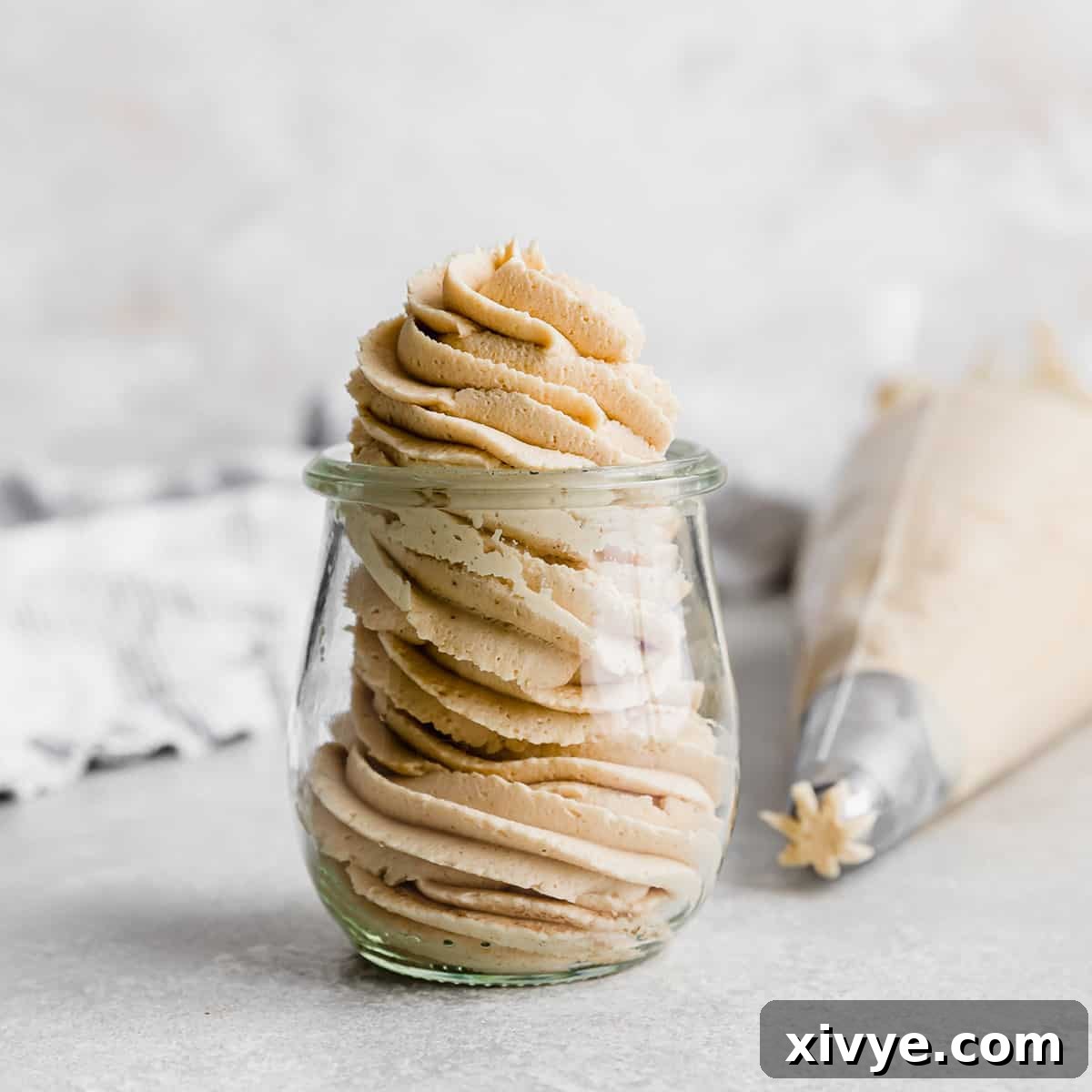
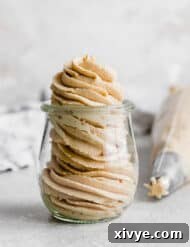
Prepare to elevate your dessert game with this truly irresistible Peanut Butter Frosting! Boasting a light, unbelievably fluffy texture and a deeply rich, authentic peanut butter flavor, this homemade buttercream is a dream come true for any peanut butter enthusiast. Whether you’re decorating a batch of cupcakes, spreading joy onto cookies, or creating a show-stopping cake, this easy peanut butter frosting recipe is guaranteed to impress. It’s so simple yet delivers such spectacular results, you’ll wonder why you ever bought store-bought frosting!
This versatile peanut butter buttercream is the ideal partner for a wide array of sweet treats, especially those with a chocolate base. Imagine piping it generously onto Chocolate Cupcakes, artfully spreading it over warm Chocolate Donuts, or using it as the crowning glory for a Chocolate Cake with Peanut Butter Frosting. The combination of rich chocolate and creamy peanut butter is a classic for a reason, and this frosting takes that pairing to a whole new level of deliciousness. Get ready to experience pure bliss with every spoonful!
Why This Peanut Butter Frosting is a Must-Try
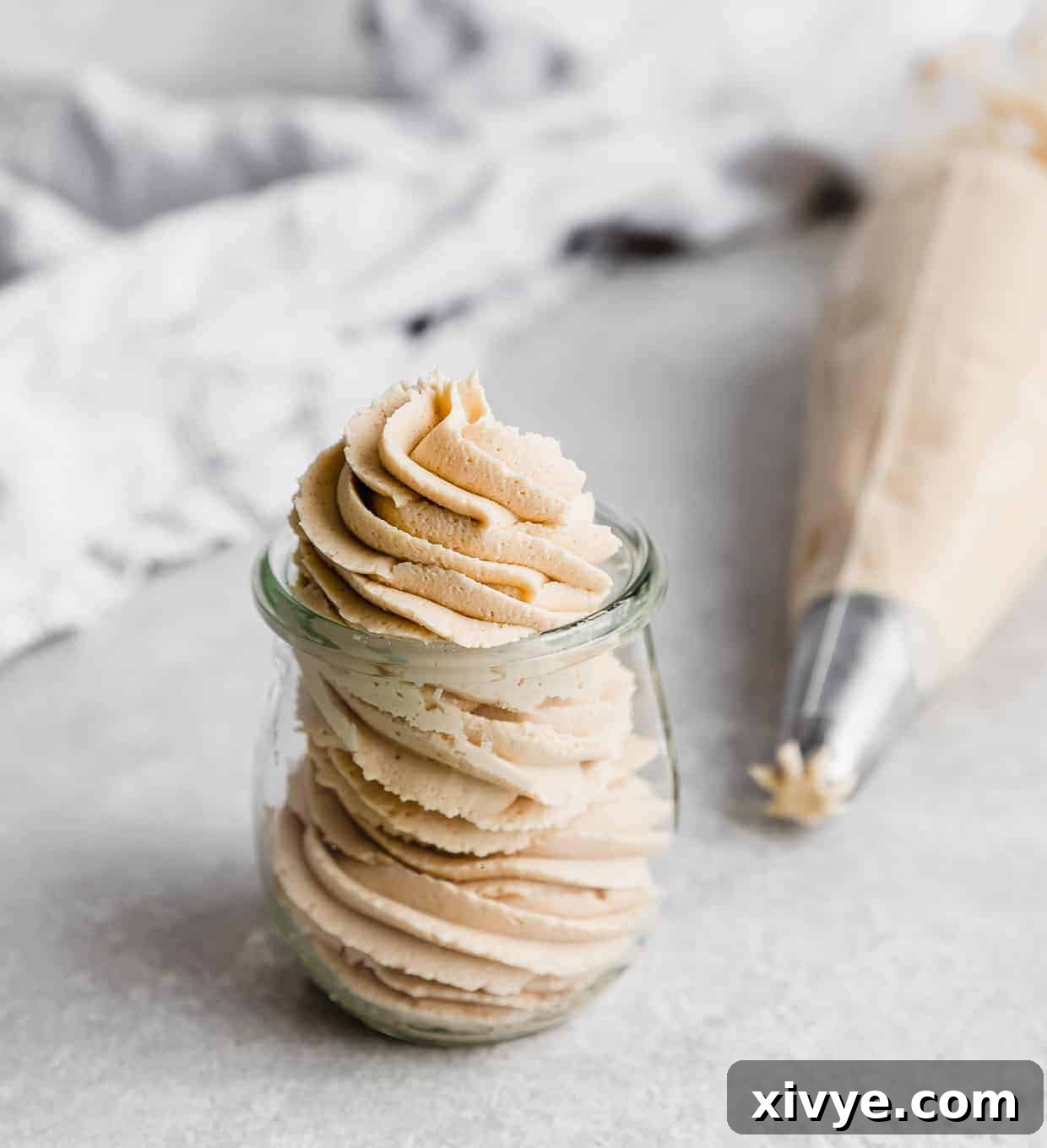
Discover what makes this easy peanut butter frosting recipe stand out from the rest. Crafted for both simplicity and sensational flavor, it’s quickly becoming a kitchen staple for home bakers everywhere.
- Effortlessly Easy & Quick to Make: Forget complicated baking projects! This homemade peanut butter frosting recipe is incredibly straightforward and comes together in a flash. With just a few common ingredients that you likely already have in your pantry, you can whip up a batch of this luscious buttercream in mere minutes. It’s the perfect solution when you need a delicious frosting without a fuss.
- Unbelievably Creamy and Smooth Texture: The secret to its silken texture lies in two key techniques. First, we ensure the butter and peanut butter are whipped together thoroughly until they achieve a light, airy, and pale consistency. This aeration is crucial for a truly fluffy frosting. Second, sifting the powdered sugar beforehand eliminates any pesky lumps, guaranteeing an impeccably smooth finish that pipes beautifully and melts in your mouth.
- The Perfect Flavor Partner for Any Dessert: Having a reliable and delicious peanut butter buttercream recipe in your repertoire is a fantastic idea because of its incredible versatility. Its rich, nutty flavor beautifully complements a vast array of desserts. Whether you’re pairing it with chocolate cakes, vanilla cupcakes, oatmeal cookies, or even swirling it into a bowl of ice cream, this frosting adds a layer of delightful decadence that makes everything taste better. It’s the ultimate complementary frosting for countless sweet creations.
Key Ingredients for Perfect Peanut Butter Buttercream
Crafting the perfect fluffy peanut butter frosting starts with understanding your ingredients. Each component plays a vital role in achieving that sought-after creamy texture and rich flavor. Here’s a closer look at what you’ll need and some crucial tips for selection:
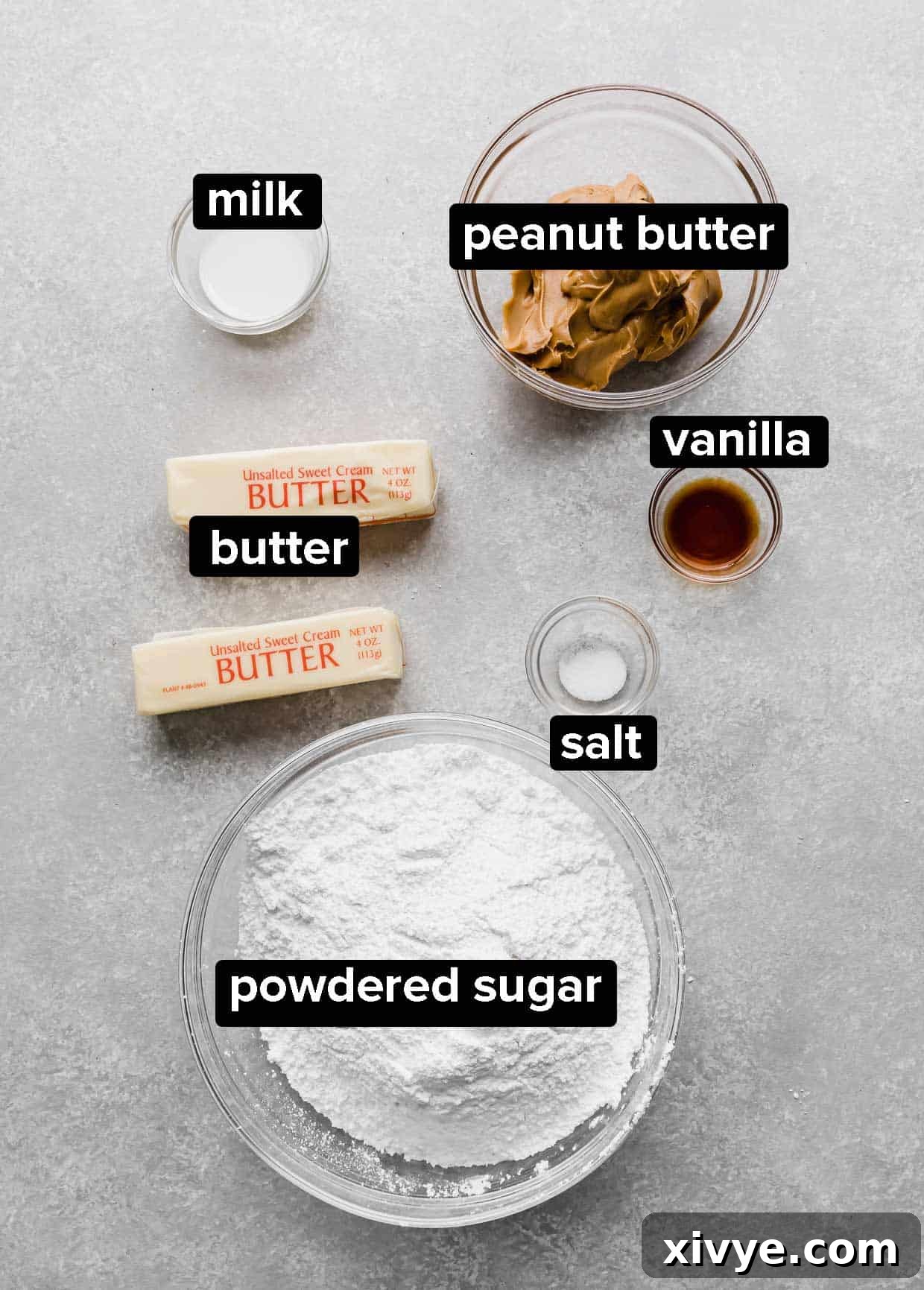
- Peanut Butter: For this recipe, we highly recommend using conventional, creamy peanut butter, such as Jif or Skippy. Natural peanut butter, which typically separates into oil and solids at room temperature, has a higher likelihood of causing your frosting to separate as well, resulting in a less stable and appealing texture. If you absolutely must use natural peanut butter, make sure to stir it exceptionally well to reincorporate the oils before measuring, and be prepared to beat it for a longer duration. Always opt for creamy over crunchy to ensure a smooth, uniform frosting.
- Unsalted Butter: The quality and temperature of your butter significantly impact the final consistency of your buttercream. While the recipe calls for “softened” butter, it’s crucial that it’s still slightly cool to the touch, not greasy or fully melted. If your butter is too warm, the frosting may become overly soft and difficult to pipe, especially in warmer environments. For best results, take your unsalted butter out of the refrigerator about an hour before you plan to start baking. Using unsalted butter allows you to control the exact amount of salt in your recipe, ensuring a perfectly balanced flavor profile.
- Powdered Sugar (Confectioners’ Sugar): This fine sugar is the backbone of any good buttercream. Sifting your powdered sugar before adding it to the mixture is a non-negotiable step for achieving a truly smooth and lump-free frosting. Powdered sugar often contains small clumps from moisture exposure, and these will remain as gritty bits in your frosting if not sifted out. This simple extra step guarantees a light, airy, and professional-looking finish.
- Vanilla Extract: A splash of good quality vanilla extract enhances the overall flavor of the frosting, adding a warm, aromatic depth that beautifully complements the rich peanut butter. It acts as a bridge, bringing all the flavors together in harmony.
- Salt: A small amount of salt is essential for balancing the sweetness of the powdered sugar and intensifying the inherent nuttiness of the peanut butter. If you opt to use salted butter instead of unsalted, you can reduce or even omit the added salt, but always taste and adjust to your preference.
- Milk (or Cream): This liquid is used to adjust the consistency of your frosting. Start with a small amount and add more gradually, a splash at a time, until you reach your desired thickness and spreadability. It’s always easier to add more liquid than to try and thicken frosting that’s become too thin. For an even richer and creamier texture, you can substitute heavy cream for milk.
Step-by-Step Guide to Fluffy Peanut Butter Frosting
Making this incredible peanut butter frosting is a breeze, especially with these detailed steps. Follow along to create a perfectly light and fluffy buttercream every time.
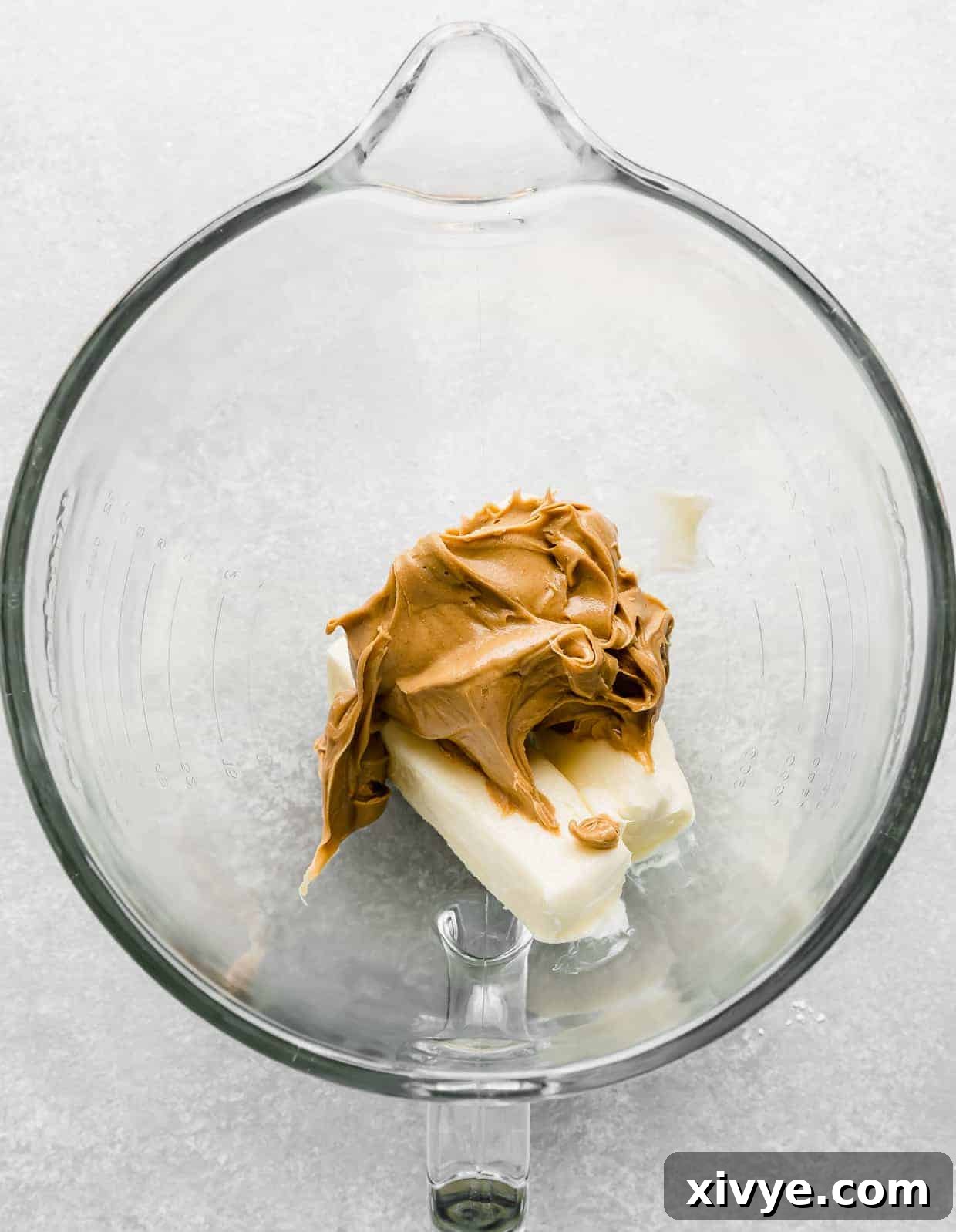
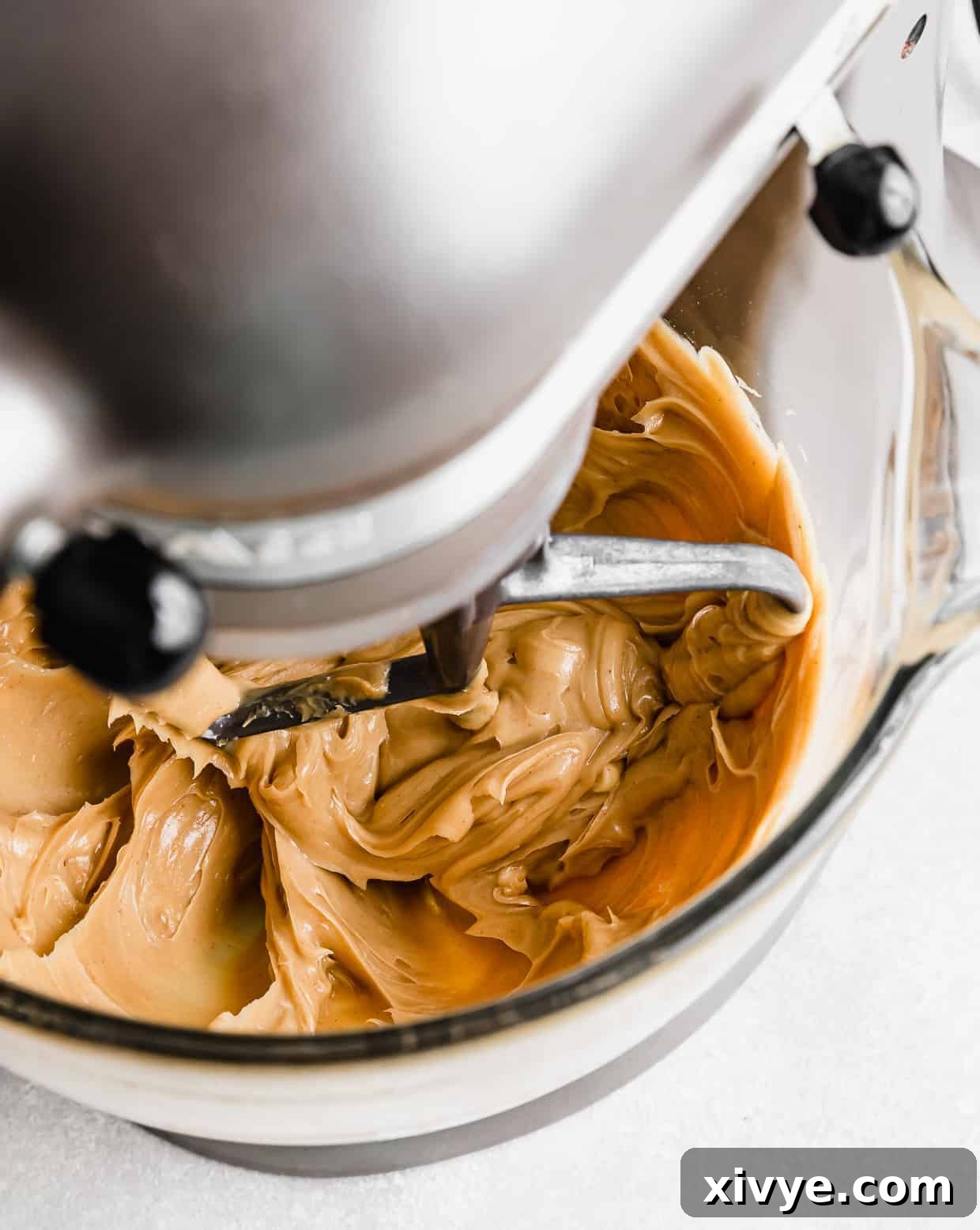
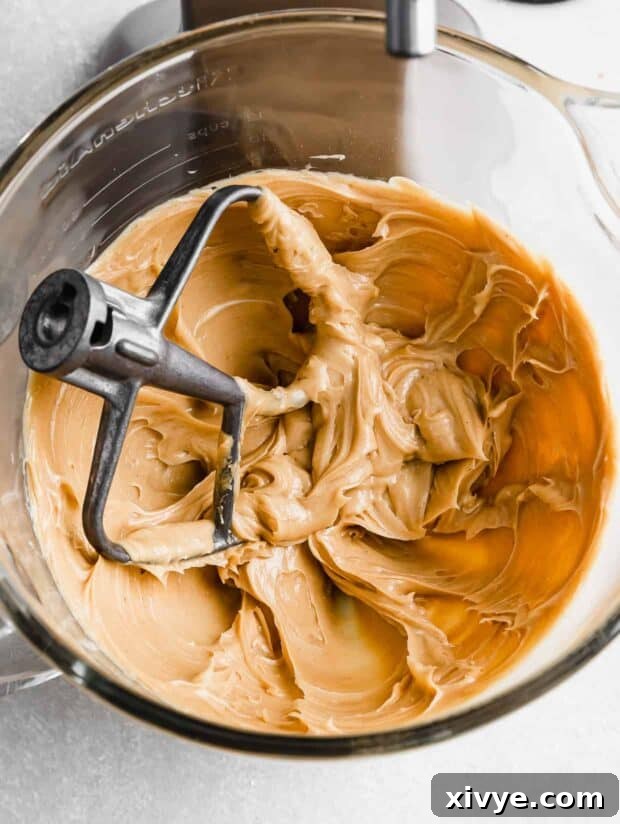
- Cream the Butters Thoroughly: Begin by combining the softened unsalted butter and creamy peanut butter in the bowl of a stand mixer fitted with the paddle attachment, or use a hand-held electric mixer. Beat these two ingredients together on medium speed until they are incredibly creamy, perfectly combined, and have lightened significantly in color. This step is crucial for incorporating air and creating a light base for your frosting, so don’t rush it – aim for 2-3 minutes of beating until the mixture is truly pale and fluffy.
- Gradually Incorporate Powdered Sugar: With your mixer set to its lowest speed, begin to gradually add the sifted powdered sugar. Add it in ½ cup increments, allowing each addition to be fully incorporated before adding the next. This slow addition prevents a cloud of sugar from enveloping your kitchen and ensures a smooth blend. Periodically stop the mixer and use a spatula to scrape down the sides and bottom of the bowl, ensuring all ingredients are evenly mixed and no pockets of unmixed sugar remain. Continue until all the powdered sugar has been added.
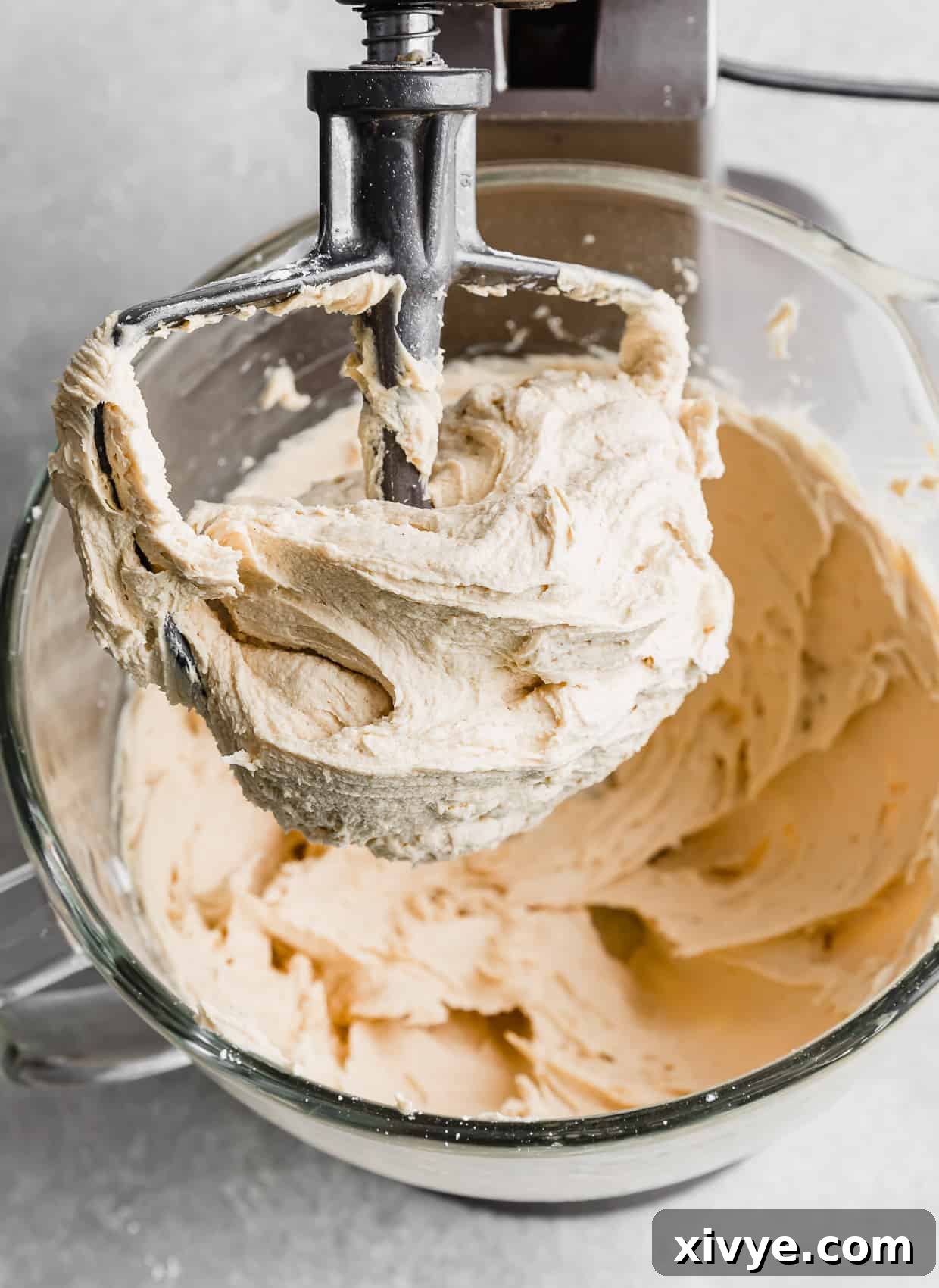
- Add Remaining Ingredients and Achieve Fluffiness: Once the powdered sugar is incorporated, add the vanilla extract, salt, and 1 tablespoon of milk (if needed for consistency). Increase the mixer speed to medium-high and beat for an additional 2-3 minutes. This final whipping phase is vital for creating that signature light and fluffy texture. The frosting should become visibly lighter in color and incredibly airy. If the frosting seems too stiff, add a tiny splash more milk, a teaspoon at a time, until the desired consistency is reached.
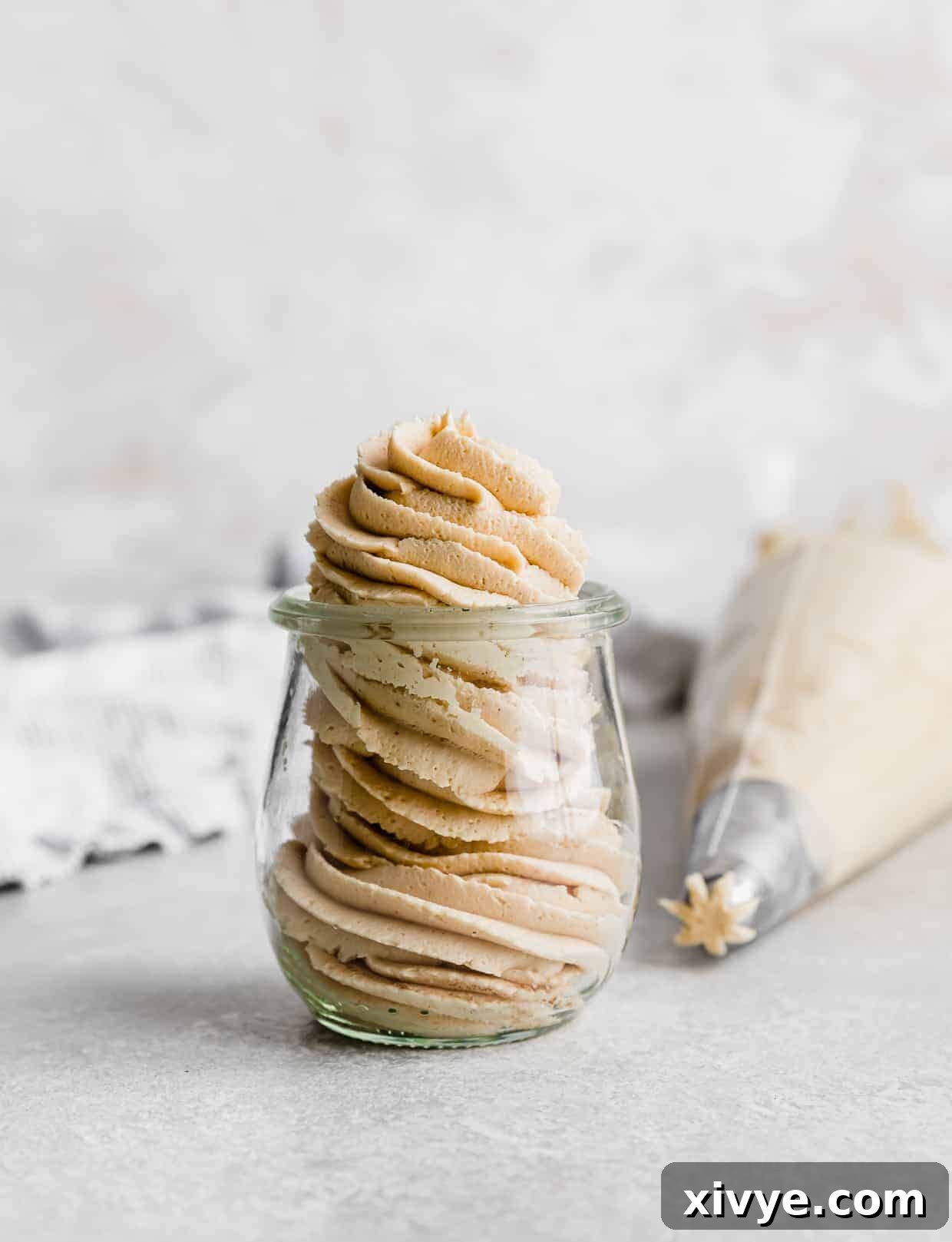
- Decorate with Your Delicious Frosting: Your homemade peanut butter frosting is now ready for use! Pipe it onto cooled cupcakes or cakes using your favorite piping tip, or simply spread it with an offset spatula for a rustic look. This frosting is particularly delightful with a Chocolate Cake with Peanut Butter Frosting recipe, but its versatility means it pairs well with almost any dessert.
Expert Tips for Flawless Peanut Butter Frosting
Achieving bakery-quality peanut butter frosting at home is simpler than you think with these helpful tips and tricks. Pay attention to these details, and your frosting will be a showstopper!
Mastering Butter Temperature for Perfect Frosting
The temperature of your butter is paramount. You want your butter to be “softened but still cold.” This means it should give slightly when pressed but still hold its shape, not be greasy or oily. Take your butter out of the refrigerator about 45-60 minutes before you begin. If the butter is too warm, the frosting will be too soft and won’t hold its shape for piping. If it’s too cold, it won’t cream properly, leading to a lumpy texture. The ideal temperature ensures maximum aeration and stability when whipped with the peanut butter.
Choosing the Right Peanut Butter
As mentioned, using conventional, creamy peanut butter (like Jif or Skippy) is highly recommended. These brands have stabilizers that prevent oil separation, which is crucial for a stable frosting. If you decide to use natural peanut butter, which is prone to oil separation, stir it exceptionally well in its jar before measuring. You might also find that you need to add a bit more powdered sugar or reduce the amount of milk in the recipe to achieve the correct consistency. Be aware that the frosting may still be more prone to separation if using natural peanut butter due to its higher oil content.
Sifting for Supreme Smoothness
Do not skip the step of sifting your powdered sugar! Powdered sugar compacts and absorbs moisture, often forming tiny lumps. Sifting ensures these clumps are removed, resulting in an incomparably smooth, silky frosting that feels luxurious on the palate and pipes beautifully without clogging your tips.
Achieving the Ideal Color and Fluffiness
Don’t be afraid to beat the butter and peanut butter for a full 2-3 minutes in the initial step. The goal is to incorporate plenty of air, making the mixture much lighter in color – a very pale tan, not the deep color of peanut butter. This extensive whipping is what gives the frosting its wonderful fluffy texture and ensures a voluminous yield.
Adjusting Frosting Consistency
The amount of milk needed can vary based on humidity, butter temperature, and even the type of peanut butter. Always start with less milk than you think you’ll need. If your frosting is too thick, add more milk one teaspoon at a time, beating after each addition until desired consistency is reached. If it’s too thin, you can try adding an extra ¼ cup of sifted powdered sugar at a time, beating well until thickened. For piping intricate designs or filling sandwich cookies, a slightly firmer frosting is usually preferred, so you might lean towards the higher end of the powdered sugar range.
Flavor Boosters & Variations
While delicious on its own, you can easily customize your peanut butter frosting:
- Chocolate Peanut Butter: Add 2-3 tablespoons of unsweetened cocoa powder along with the powdered sugar for a rich chocolate-peanut butter swirl.
- Spiced Peanut Butter: A pinch of cinnamon, nutmeg, or even a tiny dash of cayenne pepper can add an interesting depth of flavor.
- Espresso Kick: Dissolve ½ teaspoon of instant espresso powder in the milk before adding for a subtle coffee undertone that pairs wonderfully with chocolate.
Make Ahead, Storage, and Freezing Instructions
This peanut butter frosting is not only delicious but also very convenient to prepare in advance. Proper storage ensures its freshness and delightful texture for future use.
Room Temperature Storage
If you plan to use the frosting within a few hours, it can be stored at room temperature in an airtight container for up to 5-6 hours. This is ideal if you’re frosting a cake or cupcakes soon after making it.
Refrigerated Storage
For longer storage, transfer the frosting to an airtight container and refrigerate for up to 2-3 days. When you’re ready to use it, allow the frosting to come to room temperature for about 30-60 minutes. Then, place it back into your stand mixer and beat on medium-low speed for a minute or two until it becomes light, fluffy, and smooth again. This re-whipping step is crucial for restoring its original creamy consistency.
Freezing for Later Enjoyment
You can also freeze this delicious peanut butter frosting for extended storage. Place it in a freezer-safe, airtight container and freeze for up to 2-3 weeks. When you’re ready to use the frozen frosting, transfer it to the refrigerator to thaw overnight, or at room temperature for several hours. Once thawed, give it a good re-whip in your stand mixer on medium-low speed until it’s light and fluffy once more. It will be just as delicious as when it was freshly made!
Frequently Asked Questions (FAQs)
Here are answers to some common questions about making and using peanut butter frosting.
Why did my peanut butter frosting separate?
The most common reason for frosting separation is the type of peanut butter used. Natural peanut butter, which typically has a layer of oil at the top, is more prone to separation because it lacks the stabilizers found in conventional peanut butter. If you use natural peanut butter, ensure you stir it exceptionally well before measuring. Excessive warmth during mixing or a high oil content in the peanut butter can also contribute to separation. To fix it, try re-whipping the frosting for several minutes on medium-high speed. If it’s still separated, add a tablespoon of powdered sugar and beat again.
What is the difference between frosting and icing?
While often used interchangeably, there’s a technical distinction. Frosting, also known as buttercream, is generally made with a significant amount of butter or shortening, combined with powdered sugar and a small amount of liquid (like milk or cream), resulting in a thick, fluffy, and spreadable consistency. Icing, on the other hand, is typically thinner and made primarily from powdered sugar and liquid (milk, water, or citrus juice), without a butter base. It’s often used for glazing or drizzling rather than piping.
Is powdered sugar the same thing as confectioners’ sugar?
Yes, absolutely! Powdered sugar and confectioners’ sugar are different names for the exact same finely ground sugar. They can be used interchangeably in any recipe that calls for either.
How much frosting does this recipe yield?
This recipe is quite generous! It typically yields enough fluffy peanut butter frosting to cover a standard 9×13 inch sheet cake, or generously frost 24 standard-sized cupcakes. If you’re decorating round layer cakes, it will adequately frost a two-layer 8-inch round cake.
Can I use low-fat peanut butter for this recipe?
While technically possible, using low-fat peanut butter is not recommended for this frosting. The reduced fat content will significantly alter the texture of the frosting, making it less creamy, less stable, and potentially difficult to pipe. The fat from the regular peanut butter is essential for achieving the rich flavor and smooth, fluffy consistency.
How do I fix grainy peanut butter frosting?
Grainy frosting is usually caused by unsifted powdered sugar or insufficient beating. To fix it, try beating the frosting on medium-high speed for a few more minutes. If the graininess persists, it might be due to undissolved sugar clumps. In the future, always make sure to sift your powdered sugar meticulously before adding it to the mixture.
Delicious Ways to Use Your Peanut Butter Frosting
Once you’ve whipped up a batch of this luscious homemade peanut butter frosting, the possibilities for delicious pairings are endless. Its rich, creamy texture and irresistible flavor make it a fantastic complement to a wide variety of desserts.
- Classic Chocolate Pairings: The ultimate combination! Pipe or spread this frosting onto chocolate cupcakes, brownies, or a decadent chocolate layer cake. It’s also incredible as a filling for chocolate sandwich cookies or between layers of a rich chocolate sheet cake.
- Vanilla & Banana Delights: Don’t limit yourself to chocolate! This frosting pairs beautifully with lighter flavors too. Try it on classic vanilla cupcakes, a moist banana bread, or even a delightful banana cake. The nutty notes perfectly complement the sweet, fruity flavors.
- Cookie Sandwiches & Bars: Take your cookies to the next level by using this frosting as a sandwich filling. It’s fantastic between two soft sugar cookies, oatmeal cookies, or even your favorite chocolate chip cookies. It also makes an excellent topping for blondies or dessert bars.
- Unexpected Treats: Get creative! Serve this peanut butter frosting as a dipping sauce for apple slices, banana chunks, or pretzels for a fun snack. You can also swirl it into a bowl of vanilla or chocolate ice cream for an extra burst of flavor and texture. It even makes a delightful filling for whoopie pies.
More Peanut Butter Recipes You’ll Love
- Peanut Butter Blossom Cookies
- Chocolate Peanut Butter Chip Cookies
- No-Bake Cookies
- No-Bake Peanut Butter Pie
- Chocolate Peanut Butter Protein Balls
Did you make this recipe? We’d absolutely love to hear about your experience! Your feedback helps us grow and inspires other home bakers. Please take a moment to leave a rating and review below, or scroll down to the comments section to share your thoughts. Every review makes a difference!
Stay connected and up-to-date with our latest recipes and baking tips by following us on Instagram, TikTok, Facebook, and Pinterest. Don’t forget to tag us in your creations – we love seeing what you’re baking!
Print Recipe
Peanut Butter Frosting
This creamy peanut butter frosting recipe can be used on just about any cupcake, cake, or dessert you can think of! Cross your fingers the frosting actually makes it to the cake because you’ll be “testing” the frosting about 100x because it’s SO good!!!
Ingredients
- 1 cup unsalted butter – softened, but still cold. See notes
- 1 cup creamy peanut butter – see notes
- 3 ½ – 4 cups powdered sugar
- 1 teaspoon vanilla extract
- ¼ teaspoon salt – see notes
- 1 tablespoon milk – if needed
Equipment
- Stand mixer
Instructions
-
In the bowl of a stand mixer, or using a hand-held electric mixer, beat the butter and peanut butter until creamy and well combined.
-
With the mixer on low, gradually add the powdered sugar, ½ cup at a time until all of the powdered sugar has been added. Scrape down the sides of the bowl as needed.
-
Mix in the vanilla, salt, and milk. Turn the mixer to medium-high speed and beat for 30 seconds to 1 minute.
-
Pipe or spread onto cooled cake or cupcakes.
Notes
If using natural peanut butter, just keep in mind that there’s usually more oil separation in natural pb so make sure to stir it well before measuring it out and adding it to the recipe. Also, you may need to add a touch more powdered sugar or forgo the milk.
This recipe will frost a 9×13 cake, 24 cupcakes, or generously frost 12 cupcakes. If doing round cakes it will frost a 2 layer 8” round cake.
Store the frosting in an airtight container in the fridge for 2-3 days or in an airtight container in the freezer for 2-3 weeks.
Nutritional information is based on 12 servings.
Nutrition
Carbohydrates: 44g (15%)
Protein: 6g (12%)
Fat: 26g (40%)
Saturated Fat: 12g (60%)
Polyunsaturated Fat: 4g
Monounsaturated Fat: 9g
Trans Fat: 1g
Cholesterol: 41mg (14%)
Sodium: 151mg (6%)
Potassium: 147mg (4%)
Fiber: 1g (4%)
Sugar: 41g (46%)
Vitamin A: 475IU (10%)
Calcium: 16mg (2%)
Iron: 1mg (6%)