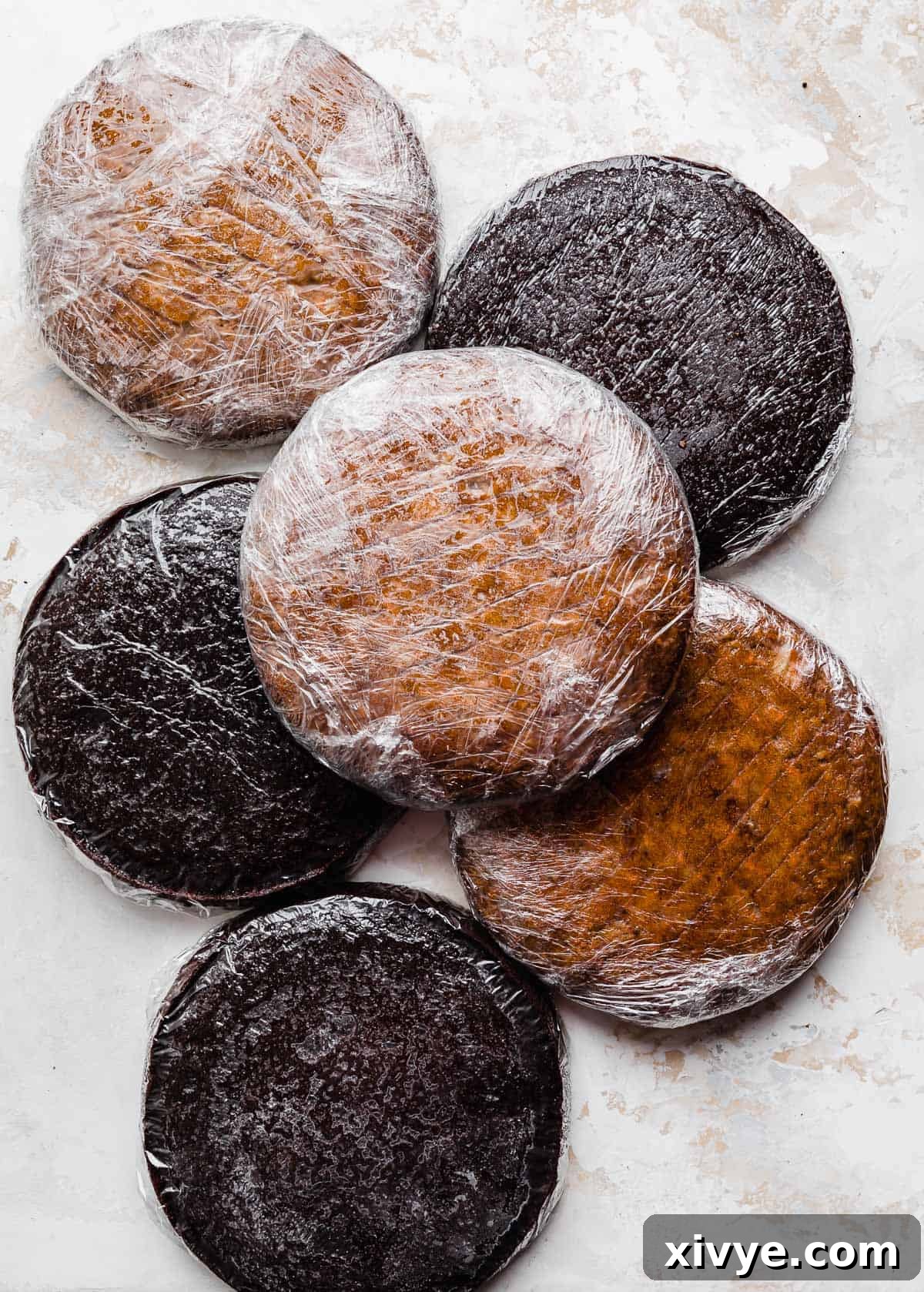
Mastering Cake Storage: The Ultimate Guide to Freezing and Refrigerating Cakes for Ultimate Freshness
Learning the art of how to store and freeze cakes can truly revolutionize your baking process. Imagine effortlessly preparing delicious cakes days, or even weeks, ahead of time for parties, special events, or simply to enjoy a slice whenever a craving strikes. This comprehensive guide will equip you with all the essential techniques to preserve the freshness, flavor, and texture of your homemade creations.
Consider a complex recipe like a Biscoff Caramel Cake, which boasts a delicate Biscoff cookie crust, moist cream cheese cake layers, a luscious caramel filling, and a rich Biscoff buttercream. Tackling all these intricate elements in a single day can feel overwhelming. By understanding proper storage and freezing methods, you can break down the baking process into manageable steps, making even the most elaborate cakes a joy to create, not a chore.
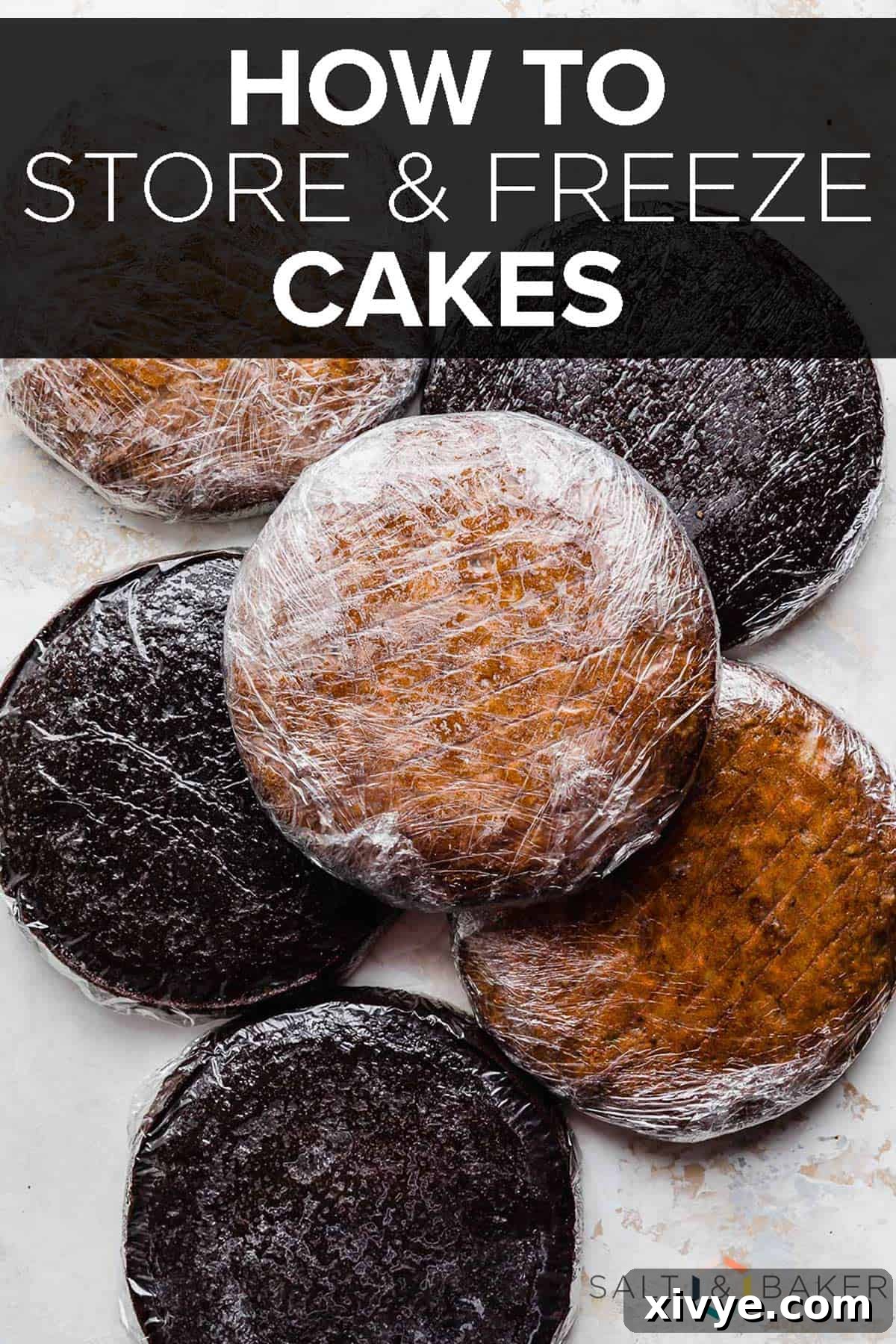
The Unbeatable Benefits of Preparing Cakes in Advance
- Effortless Ahead-of-Time Preparation: Crafting a multi-tiered layer cake with exquisite fillings and frostings demands significant time and attention. Knowing how to store cake layers, freeze entire cakes, or even preserve a fully decorated masterpiece can dramatically reduce your baking day stress. This allows you to focus on the intricate details and enjoy the creative process without feeling rushed.
- Streamline Your Baking Process: Many desserts, especially elaborate cakes, involve multiple components such as the cake itself, various fillings, and different types of frosting. Breaking these tasks into smaller, more manageable segments over several days makes the entire endeavor far less daunting. For instance, you could bake the cake layers one day, prepare the filling the next, and then assemble and frost on the day of the event. This systematic approach ensures superior results and a much more enjoyable baking experience.
- Optimize Flavor and Texture: In some cases, allowing cake layers to rest and chill can actually enhance their moisture and structural integrity. Freezing can lock in freshness, preventing cakes from drying out and maintaining their delicious taste for longer periods.
- Reduce Food Waste: Proper storage methods help extend the shelf life of your baked goods, ensuring that no delicious slice goes to waste. Whether it’s leftover cake from a celebration or extra layers you baked, these techniques keep them fresh for future enjoyment.
Essential Supplies for Optimal Cake Storage
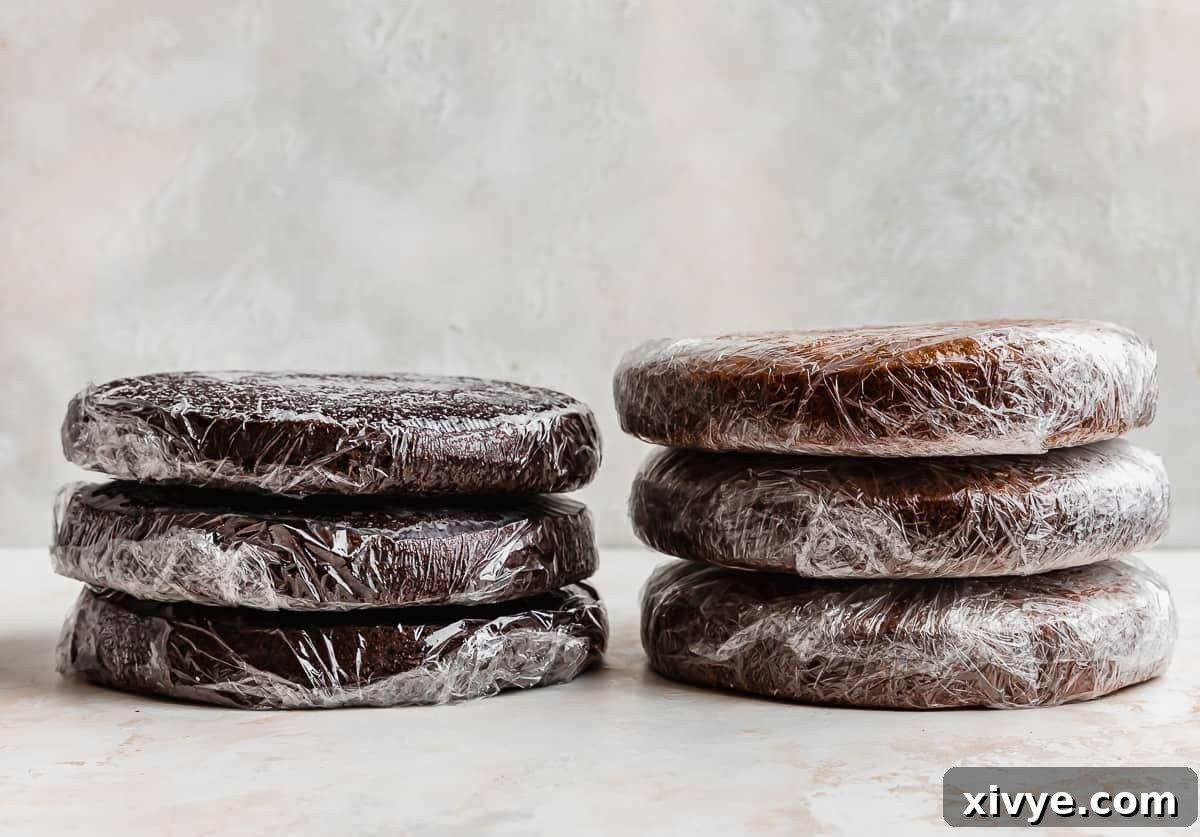
- Plastic Wrap (Cling Film): This is your primary barrier. Plastic wrap creates an airtight seal around your cake layers, locking in moisture and protecting them from absorbing unwanted odors from your fridge or freezer. Using multiple layers is key to ensuring complete coverage and maximum freshness.
- Aluminum Foil: For extended freezer storage, aluminum foil acts as a crucial second layer of defense. It provides an additional protective barrier against temperature fluctuations and helps significantly reduce the risk of freezer burn, which can dry out and damage the cake’s texture.
- Completely Cooled Cake Layers: This cannot be stressed enough. Before you even think about wrapping or storing, ensure your cake layers are absolutely cool to the touch. Any residual warmth will lead to condensation, creating moisture pockets that can ruin the cake’s texture and encourage bacterial growth.
- Fridge/Freezer: Your choice between the refrigerator and freezer depends entirely on your desired storage duration. The fridge is ideal for short-term storage (1-3 days), while the freezer is indispensable for preserving cakes for weeks or months.
- Airtight Containers or Freezer Bags: For ultimate protection, especially during long-term freezing or when storing frosted cakes, consider an airtight, freezer-safe container or heavy-duty Ziploc bags. These add an extra layer of defense against physical damage and freezer burn, keeping your cake pristine.
- Permanent Marker and Labels: Always label your wrapped cakes with the date they were made and the recommended “use by” date. This simple step helps you keep track of freshness and ensures you enjoy your cakes at their peak quality.
Step-by-Step Guide to Storing and Freezing Bare Cake Layers
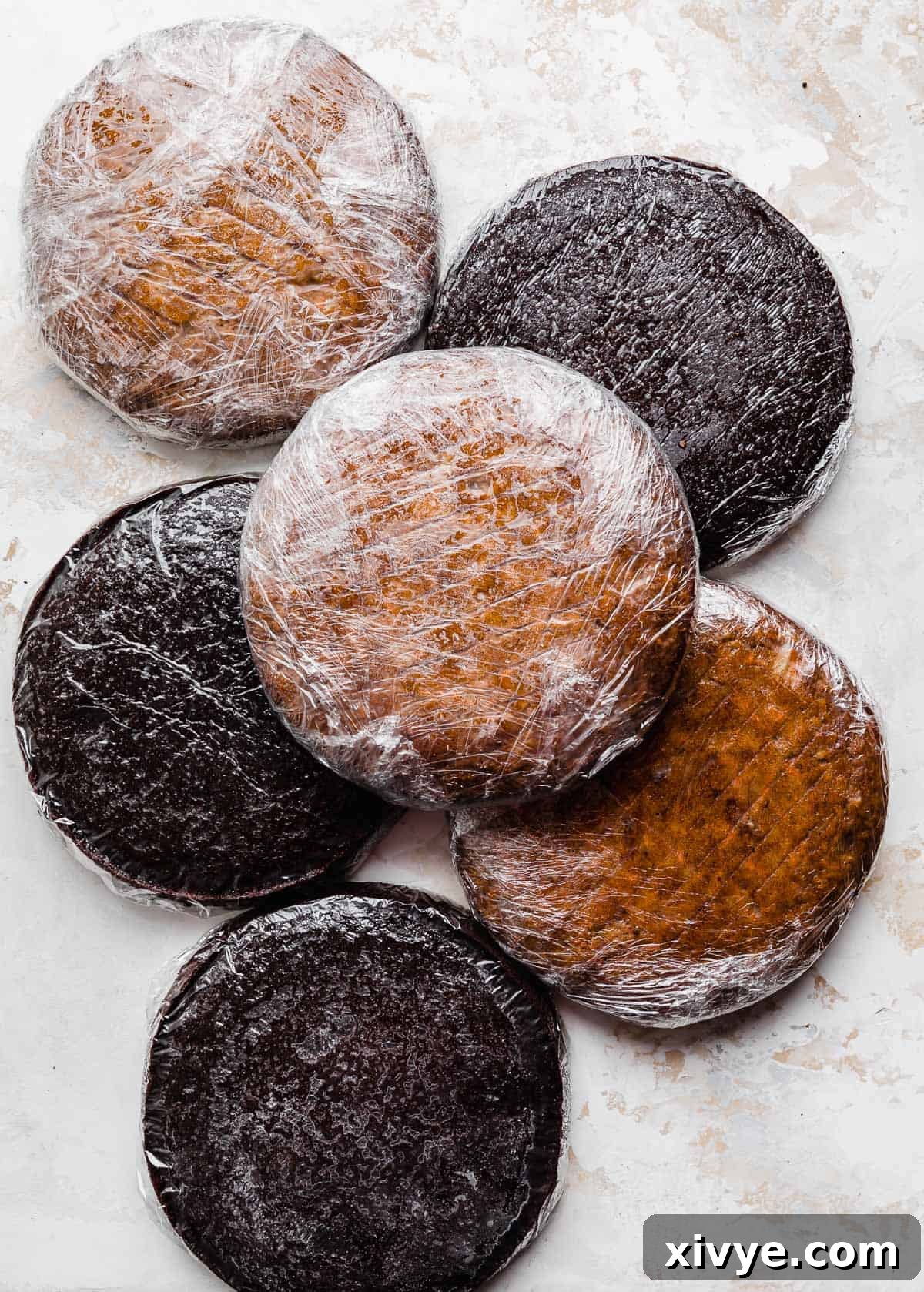
- Allow Cake Layers to Cool Completely: This is the most critical first step. Once baked, transfer your cake layers to a wire cooling rack immediately. This allows air to circulate around them, facilitating even cooling. Resist the urge to wrap them even if they feel slightly warm. Wrapping warm cakes traps heat, leading to condensation inside the wrap, which turns your beautifully baked cake soggy and can alter its texture significantly. Wait until they are entirely cool to the touch – this usually takes 1-2 hours at room temperature, sometimes longer for larger or denser cakes.
- Wrap Each Layer Individually and Tightly: Once your cake layers are completely cool, retrieve your plastic wrap. Wrap each individual cake layer tightly and completely in at least two layers of plastic wrap. The goal here is to create an impenetrable barrier that prevents air exposure and moisture loss. I highly recommend double-wrapping to ensure there are no gaps or loose edges. Wrapping individual layers also makes it easier to stack and prevents them from sticking together. (Optional: If you prefer to level your cake layers for a perfectly even stack, you can do so *before* wrapping and storing them. Otherwise, you’ll simply level them just before assembling your cake.)
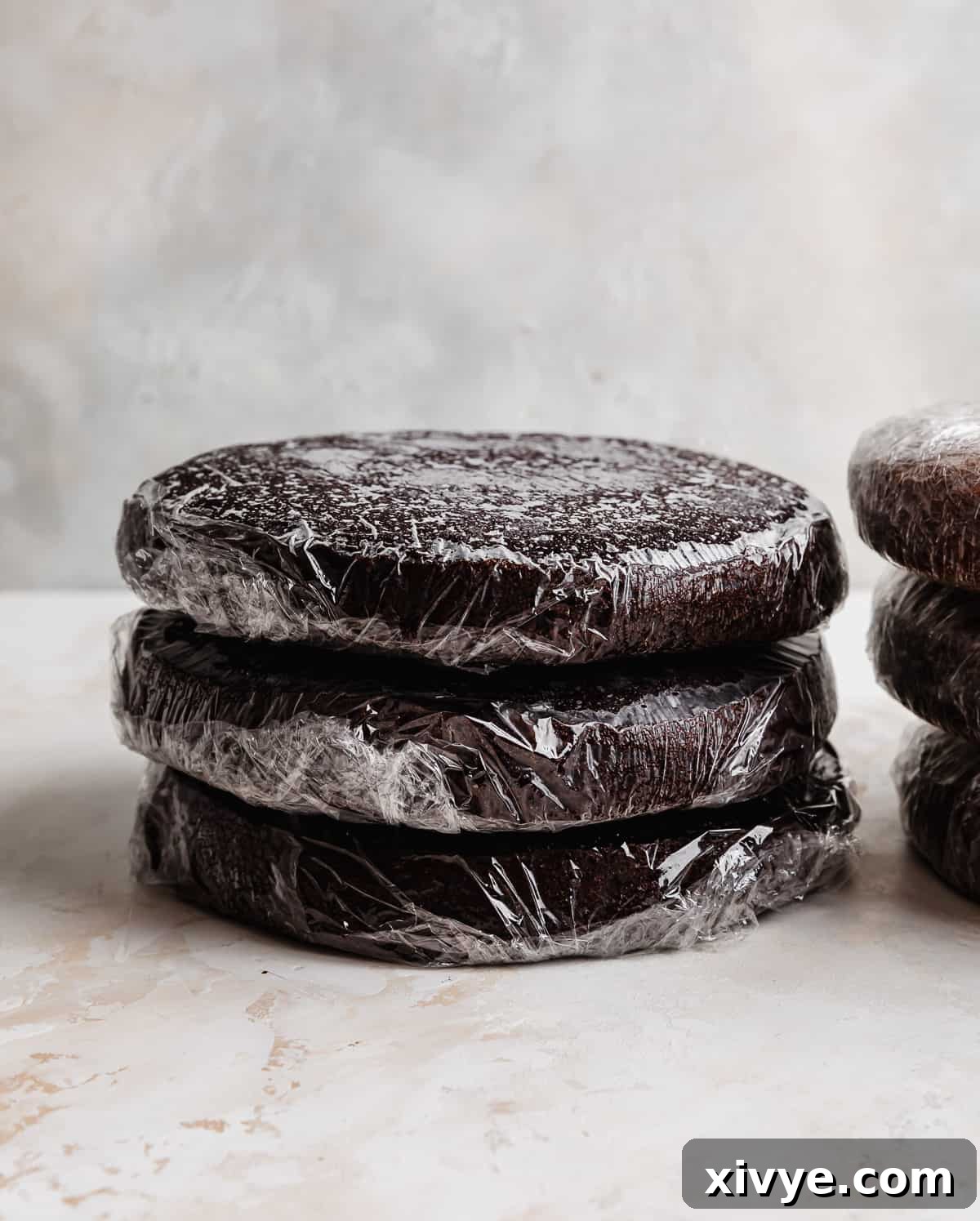
- Store on a Flat, Stable Surface: Regardless of whether you choose the fridge or freezer, always store your wrapped cake layers on a flat, stable surface. If placed on an uneven surface, the soft cake can indent, bend, or even crack as it chills and firms up. A baking sheet or a sturdy cutting board works perfectly for this purpose.
Expert Tips for Refrigerating Cake Layers
Refrigeration is perfect for short-term storage, preserving the freshness of your cake layers for a few days.
- Always Use a Flat Surface: As mentioned, this prevents any structural damage or deformities to your soft cake layers as they firm up in the cold environment.
- Tight Wrapping is Non-Negotiable: Ensure your cake layers are wrapped tightly and completely in at least two layers of plastic wrap. This tight seal is crucial for reducing the risk of the cake layers drying out and for limiting condensation buildup. For refrigeration periods of only a day or two, aluminum foil is generally not necessary.
- Optimal Storage Duration: If you are baking your cake layers a day or two ahead of assembly, storing them wrapped in the fridge is ideal. They will maintain their freshness and moisture beautifully. However, it’s generally recommended not to keep bare cake layers in the fridge for longer than 2-3 days before completing the cake. Beyond this timeframe, the quality may start to diminish, and drying out becomes a higher risk. If your timeline requires more advance preparation, freezing is the superior method (see the freezing tips below).
- Avoid Odor Absorption: Keep uncovered aromatic foods away from your stored cake layers in the fridge, as cakes can easily absorb strong odors.
Comprehensive Tips for Freezing Cake Layers
Freezing is your secret weapon for long-term cake preservation, allowing you to bake well in advance without sacrificing quality.
- Initial Flat Freezing: Just like with refrigeration, it’s paramount to store your cakes on a flat surface while they freeze. You might even consider placing the wrapped layers on a baking sheet and flash-freezing them for an hour or two until they are solid. This ensures they maintain their perfect shape before you stack them in the freezer. Any bumps or unevenness will become permanent once the cake is frozen solid.
- Meticulous Wrapping for Longevity:
- Short-Term Freezing (Up to 7 Days): For cakes you plan to use within a week, tightly double-wrap each layer in plastic wrap. This should provide sufficient protection.
- Long-Term Freezing (Beyond 7 Days): If you intend to freeze cakes for longer periods, an additional layer of protection is essential. After double-wrapping in plastic wrap, wrap each layer again in a layer of heavy-duty aluminum foil. The foil acts as an extra shield against freezer burn, which occurs when air comes into contact with the cake’s surface, causing ice crystals to form and drawing out moisture. This double-layer method significantly helps to keep the cakes fresher and moister.
- Adhere to Appropriate Time Frames: For the best results and peak freshness, aim to use your frozen cake layers within 2-3 months. While cakes can remain safe to eat for longer, their quality, flavor, and texture may start to degrade after this period. Always write the freezing date and a “use by” date on the outside of the aluminum foil or plastic wrap as a helpful reminder.
- Utilize Freezer-Safe Containers for Added Security: For maximum preservation, especially if you’re storing cakes for several months or if your freezer is prone to bumps and jostles, place your plastic-wrapped and foil-wrapped cake layers into an airtight, freezer-safe container or heavy-duty Ziploc bag(s). Choose a container that fits snugly around the cake layers without squishing them, providing an extra physical barrier against damage and further protecting against freezer burn and odor transfer.
Storing and Freezing Buttercream and Other Frostings
Preparing frosting in advance is another excellent time-saver, contributing to a stress-free baking experience.
- Buttercream: You can absolutely make buttercream ahead of time. Store it in an airtight container in the refrigerator for 5-7 days, or extend its life by freezing it for up to 1 month. When ready to use, remove the buttercream from the freezer and let it thaw gradually in the fridge overnight. Once thawed, bring it to room temperature on the counter for about an hour. Before using, re-beat the buttercream in a stand mixer with the paddle attachment on medium speed for a few minutes until it regains its light, fluffy, and smooth consistency. You might need to add a tablespoon of milk or cream if it seems too stiff.
- Cream Cheese Frosting: This type of frosting also freezes well. Store in an airtight container in the freezer for up to 1 month. Thaw in the fridge overnight and re-whip until smooth and creamy.
- Ganache: Depending on its consistency, ganache can often be stored in an airtight container at room temperature for a couple of days (if made with just chocolate and cream) or refrigerated for longer. Thicker ganache can also be frozen for up to a month and gently reheated.
How to Freeze a Fully Decorated Cake
Freezing a whole decorated cake is a fantastic way to prepare for future celebrations or to preserve a special creation. It requires a slightly different approach to protect the frosting and decorations.
- Flash Freeze Until Buttercream is Set: Once you’ve completed decorating your cake, carefully place it (uncovered) in the freezer. “Flash freezing” for 30 minutes to an hour (or until the buttercream is completely firm to the touch) is crucial. This step hardens the frosting and any delicate decorations, preventing them from smudging or sticking to the wrapping. You’ll know it’s set when you can gently touch the frosting without it moving or denting.
- Wrap the Cake Securely: Once the buttercream is fully set, remove the cake from the freezer. Working quickly, wrap the entire cake tightly in several layers of plastic wrap. Be thorough, ensuring every part of the cake is covered to prevent air exposure. If you plan to store the cake for longer than 7 days, add an additional layer of heavy-duty aluminum foil over the plastic wrap for extra protection against freezer burn.
- Store in the Freezer or Fridge: A fully decorated and wrapped cake can be stored in the refrigerator for 1-2 days or in the freezer for up to 1 month for optimal quality. For longer freezer storage (up to 2 months), an airtight cake container can provide further protection, but remember to still wrap the cake inside the container.
- Proper Thawing Technique: To thaw a decorated cake, remove it from the freezer and place it in the refrigerator overnight (typically 8-12 hours). Keep the cake wrapped during this entire thawing process. You can remove the aluminum foil layer, but leave the plastic wrap on. The wrapping helps to manage condensation as the cake slowly comes to temperature in the fridge, ensuring moisture forms on the wrap, not directly on the cake and frosting. The next morning, remove the cake from the fridge, unwrap it, and transfer it to a cake box or an airtight cake container. Allow it to come to room temperature for a few hours before serving, which can take 2-4 hours depending on the cake’s size.
The Right Way to Thaw Frozen Cake Layers
Thawing cake layers correctly is just as important as freezing them properly to maintain their ideal texture and moisture.
- Transfer from Freezer to Fridge: The golden rule for thawing cake layers is to always move them from the freezer directly to the refrigerator. This slow, gradual thawing process is far superior to thawing at room temperature, as it minimizes condensation and helps the cake maintain its delicate structure and moisture content. I typically recommend transferring cakes to the fridge overnight (about 8 hours).
- Keep Them Wrapped During Thawing: This step is crucial for condensation control. As the frozen cake layers warm up in the fridge, condensation will naturally form. If the cakes are still wrapped, this moisture will collect on the plastic wrap (and foil, if used) instead of directly on the cake’s surface. This prevents the cake from becoming soggy or sticky.
- Allow for Appropriate Thawing Time: Most standard cake layers will take approximately 8 hours to thaw completely in the refrigerator. This is why thawing overnight is the most convenient and effective method. Once thawed, you can either begin decorating with the chilled layers (which can actually make frosting easier as they are firmer) or let them come to room temperature for about 30-60 minutes before assembly, depending on your preference.
How to Store Leftover Cake for Extended Enjoyment
You’ve baked a magnificent cake, and it was a huge hit! But what about those delicious leftover slices? Here’s the best way to ensure they remain fresh and delightful:
- Cut into Individual Slices: The first step is to cut the remainder of your cake into individual slices. This minimizes the surface area exposed to air, which is the primary cause of dryness.
- Wrap Each Slice Securely: Take each individual slice and wrap it tightly and completely in plastic wrap. Ensure there are no exposed areas.
- Store Effectively:
- Refrigerator: Place the wrapped cake slices in an airtight container. Store them in the fridge for 3-4 days. The airtight container adds an extra layer of protection against drying out and absorbing fridge odors.
- Freezer: For longer storage, after wrapping each slice in plastic wrap, add an additional layer of aluminum foil. Place these double-wrapped slices into a freezer-safe airtight container or Ziploc bag and freeze for up to 1 month. To enjoy, remove the desired number of slices from the freezer and let them thaw in the fridge overnight while still wrapped. They can then be brought to room temperature for about 30 minutes before serving.
Cake Freezing and Storing FAQs
Absolutely, freezing cake is an excellent way to prepare ahead of time and extend shelf life! You can successfully freeze individual cake layers, leftover cake slices, and even fully decorated cakes. The key is proper wrapping with plastic wrap and/or aluminum foil, along with using airtight containers or heavy-duty freezer bags. Refer to the detailed tips above for the best results.
Always start by ensuring the cake layers are completely cooled. Then, wrap each layer individually and tightly in at least two layers of plastic wrap. For short-term freezing (up to 7 days), this is often sufficient. If you plan to store them for longer than 7 days (up to 2-3 months), add an additional layer of heavy-duty aluminum foil over the plastic wrap to prevent freezer burn and maximize freshness. Store on a flat surface in the freezer.
To thaw frozen cake layers, transfer them from the freezer to the refrigerator and let them thaw overnight (approximately 8-12 hours). It’s crucial to keep them wrapped during this entire thawing process. This prevents condensation from forming directly on the cake and helps maintain its moisture. Once thawed, you can remove them from the fridge and unwrap, allowing them to come to room temperature (if desired) before stacking and decorating.
Yes, you can freeze a fully decorated cake! First, flash freeze the uncovered cake for 30-60 minutes until the buttercream or frosting is firm and set. Then, remove it from the freezer and wrap it tightly in several layers of plastic wrap. For storage longer than 7 days, add an additional layer of aluminum foil. A decorated cake can keep well in the freezer for up to 1-2 months. To thaw, move the wrapped cake to the refrigerator overnight. Keep the wrapping on. The next morning, remove it from the fridge, unwrap, and place it in a cake box or airtight container to prevent drying out while it comes to room temperature before serving.
Absolutely! Buttercream frosting freezes beautifully. Store it in an airtight container in the freezer for up to 1-2 months. When you’re ready to use it, let it thaw in the refrigerator overnight, then bring it to room temperature. Transfer the thawed buttercream to a stand mixer and beat it on medium speed until it’s light, fluffy, and smooth again. You may need to add a small amount of liquid (like milk or cream) to achieve the desired consistency.
It depends on the cake’s ingredients. If your cake contains dairy-based fillings or frostings (like cream cheese frosting, fresh cream, or custard), it absolutely needs to be refrigerated to prevent spoilage. Cakes with only buttercream or ganache can often be stored at room temperature for 2-3 days, provided it’s in a cool environment and well-covered. However, any cake will generally last longer and stay fresher if stored covered or in an airtight container in the fridge, typically for 6-7 days.
Yes, making cake ahead of time is one of the biggest advantages of knowing proper storage and freezing techniques! You can prepare cake layers, fillings, and frostings days or even weeks in advance, significantly reducing your workload on the day of an event. By following the best practices and tips outlined in this guide, you can ensure your make-ahead cakes are just as delicious and fresh as if they were baked that very day.
Whether it’s an entire cake or individual slices, always defrost a frozen cake slowly in the refrigerator overnight (8-12 hours). It’s crucial to keep the cake fully wrapped during this thawing period. The wrapping helps to control condensation, ensuring moisture forms on the wrapper rather than directly on the cake, preserving its texture and appearance. Once thawed, you can remove the wrappings and, if it’s a whole cake, place it in a covered cake box or container. Allow it to come to room temperature for a few hours before serving for the best flavor and texture.
Now that you’re equipped with comprehensive knowledge on how to store and freeze cakes, you possess the power to bake smarter, not harder. Say goodbye to last-minute baking rushes and hello to perfectly fresh, delicious cakes whenever you desire!
Inspiring Cake Recipes to Try
Ready to put your newfound cake storage skills to the test? Explore these delightful cake recipes:
- Indulgent Ferrero Rocher Cake
- The Ultimate Moist Chocolate Cake
- Bright and Zesty Lemon Bar Cake
- Seasonal Orange Cranberry Cake
If you try any of these fantastic cake recipes, please be sure to leave a star rating and a review on the recipe post!
And don’t forget to follow us on Instagram, Facebook, and Pinterest for more delicious inspiration!