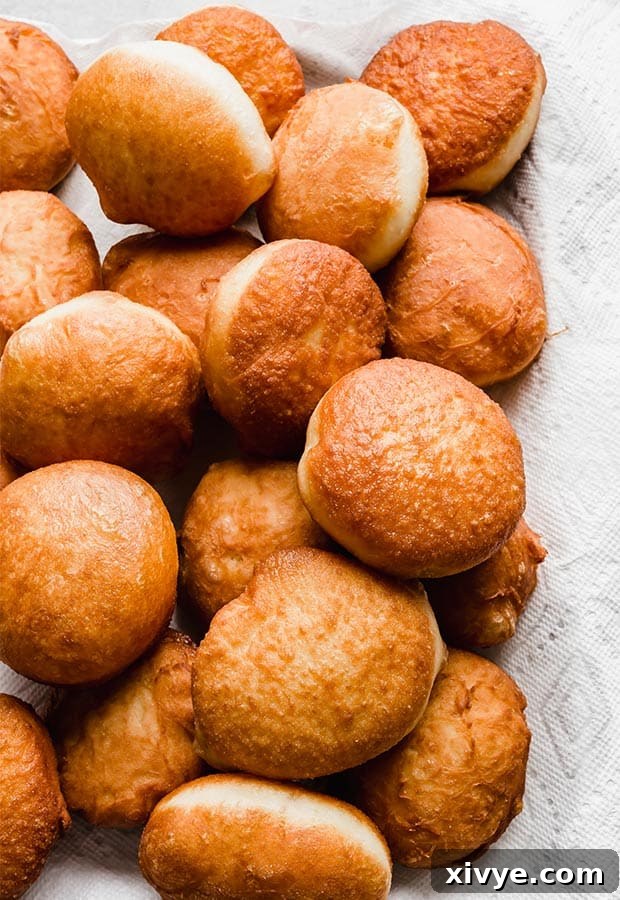
Imagine biting into a perfectly golden, irresistibly soft doughnut, its delicate crumb yielding to a burst of flavorful filling. This isn’t just a dream; it’s the delicious reality you can create in your own kitchen with this meticulously crafted doughnut dough recipe. Forget store-bought imitations; homemade doughnuts offer an unparalleled taste and texture that will elevate your breakfast, dessert, or any moment calling for a sweet treat. Our recipe guarantees super soft, incredibly fluffy, and wonderfully light doughnuts, proving that making these beloved pastries from scratch is not only achievable but immensely rewarding.
The beauty of homemade doughnuts lies in their versatility. Once you master this foundational dough, the possibilities for customization are truly endless. From classic sugar coatings to decadent creams and fruity jams, you become the artisan of your doughnut dreams. If you’re a true doughnut enthusiast, you might also enjoy exploring lighter options like our popular baked chocolate doughnuts and delightful Oreo donuts – proven family favorites that offer a different kind of indulgence.
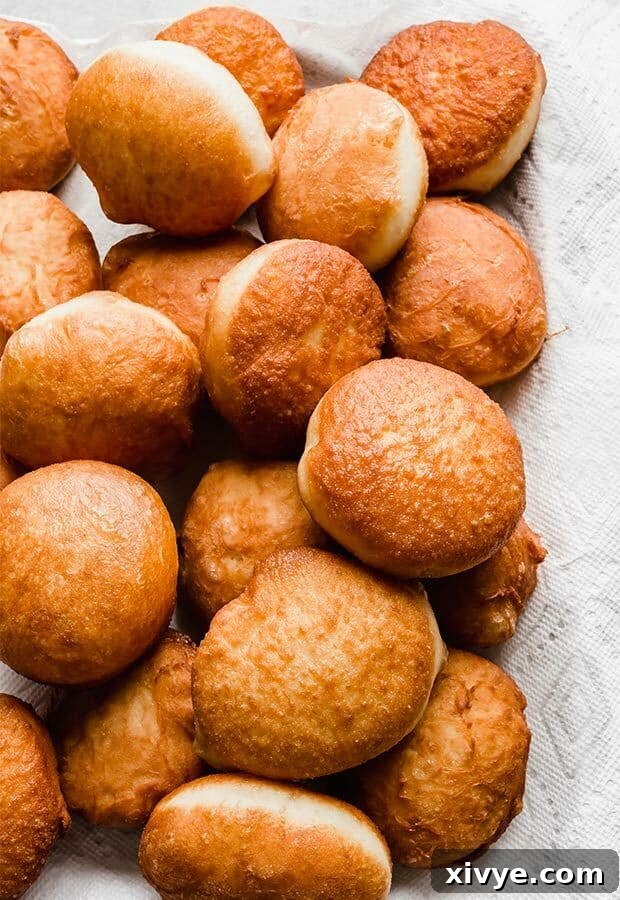
Unlocking the Secrets to Exceptionally Soft and Flavorful Doughnuts
Achieving that melt-in-your-mouth texture and rich, deep flavor in a doughnut is a culinary art, and the true secret lies in two critical stages: perfecting the dough and mastering the deep-frying technique. While baking offers a healthier alternative, there’s an undeniable magic in a deep-fried doughnut – that golden-brown crust, the slight chew, and the incredibly tender interior simply can’t be replicated. When you invest the time and effort into making doughnuts from scratch, you’re creating more than just a treat; you’re crafting a labor of love that tastes infinitely better than anything you’ll find pre-made.
The Science of Flavor: The Overnight Cold Proof
Many believe the true depth of flavor in this recipe stems from an often-overlooked step: the second rise in the refrigerator, known as cold fermentation. As the dough chills overnight, the yeast works slowly, producing organic acids and enzymes that break down starches and proteins. This extended, cooler fermentation process allows the dough’s flavor to develop significantly, resulting in a more complex, nuanced taste that warm-proofed dough simply can’t achieve. Think of it like aging a fine wine; time and patience yield superior results. This technique is so effective, we even apply it to other recipes, like chilling our pizza dough for several hours to enhance its overall profile.
Embracing Deep Frying for the Perfect Texture
While the cold proof builds flavor, deep frying is paramount for achieving the signature light and airy texture. The rapid cooking in hot oil creates a steam explosion within the dough, causing it to puff up dramatically and creating those delightful airy pockets. The quick frying also forms a crisp, golden exterior that seals in moisture, ensuring the interior remains incredibly soft and fluffy. It’s a fundamental technique for classic doughnuts that, when done correctly, produces an unforgettable sensory experience.
Navigating Sticky Dough: A Sign of Perfection
One common observation when working with this recipe is that the doughnut dough is quite sticky. Don’t be alarmed or tempted to add excessive flour! This stickiness is a desirable characteristic, indicating a well-hydrated dough that will ultimately result in incredibly moist and tender doughnuts. Trust the process, follow the recipe instructions carefully, and allow the dough to develop properly through its rises. A slightly sticky dough is often the precursor to exceptionally light and airy results.
Your Comprehensive Guide to Making Irresistible Homemade Doughnuts
Embark on your doughnut-making journey with confidence. This detailed, step-by-step guide will walk you through every stage, from activating your yeast to frying and finishing your glorious homemade treats. Pay close attention to temperatures and timings, as these are crucial for achieving the perfect soft and fluffy texture.
Essential Equipment for Doughnut Perfection
- Stand mixer with paddle and dough hook attachments
- Large mixing bowls
- Plastic wrap
- Kitchen scale (for precise dough portioning)
- 2 large baking sheets
- Parchment paper
- Large heavy-bottomed saucepan or deep fryer
- Instant-read thermometer (crucial for oil temperature)
- Slotted spoon or spider strainer
- Paper towels or wire rack for draining
- Piping bag with a long, narrow tip (for filling)
Ingredients for Super Soft Doughnut Dough
- 150 grams water, warmed to 100°F (38°C)
- 2 ½ teaspoons active dry yeast
- 570 grams all-purpose flour (approximately 4 cups)
- 60 grams granulated sugar (equals ⅓ cup minus 1 ¼ teaspoon)
- 4 large eggs, at room temperature
- 1 ½ teaspoon salt
- 125 grams unsalted butter, softened to room temperature and cut into 1 tablespoon sized pieces (approximately 9 tablespoons)
- 4-6 cups vegetable oil or canola oil, for frying
- Granulated, superfine, or powdered sugar, for coating
Step-by-Step Instructions: Crafting Your Perfect Doughnuts
- Activate the Yeast: In the bowl of a stand mixer fitted with the paddle attachment, combine the warmed water and active dry yeast. The water should be warm to the touch, but not hot enough to kill the yeast. Allow the mixture to sit for 10 minutes, or until it becomes visibly foamy. This indicates the yeast is active and ready to work its magic. (A tiny pinch of sugar can be added here to give the yeast a quick boost, though it’s often not strictly necessary if your yeast is fresh.)
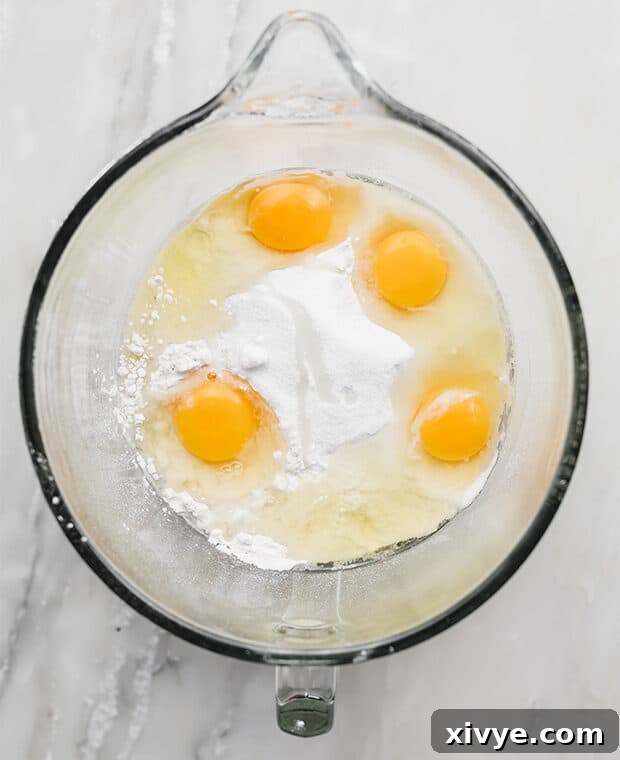
- Combine Main Ingredients: Add the flour, sugar, eggs, and salt to the yeast mixture in the stand mixer bowl. Begin mixing on medium speed using the paddle attachment. Mix until the dough just starts to come together, usually after about 3 minutes.
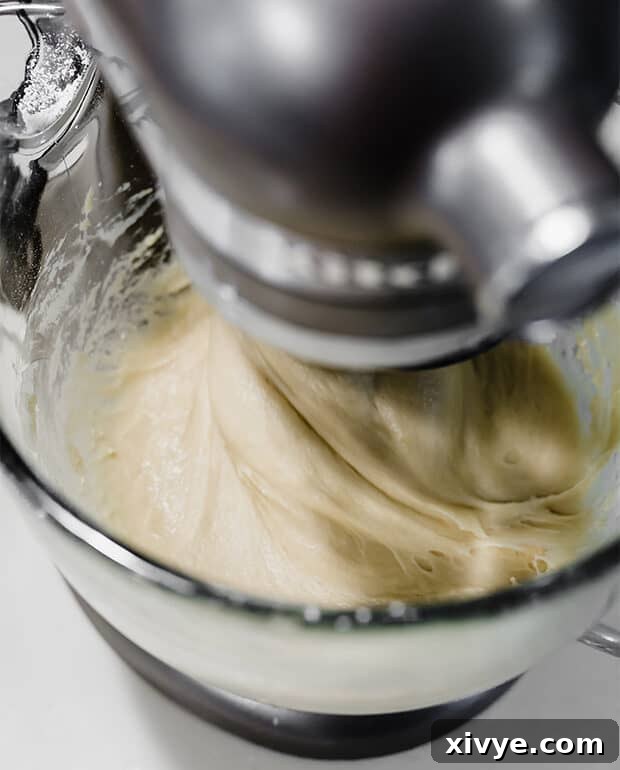
- Knead the Dough: Switch from the paddle attachment to the dough hook. Continue mixing on medium speed for 5-8 minutes. At this stage, the dough will appear quite sticky and might not completely pull away from the sides of the bowl. This is normal and expected for a rich, hydrated doughnut dough.

- Rest the Dough: Turn off the mixer and allow the dough to rest in the bowl for 5 minutes. This brief rest helps the gluten relax, making the subsequent butter incorporation much easier.
- Incorporate the Butter: Restart the mixer on medium speed. Gradually add the softened butter, 2 tablespoons at a time, allowing each addition to be fully incorporated before adding the next. This slow addition is key for achieving a smooth, well-emulsified dough.
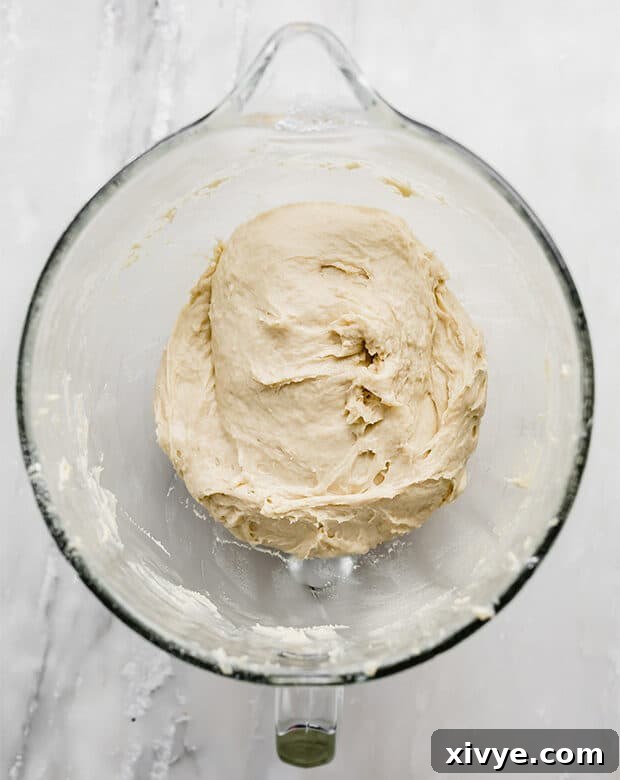
- Final Kneading: Once all the butter has been added and absorbed, increase the mixer speed to medium-high and continue mixing for another 5 minutes. The dough should transform into a smooth, glossy, and elastic consistency. When gently pulled, it should stretch without easily tearing. Again, a slight stickiness is fine; if it feels excessively sticky, you may add a tablespoon or two of flour, but avoid over-flouring, as this will lead to tough doughnuts.
- First Proof (Bulk Fermentation): Transfer the dough to a large bowl that has been lightly oiled to prevent sticking. Cover the bowl tightly with plastic wrap and let it prove in a warm place for 1-2 hours, or until it has visibly doubled in size.
- The Overnight Chill (Cold Fermentation): Once the dough has doubled, gently remove the plastic wrap and punch down the dough with a floured fist to release the gases. Re-cover the bowl tightly with plastic wrap and place it in the refrigerator to chill and prove overnight (ideally 12-14 hours). This slow, cold fermentation is vital for developing the rich flavor and tender texture of your doughnuts.
- Portion and Shape the Dough: The following day, remove the bowl from the fridge. Turn the cold dough out onto a lightly floured surface. Using a kitchen scale, cut the dough into approximately 50-gram pieces. This should yield around 21 uniform dough balls, though the exact number may vary slightly.
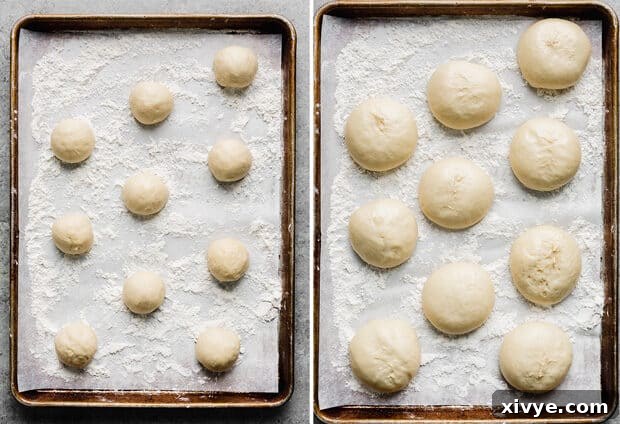
- Prepare for Second Proof: Line two large baking sheets with parchment paper. Generously flour the parchment paper – this prevents the shaped dough from sticking as it proofs.
- Roll and Arrange: Gently roll each dough piece into a smooth, tight ball. Arrange these dough balls on the prepared floured baking trays, ensuring ample space between each one. They will expand significantly during the second proof.
- Second Proof: Loosely cover the baking trays with plastic wrap. Let the doughnuts prove at room temperature for another 2-3 hours, or until they have doubled in size and feel light and airy. This final proof is crucial for achieving maximum fluffiness.
- Prepare for Frying: While the doughnuts are undergoing their second proof, prepare your frying station. Fill a large heavy-bottomed saucepan or a deep fryer halfway with vegetable or canola oil. Heat the oil to a precise temperature of 360°F – 375°F (180°C – 190°C). Use an instant-read thermometer to constantly monitor the oil’s temperature. Maintaining the correct temperature is paramount: oil that is too hot will burn the exterior while leaving the inside raw, and oil that is too cool will result in greasy, heavy doughnuts that absorb too much oil.
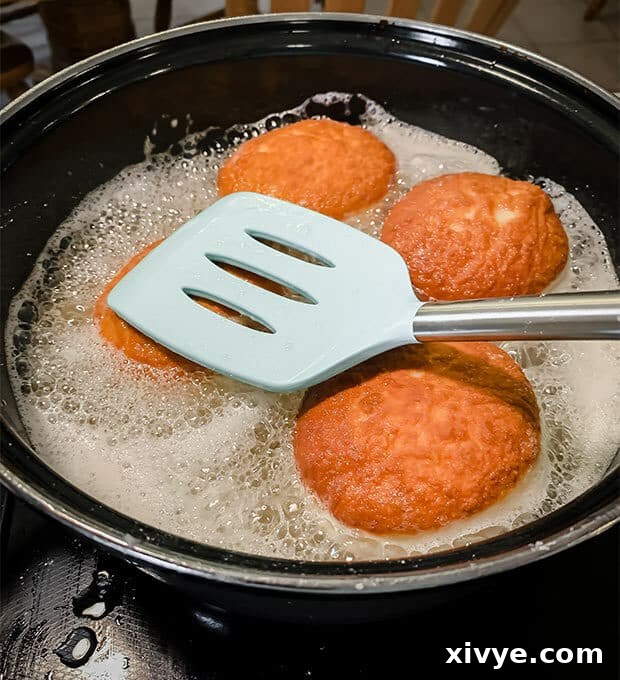
- Carefully Fry the Doughnuts: Once the oil reaches the correct temperature and the doughnuts are fully proofed, gently transfer them from the baking tray into the hot oil. A floured bread scraper or a wide, thin spatula works well for this. Exercise caution not to deflate the delicate, proofed doughnuts. Fry 2-4 doughnuts per batch, depending on the size of your pan, to avoid overcrowding, which can lower the oil temperature.
- Fry Until Golden: Fry the doughnuts for 1-2 minutes per side, or until they achieve a beautiful golden-brown color. The doughnuts should float; if they don’t color evenly, gently press them down into the oil with a slotted spoon to ensure uniform browning.
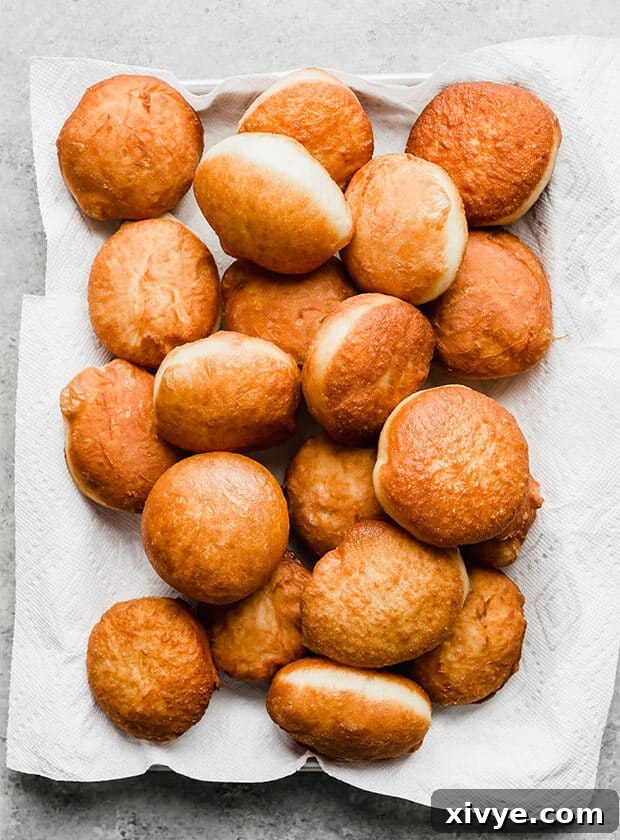
- Drain and Cool: Once fried to perfection, remove the doughnuts from the hot oil using a slotted spoon or spider strainer. Place them immediately on a baking sheet lined with several layers of paper towels to absorb excess oil.
- Enjoy Your Creation! Congratulations! You’ve just made incredible homemade doughnuts that are ready for their delicious finishing touches.
Creative Ways to Finish Your Homemade Doughnuts
Once your beautiful doughnuts are fried and slightly cooled, it’s time for the fun part: adding the perfect coating and irresistible filling! The finishing touches are where you can truly let your creativity shine.
Classic Coatings and Sugars
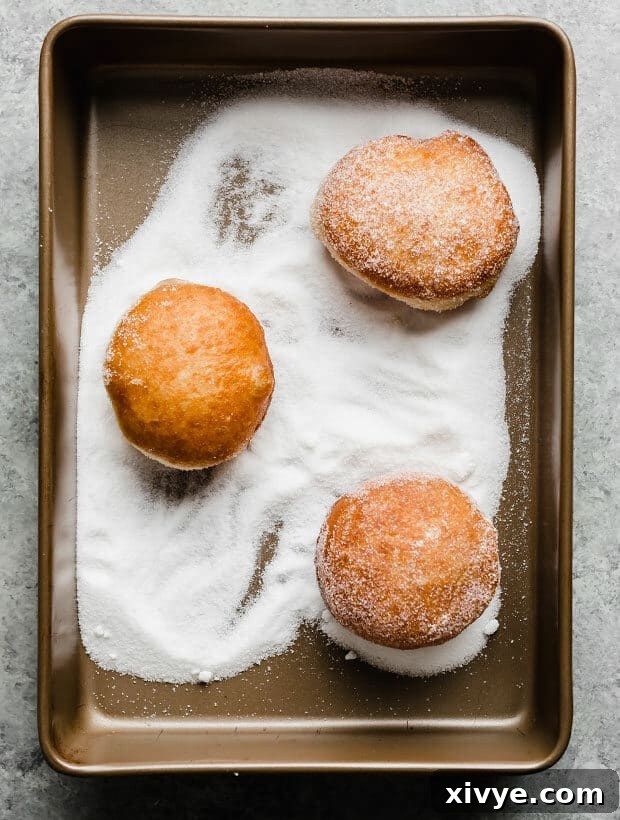
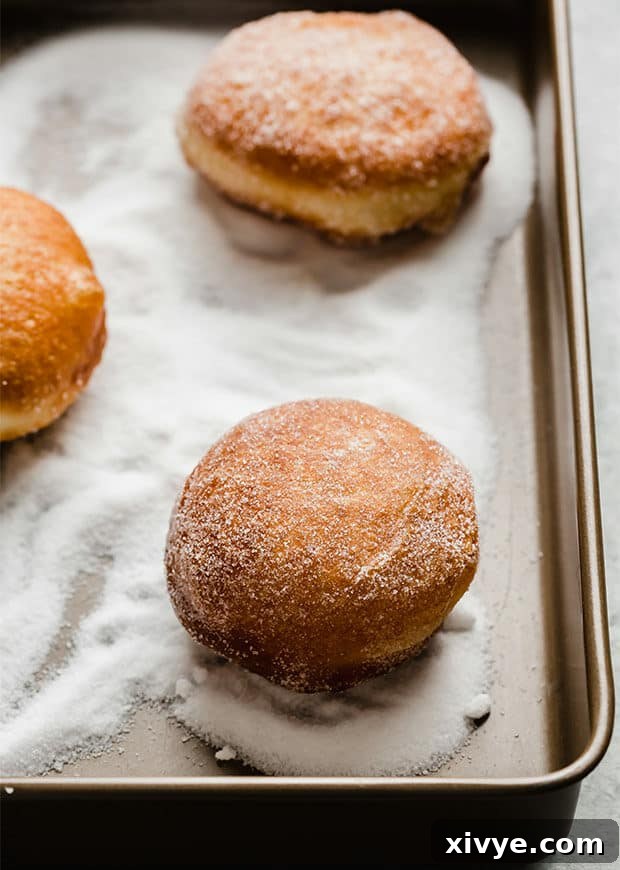
For a traditional finish, while the doughnuts are still warm (but not scorching hot), gently toss them in a bowl of your chosen sugar. Each type offers a different experience:
- Granulated Sugar: Provides a classic, slightly crunchy sweet coating.
- Superfine Sugar: A finer grain that adheres more smoothly for a delicate sweetness.
- Powdered Sugar (Confectioners’ Sugar): Creates a soft, melt-in-your-mouth dusting that is wonderfully elegant. You can also mix powdered sugar with a splash of milk or lemon juice to create a simple glaze.
Endless Filling Possibilities
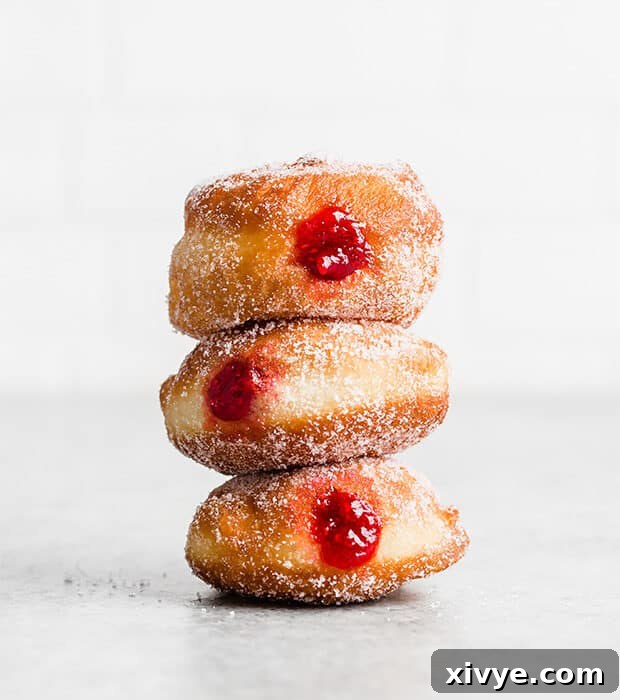
The beauty of these fluffy doughnuts is how perfectly they complement a wide array of fillings. To fill them, you’ll need a piping bag fitted with a long, narrow tip. Carefully insert the piping tip into the side crease of each doughnut, being gentle to avoid tearing the dough. Pipe 1-2 tablespoons (approximately 20-50 grams) of your desired filling into each doughnut until it feels slightly plump and full. The doughnuts will visibly swell as they fill.
Some popular and delicious filling ideas include:
- Fruit Jams or Preserves: Homemade options like raspberry jam are fantastic, or store-bought fruit fillings work beautifully.
- Nutella: A rich and indulgent hazelnut-chocolate spread that’s always a crowd-pleaser.
- Pastry Cream: A classic, velvety custard that makes for a sophisticated treat, often used in recipes like Boston Cream Donuts.
- Pudding: Vanilla, chocolate, or butterscotch pudding offers a creamy, comforting filling.
- Lemon Curd: A zesty and bright option that perfectly balances the sweetness of the doughnut.
- Whipped Cream: A light and airy filling for immediate consumption.
- Chocolate Ganache: A simple mix of melted chocolate and cream for a decadent touch.
Doughnuts are truly at their peak when enjoyed fresh, ideally on the very same day they are made. If you happen to have any leftovers (a rare occurrence!), store them in an airtight container at room temperature to maintain their freshness for a short period.
Frequently Asked Questions About Homemade Doughnuts
- Q: Why is my doughnut dough so sticky?
- A: A sticky dough is usually a good sign! It indicates high hydration, which leads to tender, airy doughnuts. Resist the urge to add too much extra flour, as this can make your doughnuts tough. As long as it comes together and passes the “windowpane test” (can be stretched thin enough to see light through it without tearing), it’s likely perfect.
- Q: Can I use instant yeast instead of active dry yeast?
- A: Yes, you can typically substitute instant yeast for active dry yeast. You can usually use the same amount, and you don’t need to “proof” it in water first; you can just add it directly with the flour. However, for best results and to ensure yeast viability, proofing active dry yeast as described is recommended.
- Q: My doughnuts aren’t fluffy, what went wrong?
- A: Several factors could contribute to this. Over-flouring the dough, under-kneading (not developing enough gluten), or insufficient proofing times (first or second rise) can lead to dense doughnuts. Also, oil temperature during frying is critical – too cool oil can result in heavy, greasy doughnuts.
- Q: How do I know if my oil is the right temperature without a thermometer?
- A: While a thermometer is highly recommended for accuracy, a common trick is to drop a small piece of dough (about 1 inch) into the oil. If it sinks, then floats to the surface and browns within 60 seconds, the temperature is likely correct. If it immediately browns, the oil is too hot; if it just sits there or takes too long to brown, it’s too cool.
- Q: Can I make the dough ahead of time and freeze it?
- A: You can freeze the shaped, un-fried dough balls after their first proof (before the overnight chill). Freeze them on a baking sheet until solid, then transfer to an airtight freezer bag for up to 2-3 weeks. When ready to use, thaw them in the refrigerator overnight, then proceed with the second proof and frying steps as usual.
Recipe Card: Homemade Doughnut Dough

Author: Whitney Wright
Summary: These light and airy doughnuts are perfect for filling with anything from rich creams to fruity jams or decadent Nutella. The possibilities are truly endless for these irresistible homemade treats.
Prep & Cook Times
- Prep Time: 2 hours
- Cook Time: 35 minutes
- Rest Time: 14 hours
- Total Time: 16 hours 35 minutes
- Yield: Approximately 21 doughnuts
Ingredients
- 150 grams water, warmed to 100°F (38°C)
- 2 ½ teaspoons active dry yeast
- 570 grams all-purpose flour (about 4 cups)
- 60 grams granulated sugar (equals ⅓ cup MINUS 1 ¼ teaspoon)
- 4 large eggs, at room temperature
- 1 ½ teaspoon salt
- 125 grams unsalted butter, softened to room temperature and cut into 1 tablespoon sized pieces (approximately 9 tablespoons)
- 4-6 cups vegetable oil or canola oil, for frying
- Granulated or powdered sugar, for coating
Instructions
- In the bowl of a stand mixer fitted with the paddle attachment, combine the warmed water and active dry yeast. Let the yeast sit for 10 minutes until foamy. Add the flour, sugar, eggs, and salt. Mix on medium speed for about 3-4 minutes until the dough starts to come together.
- Switch to the dough hook and mix for 5-8 minutes. The dough will be very sticky, which is normal.
- Turn off the mixer and let the dough rest for 5 minutes.
- Start the mixer again on medium speed and slowly add the softened butter, 2 tablespoons at a time, ensuring each addition is fully incorporated.
- Once all butter is added, mix on medium-high speed for 5 minutes until the dough is smooth, glossy, and elastic. If excessively sticky, you may add 1-2 tablespoons of flour, but avoid over-flouring.
- Transfer the dough to a lightly oiled large bowl. Cover with plastic wrap and let it prove for 1-2 hours, or until doubled in size.
- Once doubled, remove plastic wrap, punch down the dough, re-cover, and place the bowl in the fridge to chill and prove overnight (12-14 hours).
- The next day, remove the dough from the fridge. Cut it into approximately 50-gram pieces (yields about 21 balls).
- Line 2 baking sheets with parchment paper and generously flour the paper.
- Roll the dough pieces into smooth, tight balls and place them on the floured baking trays, ensuring adequate space between each.
- Loosely cover the trays with plastic wrap and let the doughnuts prove for 2-3 hours, or until doubled in size.
- Fill a large saucepan halfway with oil and heat to 360°F – 375°F (180°C – 190°C). Use an instant-read thermometer to maintain the correct oil temperature.
- Carefully transfer 2-4 proofed doughnuts to the hot oil, avoiding deflation.
- Fry for 1-2 minutes per side until golden brown. Gently press down on floating doughnuts for even coloring.
- Remove fried doughnuts and place them on a paper towel-lined baking sheet to drain excess oil.
- Toss the warm doughnuts in granulated, superfine, or powdered sugar.
- To fill, use a piping bag with a narrow tip. Insert the tip into the side crease of each doughnut and pipe 1-2 tablespoons (20-50 grams) of desired filling until slightly swollen.
- Serve immediately. Doughnuts are best enjoyed the day they are made.
- Store any remaining doughnuts in an airtight container at room temperature.
Notes
This recipe was developed at sea level. Higher elevations can sometimes require minor adjustments to flour quantities. Please keep this in mind as you bake.
Nutritional values provided are estimates for one plain doughnut before tossing in sugar or adding any filling. They also do not account for oil absorbed during frying.
Nutrition Information (per 1 doughnut)
- Calories: 169 kcal (8% Daily Value)
- Carbohydrates: 24g (8% Daily Value)
- Protein: 4g (8% Daily Value)
- Fat: 6g (9% Daily Value)
- Saturated Fat: 3g (15% Daily Value)
- Cholesterol: 44mg (15% Daily Value)
- Sodium: 180mg (8% Daily Value)
- Potassium: 54mg (2% Daily Value)
- Fiber: 1g (4% Daily Value)
- Sugar: 3g (3% Daily Value)
- Vitamin A: 194 IU (4% Daily Value)
- Calcium: 10mg (1% Daily Value)
- Iron: 1mg (6% Daily Value)
Categories
- Course: Dessert
- Cuisine: American
We absolutely love seeing your culinary creations! If you make this recipe or any other delightful dish from saltandbaker.com, please don’t hesitate to share your masterpieces on social media. Tag @saltandbaker on Instagram, TikTok, and Facebook in your posts and stories. We can’t wait to see your fantastic homemade doughnuts!