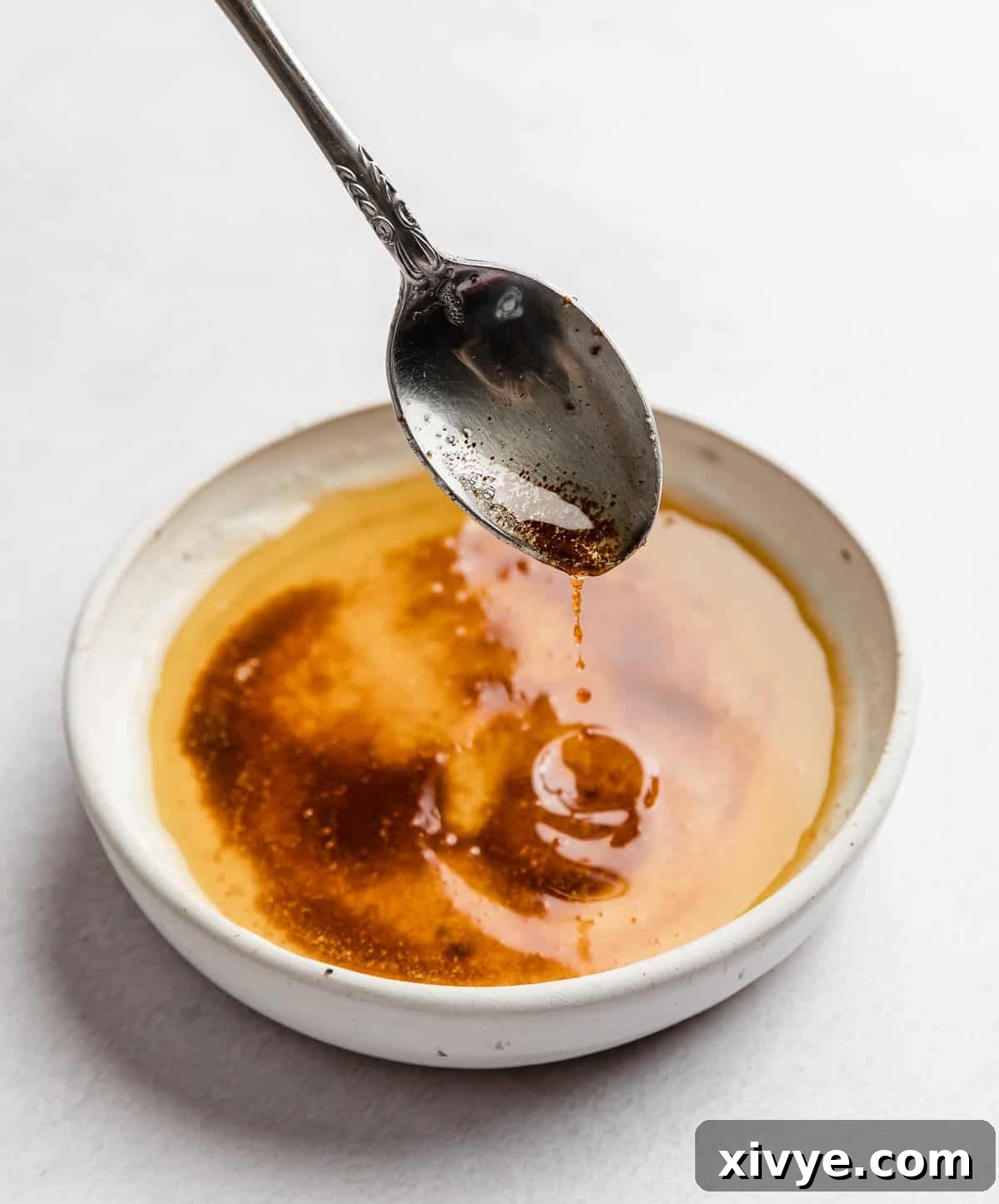
How to Make Brown Butter: Elevate Your Cooking & Baking with Beurre Noisette
Discovering how to transform ordinary butter into rich, nutty beurre noisette is one of the most rewarding techniques you can learn in the kitchen. This simple process, often overlooked, unlocks a complex layer of flavor that can elevate both your sweet and savory culinary creations from good to absolutely extraordinary. With its deep golden hue and irresistible caramel-like aroma, browned butter is more than just an ingredient; it’s a game-changer.
Our easy-to-follow guide will walk you through every step, ensuring you master this essential technique with confidence. Say goodbye to plain butter and hello to a world of intensified flavors that will impress your taste buds and those of anyone you cook for. Whether you’re a seasoned chef or a home cook looking to add a touch of gourmet flair, mastering brown butter will become your new secret weapon.
Unleash the full potential of this golden elixir by incorporating it into your favorite recipes. From decadent desserts to savory main courses, the possibilities are endless. Here are just a few ideas to get you started:
- Brown Butter Chocolate Chip Cookies
- Cookie Dough Cake
- Salted Brown Butter Rice Krispie Treats
- Brown Butter Rosemary Mashed Potatoes
- Brown Butter Cake
- Oatmeal Chocolate Chip Cookie Bars
- Brown Butter Pumpkin Snickerdoodles
- Cinnamon Brown Butter Pecan Syrup
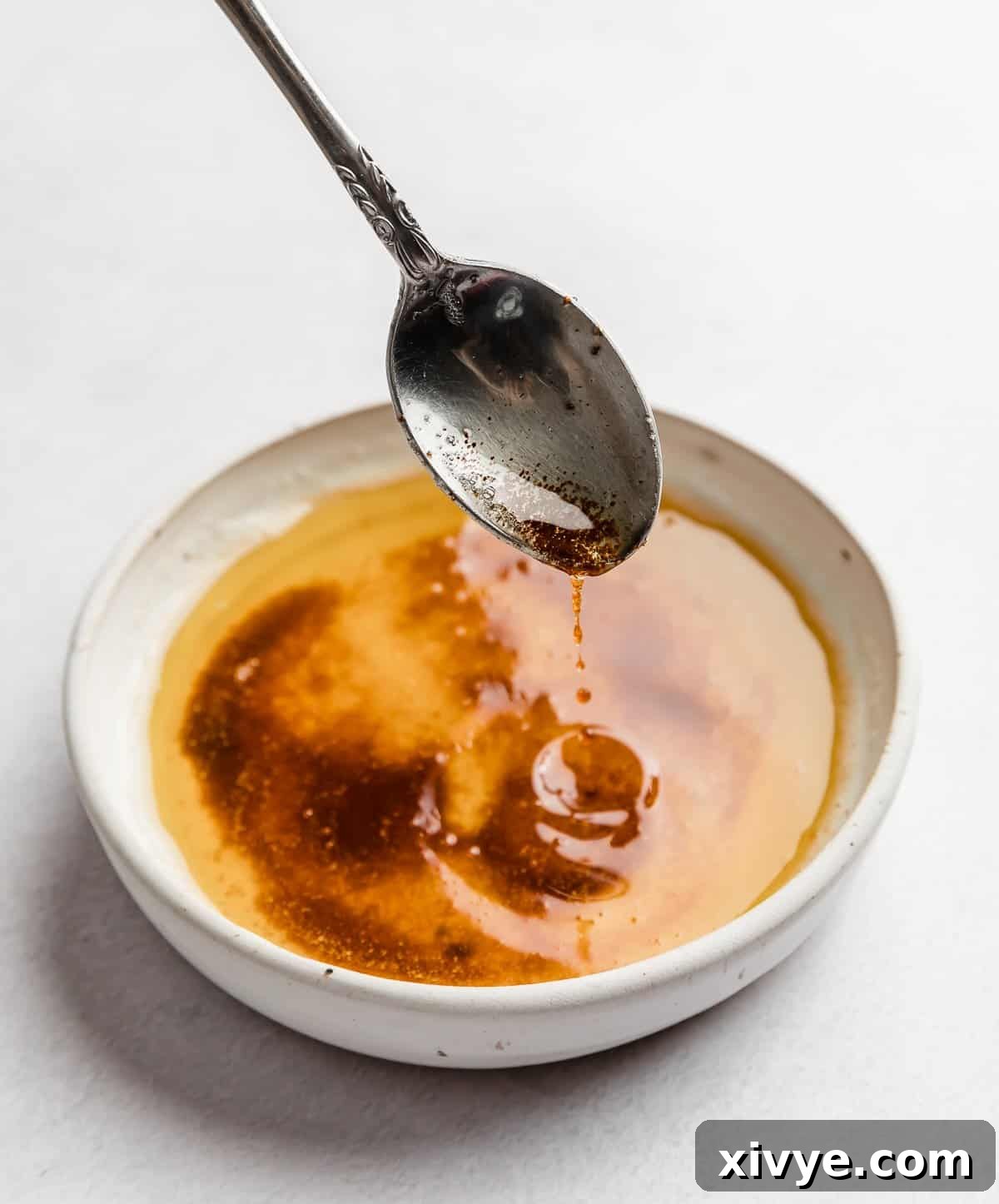
Why Brown Butter is a Culinary Game-Changer
Brown butter isn’t just a fancy French term; it’s a fundamental technique that brings a profound depth of flavor and aroma to countless dishes. Here’s why it truly works wonders in your kitchen:
- Elevates and Deepens Flavor: The browning process triggers the Maillard reaction, a complex chemical process that creates hundreds of new flavor compounds. These compounds give brown butter its signature nutty, toasty, and caramel-like notes, transforming simple dishes into gourmet experiences. Imagine the richness it adds to salmon or the warmth it brings to a classic chocolate chip cookie! It’s not just for desserts; try it in pasta sauces, drizzled over roasted seafood, or whipped into a savory mashed potato dish.
- Surprisingly Simple to Master: Despite its sophisticated flavor, browning butter is an incredibly straightforward process. It requires just one ingredient and a few minutes of your time. Once you understand the visual cues and the importance of constant stirring, it becomes an intuitive skill you’ll use constantly. It’s truly a high-impact, low-effort technique that belongs in every cook’s repertoire.
- Perfect for Make-Ahead Convenience: In today’s busy world, anything that saves time is a blessing. Brown butter can be prepared in advance and stored, making it a fantastic ingredient for meal prep. Having a batch ready means you can quickly add that signature nutty flavor to your weeknight dinners or spontaneous baking projects without extra effort on the spot. It’s ideal for busy home cooks who refuse to compromise on flavor.
Essential Ingredient for Beurre Noisette
To create the magic of brown butter, you only need one core ingredient. The quality of this ingredient directly impacts the final flavor, so choose wisely!
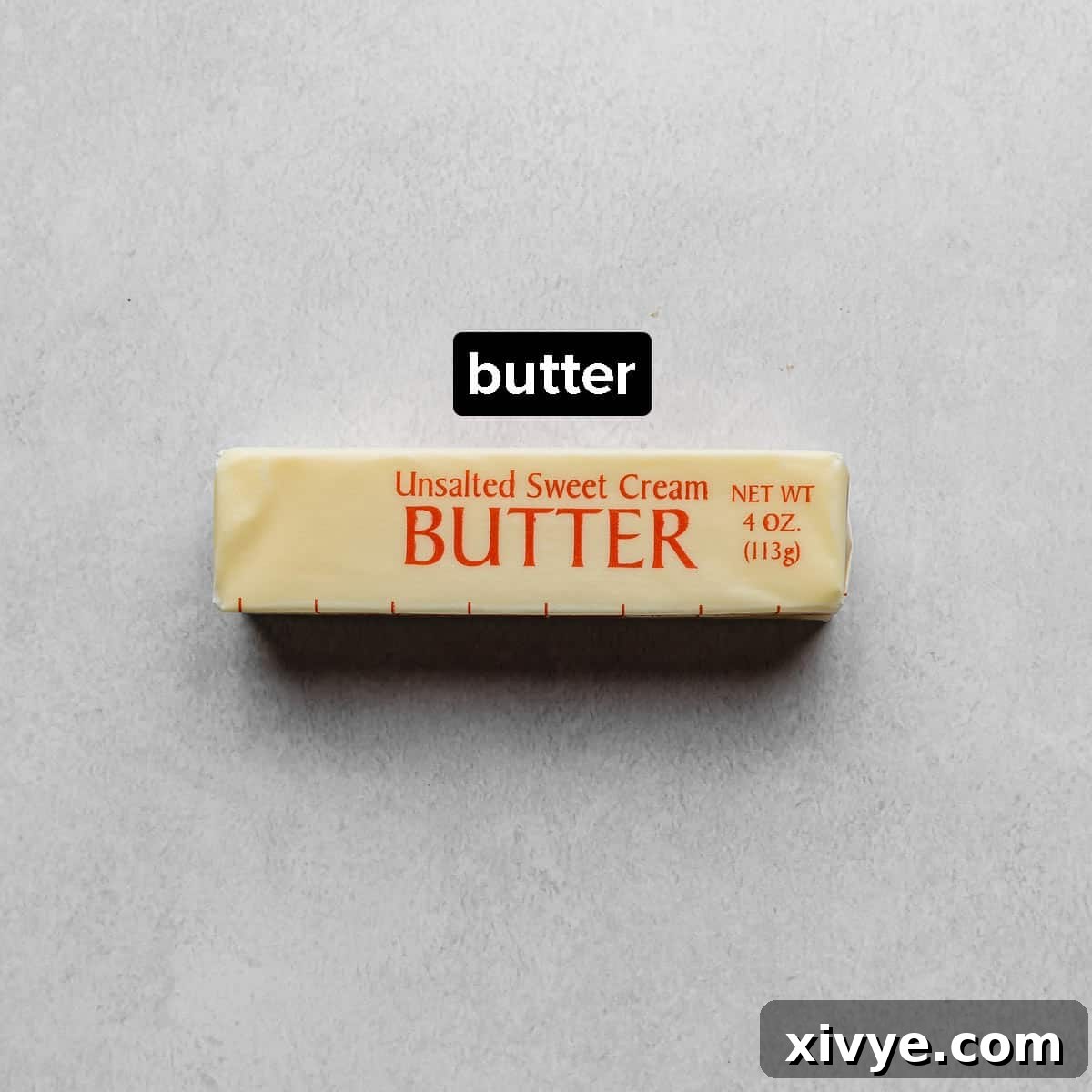
- Butter: This recipe typically uses 1 stick of butter (equivalent to 8 tablespoons or ½ cup). You can use either salted or unsalted butter, though many chefs prefer unsalted as it gives you more control over the final sodium content of your dish. If using salted butter, simply be mindful of adding additional salt later. While it’s tempting to brown a large batch, it’s best not to exceed 1 to 2 sticks (½ to 1 cup) at a time. Browning smaller quantities ensures more even cooking and reduces the risk of burning, making the process much more manageable. Higher quality butter with a good fat content will yield a more flavorful beurre noisette.
Step-by-Step Guide to Perfect Brown Butter
Follow these precise steps to achieve perfectly nutty, golden brown butter every time. Pay close attention to the visual and aromatic changes – they are your best guides!
- Prepare Your Butter and Pan: Begin by cutting your stick of butter into uniform 1-tablespoon-sized pieces. This helps the butter melt evenly and prevents some pieces from burning while others are still solid. Place these butter pieces into a light-colored saucepan or skillet. A light-colored pan is crucial because it allows you to easily observe the subtle color changes of the milk solids, which indicate the butter’s progress. Place the pan over medium to medium-low heat. Starting with too high heat can cause the butter to burn quickly, while too low can prolong the process unnecessarily.
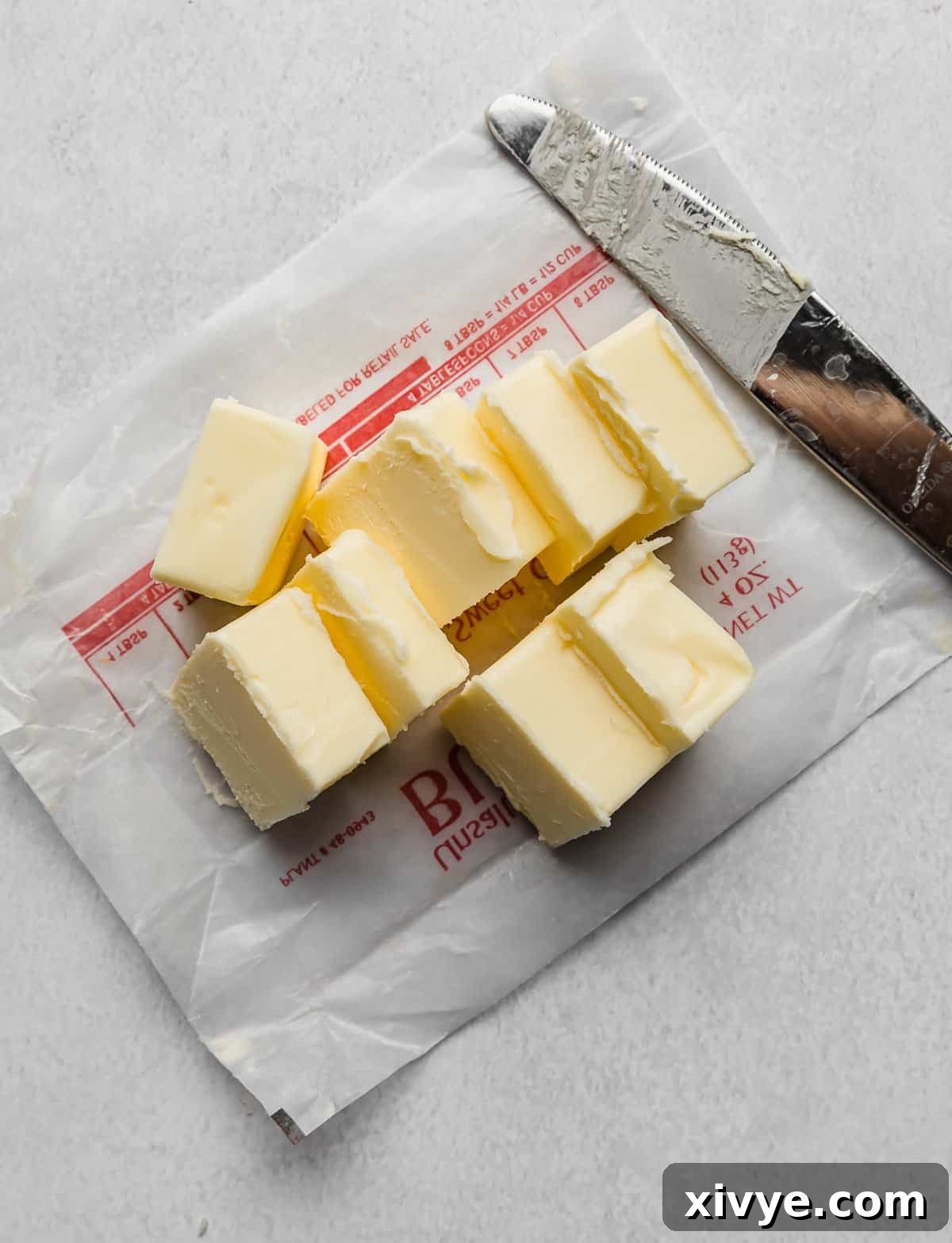
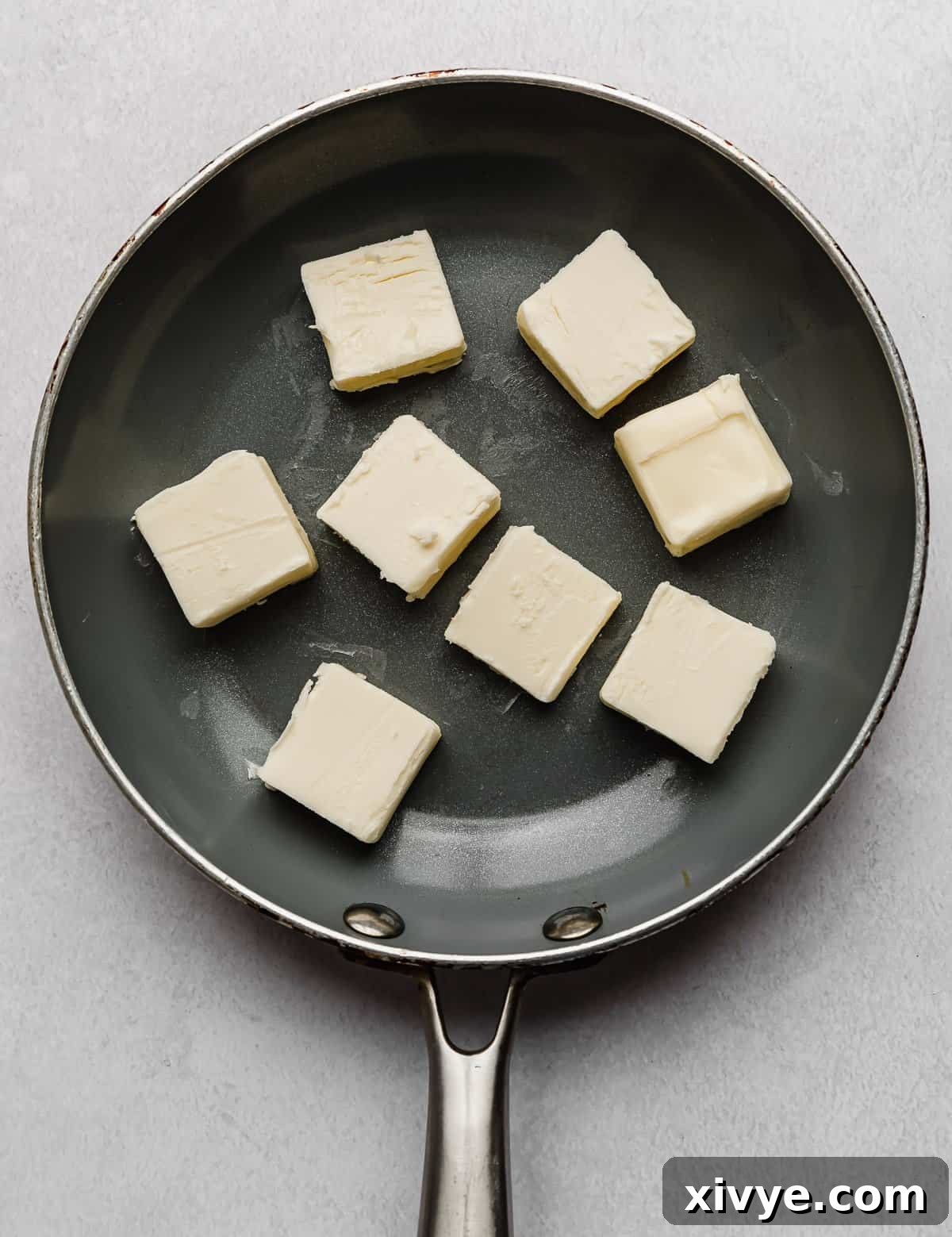
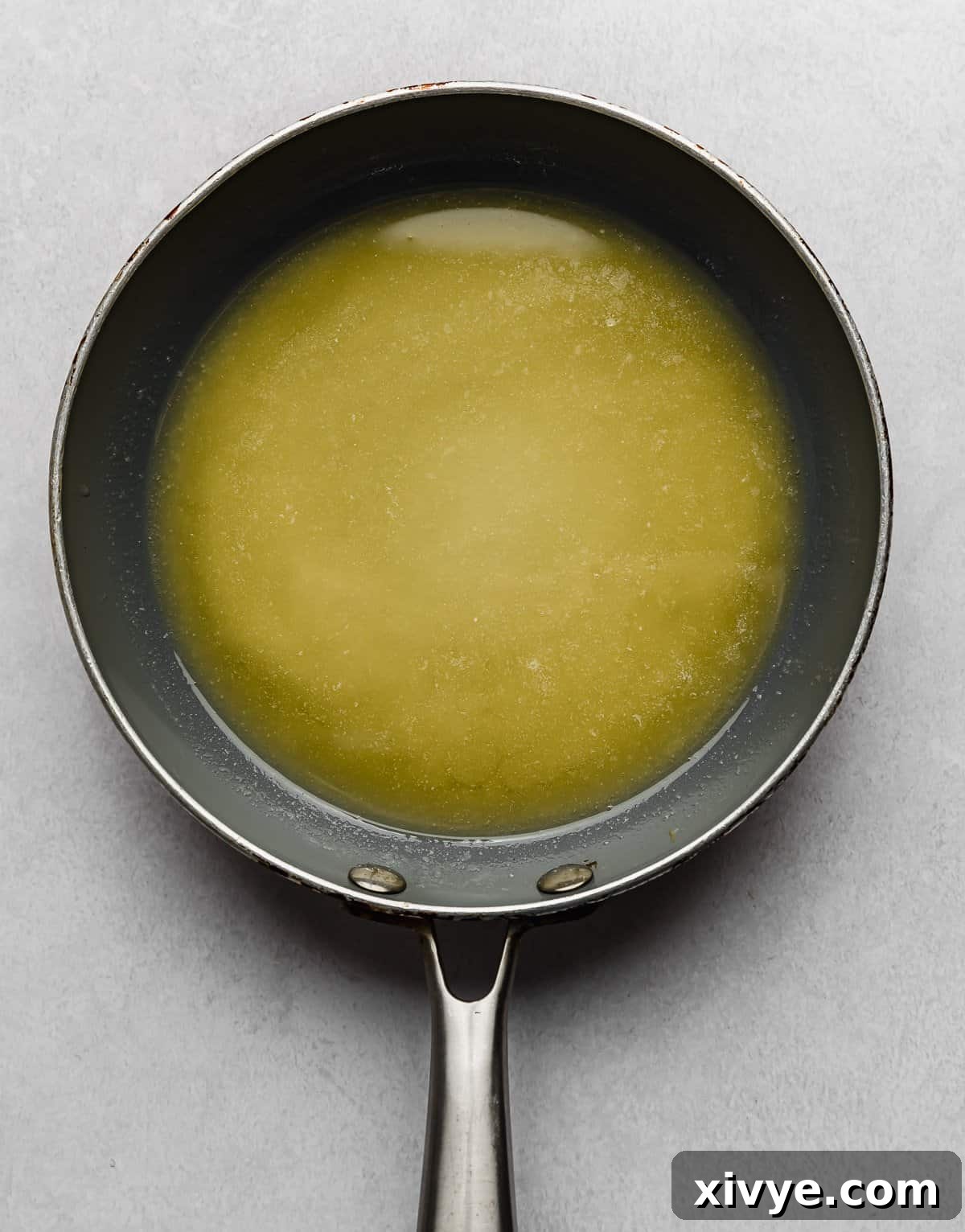
- Melt and Observe: As the butter heats, it will begin to melt. Stir continuously with a heat-proof spatula or whisk. This constant agitation is vital to ensure even melting and prevent the milk solids from sticking to the bottom of the pan and burning prematurely. Initially, the butter will melt into a clear yellow liquid. Soon after, it will begin to foam and sizzle as the water content evaporates. This entire melting and initial foaming stage takes approximately 2-3 minutes. Keep stirring!
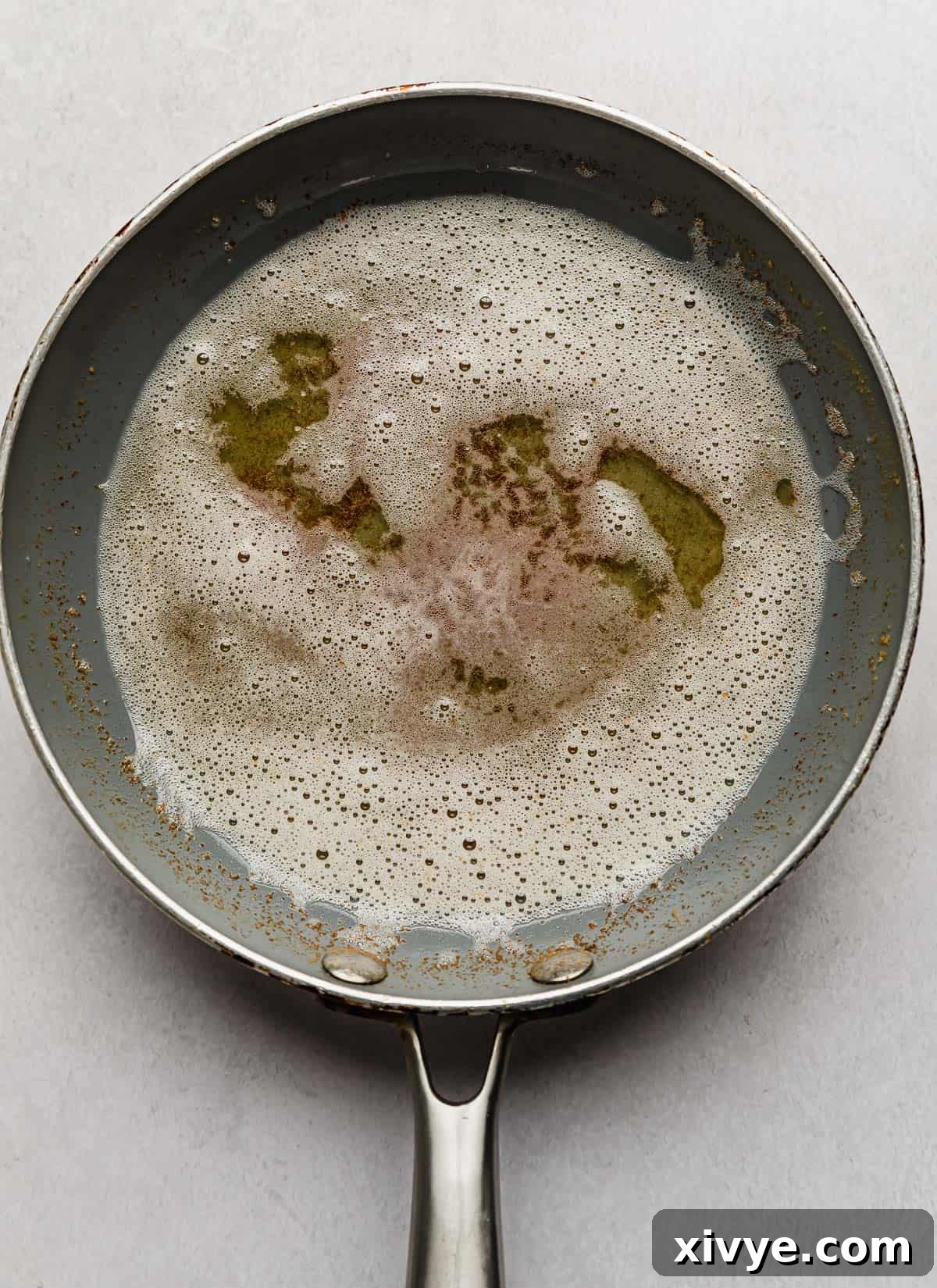
- Witness the Transformation: Continue to stir as the butter moves past the initial melting phase. The foam will eventually begin to subside, revealing tiny milk solids gathering at the bottom of the pan. These solids will start to change color, initially turning a very light golden hue. This is the critical stage where the Maillard reaction begins to truly develop those complex flavors. Don’t stop stirring now; this is where the magic happens!
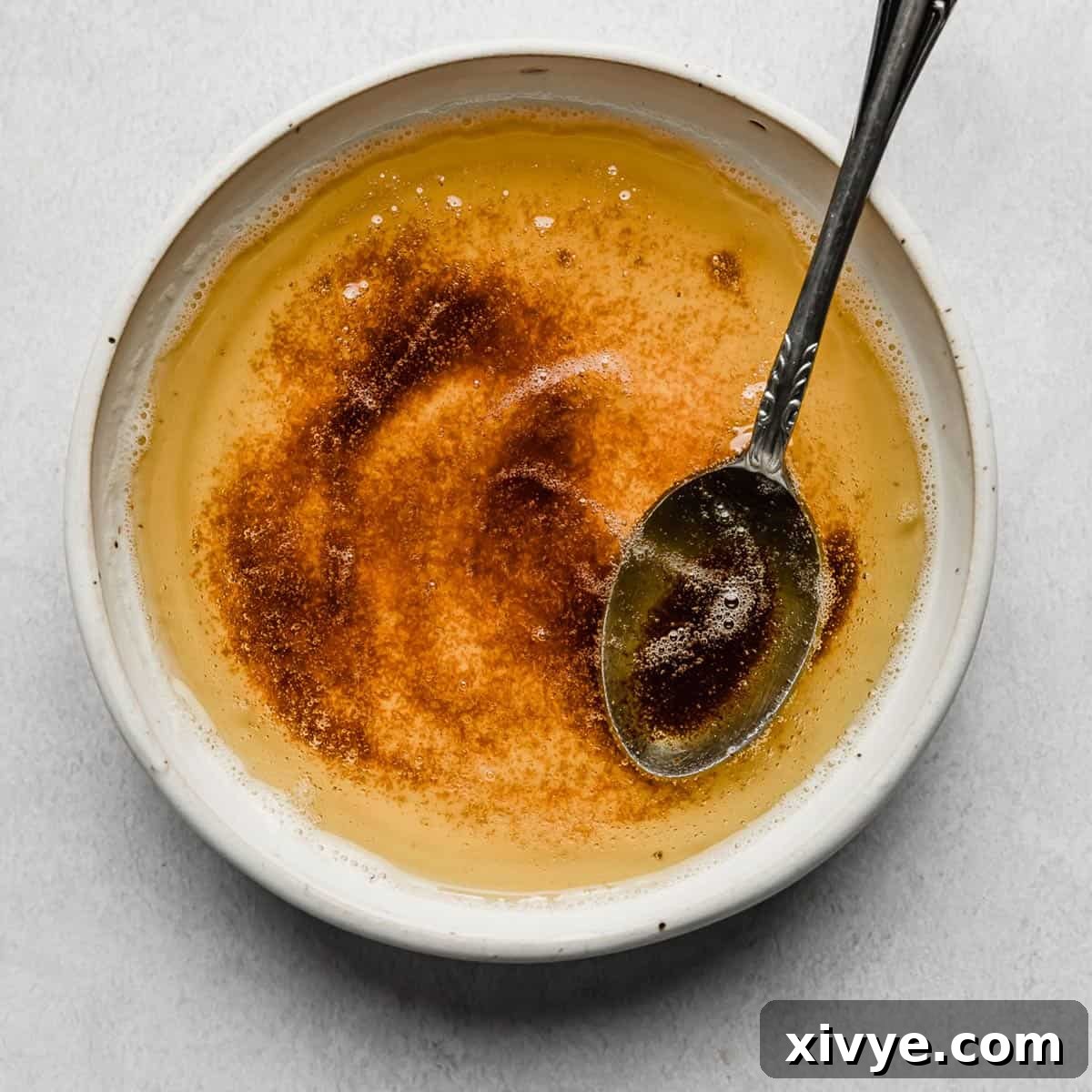
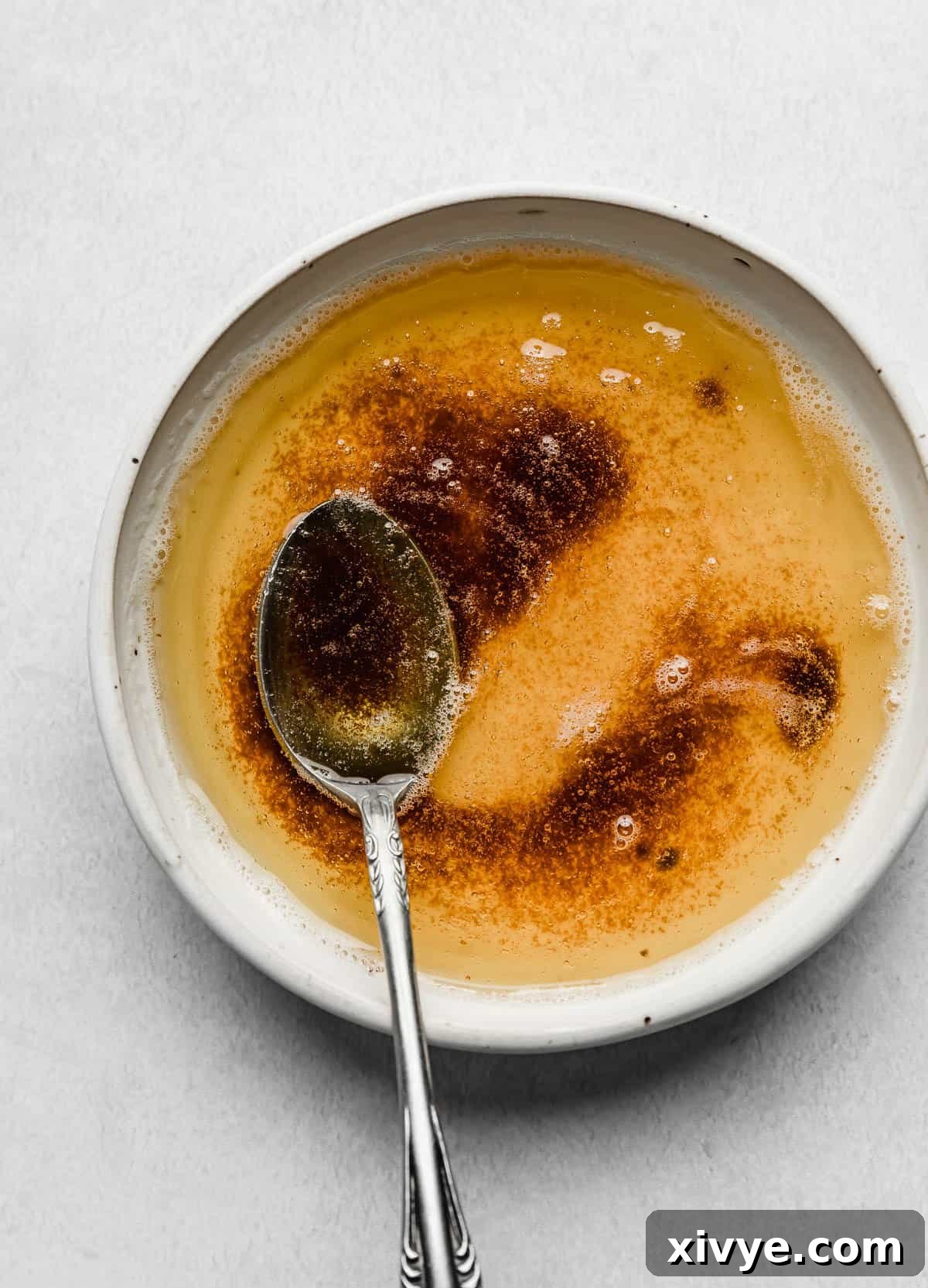
- Achieve Golden Perfection: Maintain constant stirring as the milk solids continue to deepen in color. They will progress from light golden to a rich, almost amber or deep hazelnut brown. Simultaneously, a wonderfully nutty aroma will fill your kitchen – a clear sign that your butter is transforming into delicious beurre noisette. The smell will be distinctly buttery with notes of toasted nuts and caramel. This final browning stage happens quickly, often in a matter of seconds. Watch closely, as overcooking can turn it burnt in an instant, resulting in a bitter, unpleasant taste.
- Halt the Cooking: The moment those milk solids achieve a beautiful golden-amber color and the nutty aroma is prominent, immediately remove the pan from the heat. Pour the hot brown butter into a separate heat-proof bowl or container. Transferring it quickly is crucial because the residual heat in the pan can continue the cooking process and lead to burning. Allowing it to cool in a separate vessel stops the cooking and preserves that perfect nutty flavor. Your perfectly browned butter is now ready to be used as desired!
Expert Tips for Foolproof Brown Butter
While the process is simple, a few expert tips can ensure your success and prevent common pitfalls:
- Choose a Light-Colored Pan: This is arguably the most important tip. A stainless steel or other light-colored pan allows you to clearly see the color transformation of the milk solids. In a dark pan, it’s incredibly difficult to gauge the color, significantly increasing your risk of burning the butter.
- Stir Continuously: Don’t leave your butter unattended! Constant stirring prevents the milk solids from settling and scorching at the bottom of the pan, ensuring even browning and a uniform nutty flavor. Use a heat-proof spatula to scrape the bottom and sides.
- Don’t Overcrowd the Pan: While you can brown more than ½ cup of butter, don’t exceed 1 cup (2 sticks) at a time in a standard saucepan. If you need a larger quantity, use a wider skillet or work in batches. Overcrowding can lower the butter’s temperature, prolong the browning, and make even cooking difficult.
- Maintain Medium-Low Heat: Patience is a virtue here. Cooking on medium-low heat allows for a controlled browning process. High heat will rush the process and almost guarantee burnt butter, while very low heat will take an excessive amount of time.
- Skim the Foam (If Necessary): Sometimes, particularly with certain types of butter, a thick layer of foam can obscure your view of the milk solids. If this happens, you can gently skim off some of the foam to better monitor the color change. However, with consistent stirring, this is usually not necessary.
- Trust Your Senses: Your eyes and nose are your best tools. Look for the golden-amber color of the milk solids and inhale the rich, nutty aroma. If it smells burnt, it probably is.
- Have a Heat-Proof Bowl Ready: The moment your butter reaches perfection, you need to transfer it out of the hot pan immediately to stop the cooking. Have a ceramic bowl, glass jar, or any other heat-safe container at arm’s length.
Make Ahead, Storing, and Freezing Brown Butter
Brown butter is a fantastic ingredient to prepare in advance, making your future cooking and baking endeavors much easier. Here’s how to properly store and freeze it:
- Refrigeration: Once your brown butter has cooled completely to room temperature, transfer it to an airtight container. It can be stored in the refrigerator for up to 2 weeks. The butter will solidify and become firm, similar to regular butter. When ready to use, simply scoop out the desired amount or gently re-melt it over low heat.
- Freezing: For longer storage, brown butter freezes beautifully. Allow it to cool completely before portioning. A great method is to pour the liquid brown butter into an ice cube tray. Once solid, transfer the brown butter cubes to an airtight freezer-safe bag or container. It will keep well in the freezer for 2-3 months. When you need it, thaw the desired amount overnight in the refrigerator or microwave on low power.
- Cool Before Storing: Always ensure the brown butter has cooled down to at least room temperature before refrigerating or freezing. Storing hot butter can create condensation, which can introduce moisture and affect its quality and shelf life.
Brown Butter Inspiration: Culinary Applications
The versatility of brown butter knows no bounds. Once you’ve mastered this technique, you’ll find endless opportunities to incorporate its rich, nutty essence into your cooking:
- Decadent Desserts: This is where brown butter truly shines. Use it in cookies (especially chocolate chip!), cakes, brownies, blondies, and pies. It adds incredible depth to frostings and glazes, creating a more sophisticated flavor profile.
- Breakfast & Brunch Boost: Drizzle warm brown butter over pancakes, waffles, or French toast. Whisk it into pancake batter or oatmeal for a subtle upgrade. It’s also heavenly in homemade syrups or as a component in a rich hollandaise sauce.
- Elevated Savory Dishes: Don’t limit yourself to sweets! Brown butter pairs beautifully with savory ingredients. Toss it with roasted vegetables like asparagus, green beans, or butternut squash. Drizzle it over seared fish or scallops. Whisk it into pasta sauces, especially those with sage or Parmesan, or use it as a finishing touch for mashed potatoes or risottos.
- Artisan Baked Goods: Incorporate brown butter into quick breads, muffins, scones, or even brioche for a richer, more complex crumb. It can even be used as a base for savory bread puddings.
- Unique Dressings & Sauces: Create unique salad dressings or pan sauces by combining brown butter with herbs, citrus, or vinegar. It adds a gourmet touch to simple chicken or pork dishes.
Frequently Asked Questions About Beurre Noisette
- What is browned butter (beurre noisette)?
- Browned butter, or beurre noisette in French (meaning “hazelnut butter”), is simply regular butter that has been gently cooked over medium-low heat until its milk solids separate, toast, and turn a golden-brown color. This process imparts a distinct nutty, toasted, and caramel-like flavor, transforming the butter into a much more complex and aromatic ingredient.
- What is the difference between brown butter and regular butter?
- The primary difference lies in the flavor and aroma. Regular butter is a neutral fat, while brown butter is butter that has undergone the Maillard reaction. This reaction toasts the milk solids present in the butter, creating new flavor compounds that lend it a deep, nutty, toasty, and sometimes toffee-like taste that plain butter lacks. Visually, regular butter is pale yellow, while brown butter has a golden-amber hue with visible brown specks (the toasted milk solids).
- What does browned butter taste like?
- Brown butter boasts a rich, complex flavor profile that is often described as nutty, toasted, and caramel-like. Some people also detect hints of toffee or hazelnut. The natural butter flavor is significantly enhanced and deepened, making dishes it’s incorporated into taste more sophisticated and luxurious.
- What is brown butter made of?
- Brown butter is made exclusively from whole butter. When butter is heated, its three main components – water, butterfat, and milk solids (proteins and sugars) – separate. The browning process specifically targets the milk solids, cooking them until they caramelize and toast, creating the characteristic flavor and color.
- How long does it take to brown butter?
- Browning butter typically takes about 8 to 10 minutes from start to finish. However, the exact time can vary depending on several factors, including the amount of butter, the type of pan used (its material and thickness), and your stovetop’s heat intensity. The key is to proceed slowly and with patience to prevent burning.
- Why is my brown butter not browning?
- If your butter isn’t browning, first check your heat setting. While you want to cook it gently, using too low a heat will significantly prolong the process. Ensure your heat is set to medium-low. Also, ensure you are constantly stirring. Sometimes, it just needs a bit more time; patience is key, but don’t be afraid to slightly increase the heat if it seems stagnant after several minutes on very low heat.
- How do you know when brown butter is done?
- You’ll know brown butter is perfectly done when the milk solids at the bottom of the pan turn a rich golden-brown or amber color, resembling toasted hazelnuts. At this point, it will also emit a distinct, appealing nutty and caramel-like aroma. It’s crucial to remove it from the heat as soon as these cues are present to prevent it from burning.
- Do I need to stir while browning butter?
- Yes, constant stirring is highly recommended, almost mandatory, throughout the entire browning process. Stirring ensures that the butter heats evenly, prevents the milk solids from sticking to the bottom of the pan and scorching, and helps you monitor the color changes more effectively. Use a heat-proof spatula to scrape the bottom and sides of the pan.
- How do you tell if browned butter is burnt?
- Burnt butter has a harsh, acrid, and bitter smell, distinctly different from the pleasant nutty aroma of perfectly browned butter. Visually, the milk solids will appear very dark brown or black, rather than golden-amber. This is why using a light-colored pan is so important – it allows you to clearly see the color progression. The transition from perfectly browned to burnt can happen in mere seconds, so vigilance is key.
Explore More Baking & Cooking Resources
Looking to expand your culinary knowledge even further? Check out these helpful guides:
- How to Store and Freeze Cakes
- Black Cocoa Powder Guide
- Cocoa Powder Guide
Did you try this amazing technique? We’d love to hear about your experience! Leave a rating and review below or share your creations on social media.
Stay connected and get inspired by following us on Instagram, TikTok, Facebook, and Pinterest.
Print Recipe
Save Recipe
Review Recipe
How to Brown Butter

Whitney Wright
Learn how to brown butter with these easy-to-follow instructions! Browned butter amplifies and completely elevates the flavor of any baked good or savory dish. Add browned butter to chocolate chip cookies or buttercream frosting for an instantly deeper and richer flavor profile.
Ingredients
- ½ cup butter (1 stick), salted or unsalted, cut into tablespoon-sized pieces
Instructions
- Place the butter pieces in a light-colored saucepan or skillet. Place the pan over medium to medium-low heat.
- Stir the butter around the pan until melted. Continue stirring almost constantly throughout the process to keep things moving and prevent the butter from burning. Browning butter typically takes about 8 minutes from the time you start.
- Once the butter melts, it will begin to foam and sizzle. Continue stirring; eventually, the foam will subside, and the milk solids at the bottom of the pan will turn a very light golden color. Keep stirring until the milk solids are golden brown and almost amber-colored. The aroma will be distinctly nutty and very buttery. Butter can burn in a matter of seconds, so do not overcook it.
- Immediately remove the pan from the heat and pour the browned butter into a heat-proof bowl or container. This crucial step will stop the cooking process and prevent further browning or burning.
- Use the browned butter as desired in your favorite recipes!
Notes
- You can brown more than ½ cup of butter at once. Just ensure you have a skillet or pan large enough to accommodate the amount. However, it’s recommended not to brown more than 1 cup at a time for best results and easier monitoring.
- Mere seconds can be the difference between perfectly browned butter and burnt butter. Using a light-colored pan is incredibly helpful for visually tracking the milk solids’ color change and knowing precisely when to remove the pan from the heat.
- Refer to the “Expert Tips” and “Frequently Asked Questions” sections above for more troubleshooting advice and detailed guidance.
Nutrition Information
Approximate nutritional values per serving:
- Calories: 814kcal (41% Daily Value)
- Carbohydrates: 1g
- Protein: 1g (2% Daily Value)
- Fat: 92g (142% Daily Value)
- Saturated Fat: 58g (290% Daily Value)
- Polyunsaturated Fat: 3g
- Monounsaturated Fat: 24g
- Trans Fat: 4g
- Cholesterol: 244mg (81% Daily Value)
- Sodium: 810mg (34% Daily Value)
- Potassium: 27mg (1% Daily Value)
- Sugar: 1g (1% Daily Value)
- Vitamin A: 2836IU (57% Daily Value)
- Calcium: 27mg (3% Daily Value)
- Iron: 1mg (6% Daily Value)
Please leave a star rating and review on the blog post letting me know how you liked this recipe! Take a picture and tag @saltandbaker on TikTok, Instagram, and Facebook so I can see what you’re making!