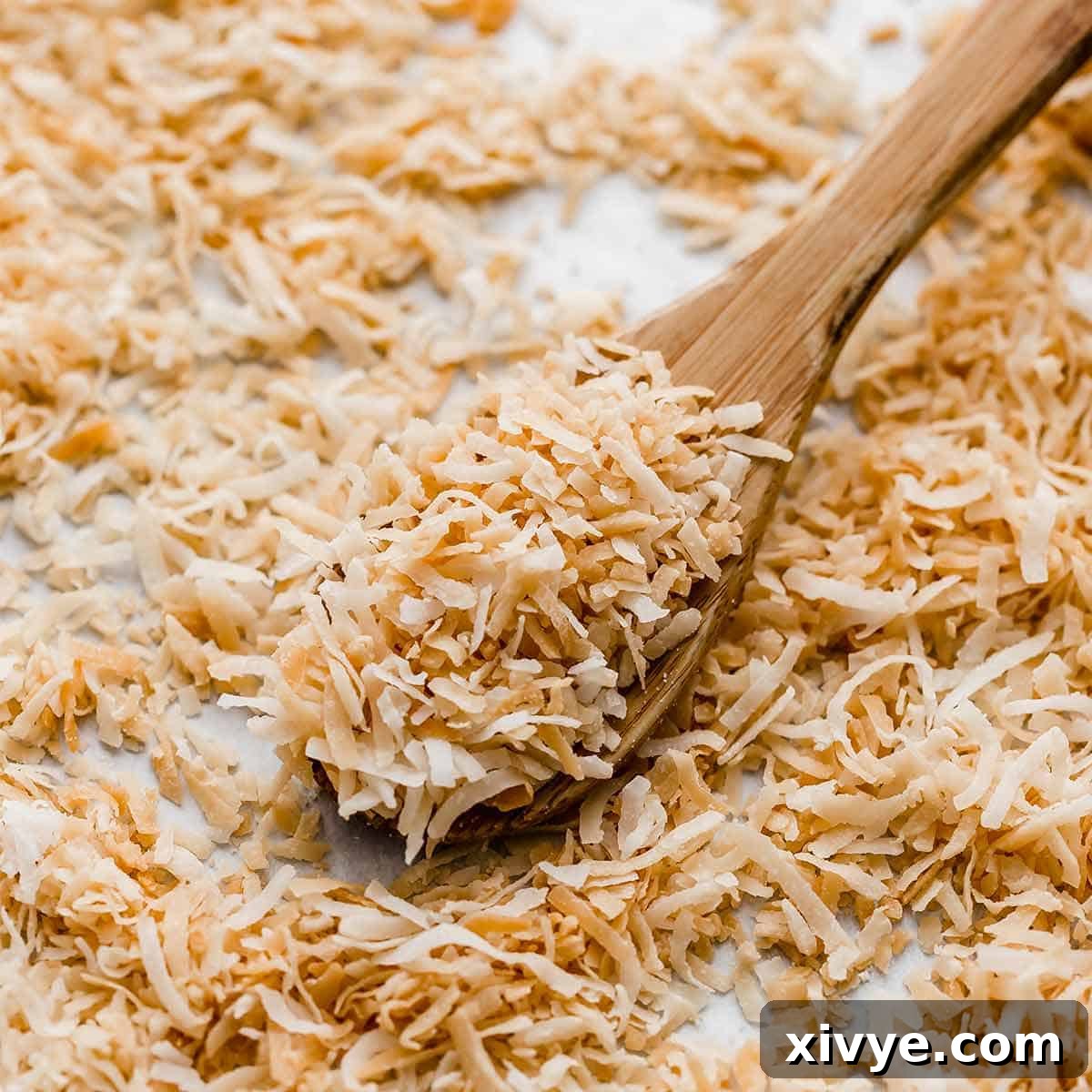
Transform your ordinary dishes with the delightful crunch and rich, nutty aroma of perfectly toasted coconut flakes. While many recipes call for this simple yet impactful ingredient, the process of toasting coconut might seem like a mystery to some. Fear not! This comprehensive guide will walk you through three incredibly easy and effective methods to achieve golden-brown, flavorful toasted coconut right in your own kitchen. Whether you’re a seasoned baker or a kitchen novice, mastering this technique will elevate your culinary creations from delicious to truly unforgettable.
Once you’ve mastered the art of toasting coconut, a world of culinary possibilities opens up. Elevate your desserts, breakfasts, and even savory dishes with this versatile ingredient. Imagine the rich depth it adds to a classic Coconut Cake, or the irresistible texture in my renowned Coconut Pecan Frosting. This frosting, a fan favorite, beautifully complements my German Chocolate Brownies, traditional German Chocolate Cake, and my German Chocolate Cupcakes. But its utility extends far beyond just these; think vibrant smoothie bowls, crunchy granola, or even a garnish for exotic curries.
Why Toasting Coconut is a Game Changer
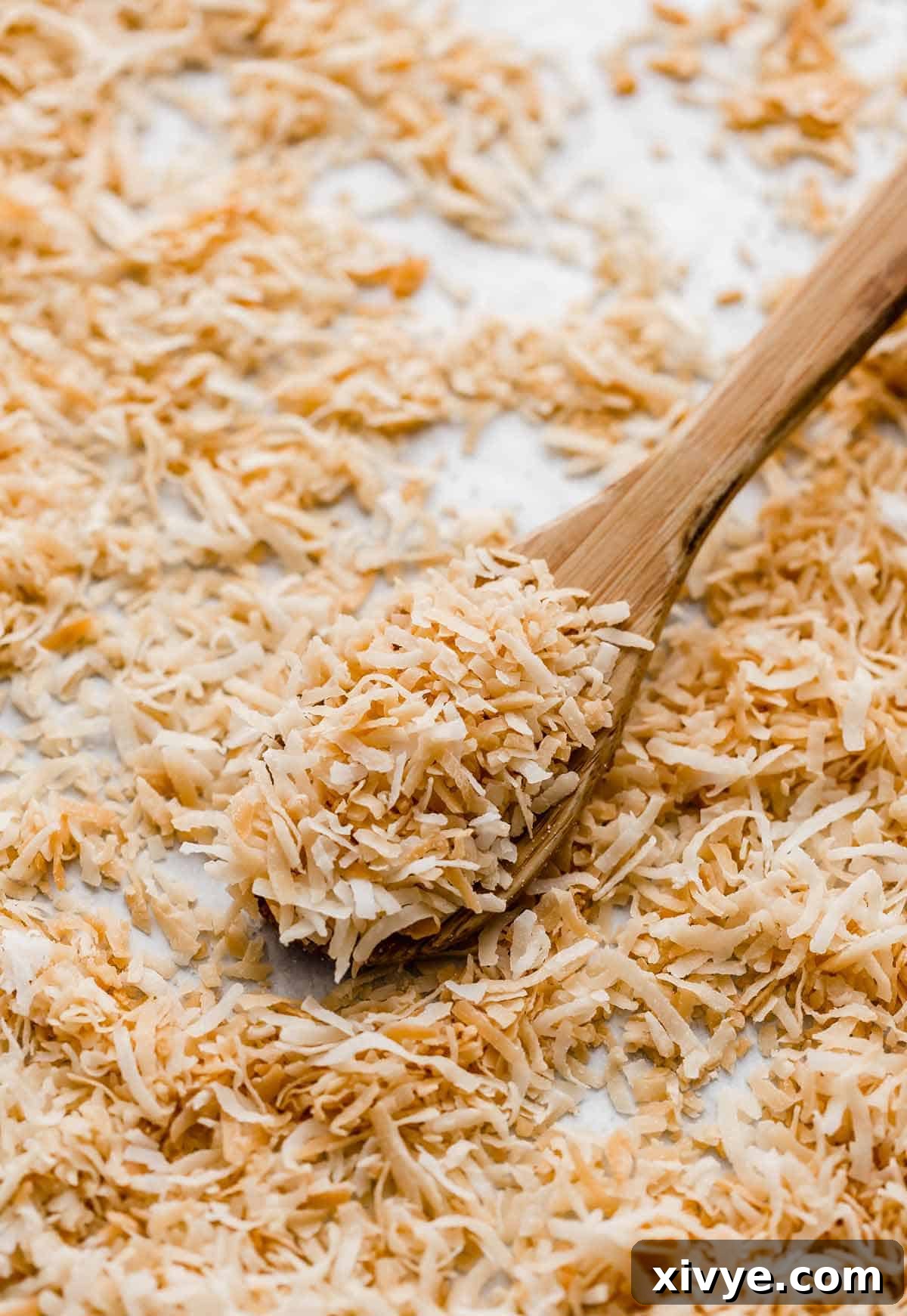
Toasting coconut is more than just a step in a recipe; it’s a transformative process that unlocks a profound depth of flavor and texture. Here’s why learning this simple skill is an absolute must for any home cook or baker:
- Unlocking Enhanced Flavor and Aroma: Raw coconut has a mild, sweet taste. When toasted, its natural sugars caramelize, intensifying its inherent sweetness and developing complex nutty notes reminiscent of toasted almonds or pecans. This process also releases fragrant oils, filling your kitchen with an enticing aroma that hints at the deliciousness to come.
- Achieving Irresistible Texture: Beyond flavor, toasting gives coconut a delightful crispy and crunchy texture. This adds an exciting contrast to soft desserts like cakes and puddings, or a satisfying bite to breakfast cereals and salads. The difference between untoasted and toasted coconut is truly night and day when it comes to textural appeal.
- Versatility for Every Kitchen: This guide offers 3 easy methods for toasting coconut, ensuring there’s a perfect technique for every kitchen setup and quantity needed. Whether you prefer the hands-off approach of the oven, the speed of the microwave for smaller portions, or the attentive precision of the stovetop skillet, you’ll find a method that suits your style.
- Elevating a Multitude of Dishes: Toasted coconut isn’t just for desserts. It’s a remarkably versatile ingredient that can enhance everything from sweet treats to savory meals. Its unique flavor profile complements a wide array of ingredients, making it a valuable addition to your culinary repertoire.
Essential Ingredient: Coconut Flakes
Toasting coconut requires just one key ingredient: coconut flakes. But even with a single ingredient, there are choices to consider to best suit your recipe and preferences.
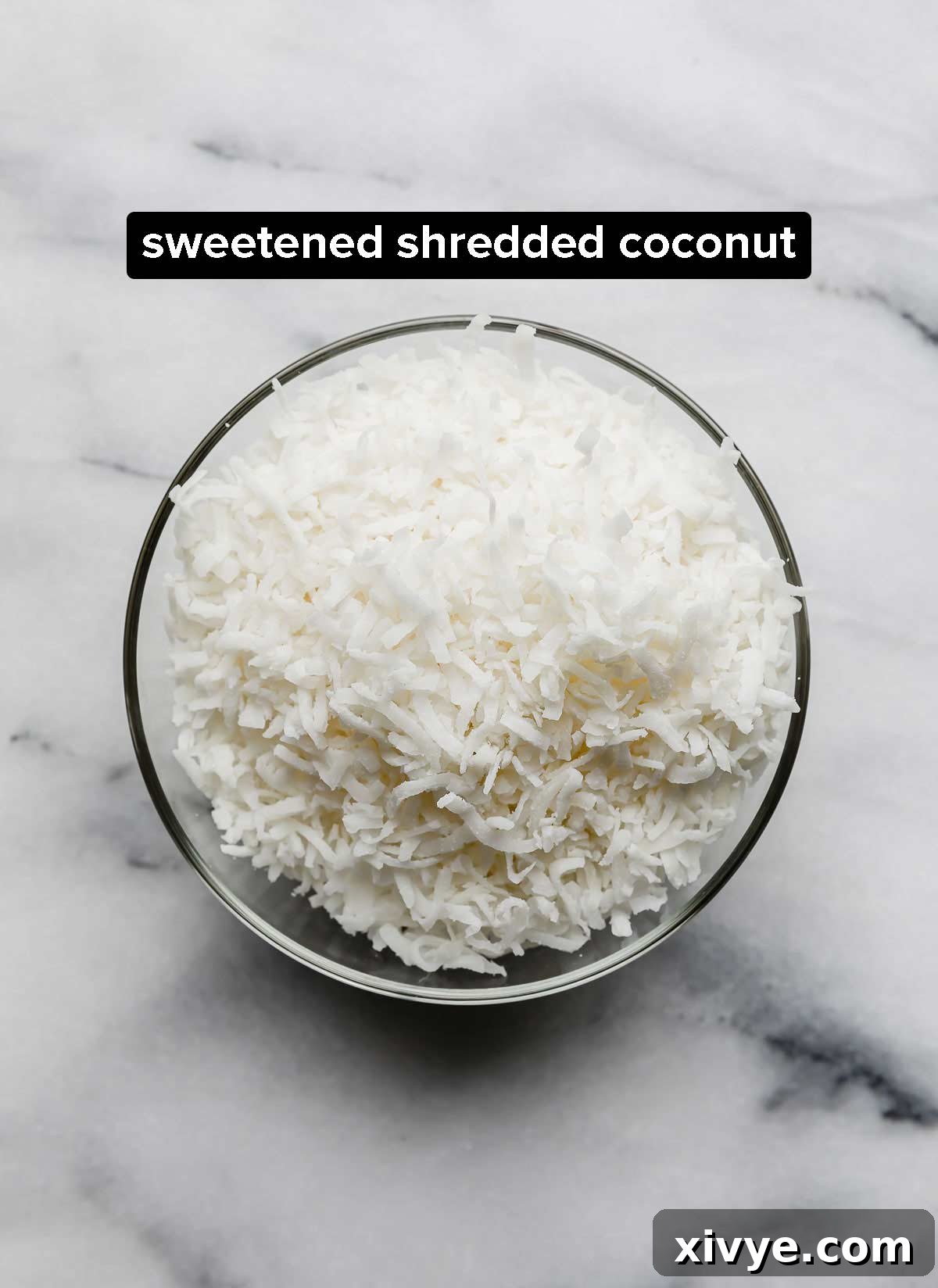
- Sweetened Shredded Coconut: This is often the most common type found in grocery stores and what I typically use for most dessert recipes, including this guide. Sweetened coconut flakes have a fine, shredded texture and are coated with sugar. When toasted, this sugar caramelizes beautifully, resulting in a richer, slightly sweeter, and more intensely golden-brown product with a satisfying crispness.
- Unsweetened Coconut Flakes: If you prefer less sweetness or are using toasted coconut in savory dishes, unsweetened coconut flakes are an excellent choice. They will still develop that wonderful nutty flavor and crisp texture, but without the added sugar, allowing the pure coconut essence to shine through. You can use large flakes or smaller shredded versions. The toasting process remains the same, though you might need to watch it slightly more closely as there’s no sugar to aid in browning.
- Coconut Chips (Large Flakes): For a bolder texture and presentation, coconut chips (large flakes) can also be toasted using the same methods. They’ll yield a chewier, more substantial bite once toasted, perfect for snacking or as a prominent garnish.
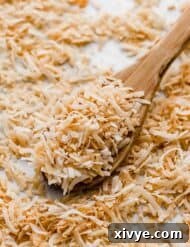
No matter which type you choose, the goal is a uniform golden-brown color and a crisp texture, ensuring maximum flavor and aroma. For this guide, we’ll focus on sweetened shredded coconut, which offers a fantastic balance of sweetness and crunch.
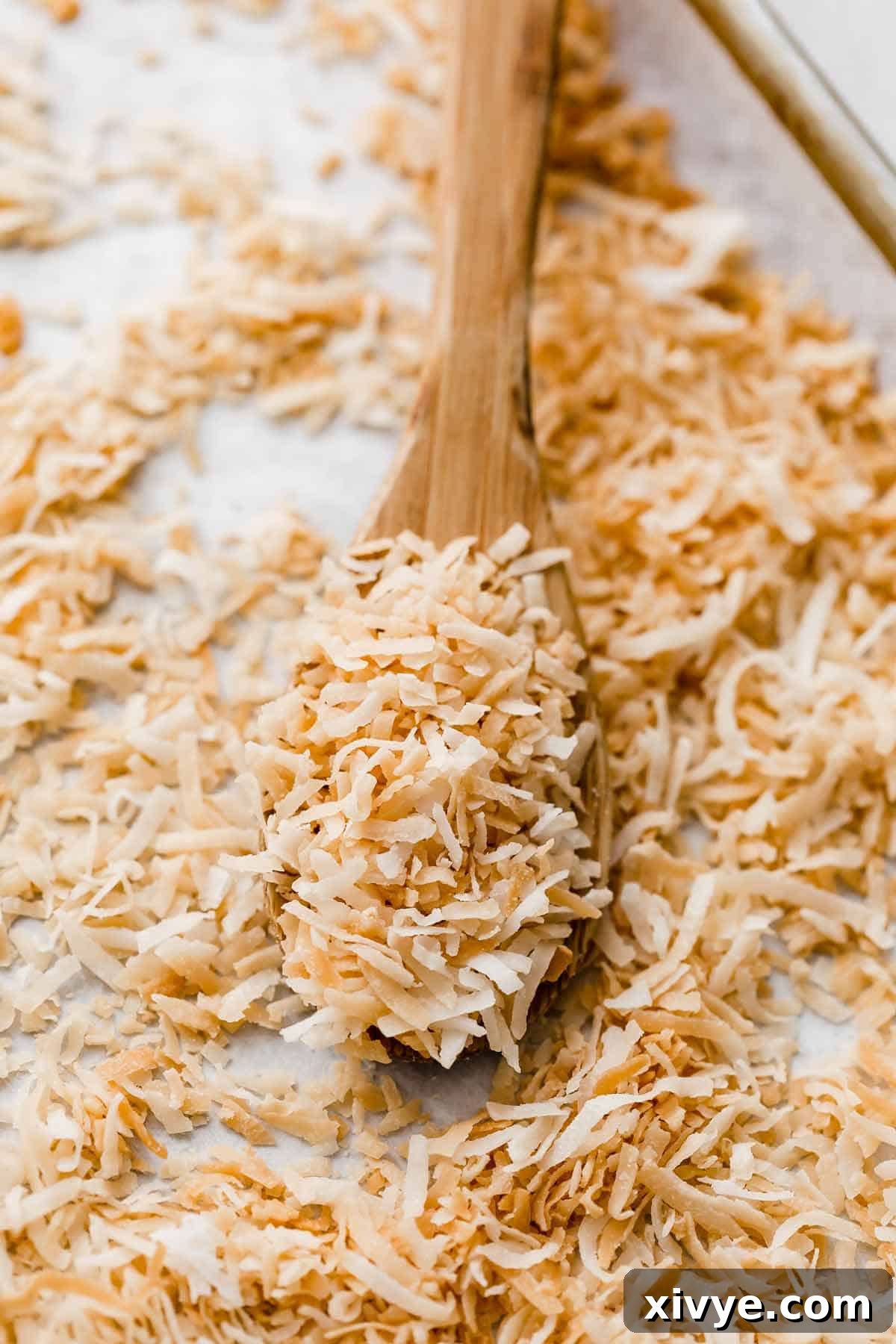
How to Toast Coconut in the Oven: The Best Method for Evenness
The oven method is widely regarded as the most effective and easiest way to toast coconut, especially for larger quantities. It provides the most even toast and a beautiful, consistent golden color without requiring constant supervision, making it my personal favorite.
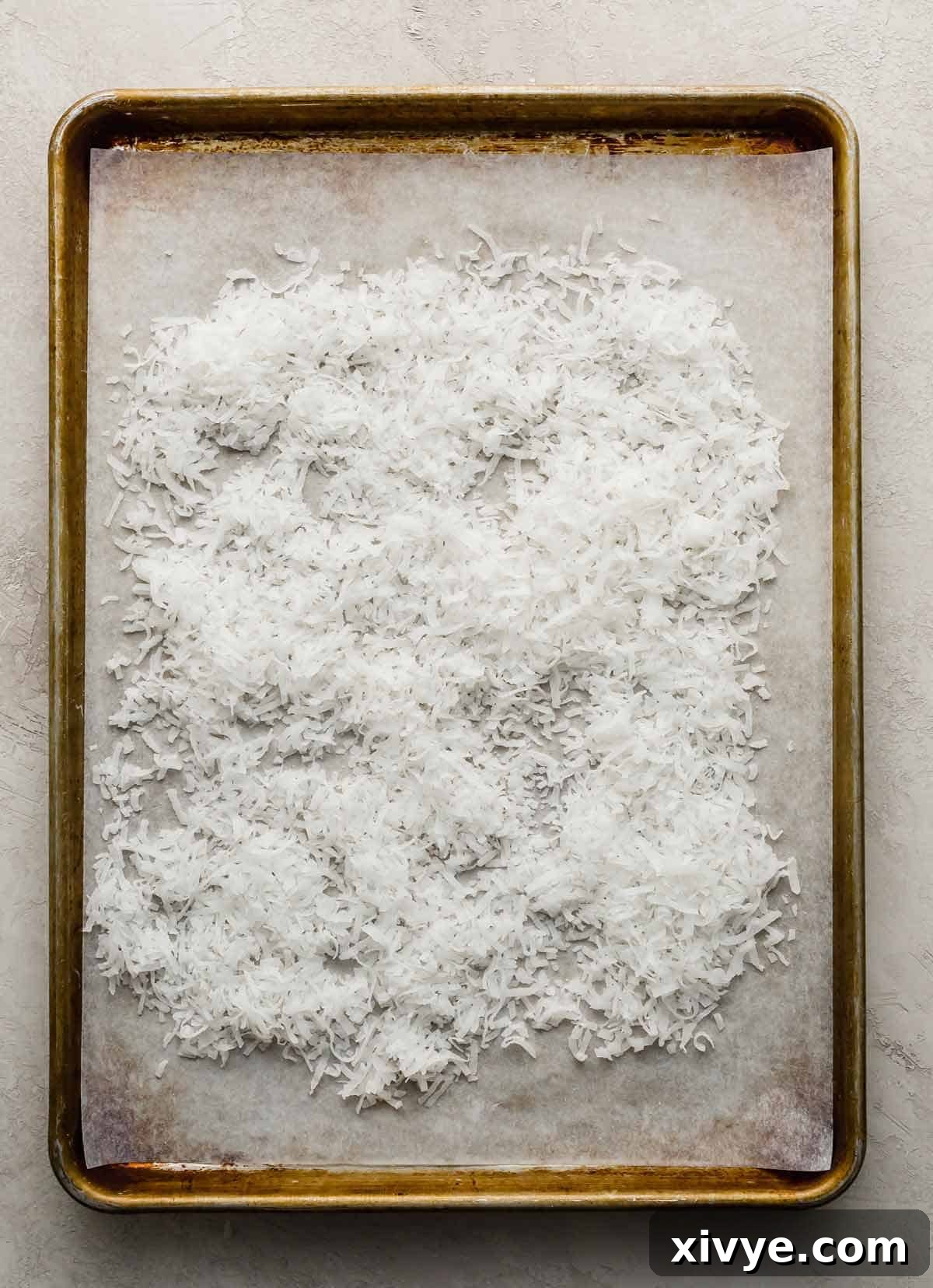
- Prepare Your Workspace and Preheat Oven: Start by preheating your oven to 325ºF (160ºC). This moderate temperature prevents rapid burning and allows for gradual, even toasting. While the oven heats, line a large baking sheet with parchment paper or a silicone baking mat. This crucial step ensures the coconut doesn’t stick and makes for easy cleanup.
- Spread Coconut in an Even Layer: Measure out your sweetened shredded coconut. For optimal results, I recommend starting with about 2 cups, but you can easily adjust this quantity based on your needs. Spread the coconut evenly across the prepared baking sheet. It’s essential to create a single, thin layer to ensure all the flakes toast uniformly. Overcrowding the pan will lead to uneven browning, with some pieces burning while others remain pale.
- Bake and Stir for Perfect Toastiness: Place the baking sheet in the preheated oven. Bake for an initial 7 minutes. At this point, carefully open the oven door (using oven mitts to protect your hands) and gently stir the coconut with a spatula or wooden spoon. This helps redistribute the flakes, ensuring even exposure to the heat. Return the tray to the oven and continue baking for an additional 2-4 minutes, or until the coconut reaches your desired level of crispiness and a beautiful golden-brown hue.
Important Note on Timing: Ovens vary significantly in temperature and performance. While 13 minutes is my typical total baking time, your oven might be faster or slower. It could take as little as 7 minutes or up to 15 minutes. The key is to keep a vigilant eye on the coconut, especially after the first 5-7 minutes. Coconut can go from perfectly golden to burned in a matter of seconds!
Pro Tip for Larger Batches: The oven method is undoubtedly the best approach when you need a significant amount of toasted coconut. Its capacity for even heat distribution across a larger surface makes it far more efficient than stovetop or microwave methods for bulk preparation.
How to Toast Coconut in the Microwave: The Quickest Method for Small Batches
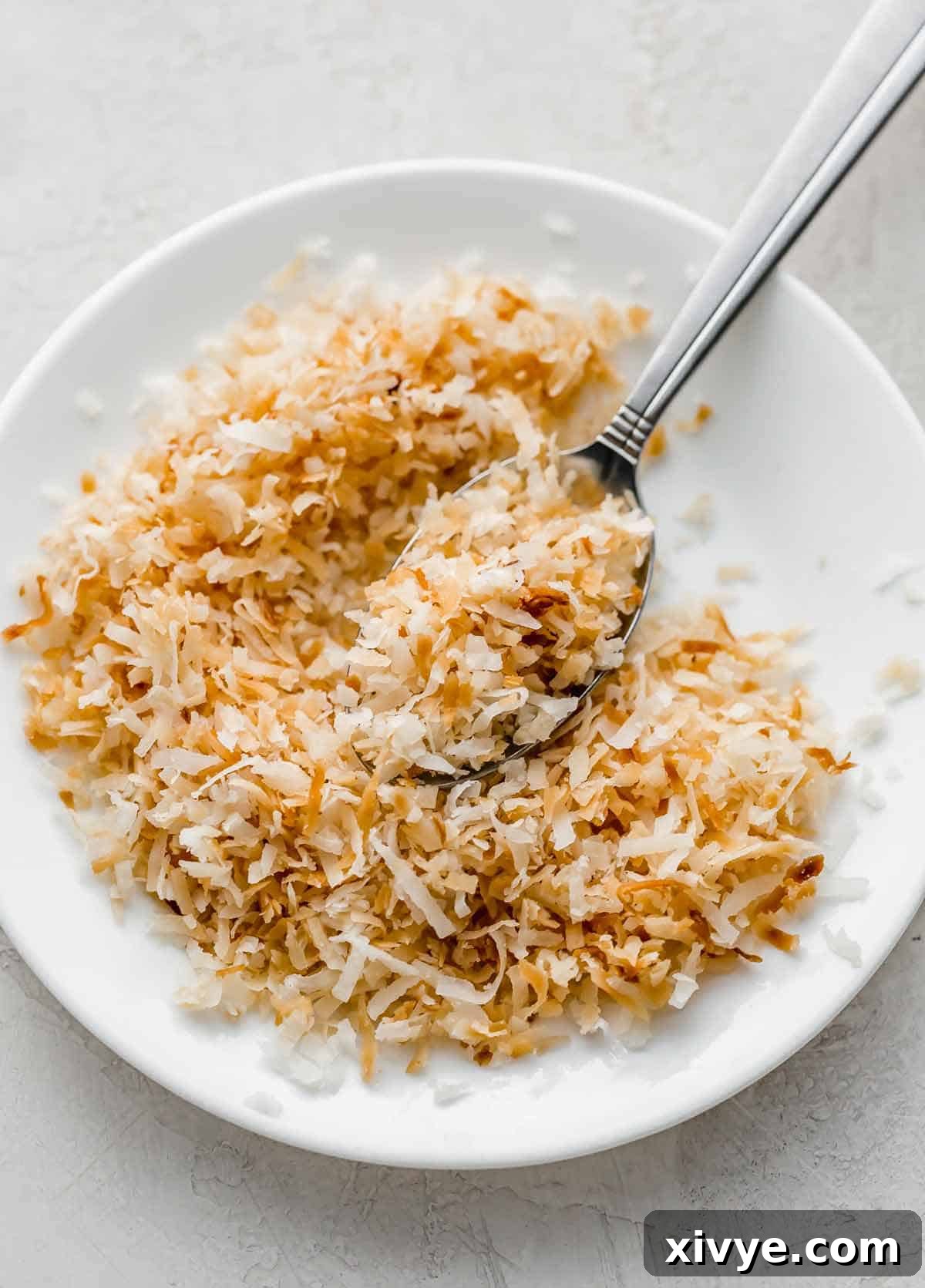
When time is of the essence, or you only require a small garnish of toasted coconut, the microwave can be a surprisingly effective tool. This method is incredibly fast, but it demands your full attention to prevent burning.
- Prepare and Microwave in Increments: Place about ½ cup of sweetened shredded coconut onto a microwave-safe plate. Spread it out in a thin, even layer. Microwave the coconut in 15-second increments. After each 15-second burst, immediately remove the plate and stir the coconut thoroughly with a spoon. This is crucial to ensure even toasting and to prevent hot spots from burning parts of the coconut while others remain raw.
- Monitor for Desired Toastiness: Continue microwaving and stirring in 15-second intervals until the coconut reaches your desired level of golden-brown color and crispiness. This process typically takes anywhere from 45 seconds to 2 minutes, depending on your microwave’s power and the amount of coconut.
Pro Tip for Microwave Success: The microwave method truly shines when you need only a small quantity of toasted coconut. However, it’s advisable to stick to at least ½ cup of shredded coconut. From past experience, attempting to toast smaller amounts (like ¼ cup or even ⅓ cup) can lead to quicker burning due to the reduced mass. If you must toast a very small amount, consider microwaving on a reduced power setting (e.g., 70% or 50% power) to give yourself more control and reduce the risk of scorching.
How to Toast Coconut on the Stovetop: The Hands-On Approach
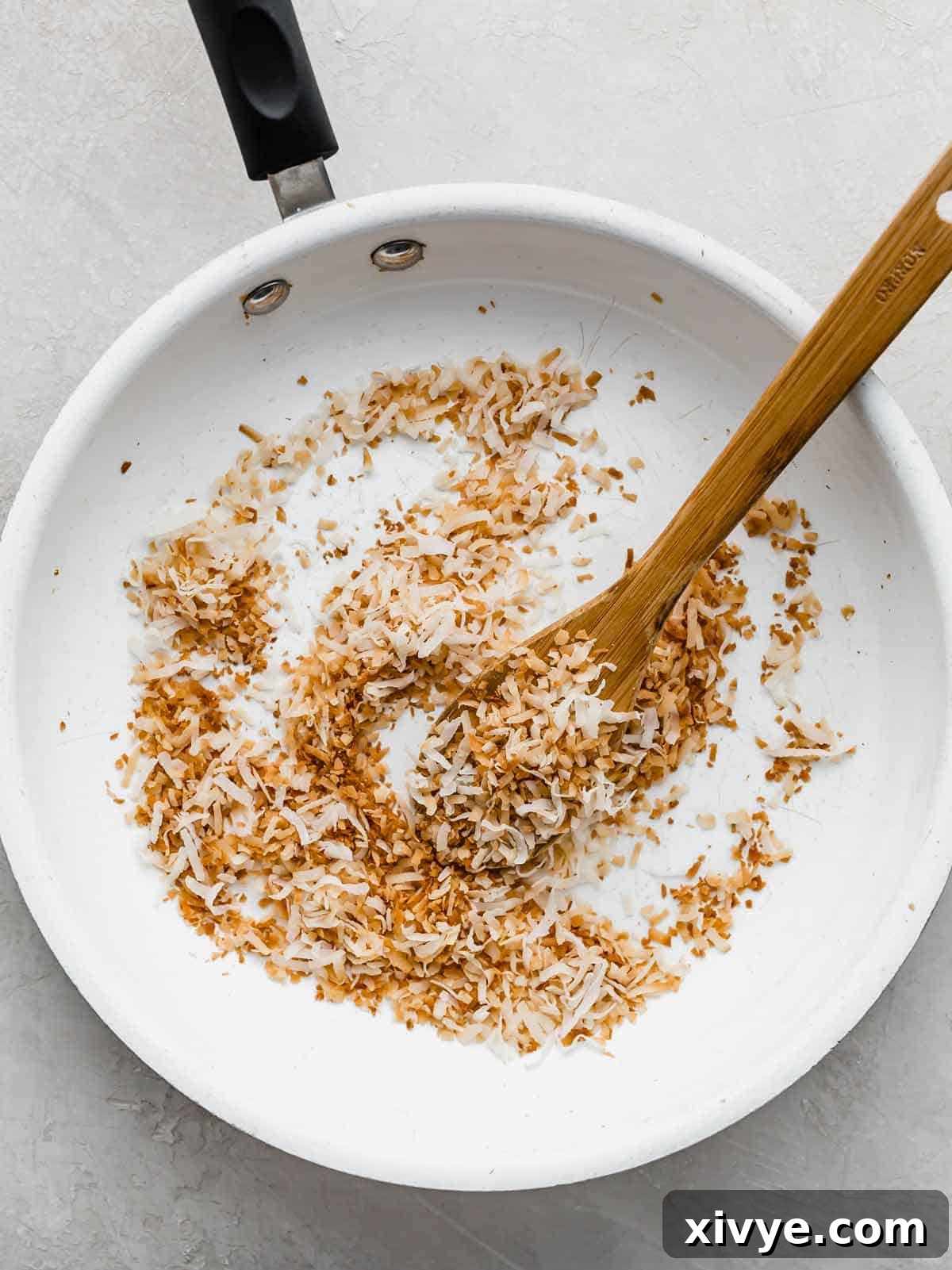
Toasting coconut on the stovetop is a fast and effective method that yields results similar to the oven, producing beautiful golden flakes with a rich, nutty flavor. However, it requires your undivided attention and constant stirring to prevent burning, making it perfect for those who enjoy a more “hands-on” cooking experience.
- Prepare Skillet and Toast Coconut: Choose a large, dry skillet (non-stick or cast iron works well) and place it over medium-low heat. Avoid adding any oil or butter, as coconut contains natural oils that will release as it toasts. Once the skillet is warm, add your coconut flakes, spreading them out in a thin layer. Begin stirring the coconut frequently and continuously with a spatula or wooden spoon.
- Stir Constantly for Even Browning: The key to stovetop success is constant motion. The heat in a skillet is direct, and coconut can burn very quickly if left unattended. Keep stirring, tossing, and flipping the flakes until they transform into a beautiful golden-brown color and become wonderfully crisp. This process typically takes 5-10 minutes, depending on the heat level and the amount of coconut. As soon as it reaches your desired toastiness, immediately remove the skillet from the heat and transfer the toasted coconut to a plate or baking sheet to cool, as it will continue to cook from residual heat.
This method is ideal if you prefer to be actively involved in the cooking process and want to visually control the level of toastiness at every moment. Since the coconut never leaves your sight, you can achieve precise results. Each method works wonderfully, so choose the one that best suits your comfort level and immediate needs.
Pro Tip for Stovetop Toasting: To minimize stress and prevent accidental burning, consider toasting your coconut ahead of time. This way, you won’t feel rushed when preparing the rest of your recipe. Remember, with the stovetop method, constant vigilance and stirring are absolutely essential for a perfectly even, unburnt result.
Expert Tips for Perfectly Toasted Coconut
While toasting coconut is a simple process, a few expert tips can ensure consistently perfect results every time, helping you avoid common pitfalls and achieve your desired flavor and texture.
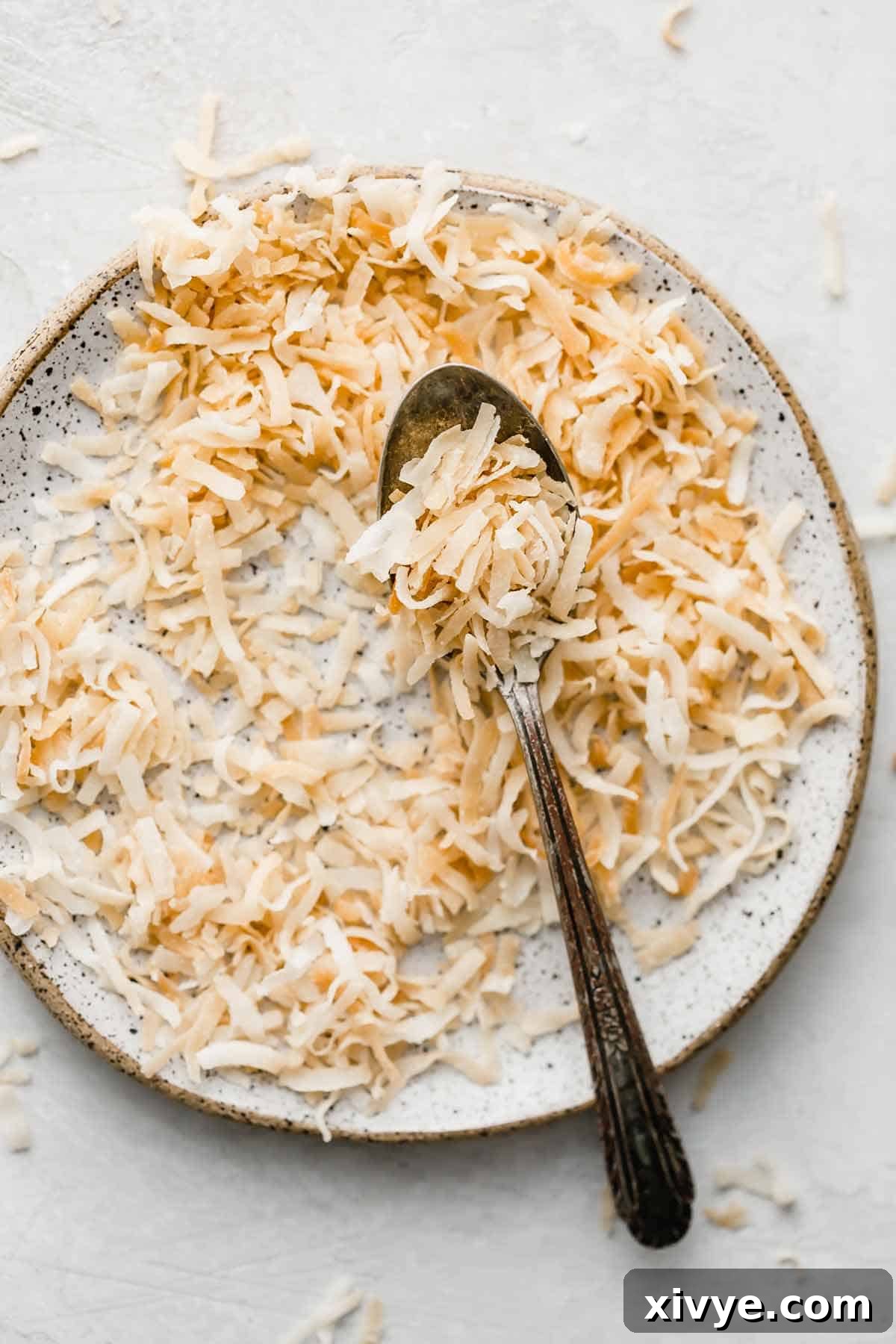
- Customize Your Toast Level: One of the most enjoyable aspects of toasting coconut is that you can truly toast it to your personal liking. For a subtle, delicate nutty flavor and a gentle crisp, aim for a lightly golden brown color. This is perfect for dishes where you want the coconut flavor to be present but not overpowering. On the other hand, if you crave a more intense, deep nutty flavor and a pronounced crunch, you can toast it until it’s a deeper brown. Experiment to find your favorite!
- Vigilance is Key: Regardless of the method you choose, the golden rule of toasting coconut is to watch it closely. Coconut has a high sugar content (especially sweetened varieties) and can go from perfectly toasted to burnt in a matter of seconds. Keep a close eye on the color, and trust your nose – a sweet, nutty aroma is good, but a strong, acrid smell means it’s burning. An extra minute of cook time can be the difference between perfection and an unusable batch.
- Cool Completely: Once your coconut reaches the desired toastiness, remove it immediately from the heat source (baking sheet or skillet) and transfer it to a cool plate or fresh parchment paper. Allowing it to cool completely at room temperature is essential, as this is when it will develop its full crispiness. Hot toasted coconut will feel soft, but it will firm up as it cools.
- Embrace the Flavor Transformation: Toasted coconut genuinely adds an incredible depth of flavor and texture that regular sweetened (or unsweetened) coconut simply cannot match. Those few minutes in the oven, microwave, or on the stove unlock a whole new dimension of taste and crispiness that will leave you wanting more and wondering how you ever lived without it.
- Beyond Dessert: Don’t limit toasted coconut to just sweet applications! While it’s fantastic in German Chocolate cake, yogurt parfaits, granola, or smoothie bowls, it’s also a delightful addition to savory dishes. Sprinkle it over curries for added crunch and sweetness, use it as a crust for fish or chicken, or toss it into stir-fries for an unexpected textural pop. It’s also perfect for a homemade coconut cream pie recipe, adding an extra layer of tropical indulgence.
Make Ahead, Storing, and Freezing Toasted Coconut
One of the many benefits of toasted coconut is that it can be prepared in advance, making meal prep and baking days much smoother. Proper storage ensures it retains its delightful crunch and flavor for weeks.
- Make Ahead: Toasted coconut is an excellent make-ahead ingredient. Prepare a larger batch when you have time, and have it ready to sprinkle on various dishes throughout the week or month. This saves valuable time when you’re in the middle of baking or cooking.
- Storing at Room Temperature: Once your toasted coconut has completely cooled (this is critical to prevent condensation and sogginess), transfer it to an airtight container or a heavy-duty ziplock bag. Store it in a cool, dark place at room temperature. When properly stored this way, toasted coconut will maintain its crisp texture and robust flavor for up to 1 month.
- Freezing for Extended Freshness: For an even longer shelf life, you can freeze toasted coconut. Place the completely cooled coconut in a freezer-safe bag or container, ensuring as much air as possible is removed to prevent freezer burn. Frozen toasted coconut can last for several months. When ready to use, simply thaw it at room temperature for a few minutes; it will retain its crispiness beautifully.
Frequently Asked Questions About Toasting Coconut
Toasting shredded coconut profoundly enhances its flavor, transforming it from subtly sweet to a rich, nutty, and caramelized delight. It also develops an incredibly satisfying crispy texture that adds a wonderful contrast to both soft and crunchy dishes. The intensified aroma alone is enough reason to make this a standard step in many recipes!
You can easily make toasted coconut using three primary methods: in the oven (ideal for larger batches and even browning), in the microwave (perfect for small quantities and quick results), or on the stovetop in a skillet (a hands-on method requiring constant stirring). Each technique offers distinct advantages, allowing you to choose the best fit for your needs. Detailed instructions for all three methods are provided in this guide!
Absolutely, yes! While I often use sweetened coconut for its caramelization, unsweetened coconut flakes toast beautifully. They will develop the same wonderful nutty flavor and crisp texture, just without the added sweetness. This makes them a fantastic choice for savory applications or for those who prefer to control the sugar content in their dishes.
Perfectly toasted coconut will have a uniform golden-brown color. It should also smell distinctly nutty and fragrant. When cooled, it will be delightfully crisp to the touch and when tasted. Avoid any dark brown or blackened bits, as these indicate burning, which results in a bitter taste.
The most common mistake is burning the coconut. This usually happens by not watching it closely enough, especially during the final minutes, or by using too high a heat setting. Another mistake is overcrowding the pan, which leads to steaming rather than toasting and uneven browning. Always spread the coconut in a single, thin layer and stir frequently, particularly on the stovetop or in the microwave.
Delicious Recipes Featuring Coconut
Now that you’re a master of toasting coconut, explore these fantastic recipes where this versatile ingredient truly shines. From decadent desserts to refreshing breakfasts, these dishes are sure to delight:
- Small German Chocolate Cake Recipe: A classic rich chocolate cake topped with a luscious coconut-pecan frosting.
- Donut Apples: A fun and easy treat featuring crisp apples, a sweet glaze, and a hint of coconut.
- Overnight Coconut Chia Pudding: A healthy and delicious breakfast option, perfect for meal prepping.
- Coconut Cookies and Cream Cake: A delightful fusion of classic flavors, elevated with the tropical essence of coconut.
- Tropical Granola Bars: Incorporate toasted coconut into your homemade granola bars for an exotic twist.
- Coconut Shrimp: Use finely ground toasted coconut in the breading for a gourmet take on this popular appetizer.
- Key Lime Pie with Toasted Coconut Crust: Replace graham crackers with a toasted coconut crust for an unforgettable dessert experience.
Have you tried toasting coconut using one of our methods? We’d absolutely love to hear about your experience! Leave a star rating and review below or share your thoughts in the comments section. Your feedback helps us grow and inspires others to get creative in the kitchen.
For more delicious recipes and kitchen tips, stay up-to-date by following us on Instagram, TikTok, YouTube, Facebook, and Pinterest. Join our community of passionate home cooks and bakers!
Print
SaveSaved!
Review
How to Toast Coconut Flakes: A Comprehensive Guide
 Whitney Wright
Ingredients
- 2 cups sweetened shredded coconut
Instructions
How to Toast Coconut in the Oven (Recommended Method)
-
Preheat your oven to 325°F (160°C). Line a large baking sheet with parchment paper or a silicone baking mat to prevent sticking and ensure easy cleanup.
-
Spread the 2 cups of sweetened shredded coconut into a single, even layer across the prepared baking sheet. Ensure there are no large clumps for uniform toasting.
-
Place the baking sheet in the preheated oven. Bake for an initial 7 minutes. After 7 minutes, carefully open the oven door and gently stir the coconut with a spatula. Continue baking for an additional 2-4 minutes, or until the coconut reaches your desired golden-brown color and crispiness. Total baking time usually ranges from 10-15 minutes, but ovens vary, so watch closely!
-
Remove the toasted coconut from the oven and immediately transfer it to a cool plate or fresh parchment paper to prevent further cooking. Allow it to cool completely before using or storing.
How to Toast Coconut in the Microwave (Quick Method for Small Batches)
-
On a microwave-safe plate, spread ½ cup of sweetened shredded coconut in an even layer. Microwave in 15-second increments, stirring thoroughly after each interval. Continue microwaving and stirring until the coconut achieves your desired toastiness level, typically 45 seconds to 2 minutes total.
How to Toast Coconut on the Stovetop (Hands-On Method)
-
Place your desired amount of coconut in a dry skillet over medium-low heat. Stir the coconut frequently and continuously to ensure even browning. Continue stirring until the coconut becomes golden-brown and crisp. Immediately remove from heat and transfer to a cool plate to prevent burning.
Notes
The oven method is especially advantageous when toasting larger quantities of coconut, ensuring uniform results with minimal fuss.
For optimal freshness, store your perfectly toasted coconut in an airtight container or ziplock bag at room temperature. When stored correctly, it will retain its crispness and flavor for up to 1 month.