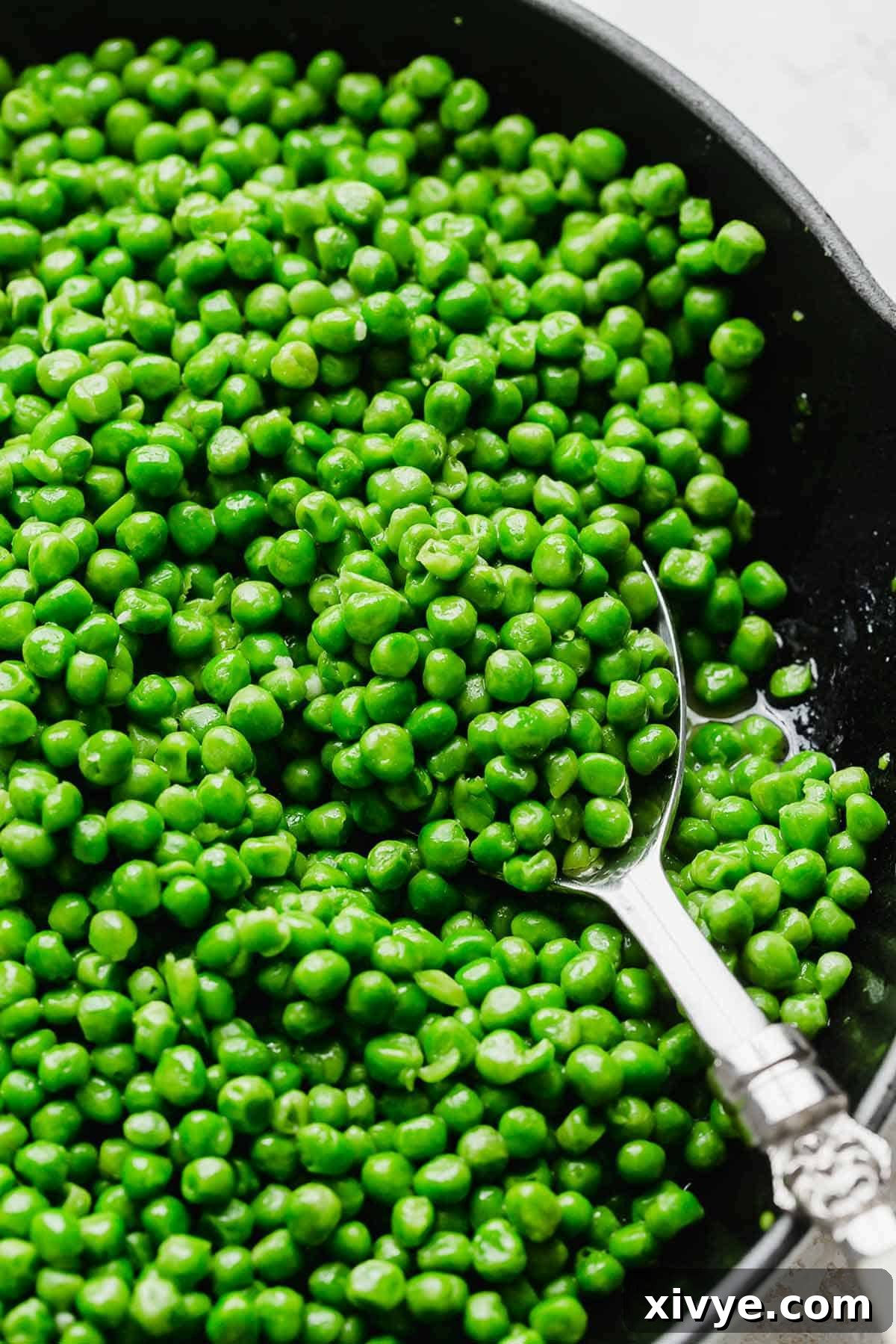
If your usual method for preparing frozen peas involves a pot of boiling water or a steamy basket, then prepare to have your culinary world transformed! Forget those bland, often mushy peas of the past. The secret to truly delicious, vibrant, and perfectly tender frozen peas lies not in boiling, but in a simple, flavorful sauté. This article will guide you through the best way to cook frozen peas, ensuring they become a highlight on your dinner plate every time.
Once you master this surprisingly easy technique for cooking frozen peas, you’ll want to explore more exciting ways to prepare your vegetables. Be sure to check out our other popular recipes like Roasted Carrots, Oven Roasted Broccoli, and Sweet Boiled Corn for more inspiration.
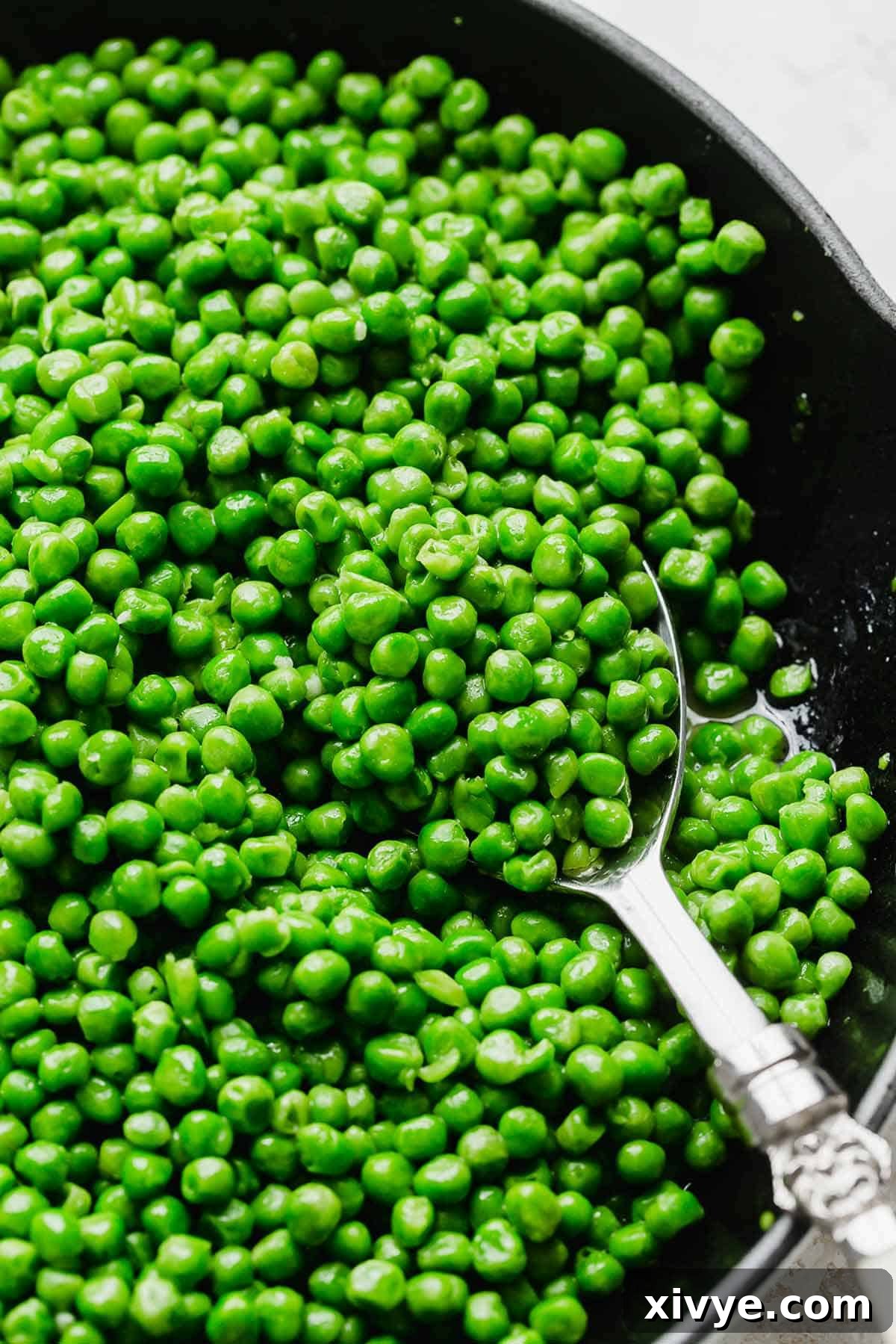
Why Sautéing is the Best Way to Cook Frozen Peas
You might be wondering what makes sautéing superior to the conventional boiling or steaming methods. The answer lies in both flavor and texture. This simple yet effective approach yields results that will make you rethink everything you thought you knew about cooking frozen peas.
- Unlocks the Best Flavor and Texture: Let’s be honest, we’ve all been guilty of resorting to the quick and easy method of boiling frozen peas. But this often results in bland, watery, and mushy peas that lack any real appeal. Our sautéing method in butter transforms humble frozen peas into a remarkably flavorful and tender-crisp side dish. The butter adds a rich, savory depth, while a touch of sugar coaxes out their natural sweetness, creating a creamy, melt-in-your-mouth experience that is truly unmatched. You’ll find yourself craving these peas every night, and perhaps even surprising your family with how much they enjoy this simple vegetable!
- Preserves Vibrant Color and Nutrients: Boiling peas leaches out their beautiful bright green color and, more importantly, many of their water-soluble nutrients. By quickly sautéing them, you minimize water exposure, helping the peas retain their essential vitamins and minerals, and keeping them a stunning, appetizing green. The gentle heat and fat from the butter allow the peas to cook through without becoming waterlogged or losing their structural integrity, resulting in a firm yet tender bite.
- An Incredibly Easy and Versatile Side Dish: This recipe for frozen peas is not just delicious; it’s also incredibly fast and convenient. Requiring only a few minutes of active cooking time and minimal cleanup, it’s the perfect last-minute addition to almost any meal. Whether you’re serving a hearty roast, a simple chicken dinner, or a vegetarian entree, these buttery, sweet, and savory peas will complement it beautifully. With basic pantry ingredients, you can whip up a side that tastes far more gourmet than its effort suggests.
Essential Ingredients for Perfect Sautéed Peas
Achieving perfectly cooked frozen peas relies on just a handful of simple ingredients. Each component plays a crucial role in developing the incredible flavor and texture that makes this recipe a standout. Pay attention to these notes to ensure the best results.
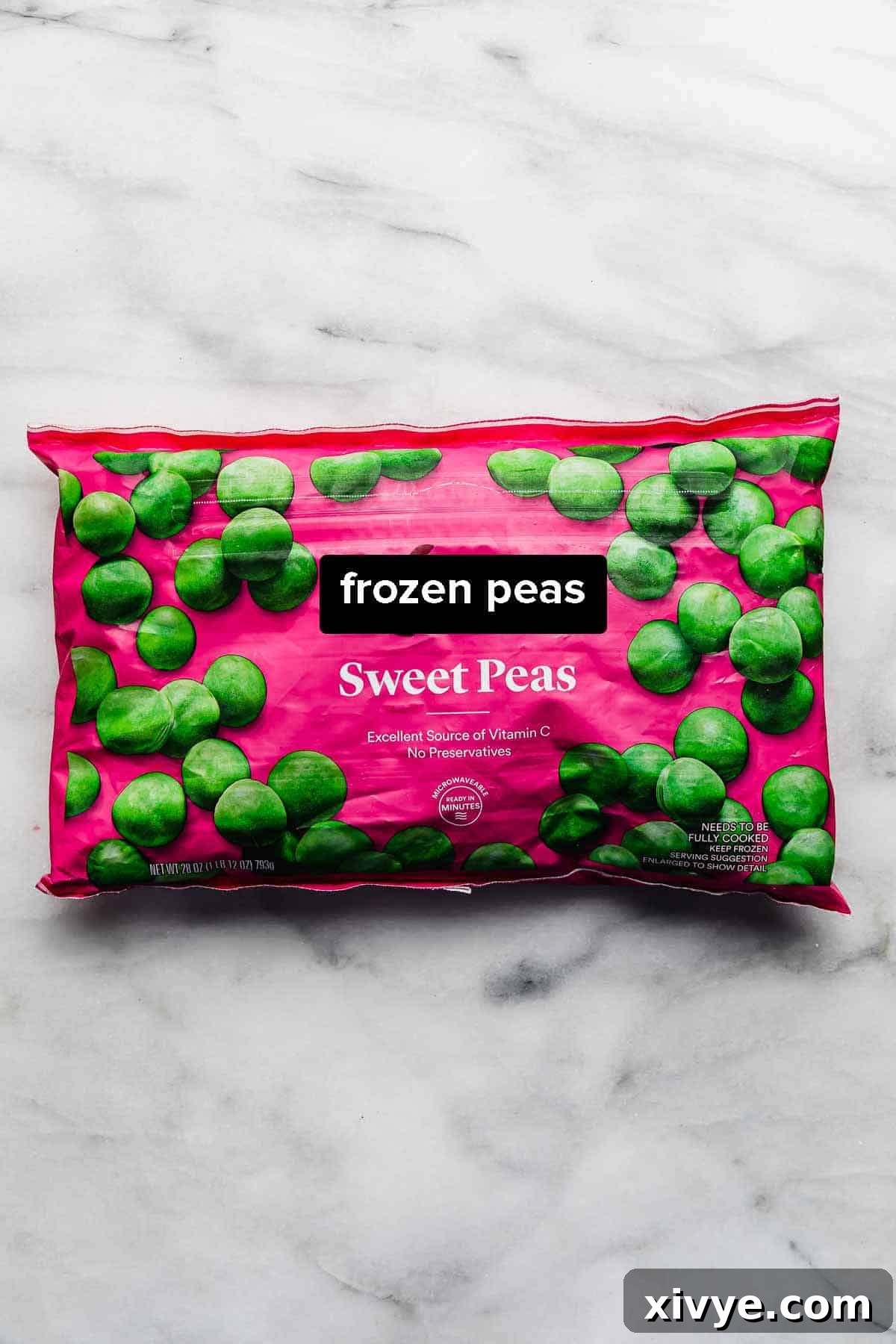
- Frozen Peas: The star of our dish! It might surprise some, but frozen vegetables, including peas, are often superior to their “fresh” counterparts found in many grocery stores. This is because peas destined for freezing are typically harvested at their peak ripeness, when their flavor and nutritional content are at their best. They are then quickly blanched and frozen, locking in that freshness, natural sweetness, and tender texture. This process ensures you get a consistently high-quality, nutrient-dense, and much more tender option compared to fresh peas that might have traveled long distances and lost their vitality. We recommend using petite peas if available, as they tend to be sweeter and more delicate.
- Butter: Butter is not just a cooking fat here; it’s a flavor enhancer! It adds incredible richness, a silky texture, and helps to gently caramelize the peas, bringing out their inherent sweetness. For faster melting and even distribution, cut your butter into tablespoon-sized cubes before adding it to the skillet. You can use either salted or unsalted butter; if using salted, simply adjust the final seasoning to taste.
- Granulated Sugar: Peas have a wonderful natural sweetness, but a small sprinkling of granulated sugar works wonders to amplify this flavor. It doesn’t make the peas overtly sweet, but rather helps to coax out and enhance their inherent sugary notes, creating a more balanced and irresistible taste profile. It also aids in creating a slightly creamy consistency.
- Garlic Clove: While optional, a minced garlic clove adds a fantastic aromatic depth and savory complexity that beautifully complements the sweetness of the peas. It introduces a subtle warmth and a delightful fragrance to the dish. If you prefer a milder garlic flavor, you can use garlic powder (about 1/2 teaspoon) or even a pinch of onion powder. Feel free to adjust the amount to your personal preference, or omit it if you’re not a fan.
- Salt: This is a critical ingredient with a crucial timing rule! It’s essential not to salt the peas until *after* they have been cooked and served onto individual plates. Adding salt too early in the cooking process can draw moisture out of the peas (due to osmosis), causing them to wrinkle, shrivel, and lose their plump, vibrant texture. For the best results and perfectly tender, smooth peas, always season with salt right before eating. Kosher salt or sea salt are excellent choices.
- Freshly Ground Black Pepper: A final flourish of black pepper adds a subtle kick and aromatic freshness that rounds out the flavors of the dish. Add it along with the salt after serving.
Easy Step-by-Step Instructions to Cook Frozen Peas
Cooking these delicious frozen peas couldn’t be simpler! Follow these straightforward steps to achieve a perfect side dish in minutes.
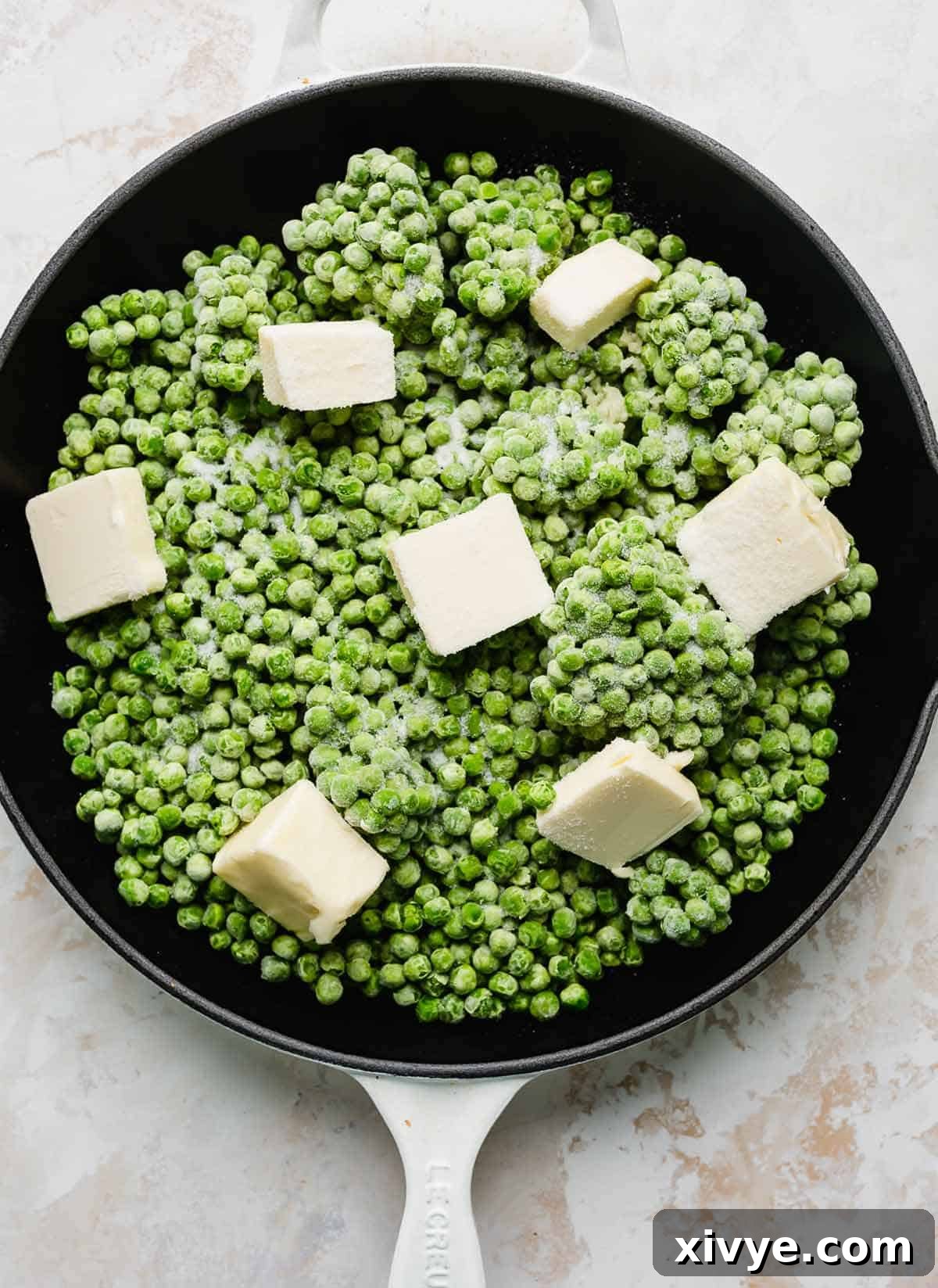
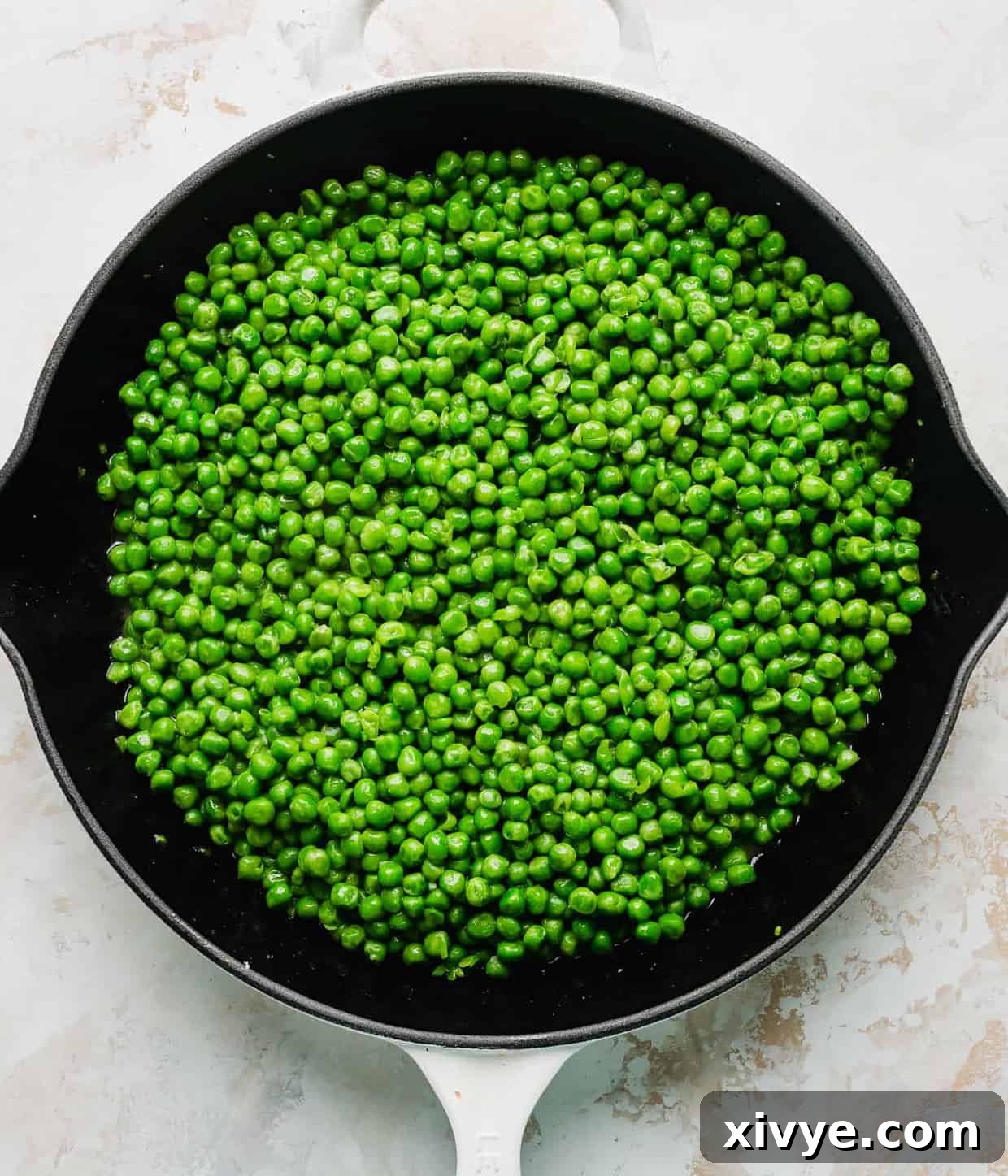
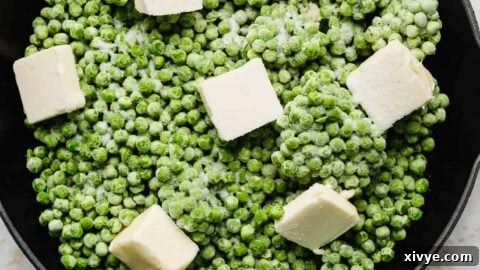
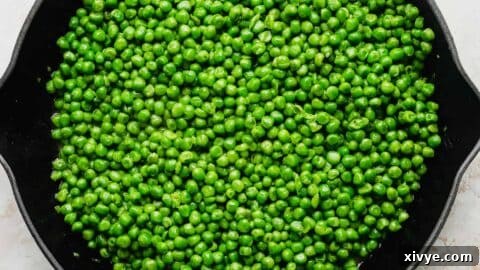
- Combine Ingredients in a Large Skillet and Cook: Begin by placing a large skillet, preferably a cast iron skillet for even heat distribution, over medium heat. Add 2 pounds of frozen peas (no need to thaw!), 10 tablespoons of butter (cubed for quicker melting), 1 tablespoon of granulated sugar, and 2 minced garlic cloves directly into the cold skillet. This allows all the flavors to meld together as the pan heats up. Cook the mixture, stirring frequently to ensure the butter melts evenly and coats all the peas. Continue cooking for about 5-8 minutes, or until the butter is fully melted, the peas are bright green, and tender-crisp. You’ll notice the delightful aroma of butter and garlic filling your kitchen.
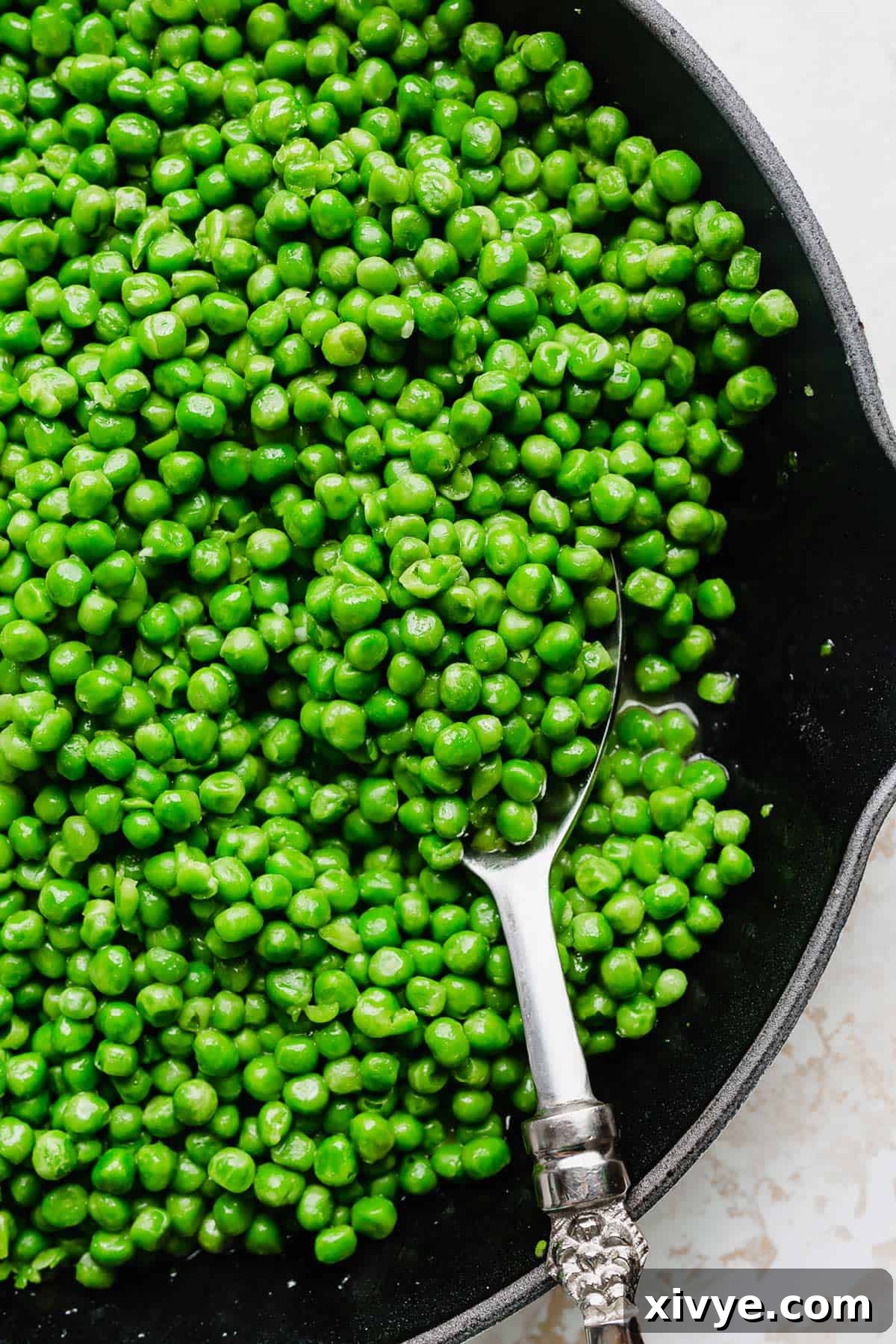
- Serve and Season: Once the peas are cooked to perfection, immediately remove the skillet from the heat. Portion the peas into individual servings. Now, and only now, season generously with kosher salt and freshly ground black pepper to taste. Enjoy these wonderfully creamy and flavorful peas as a delightful accompaniment to your main course!
Expert Tips for the Best Sautéed Peas
To ensure your sautéed frozen peas turn out perfectly every time, keep these expert tips in mind. They address common questions and offer ways to elevate your dish.
The Golden Rule of Salting Peas: This is perhaps the most crucial tip for achieving beautifully plump, unwrinkled peas. As mentioned, never salt your peas too soon. Salt acts osmotically, drawing moisture out of the peas, which can lead to them becoming dehydrated, shriveled, and tough. Wait until your peas are fully cooked, vibrant green, and ready to be served on individual plates before adding any salt. This timing ensures they retain their tender texture and appealing appearance.
Why Sautéing Beats Boiling (Every Time!): Despite what many frozen pea packages might suggest, boiling or steaming is generally not the best cooking method for these delicate legumes. Boiling exposes peas to too much water, which dilutes their flavor and can lead to a mushy, pale, and unappetizing result. Sautéing, on the other hand, allows the peas to gently cook in flavorful butter, promoting a slight caramelization on the exterior while keeping the interior tender and sweet. This method preserves their natural sweetness, vibrant color, and firm yet tender texture, elevating them from a mediocre side dish to a delightful culinary experience.
Frozen Peas vs. Fresh Peas: The Unexpected Winner: You might be surprised to learn that for many culinary applications, especially quick side dishes, frozen peas often outperform fresh peas from the grocery store. According to experts like Cook’s Illustrated (read more here), fresh peas can sometimes be starchier and less sweet than their frozen counterparts. As we discussed in the ingredient notes, frozen peas are typically picked at their absolute peak ripeness and immediately flash-frozen, locking in their optimal flavor, sweetness, and nutrient content. This means you’re almost always guaranteed a tender, sweet, and vibrant pea when you reach for a bag in the freezer aisle. While homegrown fresh peas straight from the garden are a different story (and can be wonderful!), store-bought fresh peas often can’t compete with the consistency and quality of frozen ones.
Elevate Your Peas with Simple Additions: While this recipe is fantastic on its own, don’t hesitate to customize it with a few simple additions to match your palate or meal. Consider sprinkling with fresh herbs such as chopped parsley, mint, or basil for a burst of fresh flavor. For a cheesy element, a dusting of freshly grated Parmesan cheese after cooking adds a savory, umami note. A squeeze of fresh lemon juice just before serving can brighten the entire dish with a refreshing touch of acidity. For a little heat, a pinch of red pepper flakes can be a wonderful addition, or for added crunch and richness, try toasting some pine nuts or slivered almonds and scattering them over the top.
Make Ahead, Storing, and Freezing
Given how quickly this recipe comes together, it’s best enjoyed fresh. Since we’re starting with a frozen vegetable, the beauty of this dish is that there’s very little ‘make-ahead’ prep needed. Simply keep your peas frozen until you’re ready to cook them just prior to serving for optimal flavor and texture. The cooking process takes only a few minutes, making it an ideal last-minute side.
Should you find yourself with any delicious leftover peas, store them in an airtight container in the refrigerator. They will remain fresh and flavorful for about 2-3 days. Reheat gently on the stovetop over low heat, adding a tiny splash of water or a pat of butter to help them retain moisture.
Frequently Asked Questions About Cooking Frozen Peas
We’ve gathered some of the most common questions about cooking frozen peas to help you achieve the best results and clarify any uncertainties.
Using our sautéing method, frozen peas typically cook to perfection in just 5-8 minutes. The exact time can vary slightly depending on the heat of your skillet and the size of your peas. Petite peas tend to cook a bit faster and are often sweeter, which is why we often look for them. You’ll know they’re done when they are vibrant green and tender-crisp, but not mushy.
Absolutely not! While many frozen pea packages suggest boiling, we strongly advise against it for the best flavor and texture. Cooking frozen peas in water often results in a bland, watery, and mushy product that loses its vibrant color and much of its inherent sweetness. Our recipe champions sautéing them in butter, which is the superior method for truly delicious, tender-crisp peas with enhanced flavor.
No, there’s no need to thaw frozen peas before cooking them using this sautéing method. This is one of the fantastic conveniences of cooking frozen peas! You can add them directly to the skillet from the freezer. The gentle heat of the skillet combined with the melting butter will efficiently thaw and cook them simultaneously, saving you valuable prep time.
Frozen vegetables, including peas, are typically blanched before being frozen. Blanching involves a quick dip in boiling water followed by an immediate plunge into ice-cold water. This process helps preserve their color, texture, and nutrients, and stops enzymatic actions that lead to spoilage. While blanched peas are technically partially cooked and safe to eat raw once thawed, they won’t have the desired soft texture or developed flavor of fully cooked peas. Sautéing them ensures they are heated through, tenderized, and infused with the delicious flavors of butter and garlic.
Whether fresh peas need to be cooked depends on their intended use. Raw, sweet garden peas can be a delightful snack, and some salads call for fresh raw peas for their crisp texture. However, for most side dishes and cooked meals, fresh peas are typically cooked to soften them and enhance their flavor. If using fresh peas in this recipe, you might need to blanch them briefly first or extend the cooking time slightly, as they can sometimes be starchier and firmer than frozen varieties. That said, we believe you’ll find this sautéing method to be the best way to enjoy both fresh and frozen peas.
Absolutely! If you’re lucky enough to have homegrown garden peas, they will be delicious in this recipe. While garden peas can sometimes be a bit starchier than flash-frozen commercial peas, this sautéing method still works beautifully to bring out their natural sweetness and tenderize them. You may want to shell them just before cooking and ensure they are added to the hot skillet with the butter, sugar, and garlic. Adjust cooking time as needed until they reach your desired tenderness.
More Delicious and Easy Vegetable Recipes
If you loved how simple and flavorful these sautéed frozen peas were, you’re in for a treat! We have a wide array of easy-to-make vegetable recipes that will become staples in your kitchen. Expand your repertoire with these fantastic options:
- Sheet Pan Roasted Root Vegetables: A convenient and hearty way to enjoy a variety of wholesome vegetables.
- Baked Sweet Potato: Simple, nutritious, and incredibly versatile, a perfect canvas for many toppings.
- Honey Butter Skillet Corn: Sweet, savory, and incredibly comforting, a crowd-pleaser for any meal.
- Buttery Parsley Potatoes: Classic and comforting, these potatoes are a simple yet elegant side.
- Roasted Frozen Cauliflower: Transform frozen cauliflower into a deeply flavorful, tender-crisp side with minimal effort.
Did you try this amazing recipe for cooking frozen peas? We’d absolutely love to hear about your experience! Please leave a star rating and review right here on the blog post, or scroll down to the recipe card below and share your thoughts. Your feedback helps us grow and inspires other home cooks.
Stay connected and up-to-date with all our latest recipes and kitchen tips by following us on Instagram, TikTok, YouTube, Facebook, and Pinterest.
Print
SaveSaved!
Review
How to Cook Frozen Peas: The Best Sautéed Method
 Whitney Wright
Ingredients
- 2 lbs frozen peas
- 10 tablespoons unsalted butter – (cubed for faster melting, see notes)
- 1 tablespoon granulated sugar
- 2 garlic cloves – (minced, optional)
- kosher salt – (to taste, add after serving)
- freshly ground black pepper – (to taste, add after serving)
Equipment
-
12 inch cast iron skillet, with lid
Instructions
-
In a large skillet (such as a cast iron skillet) over medium heat, add the frozen peas, cubed butter, granulated sugar, and minced garlic. There’s no need to thaw the peas beforehand.

-
Cook the mixture, stirring often, for about 5-8 minutes. Continue until the butter is fully melted, coating all the peas, and the peas themselves are vibrant green and tender-crisp. Avoid overcooking to maintain their best texture.
-
Remove from heat, portion into individual servings, and season with kosher salt and freshly ground black pepper to taste. Enjoy immediately!
Notes
A crucial tip: do not salt the peas too soon! Adding salt during cooking can cause them to dehydrate, shrivel, and become wrinkled. Always season with salt after the peas are cooked and served.
Forget what the packaging says about boiling. This sautéing method is the absolute best way to cook frozen peas, yielding superior flavor and texture every single time!