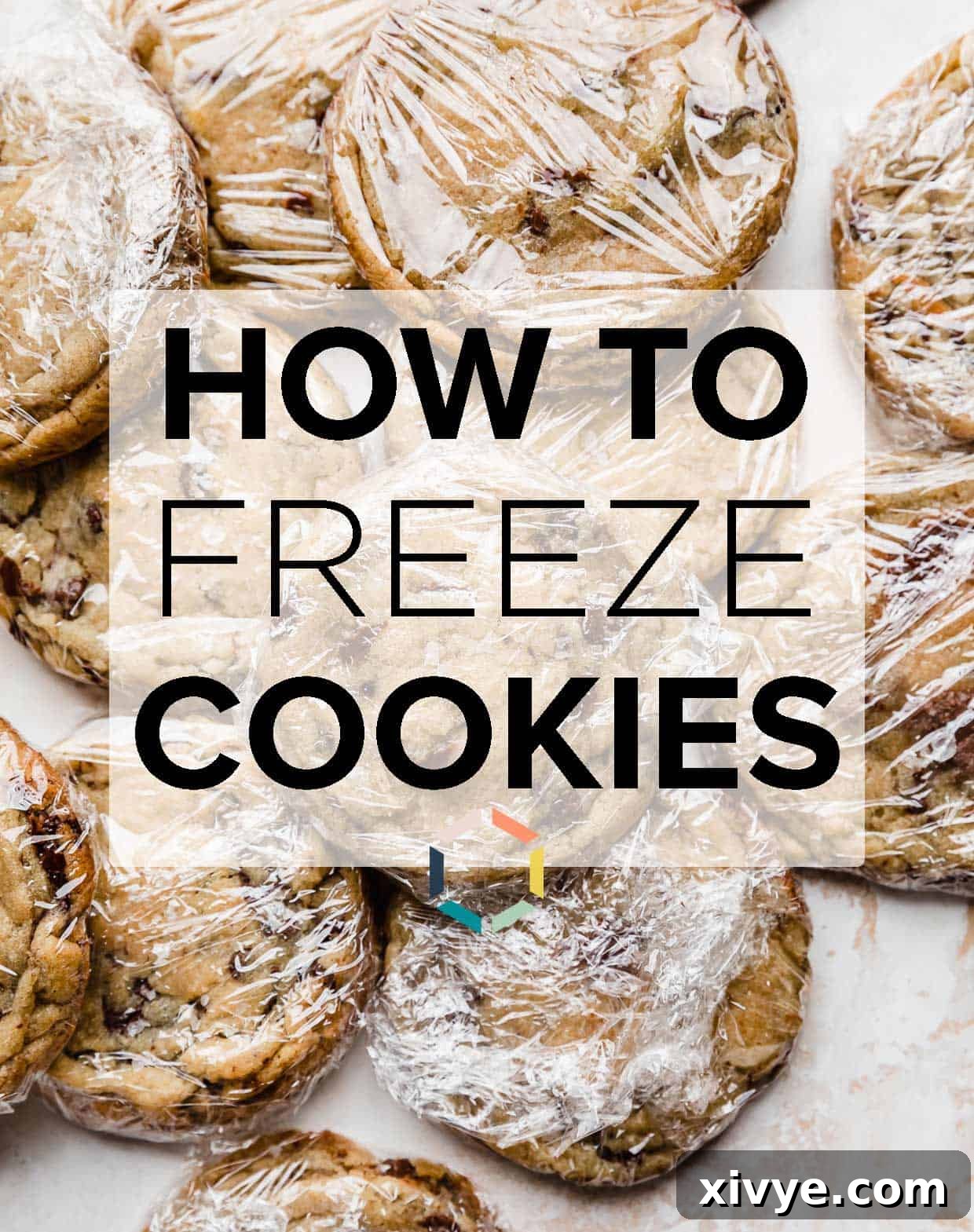
Imagine the delightful aroma of freshly baked cookies filling your home, ready to be enjoyed at a moment’s notice. Or perhaps you’re planning a grand celebration and need a plentiful supply of delicious homemade treats without the stress of baking everything on one hectic day. This is where the magic of freezing cookies comes into play! Mastering the art of how to freeze cookies is a true game-changer for any home baker, offering unparalleled convenience, extended freshness, and effortless entertaining.
Freezing baked cookies is an incredibly efficient way to ensure you always have a stash of your favorite treats on hand. It eliminates the waiting game often associated with baking from frozen cookie dough balls, allowing you to simply grab, thaw, and indulge. While this guide focuses specifically on freezing *baked* cookies, for comprehensive information on How to Freeze Cookie Dough—including drop cookie dough, sugar cookie dough, icebox cookie dough, and more—be sure to explore our dedicated post on Freezing Cookie Dough!
The Ultimate Guide: How to Freeze Baked Cookies for Maximum Freshness
Freezing your delicious baked cookies is a straightforward process when you follow a few key steps. By paying attention to each stage, you can lock in their fresh-from-the-oven taste and texture, ensuring they’re just as enjoyable when you’re ready to eat them.
- Bake Cookies According to Your Recipe: The journey to perfectly frozen cookies begins with baking them exactly as your recipe directs. Whether they’re chewy chocolate chip cookies, crisp shortbread, or soft sugar cookies, ensure they are fully baked and reach the desired texture. Avoid underbaking, as this can lead to a less appealing texture after thawing.
- Allow Cookies to Cool Completely: This is arguably the most critical step in preventing freezer burn and maintaining quality. Once your cookies are out of the oven, transfer them to a wire rack to cool down fully. Any residual warmth can create condensation inside your freezer packaging, leading to ice crystals and freezer burn, which can compromise the taste and texture of your frozen cookies. This process usually takes at least 30 minutes to an hour, depending on the size and density of the cookies. Patience here pays off!
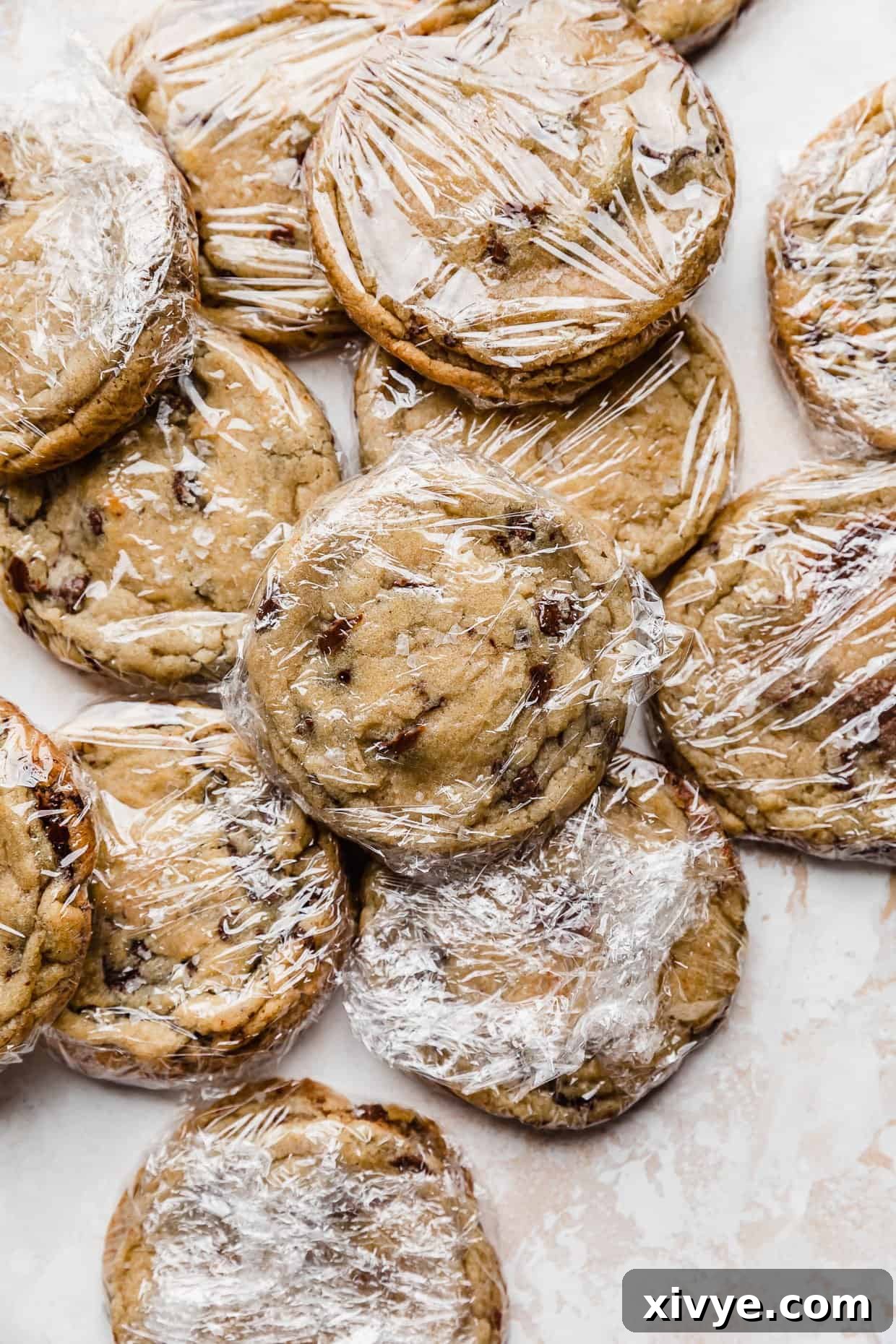
- Wrap Cookies Individually for Optimal Protection: For the very best results and to provide an excellent barrier against freezer burn, individually wrap each cooled cookie. Use plastic wrap, ensuring it’s sealed tightly around the cookie. This individual wrapping prevents cookies from sticking together, protects them from absorbing freezer odors, and adds a crucial layer of defense against air exposure, which is the primary cause of freezer burn. If individual wrapping isn’t feasible for every cookie, consider layering them with parchment paper in a single layer or between each row in a container.
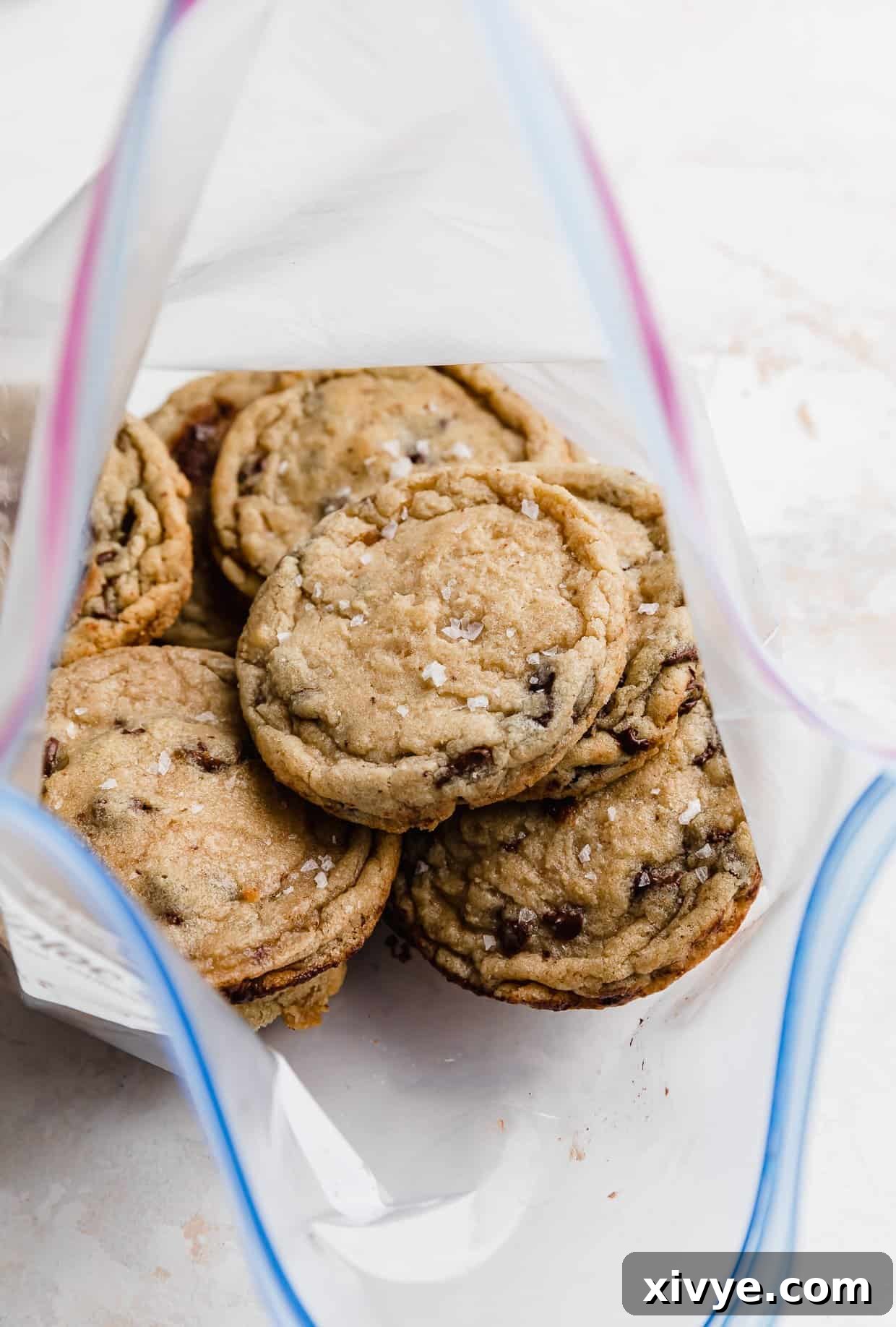
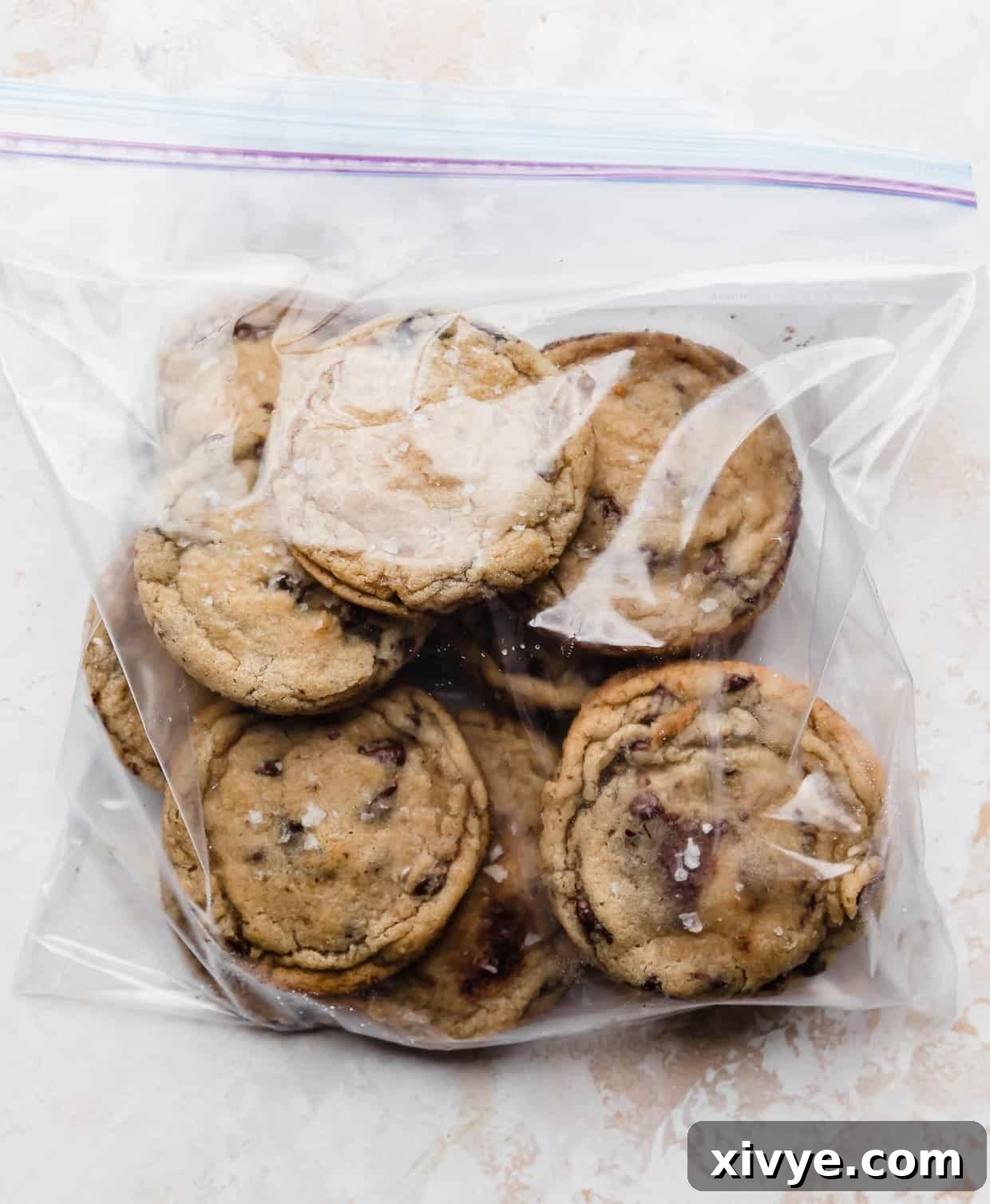
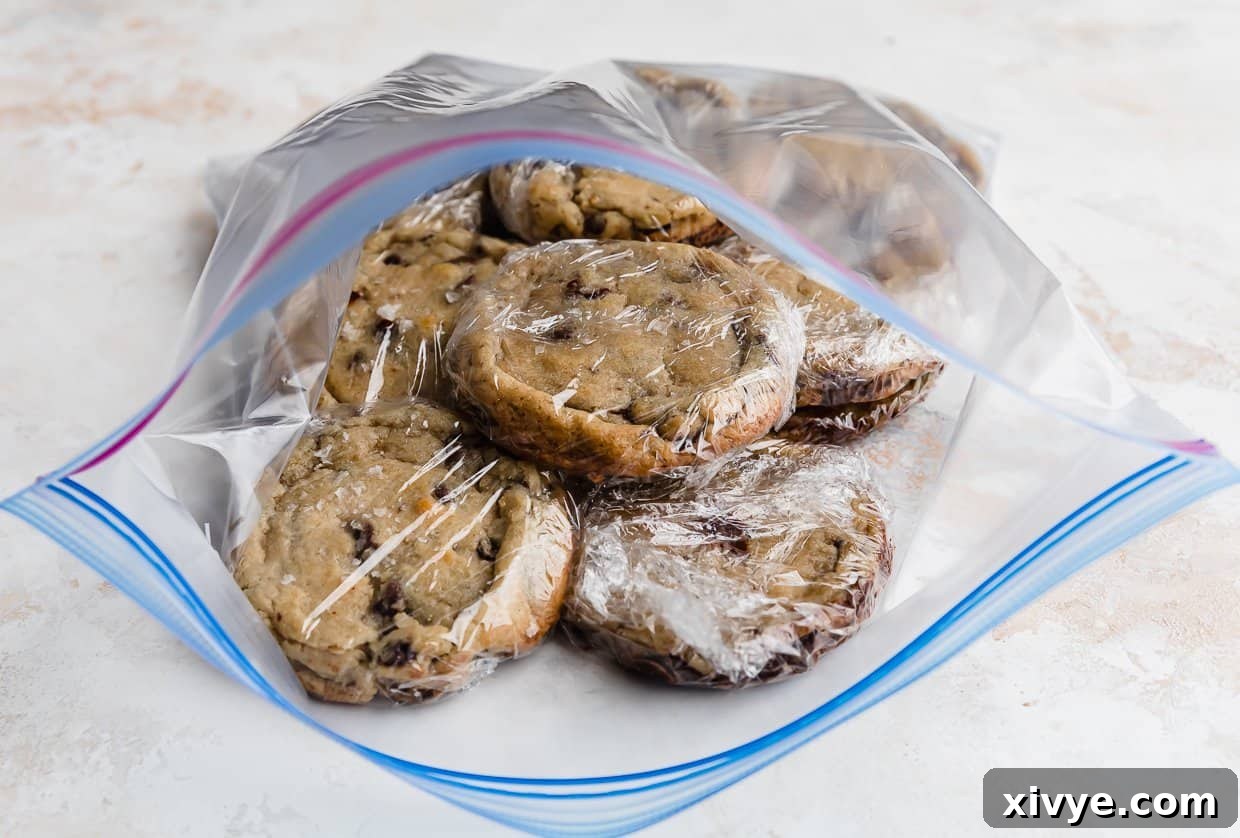
- Store in a Freezer-Safe Bag or Airtight Container: After individually wrapping your cookies, place them carefully into a heavy-duty freezer-safe bag (like a Ziploc freezer bag) or an airtight freezer-safe container. This secondary layer of protection is essential for keeping air out and preserving the cookies’ quality. If using a bag, gently press out as much air as possible before sealing. If using a container, make sure the lid forms a tight seal. Label your container or bag with the type of cookie and the date you froze them. Properly stored baked cookies can be kept in the freezer for up to 2 months, though many types can remain delicious for up to 3 months.
How to Thaw Frozen Cookies for Perfect Enjoyment
Thawing your frozen baked cookies correctly is just as important as freezing them properly. The goal is to bring them back to their delicious state without them becoming soggy, crumbly, or losing their original texture. There are generally two effective methods for thawing, each with its own advantages.
- Remove from the Freezer and Choose Your Thawing Method: Once you’re ready to enjoy your frozen cookies, remove the desired amount from the freezer. You have two main options for thawing: slowly in the refrigerator overnight, or more quickly at room temperature. The best method can depend on the type of cookie and how much time you have.
- Thawing in the Refrigerator (Recommended for Reducing Condensation): If you opt to thaw your cookies overnight in the refrigerator, keep them wrapped individually and within their original freezer-safe container or plastic bag. This slow thawing process helps to minimize condensation, which is crucial for maintaining the texture of the cookies. Remove them from the fridge the next morning, unwrap them, and let them come to room temperature for about 15-30 minutes before serving. This gentle transition helps them reabsorb any minor moisture and regain their optimal texture.
- Thawing at Room Temperature (Faster Method): For a quicker thawing process, you can let the cookies thaw at room temperature. This is often the preferred method for many, especially if you’re in a hurry. When thawing at room temperature, it’s highly recommended to unwrap the cookies from their plastic wrap immediately. This allows any potential moisture or condensation to evaporate rather than lingering on the cookie’s surface and affecting its texture. Arrange the unwrapped cookies in a single layer on a plate or a clean paper towel. The paper towel can help absorb any condensation that might form. Depending on their size and density, cookies will typically thaw at room temperature within 1-2 hours.
Expert Storing and Freezing Tips for Perfect Cookies Every Time
Beyond the basic steps, a few expert tips can elevate your cookie freezing game, ensuring consistently delightful results whenever you reach for your frozen stash.
- Cooling is Non-Negotiable: Always, without exception, allow your freshly baked cookies to cool completely before freezing. We stress this point because it’s paramount to preventing freezer burn. Warm cookies release steam, which then condenses into ice crystals in the cold freezer environment. These ice crystals not only lead to freezer burn but can also make your cookies soggy or alter their delicate texture upon thawing. Ensure they are cool to the touch, all the way to their centers, before wrapping.
- Parchment Paper as an Alternative: If individually wrapping each cookie seems too time-consuming, especially for a large batch, parchment paper is an excellent alternative. Simply layer parchment paper between each cookie or between layers of cookies within an airtight container. This prevents them from sticking together during freezing, making it easier to grab just one or two when a craving strikes.
- The Battle Against Air (Freezer Burn Prevention): The key to preventing freezer burn is to minimize exposure to air. This is why the double-layer protection of individual plastic wrap followed by an airtight container or freezer bag is so effective. The less air that can circulate around your cookies, the less likely they are to suffer from dehydration and flavor loss associated with freezer burn.
- Freezing Frosted or Decorated Cookies: For cookies that feature a frosting, drizzle, ganache, or other delicate topping, it’s generally recommended to freeze the plain baked cookies separately. Then, on the day you plan to serve and enjoy them, thaw the cookies and apply your desired topping. Freezing decorated cookies can lead to smudged frosting, cracked glazes, or a watery mess upon thawing. However, if you absolutely must freeze frosted cookies (e.g., sturdy royal icing), flash-freeze them on a baking sheet until the frosting is solid before wrapping individually and storing.
- Strategic Thawing for Best Texture: As mentioned, thawing cookies overnight in the fridge is often the best method for reducing condensation. Once removed from the fridge, keep them wrapped for another 15-30 minutes as they come to room temperature. This allows any minor condensation to be reabsorbed into the cookie, rather than settling on the surface.
- Room Temperature Thawing Best Practices: If you choose to thaw cookies at room temperature, unwrap them promptly. Arrange them in a single layer, not stacked, on a clean surface. Placing them on a paper towel can help absorb any moisture that forms as they thaw, further protecting their texture.
- Label and Date: Always label your freezer bags or containers with the type of cookie and the date you placed them in the freezer. This simple step ensures you use them within their optimal timeframe and avoid mystery treats in the future!
- A Note on Shelf Life: While properly frozen cookies can keep for 2 to 3 months, their quality is generally best within the first 2 months. Beyond that, while still safe to eat, their texture or flavor might begin to subtly degrade.
- Re-Crisping Baked Cookies: For certain types of cookies, especially those that are meant to be crispy (like shortbread or gingersnaps), you can gently re-crisp them after thawing. Simply place them on a baking sheet in a preheated oven at a low temperature (around 250-300°F or 120-150°C) for 5-10 minutes, or until warmed through and crisp.
The delicious Chocolate Chip Cookies featured in the images throughout this guide are a perfect example of a cookie that freezes exceptionally well!
Frequently Asked Questions About Freezing and Storing Cookies
Absolutely! Freezing cookies is one of the most effective methods to significantly extend their freshness. While most cookies begin to go stale after about a week at room temperature (especially if not stored in an airtight container), proper freezing can maintain their delicious taste and texture for several months, essentially pausing the aging process. This means you can enjoy that “just baked” quality for much longer!
For the best results, it’s generally advisable to freeze cookies without icing, frosting, or delicate glazes. If you’re planning to make Frosted Sugar Cookies, for instance, we recommend following the freezing instructions for the bare baked cookies. Then, on the day you wish to serve them, simply thaw the cookies, prepare your frosting, and decorate! If you must freeze frosted cookies (e.g., with sturdy royal icing), flash-freeze them on a baking sheet until solid before wrapping individually.
For maximum freshness and protection against freezer burn, the optimal method is to individually wrap each cooled cookie tightly in plastic wrap. This initial layer provides a strong barrier against air. Following this, place the wrapped cookies into a heavy-duty freezer-safe bag or an airtight freezer container. This double layer of protection is key to preserving their taste, texture, and aroma.
Most types of baked cookies freeze exceptionally well! This includes classic drop cookies (like chocolate chip cookies, oatmeal cookies, or peanut butter cookies), sturdy sugar cookies (especially when unfrosted), and slice-and-bake or icebox cookies (such as shortbread cookies or sandies). However, it’s best to avoid freezing very delicate cookies that crumble easily (like certain macarons or meringue-based cookies) or those with highly perishable or fragile toppings. For cookies requiring frosting or glazes, freeze the plain cookie and apply toppings after thawing for the best presentation and texture.
Freezing cookies serves several wonderful purposes! Primarily, it helps to significantly prolong their shelf life, allowing you to enjoy your homemade treats weeks or even months after baking them. This is incredibly helpful for managing large baking projects, such as preparing for parties, events, or holiday cookie assortments. By freezing batches, you can spread out your baking efforts, reducing stress and ensuring you always have delicious, ready-to-serve cookies on hand without making them all in one day.
Absolutely! When baked cookies are properly frozen and then thawed according to the recommended methods, they can remain remarkably delicious, often tasting as good as freshly baked. The key is to follow all the steps carefully, especially ensuring they are completely cooled before freezing and unwrapping them correctly during the thawing process.
In their frozen state, cookies will naturally be hard due to the cold temperatures. However, if you’ve baked them correctly and followed proper cooling and storage procedures, they should not become hard or stale once thawed. If cookies are hard after thawing, it’s usually due to overbaking in the first place, or improper storage that led to freezer burn and dehydration.
Yes, you absolutely can freeze bar cookies! First, allow the entire pan or sheet of cookie bars to cool completely. Once fully cooled, cut them into individual squares or desired portions. Then, individually wrap each square tightly in plastic wrap to protect against freezer burn and sticking. Store the wrapped bar cookies in an airtight container or a heavy-duty freezer bag in the freezer for up to 3 months. For the best results, thaw them overnight in the refrigerator before unwrapping and bringing to room temperature.
When properly prepared and stored in airtight freezer-safe packaging, most baked cookies can be safely frozen and maintain their quality for 2 to 3 months. While they may still be safe to eat beyond this timeframe, their taste and texture might start to decline slightly.
While technically possible, it is generally not recommended to refreeze thawed cookies. Refreezing can negatively impact the texture, making them drier or more crumbly, and potentially affecting their flavor. For optimal quality, only thaw the amount of cookies you plan to consume.
The key to preventing flavor transfer in the freezer is excellent airtight packaging. Always wrap each cookie individually and then place them in a sealed freezer bag or airtight container. For especially strong-smelling cookies (like mint or gingerbread) or delicate ones, consider using separate containers or even double-bagging them to ensure their distinct flavors are preserved.
Expand Your Baking Knowledge with More Expert Tips
Once you’ve mastered the art of freezing cookies, why stop there? Dive deeper into the world of baking with these helpful guides and expand your culinary repertoire:
- Choosing the Best Cocoa Powder for Baking
- How to Perfectly Brown Butter
- How to Store and Freeze Cakes for Freshness
- Your Complete Guide to Black Cocoa Powder
- Mastering the Art of Freezing Cookie Dough
Did you utilize any of the tips from this comprehensive guide, or bake a recipe linked within? We’d absolutely love to hear about your experience! Please consider leaving a star rating and review below the recipe card on the original post to share your thoughts.
To stay updated with our latest baking insights, delicious recipes, and kitchen hacks, be sure to follow us on Instagram, TikTok, Facebook, and Pinterest. Happy baking!