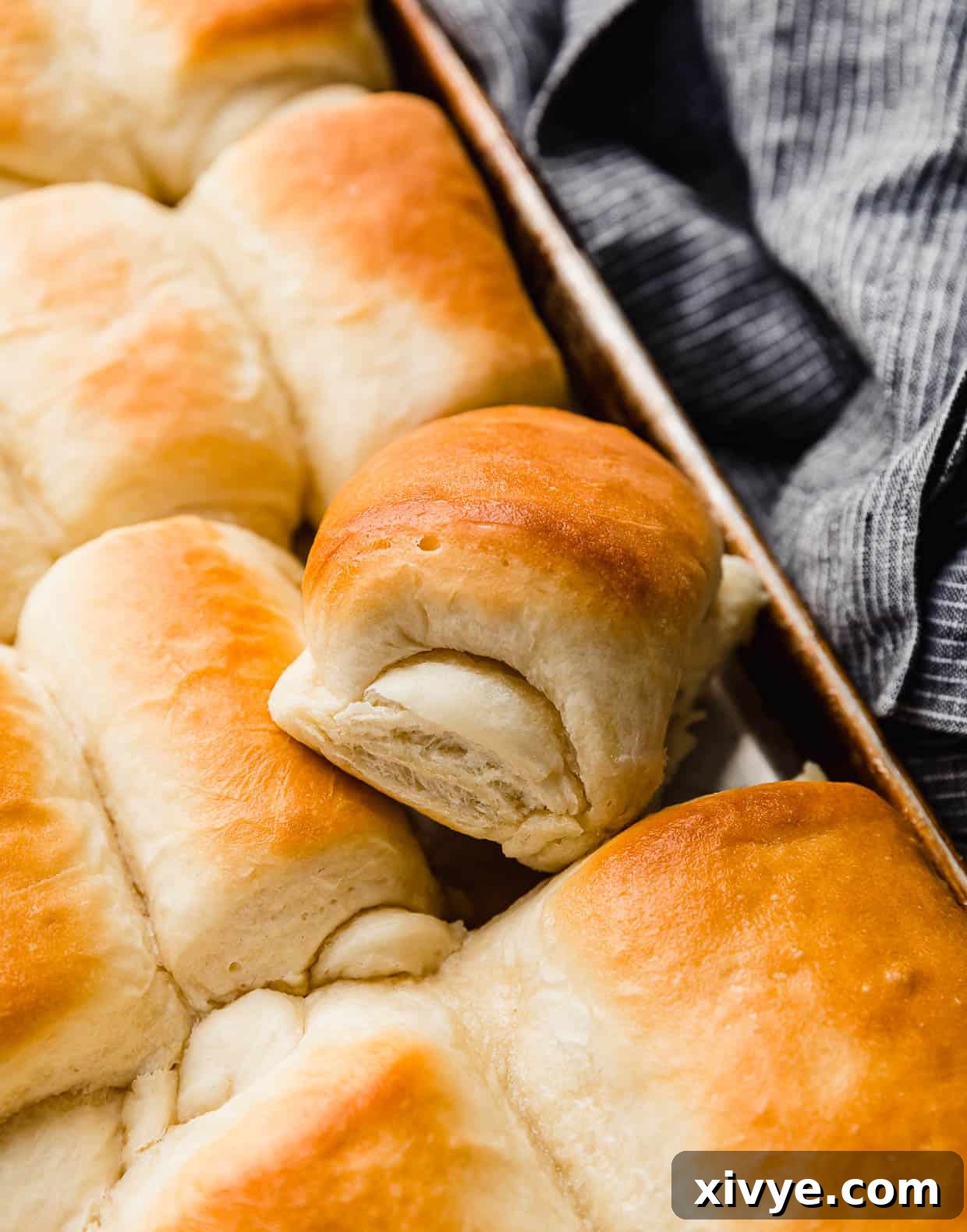
There are some recipes that transcend mere sustenance, becoming cherished traditions that bring warmth, comfort, and undeniable joy to any gathering. For countless families, including ours, the iconic Lion House Rolls hold this distinguished place. These aren’t just any dinner rolls; they are a culinary legend, celebrated for their extraordinary tenderness, melt-in-your-mouth texture, and rich, irresistible buttery flavor. Originating from the historic Lion House restaurant in Salt Lake City, Utah, these rolls have earned their legendary status through generations of delighted diners – and for excellent reasons that you are about to discover.
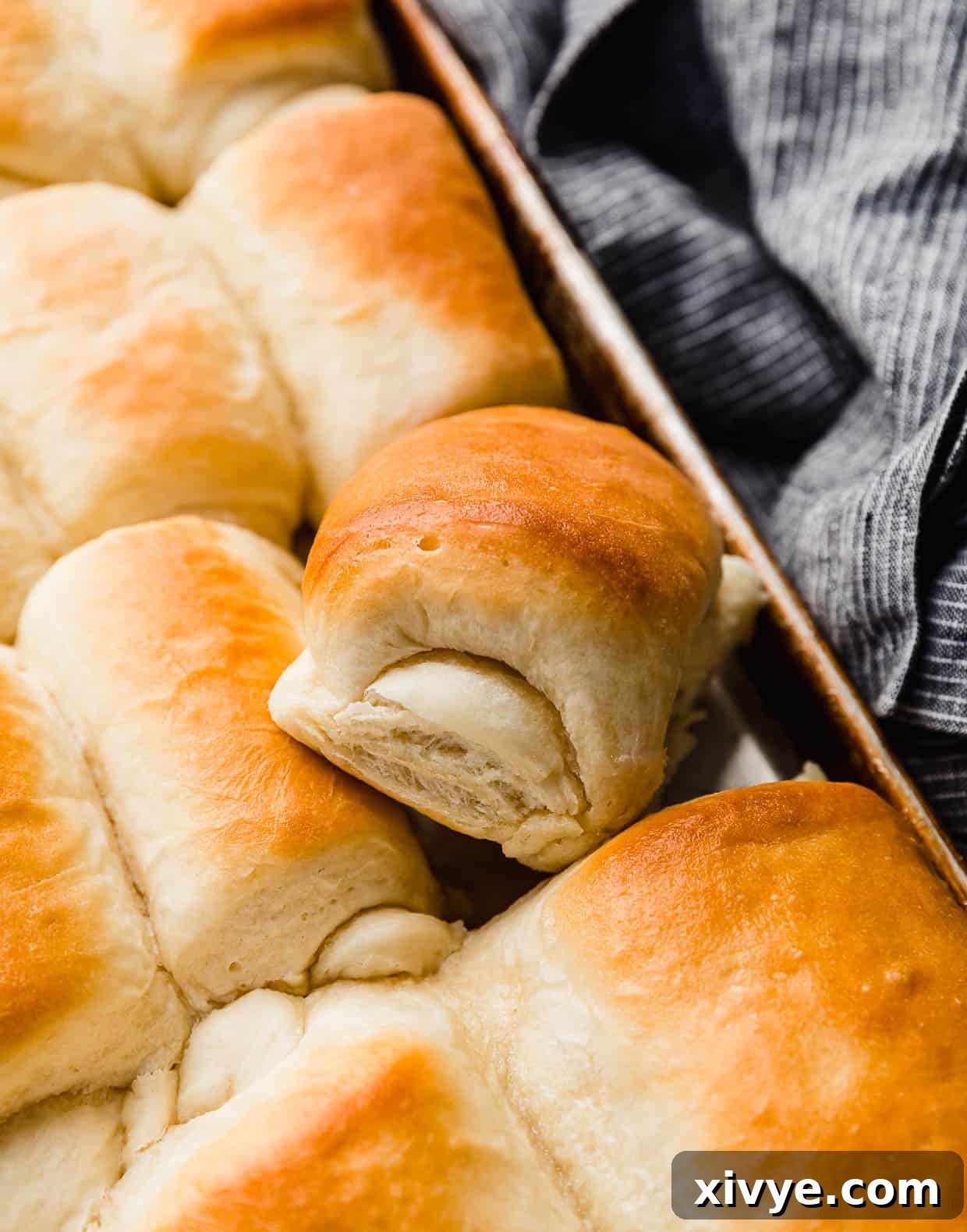
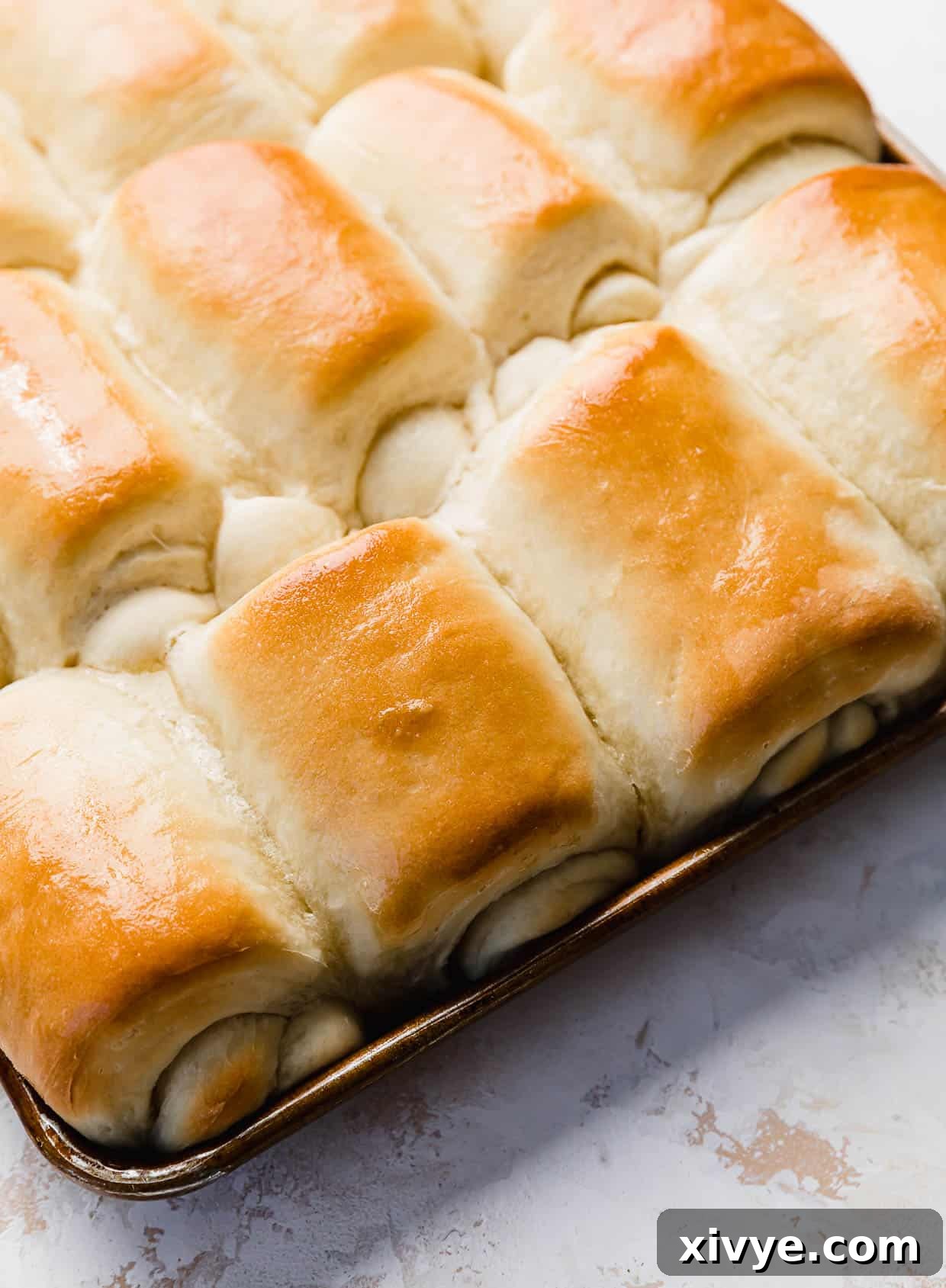
Imagine a roll that is exquisitely soft, a cloud-like pillow for your palate, with a delicate spiral structure that hints at its flaky, buttery layers. This distinctive shape, achieved by brushing the dough with melted butter before carefully rolling it, is a hallmark of the authentic Lion House Rolls. While they share a certain luxurious quality with a flaky brioche, Lion House Rolls possess their own unique character – a perfect balance of subtle sweetness and savory richness that makes them incredibly versatile and utterly addictive. For those who appreciate a sweet pastry, the same principles of layered butter and dough can be explored with a Kouign-Amann, but nothing quite captures the essence of a warm, fresh Lion House Roll served straight from the oven.
This comprehensive guide will walk you through everything you need to know to recreate these beloved homemade Lion House Rolls in your own kitchen. From understanding the key ingredients and mastering the step-by-step process to essential baking tips and clever storage solutions, we’ll ensure your rolls turn out perfectly every time. Get ready to impress your family and friends with these exceptional dinner rolls that are guaranteed to become a new favorite tradition.
Why This Lion House Rolls Recipe Is a Must-Try
Making bread from scratch can seem daunting, but this Lion House Rolls recipe is designed for success, yielding consistently perfect results that stand head and shoulders above store-bought options. Here’s why this particular recipe works wonders:
- Unmatched Texture and Flavor Profile: The primary reason these Lion House Rolls are so highly praised is their extraordinary texture and rich flavor. Each roll boasts an incredibly soft, fluffy interior that practically melts in your mouth, complemented by a delicate, crisp exterior. This is achieved through a precise balance of ingredients and careful kneading, creating a dough that’s both tender and resilient. The generous amount of butter, incorporated into the dough and brushed on before rolling, infuses every bite with a luxurious, savory sweetness that is truly unforgettable.
- A Tried-and-True, Celebration-Worthy Recipe: These aren’t just everyday rolls; they are a staple for special occasions. Passed down through generations and perfected by the renowned Lion House restaurant, this recipe is my personal go-to for significant family meals like Thanksgiving, Christmas dinner, or any Sunday gathering with guests. Its reliability and consistently delicious outcome make it a stress-free choice for holiday entertaining, ensuring a beloved addition to your festive spread. The ease of preparation, considering the impressive results, makes it a perennial favorite.
- Signature Spiraled Shape for Superior Flakiness: The distinctive spiral shape of Lion House Rolls is not just for aesthetics; it plays a crucial role in their unique texture. The process involves rolling out the dough into a thin rectangle, generously brushing it with melted butter, and then rolling it tightly into a log before slicing. This technique creates multiple buttery layers that, when baked, result in an irresistibly flaky texture that subtly separates as you pull the roll apart, revealing pockets of buttery goodness within. This layered construction is what gives these rolls their coveted “pillow soft” quality.
- The Unrivaled Joy of Homemade Perfection: While convenience mixes for Lion House Rolls exist, there’s an undeniable superiority to making them from scratch. Homemade rolls offer a freshness, aroma, and depth of flavor that simply cannot be replicated by pre-packaged alternatives. The act of baking these rolls fills your home with an inviting scent, and the satisfaction of serving warm, pillowy rolls you’ve crafted yourself is immense. This recipe empowers you to create rolls that are not just good, but truly exceptional, enhancing any meal with their fresh, wholesome appeal.
Essential Ingredients for Perfect Lion House Rolls
The magic of Lion House Rolls lies in a combination of simple yet essential ingredients. Using quality components and understanding their role is key to achieving that signature soft, buttery texture. Here’s a detailed look at what you’ll need:
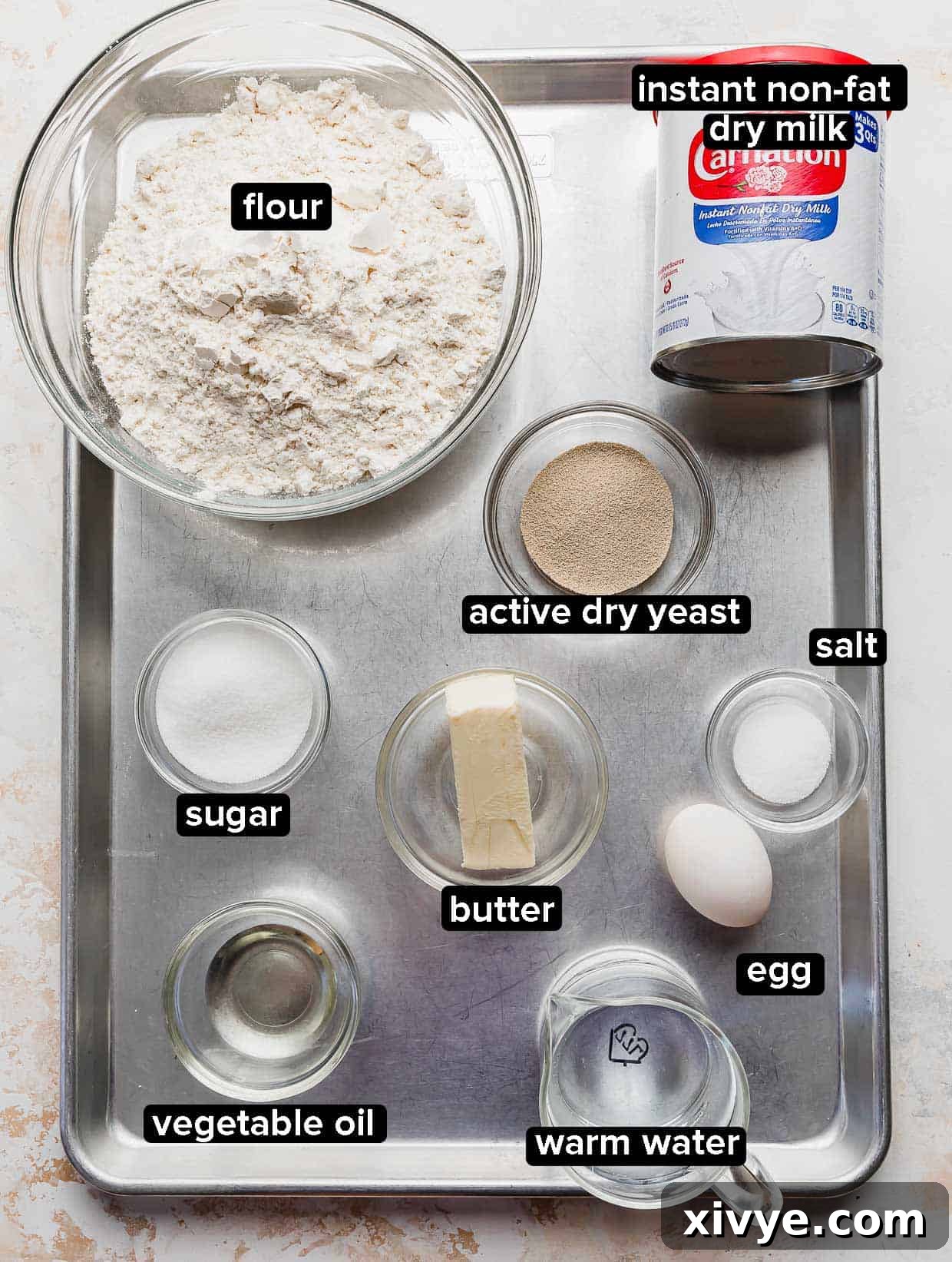
- Warm Water: The foundation of our dough, warm water is crucial for activating the yeast. Aim for a temperature between 105°-110°F (40°-43°C). This range is ideal for encouraging yeast activity without killing it (if too hot) or hindering it (if too cold). Using a thermometer is recommended for accuracy.
- Nonfat Instant Dry Milk: This ingredient is a secret weapon for achieving incredibly soft rolls with a delicate crumb and enhanced flavor. Dry milk adds protein and lactose without extra moisture, contributing to a tender texture and a beautiful golden-brown crust. While you can substitute with liquid milk, for the best and most consistent results with this recipe, I highly recommend sticking to nonfat instant dry milk. If substituting, approximately 2 cups of whole milk would be needed, but be aware that the dough’s hydration might need slight adjustment, as the original recipe is optimized for the dry milk powder ratio.
- Active Dry Yeast: This is the leavening agent that gives the rolls their light and airy structure. Unlike instant yeast, active dry yeast usually requires a brief activation period, but with this recipe’s method, it integrates seamlessly into the dough. Ensure your yeast is fresh by checking its expiration date, as expired yeast will not properly leaven the dough.
- Granulated Sugar: Beyond adding a subtle sweetness that balances the richness of the butter, granulated sugar serves as vital food for the yeast, helping it to activate and thrive. This interaction is crucial for a vigorous rise and contributes to the rolls’ overall tenderness and appealing golden crust.
- Unsalted Butter: Butter is paramount to the Lion House Rolls’ signature taste and texture. It’s incorporated into the dough for richness and softness, and then generously brushed onto the rolled-out dough before shaping, creating those irresistible flaky, buttery layers. Using unsalted butter allows you to control the overall salt content of the recipe. Ensure it’s softened for the dough and melted for brushing.
- Flour: The choice of flour significantly impacts the final texture. You can use either bread flour or all-purpose flour. Bread flour, with its higher protein content, will yield a slightly chewier roll, while all-purpose flour will produce a softer, more tender crumb. Both work beautifully, so choose based on your preference for texture.
- Salt: A crucial flavor enhancer, salt not only seasons the dough but also helps to regulate yeast activity, preventing it from over-fermenting and contributing to the dough’s strength and structure.
Step-by-Step Guide to Baking Lion House Rolls
Follow these detailed instructions to create the perfect batch of buttery, soft Lion House Rolls. Accuracy in each step will ensure outstanding results.
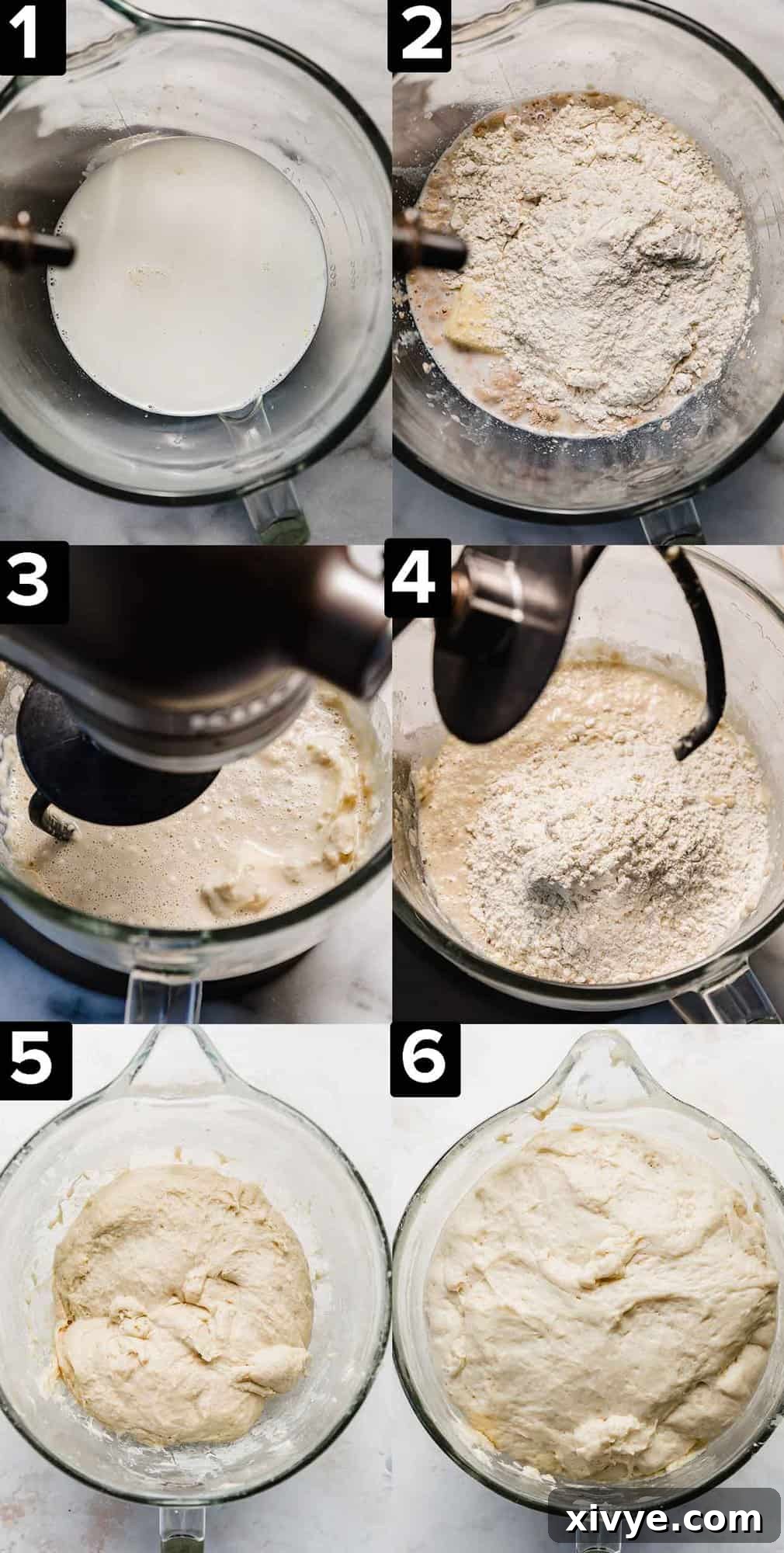
- Prepare the Dough in a Stand Mixer: Begin by combining the warm water and nonfat instant dry milk in the bowl of a stand mixer fitted with the dough hook attachment. Mix on low speed until the dry milk powder is completely dissolved, ensuring a smooth liquid base. Then, add the active dry yeast, granulated sugar, salt, softened unsalted butter, and the large egg. Finally, incorporate the first 2 cups of flour. Mix on low speed for 2 minutes, allowing the ingredients to come together.
- Gradually Add Flour and Knead: After the initial mix, add another 2 cups of flour and continue mixing on low speed for an additional 2 minutes. Observe the dough’s consistency; it should start to come together but still be quite soft. Add the remaining flour gradually, mixing for 3-4 more minutes until the dough is soft, slightly tacky but not sticky, and not stiff. The exact amount of flour needed can vary based on factors like humidity and altitude, so add it cautiously until the desired consistency is reached. The dough should pull away from the sides of the bowl.
- First Rise (Bulk Fermentation): Remove the dough from the mixer bowl. Lightly coat the bottom and sides of the bowl with 1 tablespoon of vegetable oil. Return the dough to the bowl, turning it over once to ensure it’s lightly coated in the oil. This prevents the dough from sticking and aids in an even rise. Cover the bowl tightly with plastic wrap and let it rise in a warm, draft-free place until it has doubled significantly in size. This typically takes about 1-2 hours, but monitor the dough visually rather than strictly by time.
- Prepare for Shaping and Rolling: Once the dough has doubled, gently punch it down to release the air. Lightly flour a clean work surface. Divide the dough into two equal halves. Prepare a baking sheet by lining it with parchment paper or spraying it generously with nonstick cooking spray; this will prevent the shaped rolls from sticking.
- Roll Out the Dough and Butter: Take one half of the dough and, using a rolling pin, roll it out evenly into an approximate 11×14-inch rectangle. Strive for consistent thickness across the entire sheet. Using a pastry brush, generously brush the top surface of the rolled-out dough with a little less than half of the melted unsalted butter. Ensure even coverage, as this butter creates the signature flaky layers.
- Cut and Shape Individual Rolls: Carefully cut the buttered dough rectangle into smaller, roughly 2×4-inch rectangles. A helpful tip for consistent sizing is to use your hand in an “L” shape as a guide. Starting from one of the short ends, tightly roll each small rectangle, buttered side in, creating a neat spiral. Place the rolled rolls on the prepared baking sheet, ensuring the “tail” or loose end of the spiral is tucked underneath, resting on the baking sheet to prevent it from unraveling during the second rise and baking. Repeat steps 5 and 6 with the second half of the dough and the remaining melted butter.
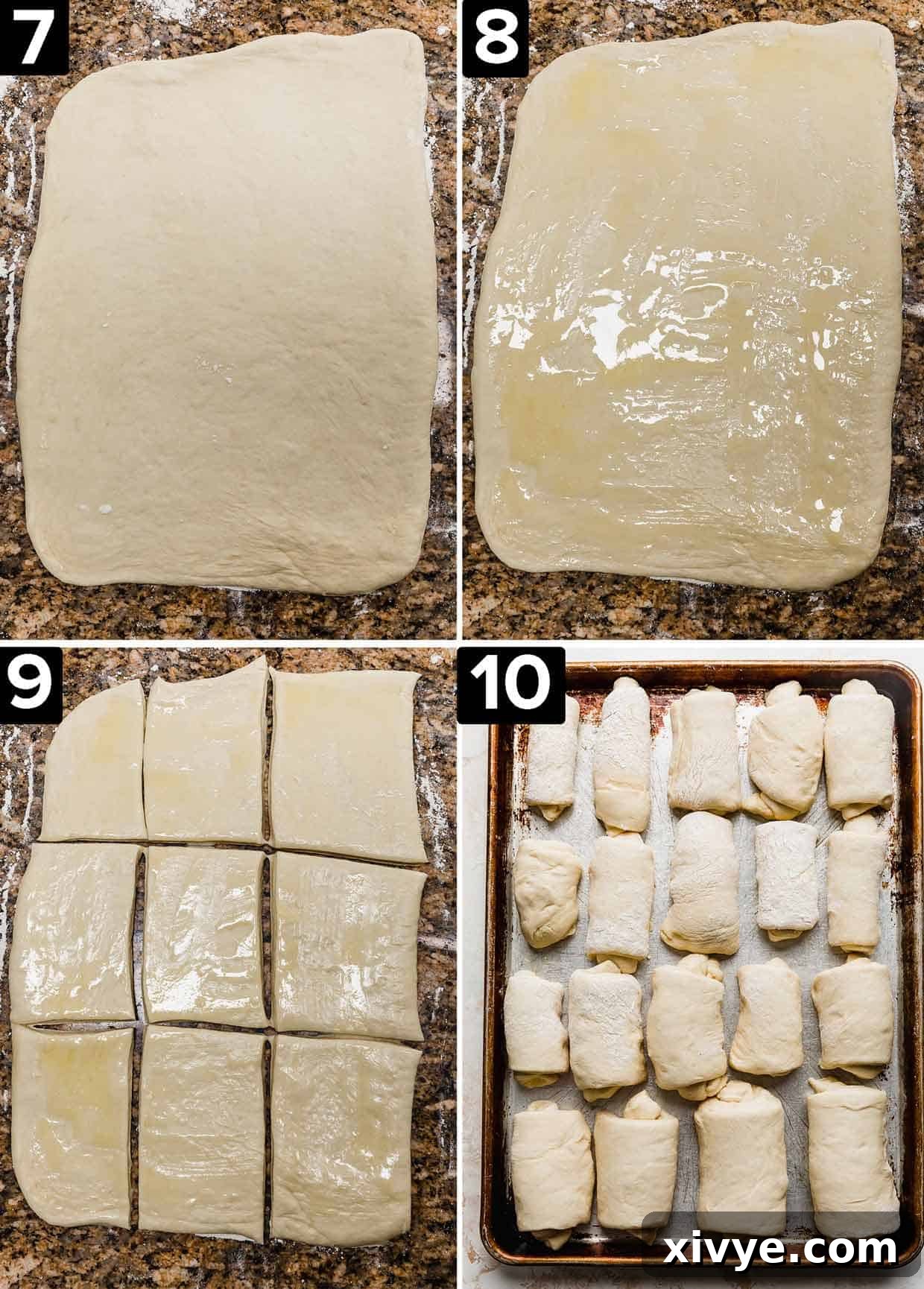
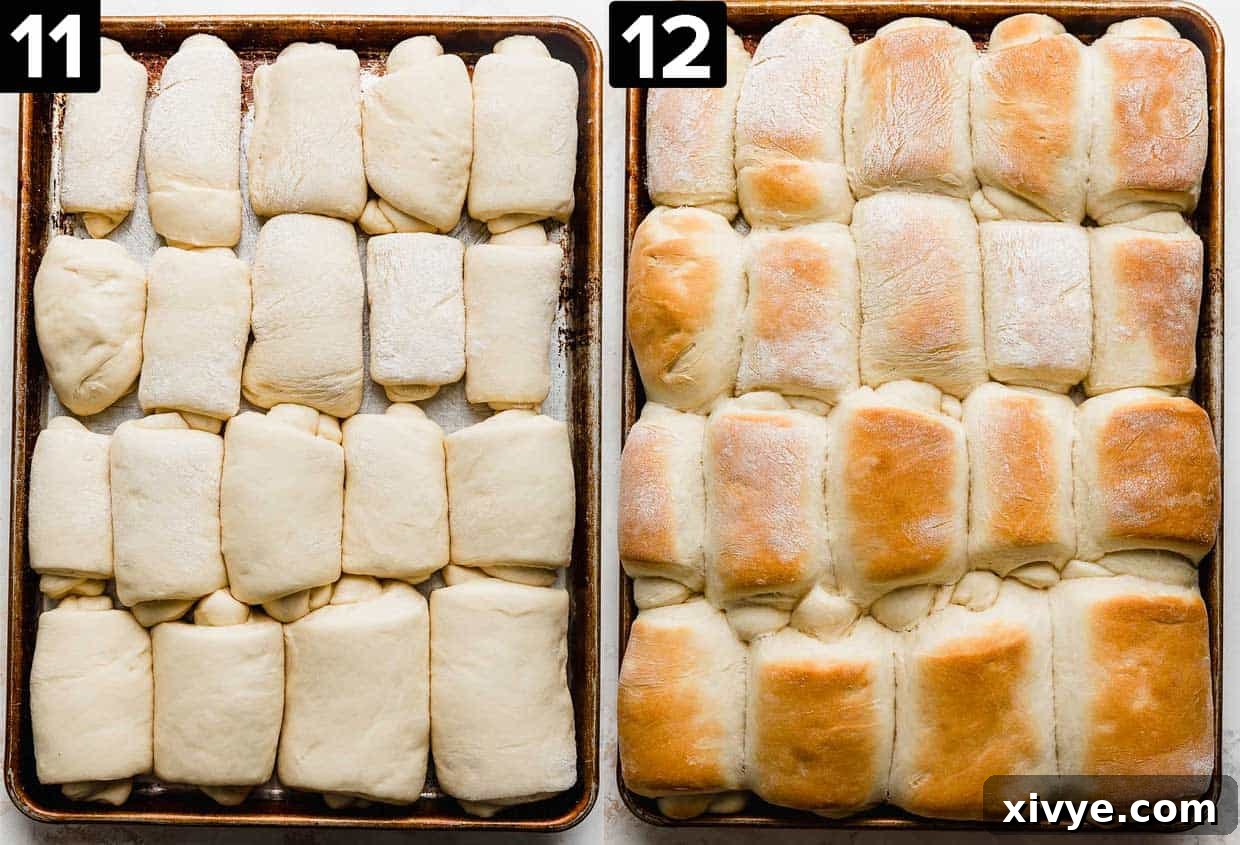
- Second Rise (Proofing): Once all the rolls are shaped and placed on the baking sheet, lightly cover the sheet with plastic wrap. Allow the rolls to undergo a second rise in a warm place until they have nearly doubled in size again, which typically takes about 1 hour. Be careful not to let them over-rise, as this can lead to a less desirable texture.
- Bake to Golden Perfection: Preheat your oven to 375°F (190°C). Bake the Lion House Dinner Rolls for 15-20 minutes, or until they are beautifully golden brown on top and cooked through. The internal temperature should reach around 200-210°F (93-99°C).
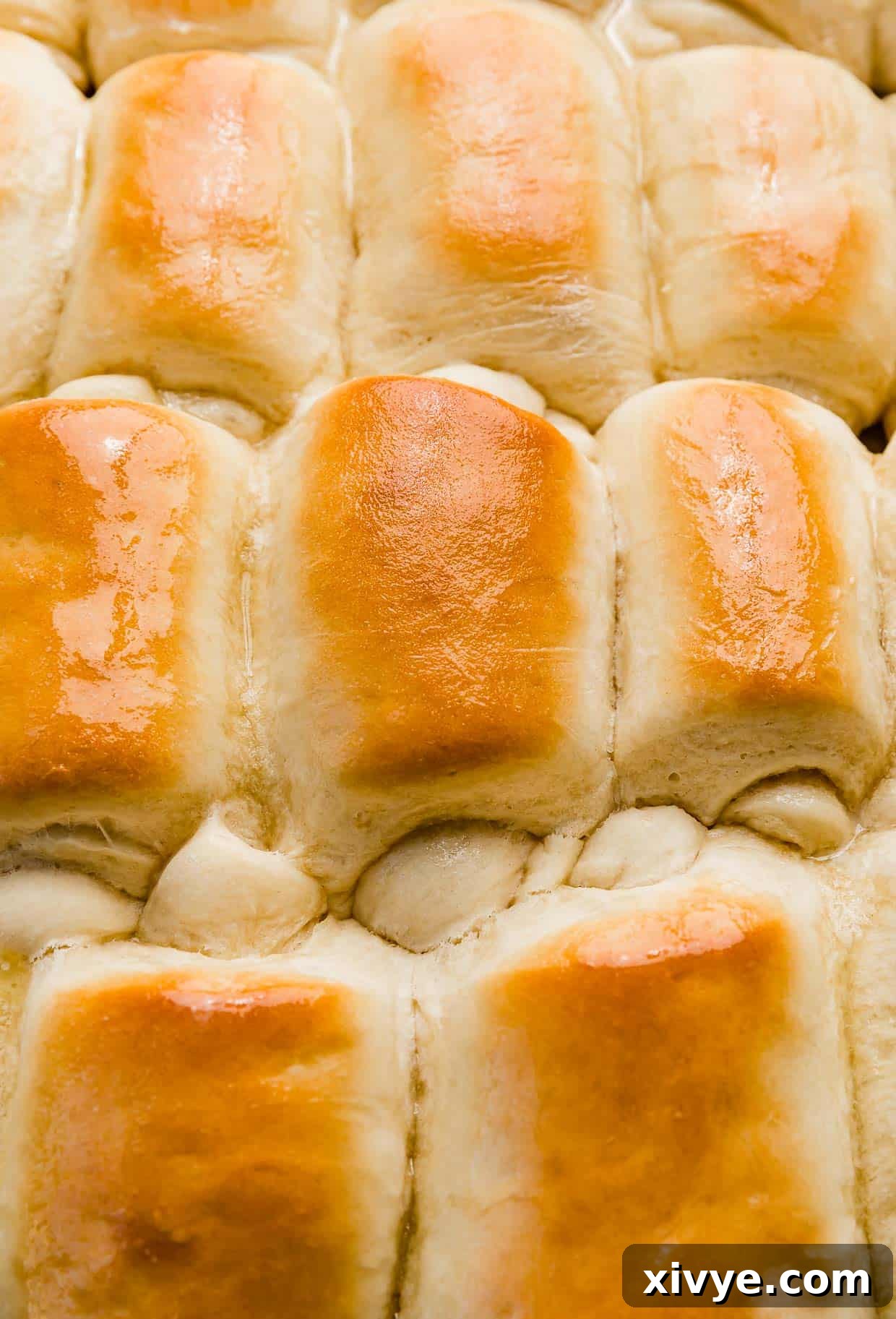
- Final Butter Brush and Serve: Immediately upon removing the rolls from the oven, brush them generously with additional melted butter. This not only enhances their rich flavor but also gives them a beautiful, glossy finish. Serve these delectable rolls warm and enjoy the homemade goodness!
Expert Tips for Baking the Best Lion House Rolls
Achieving bakery-quality Lion House Rolls is easier with a few insider tips. Pay attention to these details, and you’ll consistently bake perfect, tender, and flavorful rolls:
- Mastering Dough Consistency: The ideal dough for these rolls should be soft, slightly tacky to the touch, but never sticky. It should not be stiff or dry. The exact amount of flour can vary significantly due to environmental factors like humidity, altitude, and even the flour brand. Start with the lower range of flour and add more, a tablespoon at a time, until the dough reaches the desired consistency. For reference, I typically use around 6 ¼ cups of flour in my sea-level, semi-humid location. Trust your touch more than the exact measurement for this step.
- Avoid Over-Rising the Dough: While yeast needs time to work its magic, allowing the dough to over-rise is a common pitfall. If the dough proofs for too long, it can become overly airy and porous, leading to rolls that collapse or “fall flat” during baking. This results in a dense, undesirable texture rather than a light and fluffy one. Always observe the dough visually; if it has doubled in size, it’s ready to move to the next step, even if it hasn’t taken the full suggested rising time.
- Importance of an Even Rectangle: When rolling out the dough, strive for as perfect an 11×14-inch rectangle as possible. A uniform shape and thickness ensure that all your individual rolls will be relatively consistent in size. This consistency is crucial for an even bake, preventing some rolls from being undercooked while others are overcooked. Take your time with this step for optimal results.
- Consistent Roll Sizing: After rolling out and buttering the dough, cut it into uniform 2×4-inch rectangles. For a simple visual guide, you can form an “L” shape with your hand; this can serve as an approximate sizing tool for each section. Consistent sizing ensures that all rolls bake evenly and have that characteristic Lion House appearance.
- Warm Environment for Rising: Yeast thrives in warmth. For both the first and second rises, find a warm, draft-free spot in your kitchen. This could be near a sunny window, in a slightly warm oven (turned off, with just the pilot light on if applicable, or briefly preheated and then turned off), or simply a warm corner of your counter. A consistent warm environment promotes an active and robust rise.
- Don’t Skimp on the Butter: The buttery flavor and flaky texture are hallmarks of Lion House Rolls. Don’t be shy when brushing the melted butter onto the rolled-out dough. This generous coating is what creates those delightful layers and infuses the rolls with their signature richness. A final brush of melted butter after baking adds shine and an extra layer of flavor.
Make Ahead, Storing, and Freezing Lion House Rolls
Lion House Rolls are undoubtedly best enjoyed fresh and warm, straight from the oven. However, thoughtful planning allows you to enjoy them later or prepare them in advance. Here’s how to manage your rolls for maximum freshness and convenience:
- Storing Leftovers: Any leftover baked Lion House Rolls should be stored properly to maintain their softness. Place them in an airtight container or a resealable plastic bag, ensuring as much air as possible is pressed out before sealing. At room temperature, they will remain fresh and delicious for 3-4 days. If you need to extend their shelf life, storing them in the refrigerator will keep them fresh for 5-6 days. For the best possible taste and texture, try to consume them sooner rather than later.
- Reheating Baked Rolls: To revive day-old rolls and bring back their freshly baked warmth, you can gently reheat them. For a few rolls, wrap them loosely in foil and warm them in a preheated oven at 300°F (150°C) for about 5-10 minutes, or until heated through. Alternatively, a quick zap in the microwave for 15-30 seconds can soften them quickly, though the oven method usually yields a better texture.
- Freezing Unbaked Dough for Future Enjoyment: If you’re planning to make these rolls far in advance, freezing the dough is an excellent option. For best results when freezing, I recommend doubling the amount of yeast in the recipe. After the first rise, proceed with rolling out the dough, brushing with butter, cutting, and shaping the individual rolls as instructed in the recipe card. Instead of allowing the shaped rolls to undergo their second rise, arrange them on a baking sheet and freeze until they are solid. Once frozen solid, transfer the rolls to an airtight freezer-safe container or a heavy-duty ziplock bag, pressing out any excess air. They can be frozen for up to 3 weeks.
- Baking Frozen Rolls: To bake your frozen rolls, remove them from the freezer and place them on a prepared baking sheet. Allow them to thaw completely at room temperature, which can take several hours depending on your environment. Once thawed, let them rise in a warm place until they have doubled in size (the second rise). This rising period might take slightly longer than fresh dough. Once properly risen, bake according to the recipe instructions until golden brown.
Frequently Asked Questions About Lion House Rolls
Lion House Rolls are a renowned type of homemade dinner roll, famously associated with the historic Lion House restaurant located near Temple Square in Salt Lake City, Utah. These rolls are celebrated for their exceptionally soft, fluffy texture, and rich buttery flavor. Their distinctive appearance comes from a unique preparation method where the dough is brushed with melted butter, rolled into a tight spiral, and then baked to a beautiful golden brown. This rolling technique creates multiple delicate layers, contributing to their unique “pull-apart” quality and irresistible flakiness.
Their specialty lies in a combination of factors: the perfect balance of ingredients that yield a truly tender and moist crumb, the generous use of butter both in the dough and brushed on before shaping for an unparalleled flavor, and the distinctive spiral rolling method that gives them a unique texture. They are a beloved staple for holiday meals and special gatherings due to their consistent excellence and comforting appeal.
Achieving the spiral shape is a key part of this recipe. After the first rise, you’ll roll out the dough into a large, even rectangle (approximately 11×14 inches). This rectangle is then generously brushed with melted butter and cut into smaller 2×4-inch rectangles. To create the spiral, you’ll simply roll each smaller rectangle tightly from one of its short ends, butter-side in. The trick is to roll them snugly and place the finished rolls on the baking sheet with the seam side down to prevent them from unrolling during proofing and baking. The instructional photos within this post provide visual guidance for this step.
Yes, for those seeking convenience, Lion House Rolls mixes are available for purchase, primarily at Deseret Book stores and occasionally at select grocery stores, particularly in Utah. You might also find frozen versions of the rolls. However, nothing quite compares to the freshness, aroma, and pride of making these classic rolls from scratch using our authentic recipe.
While the recipe is specifically formulated and highly recommended to be made with water and nonfat instant dry milk for optimal texture and flavor, you could theoretically use 2 cups of whole milk as a substitute for the water and dry milk powder. It’s important to note that this substitution has not been personally tested with this exact recipe, as the original method consistently yields the best results. The dry milk powder provides a specific concentration of milk solids that contributes significantly to the rolls’ softness and rich crumb. If you choose to substitute, be prepared to potentially adjust the flour slightly to achieve the correct dough consistency.
Lion House Rolls are incredibly versatile and pair wonderfully with a wide array of dishes. They are perfect alongside holiday roasts like turkey or ham, hearty stews, chili, or any comforting soup. Their buttery goodness also makes them a fantastic accompaniment to a simple family dinner, whether it’s pasta, grilled chicken, or even just a fresh salad. Serve them warm with extra butter, honey butter, or a flavorful jam for an extra treat.
Discover More Delicious Bread Recipes
If you’ve enjoyed baking these legendary Lion House Rolls, you’ll love exploring other delightful bread recipes from our collection. Expand your baking repertoire with these fantastic options:
- Classic Homemade Dinner Rolls Recipe
- Savory Rosemary Garlic and Parmesan Dinner Rolls
- Fun & Easy Pizza Rolls Recipe
- The Best Sweet & Sticky Monkey Bread Recipe
- Flaky Southern Buttermilk Biscuits Recipe
Did you try this amazing recipe? We would absolutely love to hear about your experience! Please take a moment to leave a star rating and a review right here on the blog post, or scroll down to the recipe card area to share your thoughts.
Stay connected and up-to-date with our latest recipes and baking adventures by following us on Instagram, TikTok, YouTube, Facebook, and Pinterest. Don’t forget to tag us @saltandbaker when you share your delicious creations!

Print Recipe
Leave a Review
Lion House Rolls
 Whitney Wright
Ingredients
- 2 cups warm water – about 105°-110°F (40°-43°C)
- ⅔ cup nonfat instant dry milk
- 2 tablespoons active dry yeast
- ¼ cup granulated sugar
- 2 teaspoons salt
- ⅓ cup unsalted butter – softened
- 1 large egg
- 5-6 cups bread or all-purpose flour
- 1 tablespoon vegetable oil
- 6 tablespoons unsalted butter – melted, for brushing on the dough before rolling up
Instructions
-
In the bowl of a stand mixer stir together the water and dry milk powder until the milk has dissolved. Add the yeast, sugar, salt, softened butter, egg, and 2 cups of flour. Using the dough hook attachment mix on low speed for 2 minutes, then add 2 more cups of flour and mix for another 2 minutes. Add the remaining flour and mix for an additional 3-4 minutes. The dough should be soft, slightly tacky but not sticky, and not stiff. You may not need to use all of the flour, and alternatively you may need to add more flour than is called for depending on where you live, climate, altitude etc. I used about 6 ¼ cups flour and I live at sea level in a semi-humid location. Climate and altitude plays a role in bread baking.
-
Remove the dough from the bowl, add 1 tablespoon of vegetable oil to the bowl and smear it along the bottom and up the sides. Turn dough over in the bowl, then cover the bowl with plastic wrap and allow the dough to rise until doubled in size, about 1-2 hours.
Shaping and Baking
-
Spray a baking sheet with nonstick cooking spray, or line with parchment paper.
-
Divide the dough into 2. Sprinkle the counter with flour and roll 1 of the dough sections into an 11×14” rectangle. Brush with a little less than half of the melted butter. (you’ll need the other half for the other dough section). Cut small 2×4 rectangles (if you hold your hand out so that it forms an “L” shape, it can be your sizing guide for cutting. Roll (or flip) the rectangles, buttered side in, and place on the prepared baking sheet with the tail (or the end) resting on the baking sheet.
-
Cover with plastic wrap and let rolls rise until doubled in size, about 1 hour.
-
Bake rolls at 375°F (190°C) for 15-20 minutes or until golden brown. Remove from the oven and brush with melted butter.
Notes
Store in an airtight container or ziplock bag with the air pushed out at room temperature for 3-4 days.
As a note: I only ever make this recipe as written with water and dry milk powder. 1 cup dry milk powder + 4 cups water = milk. So, that would mean ½ cup dry milk powder + 2 cups water = milk. However, this recipe uses ⅔ cup of dry milk powder and 2 cups water. This means there is a higher content of milk powder than what you’d need to sub out for milk.
Keep this in mind if you are trying to sub out the water and dry milk for milk.
As a note, I recommend making this recipe as written and not substituting.