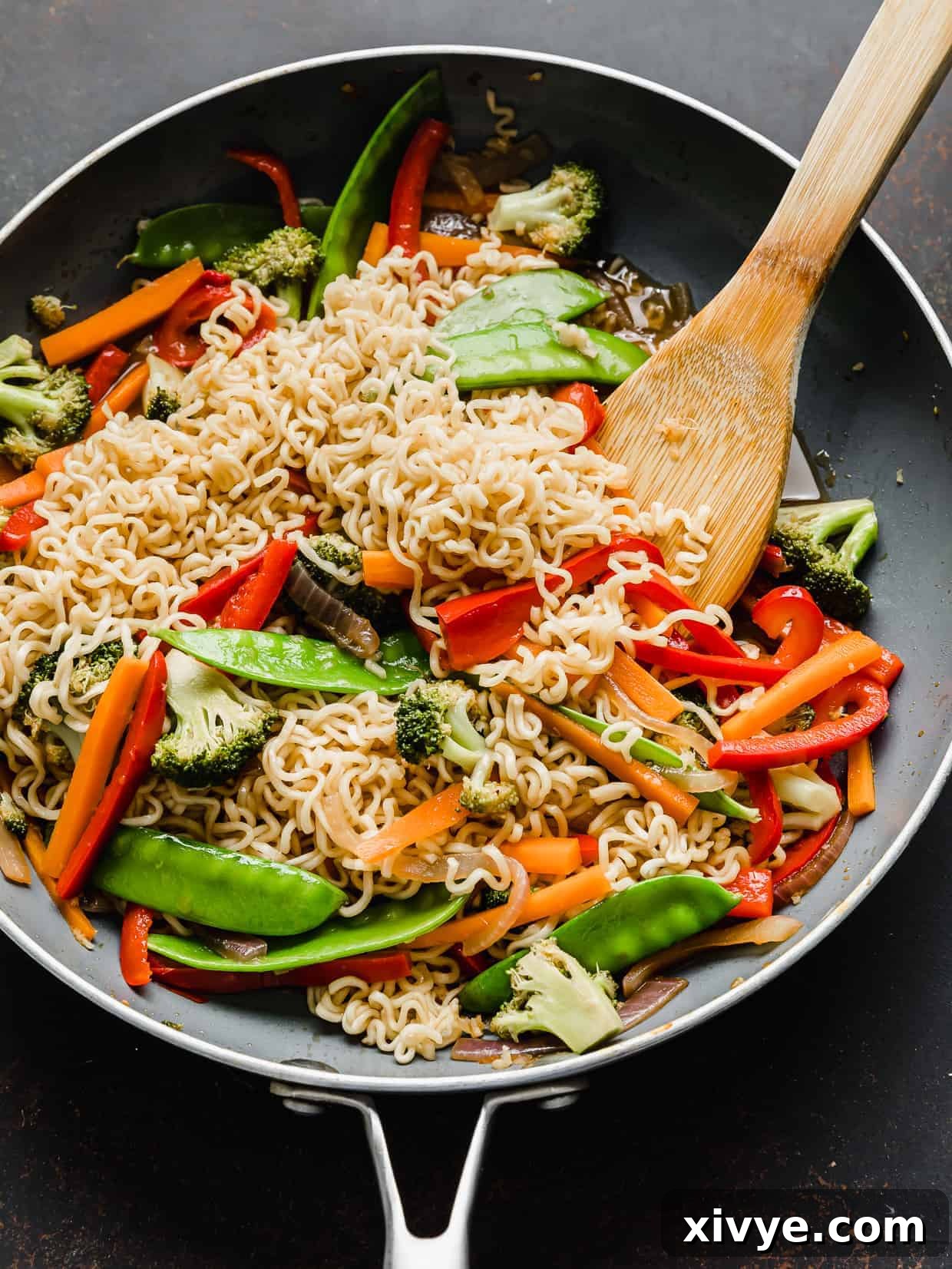
Transform your ordinary instant ramen into an extraordinary culinary experience with this vibrant and incredibly easy Ramen with Vegetables recipe! This dish is a delicious and healthy way to elevate a humble pantry staple, making it a perfect weeknight meal that’s packed with flavor and nutritious goodness. Say goodbye to bland noodles and hello to a colorful stir-fry featuring crisp-tender vegetables, slurpable ramen noodles, and a savory, aromatic sauce that will tantalize your taste buds.
Whether you’re looking for a quick dinner solution, a smart way to use up leftover vegetables in your fridge, or a family-friendly meal that satisfies everyone, this vegetable ramen stir-fry ticks all the boxes. It’s a delightful fusion of convenience and gourmet taste, proving that healthy eating can also be incredibly satisfying and simple to prepare.
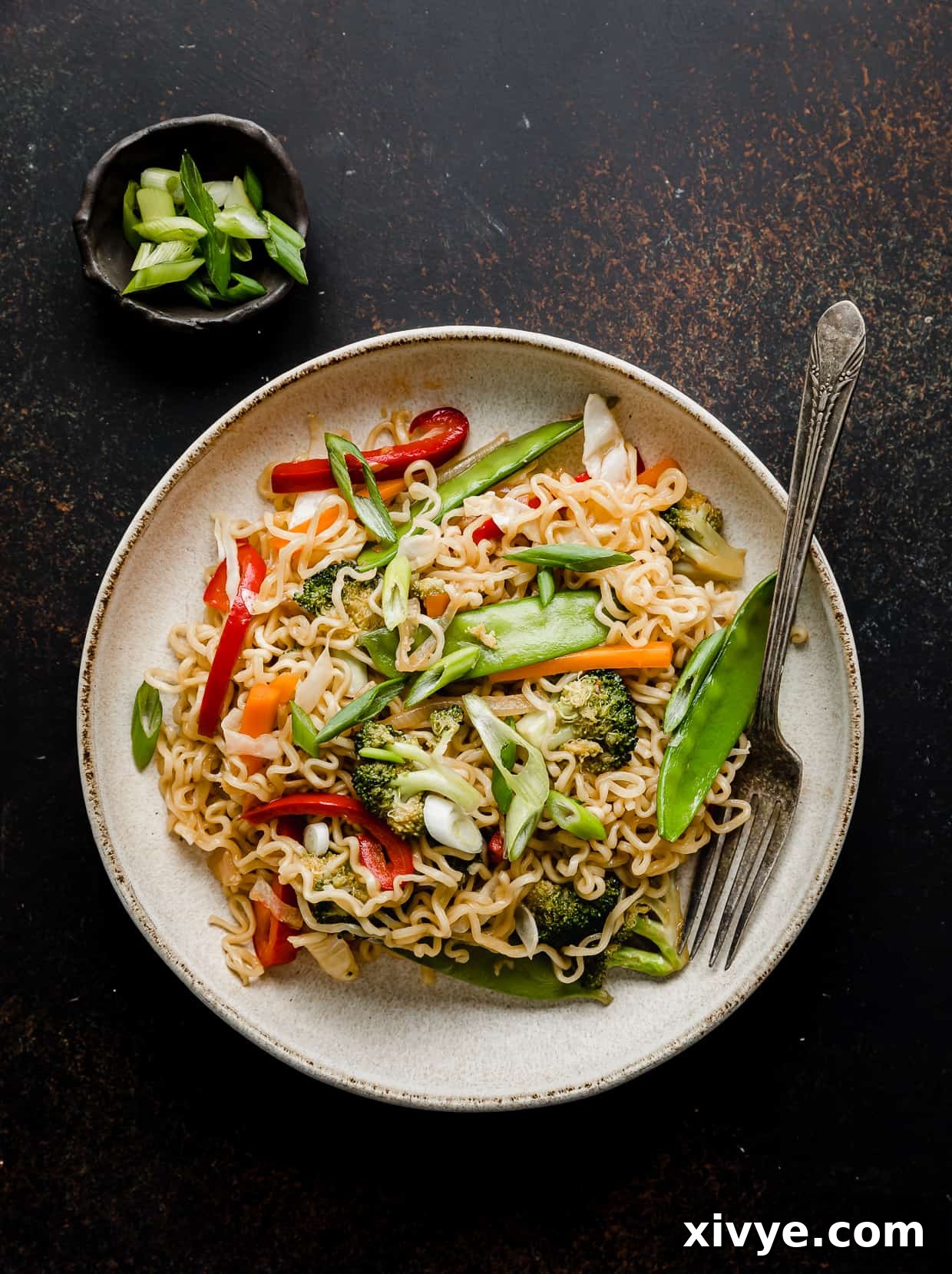
Why You’ll Love This Quick & Flavorful Vegetable Ramen
This Ramen with Vegetables recipe isn’t just another noodle dish; it’s a smart and delicious solution for busy weeknights and a fantastic way to boost your vegetable intake. Here’s why this recipe deserves a permanent spot in your rotation:
- Transforms Instant Ramen: It takes a basic, often overlooked college student staple and elevates it into a sophisticated, flavorful, and vegetable-rich dinner. No more plain seasoning packets – we’re crafting a gourmet sauce!
- Excellent for Using Up Veggies: This stir-fry is incredibly versatile, making it the perfect vehicle to use up any vegetables lingering in your refrigerator. Reduce food waste and enjoy fresh flavors!
- Customizable Heat Level: The sauce, featuring a touch of red pepper flakes, allows you to easily adjust the spiciness to your family’s preference. Make it mild for the kids or add an extra kick for those who love a spicy challenge.
- Kid-Friendly & Adult-Approved: The familiar and beloved ramen noodles are a hit with children, while the complex, savory sauce and abundance of fresh vegetables appeal to adult palates. It’s a meal everyone can agree on.
- Lightning Fast Preparation: From start to finish, this entire meal comes together in just about 20 minutes, making it ideal for those hectic evenings when you need a wholesome meal on the table fast.
The Health Benefits of Veggie-Packed Ramen
Beyond its delicious taste and ease, this ramen stir-fry offers significant nutritional advantages. By loading it with a variety of colorful vegetables, you’re boosting your intake of essential vitamins, minerals, and dietary fiber. Vegetables like broccoli provide Vitamin C and K, carrots are rich in Vitamin A, and cabbage offers a wealth of antioxidants. Incorporating a diverse range of plant-based ingredients helps create a more balanced and fulfilling meal, supporting overall health and well-being. It’s a tasty way to nourish your body without sacrificing flavor.
Essential Ingredients for Your Veggie Ramen Stir-Fry
Crafting this delicious ramen with vegetables requires a few key components, many of which are likely already in your pantry. The beauty of this recipe lies in its flexibility, allowing you to adapt ingredients to your taste and what you have on hand.
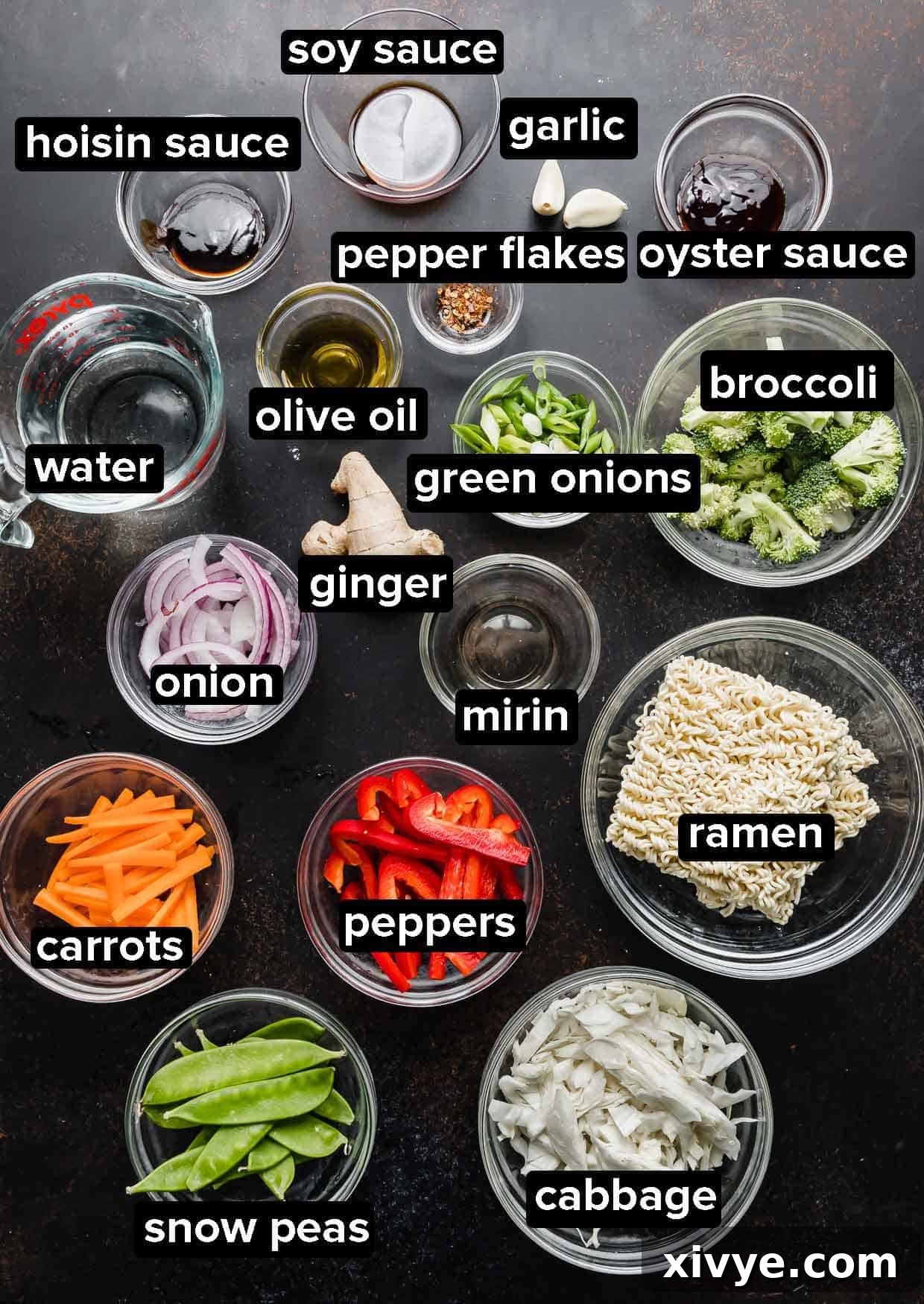
The Hearty Ramen Noodles
- Instant Ramen: Any brand of instant ramen noodles will work perfectly for this recipe. You’ll only be using the noodles, so you can discard the accompanying seasoning packets, which tend to be high in sodium and lack fresh flavor.
- Noodle Alternatives: If you prefer, you can easily substitute instant ramen with other dried noodles such as rice noodles, udon noodles, or even thin spaghetti. For these alternatives, it’s often best to cook them separately according to package directions before adding them to the stir-fry at the end.
The Vibrant Vegetable Medley
The magic of this dish comes from the abundance of fresh, colorful vegetables. Our suggested combination offers a great balance of flavor and texture, but feel free to experiment!
- Cabbage: Adds a delightful crunch and subtle sweetness.
- Snow Peas: Offer a crisp, sweet bite and vibrant green color.
- Carrots: Provide natural sweetness and a beautiful orange hue, along with essential vitamins. Julienne them for quick cooking.
- Bell Peppers: Red bell peppers bring a sweet, mild flavor and additional color.
- Onion & Garlic: The aromatic foundation of any good stir-fry, building a rich flavor base.
- Broccoli: Florets add a hearty texture and a boost of nutrients.
- Optional Additions: Consider adding edamame, sliced zucchini, bok choy, mushrooms, spinach, corn, or green beans for even more variety.
The Irresistible Asian-Inspired Sauce
The flavorful sauce is what truly transforms this dish, providing a perfect balance of sweet, savory, and umami notes.
- Mirin: This sweet Japanese rice wine is a cornerstone of Japanese cuisine, adding a subtle sweetness and gloss to the sauce. You can typically find it in the Asian aisle of most large supermarkets. A good substitute if you don’t have mirin is a mix of dry sherry or white wine with a pinch of sugar.
- Hoisin Sauce: A thick, fragrant sauce often used in Chinese cuisine as a glaze for meats or a dipping sauce. It offers a sweet and savory tang that is essential to the stir-fry flavor.
- Oyster Sauce: Made from oyster extracts, sugar, and salt, thickened with cornstarch, oyster sauce provides a deep umami flavor. For a vegetarian or vegan version, look for mushroom-based “vegetarian oyster sauce.”
- Soy Sauce: The staple for savory depth and saltiness. Opt for low-sodium soy sauce if you’re watching your salt intake, or use Tamari for a gluten-free alternative.
- Fresh Ginger: Grated ginger adds a wonderfully pungent and warming aroma, crucial for an authentic Asian stir-fry flavor.
- Red Pepper Flakes: These provide a customizable level of heat, allowing you to tailor the spice to your preference.
Step-by-Step: How to Make the Best Ramen with Vegetables
Creating this delicious ramen stir-fry is straightforward and quick. Follow these easy steps to prepare a flavorful meal that your family will adore. Remember, proper mise en place (having all your ingredients prepped and ready) makes the cooking process smooth and enjoyable.
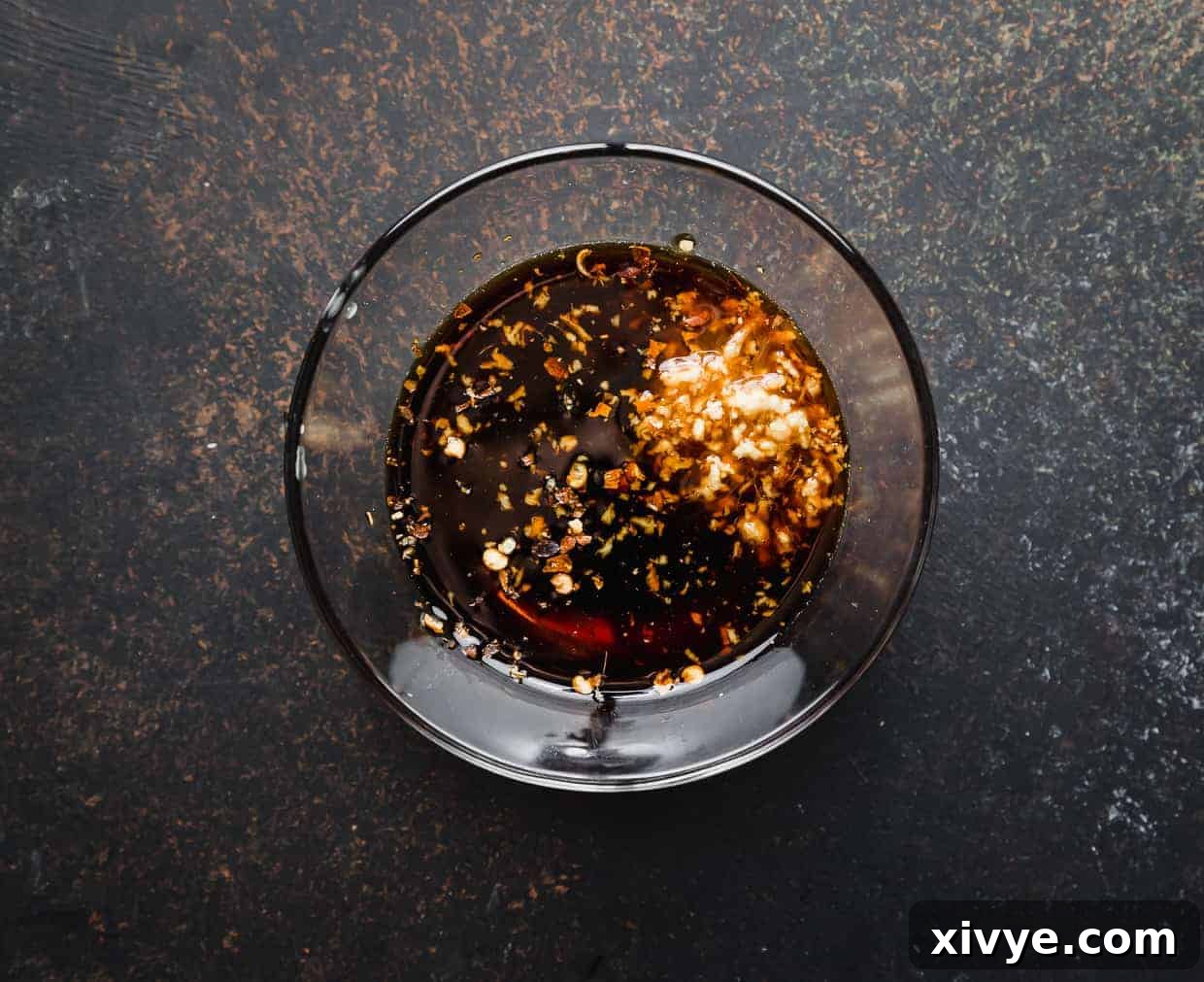
- Prepare the Sauce: In a small bowl, whisk together all the sauce ingredients: soy sauce, oyster sauce, hoisin sauce, mirin, grated fresh ginger, and red pepper flakes. Set this aside, as having it ready means you won’t scramble later.
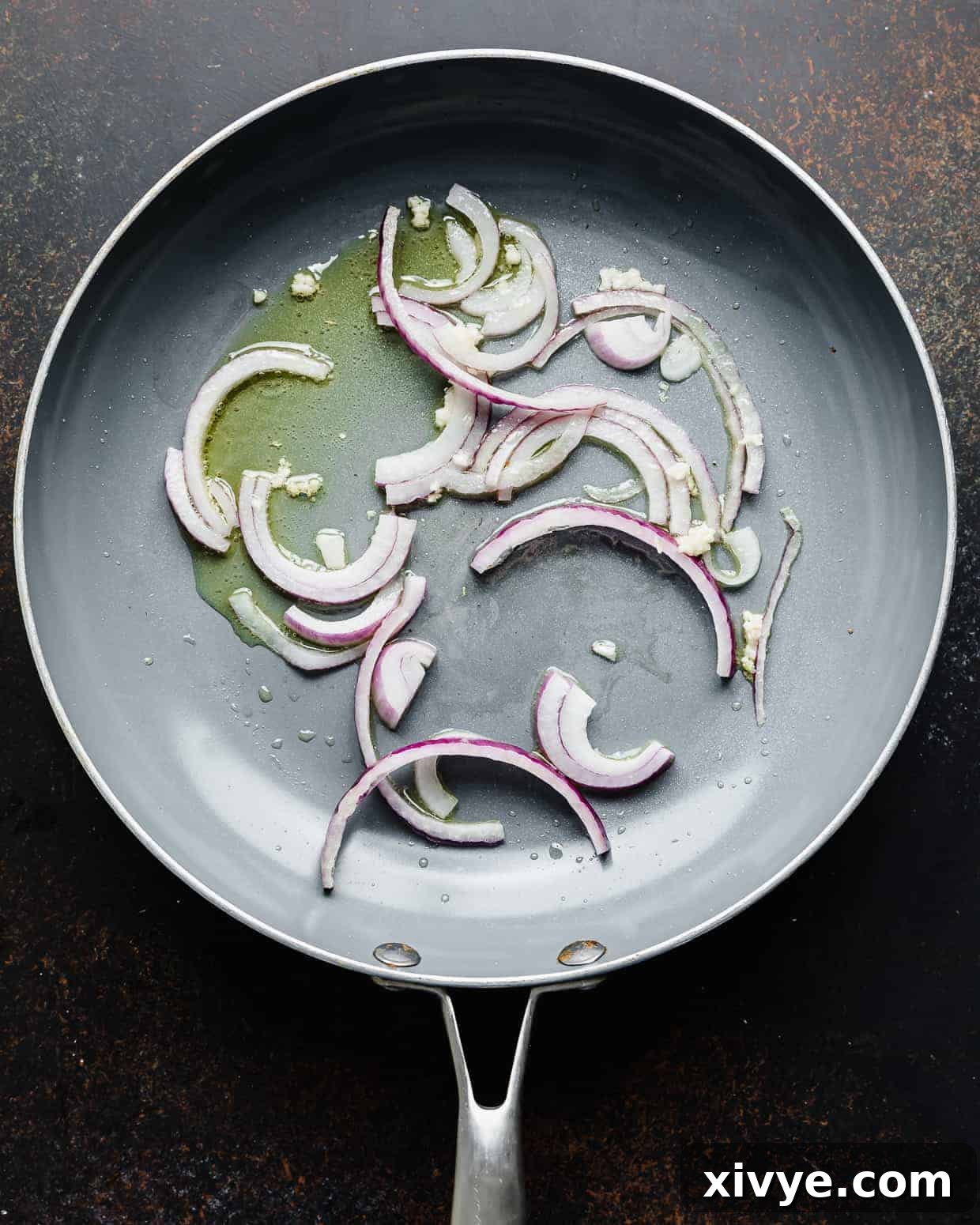
- Sauté Aromatics: Heat the olive oil in a large skillet or wok over medium-high heat until it shimmers. Add the thinly sliced onions and minced garlic. Cook for about 3 minutes, stirring occasionally, until the onions are just barely translucent and fragrant. Avoid browning them too much.
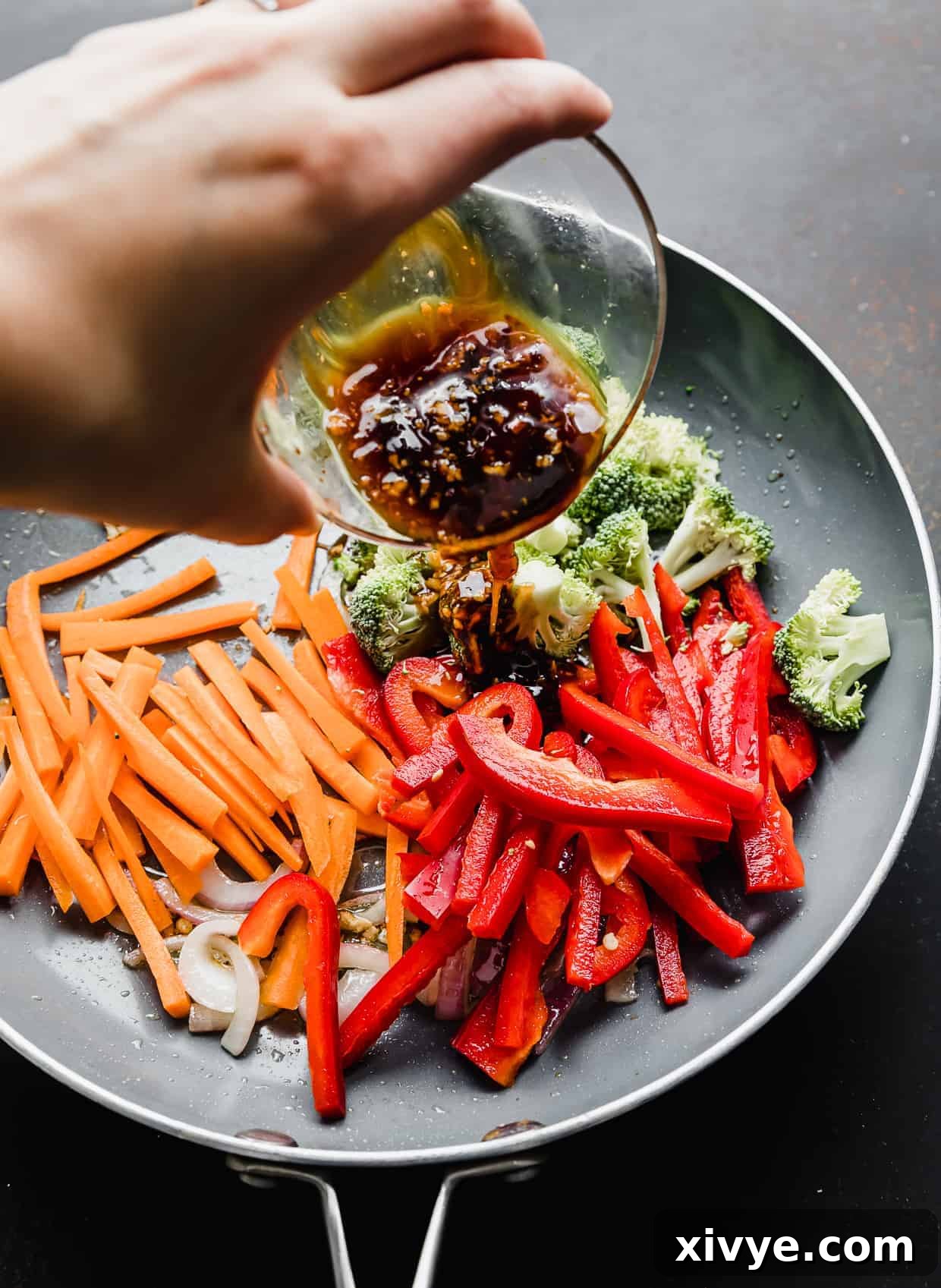
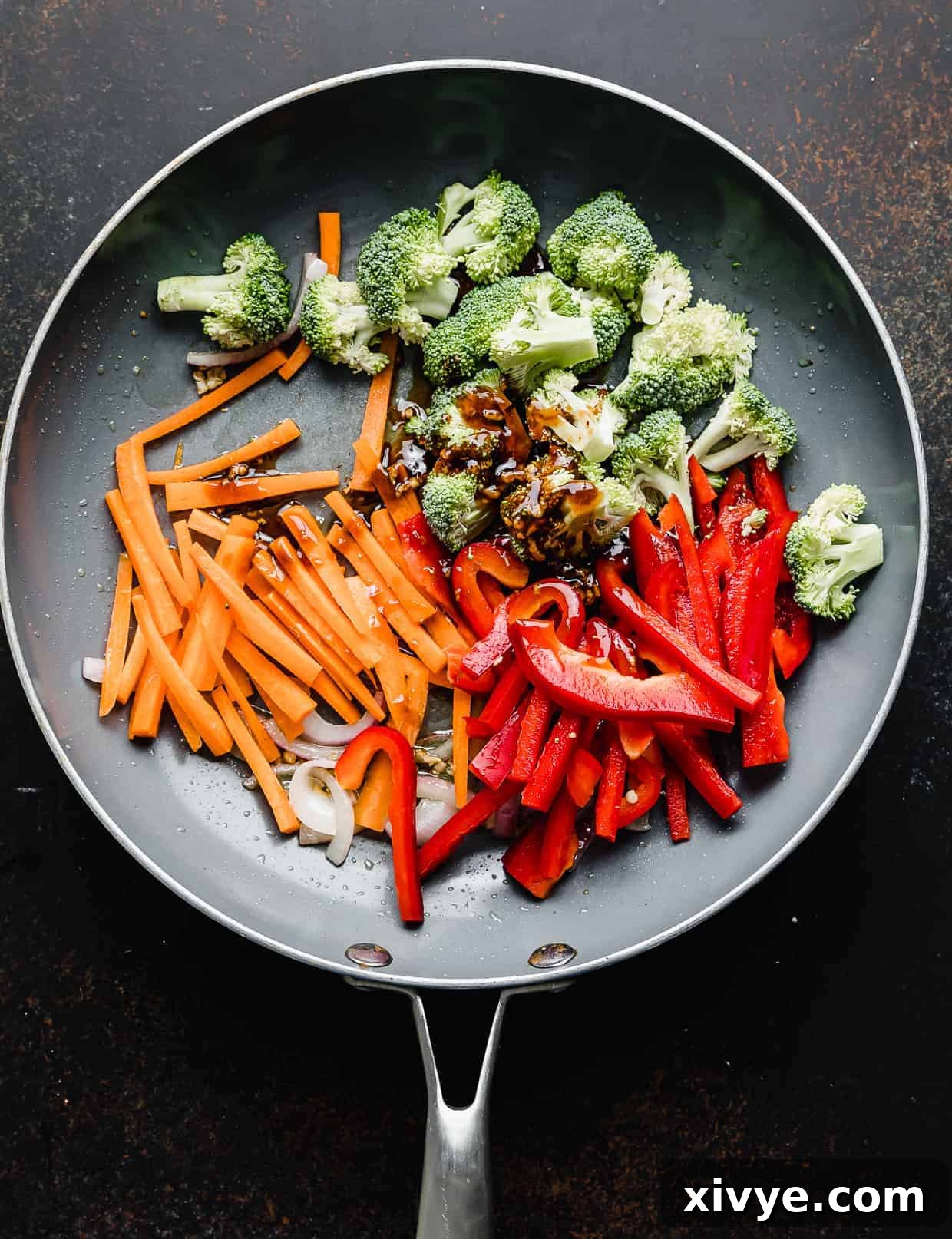
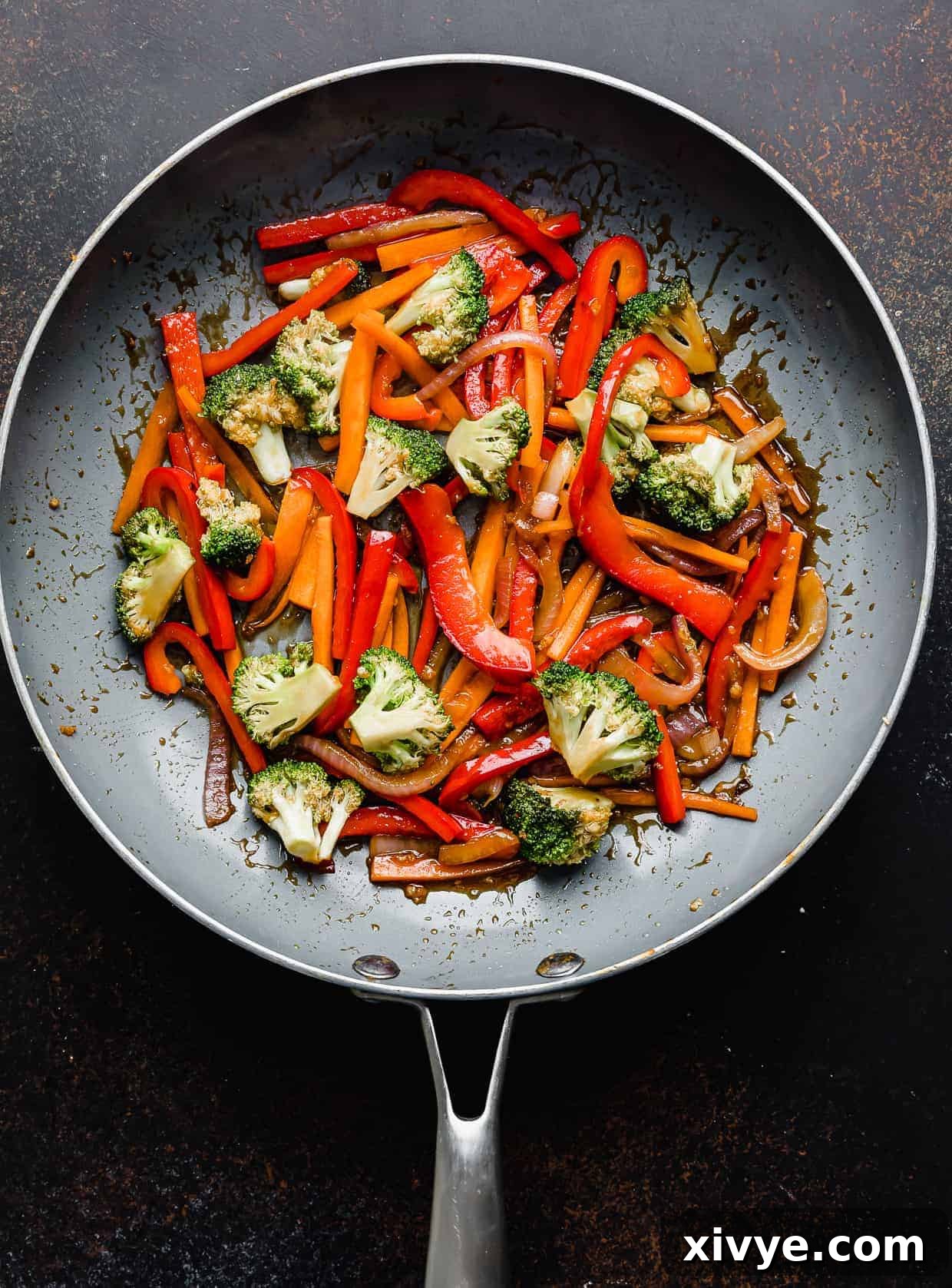
- Cook Harder Vegetables & Add Sauce: Pour the prepared sauce into the skillet. Immediately add the julienned carrots, sliced bell pepper, and broccoli florets. Cook for 3-4 minutes, stirring frequently, until the broccoli turns a vibrant bright green and the peppers soften slightly but still retain a pleasant crispness. This stage allows the vegetables to absorb the delicious sauce flavors.
- Introduce Water & Snap Peas: Add the water and fresh snow peas to the skillet. Bring the mixture to a gentle simmer. The water will help create a light broth for the noodles to cook in and ensure all vegetables are tender-crisp.
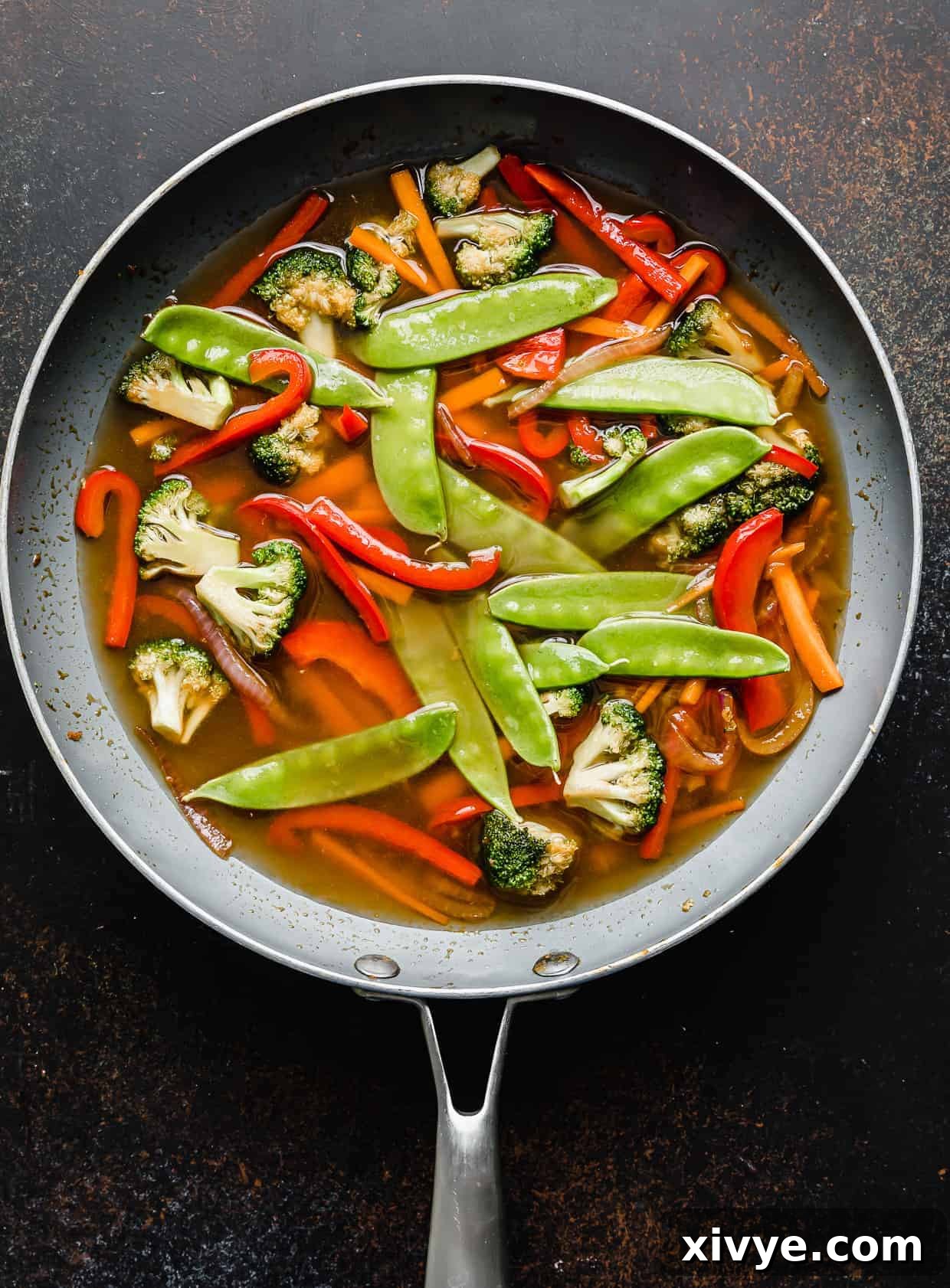
- Cook the Ramen Noodles: Once the liquid is simmering, nestle the instant ramen noodle bundles into the center of the skillet. Let them sit undisturbed for 1 minute to soften. Then, carefully flip them and cook for another 30 seconds. The noodles will begin to loosen and absorb the flavorful liquid.
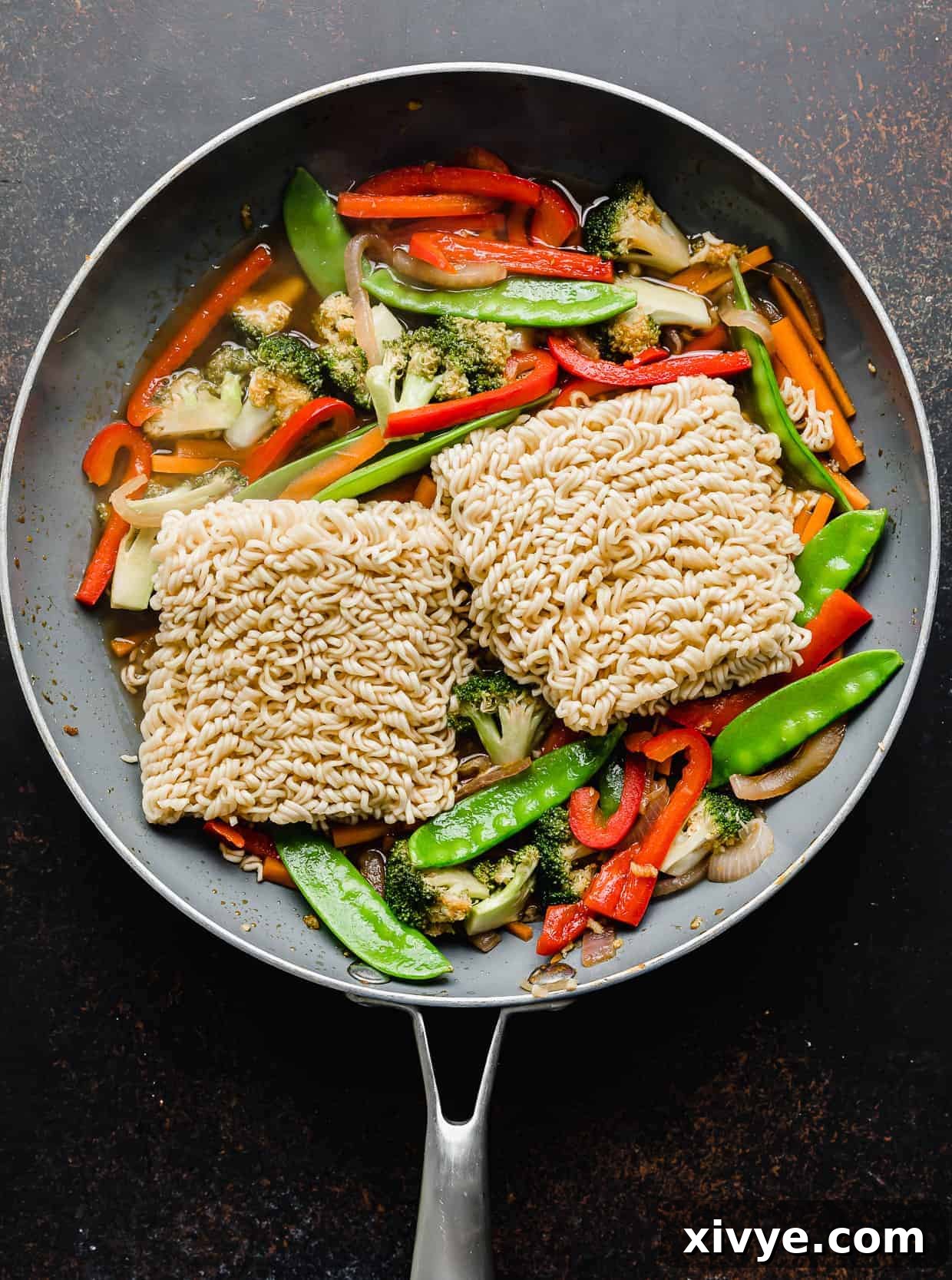
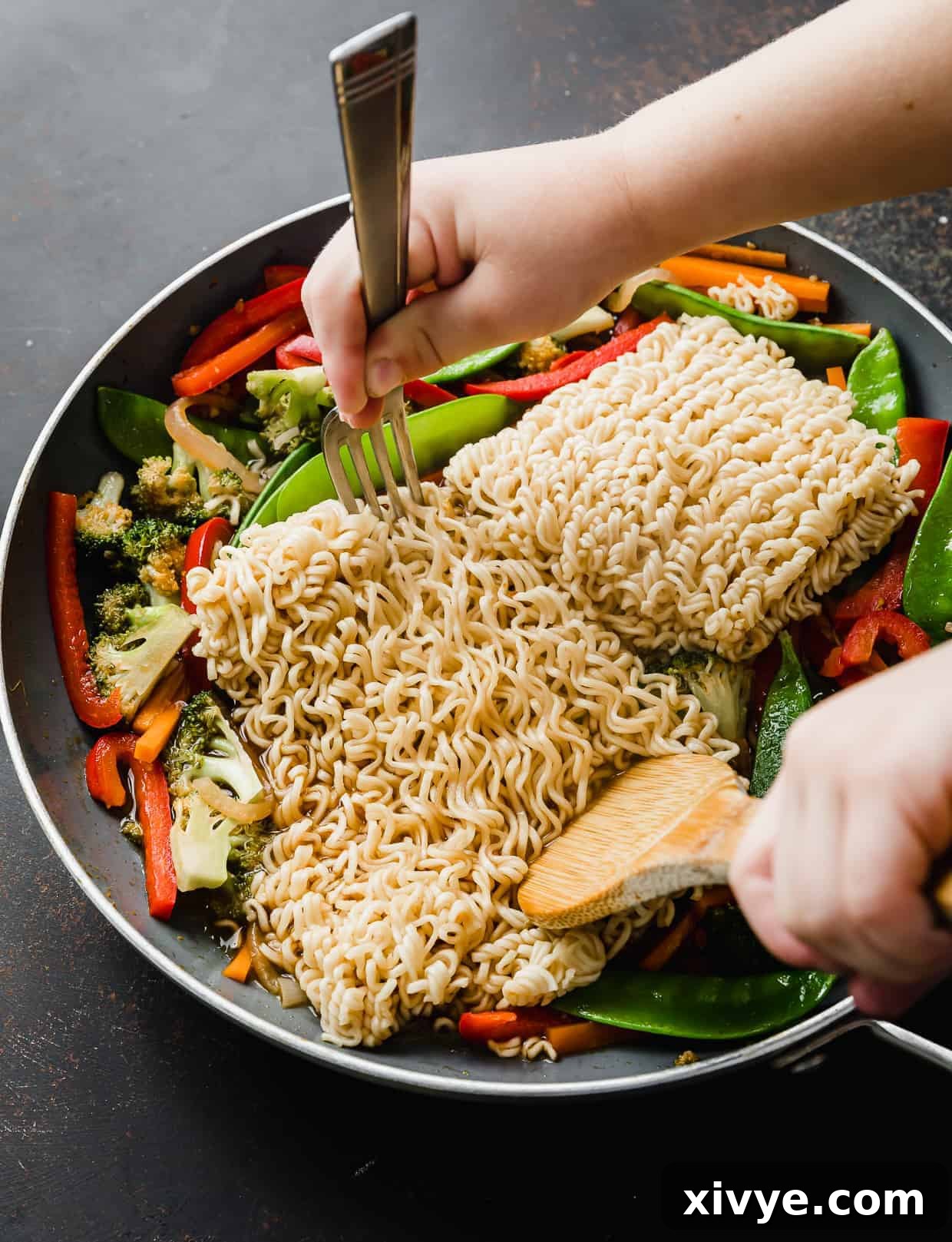
- Combine & Finish: Using a wooden spoon and a fork (or tongs), gently break apart the noodles and toss them thoroughly with the vegetables and sauce. Ensure everything is well combined and coated.
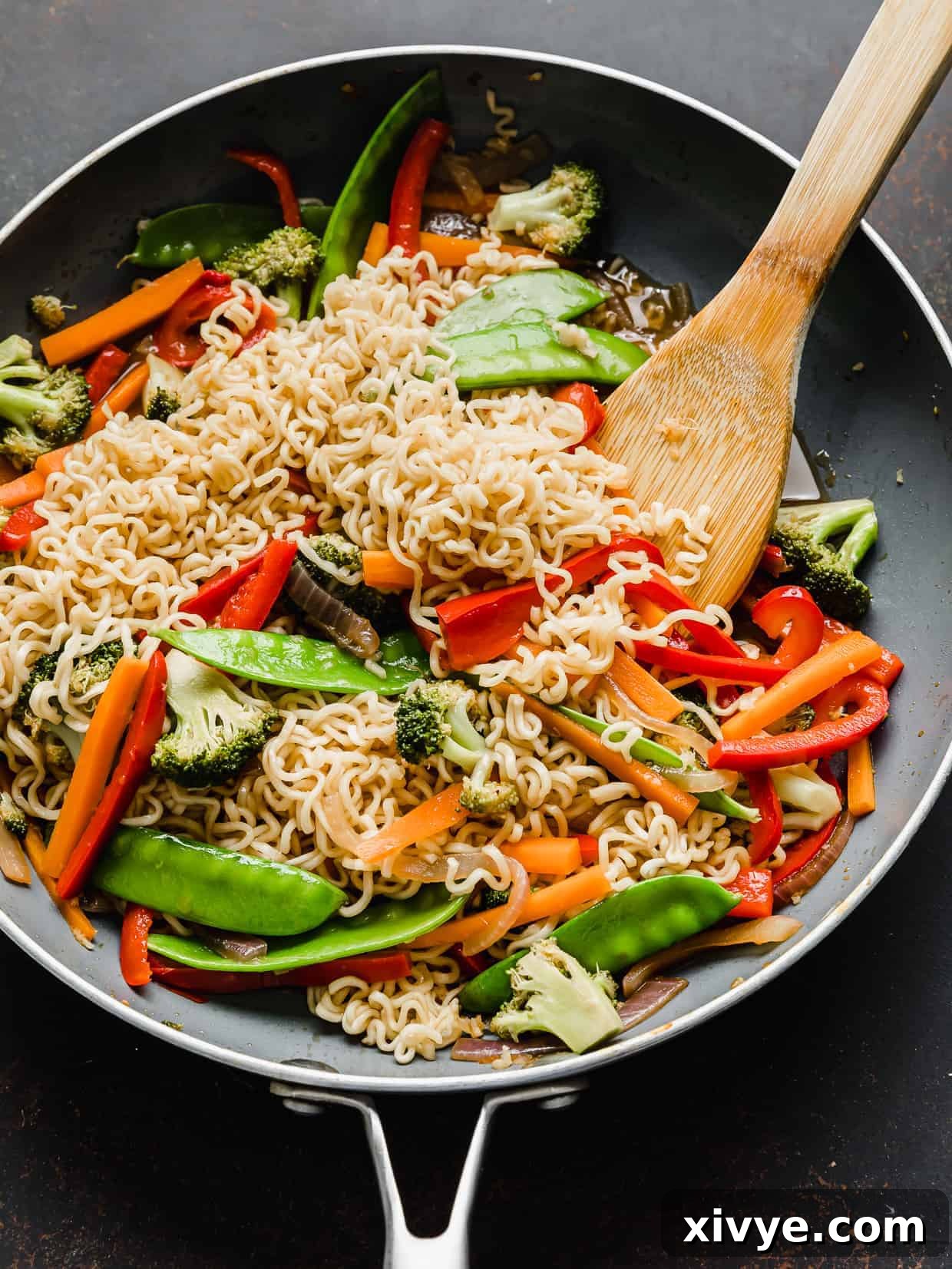
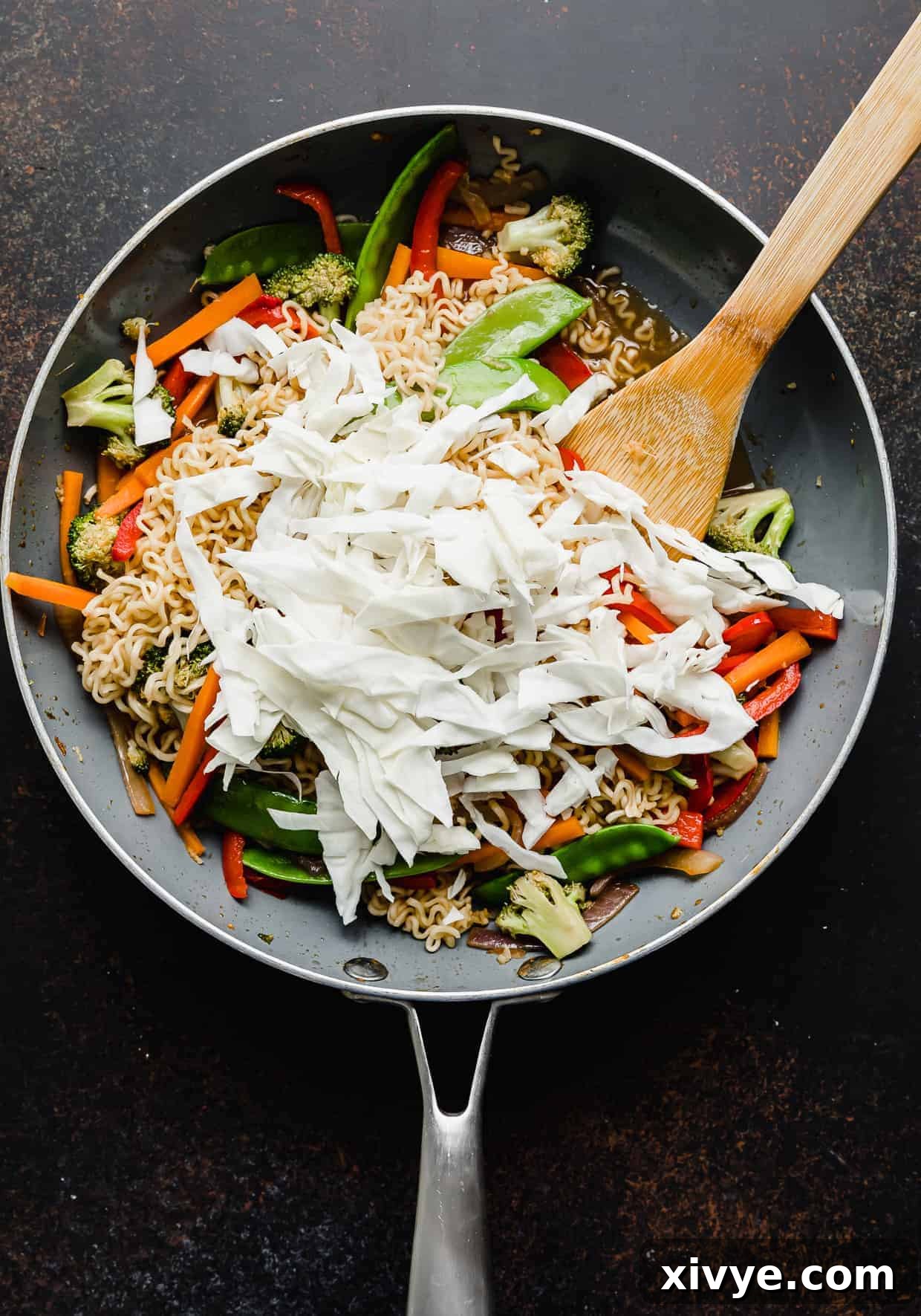
- Add Cabbage & Season: Finally, add the thinly sliced cabbage and toss for another minute, or until the cabbage is slightly wilted but still has some crunch, and the noodles are fully cooked through and coated in the sauce. Season with salt and pepper to taste, adjusting as needed.
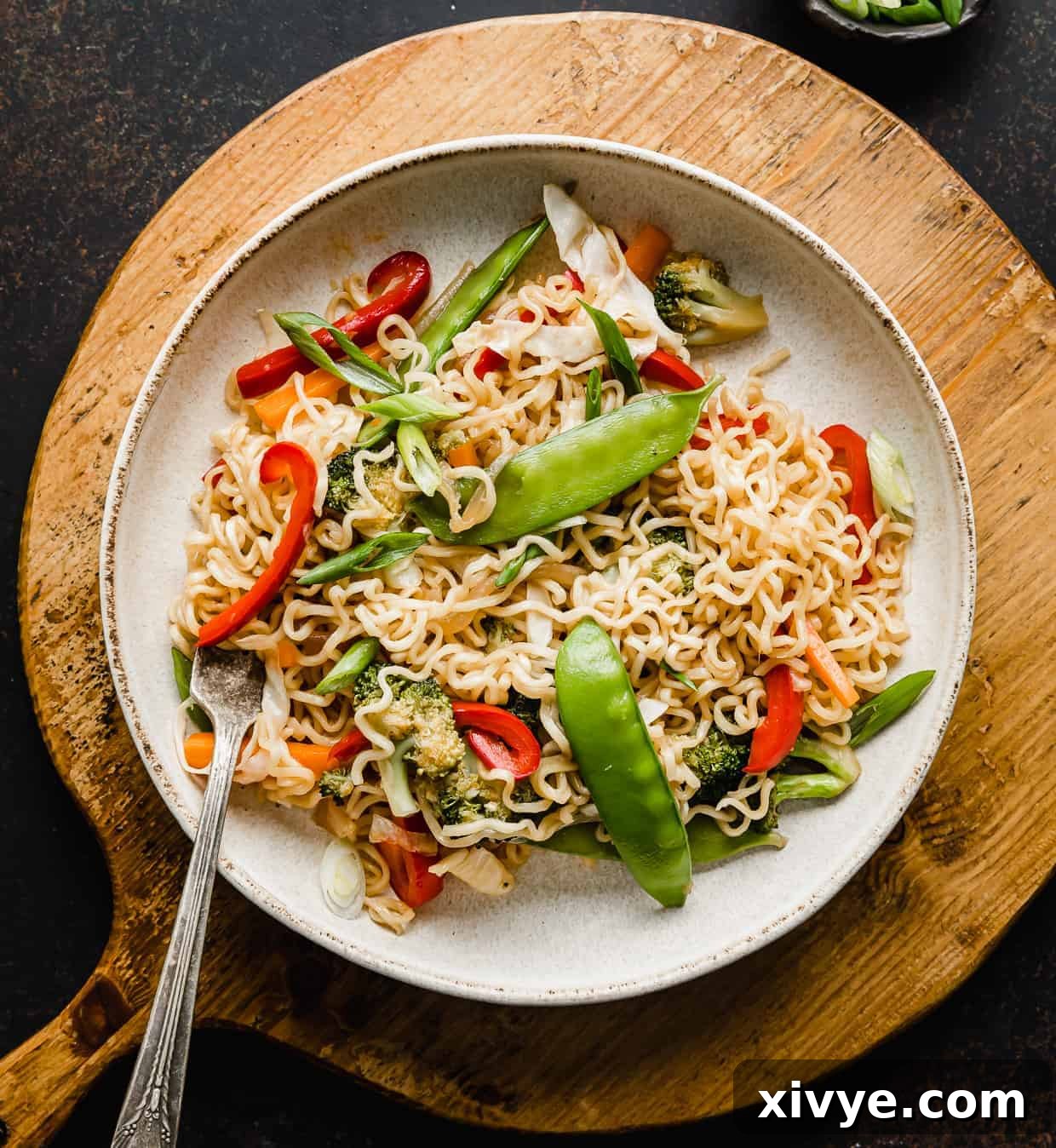
- Garnish and Serve: Immediately transfer your delicious ramen with vegetables to bowls. Garnish generously with fresh sliced green onions for an extra pop of flavor and color. Serve hot and enjoy!
Customizing Your Vegetable Ramen Stir Fry
One of the best aspects of this ramen with vegetables recipe is its incredible versatility. Don’t hesitate to make it your own by adding your favorite proteins or adjusting the spice level to suit your palate.
Adding Protein to Your Ramen
For a more substantial meal, incorporating protein is simple and highly recommended. Here are a few popular options:
- Chicken: Cut about 6 ounces of boneless, skinless chicken breast or thighs into bite-sized pieces. Add the uncooked chicken to the skillet after the onions have cooked, and sauté until lightly browned. Then, add the sauce and continue cooking the chicken for 4-5 minutes until cooked through before proceeding with the rest of the recipe.
- Tofu: For a plant-based protein, press a block of firm or extra-firm tofu to remove excess water, then cube it. You can pan-fry it separately until golden and crispy, or add it directly to the skillet with the other vegetables.
- Shrimp: Quick-cooking shrimp are a fantastic addition. Add them during the last 2-3 minutes of cooking, just until they turn pink and opaque.
- Beef: Thinly sliced beef (like sirloin or flank steak) can be quickly stir-fried before adding the vegetables, ensuring it remains tender.
- Eggs: A fried egg or soft-boiled egg placed on top of your finished ramen adds richness and a beautiful presentation.
- Garnish: Crushed peanuts, cashews, or sesame seeds provide a nice crunch and an extra layer of protein and flavor.
Adjusting Spice Levels
The red pepper flakes in the sauce provide a gentle warmth, but you can easily tailor the heat:
- Mild: Omit the red pepper flakes entirely for a kid-friendly version.
- Medium: Stick to the recommended amount or add a tiny pinch more.
- Spicy: Increase the red pepper flakes, or drizzle a bit of chili oil, sriracha, or a dash of your favorite hot sauce over your bowl just before serving.
Flavor Boosters
Want to enhance the taste even further? Consider these additions:
- Toasted Sesame Oil: A drizzle at the very end adds a nutty aroma.
- Rice Vinegar: A splash can brighten the flavors with a hint of tang.
- Lime Juice: A squeeze of fresh lime juice just before serving provides a zesty finish.
Serving Suggestions for a Complete Meal
This ramen with vegetables is a fulfilling meal on its own, packed with noodles and a colorful array of greens. However, if you’re looking to round out your dinner with complementary side dishes or a sweet ending, here are some delightful suggestions:
- Fresh Fruit Salad: A light and refreshing contrast to the savory stir-fry.
- Baked Sweet Potato: A simple, comforting side that adds natural sweetness and complex carbohydrates.
- Dinner Rolls: For soaking up any extra delicious sauce.
- Spring Rolls or Egg Rolls: A classic Asian appetizer that pairs wonderfully.
- Simple Green Salad: A light salad with a ginger-sesame dressing would complement the flavors beautifully.
Delightful Desserts to Finish
Don’t forget a sweet treat to conclude your meal! After a savory and satisfying ramen, something light or decadent can be the perfect finish.
- Easy No-Bake Cheesecake: A creamy, cool dessert that requires minimal effort.
- Pizookie Recipe: A warm, gooey cookie served in a skillet, perfect for sharing.
- Fresh Sliced Mango or Pineapple: A simple, tropical fruit dessert to keep it light.
- Mochi: Japanese rice cakes with various fillings, a delightful and authentic option.
Essential Recipe Tips for Perfect Veggie Ramen Every Time
Achieving a restaurant-quality vegetable ramen stir-fry at home is easier than you think with a few key tips:
- Don’t Overcook Your Noodles: Instant ramen noodles cook very quickly. Watch them carefully once they hit the pan to avoid them becoming mushy. You want them tender but still with a slight bite (al dente).
- Prepare Vegetables Uniformly: Cut all your vegetables into similar sizes to ensure even cooking. Harder vegetables like carrots and broccoli should be added first, as they take longer to soften, followed by quicker-cooking greens like cabbage and snow peas.
- Balance the Sauce: Taste your sauce as you mix it. You can always adjust the balance of sweet (hoisin/mirin), savory (soy/oyster), and spicy (red pepper flakes) to match your preference.
- Consider Frozen Vegetables: In a pinch, a bag of frozen mixed vegetables can speed up the process even further. Add them directly to the pan after the aromatics and cook until heated through before adding the sauce and noodles.
- Storage & Reheating: Store any leftover ramen in an airtight container in the refrigerator for up to 3 days. When reheating, a splash of water or broth can help rehydrate the noodles and sauce. Reheat gently on the stovetop or in the microwave.
Frequently Asked Questions (FAQs) About Ramen with Vegetables
Here are some common questions about making delicious and healthy ramen with vegetables:
Almost any vegetable can be a great addition to ramen! Classic choices include cabbage, snow peas, carrots, broccoli, bell peppers, and onions. Other popular options are mushrooms, bok choy, spinach, corn, edamame, and zucchini. The key is to choose a variety for color, texture, and nutritional benefits.
For a stir-fry style ramen, sauté harder vegetables (like carrots and broccoli) in a pan with oil and aromatics first. Then, add softer vegetables (like bell peppers and snow peas) and a bit of liquid (water or broth) along with your sauce. Finally, nestle the ramen noodles into the simmering liquid to cook and absorb the flavors.
Ramen is a traditional Japanese noodle soup dish, originally from China, typically consisting of wheat noodles served in a meat or fish-based broth, often flavored with soy sauce or miso, and topped with various ingredients like sliced pork, dried seaweed, green onions, and soft-boiled eggs. In a broader sense, “ramen noodles” can refer to the instant, quick-cooking varieties popular globally.
While you can freeze cooked ramen noodles, they often lose their ideal texture upon thawing and reheating, becoming mushy or gummy. For best results, it’s generally recommended to cook the noodles fresh. If you want to speed up meal prep, consider preparing the sauce and chopping all your vegetables ahead of time and storing them in the fridge. You could also use a package of frozen mixed vegetables for ultimate convenience, adding them directly to the pan.
Yes, absolutely! By discarding the high-sodium seasoning packets from instant ramen and loading the dish with fresh vegetables and a homemade sauce, this recipe transforms a less healthy meal into a nutritious and balanced one. It’s packed with vitamins, fiber, and allows you to control the ingredients, making it a much healthier option than typical instant ramen.
Yes! To make it vegan, use vegetarian oyster sauce (mushroom-based), ensure your ramen noodles are egg-free, and use vegetable broth instead of water if adding extra liquid. For a gluten-free version, use Tamari instead of soy sauce and ensure your noodles (like rice noodles or specific gluten-free ramen) are certified gluten-free.
More Delicious Noodle and Pasta Recipes to Explore
If you loved this ramen dish, you might enjoy exploring other easy and flavorful noodle and pasta recipes from our collection:
- Pesto Pasta with Tomatoes
- Lemon Pasta
- Greek Pasta Salad
- Pesto Pasta with Zucchini and Ricotta
Did you try this amazing Ramen with Vegetables recipe? We’d love to hear your thoughts! Scroll down to leave a rating and review, or connect with us on social media.
Stay up-to-date with our latest recipes by following us on Instagram, Facebook, and Pinterest.
Print Recipe
Save Recipe
Review Recipe
Ramen with Vegetables
 Whitney Wright
Looking to pack more vegetables into your diet? This ramen with vegetables recipe is a great way to do that! It takes just 20 minutes to make! The subtle flavor of the sauce amplifies the flavors of the veggies in the best way, you’re gonna love it!
Ingredients
Main Dish
- 2 pkgs instant ramen noodles (discard flavor packet)
- 1 tablespoon olive oil
- ½ cup onion (thinly sliced)
- 2 garlic cloves (minced)
- 1 carrot (julienned)
- 1 cup broccoli (cut into florets)
- 1 small red bell pepper (sliced)
- 1 ⅓ cups water
- 1.5 oz snow peas (about ½ cup)
- ½ cup cabbage (thinly sliced)
- 2 green onions (sliced, for serving)
Sauce
- 1 ½ tablespoons soy sauce
- 1 tablespoon oyster sauce
- 2 teaspoons Hoisin sauce
- 2 teaspoons mirin
- 1 teaspoon fresh ginger (grated)
- ⅛ teaspoon red pepper flakes
Instructions
- In a small bowl, mix all the sauce ingredients together. Set aside.
- In a large skillet over medium-high heat, add the olive oil. Once shimmering, add the onions and garlic and cook for 3 minutes or until just barely translucent. Add the sauce, carrots, pepper, and broccoli and cook for 3-4 minutes, stirring occasionally. The broccoli should turn bright green and the peppers should soften slightly.
- Add the water and snap peas to the skillet. Once simmering, nestle the noodles in the center and let them sit for 1 minute. Flip and cook for another 30 seconds. Use your wooden spoon and a fork to break the noodles apart and toss them with the vegetables.
- Add the cabbage and toss, cooking for 1 minute or until the sauce coats the noodles and the noodles are cooked through. Season with salt and pepper, to taste.
- Garnish with green onions and serve immediately.
Notes
Mirin: A common ingredient in Japanese cooking and used in other Asian cuisines. Found in most large supermarkets. If unavailable, a dry sherry or white wine with a pinch of sugar can be a substitute.
Protein: To add meat like chicken breast or thighs, cook about 6 oz of uncooked, cut-up meat after the onions are translucent. Then add the sauce and cook for 4-5 minutes before continuing. Peanuts or sesame seeds can also be added for extra protein and flavor.
Ramen noodles: Any brand will work. For alternatives, use rice noodles, udon, or soba. If using non-ramen noodles, cook them separately according to package instructions, then add to the skillet mixture with a splash of water if needed.
The noodles cook quickly; monitor them to prevent overcooking and mushy results.
Feel free to customize with more or different vegetables such as edamame, lima beans, green beans, chopped zucchini, and bok choy to suit your family’s preferences.
Storing: Store leftovers in an airtight container in the fridge for up to 3 days. Reheat gently on the stovetop or microwave with a little water if needed.
Nutritional information is an estimate.
Nutrition
Calories: 116kcal (6%) | Carbohydrates: 15g (5%) | Protein: 4g (8%) | Fat: 5g (8%) | Saturated Fat: 1g (5%) | Cholesterol: 1mg | Sodium: 786mg (33%) | Potassium: 361mg (10%) | Fiber: 3g (12%) | Sugar: 6g (7%) | Vitamin A: 4629IU (93%) | Vitamin C: 77mg (93%) | Calcium: 57mg (6%) | Iron: 1mg (6%)
Did you make this recipe?
Please leave a star rating and review on the blog post letting me know how you liked this recipe! Take a picture and tag @saltandbaker on Tik Tok, Instagram, and Facebook so I can see what you’re making!