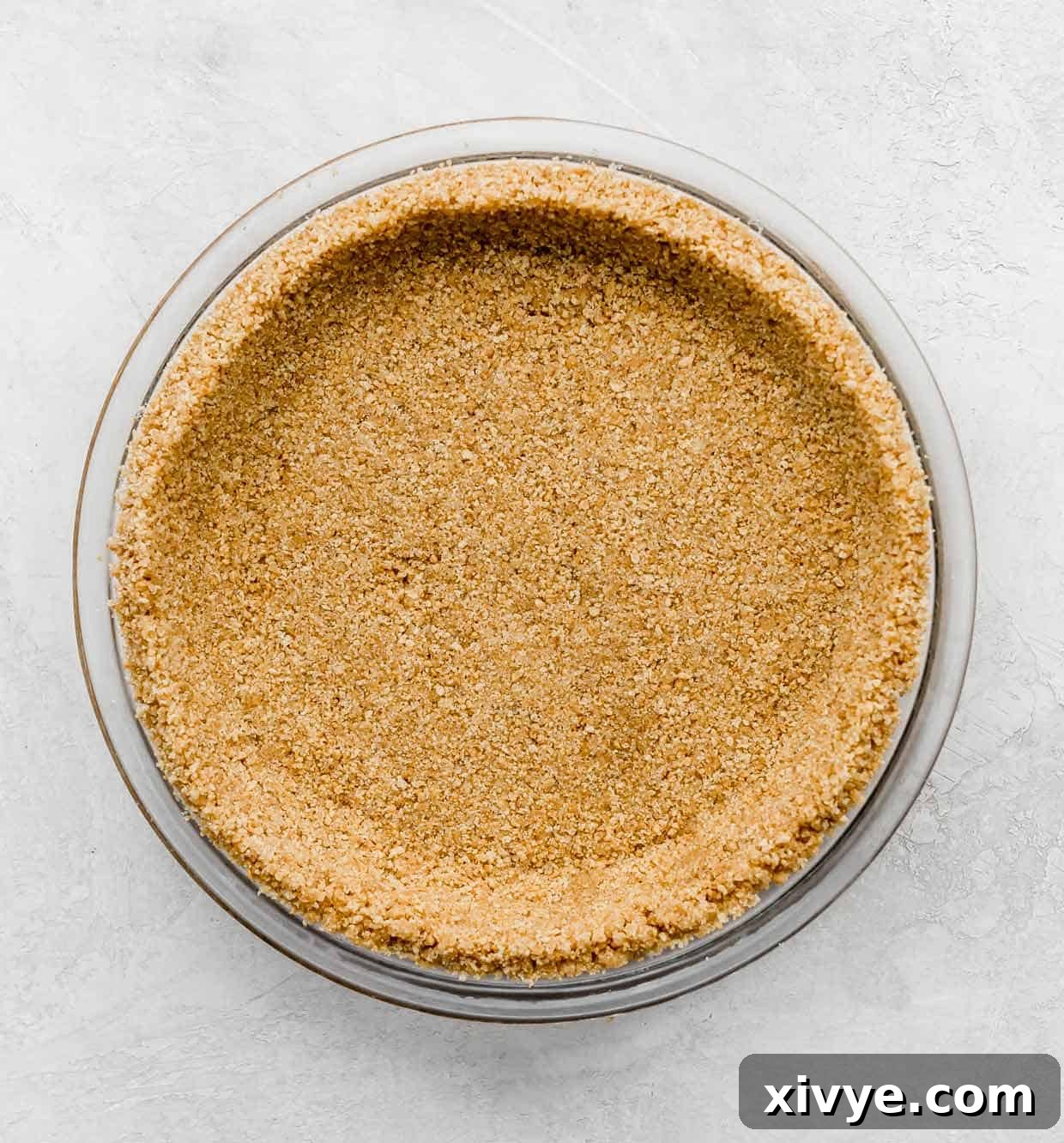
The Ultimate Guide to Making a Flawless Homemade Graham Cracker Crust
Forget bland, crumbly, and stale store-bought crusts! Discover the secret to crafting the ultimate homemade graham cracker crust – a buttery, sweet, and perfectly crunchy foundation that will elevate any pie or dessert. This easy-to-follow recipe ensures a flawless, fresh-tasting base every single time, making it your go-to for both baked and no-bake creations.
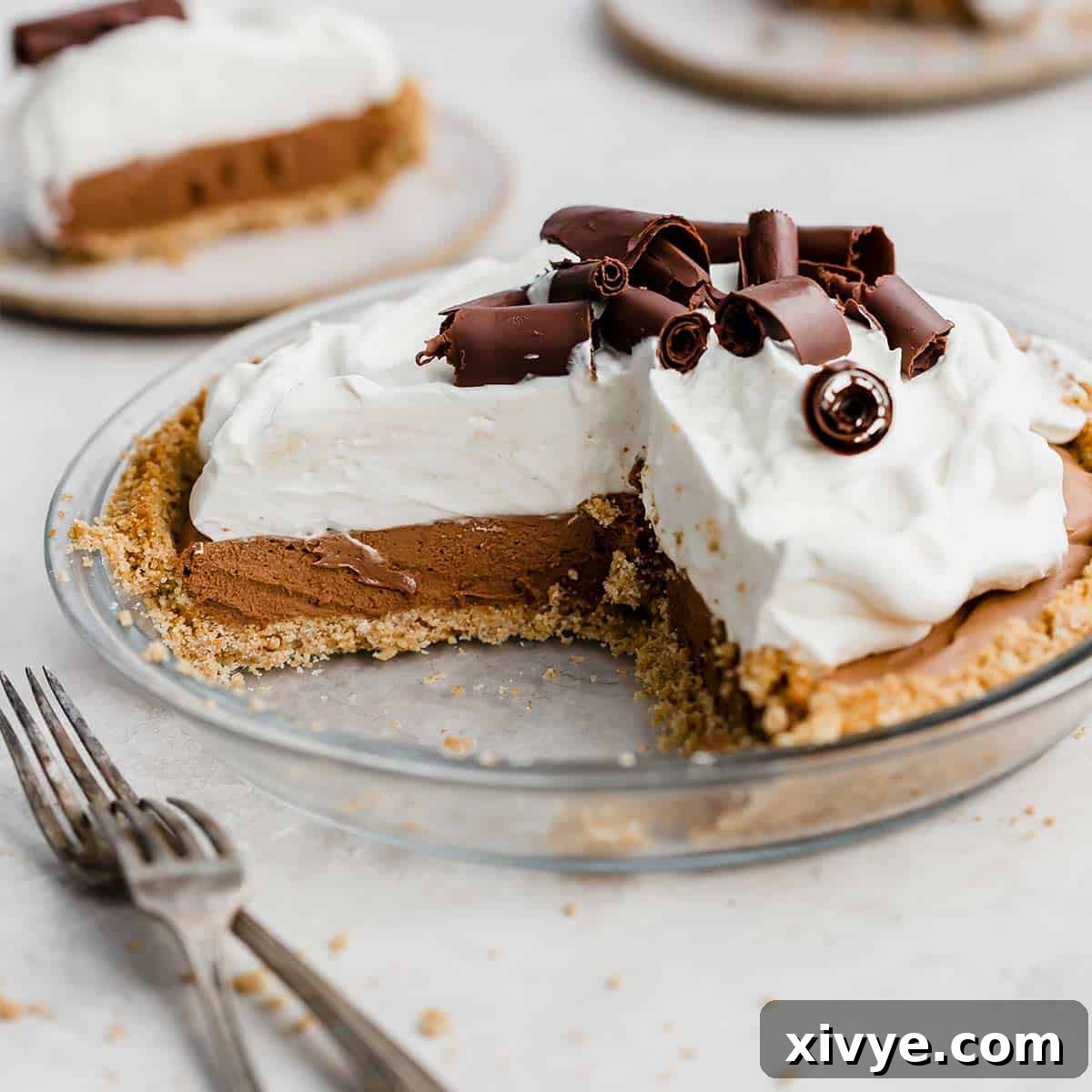
A versatile masterpiece, this best graham cracker pie crust is ideal for a wide array of decadent desserts. Imagine it cradling a rich No-Bake Peanut Butter Pie, a zesty Key Lime Pie, an elegant French Silk Pie, a luscious Banoffee Pie, a classic Apple Pie with an unexpected twist, or a creamy Easy No-Bake Cheesecake. Its adaptability doesn’t stop there! Explore other delightful crust options like our rich Oreo pie crust for chocolate-centric desserts, a spiced Biscoff Pie Crust perfect for holiday flavors like pumpkin and gingerbread, or a tender Shortbread Pie Crust for bright, citrusy fillings.
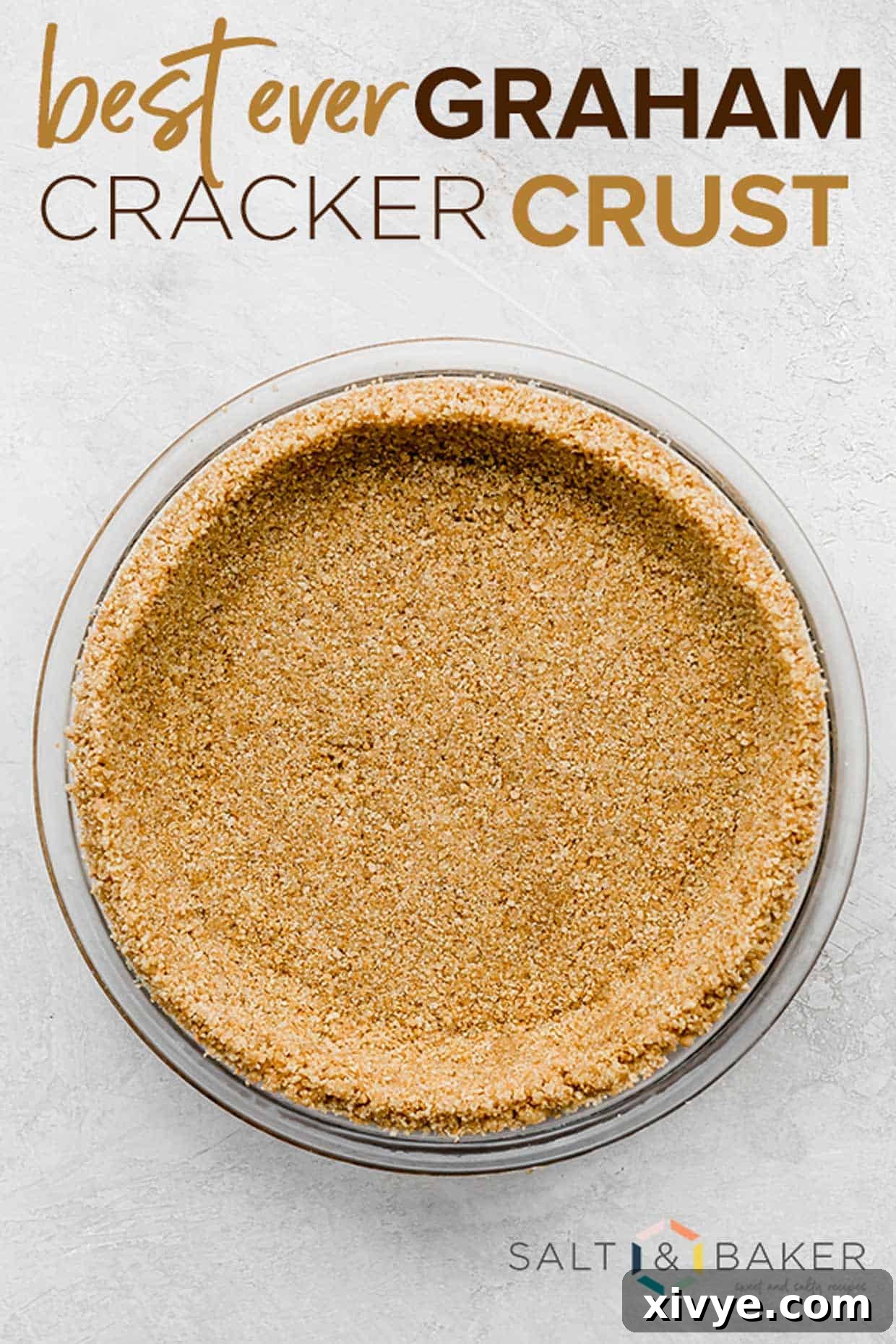
Why This Homemade Graham Cracker Crust Recipe Stands Out
Crafting your own graham cracker crust might seem like an extra step, but the superior taste and texture are undeniably worth it. Our recipe is designed to be foolproof, ensuring a perfect result every time you bake or chill.
- Achieve Perfect Thickness: One of the biggest advantages of making your crust from scratch is having complete control over its thickness. We believe a truly satisfying dessert requires a substantial, flavorful base that doesn’t skimp on crunch. This recipe delivers a robust, perfectly proportioned crust, ensuring every slice has an ideal ratio of filling to foundation. It’s thick enough to hold up beautifully to rich fillings but still delicate enough to crumble deliciously with each bite.
- Optimal Sweetness and Structural Integrity: The granulated sugar in this recipe isn’t just for adding a delightful sweetness; it plays a crucial role in the crust’s structure. As the crust bakes, the sugar melts and caramelizes slightly, binding the graham cracker crumbs together with the butter. This magical interaction creates a cohesive base that resists crumbling or falling apart when you slice and serve your pie, eliminating common frustrations with flimsy crusts. The balanced sweetness also enhances the overall flavor profile, complementing a variety of dessert fillings without overpowering them.
- Unrivaled Freshness – Far Superior to Store-Bought: We’ve all been tempted by the convenience of pre-made pie crusts, but once you taste the difference, you’ll never go back. Store-bought crusts often suffer from a stale flavor and a somewhat greasy texture. This homemade graham cracker crust, however, boasts an incredible buttery richness and a crisp, fresh flavor that you simply can’t achieve from a package. The moment you combine the freshly crushed graham crackers with melted butter and sugar, you’ll understand why “homemade” truly means better. It’s the taste of pure, unadulterated freshness that elevates your entire dessert experience.
Essential Ingredients for Your Perfect Graham Cracker Crust
Creating an exceptional graham cracker crust requires just a few simple ingredients. Quality matters here, as each component contributes to the final flavor and texture of your homemade base.
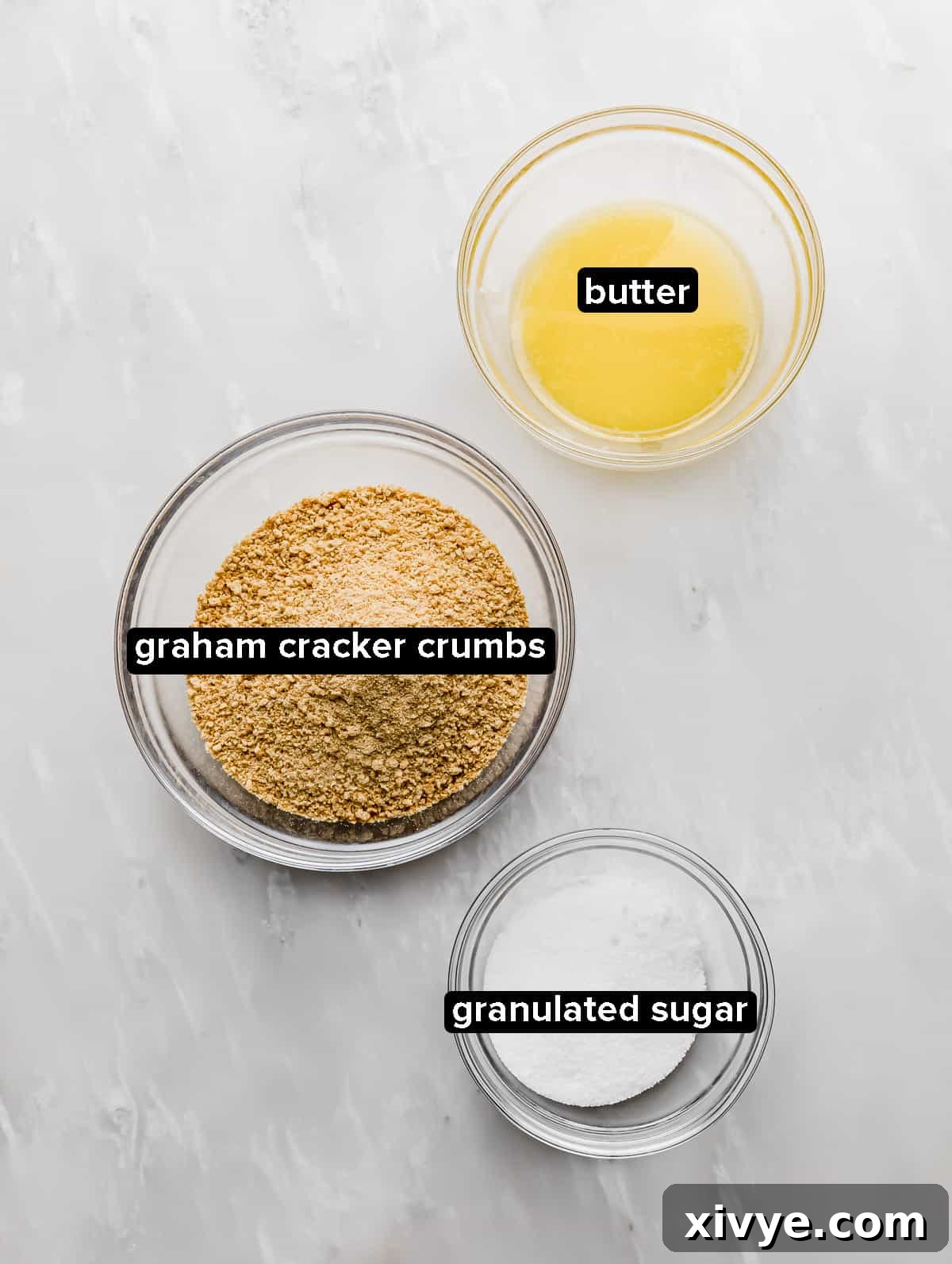
- Graham Crackers: The foundation of our crust! For the most authentic and robust flavor, we highly recommend using name-brand Nabisco Honey Maid Graham Crackers. While other brands exist, Honey Maid offers a distinct honey-kissed flavor and a firmer texture that results in superior crumbs. You’ll need approximately 12 full graham cracker sheets to yield the required 1 ½ cups of fine crumbs. If you can’t find graham crackers, particularly outside the US, digestive biscuits can be a suitable substitute, though you may need to adjust the butter slightly due to their softer texture.
- Butter: Butter is the binding agent and a major contributor to the rich, decadent flavor of the crust. You can use either unsalted or salted butter. We typically opt for unsalted butter in baking to have complete control over the salt content. This recipe doesn’t explicitly call for additional salt, but if you prefer a subtle hint of saltiness to balance the sweetness, salted butter works wonderfully without making the crust taste overly salty. The melted butter coats the crumbs, helping them adhere together and creating that irresistible crisp texture when baked.
- Granulated Sugar: Beyond sweetness, sugar is vital for the structure of your graham cracker crust. As mentioned, the sugar melts and mingles with the butter during baking (or chilling, to a lesser extent), creating a glue that holds the crumbs firmly in place. This prevents your crust from becoming overly crumbly and ensures clean slices. While granulated sugar is our standard, feel free to experiment with brown sugar for a deeper, molasses-rich flavor that pairs beautifully with many fillings. The slight caramel notes from brown sugar can add an extra layer of complexity to your dessert.
Step-By-Step Instructions to Master Your Graham Cracker Crust
Creating this perfect crust is surprisingly simple. Follow these steps for a guaranteed delicious outcome, whether you choose to bake it or keep it no-bake.
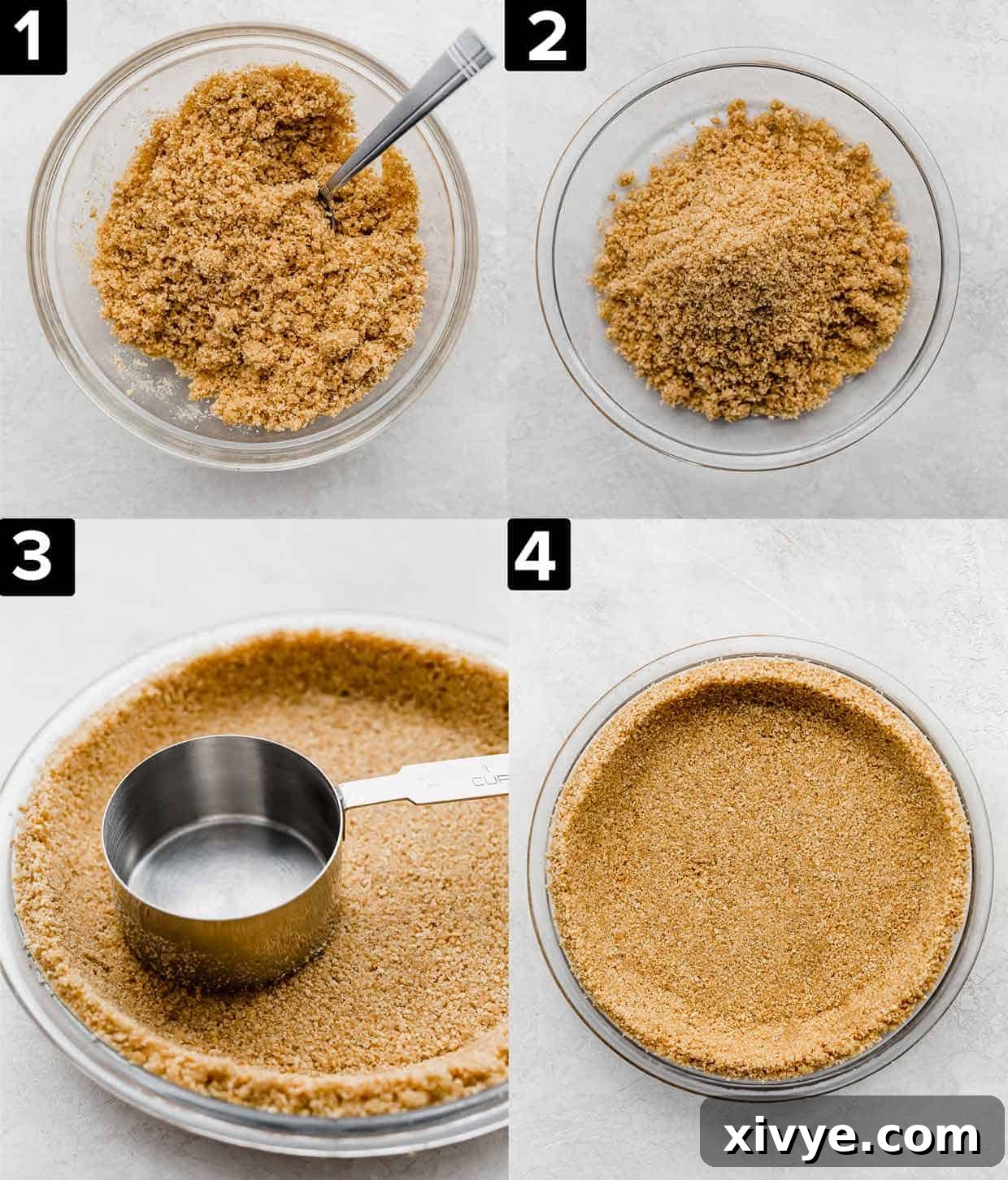
- Prepare the Graham Cracker Crumbs: Begin by crushing your graham crackers into fine, consistent crumbs. The easiest method is to use a food processor, pulsing until no large pieces remain. If you don’t have a food processor, place the graham cracker sheets in a sturdy plastic freezer bag, seal it, and use a rolling pin to crush them evenly. Aim for a texture similar to fine sand – no large chunks, please! This ensures a smooth, uniform crust.
- Combine Dry and Wet Ingredients: In a medium-sized bowl, combine the 1 ½ cups of graham cracker crumbs with ⅓ cup of granulated sugar. Stir these dry ingredients together thoroughly to ensure the sugar is evenly distributed. This step is important for both flavor and the binding process. Next, pour in 6 tablespoons of melted butter. Using a fork or spatula, mix everything together until the crumbs are uniformly moistened. It should resemble wet sand and hold together when pressed. Be sure to break up any large clumps that form, ensuring a consistent mixture.
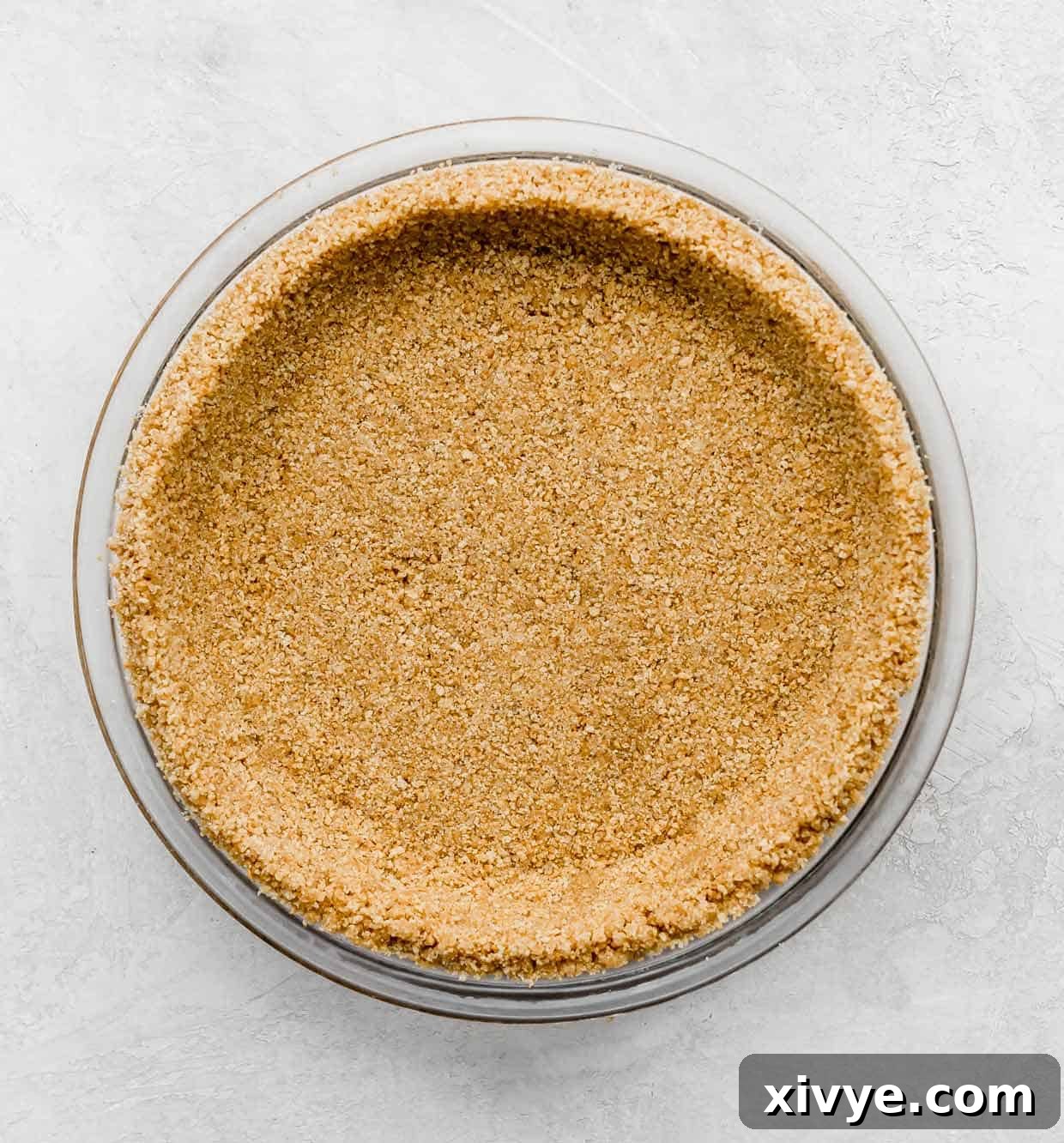
- Press into the Pie Pan: Transfer the moistened graham cracker mixture into a standard 9-inch pie plate. Start by using your fingers to gently press the crumb mixture evenly into the bottom of the pan and then up the sides. Once you’ve formed a basic shape, use the flat bottom of a measuring cup or a glass to firmly and evenly press the mixture across the bottom and up the sides. This technique creates a compact, sturdy crust. Remember not to pack it *too* tightly, as this can make it difficult to remove slices later.
- Bake or Chill (Based on Your Recipe):
- For a Baked Crust: Preheat your oven to 350°F (175°C). Place the pie plate with the crust in the preheated oven and bake for 9-10 minutes. The crust should appear lightly golden brown and smell wonderfully fragrant. Baking helps to meld the butter and sugar, creating an even firmer, more flavorful, and less crumbly crust.
- For a No-Bake Crust: If your dessert recipe is no-bake (like many cheesecakes or cream pies), you don’t need to bake the crust. Instead, place the pie plate in the refrigerator to chill for at least 30 minutes, or in the freezer for 15 minutes. This firming time allows the butter to solidify, setting the crust.
- Cool Completely: If you opted to bake your buttery graham cracker crust, it’s crucial to let it cool completely on a wire rack before adding any pie filling. Attempting to fill a warm crust can lead to a soggy bottom or melted filling, compromising the texture of your dessert. Patience is key for the best results! Browse our delicious pie recipes for inspiration once your crust is ready.
Expert Tips for the Best Graham Cracker Crust Every Time
Achieving a truly outstanding graham cracker crust is simple with these additional insights and techniques:
- Ensure Even Mixing: When combining the graham cracker crumbs, sugar, and melted butter, make sure to thoroughly mix until the butter is evenly distributed. It’s helpful to add the sugar to the crumbs first and stir, then add the butter. This initial dry mix ensures the sugar doesn’t clump with the butter, allowing it to act as a proper binding agent. Break apart any large clumps that form to maintain a uniform texture.
- Mastering the Pressing Technique: Start by using your fingers to gently distribute and initially press the crumb mixture into the pie dish, forming a basic shape on the bottom and up the sides. Then, transition to a flat-bottomed measuring cup or a glass. Use it to firmly, but not excessively, press the mixture. The goal is a compact crust that holds together without being dense or rock-hard, which can make serving difficult. An even press is key for consistent texture.
- Achieve a Smooth, Rounded Edge: Pay special attention to where the bottom of the crust meets the sides of the pie plate. Instead of trying to create a sharp, 90-degree angle, aim for a gentle curve or a rounded edge. A sharp angle here can result in a weaker point that’s prone to breaking or crumbling when you try to remove a slice. Using the back of a spoon or your thumb to gently round this seam will create a much stronger, more attractive crust.
- Flavor Variations: Elevate your crust with subtle flavor additions! For a warm, spiced note, consider adding ¼ teaspoon of ground cinnamon to the crumb mixture. It’s absolutely divine, especially in fruit-based desserts like our peach dessert recipe. You can also achieve this by simply using cinnamon graham crackers, but remember that Nabisco brand often yields the best flavor. For chocolate lovers, swap in chocolate graham crackers – they create a fantastic dark and rich base for chocolate-y pies and cheesecakes.
- Adjusting Butter for Climate: The amount of butter can be subtly influenced by your climate and altitude. The 6 tablespoons specified in this recipe work perfectly for me (living at sea level in a fairly humid environment). However, some bakers in drier climates or higher altitudes might find that an extra ½ to 1 tablespoon of melted butter helps the crumbs bind more effectively. Start with the recommended amount and if your mixture still feels too dry and crumbly to hold together, add a tiny bit more, one teaspoon at a time. Be cautious not to add too much butter, as an overly buttery crust can become greasy and even stick to the pie plate, making serving a challenge.
Make Ahead, Storing, and Freezing Your Graham Cracker Crust
This homemade graham cracker crust is perfect for meal prep, allowing you to get a head start on your baking projects:
- Make Ahead: You can prepare this easy graham cracker pie crust recipe up to 3 days in advance. Once pressed into the pie plate (and baked and cooled, if applicable), simply cover it tightly with plastic wrap and store it in the refrigerator. This is a fantastic time-saver for busy schedules.
- Storing Leftovers: A finished pie with a graham cracker crust will generally stay fresh in the refrigerator for 4-5 days. Ensure it’s covered to prevent it from absorbing refrigerator odors and to maintain its freshness.
- Freezing for Longer Storage: To freeze your crust for future use, allow it to cool completely (if baked) before wrapping the entire pie plate securely in several layers of plastic wrap, then an additional layer of aluminum foil. This dual protection helps prevent freezer burn. It can be stored in the freezer for up to 1 month. When you’re ready to use it, remove it from the freezer, discard the plastic wrap and foil, and let it thaw in the refrigerator for several hours or overnight before filling.
Frequently Asked Questions About Graham Cracker Crust
You have the flexibility to use either! We generally prefer unsalted butter in our baking because it gives us more control over the overall salt content of the recipe. This particular graham cracker crust recipe does not call for any added salt, so if you appreciate a subtle hint of salt to balance the sweetness, using salted butter is a great choice. Don’t worry, the amount of salt in salted butter isn’t enough to make your crust taste overtly “salty” – it simply enhances the other flavors.
While it can be used for no-bake desserts, a graham cracker crust is most often baked. Baking yields the absolute best results because the heat from the oven allows the butter and sugar to melt and fully meld together. This process creates a much firmer, more stable, and less crumbly crust that holds its shape beautifully when served. For no-bake applications, chilling the crust thoroughly helps solidify the butter, but baking provides an extra layer of structural integrity and flavor development.
Yes, like most fresh baked goods, graham cracker crusts can eventually go bad, primarily by becoming stale and soft rather than spoiling in a dangerous way. For the best taste and texture, we recommend consuming a homemade graham cracker crust (or the pie it holds) within 4-5 days of making it. An unbaked or baked-and-cooled crust can be stored in the refrigerator for up to 3 days before filling. For longer storage, tightly wrap and freeze the crust; it will keep well for up to 1 month. Always keep the crust chilled in the refrigerator or freezer.
Graham cracker crusts are incredibly versatile and perfect for a wide variety of desserts, particularly those with creamy or fruit fillings. They are a classic choice for cheesecakes (both baked and no-bake), bright key lime pies, rich banoffee pies, creamy banana cream pies, delightful no-bake peanut butter pies, and elegant French silk pies. We even use it for a unique no-bake pumpkin pie recipe, showing just how adaptable it truly is!
The best way to prevent a soggy graham cracker crust is to ensure it is fully baked, if your recipe calls for it. The baking process helps to dry out the crumbs and create a barrier against moisture. Our crust recipe is designed to be very resilient; even after a pie has been refrigerated for 3-4 days, the crust typically remains wonderfully crisp. However, if you’re using a particularly wet filling, or if a pie sits for an extended period, moisture can eventually seep into the crust. For very wet fillings, a thin layer of cream cheese or melted chocolate spread on the bottom of the crust before adding the main filling can create an additional moisture barrier, provided the flavors are compatible.
Yes, you can certainly decrease the sugar if you prefer a less sweet graham cracker crust. You can reduce the granulated sugar to ¼ cup instead of ⅓ cup. However, we do not recommend omitting the sugar entirely or reducing it significantly more, as sugar plays a critical role in binding the graham cracker crumbs together. Without enough sugar, your crust will be too crumbly and prone to falling apart when sliced.
If graham crackers aren’t available in your region, digestive biscuits make an excellent substitute! They have a similar crumbly texture and mild sweetness. Digestive biscuits are generally a bit softer than graham crackers, so you’ll want to ensure you use the full ⅓ cup of sugar for proper binding. When it comes to butter, we recommend starting with 5 tablespoons and assessing the consistency of the mixture. If it still feels too dry to hold together when pressed, then gradually add the 6th tablespoon (or even a tiny bit more) until the mixture resembles wet sand.
Delicious Recipes Perfect for Your Homemade Graham Cracker Crust
Once you’ve mastered this easy graham cracker crust, a world of dessert possibilities opens up! Here are some of our favorite recipes that pair beautifully with its buttery crunch:
- Banoffee Pie: The rich caramel and banana layers in a Banoffee Pie are perfectly complemented by the sweet, firm base of a graham cracker crust.
- Peach Dessert: A spiced or fresh peach dessert truly shines when resting on a graham cracker crust, especially if you add a touch of cinnamon to the crumbs.
- 7 Layer Bars: These decadent bars are traditionally made with a graham cracker base, offering a delightful chewy texture and classic flavor.
- Mini Pumpkin No-Bake Cheesecakes: The warming spices of pumpkin cheesecake find their ideal counterpoint in the subtly sweet and crunchy graham cracker crust.
- Key Lime Pie: The tart, refreshing custard of Key Lime Pie is a classic match for the sweet, sturdy graham cracker crust, creating a balance of flavors and textures.
Did you try this recipe? We would absolutely love to hear about your experience! Please leave a star rating and review right here on the blog, or scroll down to the recipe card to do so. Your feedback helps us improve and inspires other bakers!
Stay connected and get the latest delicious updates by following us on Instagram, TikTok, YouTube, Facebook, and Pinterest.
Save Recipe
Review Recipe
Graham Cracker Crust

Whitney Wright
An easy to make, foolproof graham cracker crust recipe. We use this recipe for cheesecake, key lime pie, and French silk pie, to name a few!
Ingredients
- 1 ½ cups graham cracker crumbs (about 12 full cracker sheets)
- ⅓ cup granulated sugar (can also use brown sugar if preferred)
- 6 tablespoons butter (melted, see notes for climate adjustments)
Equipment
- 9″ pie plate
- Food processor or plastic freezer bag and rolling pin
- Mixing bowl
Instructions
- Preheat your oven to 350°F (175°C).
- In a medium-sized bowl, stir together the graham cracker crumbs, granulated sugar, and melted butter until thoroughly combined.
- Pour the graham cracker mixture into a 9-inch pie plate. Press it firmly and evenly into the bottom of the pan and up the sides.
- Bake for 9-10 minutes until lightly golden. Remove from the oven and let it cool completely on a wire rack before filling.
- If making a no-bake recipe, skip baking. Instead, place the pie plate in the refrigerator to chill for 30 minutes (or in the freezer for 15 minutes) while you prepare your pie filling. This allows the butter to firm up and set the crust.
Video
Notes
- Variation: For an enhanced flavor, consider adding ¼ teaspoon of ground cinnamon to the crumb mixture. It’s particularly fantastic in fruit-based desserts like our peach dessert recipe.
- Butter Adjustment: The amount of butter might need slight adjustment based on your climate and altitude. While 6 tablespoons works perfectly in a humid, sea-level environment, some bakers may find a tiny bit more beneficial in drier or higher altitude conditions. Exercise caution not to add excessive butter, as this could cause the pie to stick to the plate when serving.
- Storage: For optimal freshness and texture, store your prepared crust in the refrigerator for up to 3 days.
- Freezing: To freeze, allow the crust to cool completely first. Wrap the pie plate tightly with plastic wrap and foil, and it will keep in the freezer for up to 1 month. Thaw in the refrigerator before using.
Nutrition Facts (per crust serving)
Calories: 1395 kcal (70%), Carbohydrates: 163g (54%), Protein: 10g (20%), Fat: 81g (125%), Saturated Fat: 45g (225%), Cholesterol: 181mg (60%), Sodium: 1431mg (60%), Potassium: 223mg (6%), Fiber: 4g (16%), Sugar: 96g (107%), Vitamin A: 2099IU (42%), Calcium: 120mg (12%), Iron: 5mg (28%)
Did you make this recipe?
We’d love to know what you thought! Please leave a star rating and review on the blog post letting us know how you liked this recipe. Don’t forget to take a picture and tag @saltandbaker on TikTok, Instagram, and Facebook so we can see your delicious creations!