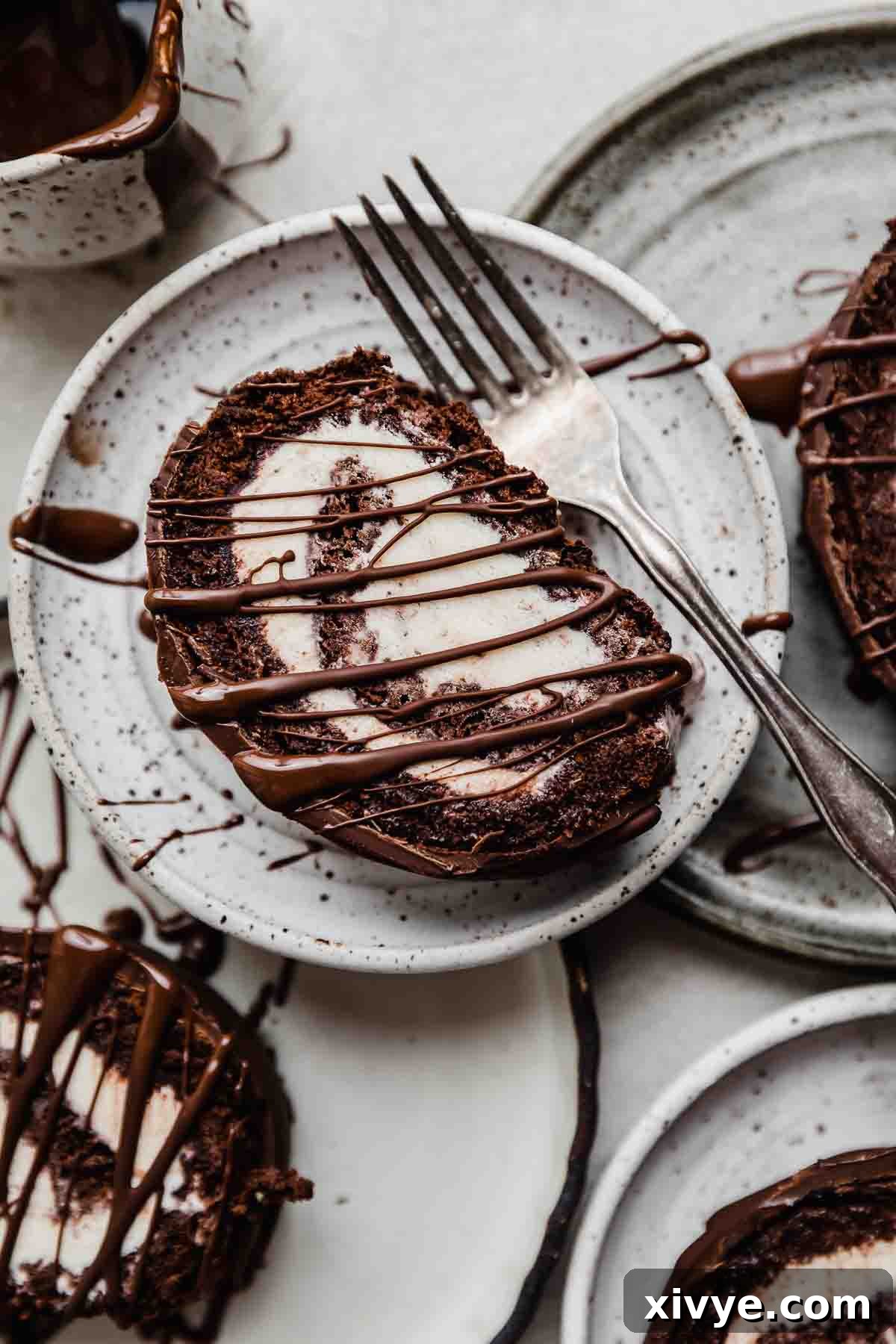
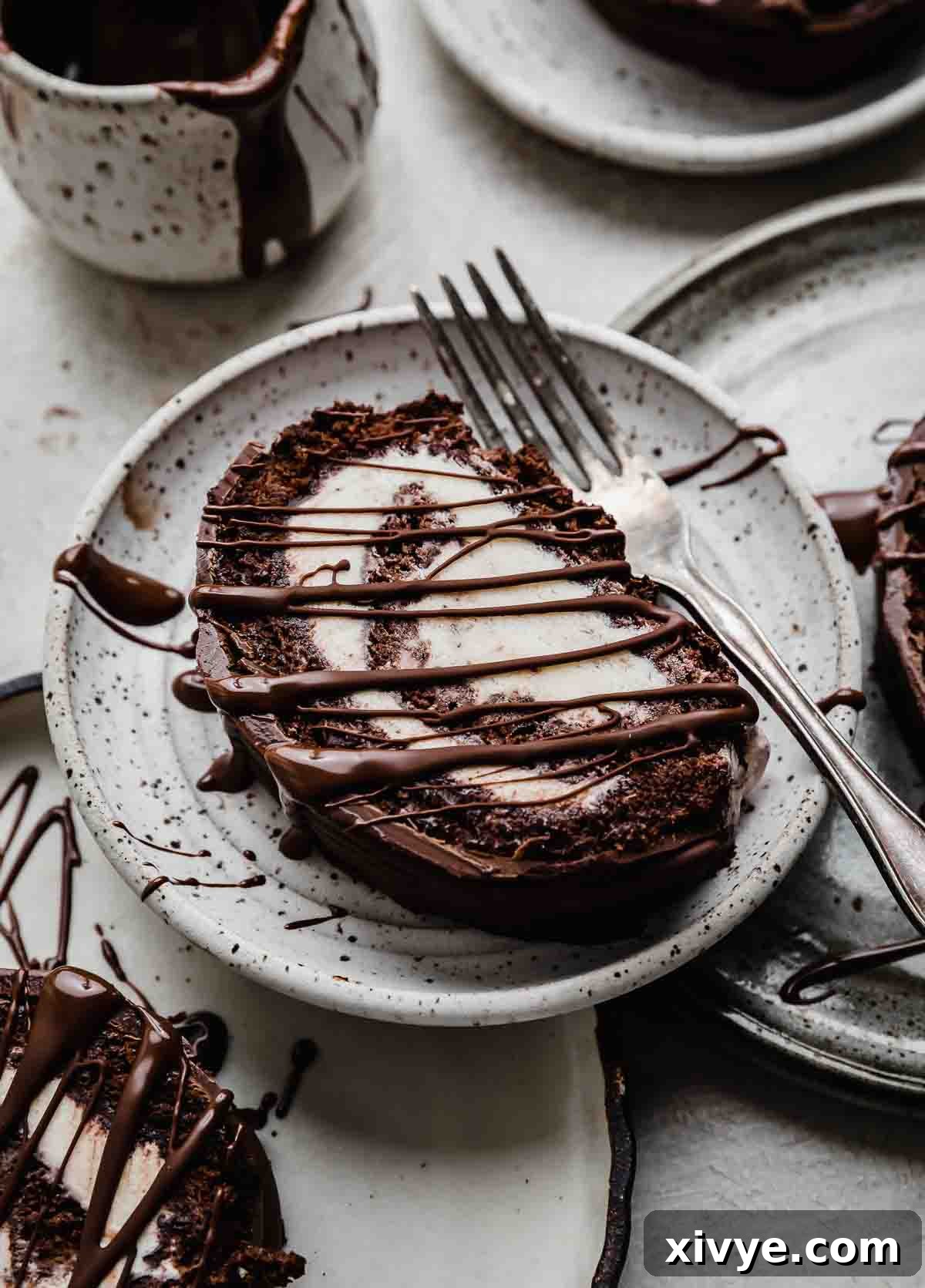
Welcome to the ultimate guide for creating an absolutely irresistible Ice Cream Cake Roll! This delightful dessert marries the rich, deep flavor of a perfectly baked chocolate cake with the creamy indulgence of your favorite ice cream, all rolled into a beautiful, elegant swirl. Dusted with cocoa powder and crowned with a luscious magic shell, each slice promises a heavenly experience that will impress at any gathering. Forget complicated desserts; this recipe simplifies the art of the cake roll, making it accessible for home bakers of all skill levels.
If you’re a fan of classic Swiss Cake Rolls, prepare to fall in love with their frozen, chocolate counterpart. This ice cream cake roll recipe is not just a dessert; it’s a family tradition, cherished for its blend of rich chocolate cake and cool, refreshing ice cream. While vanilla ice cream is a timeless choice, the beauty of this recipe lies in its versatility. Feel free to explore and personalize your filling, perhaps even crafting your own Homemade Vanilla Ice Cream Recipe for an extra touch of homemade goodness.
Crafting this elegant treat might seem daunting at first glance, but with our detailed, step-by-step instructions and helpful tips, you’ll achieve a perfect, crack-free roll every time. Get ready to elevate your dessert game and create a show-stopping Ice Cream Cake Roll that tastes as amazing as it looks!
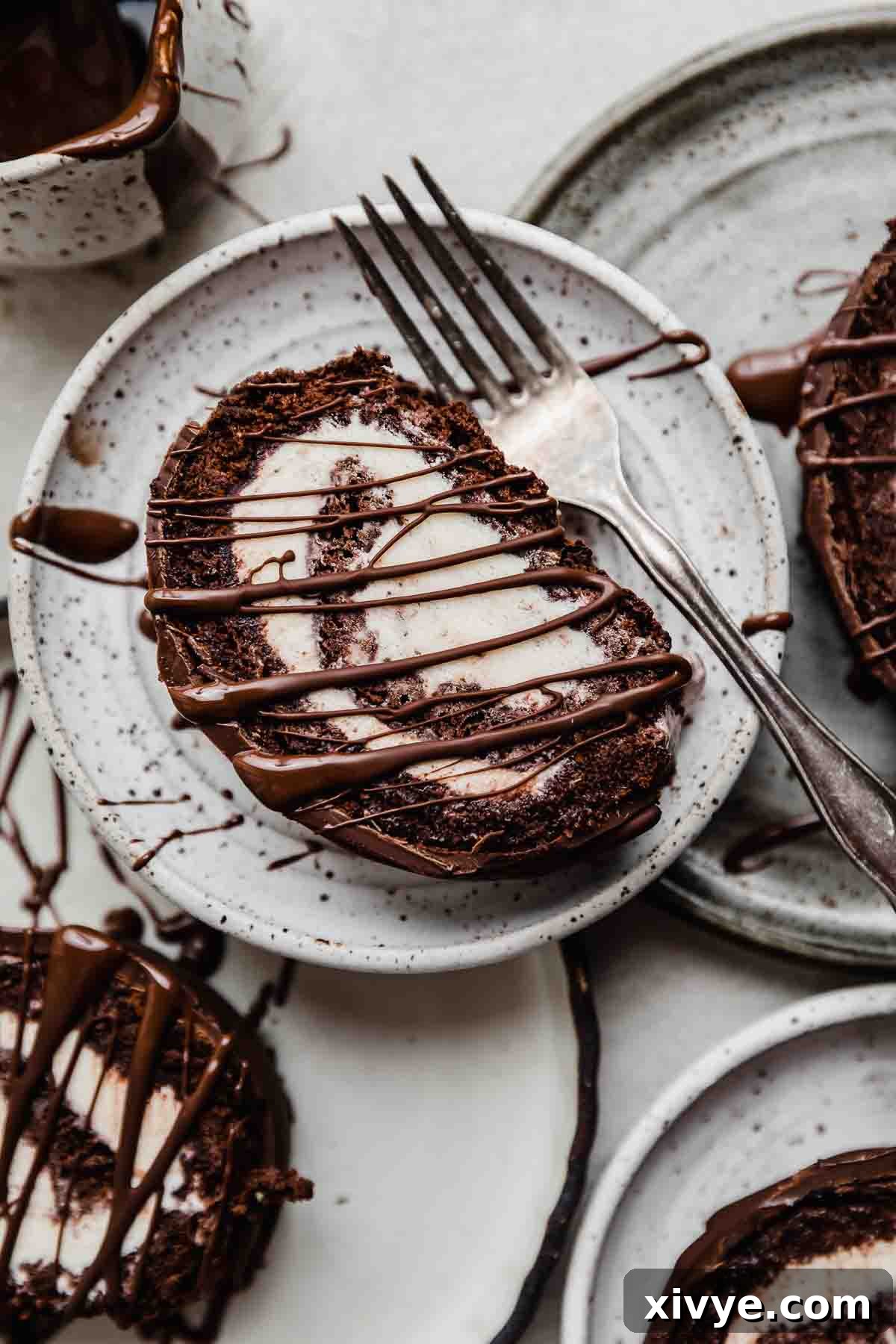
Why This Ice Cream Cake Roll Recipe Works Wonders
This recipe for an Ice Cream Cake Roll stands out for several compelling reasons, making it a go-to for special occasions or simply when you crave a truly remarkable dessert. It combines ease with elegance, ensuring a show-stopping result without the usual stress.
- Surprisingly Simple Cake Roll Recipe: Don’t let the elegant appearance fool you – this ice cream cake roll is much easier to make than you might think! My mom has been making this delightful dessert for Christmas for years, and I once believed it was incredibly difficult. However, I’ve discovered the secret to a stress-free experience. The most critical part is the rolling technique, but with our comprehensive, guided step-by-step instructions, you’ll master it in no time, achieving a beautiful, seamless roll consistently. This recipe demystifies the process, turning a potentially intimidating task into an enjoyable baking adventure.
- Customizable with Your Favorite Ice Cream: One of the greatest joys of this recipe is the freedom to personalize it with any ice cream flavor your heart desires. While a classic vanilla ice cream center is always a hit, don’t hesitate to get creative! We’ve had incredible success with a variety of flavors, transforming the dessert for different seasons and celebrations. Imagine a refreshing peppermint ice cream for the holidays, a vibrant strawberry for Valentine’s Day, or a rich cookies and cream for a birthday treat. Chocolate, mint chocolate chip, or even Neapolitan ice cream can offer a unique twist, making this cake roll truly yours. The possibilities are endless, ensuring this dessert never gets old.
- Boasting a Rich, Decadent Chocolate Cake: The foundation of this spectacular ice cream cake roll is its incredibly rich chocolate cake. We achieve this deep, luxurious chocolate flavor by using high-quality Dutch process cocoa powder. This specific type of cocoa is less acidic and has a darker hue, which translates into a more intense and complex chocolate taste that ordinary cocoa powder simply can’t match. Once you try it, you’ll understand why it’s an essential ingredient for this recipe. The result is a moist, flavorful cake that perfectly complements the cool, creamy ice cream filling.
- Light, Airy, and Fluffy Cake Texture: Beyond its rich flavor, the cake boasts an exceptionally light and fluffy texture that melts in your mouth. This ethereal quality is achieved by carefully separating the eggs and whipping the egg whites to stiff peaks. These airy egg whites are then gently folded into the cake batter, creating a delicate sponge that makes every bite of this ice cream roll cake utterly heavenly. The contrast between the soft cake and the smooth, cold ice cream is what makes this dessert truly unforgettable, providing a balanced and delightful sensory experience.
Essential Ingredient Notes for Your Perfect Ice Cream Cake Roll
Understanding each ingredient’s role is key to mastering this delicious Ice Cream Cake Roll. Here’s a closer look at what you’ll need and why it matters, ensuring your cake is moist, rich, and perfectly rolled.
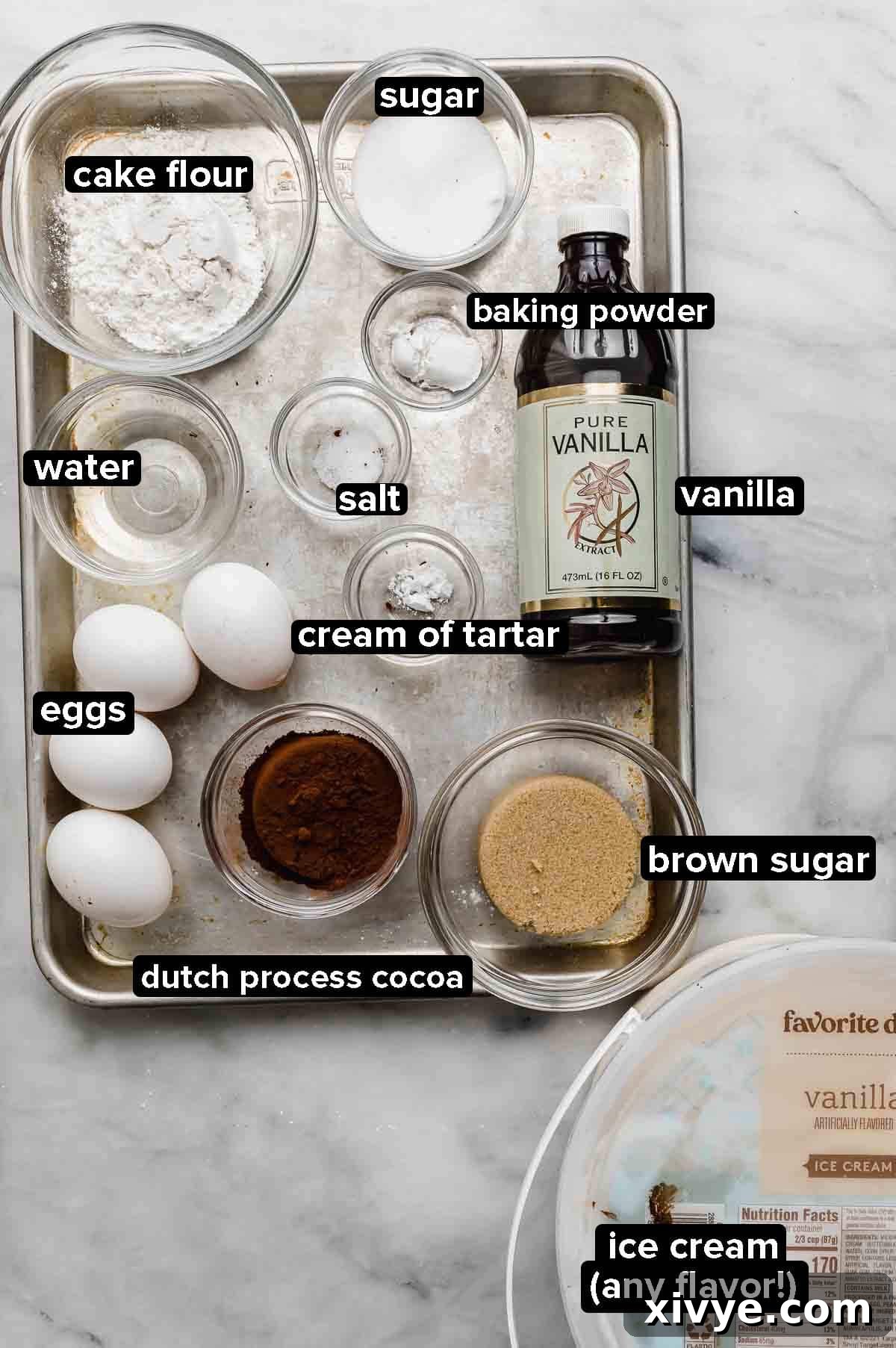
- Eggs: The eggs are crucial for both structure and lightness in our chocolate sponge cake. You’ll need to separate them carefully. The egg whites are beaten to stiff, glossy peaks, which introduces air into the batter, resulting in that wonderfully light and fluffy texture we’re aiming for. The egg yolks, on the other hand, are creamed with brown sugar, contributing richness, moisture, and a beautiful golden hue to the cake batter. This separation and precise incorporation are vital for the cake’s delicate crumb.
- Granulated Sugar: This fine white sugar plays a dual role. A portion is gradually added to the egg whites while they are being whipped. This helps stabilize the egg white foam, allowing them to reach stiff peaks and maintain their structure when folded into the batter. It also contributes to the overall sweetness of the cake.
- Light Brown Sugar: Unlike granulated sugar, light brown sugar brings a soft, moist texture and a subtle caramel note to the chocolate cake. Its presence ensures the cake remains tender and adds depth of flavor, creating a perfect balance with the rich cocoa. Be sure to pack it when measuring for accuracy.
- Cake Flour: This isn’t just any flour; cake flour is specifically designed for delicate bakes. It contains a lower protein content compared to all-purpose flour and is milled very finely. This unique composition helps create an incredibly tender, delicate, and soft cake crumb, which is essential for a cake that needs to be rolled without cracking. It makes a significant difference in the final texture of your sponge.
- Dutch Process Cocoa Powder: For an intensely rich and deep chocolate flavor that truly elevates this ice cream cake roll, Dutch process cocoa powder is non-negotiable. Its alkalinity makes it darker in color and less bitter than natural cocoa, resulting in a smoother, more profound chocolate taste. Trust me, investing in this ingredient is worth it – you won’t regret the depth it adds to your cake. For those curious about the science behind cocoa powders, explore my comprehensive posts on the Best Cocoa Powder for Baking and the Black Cocoa Powder Guide to understand the differences and ideal uses.
- Baking Powder: As a leavening agent, baking powder is responsible for giving the cake its lift and airy structure. It reacts with moisture and heat, producing carbon dioxide bubbles that expand during baking, resulting in a light and tender crumb. Because we are using Dutch process cocoa (which is alkaline), baking powder (which typically contains both an acid and a base) is the ideal leavener.
- Ice Cream: The heart of your ice cream cake roll! The choice here is entirely yours, offering endless possibilities for customization. While classic vanilla is a fantastic choice, feel free to let your imagination run wild. Consider peppermint ice cream for a festive Christmas dessert, vibrant strawberry for a romantic Valentine’s treat, rich chocolate ice cream for a double chocolate delight, or even Neapolitan for a trio of flavors. The key is to use softened ice cream so it spreads smoothly without tearing the delicate cake, but not melted, to ensure it refreezes perfectly.
- Magic Shell or Hot Fudge: These toppings are optional but highly recommended for an extra layer of decadence and visual appeal. A magic shell creates a satisfyingly firm, crisp chocolate coating as it hits the cold ice cream, adding a delightful textural contrast. You can either make your own homemade magic shell or use a store-bought version for convenience. Alternatively, a warm drizzle of hot fudge sauce adds gooey richness. Both options elevate the presentation and enhance the overall experience of this frozen dessert.
Step-by-Step Instructions: Crafting Your Perfect Ice Cream Cake Roll
Follow these detailed steps carefully to ensure a smooth baking and rolling process, resulting in a beautiful and delicious Ice Cream Cake Roll every time.
- Prepare Oven and Jelly Roll Pan: Begin by preheating your oven to 400ºF (200ºC). This ensures the oven is at the correct temperature for immediate baking once the batter is ready. Next, take a 10×15 inch jelly roll pan, which is essential for a thin, even cake layer perfect for rolling. Generously grease the pan with nonstick cooking spray. Line the bottom of the greased pan with parchment paper, allowing some overhang on the longer sides to help with lifting later. Spray the parchment paper again, and then lightly dust the entire surface with Dutch process cocoa powder. This cocoa powder serves a crucial purpose: it prevents the cake from sticking and also adds a beautiful finish. Gently tap off any excess cocoa powder from the pan. Set this prepared pan aside.
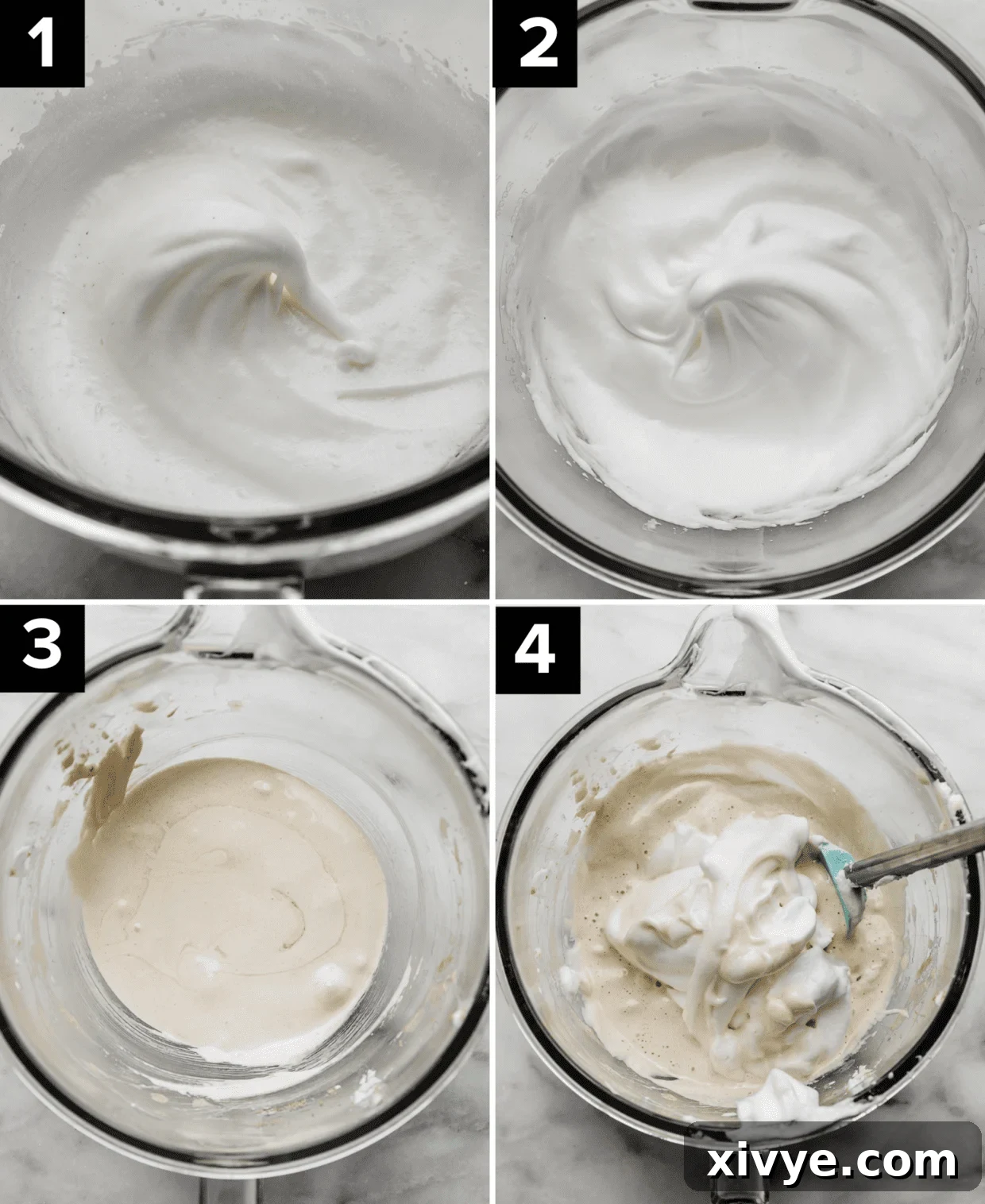
- Beat Egg Whites to Stiff Peaks: In the clean bowl of a stand mixer fitted with the whisk attachment, add the 4 separated egg whites. Start beating them on medium speed until they become foamy, which indicates air is being incorporated. Once foamy, gradually add 3 tablespoons of granulated sugar, one tablespoon at a time, continuing to beat until soft peaks form. Soft peaks will hold their shape but curl slightly at the tip. Now, add ¼ teaspoon of salt and ⅛ teaspoon of cream of tartar. Cream of tartar acts as a stabilizer, helping the egg whites achieve and maintain stiff peaks. Increase the speed and continue beating until stiff peaks form; these peaks will stand straight up and hold their shape firmly. Carefully transfer these perfectly beaten egg whites to a large mixing bowl and set aside. Handle them gently to preserve their airy volume.
- Combine Wet Ingredients: Without washing the stand mixer bowl (it’s fine to have some egg white residue), add the 4 egg yolks. Using the whisk attachment, mix the yolks on high speed. While mixing, slowly add ½ cup of light brown sugar, allowing it to incorporate gradually. Continue mixing on high speed for about 5 minutes until the mixture becomes thick, pale, and creamy. This process is known as creaming and helps create a stable emulsion. Reduce the mixer speed to low, then add 2 teaspoons of vanilla extract and 1 ½ tablespoons of water. Mix just until combined, scraping down the sides of the bowl as needed to ensure everything is fully incorporated.
- Gently Fold in Egg Whites: Now, it’s time to marry the light egg whites with the rich yolk mixture. Using a rubber spatula, gently fold in half of the beaten egg whites into the egg yolk mixture. Use a cutting and folding motion, turning the bowl as you go, to incorporate them without deflating the air. Once the first half is mostly incorporated, gently fold in the remaining half of the egg whites. The goal is to achieve a uniform batter that is still light and airy. Be patient and gentle during this step; overmixing will deflate the egg whites and result in a dense cake.
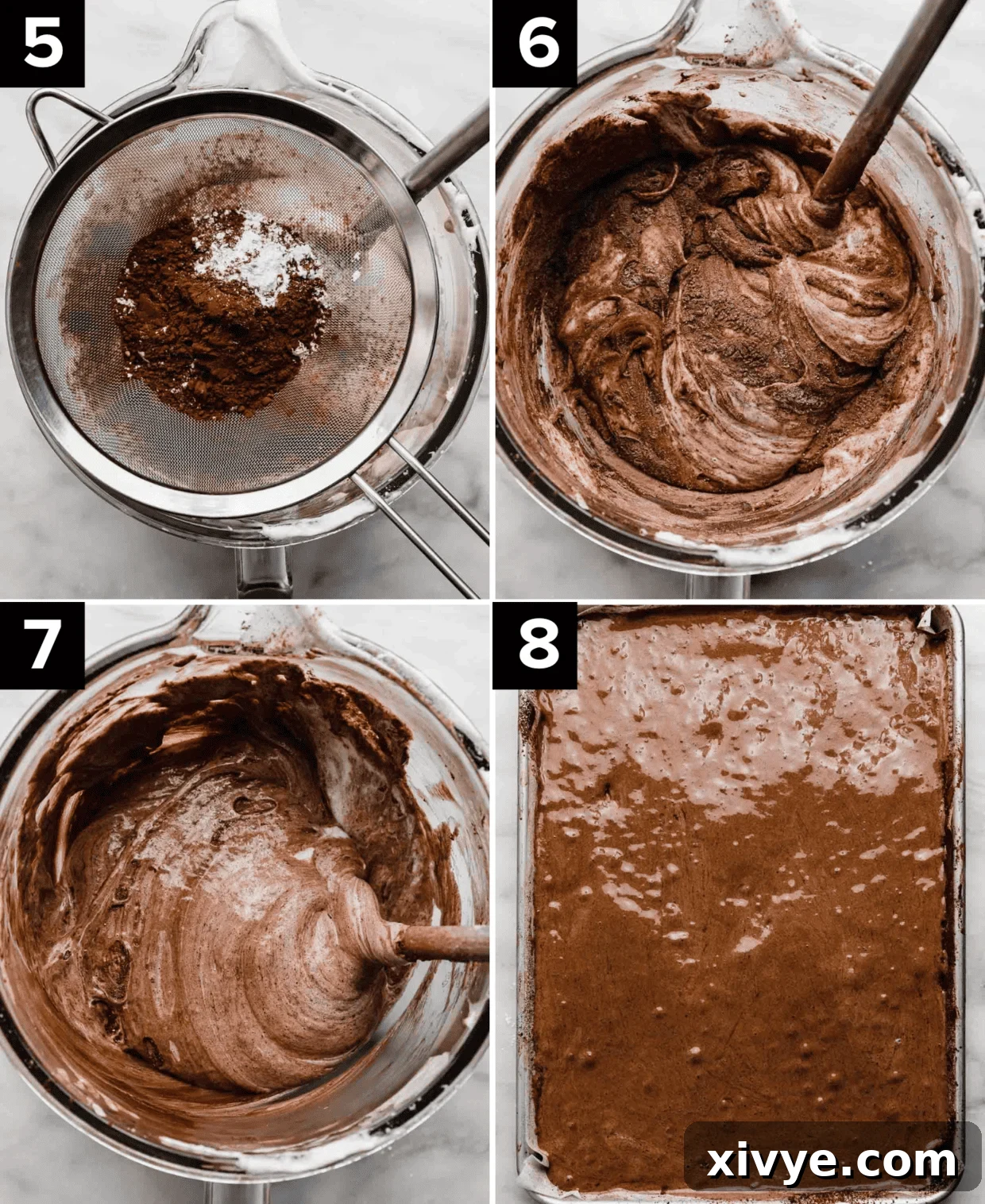
- Sift in the Dry Ingredients: Carefully remove the stand mixer bowl from its base. Place a fine mesh sieve directly over the bowl containing the wet ingredients and folded egg whites. Into the sieve, add ⅓ cup of cake flour, ¼ cup of Dutch process cocoa powder, and ¾ teaspoon of baking powder. Sift these dry ingredients directly over the wet batter. Sifting ensures there are no lumps and helps aerate the dry ingredients, promoting an even mix.
- Gently Fold in Dry Ingredients: Using your rubber spatula, very gently fold the sifted dry ingredients into the wet ingredients. Continue with the cutting and folding motion, rotating the bowl as you work, until the dry ingredients are just incorporated and no streaks of flour remain. Avoid overmixing, as this can develop the gluten in the flour, leading to a tough cake, and will also deflate the air you’ve worked so hard to incorporate. The batter should remain light and relatively airy.
- Pour into Prepared Pan: Carefully pour the finished cake roll batter into the prepared jelly roll pan. Using an offset spatula or the back of a spoon, gently spread the batter evenly across the entire surface of the pan, making sure it reaches all corners. Aim for a consistent, thin layer for even baking and easy rolling.
- Bake the Cake Roll: Place the pan into your preheated 400ºF (200ºC) oven. Bake for a short period, typically 5-6 minutes. The cake is done when it springs back lightly when touched and just begins to pull away from the sides of the pan. Overbaking will dry out the cake and make it prone to cracking when rolled, so keep a close eye on it!
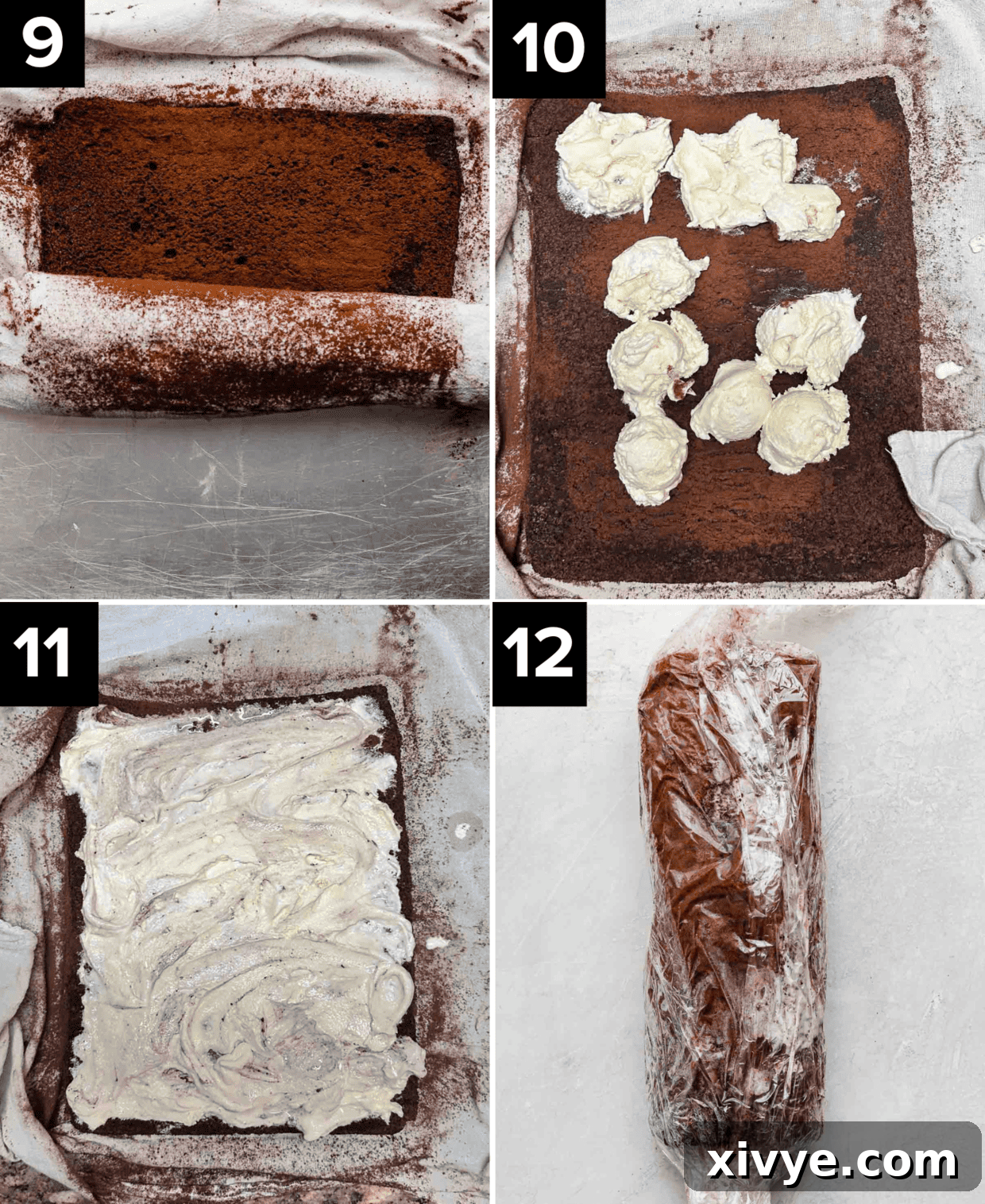
- Remove from Oven and Immediately Dust with Cocoa Powder: As soon as the cake is out of the oven, do not delay. Immediately sift an additional generous layer of cocoa powder evenly over the entire top surface of the hot cake. This dusting is absolutely crucial as it creates a non-stick surface that will prevent the cake from adhering to the towel during the initial roll, making the process much easier and reducing the risk of tearing.
- Remove the Cake from the Pan: Lay a clean flour sack cloth or a thin kitchen towel (ensure it’s larger than the cake itself) directly on top of the cocoa-dusted cake in the pan. Next, grab a large cutting board or a sturdy baking sheet and place it firmly over the towel-covered cake. With confidence and a firm grip, quickly and carefully invert the entire assembly (pan, cake, towel, and board) so that the cake is now resting on the towel, which is on the board or baking sheet. Gently lift the empty jelly roll pan away from the cake. Then, carefully and slowly peel off the parchment paper from the bottom of the cake.
- Add Additional Cocoa Powder: Once the parchment paper is removed, the underside of the cake (which was originally the bottom) is now exposed. Sift another light layer of cocoa powder over this newly exposed surface. This further aids in preventing sticking and adds to the rich chocolate flavor and appearance.
- Roll the Cake While Warm: This is a critical step for a crack-free roll. While the cake is still warm (but not hot to the touch), use the towel it’s resting on to gently roll the cake into a spiral. The towel will roll up inside the cake, providing support and preventing it from sticking to itself. Start from one of the shorter ends and roll it up tightly but gently. Once rolled, set the entire cake-and-towel spiral aside on a wire rack to cool completely to room temperature. This cooling process, while rolled, helps the cake “remember” its spiral shape, making the final ice cream rolling much easier. This usually takes about 20 minutes.
- Fill with Softened Ice Cream: Once the cake has cooled completely and is at room temperature, gently unroll it. The cake should now have a natural curl, making it easy to handle. Spread your chosen softened ice cream evenly over the entire surface of the cake, leaving about a ½-inch border around the edges. This border is important because as you re-roll the cake, the ice cream will spread outwards, and this space prevents it from oozing out excessively. Ensure the ice cream is soft enough to spread easily but not melted, as this will lead to a watery filling.
- Roll the Ice Cream Cake Roll and Freeze: Carefully re-roll the cake back into a spiral, this time without the towel. Take your time to roll it tightly and evenly, ensuring the ice cream is neatly encased. Once rolled, wrap the entire ice cream cake roll tightly in plastic wrap. Double-wrap it to prevent freezer burn. Place the wrapped cake roll in the freezer for at least 4 hours, or until the ice cream is completely firm. This freezing step is essential for the cake to hold its shape and for the ice cream to set.
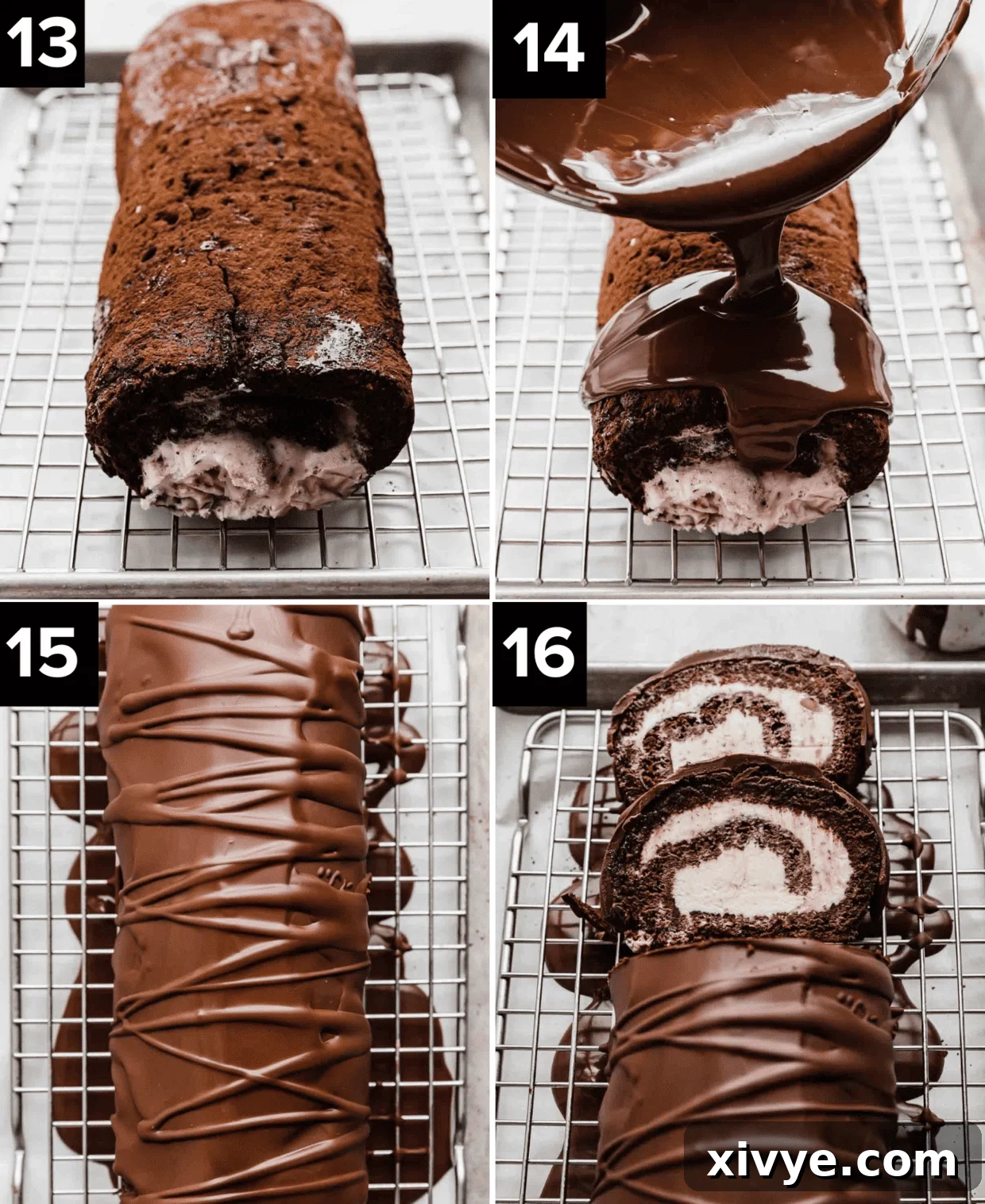
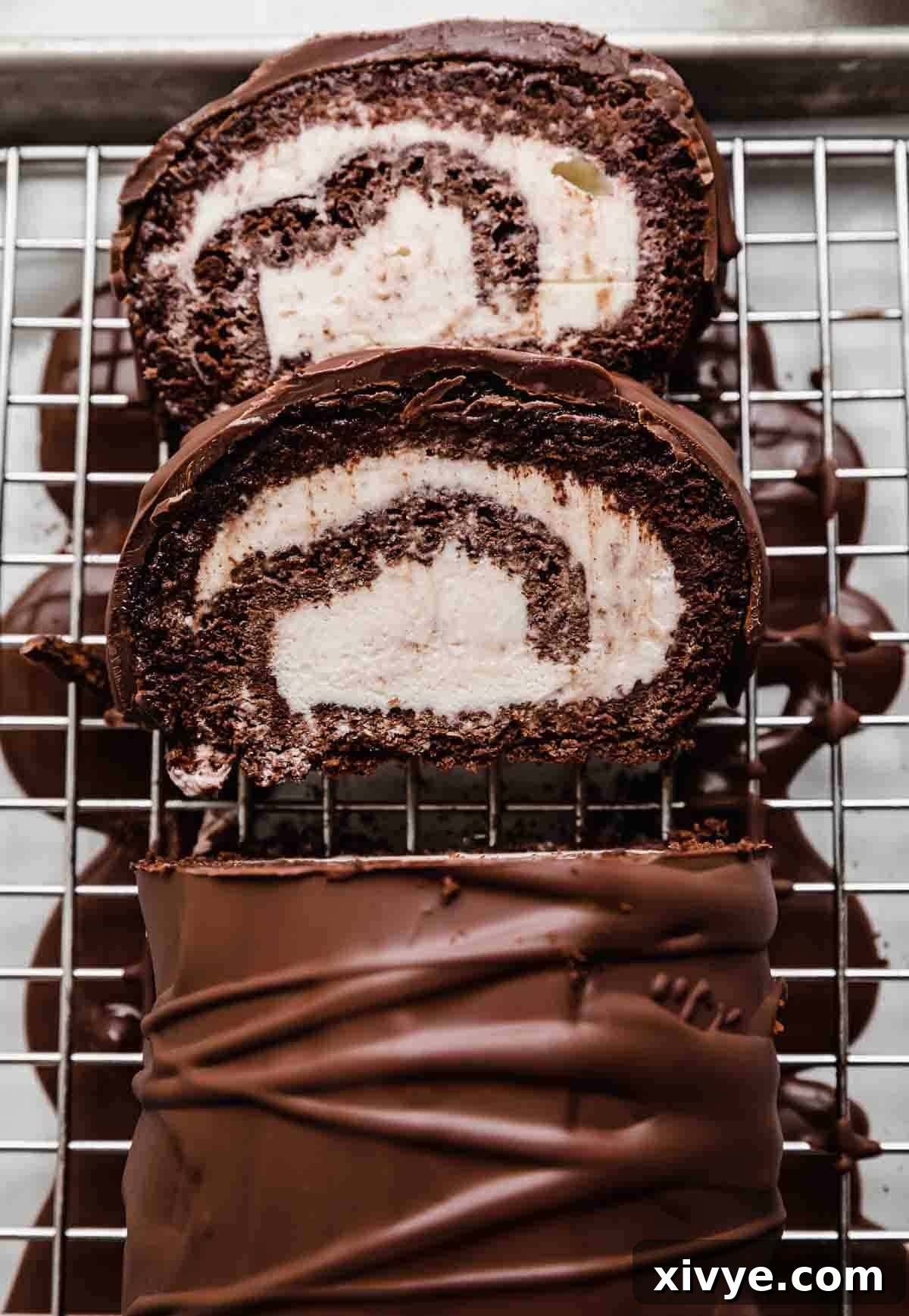
- Decorate and Serve: Once the ice cream cake roll is fully frozen and firm, it’s ready for its finishing touches. Carefully unwrap it. You can top it with a magic shell, which will harden instantly upon contact with the cold cake, creating a delicious chocolatey crunch. Alternatively, a simple dusting of powdered sugar offers a more subtle elegance. Slice the cake roll into 1-inch thick servings using a sharp, warm knife (run it under hot water and wipe dry between slices for clean cuts). Serve immediately with optional toppings such as extra hot fudge, colorful sprinkles, a dollop of whipped cream, or fresh berries. Enjoy this decadent and beautiful dessert!
Expert Tips for a Flawless Ice Cream Cake Roll
Achieving a perfect Ice Cream Cake Roll is easier with a few insider tricks. These tips will help you navigate common challenges and ensure your dessert is a resounding success.
- Gentle Folding is Key: When incorporating the whipped egg whites into the cake batter, the gentlest touch is essential. Use a rubber spatula and a delicate “cutting and folding” motion to combine the mixtures. This technique helps maintain the airy, voluminous texture of the egg whites, which is crucial for a light, fluffy cake that won’t crack when rolled. Aggressive mixing will deflate the batter and result in a dense, brittle cake.
- Always Sift Dry Ingredients: Don’t skip the sifting step for your cake flour, cocoa powder, and baking powder. Sifting prevents lumps, ensures that these ingredients are evenly distributed throughout the batter, and helps to aerate them. This leads to a smoother, more uniform cake batter and ultimately, a more tender and consistent cake texture.
- The Magic of Cocoa Dusting for Rolling: Dusting the warm cake with cocoa powder immediately after it comes out of the oven, and again after removing the parchment paper, is a game-changer. This cocoa layer creates a non-stick barrier between the cake and the towel (and later, itself), which is absolutely KEY to preventing the cake from sticking and tearing as you roll it. It also imparts an extra layer of chocolatey flavor and a professional finish.
- Patience with Cooling: It’s imperative to allow the rolled cake to cool completely to room temperature before attempting to unroll it and add the ice cream. A warm cake will be more fragile and prone to cracking, while a fully cooled cake will be more flexible and resilient. Moreover, unrolling a warm cake will instantly melt your ice cream, creating a gooey mess. Allow those 20 minutes for cooling to ensure stability and prevent any meltdowns.
- Ice Cream Consistency Matters: Before spreading your ice cream, ensure it’s softened enough to be spreadable but not liquid. If it’s too hard, it will be difficult to spread evenly without tearing the cake. If it’s too soft or melted, it will make the cake soggy and won’t refreeze with the desired firm consistency. Let it sit on the counter for 10-15 minutes, or until it reaches a soft-serve consistency.
- Get Creative with Flavors: While vanilla ice cream is a classic, one of the most exciting aspects of this dessert is its versatility. Make it festive by swapping vanilla for peppermint ice cream around Christmas and New Year’s, or use a vibrant fruit-flavored ice cream for spring and summer celebrations. For a birthday, a decadent cookies ‘n cream or chocolate brownie batter ice cream would be phenomenal. Don’t be afraid to experiment with your favorite flavors – this dessert is incredibly customizable, allowing you to tailor it to any taste or occasion!
- Choosing Your Topping: You have options for the elegant topping. A store-bought magic shell is convenient and creates that satisfying crackle. Alternatively, you can easily make a homemade magic shell for a fresher taste. For a richer, softer finish, a classic hot fudge sauce or a simple dusting of powdered sugar are also fantastic choices. Consider adding sprinkles for extra fun, especially for children’s parties or festive events.
- The Right Towel for Rolling: A thin, lint-free flour sack cloth or a clean kitchen towel (larger than your cake) is ideal for rolling. Avoid thick, plush towels as they can imprint on the cake or make it harder to roll tightly.
- Sharp Knife for Serving: For clean, beautiful slices, use a sharp knife. For an extra clean cut, warm the knife under hot water, wipe it dry, and then make each slice. Repeat for every cut to prevent dragging and tearing the cake and ice cream.
Make Ahead, Storing, and Freezing
This Ice Cream Cake Roll is a fantastic make-ahead dessert, perfect for entertaining or enjoying over several days. Proper storage ensures its quality and deliciousness.
- Make Ahead: One of the best features of this ice cream cake roll is its make-ahead potential. You can fully prepare and freeze the cake roll up to 24 hours in advance, or even longer (see freezing instructions below). This allows you to tackle most of the work beforehand, freeing up your time on the day of your event. When you’re ready to serve, simply remove it from the freezer a few minutes before slicing and then add your chosen decoration, such as a magic shell or a dusting of powdered sugar.
- Storing: Any leftover slices or the entire unfinished ice cream cake roll should be stored immediately in the freezer. To prevent freezer burn and maintain freshness, wrap it tightly in plastic wrap. For extended storage or extra protection, consider placing the plastic-wrapped cake in an airtight freezer-safe container or adding an additional layer of aluminum foil. Properly stored, it will maintain its quality for up to a week.
- Freezing: This recipe is designed to be a frozen dessert, so freezing is not just an option, it’s a requirement! If the cake roll is not thoroughly frozen, the ice cream filling will melt, resulting in a soggy cake and a messy, unappetizing dessert. Ensure it freezes for at least 4 hours after rolling with the ice cream, and always store it in the freezer when not serving. For longer storage, up to 2 months, ensure it’s double-wrapped in plastic wrap and then again in aluminum foil to protect against freezer burn and odor absorption.
Recipe FAQs: Your Ice Cream Cake Roll Questions Answered
Got questions about making this decadent Ice Cream Cake Roll? We’ve got the answers to help you achieve perfect results every time.
While you technically CAN substitute regular (natural) cocoa powder, it’s highly recommended to use Dutch process cocoa powder for this recipe. Dutch process cocoa is less acidic and has a darker, richer color and a smoother, mellower chocolate flavor that truly makes this cake shine. More importantly, it reacts differently with leavening agents. Since this recipe uses baking powder (which contains its own acid), Dutch process cocoa (which is alkaline) is the perfect partner for achieving the correct rise and texture. Using natural cocoa powder might result in a slightly different taste profile and a less effective leavening action, potentially leading to a denser cake. For an in-depth understanding of cocoa types and their uses, refer to my Best Cocoa Powder for Baking post.
A flour sack cloth is ideal due to its thinness and lint-free nature, which prevents it from sticking to the cake and keeps your cake looking clean. However, if you don’t have one, a clean, thin kitchen towel that is larger than your cake will work in a pinch. Just ensure it’s not a thick, plush towel, as those can make rolling difficult and leave imprints on the delicate cake surface. The goal is a thin, flexible barrier.
Absolutely! This versatile chocolate sponge cake is delicious on its own. You can certainly enjoy the cake roll plain, or fill it with other delightful ingredients. For a different twist, consider filling it with freshly whipped cream and an assortment of fresh berries for a lighter, fruitier dessert. If you’re looking for other filling ideas, I recommend adapting my Lemon Swiss Roll recipe for inspiration, simply omitting the lemon curd and using a different cream-based filling.
Several factors can contribute to cracking in a cake roll. The most common reasons include overmixing the cake batter, which develops too much gluten and makes the cake tough and less pliable; overbaking the cake, leading to a dry and stiff sponge; or not allowing the cake to cool sufficiently while it’s rolled. Rolling the cake while it’s still warm trains it to hold its spiral shape, making it less likely to crack when unrolled later. Ensure you follow the exact baking times and rolling instructions carefully, and always be gentle when handling the delicate sponge cake for the best, crack-free results!
The key here is the consistency of your ice cream. It should be softened to a spreadable, almost soft-serve texture, but not melted. If it’s too hard, it will resist spreading and could easily tear the delicate sponge. If it’s too runny, it will soak into the cake and make a mess when you re-roll. Allow your ice cream to sit at room temperature for about 10-15 minutes (depending on your kitchen’s temperature) until it reaches the ideal spreadable consistency.
This recipe is optimized for a 10×15 inch jelly roll pan. Using a different size might alter the thickness of your cake. A larger pan would result in a thinner cake that bakes faster and might be harder to handle and roll without tearing. A smaller pan would make a thicker cake, requiring a longer baking time and potentially leading to a denser, less flexible result. Sticking to the recommended pan size ensures the perfect cake thickness for rolling.
More Decadent Chocolate Cake Recipes to Explore
If you’re a chocolate lover, this Ice Cream Cake Roll is just the beginning! Dive into more rich and delightful chocolate creations from our collection:
- Classic Chocolate Cake with Chocolate Cream Cheese Frosting
- The Ultimate Moist Chocolate Cake Recipe
- Indulgent Chocolate Cake with Creamy Peanut Butter Frosting
- Rich and Dense Chocolate Pound Cake
- Flavorful Chocolate Buttermilk Bundt Cake
Did you try this amazing Ice Cream Cake Roll recipe? We’d absolutely love to hear about your experience! Leave a star rating and a review below, or simply scroll to the end of the recipe card to share your thoughts. Your feedback helps us and other bakers!
Don’t miss out on our latest delicious creations! Stay connected and up-to-date by following us on Instagram, TikTok, YouTube, Facebook, and Pinterest. We love seeing your culinary masterpieces!
Ice Cream Cake Roll
This chocolate ice cream cake roll features a fluffy and moist cake that can be filled with any ice cream flavor you desire, making it a perfectly customizable frozen treat!
Author: Whitney Wright
Prep Time: 30 mins
Cook Time: 5 mins
Total Time: 35 mins
Servings: 8 servings
Average Rating: 4.17 from 6 votes
Ingredients
- 4 large eggs, separated
- 3 tablespoons granulated sugar
- ¼ teaspoon salt
- ⅛ teaspoon cream of tartar
- ½ cup light brown sugar, packed
- 2 teaspoons vanilla extract
- 1 ½ tablespoons water
- ⅓ cup cake flour
- ¼ cup Dutch process cocoa powder, plus more for dusting
- ¾ teaspoon baking powder
- 2 ½ cups softened ice cream (any flavor!)
- hot fudge, for serving (optional)
- magic shell, for pouring overtop (optional)
Equipment
- jelly roll pan
- Stand mixer with whisk attachment
- Rubber spatula
- Fine mesh sieve
- Offset spatula
- Flour sack cloth or thin kitchen towel
- Large cutting board or baking sheet
- Plastic wrap
Instructions
- Preheat oven to 400°F (200°C). Grease a 10×15 inch jelly roll pan with nonstick cooking spray. Line with parchment paper, spray the parchment again, then dust with cocoa powder. Tap off any excess cocoa. Set the pan aside.
- In the bowl of a stand mixer fitted with a whisk attachment, beat the egg whites on medium speed until foamy. Add the granulated sugar and continue beating until soft peaks form. Add the salt and cream of tartar and beat until stiff peaks form. Transfer the mixture to a large bowl.
- In the now empty stand mixer bowl, add the egg yolks. With the whisk attachment, mix the yolks on high speed, slowly adding the brown sugar, until thick (about 5 minutes). Add the vanilla and water and mix to combine. Using a rubber spatula, gently fold in the egg whites into the egg yolk mixture in 2 additions.
- Place a fine mesh sieve over the bowl. To the sieve, add the cake flour, Dutch process cocoa, and baking powder. Sift over the batter, then gently fold the dry ingredients into the wet ingredients with a rubber spatula until just combined.
- Pour the batter into the prepared pan. Use an offset spatula to spread the batter into a smooth, even layer. Bake for 5-6 minutes, or until the cake just begins to pull away from the sides of the pan.
- Remove the cake from the oven. Immediately sift additional cocoa powder over the entire surface of the cake to prevent sticking to the cloth. Place a flour sack cloth or dish towel (larger than the cake) over the cake. Grab a large cutting board or baking sheet and place it over the cloth. Tightly grasp the cutting board, towel, and cake, and flip the cake onto the towel on the board. Lift the cake pan from the cake. Gently peel the parchment off the cake. Sift additional cocoa powder over the back of the cake. Using the cloth the cake is on, roll the cake into a spiral (the cake will be rolled within the towel). Set the cake aside to cool to room temperature, about 20 minutes.
- Once cool, gently unroll the cake. Spread the softened ice cream over the cake into an even layer, leaving a ½ inch border around the edge to allow for spreading. Roll the cake back up (without the towel). Wrap tightly in plastic wrap and freeze for 4 hours or until the ice cream is firm.
- Slice into 1-inch thick slices and serve with your choice of toppings (hot fudge, magic shell, sprinkles). I made a batch of magic shell and poured that overtop of the entire cake roll, but you can serve it however you’d like!
Notes
Store any leftovers in the freezer. If storing longer than 2 weeks, add an additional layer of aluminum foil for protection against freezer burn. Will keep for up to 2 months.
Nutrition
Calories: 219 kcal (11%) | Carbohydrates: 34g (11%) | Protein: 6g (12%) | Fat: 7g (11%) | Saturated Fat: 4g (20%) | Polyunsaturated Fat: 1g | Monounsaturated Fat: 2g | Trans Fat: 0.01g | Cholesterol: 111mg (37%) | Sodium: 146mg (6%) | Potassium: 228mg (7%) | Fiber: 1g (4%) | Sugar: 27g (30%) | Vitamin A: 309IU (6%) | Vitamin C: 0.2mg | Calcium: 99mg (10%) | Iron: 1mg (6%)
Course: Dessert
Cuisine: American
This recipe was skillfully adapted from the wonderful Smitten Kitchen.