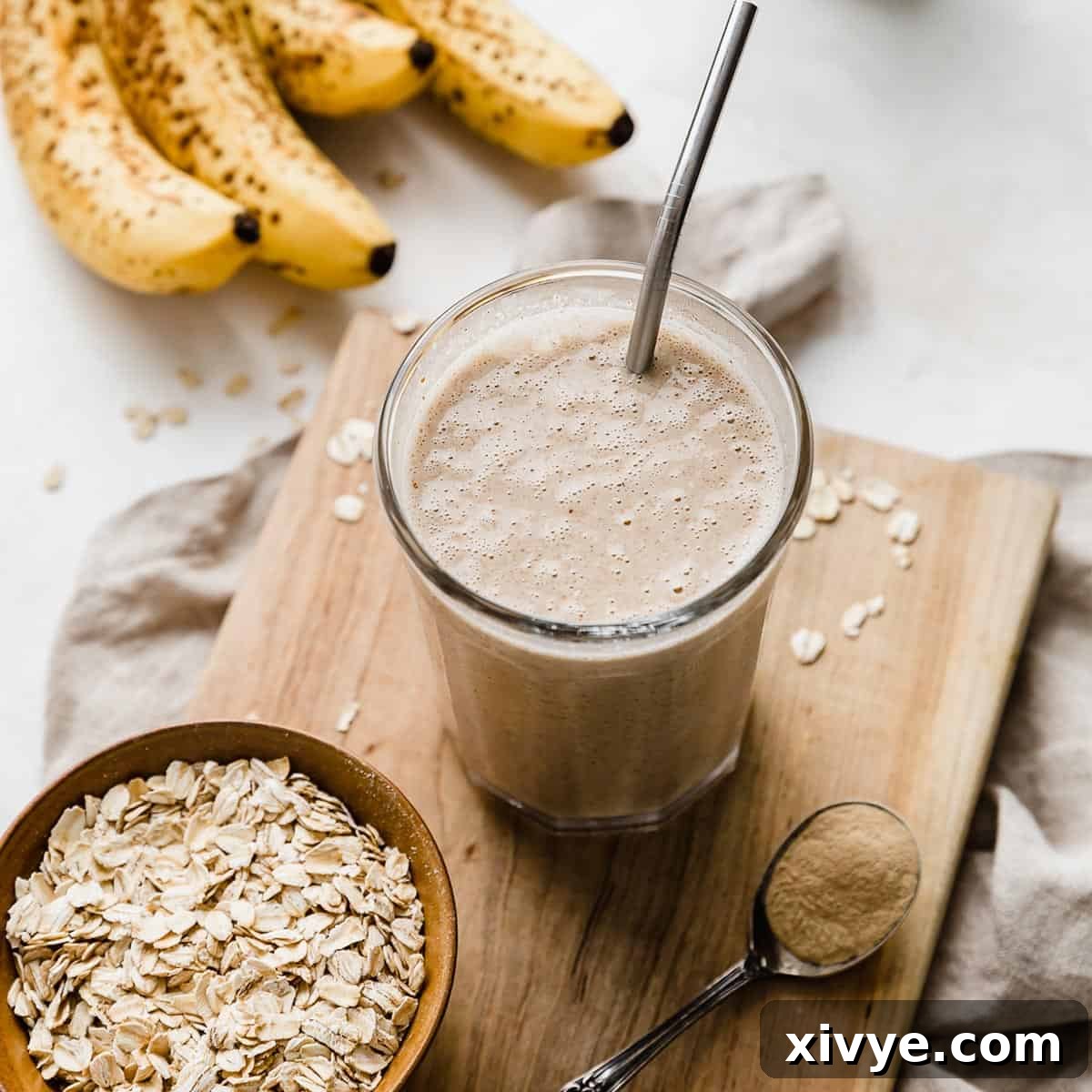
Welcome, breastfeeding mothers! Are you searching for a natural, delicious, and convenient way to support your milk production? Look no further! This carefully crafted lactation smoothie recipe is designed to be a powerful ally in your breastfeeding journey. Packed with ingredients traditionally known as galactagogues, such as nutrient-rich oats, potent brewer’s yeast, and wholesome flaxseed, this smoothie offers a delightful blend of flavor and function, making it an ideal addition to your daily routine. Boosting your breast milk supply and ensuring a smooth flow is essential for both you and your little one, and this recipe aims to make that process enjoyable and effortless.
Navigating the demands of motherhood, especially during the postpartum period, can be challenging. Finding time for nutritious meals that actively support your body’s needs can often feel like an insurmountable task. That’s where this lactation smoothie shines. It’s not just a drink; it’s a quick, easy, and effective tool to help you stay nourished and enhance your milk supply without compromising on taste. Embrace this simple yet impactful recipe and empower yourself with a flavorful boost for your breastfeeding success.
If you’re already a fan of how oats can work wonders for your milk supply, you’ll love exploring other oat-filled delights. Be sure to try our Mango Overnight Oats for a refreshing morning, our hearty Banana Steel Cut Oats for a warm and comforting meal, and our fluffy Banana Oatmeal Pancakes for a weekend treat. Each recipe is designed to bring you the goodness of oats in exciting new ways!
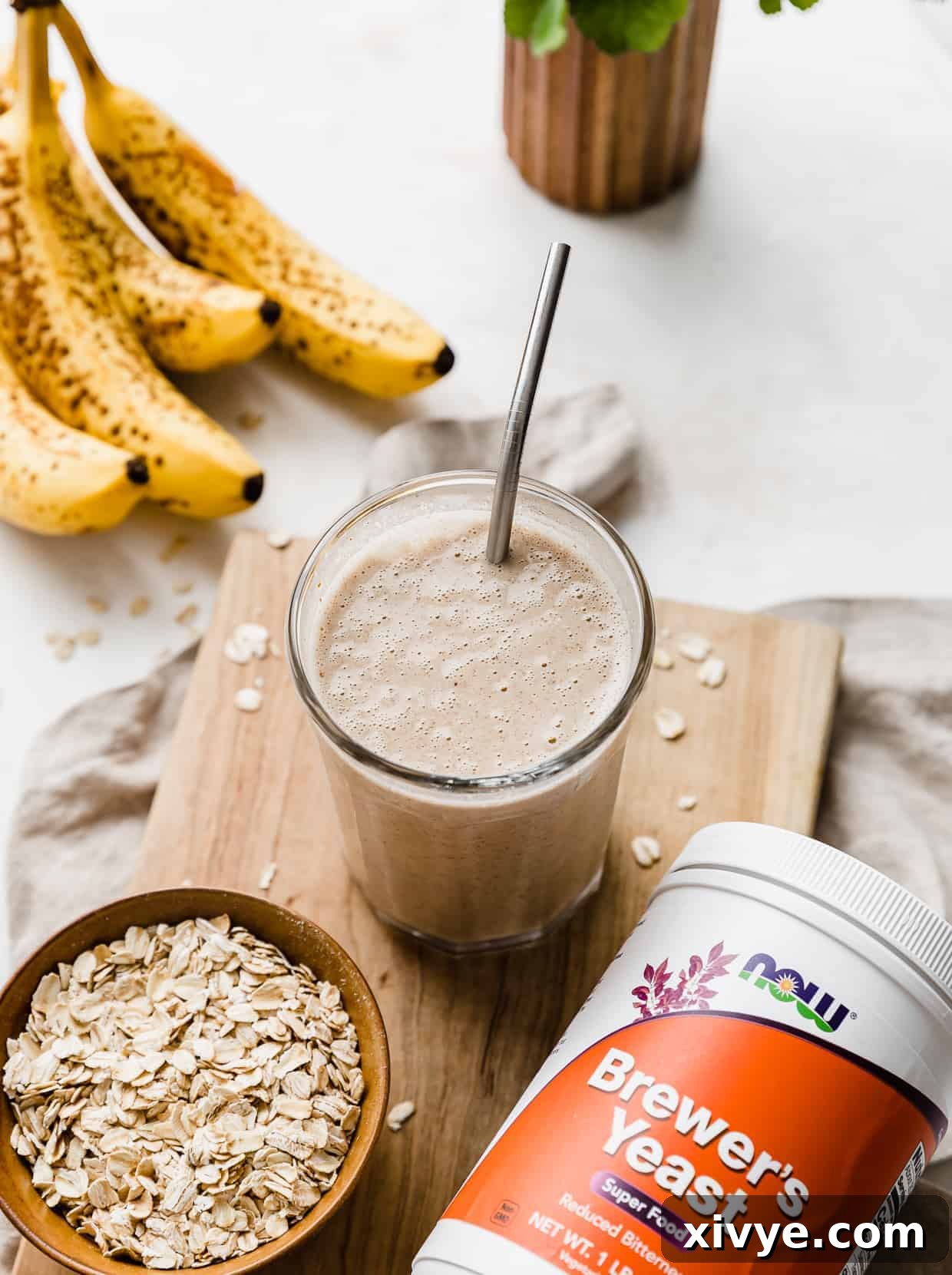
Why This Lactation Smoothie Recipe Works Wonders
Crafting a successful lactation smoothie isn’t just about throwing a few “milk-boosting” ingredients into a blender. It’s about creating a harmonious blend that is both effective and enjoyable. This particular recipe stands out for several key reasons, making it an indispensable tool for breastfeeding mothers.
- Optimal Balance of Flavor and Nutrition: As a breastfeeding mother, your dietary needs are elevated. You require a greater intake of calories, vitamins, and minerals to support both your health and your baby’s growth. This recipe masterfully combines delicious taste with a powerhouse of nutritional ingredients. We understand that if it doesn’t taste good, it won’t become a regular part of your diet. Hence, we’ve ensured a delightful flavor profile that makes healthy eating an enjoyable experience, rather than a chore.
- Effortless Preparation with Accessible Ingredients: Time is a precious commodity for new mothers. This recipe is designed with your busy schedule in mind, calling for easy-to-find ingredients that can be blended up in mere minutes. No complicated steps, no exotic components – just simple, wholesome goodness. Even if you don’t have brewer’s yeast on hand, you can confidently omit it without sacrificing the overall benefits, thanks to the other powerful galactagogues included. This flexibility ensures that you can whip up a nourishing smoothie even on your busiest days.
- Pure, Wholesome Flavors – No Surprises: One common complaint with some lactation recipes is the inclusion of “funky” or unpalatable ingredients that can make them difficult to stomach. Our lactation smoothie prides itself on its clean, natural flavors. We’ve focused on ingredients that not only boost milk supply but also taste genuinely good when combined. You won’t find any overpowering or unusual tastes here, just a smooth, satisfying blend that you’ll look forward to drinking every day. This commitment to enjoyable flavor is crucial for long-term adherence to a supportive breastfeeding diet.
Beyond these immediate benefits, this smoothie helps you maintain energy levels, support postpartum recovery, and provide your body with the hydration it desperately needs. It’s a holistic approach to nourishing yourself while giving your baby the best start.
Power-Packed Ingredients for Breast Milk Boost
Each ingredient in this lactation smoothie has been thoughtfully selected not only for its flavor but also for its specific nutritional benefits that support maternal health and breast milk production. Understanding the role of each component can empower you to customize and appreciate this recipe even more.
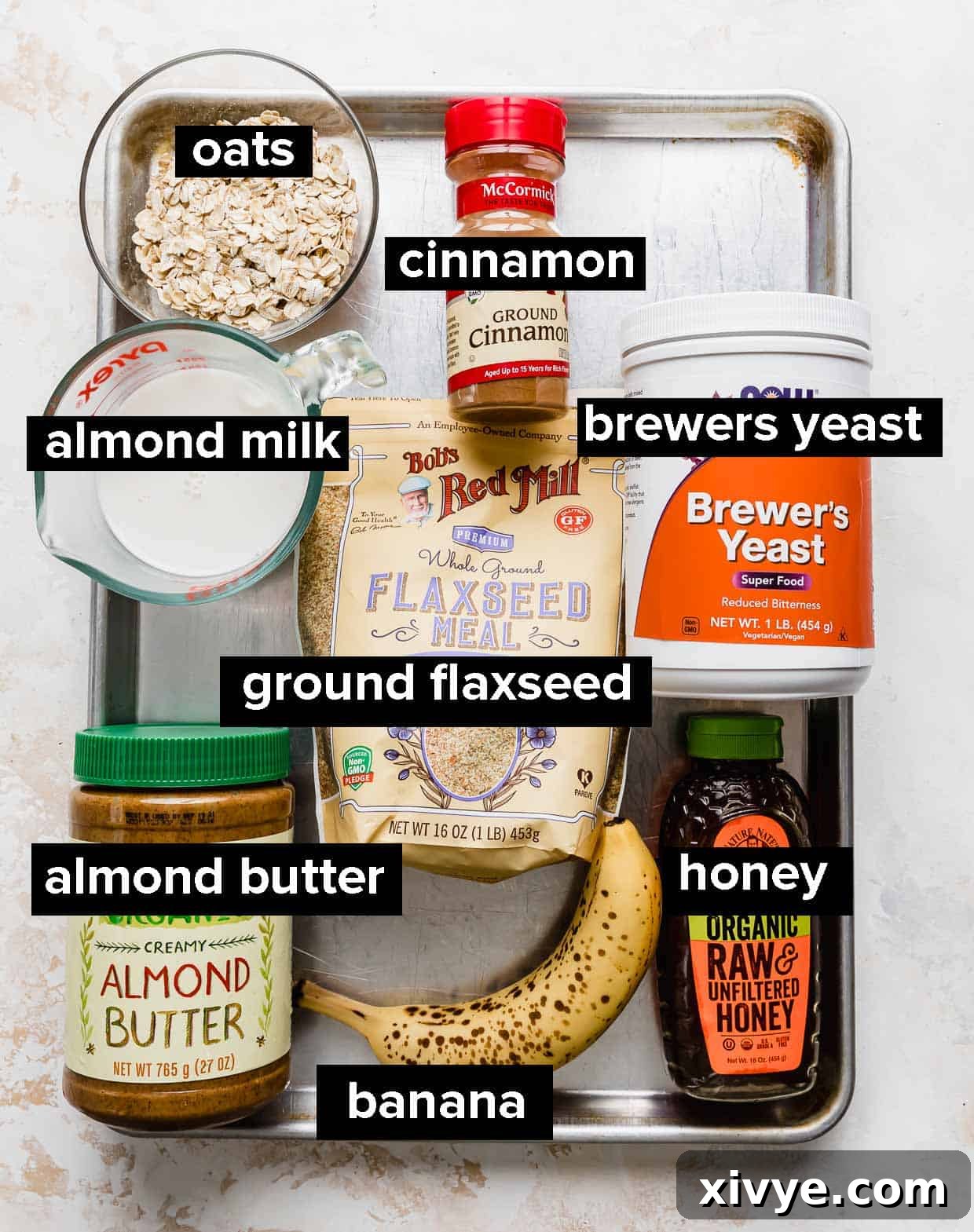
- Almond Milk: This forms the creamy, healthy liquid base of our smoothie. Almond milk is a fantastic dairy-free option, often lower in calories than cow’s milk, and provides essential vitamins like Vitamin E. It’s also a good source of calcium when fortified, crucial for breastfeeding mothers. Its mild flavor perfectly complements the other ingredients without overpowering them.
- Almond Butter: Adding a rich, nutty flavor, almond butter is a wonderful source of healthy fats and plant-based protein. Protein is vital for tissue repair, energy, and overall body function, which is especially important during the demanding period of breastfeeding. It also contributes to satiety, helping you feel fuller for longer.
- Banana: More than just a source of natural sweetness, bananas are packed with potassium, a vital electrolyte, and a range of B vitamins. They provide quick energy, help prevent muscle cramps, and are believed by some to aid in breast milk production due to their nutrient profile and ease of digestion. Using a frozen banana contributes to a wonderfully thick and cold smoothie texture.
- Honey: This natural sweetener balances the flavors and adds a touch of pure sweetness. While artificial sweeteners should generally be avoided, a moderate amount of honey provides a pleasant taste without the processed additives. It also contains antioxidants and can have soothing properties.
- Ground Flaxseed: A true superfood for breastfeeding mothers, ground flaxseed is a rich source of omega-3 fatty acids, particularly alpha-linolenic acid (ALA). These healthy fats are crucial for your baby’s brain and eye development, and also support your own postpartum recovery. Additionally, flaxseed contains phytoestrogens, which are believed to have a mild estrogenic effect that some lactation consultants suggest can positively influence milk supply. Its high fiber content also aids in digestive health.
- Oats (Old Fashioned): Oats are perhaps one of the most well-known and widely used galactagogues. They are a fantastic source of complex carbohydrates, providing sustained energy that is much needed when breastfeeding. Oats are rich in iron, a mineral many new mothers are deficient in, and contain beta-glucan, a type of fiber that some studies suggest may help increase the hormone prolactin, which is essential for milk production. A balanced diet rich in whole grains like oats is fundamental for a healthy milk supply.
- Brewer’s Yeast: Often hailed as a potent galactagogue, brewer’s yeast is a nutritional powerhouse. It’s loaded with B vitamins (except B12), iron, chromium, and protein, all of which are beneficial for a nursing mother’s energy levels and overall well-being. While many mothers swear by its milk-boosting properties, it’s important to note that clinical studies scientifically proving its direct impact on increasing breast milk supply are limited. Due to its naturally bitter taste, we pair it with honey and cinnamon to make it palatable. A crucial note: Always consult your doctor or a lactation consultant before adding brewer’s yeast to your diet, especially if you are on any medications, as it can interact with certain prescriptions.
- Cinnamon: Beyond adding a warm, comforting flavor, cinnamon helps to mask some of the bitterness from the brewer’s yeast, making the smoothie more enjoyable. It’s also known for its antioxidant properties and its ability to help stabilize blood sugar levels. A small dash of cinnamon elevates the overall taste profile, transforming a functional drink into a delightful treat.
Together, these ingredients create a symphony of flavors and nutrients, providing comprehensive support for your body as you nourish your baby.
Effortless Preparation: Your Quick Lactation Smoothie Guide
Making this incredible lactation smoothie couldn’t be simpler. In just a few easy steps, you’ll have a nutritious and delicious drink ready to support your milk supply. Focus on these straightforward instructions to get the best results.
- Combine All Ingredients: Start by adding all the listed ingredients into your high-powered blender. This includes the old-fashioned oats, frozen banana, almond milk, almond butter, brewer’s yeast, honey, ground flaxseed, cinnamon, and ice cubes. Ensure your frozen banana is cut into smaller pieces if your blender isn’t super powerful to aid in smoother blending.
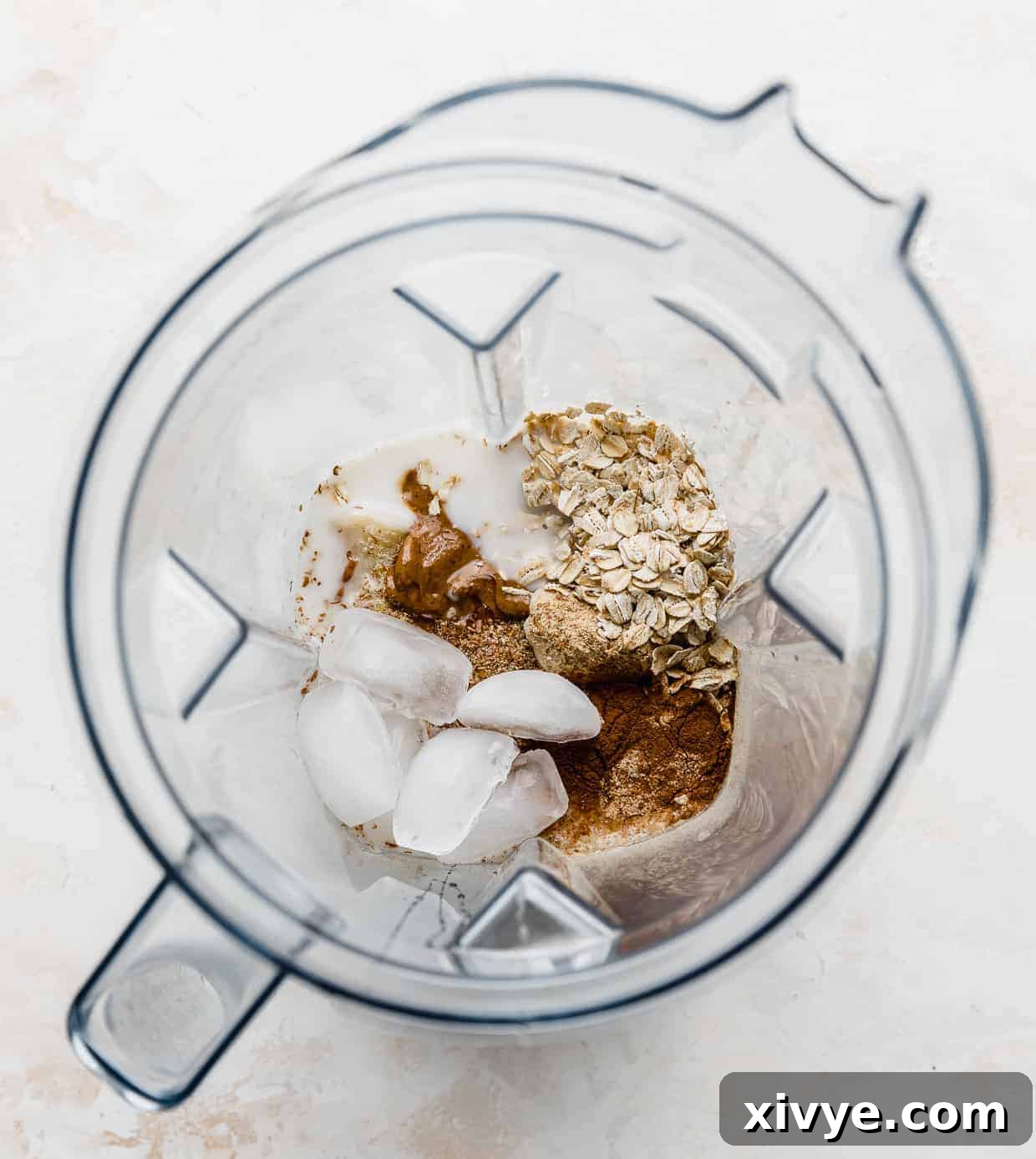
- Blend Until Perfectly Smooth: Secure the lid on your blender and blend on high speed until the mixture is completely smooth and creamy. There should be no visible chunks of oats or banana. If the smoothie is too thick, you can add a splash more almond milk, one tablespoon at a time, until it reaches your desired consistency. Take a moment to scrape down the sides of the blender if any ingredients stick.
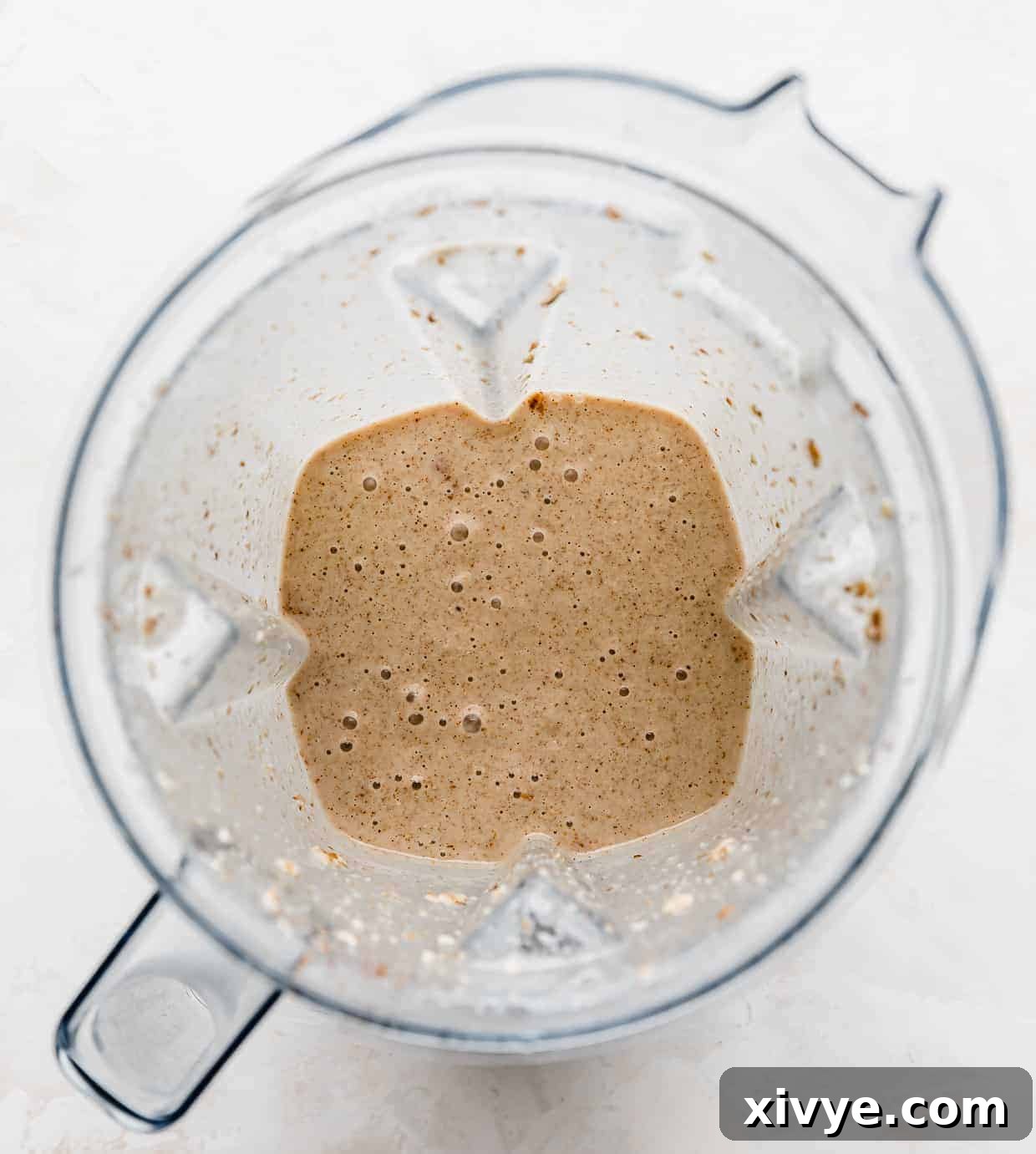
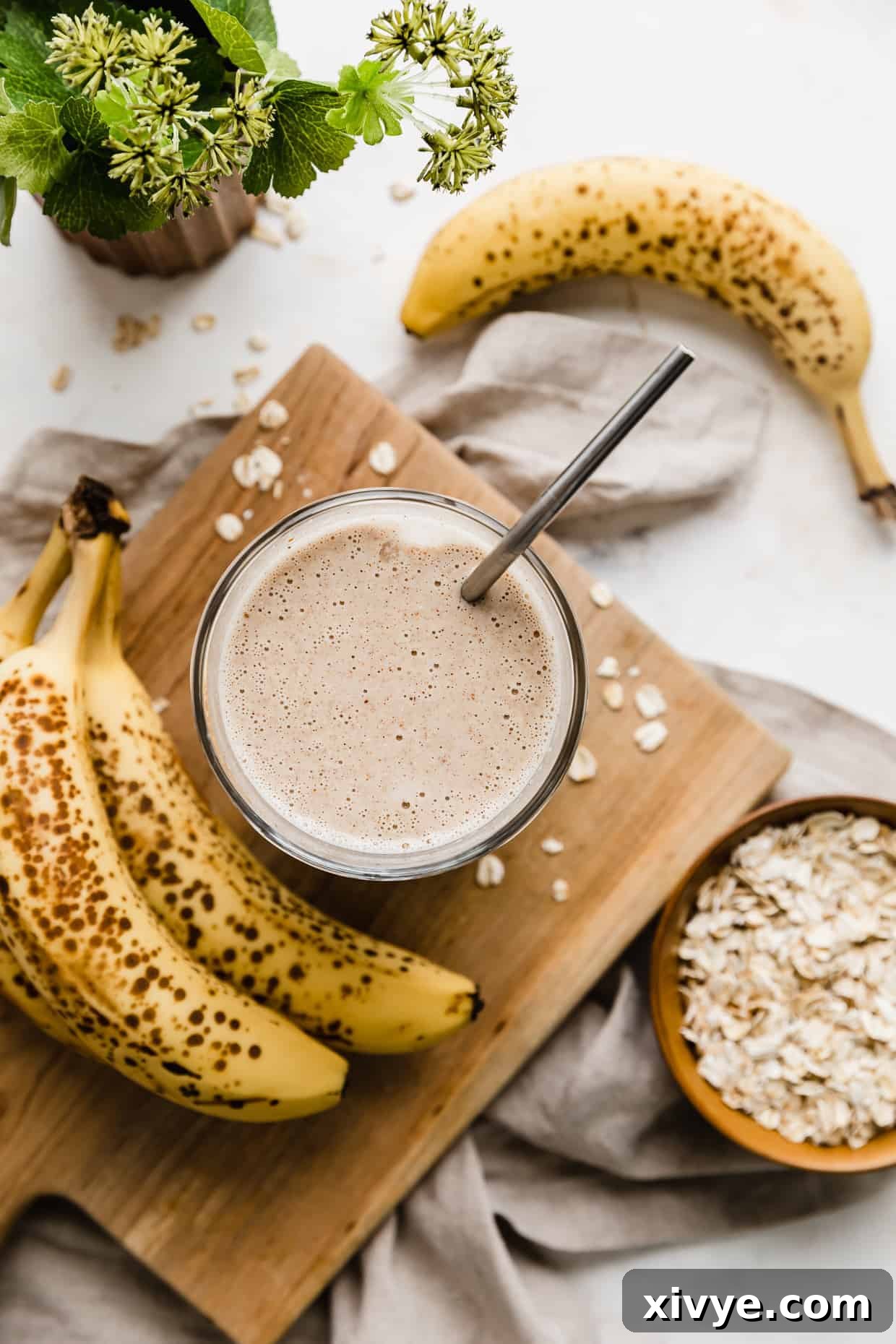
- Serve Immediately and Enjoy: Once blended to perfection, pour your freshly made lactation smoothie into a glass. This recipe is designed to make one generous serving, ideal for a quick breakfast, a revitalizing snack, or a pick-me-up during those demanding nursing sessions. Enjoy it immediately to savor its optimal temperature and texture.
Maximize Your Lactation Smoothie Experience: Expert Tips
To ensure your lactation smoothie is not only effective but also perfectly tailored to your preferences, consider these helpful tips and potential customizations.
Brewer’s Yeast Considerations: While many mothers find brewer’s yeast beneficial for boosting milk supply, it’s crucial to approach its use with caution. As mentioned, there is a lack of extensive clinical studies to scientifically prove its efficacy, and more importantly, it can interact with certain medications. Always talk to your doctor or a lactation consultant before incorporating brewer’s yeast into your diet, especially if you are taking any prescription drugs or have underlying health conditions. Common side effects can include gas, bloating, or digestive upset for some individuals. For general guidance, if you choose to use it, keep to very small doses—a few teaspoons or a tablespoon a day is often plenty, with no more than 3 tablespoons daily being a generally accepted maximum. If you don’t have brewer’s yeast on hand, or prefer to avoid it, don’t worry! You can simply omit it from the recipe, and the oats and flaxseed will still provide excellent galactagogue benefits.
Milk Alternatives: The recipe calls for almond milk, which I personally favor due to its lower calorie count and its excellent compatibility with almond butter, creating a cohesive flavor profile. However, feel free to experiment with other milk forms based on your dietary needs and taste preferences. Options like regular cow’s milk (if dairy is tolerated), oat milk (another excellent galactagogue itself!), soy milk, or even coconut milk can work beautifully. Each will impart a slightly different flavor and nutritional profile, so choose what best suits you and your baby.
Sweetness Adjustment with Honey: The suggested amount of honey provides a balanced sweetness that helps to mask the natural bitterness of brewer’s yeast. If you prefer a less sweet smoothie, you can certainly reduce the honey to just 1 tablespoon. Be aware, however, that a more pronounced “brewer’s yeast flavor” might come through. Conversely, if you have a sweeter tooth, you can add a touch more honey to taste. Maple syrup or Medjool dates can also be used as natural sweeteners if you prefer a different flavor or want to avoid honey.
Banana for Texture and Flavor: The size and ripeness of your banana can significantly impact the smoothie’s consistency and taste. If you’re using a smaller banana, consider adding 1.5 to 2 bananas to achieve the desired thickness and flavor. Crucially, opting for a very ripe banana will not only provide a richer, more intense banana flavor but also contribute to a naturally sweeter smoothie, reducing the need for additional sweeteners. Using a frozen ripe banana is highly recommended, as it eliminates the need for too much ice, resulting in a creamier, less diluted texture.
Storage and Batch Preparation: While best enjoyed fresh, if you have any leftover smoothie, you can store it in an airtight container in the refrigerator for up to 24 hours. The consistency might change slightly, and some separation may occur, so give it a good stir or a quick re-blend before consuming. For busy mornings, you can prep the dry ingredients (oats, flaxseed, cinnamon, brewer’s yeast) in individual bags the night before, making the blending process even quicker.
Add-ins for Extra Boost: Don’t hesitate to customize your smoothie with other nutrient-dense additions. A handful of spinach or kale can boost vitamins without altering the taste significantly. A scoop of unflavored protein powder can increase the protein content further. Berries like blueberries or raspberries add antioxidants and a touch of tart sweetness. Always listen to your body and introduce new ingredients gradually.
Frequently Asked Questions About Lactation Smoothies
Navigating the world of lactation support can bring up many questions. Here are some of the most common inquiries about lactation smoothies, addressed to help you make informed choices.
There isn’t a strict “magic number” for how often to consume a lactation smoothie, as every mother’s needs are unique. However, incorporating one into your diet a couple of times per week, or even once per day, can significantly help you consistently get those important galactagogue ingredients and essential nutrients into your system. Think of it as a supportive tool rather than a quick fix. Consistency is key for providing ongoing nutritional support for your milk supply and overall well-being. Listen to your body and adjust as needed, considering your overall diet and hydration levels.
Absolutely! Boosting your breast milk supply fundamentally starts with maintaining a good, balanced, and nutrient-dense diet. Smoothies are an exceptional vehicle for increasing your breast milk supply because they allow you to pack a wide array of beneficial ingredients into one convenient, easy-to-consume meal or snack. You can effortlessly include grains (like oats), healthy fats (like almond butter and flaxseed), fruits (like bananas and berries), and even hidden vegetables (like spinach) – all vital components of a healthy diet for a nursing mother. Their liquid form also contributes to your daily hydration goals, which is crucial for milk production.
While all fruits are beneficial for your overall health and should be included in a balanced diet, some are particularly highlighted for their potential to support or increase breast milk flow due to their rich vitamin content, hydration properties, or specific compounds. These often include papaya (especially green papaya, known as a galactagogue in some cultures), blueberries (packed with antioxidants), oranges (high in Vitamin C), strawberries, and bananas (as featured in this recipe). Incorporating a variety of these fruits into your diet, whether in smoothies or as snacks, can contribute to your nutritional needs during lactation.
Yes, absolutely! That’s precisely why we’ve made ground flaxseed a key ingredient in this lactation smoothie. Flaxseed is rich in omega-3 fatty acids, which are not only beneficial for your overall health but also contribute to your baby’s development through breast milk. Furthermore, it contains phytoestrogens, plant-based compounds that are thought by some to have a mild hormonal effect that can support healthy lactation. Its high fiber content also aids in digestive regularity, a common concern for postpartum mothers.
Brewer’s yeast is widely considered an anecdotal galactagogue, meaning many mothers have reported that it helps encourage lactation and increase milk supply. It’s rich in B vitamins, iron, and protein, all of which are vital for a nursing mother’s energy and nutrient needs. While anecdotal evidence is strong, it’s important to reiterate that scientific clinical studies specifically proving its direct effect on milk supply are not as robust as for some other galactagogues. If you choose to use brewer’s yeast, it’s generally advised to keep to very small doses – typically a few teaspoons or a tablespoon a day, and never exceeding 3 tablespoons daily. Always discuss its use with your healthcare provider to ensure it’s safe for you, especially if you have any pre-existing conditions or are on medication. For more detailed information, you can consult reputable health resources like Healthline.com.
When it comes to flavor and texture, there isn’t really a direct or great substitution for brewer’s yeast, mainly because its primary purpose in a lactation smoothie isn’t its taste (which can be bitter) or its textural contribution. Its main goal is to potentially increase breast milk supply due to its nutritional profile. If you’re looking for other natural galactagogues, you could consider incorporating fenugreek or blessed thistle, often found in supplement form or lactation teas, but always consult with a healthcare professional before adding new supplements. If you simply prefer not to use brewer’s yeast in this recipe, the best approach is just to leave it out. The other powerful ingredients like oats and flaxseed will still provide significant lactation support.
Explore More Delicious Smoothie Recipes for Every Occasion
Variety is the spice of life, especially when you’re looking for quick, healthy, and satisfying meal options. After enjoying the benefits of this lactation smoothie, why not explore other fantastic blends? A diverse range of smoothies can keep your diet exciting and ensure you’re getting a broad spectrum of nutrients. Here are some more delightful smoothie recipes to keep your energy high and your taste buds happy:
- Banana Peach Smoothie
- Strawberry Pineapple Smoothie
- Green Smoothie Recipe
- Acai Smoothie
We love hearing from you! If you made this recipe, please share your experience. Click here to leave a rating and review, or simply scroll down to the recipe card section below. Your feedback helps us grow and inspires other mothers!
Stay connected and up-to-date with our latest recipes and tips by following us on Instagram, joining our community on Facebook, and finding inspiration on Pinterest.
Print Recipe
Save Recipe
Review Recipe
Lactation Smoothie
 Whitney Wright
For those mommas who want to boost their milk supply, this lactation smoothie will do the trick!
5 Stars from 18 votes
Ingredients
- ⅓ cup old fashioned oats
- 1 large banana – frozen
- ¾ cup almond milk
- 1 tablespoon almond butter
- 1 tablespoon brewers yeast
- 2 tablespoons honey
- 1 tablespoon ground flaxseed
- 1 teaspoon ground cinnamon
- ½ cup ice cubes
Equipment
-
Vitamix/blender
Instructions
- To a high powered blender add: old fashioned oats, banana, almond milk, almond butter, brewers yeast, honey, ground flaxseed, cinnamon, and ice cubes.
- Blend until smooth.
- Serve immediately. Enjoy!
Notes
Banana: If the banana is smaller, add 1.5-2 bananas to your blender. Also using a very ripe banana will help give it a great banana flavor to your smoothie.
Brewer’s yeast is thought to increase breast milk supply, however, there don’t seem to be any clinical studies on it to scientifically prove it. Talk to your doctor before adding Brewer’s yeast to your diet since some medications you may be on don’t interact well with it.
Don’t have Brewer’s yeast? That’s OK. Just omit it.
Milk: You can use other forms of milk instead of almond milk. I like using almond milk because it has fewer calories and pairs well with the almond butter. But you can use regular cow’s milk, oat milk, soy milk, etc.
Nutrition
Carbohydrates: 98g (33%)
Protein: 19g (38%)
Fat: 16g (25%)
Saturated Fat: 1g (5%)
Sodium: 293mg (12%)
Potassium: 1192mg (34%)
Fiber: 15g (60%)
Sugar: 52g (58%)
Vitamin A: 93IU (2%)
Vitamin C: 12mg (15%)
Calcium: 358mg (36%)
Iron: 6mg (33%)