
Imagine the delightful aroma of freshly baked cookies filling your home, anytime you desire, with minimal effort. This dream becomes a reality when you master the art of freezing cookie dough. It’s a simple technique that offers unparalleled convenience, ensuring you’re always just minutes away from warm, gooey treats. Whether you’re welcoming new neighbors, celebrating a special occasion, contributing to a potluck, or simply craving a sweet indulgence, having a stash of homemade frozen cookie dough is your ultimate culinary superpower.
The beauty of frozen cookie dough lies in its flexibility. It’s a lifesaver for those unexpected dessert cravings or when you need to whip up a treat in a hurry. Baking from frozen eliminates much of the prep time, making it incredibly efficient. And if you’re a fan of smart kitchen hacks, you’ll also appreciate the benefits of Freezing Cakes for similar time-saving advantages. Learn more about How to Store and Freeze Cakes to further optimize your baking routine. This comprehensive guide will walk you through everything you need to know about freezing various types of cookie dough, ensuring perfect results every time.

Mastering the Art of Freezing Drop Cookie Dough
Drop cookies are arguably the most popular type of cookie, encompassing a vast array of beloved recipes that are simply “dropped” or scooped onto a baking sheet. Think classic favorites like Chocolate Chip Cookies, comforting Sugar Cookies, rich Peanut Butter Cookies, spiced Snickerdoodle Cookies, hearty Oatmeal Chocolate Chip Cookies, and traditional Oatmeal Raisin Cookies. Freezing these doughs is straightforward and incredibly rewarding. Here’s a detailed, step-by-step guide:
- Prepare Your Cookie Dough with Precision: Begin by following your chosen recipe precisely. Ensure all ingredients are at the correct temperature and measurements are accurate for the best outcome. The quality of your frozen cookies starts with the quality of your fresh dough.
- Chill the Cookie Dough for Enhanced Flavor and Texture: Many cookie recipes benefit significantly from chilling the dough before baking or freezing. This step allows the butter to firm up, preventing excessive spreading during baking, and gives the flour more time to hydrate, resulting in a chewier texture and a richer, more developed flavor. If your recipe calls for chilling, do so first. Store the dough in an airtight, freezer-safe container in the refrigerator for the recommended time.
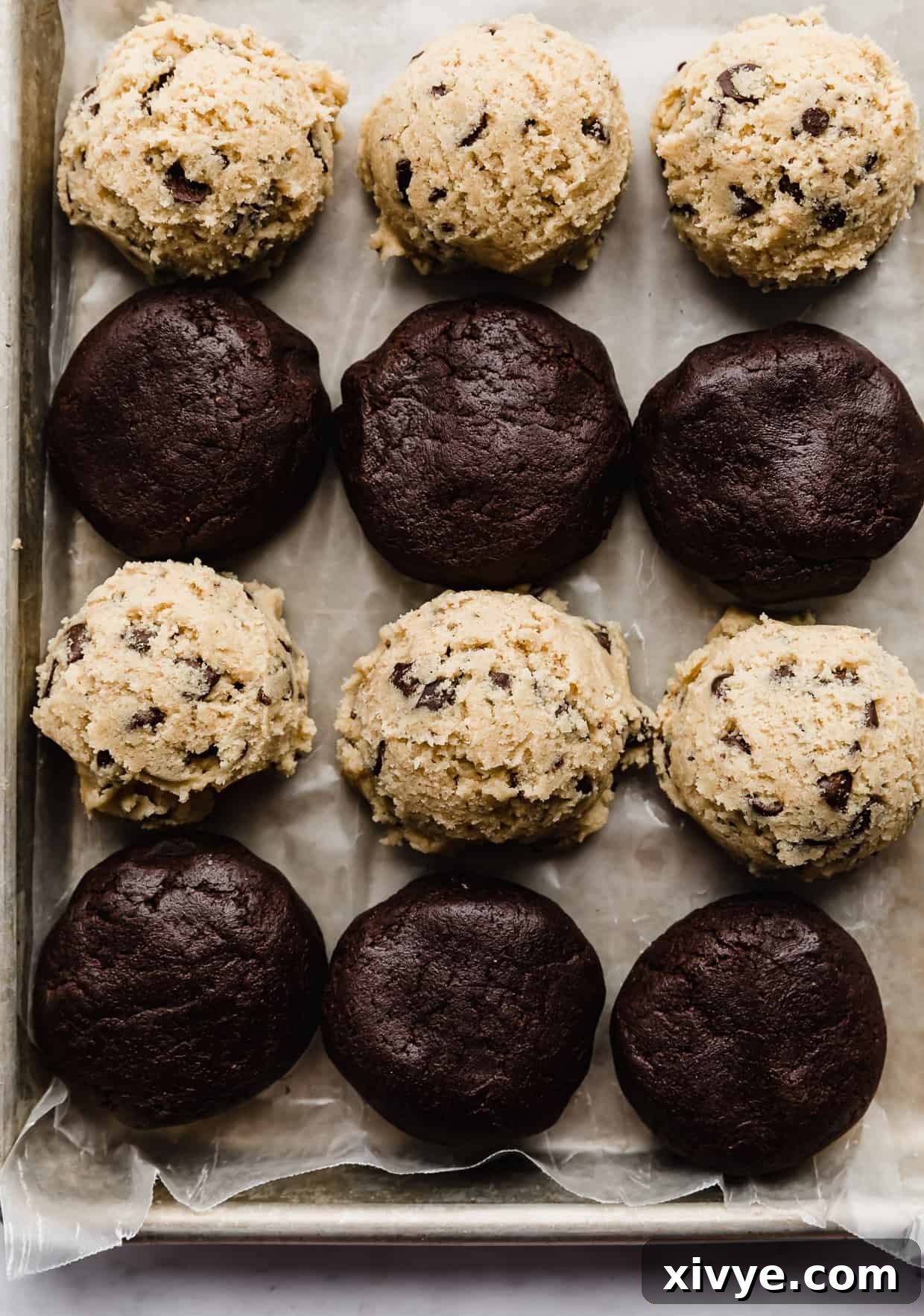
- Portion the Dough into Uniform Balls: Once chilled, remove the dough from the fridge. Using a cookie scoop or your hands, roll the dough into individual balls. Consistency in size is key for even baking. For larger cookies, like those from many Crumbl cookie recipes, a ¼ cup scoop works well. For traditional Chocolate Chip Cookies, a 2-tablespoon scoop is often ideal.
- Gently Flatten into Disks (Optional, but Recommended): For a more consistent shape and even baking, gently press down on each dough ball with the palm of your hand to create a thick disk. This isn’t strictly necessary for all recipes, but it often helps cookies spread more uniformly and achieve a desirable thickness.
- Flash Freeze the Dough Balls for Optimal Storage: This crucial step prevents the dough balls from sticking together in the freezer, making them easy to grab individually later. Arrange the portioned and flattened dough balls in a single layer on a parchment paper-lined baking sheet or tray. Place them in the freezer for about 10-15 minutes, or until they are firm to the touch. Alternatively, you can chill them in the refrigerator for 60 minutes if you prefer. Once firm, they are ready for long-term storage.
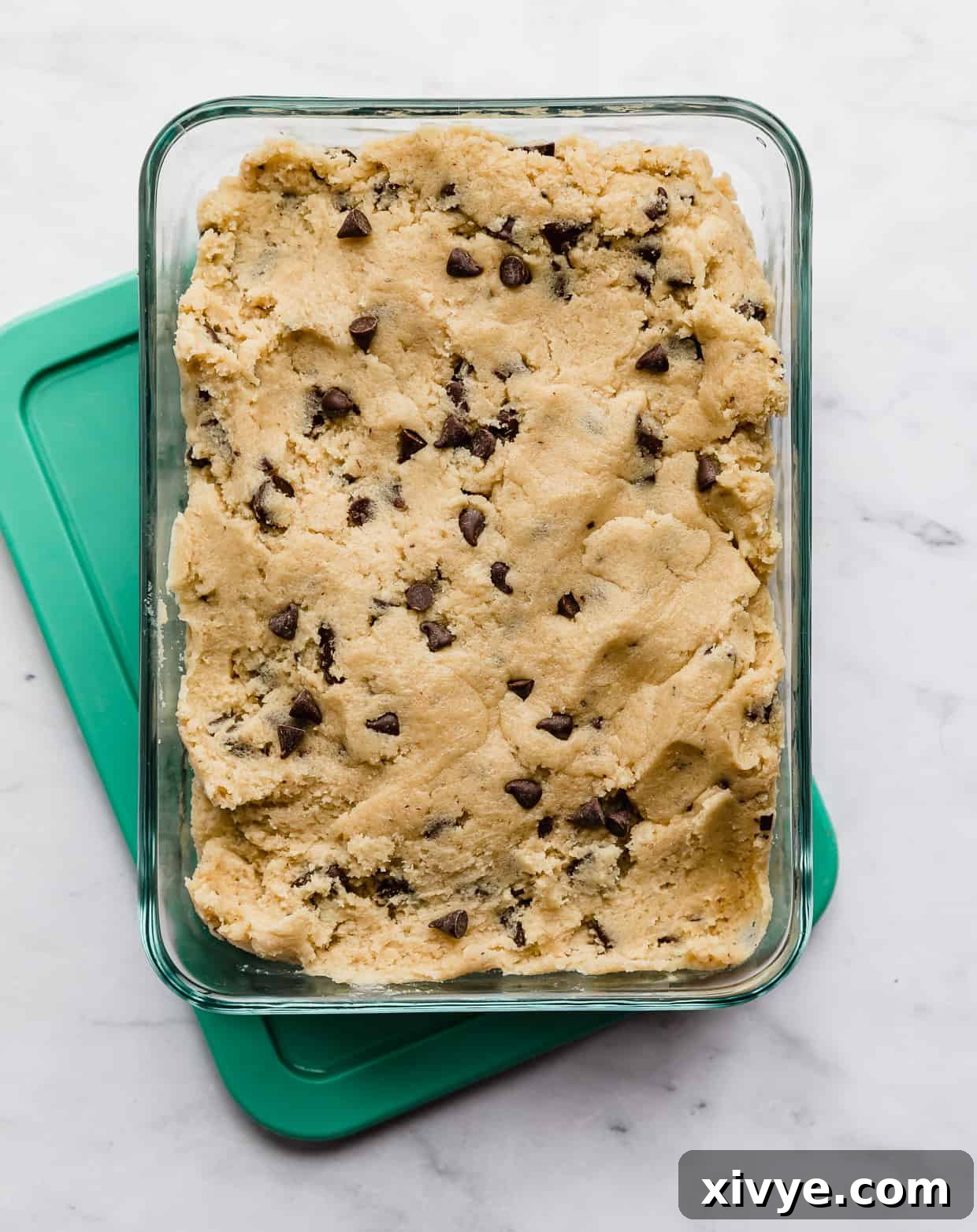
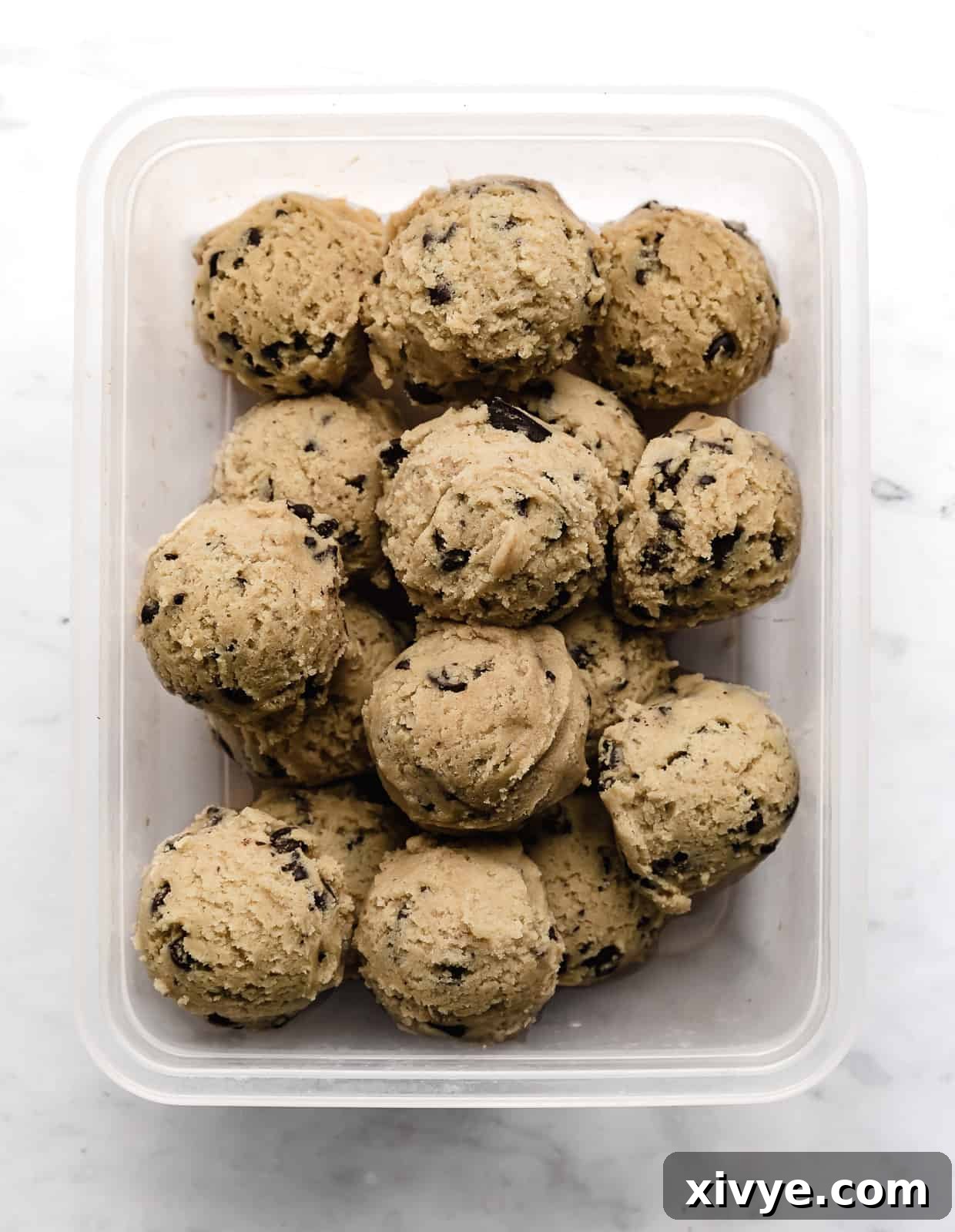
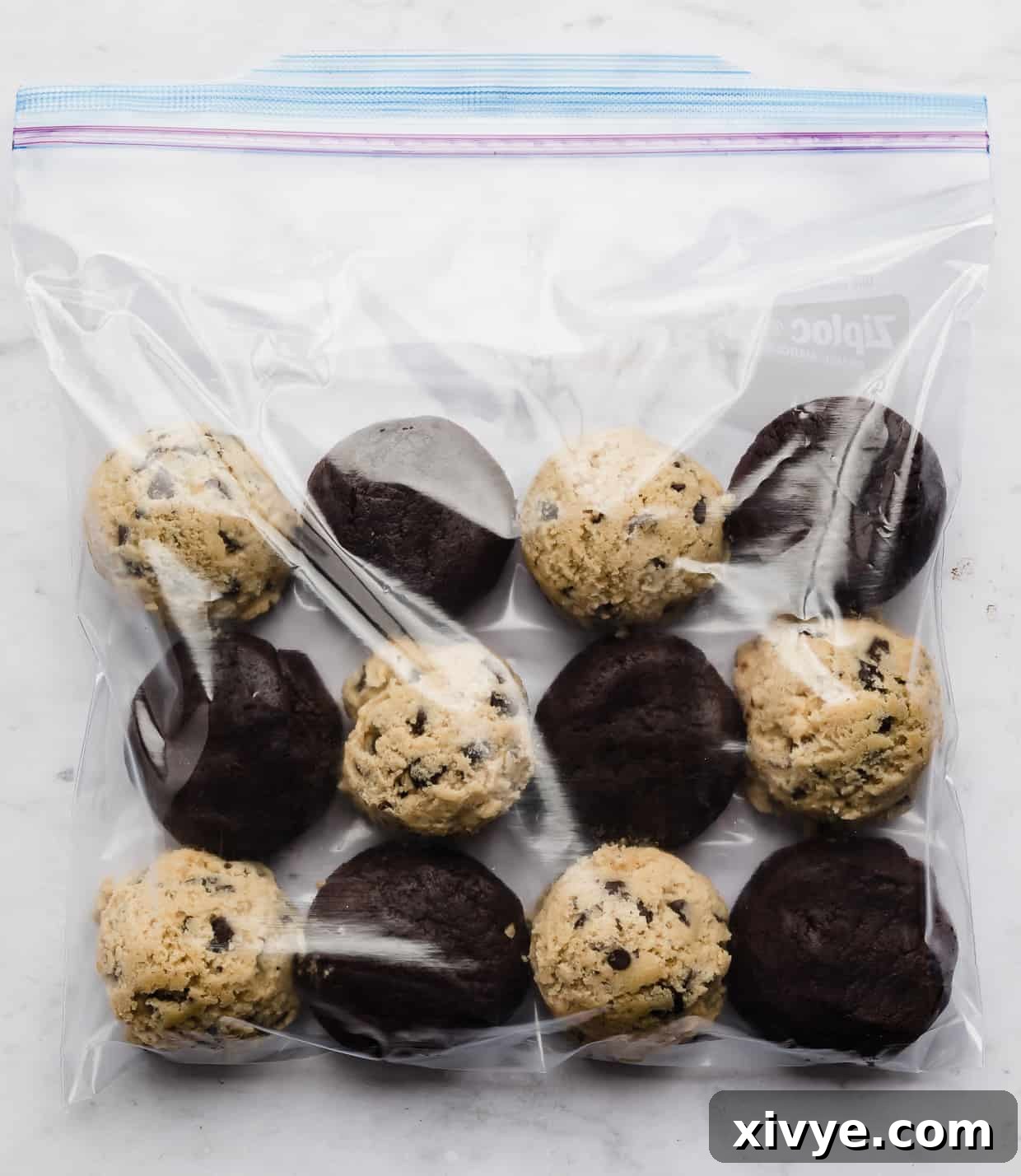
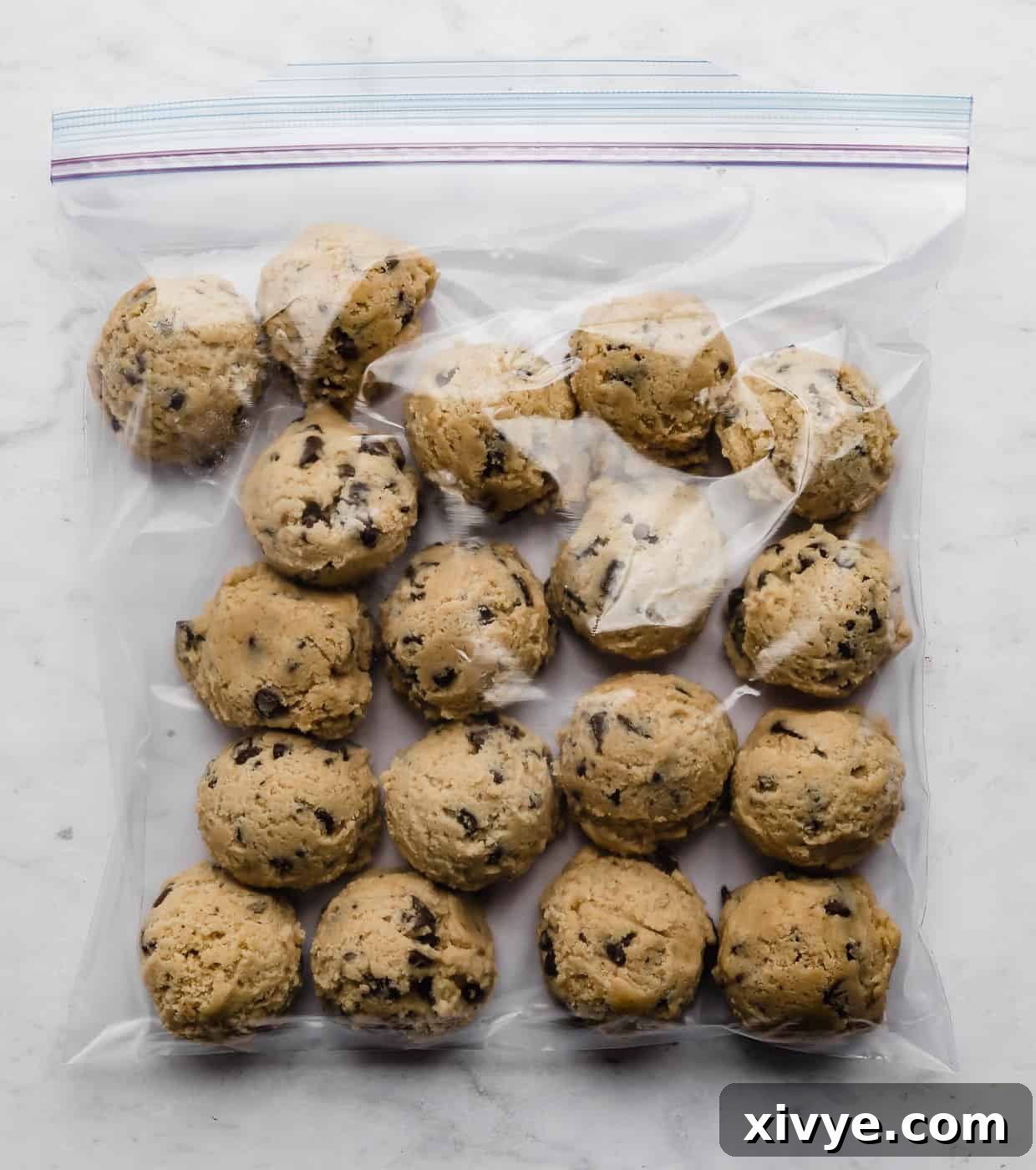
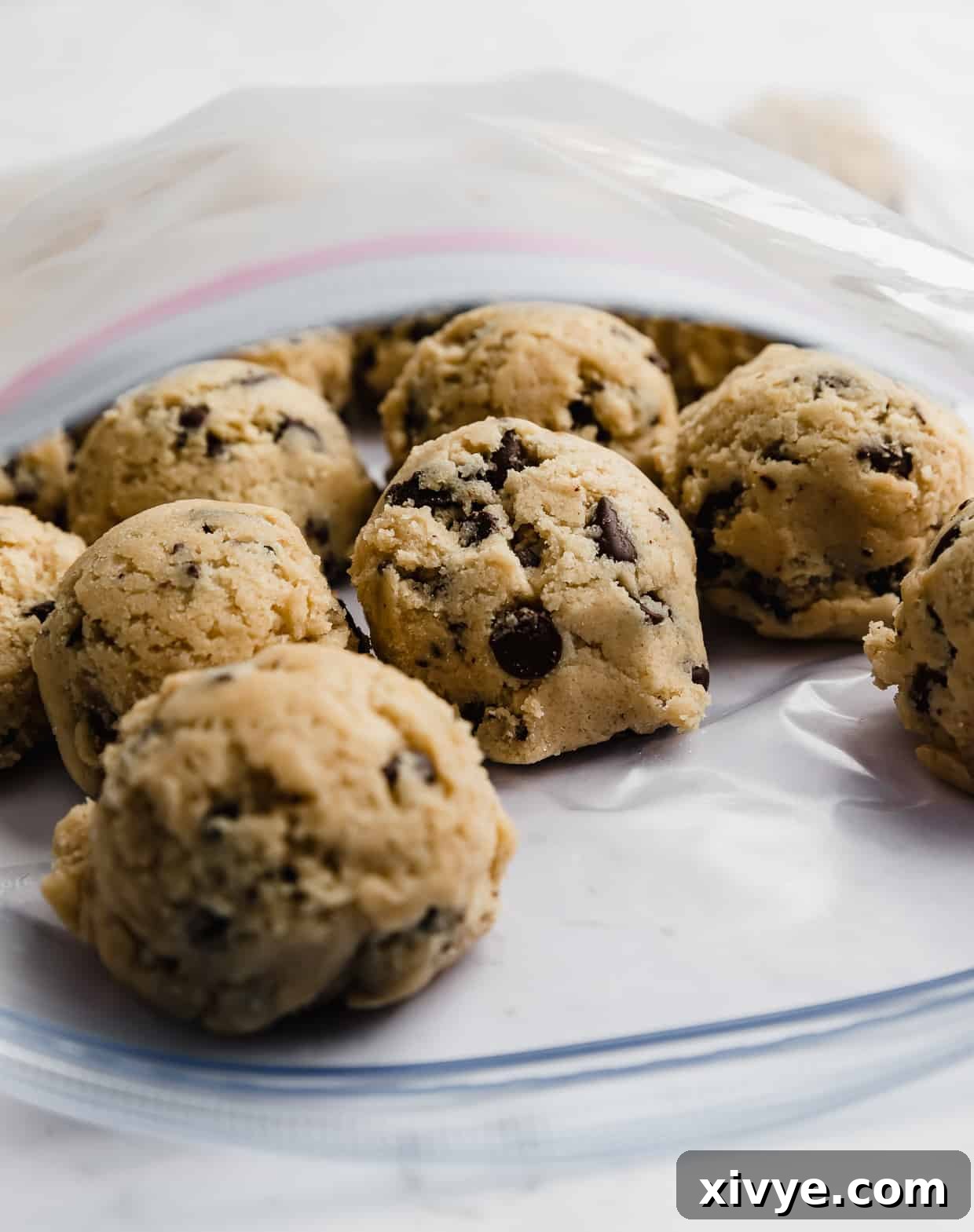
- Store the Cookie Dough Properly for Extended Freshness: After flash freezing, transfer the firm dough balls into a heavy-duty freezer-safe bag (like a Ziploc) or an airtight container. The key is to minimize air exposure to prevent freezer burn. Labeling is essential: clearly write the recipe name, baking temperature, baking time (with a note for frozen dough), and the date. This information will be invaluable when you’re ready to bake. Properly stored, frozen cookie dough can last for up to 3 months in the freezer.
- Baking Frozen Cookie Dough for Instant Gratification: When that irresistible dessert craving strikes, or guests arrive unexpectedly, simply preheat your oven to the temperature noted on your labeled bag. There’s no need to thaw drop cookie dough balls. Remove the desired number of frozen dough balls from the freezer and place them approximately 2 inches apart on a parchment paper-lined baking sheet. Bake according to the time written on your label, adding an extra 1-2 minutes to account for the dough being frozen. This slight adjustment ensures they bake through without over-browning the edges.
- Return Any Unbaked Dough to the Freezer Promptly: If you’re not baking the entire batch of dough balls, immediately return any remaining frozen dough to the freezer. This helps maintain their quality and prevents partial thawing and refreezing, which can affect texture.
Freezing Icebox Cookie Dough: The Slice-and-Bake Method
Icebox cookies, also known as slice-and-bake cookies, are celebrated for their simplicity and uniform appearance. This method involves forming cookie dough into a log, chilling it, then slicing and baking. Examples include classic shortbreads, sandies, or delightful recipes like my Cinnamon Roll Cookies. Freezing icebox cookie dough is an excellent way to have a ready supply of elegant cookies.
- Prepare the Cookie Dough as per Recipe: Follow your chosen icebox cookie recipe diligently to create the dough.
- Form the Dough into a Uniform Log: On a clean surface, shape the dough into a cylindrical log. Aim for an even thickness throughout the log, as this will ensure consistent cookie sizes when sliced. You can use parchment paper or plastic wrap to help shape and compress the log tightly.
- Chill the Dough Log for Firmness: Place the formed dough log in the refrigerator for 20-30 minutes, or in the freezer for 10-15 minutes, until it becomes firm. This step is crucial for easy and clean slicing later.
- Wrap and Store Securely: Once firm, tightly wrap the dough log in several layers of plastic wrap, ensuring no air pockets. For extra protection against freezer burn, you can then wrap it in aluminum foil or place it inside a plastic freezer bag. Label clearly with the cookie type, date, and baking instructions. Store in the freezer for up to 3 months.
- Thaw the Dough Log for Optimal Slicing: When you’re ready to bake, remove the dough log from the freezer and transfer it to the refrigerator to thaw overnight. Slow thawing in the fridge minimizes condensation, which can make the dough sticky or affect its texture.
- Slice and Bake to Perfection: Once the dough is thawed but still very cold and firm, unwrap it and use a sharp knife to cut uniform slices, typically ¼ to ½ inch thick. Arrange slices on a parchment-lined baking sheet and bake according to your recipe’s instructions.
Freezing Cut-Out Cookie Dough: Ideal for Decorative Treats
Cut-out cookies are perfect for holidays and special occasions, allowing for intricate shapes and decorations. Recipes like my Soft Gingerbread Cookies and No Fail Sugar Cookies are excellent candidates for this freezing method. Having cut-out dough ready means you can enjoy festive baking any time.
- Prepare Your Cut-Out Cookie Dough: Follow your recipe carefully to prepare the dough. Many cut-out cookie recipes require chilling the dough before rolling.
- Wrap the Dough in Manageable Disks: Divide the dough into 1 or 2 portions, depending on the total amount. Shape each portion into a thick, flat disk. This shape makes it easier to thaw and roll out evenly later. Wrap each disk tightly in plastic wrap, ensuring maximum air exclusion.
- Store and Freeze for Future Baking: Place the wrapped dough disks into a freezer-safe bag or an airtight container. Label with the dough type, date, and baking instructions. Freeze for up to 3 months.
- Thaw and Temper for Easy Rolling: The day before you plan to bake, remove the frozen dough from the freezer and let it thaw in the refrigerator overnight. Once thawed, remove it from the fridge and allow it to come to room temperature for about 30-60 minutes. This step is crucial; dough that is too cold will crack when rolled, while dough that is too warm will be sticky.
- Roll Out, Cut, and Bake: Once the dough has reached a pliable room temperature, roll it out evenly on a lightly floured surface according to your recipe’s thickness recommendations. Use your favorite cookie cutters to create shapes, transfer them to a parchment-lined baking sheet, and bake as instructed by your recipe.
Baking Frozen Cookie Dough: A Guide for Every Type
Baking from frozen dough is a fantastic time-saver, but the method varies slightly depending on the type of cookie dough you’ve prepared. Understanding these distinctions ensures perfectly baked cookies every time.
- Identify Your Frozen Cookie Dough Type: Before you start, determine if you’re working with frozen drop cookie dough balls, icebox (slice-and-bake) cookie dough logs, or cut-out cookie dough disks. This will dictate your baking approach.
- Baking Frozen Drop Cookie Dough Balls: For drop cookies, you can bake them directly from frozen. Preheat your oven to the temperature specified in your recipe. Arrange the frozen dough balls about 2 inches apart on a parchment paper-lined baking sheet. Because the dough is frozen, you will typically need to add an extra 1 to 2 minutes to the standard baking time. Crucially, use your oven’s regular bake setting, not convection, as convection can cause the edges to overbake before the center is cooked through.
- Baking Frozen Slice-and-Bake Cookie Dough (Icebox): This type requires thawing. Remove the dough log from the freezer and place it in the refrigerator to thaw overnight. Once thawed, the dough should be firm but pliable. Remove the log from the fridge, unwrap, and use a sharp knife to cut uniform slices. Place the slices on a parchment-lined baking sheet and bake according to the recipe instructions.
- Baking Frozen Cut-Out Cookie Dough: For cut-out cookies, thaw the dough in the refrigerator overnight. After thawing, take the dough out of the fridge and let it sit at room temperature for about 30-60 minutes until it’s pliable enough to roll without cracking, but still cool. Roll the dough to the desired thickness, cut with cookie cutters, and then bake according to your recipe.
Regardless of the dough type, knowing when cookies are done is key. You want the edges to be set and lightly golden, while the centers should no longer appear shiny but also not look completely firm or dry. A slightly “underdone” center is often perfect, as cookies continue to set and bake slightly from residual heat as they cool. Allow your cookies to cool on the baking sheet for 5-10 minutes before transferring them to a wire rack. This helps them firm up and prevents breakage.
Essential Storing and Freezing Tips for Perfect Cookies
Proper storage is paramount to ensure your frozen cookie dough maintains its quality and flavor. Here are some invaluable tips:
- Labeling is Non-Negotiable: Always label each bag or container with the type of cookie dough, the date it was frozen, and the specific bake time and temperature. This eliminates guesswork and ensures consistent results.
- Understand Dough Shelf Life:
- Room Temperature: Cookie dough is generally safe at room temperature for 2-4 hours before the risk of spoilage increases.
- Refrigerated: When stored in an airtight container, cookie dough can last in the refrigerator for 3-4 days before it needs to be baked or frozen.
- Frozen: Properly stored frozen cookie dough can last for up to 3 months, offering extended convenience.
- Choose the Right Oven Setting for Frozen Dough: When baking frozen cookie dough, always use your oven’s regular bake setting. Convection settings, which circulate hot air, can cause the edges of the cookies to bake and crisp too quickly, leaving the centers undercooked. Regular bake ensures more even heat distribution.
- Enhanced Protection for Dough Logs: For icebox cookie dough logs, consider an extra layer of protection. After forming and chilling, wrap the log in wax paper (tucking in the ends), then follow with a tight layer of plastic wrap, and finally, place it in a freezer-safe bag. This triple layer provides superior defense against freezer burn.
- Troubleshooting Uneven Baking: If you find that your frozen cookies are consistently overbaking at the edges while the centers remain raw, revisit your baking method. First, double-check that you’re using the regular bake setting. If the problem persists, try lowering your oven temperature by 10-20 degrees Fahrenheit (for frozen dough specifically) and extending the baking time by a few minutes. Sometimes, a slightly cooler, longer bake can result in more evenly cooked cookies.
- Minimize Air Exposure: Air is the enemy of frozen food quality. Always ensure your bags are sealed tightly, removing as much air as possible before freezing. For containers, make sure the lids are truly airtight.
- Avoid Overpacking: While you want to maximize freezer space, avoid cramming too much dough into one container or bag. Give the dough a little room, especially if it’s not flash-frozen, to allow for proper freezing and to prevent sticking.
Frequently Asked Questions About Freezing Cookie Dough
Refrigerating cookie dough serves several important purposes. Firstly, it allows the butter within the dough to firm up, which helps reduce excessive spreading in the oven, leading to thicker, chewier cookies. Secondly, chilling gives the flour time to fully hydrate, enhancing the overall texture and contributing to a richer, more complex flavor profile. This process is often referred to as “flavor development” and can significantly improve your cookies.
Yes, most cookie doughs are excellent candidates for freezing! The best and most common types to freeze are drop cookie doughs, where you roll dough into balls and bake (e.g., chocolate chip, peanut butter). You can also successfully freeze slice-and-bake cookie doughs, often called icebox cookie dough (like my Cinnamon Roll Cookies Recipe), as well as dough for cut-out cookies and shortbread. However, it’s generally best to avoid freezing doughs for very delicate, soft, or airy cookies such as Macarons, as their texture can be compromised by the freezing and thawing process.
Absolutely! Freezing cookie dough is a perfectly safe and highly recommended practice for extending its shelf life. When stored correctly in an airtight environment, it can safely remain in the freezer for up to 3 months, providing a convenient way to always have homemade cookies on hand.
It certainly can! The chilling process, including freezing, allows the ingredients to meld together more thoroughly, intensifying and enhancing the overall flavors of the cookie. Furthermore, cold dough spreads less during baking, often resulting in thicker, chewier cookies with a more desirable texture. So, freezing can contribute to a richer taste and better structural integrity.
No, it will not. Freezing food, including cookie dough, inhibits the growth of bacteria but does not kill it. Raw eggs, a common ingredient in many cookie doughs, can sometimes carry foodborne pathogens like Salmonella or E. coli. For this reason, it is always crucial to bake cookie dough thoroughly to a safe internal temperature to destroy any potential bacteria.
Freezing itself does not change the fundamental taste of the cookie dough. In fact, as mentioned, the extended chilling period (which includes freezing) can actually deepen and enhance the flavors, resulting in a more complex and satisfying taste experience. It’s more of an enhancement than a change.
Yes, absolutely. The presence of eggs in cookie dough does not negatively impact its ability to be frozen and later baked. The structure and quality of the dough will remain intact, provided it is stored properly.
For optimal preservation, you can freeze cookie dough in heavy-duty plastic freezer bags (like Ziploc bags), which allow you to press out excess air, or in rigid airtight containers with tight-fitting lids (such as Tupperware). Both options are effective at protecting the dough from freezer burn, with bags offering more flexibility for irregular shapes and containers providing better protection against crushing.
For frozen drop cookie dough balls, you can typically bake them directly from the freezer. Simply place them on a parchment paper-lined baking sheet and bake at the recipe’s recommended temperature. Be sure to add an extra 1-2 minutes to the baking time to compensate for the dough’s frozen state. For other types, like icebox or cut-out doughs, thawing (usually in the fridge overnight) is required before baking.
While you can, it’s generally best to freeze doughs like Snickerdoodle Cookies, Crumbl Snickerdoodle Recipe, Lemon Crinkle Cookies, Lemon Powdered Sugar Cookies, and Chocolate Crinkle Cookies without their outer coatings. Freeze the plain dough as instructed. On baking day, remove the dough from the freezer and allow it to thaw for about 30 minutes until pliable enough to handle. Then, roll the dough in the cinnamon/sugar/topping mixture before baking. If you roll the dough in toppings prior to freezing, there’s a chance the coating might fall off or become absorbed, potentially requiring you to re-roll them after thawing.
Homemade cookie dough can be safely stored in an airtight container in the refrigerator for approximately 3-4 days before it should be baked or moved to the freezer for longer storage. Always check for any off smells or discoloration if storing for the maximum duration.
When properly stored in an airtight, freezer-safe container or bag, homemade cookie dough will maintain its best quality for up to 3 months in the freezer. Beyond this, while it may still be safe to eat, the quality and flavor might begin to degrade.
Absolutely! Sugar cookie dough freezes beautifully, but the method depends on the type of sugar cookie. If it’s a drop sugar cookie dough (like chocolate chip cookies), follow the instructions for “How to Freeze Drop Cookie Dough.” If it’s a sugar cookie dough intended for slicing (like an icebox cookie), roll the dough into a log, chill until firm, wrap tightly in plastic wrap, and then store in an airtight bag. Refer to the “How to Freeze Icebox Cookie Dough” section for detailed steps.
The defrosting method varies by dough type. For frozen cookie dough balls (drop cookies), no defrosting is needed; bake them directly from frozen, adding a minute or two to the bake time. If you’ve frozen dough in a large block or container, transfer it to the refrigerator to thaw overnight. Once thawed, you can scoop or roll it as needed. For icebox or cut-out dough logs/disks, thaw overnight in the fridge, then allow cut-out dough to come to room temperature before rolling. Never defrost cookie dough in the microwave, as it can partially cook the dough and negatively affect its texture. Thawing in the fridge helps minimize condensation around the dough, preventing it from becoming sticky.
For drop cookies, simply place the frozen dough balls directly from the freezer onto a parchment paper-lined baking sheet and bake at the recipe’s specified temperature, adding an extra 1-2 minutes to the bake time. For icebox cookie logs and cut-out cookie dough, these types generally require thawing in the refrigerator overnight before slicing, rolling, or cutting, and then baking according to the recipe instructions.
While freezing extends shelf life, cookie dough can eventually spoil due to the eggs and other ingredients like flour, sugar, and butter. For store-bought cookie dough, always adhere to the “best by” date. For homemade dough, which typically lasts up to 3 months when properly frozen, look for changes in color, texture, or smell. Any signs of mold (which might appear as fuzzy spots), a sour or rancid odor, or a noticeably altered texture (e.g., extremely dry or unusually sticky) are indicators that the dough has spoiled and should be discarded. Always prioritize food safety.
Unlock More Baking Wisdom
I hope these comprehensive guides empower you in your kitchen endeavors! It’s incredibly rewarding to share these tips and help you achieve baking success. Be sure to save this post for future reference, as it’s packed with valuable information.
- Choosing the Best Cocoa Powder for Baking
- An In-Depth Guide to Black Cocoa Powder
- Mastering the Art of How to Brown Butter
Did you try any of the cookie recipes mentioned or linked in this article? I would absolutely love to hear about your experience! Please consider leaving a star rating and a review on the respective recipe post, or simply scroll down below the recipe card to share your feedback. Your insights are incredibly valuable!
Stay connected and up-to-date with our latest baking adventures by following us on Instagram, TikTok, Facebook, and Pinterest.