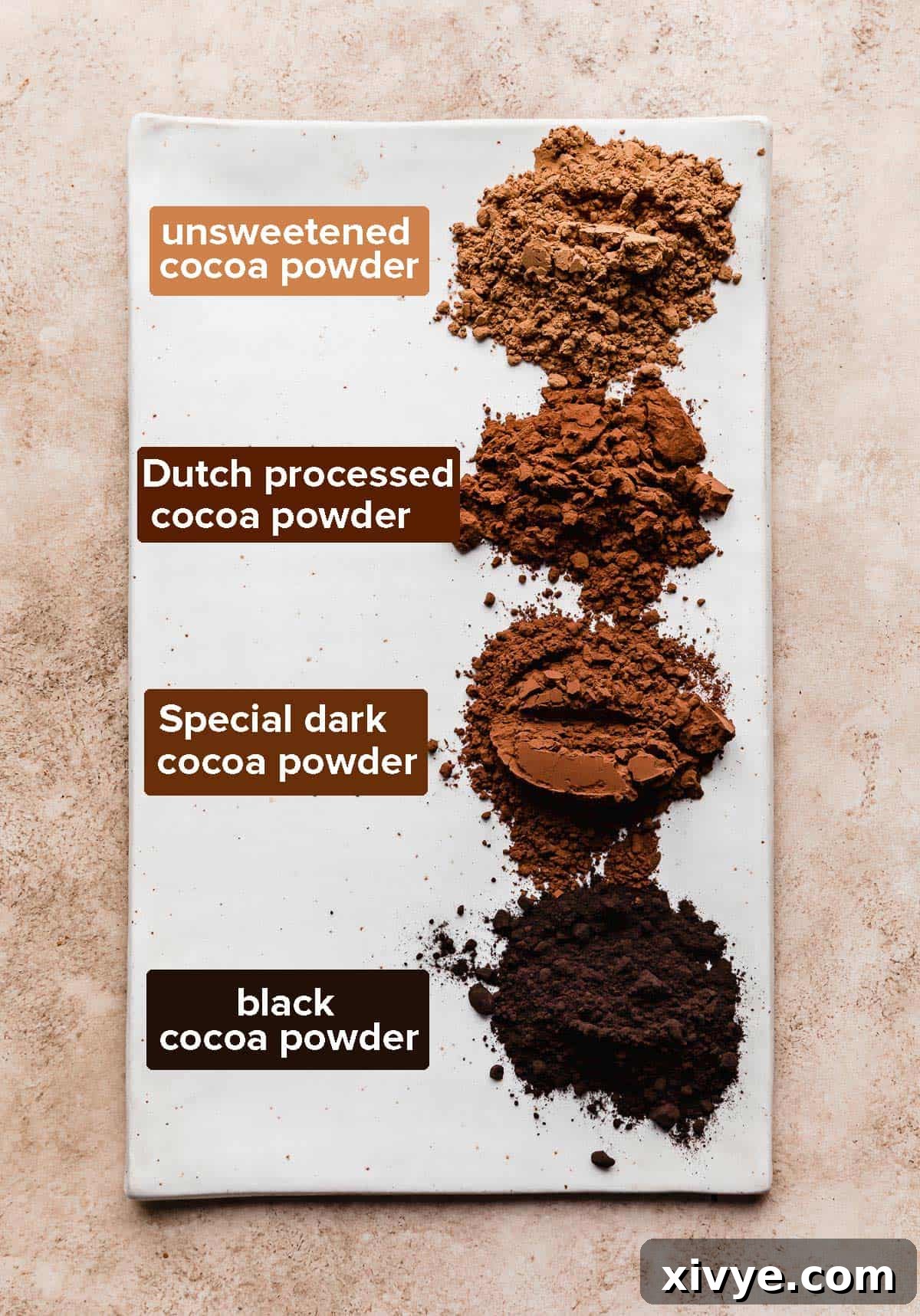
Embarking on a baking adventure often leads us to the rich, decadent world of chocolate. But have you ever paused to consider the specific type of cocoa powder your recipe demands? The subtle yet significant differences between unsweetened cocoa powder, natural cocoa powder, Dutch process cocoa powder, and the striking black cocoa powder can dramatically impact the final taste, texture, and appearance of your baked goods.
Many classic chocolate recipes, from your grandmother’s beloved chocolate chip cookies to a luscious Moist Chocolate Cake, typically call for natural or unsweetened cocoa. However, understanding when and why to reach for a different variety is crucial for elevating your baking. This comprehensive guide will demystify the world of cocoa powders, explaining their unique characteristics and, most importantly, why these distinctions truly matter in the alchemy of baking.
We’ll delve into the various types: unsweetened natural cocoa, the versatile Dutch process cocoa, and the intensely dark black cocoa. By the end, you’ll be equipped with the knowledge to select the perfect cocoa powder for any chocolate creation, ensuring delicious results every time.
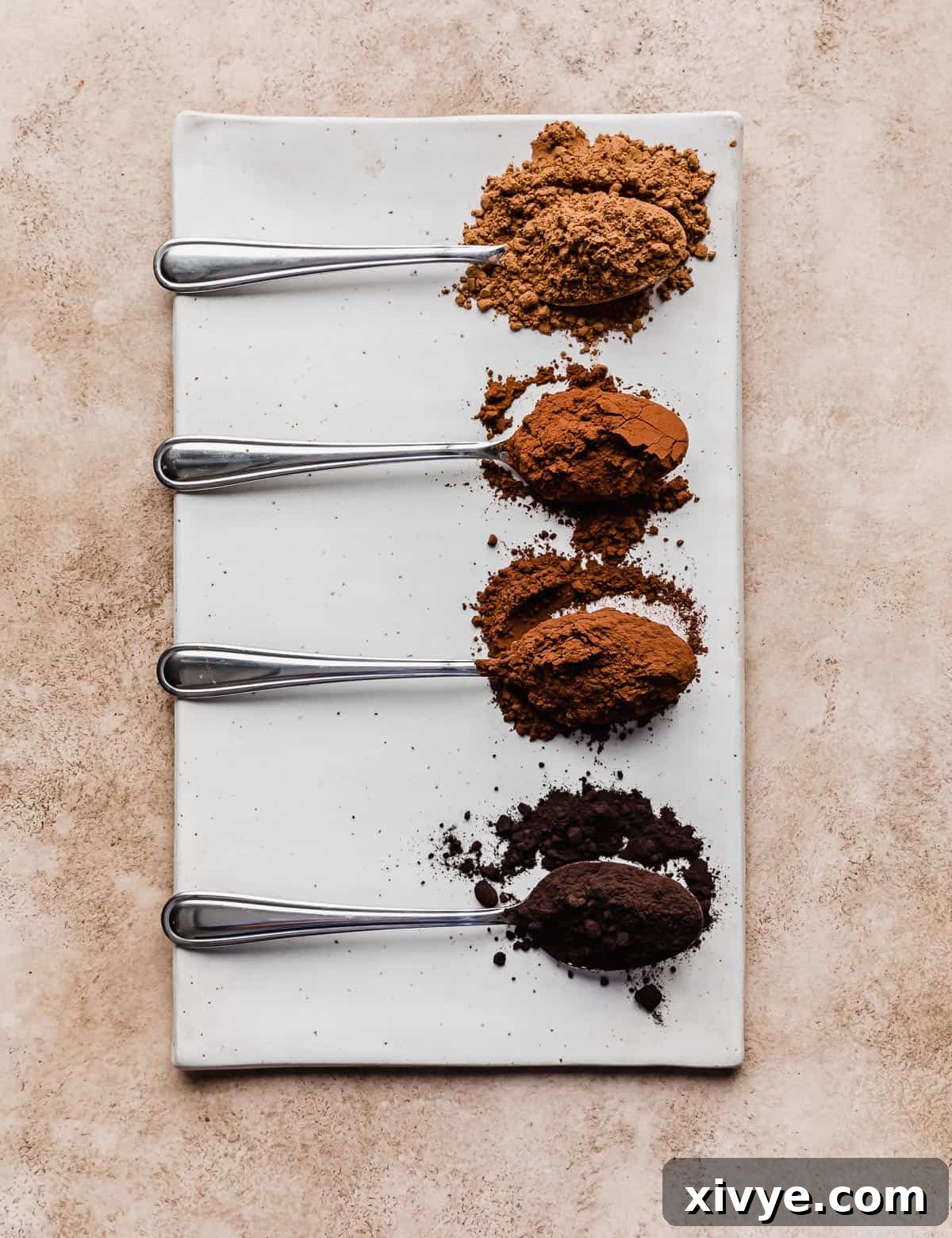
What is Cocoa Powder? A Journey from Bean to Bake
At its core, cocoa powder is the essence of chocolate in a dry, pulverized form. This unsweetened, versatile ingredient is indispensable in the world of baking, imparting its distinctive chocolate flavor to a vast array of treats, from fudgy brownies and chewy cookies to moist cakes and countless other dessert recipes. Understanding its origin and processing is key to appreciating its role in your kitchen.
The journey of cocoa powder begins with the cacao tree, specifically its seeds, known as cocoa beans. These beans undergo a fascinating transformation before they arrive in your pantry. First, they are harvested and allowed to ferment, a crucial step that develops their characteristic chocolatey flavor and aroma. Following fermentation, the beans are carefully roasted, which further intensifies their taste and helps in separating the outer shell from the inner nibs.
The roasted nibs are then ground into a thick, rich paste called cocoa liquor (despite its name, it contains no alcohol). This liquor is then subjected to immense pressure, extracting a significant portion of its cocoa butter – typically around 75%. What remains after this pressing is a solid, dry cake, rich in chocolate solids but low in fat. This cake is then dried and finely ground to produce the cocoa powder we use for baking. It’s this meticulous process that gives cocoa powder its intense flavor and distinct properties, making it far more than just powdered chocolate.
Understanding Unsweetened Natural Cocoa Powder
Often simply labeled “unsweetened cocoa powder” or “baking cocoa,” this is the most common variety you’ll find in American supermarkets. It’s important to note that “natural cocoa powder” and “unsweetened cocoa powder” refer to the exact same product. This type of cocoa powder retains its natural acidity, which plays a crucial role in many baking recipes, especially those relying on chemical leavening agents.
Harvested directly from cocoa beans after most of the cocoa butter has been pressed out, natural cocoa powder is characterized by its distinct properties:
- Acidity: Unsweetened natural cocoa powder is inherently acidic, typically having a pH level between 5 and 6. This acidity is not just about taste; it’s a critical component in the leavening process for many baked goods.
- Pairing with Baking Soda: Due to its acidic nature, natural cocoa powder is most commonly paired with baking soda in recipes. Baking soda (sodium bicarbonate) is a base, and when it reacts with an acid (like natural cocoa powder) in the presence of liquid, it produces carbon dioxide gas. This gas creates bubbles, causing cakes, cookies, and brownies to rise and become light and airy. Without this reaction, your baked goods could be dense and flat.
- Flavor Profile: When properly balanced with baking soda, natural cocoa powder offers a sharp, complex chocolate flavor with subtle fruity or tangy notes. The baking soda not only aids in leavening but also neutralizes some of the cocoa’s acidity, ensuring a pleasant, well-rounded chocolate taste without an overly sour tang.
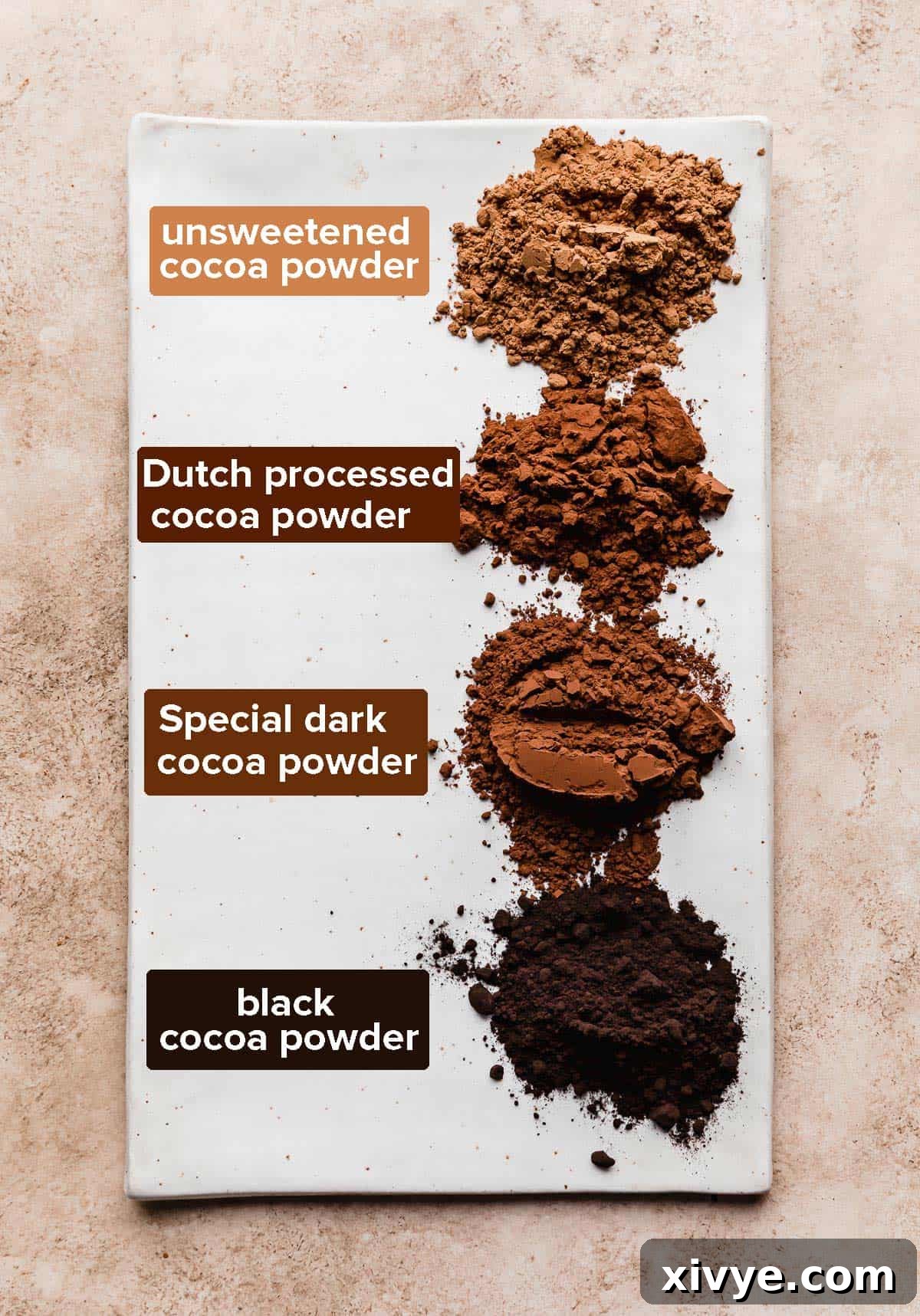
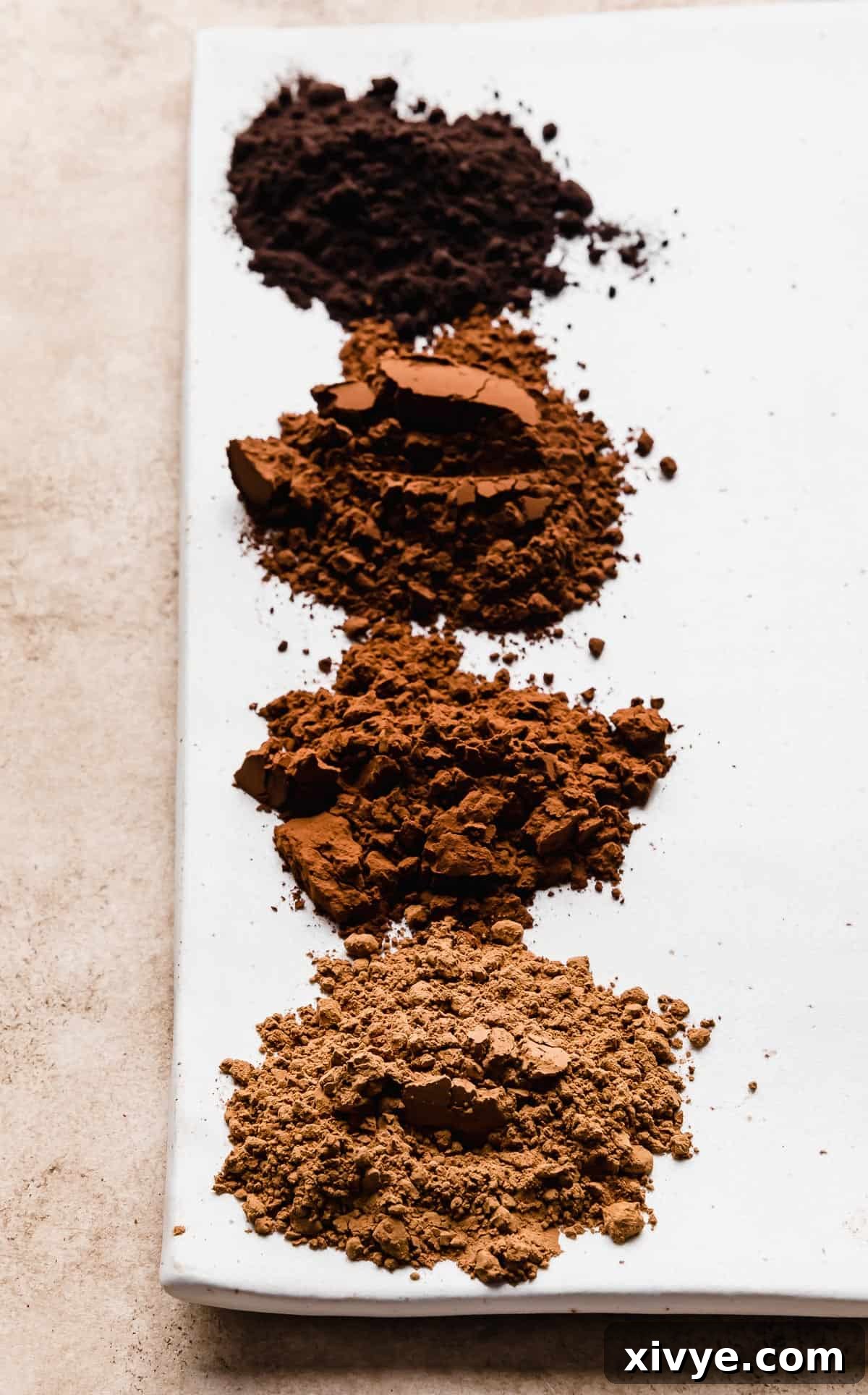
- Color: Natural cocoa powder is typically lighter in color, ranging from a reddish-brown to a medium brown. This contributes to the classic lighter shade of many chocolate cakes and cookies.
When a recipe specifies “cocoa powder” without any further qualification, it almost always refers to unsweetened natural cocoa powder. Remember this key pairing for successful baking: Unsweetened/Natural Cocoa Powder = Baking Soda.
Delicious Recipes Featuring Unsweetened Natural Cocoa Powder
For optimal results, use unsweetened natural cocoa powder in recipes specifically designed to leverage its acidic properties alongside baking soda for leavening. Here are some fantastic recipes where this classic cocoa truly shines:
- Best Chocolate Cupcake Recipe
- Chocolate Peanut Butter Chip Cookies
- Chocolate Doughnuts
- Homemade Cosmic Brownies
- Double Chocolate Chip Cookies
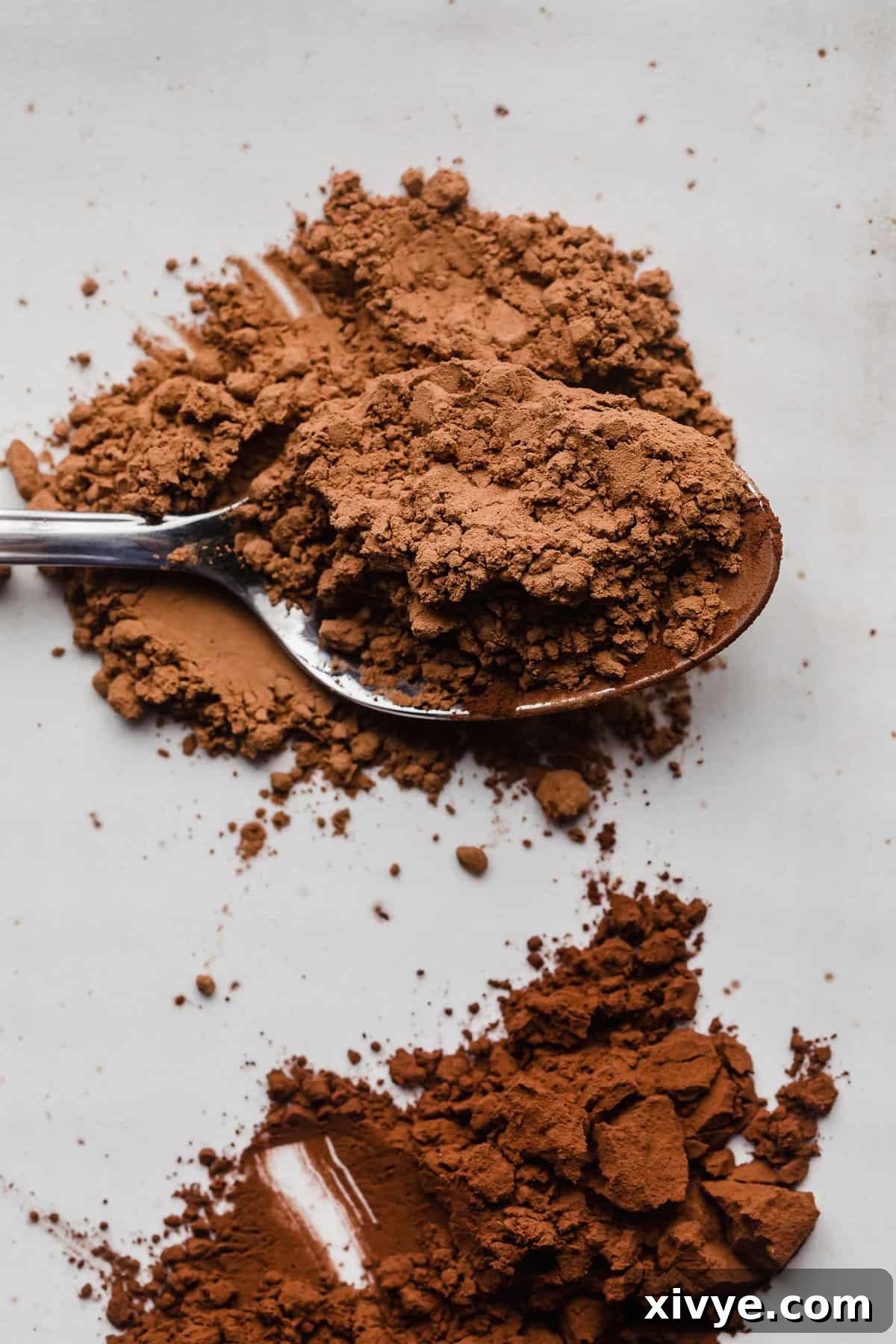
Exploring Dutch Processed Cocoa Powder
Dutch process cocoa powder represents a distinct category of cocoa, having undergone a specialized treatment to neutralize its natural acidity. This process, invented by Dutch chocolatier Coenraad Johannes van Houten in the 19th century, involves treating the cocoa beans or liquor with an alkaline solution, such as potassium carbonate. This alkalization process significantly raises the pH level of the cocoa, making it neutral or even slightly alkaline (typically pH 7 to 8).
You might see Dutch process cocoa powder referred to by several names, including “alkalized cocoa,” “European-style cocoa,” or simply “dutched cocoa.” The treatment not only alters its chemical properties but also profoundly impacts its flavor, color, and interaction with leavening agents in baking:
- Neutral pH: Unlike natural cocoa, Dutch process cocoa is neutral, meaning it does not react with acidic ingredients or require an acid to activate a leavening agent.
- Pairing with Baking Powder: Because it lacks acidity, Dutch process cocoa powder is typically paired with baking powder in recipes. Baking powder is a complete leavening agent on its own, containing both an acid (like cream of tartar) and a base (baking soda). It reacts with liquid and sometimes heat to produce carbon dioxide, providing lift to baked goods independently of the cocoa powder’s pH. In recipes using Dutched cocoa, the cocoa’s primary role shifts from contributing to leavening to solely enhancing color and flavor.
- Flavor Profile: The alkalization process mellows the sharp, fruity notes found in natural cocoa, resulting in a smoother, less bitter, and often described as a more “chocolatey” or “earthy” flavor. This makes it ideal for recipes where a deep, rich chocolate taste is desired without any tanginess.
- Color: Dutch process cocoa powder is noticeably darker than its natural counterpart, ranging from a deep reddish-brown to an almost black hue. This contributes to the intensely dark appearance of popular chocolate treats like Oreo cookies.
A simple rule of thumb for Dutch processed cocoa is: Dutch Process Cocoa Powder = Baking Powder.
An exciting variation within this category is black cocoa powder. This intensely dark cocoa is a super-dutched version, meaning it has been treated with an alkaline solution for an extended period, resulting in its exceptionally dark color and a distinctly mellow, almost malty flavor. For a deeper dive into this unique ingredient, be sure to consult my dedicated Black Cocoa Powder guide.
Recipes Designed for Dutch Process Cocoa Powder
To fully appreciate the deep color and smooth flavor of Dutch process cocoa, use it in recipes that incorporate baking powder as the primary leavening agent, or those that don’t rely on the cocoa’s acidity for rise. Here are some perfect applications for Dutch processed cocoa:
- Crumbl Cosmic Brownie Cookies
- Crumbl Better Than Sex Cookies
- Chocolate Cake with Peanut Butter Frosting
- Homemade Fudgy Brownies
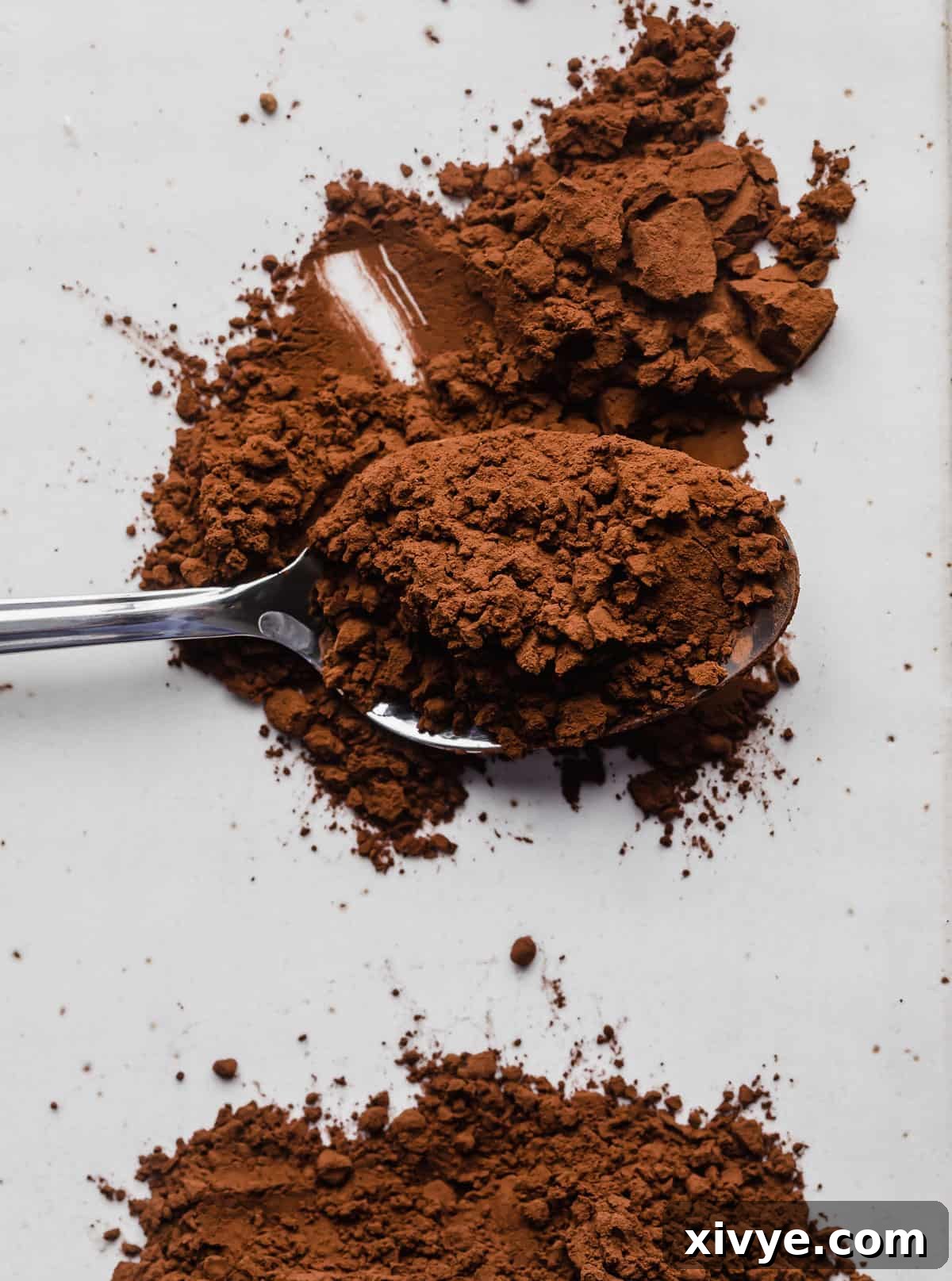
Mastering Cocoa Powder Substitutions: What You Need to Know
While direct substitutions might seem tempting in a pinch, it’s crucial to understand that swapping one type of cocoa powder for another without adjustments can significantly alter your baked good’s outcome. The three primary elements that can be affected are the taste, the rise (texture), and the color. Ignoring these factors can lead to disappointing results, from flat cakes to off-flavors.
Understanding the interplay between cocoa powder and leavening agents is paramount. Recipes are carefully balanced, and changing one acidic or basic ingredient can throw the entire chemical reaction off kilter. (Source: King Arthur Baking Company)
Substituting Unsweetened Natural Cocoa Powder for Dutch Processed Cocoa Powder
If your recipe calls for Dutch process cocoa powder, but you only have unsweetened natural cocoa powder on hand, a 1:1 ratio swap is possible, but be mindful of the following outcomes:
- Taste Implications: Since Dutch process cocoa is neutral and usually paired with baking powder, introducing acidic natural cocoa powder without a neutralizing base (baking soda) can result in a distinct tangy or even slightly sour flavor. The recipe’s balance of sweetness and chocolate notes may be compromised.
- Color Variations: Expect a lighter final product. Unsweetened natural cocoa powder has a reddish-brown hue, which will result in a less intense, lighter chocolate color compared to the deep, dark shade typically achieved with Dutch process cocoa.
- Rise (Leavening) Impact: In this specific scenario, the rise generally won’t be severely affected. Recipes calling for Dutch process cocoa powder typically use baking powder as the leavening agent. Since baking powder already contains its own acid, it will react with liquid to provide lift independently of the cocoa powder’s pH.
How to Adjust Your Recipe: To mitigate the potential tanginess and achieve a better balance, if the recipe originally uses baking powder with Dutch process cocoa, you can try replacing the baking powder with half the amount of baking soda. For example, if the recipe calls for 2 teaspoons of baking powder, use 1 teaspoon of baking soda instead. This provides a base to react with the natural cocoa’s acidity.
Substituting Dutch Processed Cocoa Powder for Unsweetened Natural Cocoa Powder
When your recipe requires unsweetened natural cocoa powder, but you only have Dutch process cocoa, a direct 1:1 substitution carries more significant risks to the overall structure and taste of your baked goods:
- Taste Implications: The absence of an acidic cocoa powder to react with the baking soda (which is typically present in natural cocoa recipes) can leave an un-neutralized soapy or metallic aftertaste. This occurs because the baking soda remains unreacted, imparting its inherent alkaline flavor.
- Color Variations: Your baked goods will turn out significantly darker, with a deeper, richer chocolate color than originally intended. While this might seem appealing, it can sometimes be misleading as the flavor profile might not match the intense visual.
- Rise (Leavening) Impact: This is the most critical area of concern. Recipes calling for natural cocoa powder rely on its acidity to activate baking soda for leavening. If you substitute with neutral Dutch process cocoa, the baking soda will have no acid to react with, severely impairing the rise. Your cakes and cookies could end up dense, flat, and heavy.
How to Adjust Your Recipe: To ensure proper leavening and avoid off-flavors, if the recipe originally uses baking soda with unsweetened natural cocoa, replace the baking soda with double the amount of baking powder. For example, if the recipe calls for 1 teaspoon of baking soda, use 2 teaspoons of baking powder. This provides the necessary leavening without requiring an acidic cocoa powder.
Optimal Storage for Cocoa Powder
Proper storage is essential to maintain the freshness, potency, and flavor of your cocoa powder. To ensure it remains at its best, always store cocoa powder in a cool, dark, and dry place at room temperature. An airtight container, such as a sturdy plastic container or a glass jar with a tight-fitting lid, is ideal for protecting it from moisture, air, and strong odors from other pantry items. Keeping it in its original packaging, if it’s resealable, inside another airtight container provides an extra layer of protection.
Avoid refrigerating or freezing cocoa powder. While it might seem like a good way to extend shelf life, changes in temperature can cause condensation to form inside the container. This moisture can lead to clumping, alter the powder’s texture, and even promote mold growth, ultimately damaging the quality and flavor of your cocoa. When stored correctly, cocoa powder has a remarkably long shelf life, often remaining good for up to two to three years past its printed date, though its flavor may gradually diminish over time.
Frequently Asked Questions About Cocoa Powder
Cocoa powder is the dry solid remaining after cacao beans are fermented, roasted, and pressed to extract most of their cocoa butter (typically around 75%). The resulting low-fat solid is then dried and ground into a fine powder. Its primary function in baking is to impart a rich, concentrated chocolate flavor to a wide variety of desserts and confections.
Yes, absolutely! The terms “unsweetened cocoa powder” and “natural cocoa powder” are used interchangeably to describe the same product. This cocoa retains its natural acidity and is typically lighter in color than Dutch processed varieties.
Dutch process cocoa powder is unsweetened cocoa powder that has been treated with an alkaline solution to reduce or neutralize its natural acidity. This process results in a cocoa powder with a smoother, less bitter flavor and a significantly darker color, ranging from deep reddish-brown to almost black.
Yes, but with crucial considerations and often necessary adjustments. While a 1:1 substitution is physically possible, it will affect the taste, color, and especially the rise of your baked goods due to the different acidity levels and their interactions with leavening agents (baking soda vs. baking powder). Always refer to the substitution section of this guide for detailed instructions on how to adjust your recipe successfully.
Several reputable brands produce excellent Dutch process cocoa powder. Some popular choices include Ghirardelli and Rodelle. Other brands like Valrhona, Wincrest, and Viddie’s Bakery also offer quality Dutch-processed options.
For unsweetened natural cocoa powder, Hershey’s unsweetened cocoa powder is a widely available and reliable choice for many bakers. You also can’t go wrong with Ghirardelli’s unsweetened cocoa powder, as their products are consistently high quality.
Hershey’s offers a product called “Special Dark cocoa powder” which is 100% Dutch processed. Historically, it was a blend of unsweetened and Dutch-processed cocoa, but the brand has updated its recipe to make it entirely Dutched, providing a darker color and milder flavor profile. Their regular unsweetened cocoa powder, however, is natural (not Dutch processed).
The name “Dutch-processed” pays homage to Coenraad Johannes van Houten, a Dutch chocolatier who pioneered the alkalization process in the 19th century. He discovered that treating cocoa liquor with alkaline salts helped to reduce the natural bitterness and acidity of the chocolate, making it smoother, darker, and more palatable for beverages and baking.
There isn’t a single “best” cocoa powder; rather, the ideal choice depends entirely on your recipe and desired outcome. The best cocoa powder is the one that correctly complements your recipe’s leavening agent (baking powder or baking soda) and delivers the specific color and flavor profile you’re aiming for. Always follow the recipe’s recommendation or apply the substitution guidelines in this guide for optimal results.
While hot chocolate powder certainly contains cocoa powder, it’s not the same thing. Hot chocolate mixes are typically sweetened and include additional ingredients such as sugar, milk powder, and sometimes flavorings (like vanilla or spices). Cocoa powder, by contrast, is purely unsweetened, processed cocoa solids, making it a raw ingredient for baking rather than a prepared beverage mix.
Understanding the nuances of different cocoa powders empowers you to become a more confident and successful baker. From the sharp acidity of natural cocoa that dances with baking soda to the deep, mellow notes of Dutch process cocoa that partners with baking powder, each type brings its unique magic to your creations. By selecting the right cocoa and understanding the science behind your ingredients, you can consistently achieve the perfect flavor, color, and texture in all your chocolate masterpieces.
Continue exploring and refining your culinary skills with more insightful baking tips and guides available on our site. Happy baking!
For further reading and in-depth knowledge, we acknowledge the valuable contributions of sources such as Brown Eyed Baker and King Arthur Baking Company in compiling this comprehensive guide to cocoa powders.