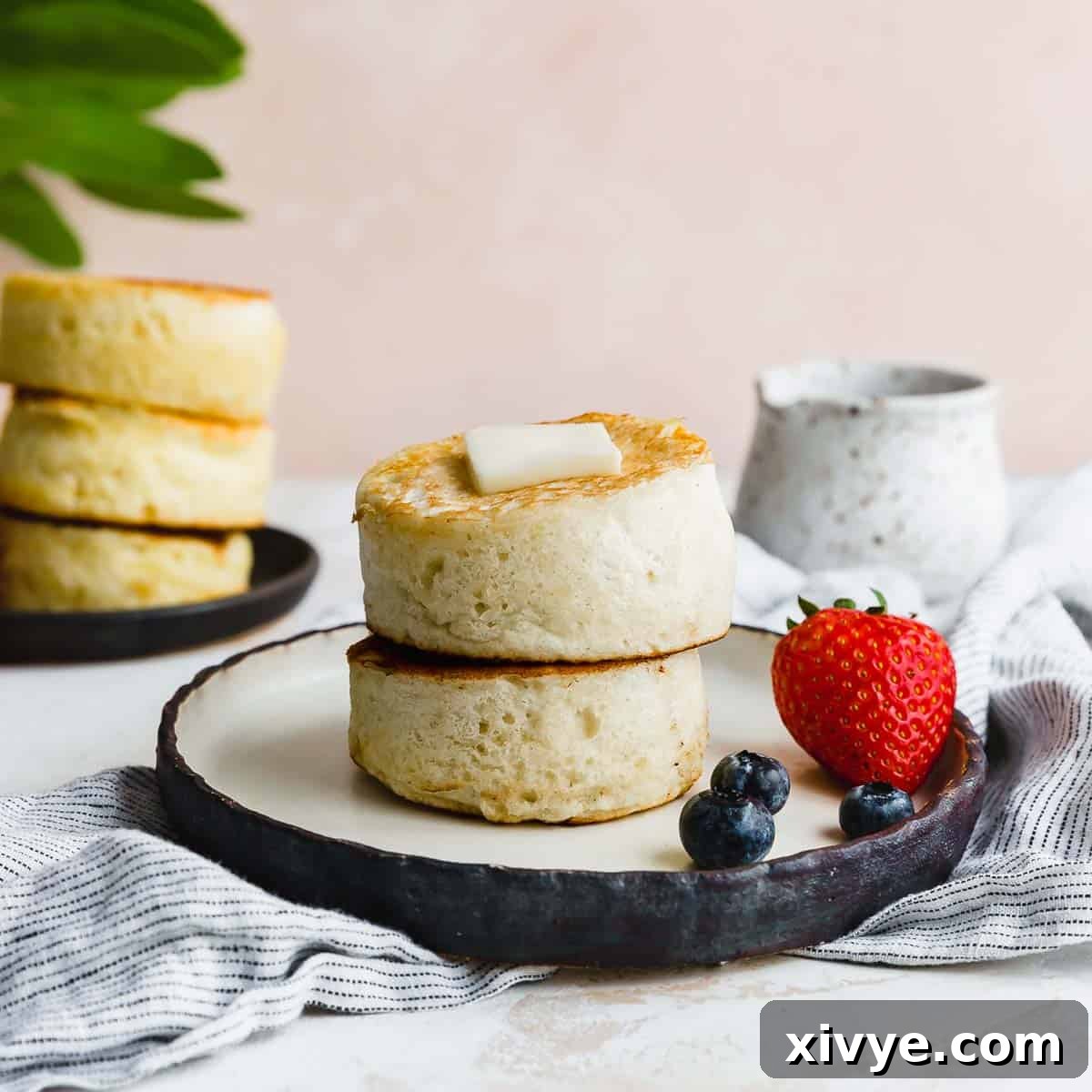
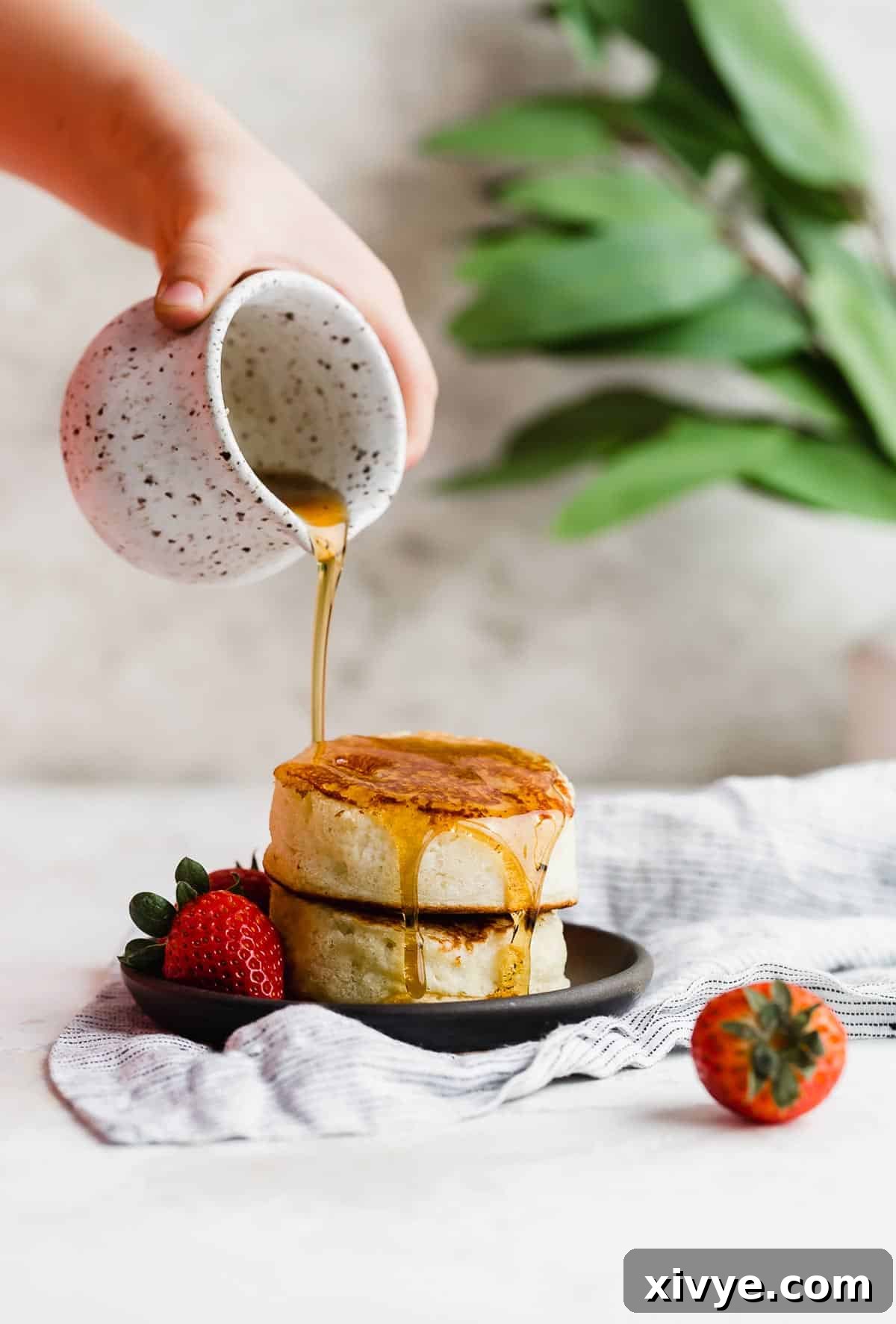
Prepare to transform your breakfast routine with the enchanting experience of homemade Japanese Fluffy Pancakes. These aren’t just any pancakes; they are a culinary marvel: incredibly thick, astonishingly soft, and wonderfully billowy, delivering a melt-in-your-mouth sensation with every bite. Featuring a delicately golden-brown exterior and an ethereal, cloud-like interior, these soufflé pancakes are a testament to culinary elegance and pure deliciousness.
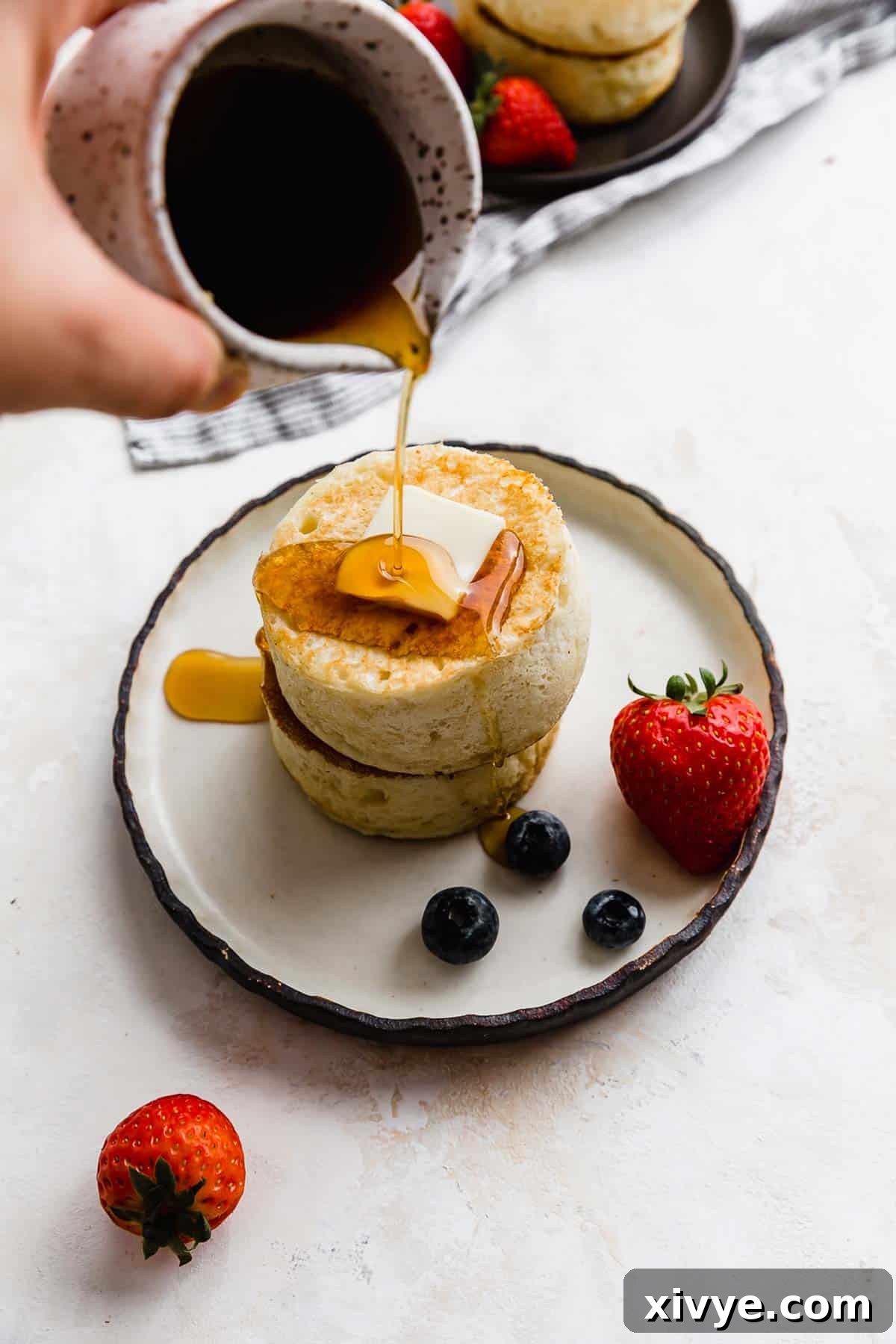
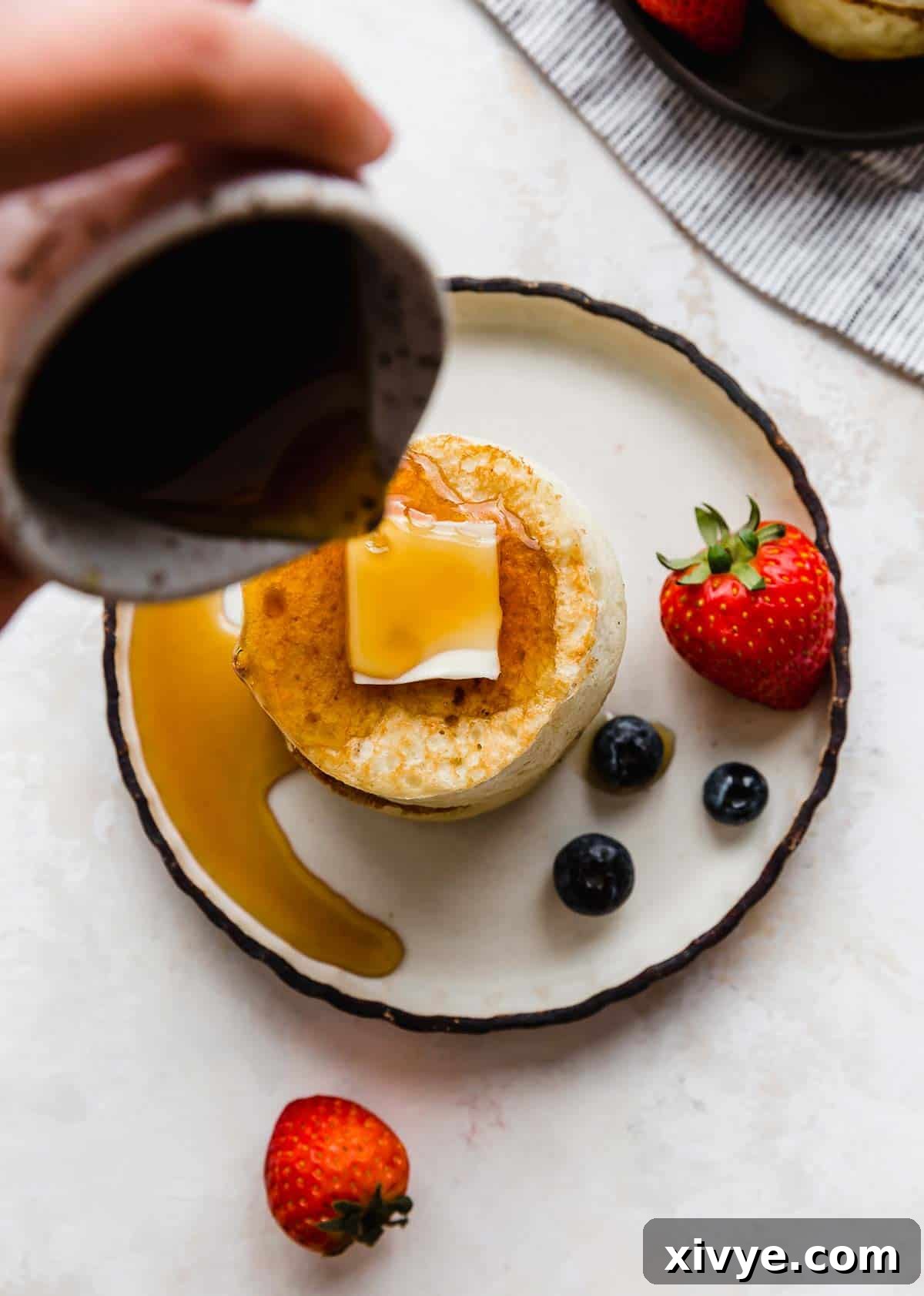
While these magnificent pancakes hail from Japan, their versatility means they can be enjoyed just like your favorite traditional breakfast pancakes. Feel free to customize them with an array of toppings to suit your taste. Garnish them with a vibrant medley of fresh seasonal fruits such as succulent berries or thinly sliced bananas. Drizzle generously with warm, rich maple syrup, or add a luxurious dollop of homemade whipped cream. For a touch of simple elegance, a light dusting of powdered sugar is perfect. If you’re feeling indulgent, sprinkle with mini chocolate chips or a scattering of toasted nuts. The possibilities are endless for creating your ultimate, decadent breakfast masterpiece!
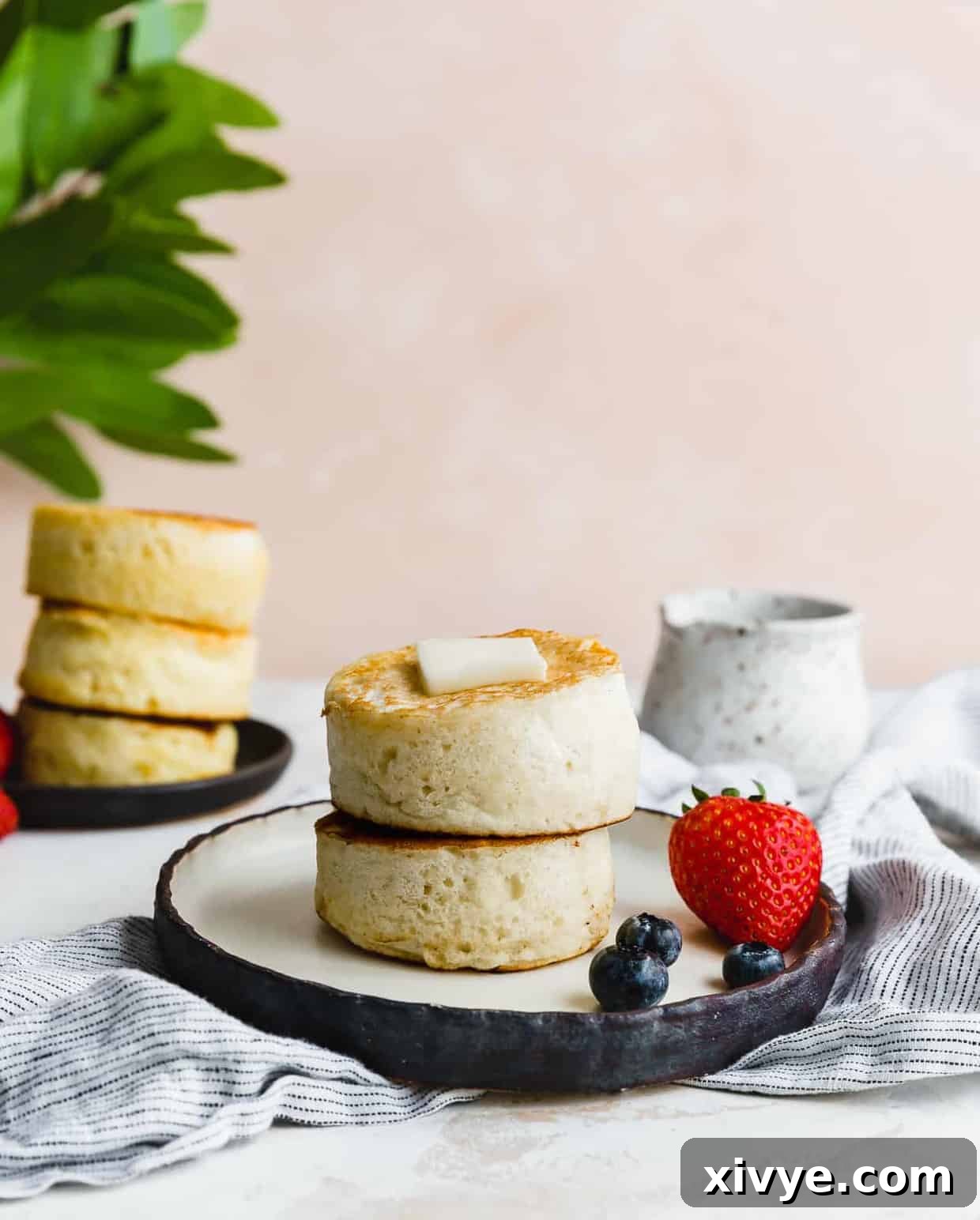
Why This Japanese Fluffy Pancake Recipe Guarantees Success
Crafting the perfect Japanese fluffy pancake can often seem like a delicate art, prone to pitfalls. However, this meticulously developed recipe is designed to demystify the process and ensure your success, delivering truly cloud-like results every time. Here’s why this particular method stands out and consistently produces exquisite soufflé pancakes:
- Unrivaled Fluffiness, Consistently Achieved: The hallmark of Japanese fluffy pancakes is their incredible height and impossibly airy texture. The secret lies in the precise preparation of perfectly whipped egg whites, which are transformed into a stable, glossy meringue. Our detailed step-by-step guide walks you through the exact technique for achieving stiff peaks, which are absolutely critical for giving these pancakes their signature soufflé-like rise and preventing premature deflation. This recipe focuses on maximizing the “fluffy” component, addressing common issues that often lead to dense centers or flat pancakes.
- Clear, Step-by-Step Instructions for Every Skill Level: We believe that no truly delicious food should be out of reach, regardless of your culinary experience. This recipe provides exceptionally clear and easy-to-follow instructions, breaking down each stage of the process into manageable steps. We’ve anticipated common challenges and incorporated helpful troubleshooting tips directly into the instructions and a dedicated tips section. Whether you’re a beginner venturing into the world of Japanese cooking or an experienced home chef, you’ll find comprehensive guidance on everything from ingredient preparation and batter consistency to precise cooking temperatures and flipping techniques. Our goal is to empower you to create magnificent soufflé pancakes with confidence.
- Harmonious Flavor and Perfect Golden Perfection: Beyond just the magical texture, this recipe ensures a delightful balance of taste. You’ll experience a subtle sweetness perfectly complemented by the rich, tangy notes of buttermilk. The careful cooking method outlined herein guarantees a beautifully uniform golden-brown exterior that forms a gentle contrast to the soft, tender, and moist interior. Each bite is a harmonious blend of flavor and texture, making these Japanese fluffy pancakes an unforgettable treat that will undoubtedly become a favorite.
Essential Ingredients for Your Cloud-Like Japanese Fluffy Pancakes
The journey to creating these extraordinary Japanese fluffy pancakes begins with understanding and selecting the right ingredients. Each component plays a vital role in achieving that celebrated light and airy texture. For optimal results, ensure your perishable ingredients, especially buttermilk and eggs, are at room temperature. Here’s what you’ll need and why:
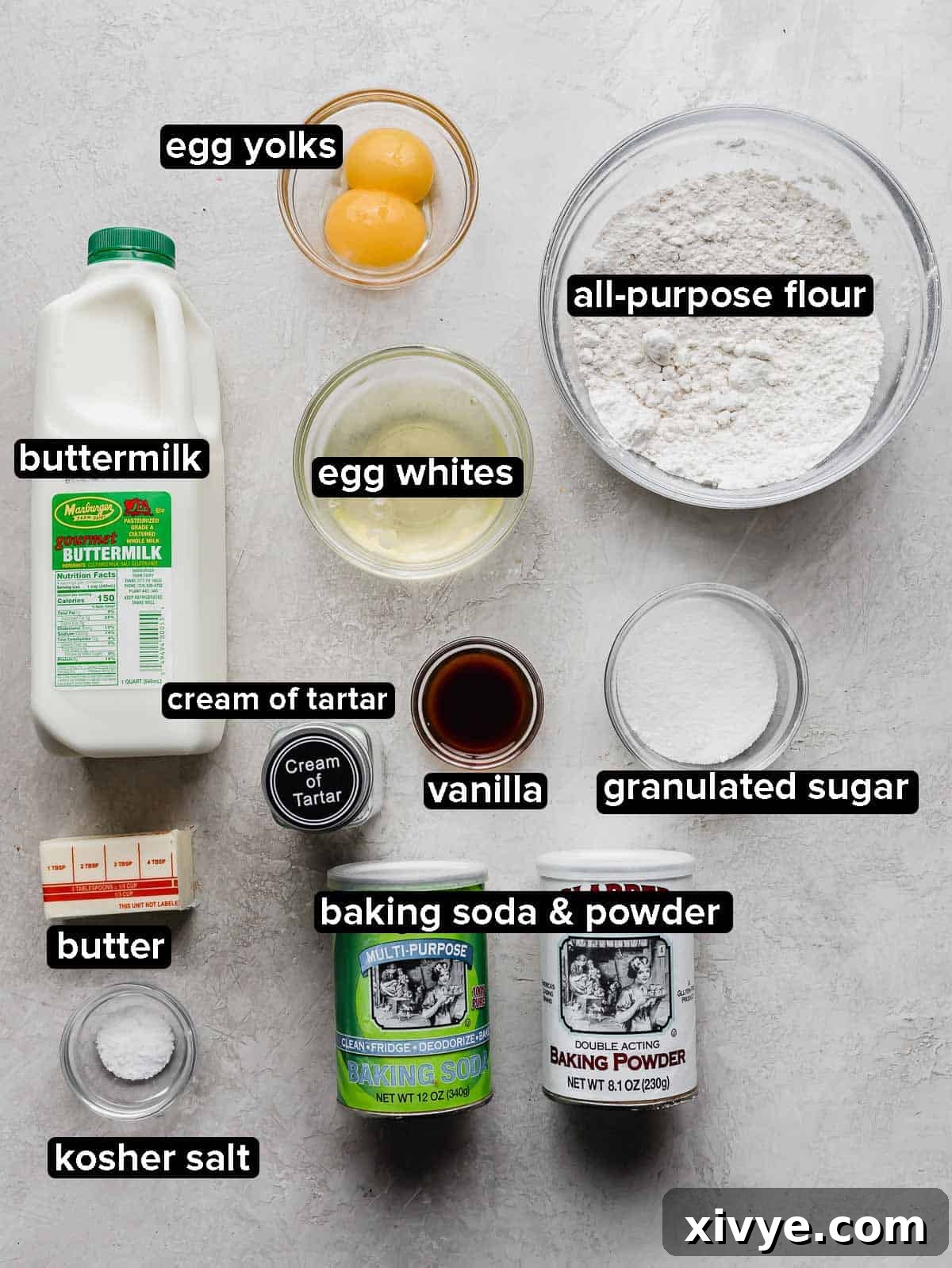
- All-Purpose Flour: Standard all-purpose flour is ideal for this recipe. For an even lighter and lump-free batter, we highly recommend sifting the flour before measuring. This simple step helps to aerate the flour and ensures a smoother final batter, contributing to the delicate texture of the pancakes.
- Granulated Sugar: A modest amount of granulated sugar is used to provide a delicate sweetness that perfectly balances the rich, tangy flavors of the other ingredients. It also plays a role in achieving that desirable golden-brown color on the pancake’s surface during cooking, enhancing both flavor and visual appeal.
- Baking Powder and Baking Soda: These are your primary chemical leavening agents, absolutely essential for the initial lift and airy structure of the pancakes. When combined with the acidic buttermilk and the stiffly beaten egg whites, they create a robust reaction that generates carbon dioxide bubbles. These bubbles expand during cooking, significantly contributing to the pancakes’ impressive rise and characteristic fluffy texture.
- Kosher Salt: A crucial flavor enhancer, kosher salt deepens the overall taste profile and balances the sweetness, preventing the pancakes from tasting bland. Kosher salt has a coarser texture than regular table salt; if you are using table salt, reduce the amount by ¼ teaspoon per teaspoon of kosher salt to prevent over-salting, as table salt is denser and saltier by volume.
- Buttermilk: Using room temperature buttermilk is non-negotiable for the best results. Its distinctive tangy flavor adds a wonderful depth and complexity to the pancakes. More importantly, its acidity reacts synergistically with the baking soda, activating its leavening power for maximum lift and tenderness. If you don’t have buttermilk on hand, a simple substitute can be made: add one tablespoon of white vinegar or lemon juice to a liquid measuring cup, then fill the remainder with regular milk until it reaches 1 ¼ cups. Let it sit for 5-10 minutes until it slightly curdles, and it’s ready to use.
- Eggs (Separated Yolks and Whites): The eggs are arguably the most critical component for achieving the iconic soufflé texture. We carefully separate them into yolks and whites. The egg yolks contribute essential richness, moisture, and a lovely golden hue to the batter. The egg whites, however, are the true heroes: they are vigorously beaten into stiff peaks, creating a stable meringue that provides the extraordinary airiness and structural integrity for the pancakes’ impressive height. Ensure your eggs are at room temperature, as this facilitates easier separation and allows the whites to achieve greater volume when whipped.
- Cream of Tartar: This acidic salt is a crucial stabilizing agent for the egg whites. Adding a small amount of cream of tartar to the egg whites before whipping helps to strengthen their protein structure. This allows them to whip up faster, achieve firmer and more stable peaks, and prevents them from deflating quickly. The result is a consistently smooth, voluminous, and resilient meringue, which is fundamental for truly fluffy pancakes.
- Vanilla Extract: Pure vanilla extract infuses the pancakes with a warm, comforting, and aromatic sweetness that elevates the overall flavor profile. Its subtle fragrance is a delightful complement to the other ingredients.
- 3-inch x 2.5-inch Ring Molds: These specialized metal ring molds are highly recommended and almost essential for achieving the signature tall, perfectly cylindrical shape of authentic Japanese soufflé pancakes. They provide the necessary support for the incredibly light batter to rise upwards rather than spreading out. If you do not possess metal molds, don’t despair! You can easily craft effective DIY molds from heavy-duty aluminum foil. Simply roll a thick strip of foil, approximately 2.5 inches wide, into a 3-inch diameter circle, and secure the ends tightly by stapling or folding. While not as rigid as metal, these homemade molds will adequately help maintain the vertical structure during cooking.
- Nonstick Cooking Spray: Generous application of nonstick cooking spray is vital. It ensures that the delicate pancakes do not adhere to either the skillet or the inside of the ring molds, guaranteeing a clean release and perfectly formed pancakes every time.
Crafting Your Fluffy Japanese Pancakes: A Comprehensive Step-by-Step Guide
Embark on the journey of creating these stunning Japanese soufflé pancakes that promise to be the highlight of your breakfast. Precision and a gentle hand are your allies in achieving culinary perfection. This recipe yields approximately 12 delightful pancakes.
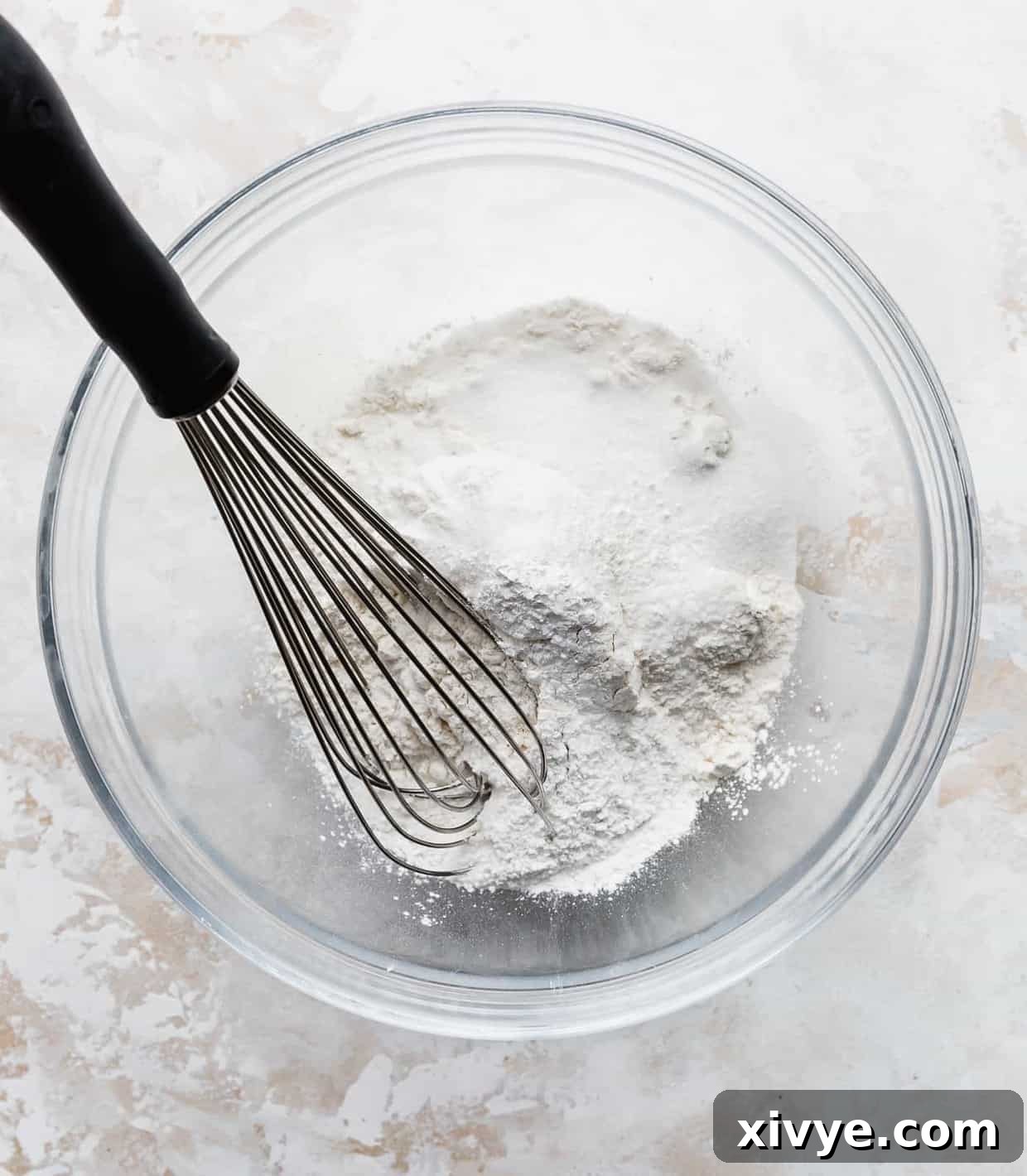
- Prepare Dry Ingredients: In a large mixing bowl, meticulously whisk together 1 ½ cups of all-purpose flour, 3 tablespoons of granulated sugar, 2 teaspoons of baking powder, ¼ teaspoon of baking soda, and ¾ teaspoon of kosher salt. Whisk thoroughly for about 30 seconds to ensure all ingredients are evenly distributed and to aerate the mixture. Set this bowl aside.
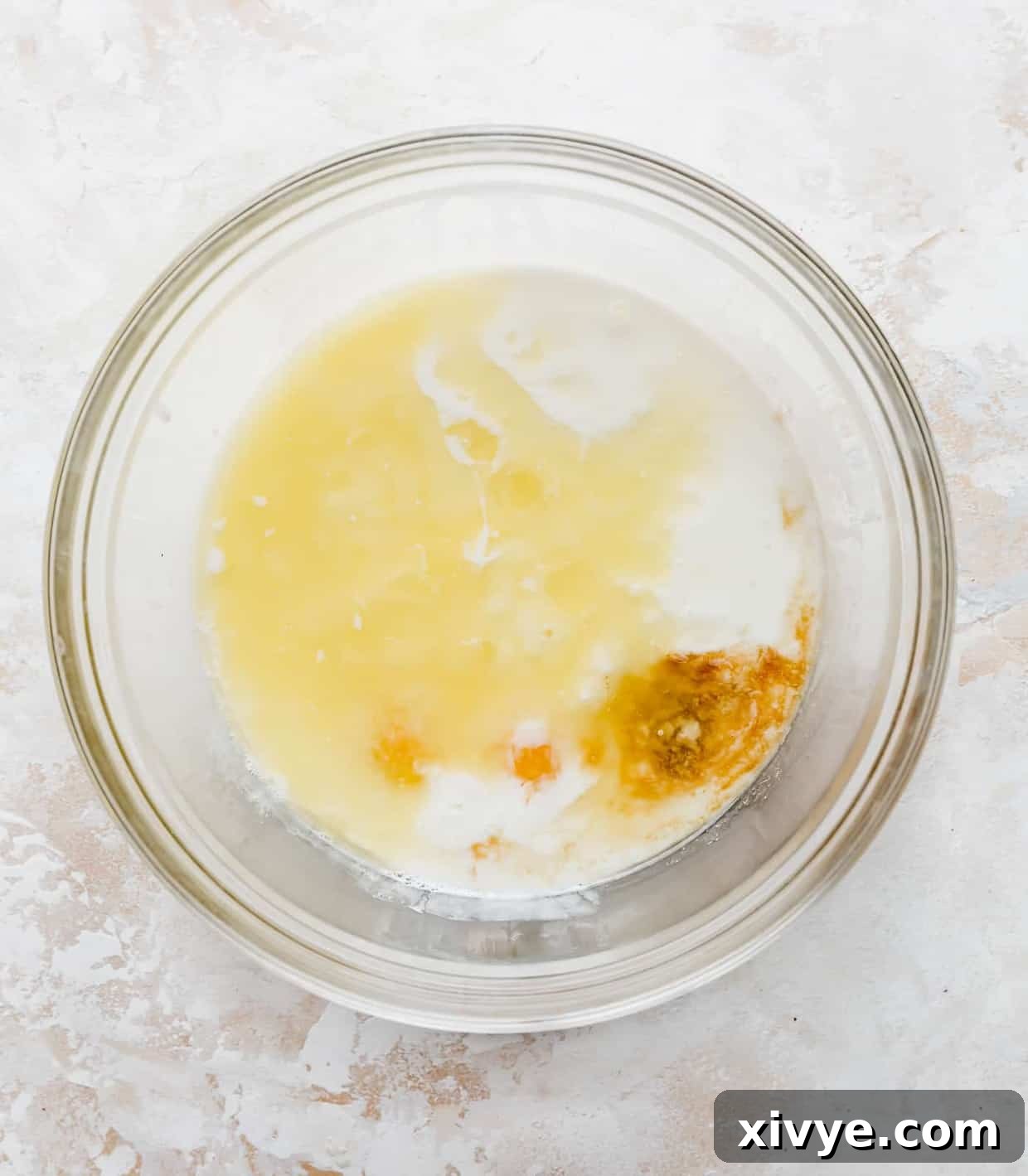
- Combine Wet Ingredients (Except Egg Whites): In a separate medium bowl, whisk together 1 ¼ cups of room temperature buttermilk, 4 tablespoons of melted butter (ensure it’s not hot), 1 teaspoon of vanilla extract, and 2 egg yolks. Continue whisking until all these wet ingredients are smoothly and completely incorporated. Set this bowl aside as well.
- Whip Egg Whites to Stiff Peaks: The Meringue Foundation: This is arguably the most critical stage for achieving the signature fluffiness of Japanese pancakes. In another impeccably clean, dry medium bowl (any trace of fat can prevent the whites from whipping), add 4 egg whites and ¼ teaspoon of cream of tartar. Using a hand mixer or a stand mixer fitted with a whisk attachment, begin beating on medium-high speed. The egg whites will first become foamy, then progress to soft peaks. Continue beating until they form stiff, glossy peaks. When you lift the beaters, the egg whites should stand firm and upright, with only the very tip curling gracefully like a soft wave. This consistency indicates maximum air incorporation and stability. Be vigilant: avoid over-mixing, which causes the whites to become dry, clumpy, and prone to breaking, and equally, avoid under-mixing, which results in insufficient lift and deflation. This process typically takes 2-3 minutes.
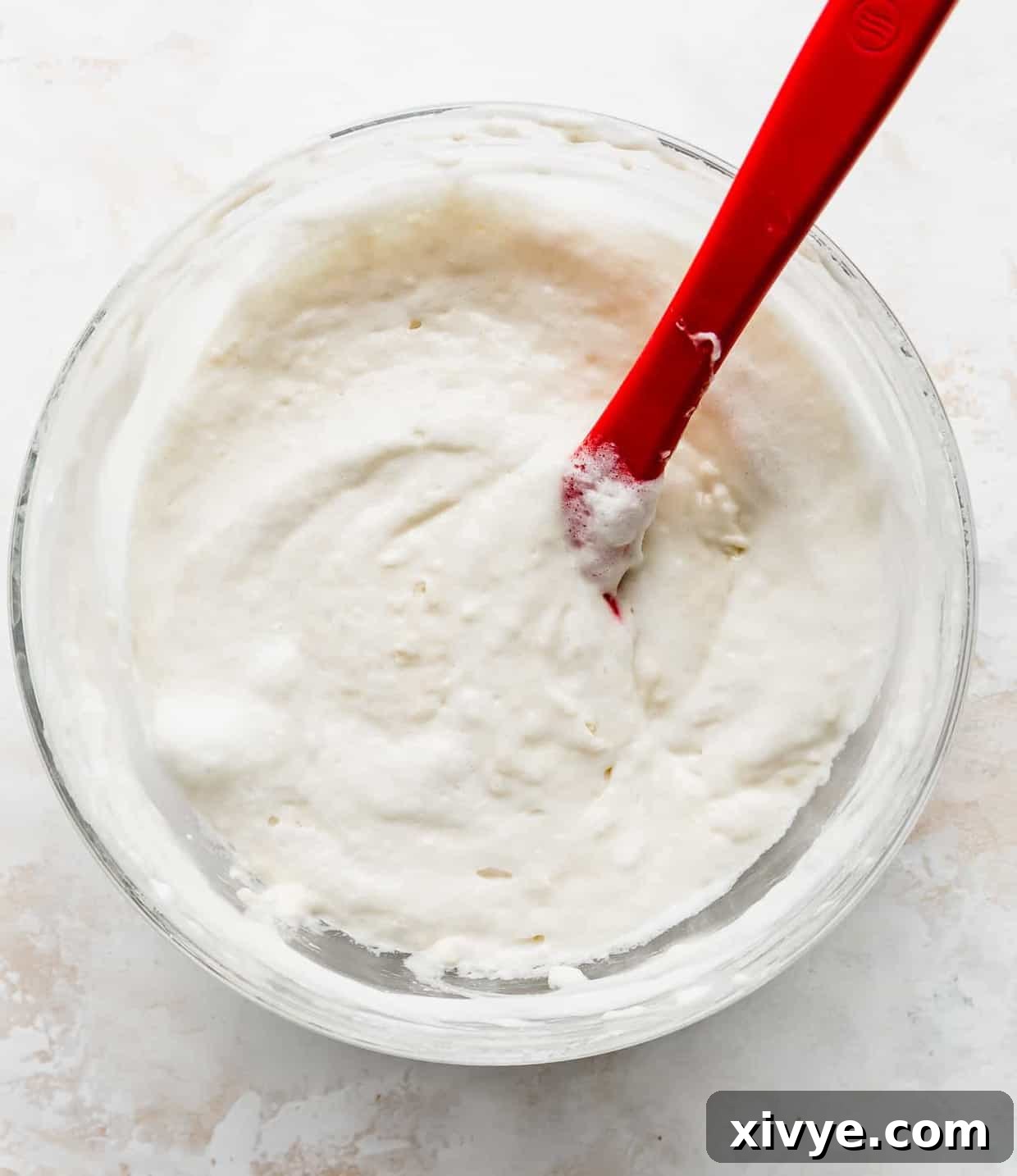
- Gently Combine Wet and Dry Mixtures: Using a flexible rubber spatula, carefully pour the buttermilk mixture into the dry flour mixture. Gently stir and fold until just partially combined. It’s perfectly acceptable, and in fact desirable, for a few streaks of flour to remain visible. The key here is to avoid overmixing at all costs, as excessive stirring will develop the gluten in the flour, resulting in tough, chewy pancakes rather than light, tender ones.
- Delicately Fold in Whipped Egg Whites: Now, carefully add the stiffly beaten egg whites (your meringue) to the pancake batter. With your rubber spatula, use gentle, swift folding motions to incorporate the egg whites. The objective is to combine them without deflating the precious air you’ve so carefully whipped in. Fold until just combined; a few small, faint streaks of white are perfectly fine and even preferred over overmixing. Remember, the air in these egg whites is what provides the extraordinary lift and cloud-like texture, so handle with care!
- Prepare Skillet and Molds for Cooking: Place a large nonstick skillet or an electric griddle over medium-low heat. The importance of proper preheating cannot be overstated: allow the pan to preheat on this lower setting for a longer duration (5-7 minutes) to ensure even heat distribution across the entire cooking surface, eliminating any potential hot or cool spots. Once preheated, generously spray both the skillet surface and the inside of your 3-inch by 2.5-inch ring molds with nonstick cooking spray. Place the prepared molds directly into the heated pan.
- Fill Molds and Initiate Cooking: Using a spoon, carefully scoop the batter into each prepared ring mold. To promote maximum vertical height, spoon the batter in layers, placing each spoonful directly on top of the previous one until the mold is approximately halfway full. Crucially, do not overfill, as the pancakes will rise significantly during cooking. Immediately cover the skillet with a tight-fitting lid (or use aluminum foil if you don’t have one). This creates a steaming environment, which is vital for promoting even cooking and achieving maximum rise. Cook for approximately 5-8 minutes on the first side. During this time, the batter should visibly rise to the top of the mold, the bottom of the pancake will turn a beautiful golden brown, and you’ll observe small bubbles breaking on the top surface. The center of the pancake should have only a very slight, gentle jiggle if you delicately nudge the mold. Resist the strong temptation to flip too early, as uncooked batter will ooze out and compromise the pancake’s structure.
- The Gentle Flip: Once the first side is perfectly golden and sufficiently risen, it’s time for the delicate flip. Using a thin, flexible spatula, carefully slide it underneath the pancake to gently loosen it from the pan. Then, with kitchen tongs, firmly but gently grasp the sides of the ring mold and, in one confident, smooth motion, carefully flip the entire mold and pancake over. If you are cooking only one pancake at a time and find this easier, you can rest the pancake on the spatula and then bring the skillet up to the pancake, carefully turning the pancake onto the skillet. Once flipped, re-cover the skillet and continue cooking the second side for another 3-5 minutes, or until the pancake is cooked through to the center and a lovely golden brown on both sides.
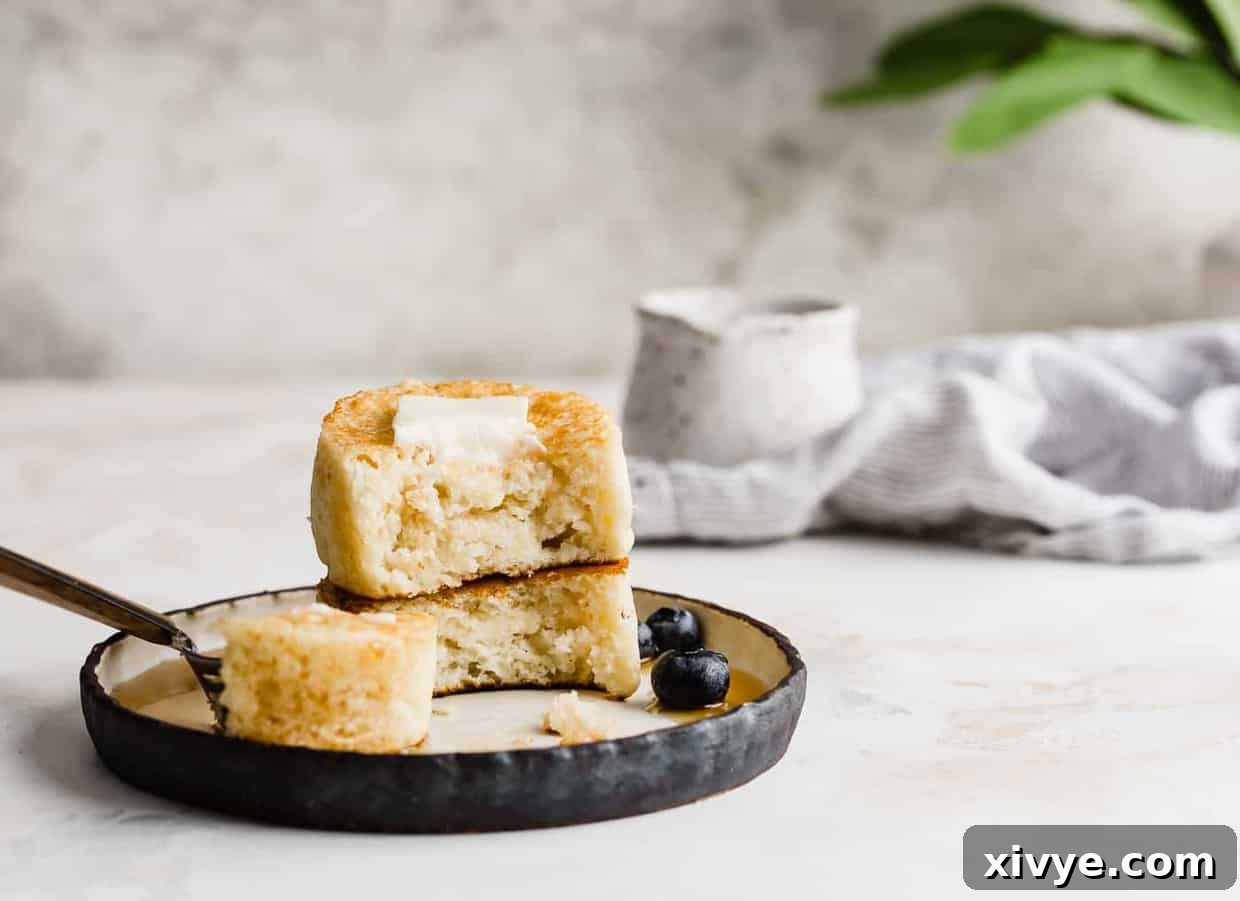
- Release and Serve Immediately: Once cooked, carefully transfer the molds to a plate. To release the beautiful pancakes without damaging their delicate structure, take a thin butter knife and gently run it around the inside edge of each mold, separating the pancake from the metal. Then, carefully lift the mold straight up and off the pancake. It should release cleanly, leaving you with a perfectly formed soufflé pancake. Before cooking your next batch, remember to wipe down each mold and generously respray it with cooking spray to ensure consistent nonstick performance. Serve your Japanese fluffy pancakes immediately while they are warm, perhaps adorned with a light dusting of powdered sugar and a side of fresh fruit, or classic butter and rich maple syrup. These pancakes are at their absolute best when enjoyed within 30 minutes of cooking, as their delicate, air-filled structure can gently deflate over time. Enjoy every cloud-like, delicious bite!
Expert Tips for Flawless Soufflé Pancakes: Achieving Peak Fluffiness
While the step-by-step guide provides a solid foundation, mastering Japanese fluffy pancakes involves understanding the nuances of certain techniques. These expert tips will help you navigate common challenges and consistently achieve truly flawless, cloud-like results.
Meringue Mastery: The Cornerstone of Fluffy Japanese Pancakes
The secret to those impressively tall, airy Japanese pancakes lies almost entirely in your meringue. The consistency of your whipped egg whites is paramount: neither too soft nor too dry. Under-mixed egg whites will lack the structural integrity and trapped air needed to lift the heavy batter, resulting in flat, dense pancakes that deflate rapidly. You can identify under-mixed whites if they cannot hold any distinct peak when the whisk is lifted. Conversely, over-mixed egg whites become brittle, crumbly, and prone to separating. This “dry” meringue is difficult to fold gently into the batter without losing all the incorporated air, leading to a similar issue of dense pancakes. For perfectly mixed egg whites, when you lift the whisk or beaters, they should form firm, upright peaks that hold their shape. The very tip of these peaks should have a slight, elegant curl, resembling a soft wave. This “stiff peak” consistency is ideal for providing maximum air incorporation and stability, creating the essential air pockets for that unparalleled fluffy texture. When incorporating these precious egg whites into the main batter, always use a rubber spatula and fold gently. Think of “folding” as cutting down through the center and lifting the batter over the meringue, turning the bowl as you go. Stop as soon as the whites are just combined, as over-folding will negate all your hard work.
The Art of Even Heat: Preheating Your Skillet for Success
Consistent, gentle heat is crucial for the success of Japanese soufflé pancakes. Always preheat your large nonstick skillet or electric griddle on medium-low heat for a significantly longer duration (e.g., 5-7 minutes) than you might for regular pancakes. Avoid the temptation to use higher heat for a quicker preheat. This extended, low-temperature preheating ensures that the entire cooking surface heats evenly, eliminating any hot spots that can cause some pancakes to burn or overcook on the outside while leaving others raw or undercooked in the center. A truly even, gentle heat allows the thick batter to cook slowly and thoroughly, promoting a uniform rise and preventing a scorched exterior with a gooey interior. Using a lid during cooking also contributes to this evenness by trapping steam, which helps the pancakes cook from all sides.
Strategic Filling for Maximum Vertical Growth
To achieve those impressive, vertically risen pancakes, the technique for filling your molds is important. Rather than simply pouring the batter, use a spoon to carefully *layer* the pancake batter into each mold. Place one spoonful directly on top of the previous one, gradually building the height within the mold. This method encourages the incredibly light batter to grow upwards, fostering that signature tall, soufflé-like structure, instead of spreading outwards. It’s absolutely vital to remember the golden rule: DO NOT OVERFILL. The batter should only fill the mold about halfway to the top. This provides ample room for the significant rise that will occur during the cooking process. Overfilling will result in the batter spilling over the sides, creating messy, unevenly shaped pancakes and compromising their iconic height.
Patience is Paramount: Cooking Low and Slow
Unlike standard pancakes, Japanese soufflé pancakes demand a slower, more deliberate cooking process. The mantra here is “slow and steady wins the race.” Cooking on a consistent medium-low heat for an extended period (5-8 minutes per side) is essential to ensure the thick batter cooks completely through to the center without burning the delicate exterior. If the heat is too high, the outside of the pancake will quickly brown or even scorch, creating a misleading appearance of doneness while the interior remains raw and uncooked. Always cook these delicate pancakes in a skillet or on an electric griddle with a tight-fitting lid. The lid creates a steamy, oven-like environment that is crucial for helping the pancakes rise consistently and cook evenly throughout. For an extra boost of steam, you can add a tablespoon of water to the pan (away from the molds) after covering. Before attempting to flip, look for critical indicators of readiness: the batter should have visibly risen to the top of the mold, you’ll observe small bubbles actively breaking on the surface, and the center of the pancake should exhibit only a very slight, gentle jiggle when the mold is nudged. These signs confirm that the internal structure has set sufficiently for a successful flip.
Mastering the Flip: A Gentle Art
Flipping these tall, delicate pancakes can feel intimidating, but with the correct technique, it becomes much more manageable. First and foremost, ensure the pancake is thoroughly cooked on the first side; premature flipping is the leading cause of uncooked batter oozing out and structural collapse. Use a thin, flexible spatula to carefully slide underneath the entire base of the pancake, gently separating it from the cooking surface. Once loosened, firmly grasp the sides of the ring mold with kitchen tongs. In one swift, yet gentle and confident motion, flip the entire mold and pancake over to cook the second side. If you are working with only one pancake at a time, or prefer an alternative method, you can carefully rest the pancake (still in its mold) on your spatula, then lift the skillet and gently turn the pancake back onto the cooking surface. Practice truly makes perfect with this technique, and soon you’ll be flipping your fluffy creations like a seasoned pro.
Smooth Release: Freeing Your Fluffy Creations
To preserve their magnificent height and perfect shape, removing the cooked pancakes from their molds requires a delicate and precise touch. Once both sides of the pancake are cooked to a golden perfection, transfer the molds to a plate or a cooling rack. Take a thin butter knife (or any thin, blunt knife) and gently run it around the entire inside edge of each mold, between the pancake and the metal. This action creates a slight, crucial separation. After circling the entire perimeter, carefully lift the mold straight up and off the pancake. The pancake should release cleanly, leaving you with a beautifully formed, tall soufflé pancake. Remember to meticulously clean and re-spray your molds with cooking spray between each batch to ensure consistent nonstick performance and easy release every time.
Savoring the Fluff: Best Enjoyed Fresh
Japanese fluffy pancakes are truly designed for immediate enjoyment. Their extraordinary fluffiness and delicate, airy texture are at their absolute peak right off the pan. While they are engineered to maintain their impressive height and shape for a good 15-25 minutes, it is completely normal and expected for them to gently, gradually deflate over a longer period. For the quintessential experience, we strongly recommend serving and indulging in these cloud-like delights within 30 minutes of cooking. If you notice your pancakes deflating too rapidly (within the first few minutes after cooking), it’s a strong indicator to revisit the foundational tips for meringue preparation and the “low and slow” cooking method. These two aspects are the most common culprits for premature deflation. Embrace the moment and savor every light, airy bite!
Storage and Reheating Considerations: Preserving Your Fluffiness
For the pinnacle of fluffiness and flavor, Japanese pancakes are unequivocally best enjoyed fresh, directly from the pan. We highly advise against preparing either the batter or the cooked pancakes too far in advance, as both can compromise the delicate texture. The meticulously whipped egg whites in the batter, which are responsible for the incredible lift, will inevitably begin to deflate if left sitting for an extended period, significantly impacting the final rise. If you do find yourself with leftover soufflé pancakes, store them in an airtight container or a resealable bag in the refrigerator for up to 2-3 days. To gently reheat, a quick burst in the microwave (15-30 seconds) or a brief warming in a toaster oven on a low setting can work. However, please be aware that reheating will cause them to lose some of their original height and delicate, airy texture, becoming slightly denser. For longer storage, you can freeze cooled soufflé pancakes in a freezer-safe bag or container for up to one month. Thaw them thoroughly in the refrigerator before gently reheating. It is important to note that frozen and thawed pancakes will inevitably lose a substantial amount of their iconic height and cloud-like quality compared to their freshly made counterparts, but they will still be a tasty treat.
Frequently Asked Questions About Japanese Fluffy Pancakes
What exactly are Japanese fluffy pancakes, and how do they differ from regular pancakes?
Japanese fluffy pancakes, often affectionately known as soufflé pancakes, represent a distinct and delightful departure from your everyday pancakes. Their defining characteristics are their incredibly thick, extraordinarily soft, and remarkably airy texture, reminiscent of a cloud. The primary difference lies in their preparation: they achieve their unparalleled lightness through the meticulous incorporation of stiffly beaten egg whites (a meringue), which is gently folded into a relatively thin pancake batter. Unlike traditional pancakes that rely heavily on baking powder or soda for lift and are cooked flat, Japanese fluffy pancakes are typically cooked in ring molds. These molds provide essential support, encouraging the batter to rise upwards and maintain its impressive vertical height, giving them their iconic, jiggly, and pillowy appearance. Like classic pancakes, they are wonderfully versatile and can be enjoyed with an array of sweet toppings, from fresh fruits to rich syrups and whipped cream.
Why are my Japanese pancakes deflating after cooking?
Premature deflation is a common concern when making these delicate soufflé pancakes, but it’s usually an issue that can be easily addressed. Ideally, Japanese soufflé pancakes should proudly maintain their tall, airy shape for a good 15-25 minutes after being removed from the heat. If you find yours are deflating much sooner, there are a few primary culprits: 1) Incorrectly prepared egg whites: This is by far the most frequent cause. If your egg whites were either over-mixed (becoming dry, crumbly, and separating) or under-mixed (remaining too soft and liquidy), they simply won’t provide the stable, air-filled structure necessary for sustained lift. Achieving perfect, glossy stiff peaks is absolutely crucial. 2) Improper cooking technique: Japanese pancakes demand a “low and slow” cooking approach. If your pan temperature was too high, the exterior of the pancakes might appear beautifully browned and done, but the interior could remain undercooked. An insufficiently cooked center lacks the structural integrity to support the pancake’s impressive height, leading to its collapse. Ensuring consistent, gentle heat throughout the entire cooking process is vital for the internal structure to set properly.
How can I ensure my Japanese pancakes stay fluffy for as long as possible?
To maximize the fluffiness and significantly extend the time your Japanese pancakes maintain their impressive height and delicate texture, focus intently on two critical aspects of the recipe: precise egg white preparation and meticulous cooking control. First, dedicate careful attention to beating your egg whites to stiff, glossy peaks, ensuring they are not over-mixed. The stability of your meringue directly correlates to the pancakes’ longevity. Second, proper heat management is key: preheat your pan thoroughly on a medium-low setting to eliminate any hot spots, and then cook the pancakes consistently “low and slow” with a lid. This combination ensures even cooking and optimal rise. While these techniques will help your pancakes remain beautifully fluffy for a commendable period (typically 15-25 minutes), it’s important to acknowledge that some gradual, gentle deflation after 30-45 minutes is a completely normal characteristic of soufflé pancakes due to their inherently delicate, air-filled structure. The goal is to prevent any immediate or drastic deflation.
What is the flavor profile of Japanese fluffy pancakes?
Japanese fluffy pancakes offer a truly delightful and nuanced flavor profile that is subtly sweet, rich, and deeply satisfying, yet astonishingly light on the palate. They share a foundational flavor resemblance to traditional buttermilk pancakes, as they utilize many similar core ingredients such as flour, sugar, butter, and buttermilk. However, their distinctive preparation method imbues them with an unparalleled melt-in-your-mouth texture that sets them apart. They are wonderfully buttery, incredibly moist, and exquisitely airy, making for a uniquely enjoyable and indulgent breakfast or dessert experience that is both comforting and sophisticated.
Can Japanese pancakes be frozen for later enjoyment?
Yes, Japanese pancakes can indeed be frozen for longer-term storage, typically remaining good for up to one month when stored properly in a freezer-safe bag or an airtight container. However, it’s important to set realistic expectations: while still edible and tasty, frozen and subsequently thawed soufflé pancakes will inevitably lose a significant portion of their original impressive height and renowned cloud-like fluffiness. Their delicate, air-filled structure is at its absolute best when consumed fresh. If you choose to freeze them, be prepared for a slightly denser texture upon reheating compared to their freshly made counterparts, though they will still make for a pleasant treat.
Is it possible to reheat Japanese pancakes, and how should it be done?
You can certainly reheat leftover Japanese pancakes, but it’s worth noting that their texture will be somewhat compromised compared to eating them fresh from the pan. For best results, store any cooled leftover pancakes in an airtight container in the refrigerator for a maximum of 2-3 days. When ready to reheat, a quick burst in the microwave for 15-30 seconds or a gentle warming in a toaster oven on a low setting can work. However, be aware that reheating will cause them to deflate further and become slightly denser than their fresh state. While they will remain delicious, the ultimate ethereal fluffy experience is best reserved for immediate, fresh consumption.
What are some popular and delicious toppings to serve with Japanese pancakes?
The wonderful thing about Japanese fluffy pancakes is their incredible versatility, allowing them to pair beautifully with a wide array of sweet toppings! Classic and highly recommended choices include an abundant serving of fresh berries (such as strawberries, blueberries, or raspberries), perfectly sliced ripe bananas, or a generous pour of warm, high-quality maple syrup. For an added touch of luxury, a decadent dollop of homemade whipped cream is always a crowd-pleaser. Beyond these, consider sprinkling them with finely chopped nuts for crunch, delicate shredded coconut, miniature chocolate chips for a sweet burst, a drizzle of luscious chocolate sauce, or a simple, elegant dusting of powdered sugar. A melting pat of butter is also a timeless and exquisite choice. Feel free to get creative and experiment with your favorite sweet breakfast complements to find your perfect combination!
What is the best method for successfully flipping Japanese pancakes without deflating them?
Flipping these tall, delicate pancakes is a key moment that requires precision and care. First, it’s crucial to ensure the first side is thoroughly cooked; look for the batter to have visibly risen, active bubbles on the surface, and only a very slight, gentle jiggle in the center if the mold is nudged. To execute the flip, carefully slide a thin, flexible spatula underneath the base of the pancake to gently loosen it from the cooking surface. Then, using kitchen tongs, firmly but gently grasp the sides of the ring mold. In one smooth, confident, and swift motion, flip the entire mold and pancake over to cook the second side. If you are cooking only one pancake at a time, or if you find it easier, you can carefully rest the pancake (still within its mold) on your spatula, then lift the skillet and gently turn the pancake back onto the hot cooking surface. The key is to be quick and gentle to avoid jostling and deflating the delicate, air-filled structure before it has fully set. Practice will build your confidence and technique!
Can Japanese fluffy pancakes be made without using specialized molds?
While it is technically possible to attempt making Japanese fluffy pancakes without molds, using ring molds is highly recommended and almost essential for achieving their signature tall, perfectly cylindrical shape. Without some form of mold, the incredibly light and airy batter, which is designed to rise significantly upwards, will struggle to maintain its vertical structure. Instead, it will tend to spread out more across the pan, resulting in flatter pancakes that, while still tasty, will resemble very thick regular pancakes rather than the iconic soufflé version. If you do not possess metal ring molds, a practical and effective alternative is to create temporary DIY molds from heavy-duty aluminum foil. Simply roll a sheet of sturdy foil into a strip that is approximately 2.5 inches wide and long enough to form a 3-inch diameter circle. Secure the ends tightly by stapling or firmly folding them together. These homemade molds will provide sufficient support to help the batter rise vertically, significantly enhancing your soufflé pancake experience.
Discover More Delicious Pancake & Waffle Recipes
If you’ve enjoyed mastering the delicate art of Japanese fluffy pancakes, we invite you to explore other unique and classic breakfast and brunch delights from our collection. Expand your culinary repertoire with these enticing recipes:
- German Pancakes
- English Pancakes
- Homemade Buttermilk Pancakes
- Belgian Liege Waffles
- Buttermilk Waffles
Did you try this incredible recipe for Japanese Fluffy Pancakes? We would absolutely love to hear about your experience! Please consider taking a moment to leave a star rating and a detailed review below to share your thoughts, successes, and any tips you discovered. Your valuable feedback is instrumental in helping our community of home cooks grow and get inspired!
Stay connected with us and never miss out on new delicious recipes, cooking tutorials, and behind-the-scenes glimpses! Follow us on Instagram, TikTok, YouTube, Facebook, and Pinterest for more culinary adventures and daily inspiration.