
Welcome to the ultimate guide for crafting the most delightful Greek Yogurt Naan Bread you’ll ever taste! Forget dry, store-bought flatbreads – this easy homemade recipe promises a tender, irresistibly chewy texture, complete with a beautifully crisp underside and those signature airy bubbles that make naan so special. What truly elevates this Indian classic is the magic touch of creamy Greek yogurt and a generous brush of aromatic garlic-infused butter. It’s a culinary journey that’s surprisingly simple to embark on, bringing the authentic flavors of India right into your kitchen with minimal fuss.
Naan isn’t just a side dish; it’s a versatile culinary canvas. Imagine using these pillowy flatbreads as the base for gourmet flatbread pizzas, or transforming them into decadent grilled cheese sandwiches. They’re also the perfect accompaniment to a myriad of savory dishes. We particularly love serving this Greek Yogurt Naan Bread alongside rich and flavorful curry recipes, like our Indian Butter Chicken, a hearty Chickpea Curry, or the fragrant Massaman Curry. Once you try homemade naan, there’s simply no going back!
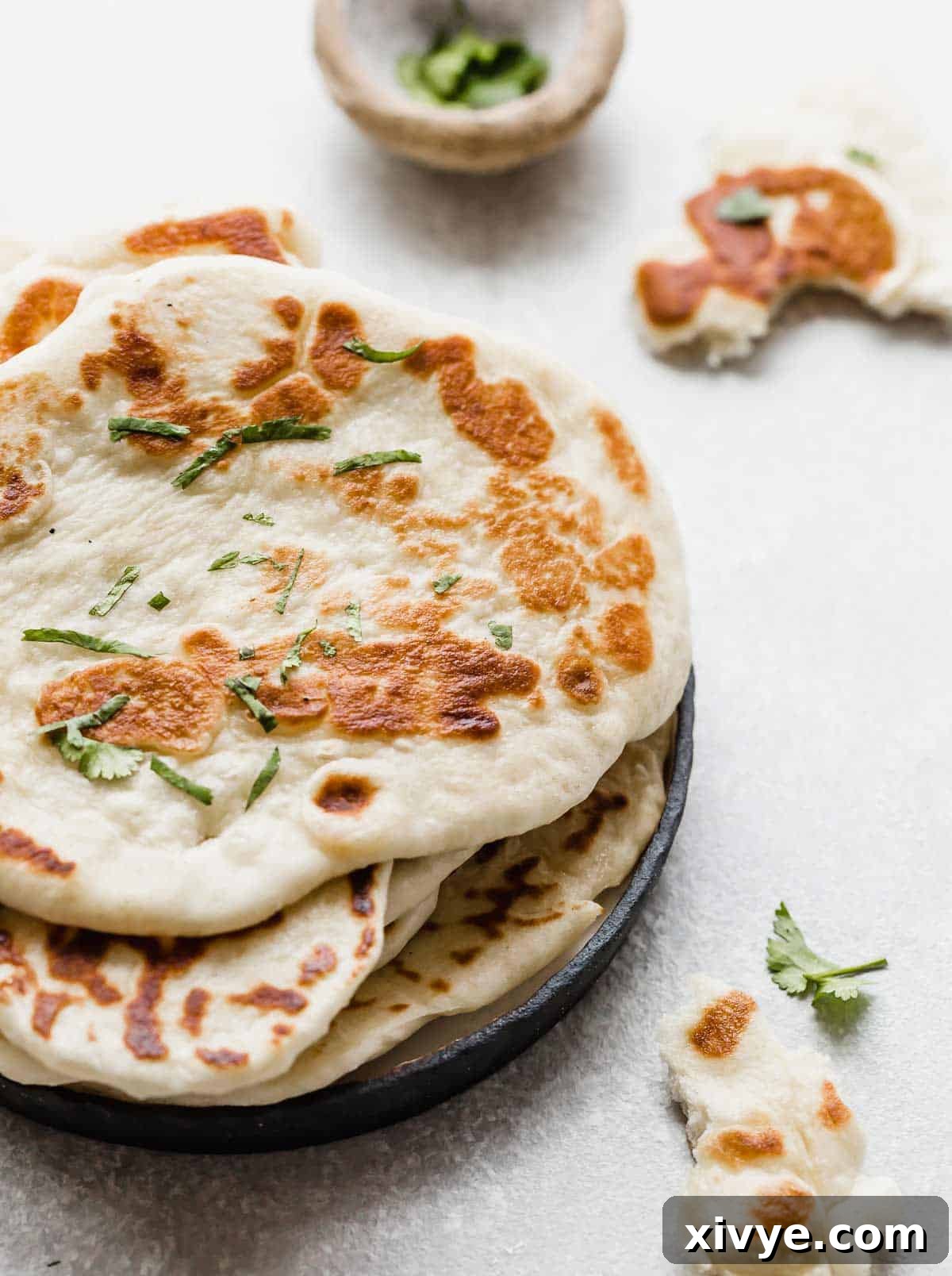
Why This Greek Yogurt Naan Recipe is a Must-Try
There are countless reasons to fall in love with making naan from scratch, and this Greek yogurt variation stands out for its simplicity and exceptional results. Here’s why this recipe will become your new go-to:
- Effortlessly Easy Naan Recipe: Don’t be intimidated by homemade bread! This recipe requires only a handful of common ingredients and straightforward steps, making it an ideal choice for both novice and experienced bakers. You’ll be amazed at how quickly you can achieve restaurant-quality naan at home.
- Unforgettable Greek Yogurt Naan Bread Texture: The star ingredient, Greek yogurt, is the secret to naan that is incredibly soft, tender, and delightfully chewy. It adds a subtle tang and richness, while also contributing to the dough’s elasticity and moisture retention, resulting in a more pliable and flavorful flatbread than traditional recipes.
- Aromatic Garlic Naan Bread Perfection: Our recipe features a simple yet utterly delicious garlic-infused butter that is brushed onto the naan before and after cooking. This step takes the flavor profile to a new level, creating a fragrant and savory experience with every bite. It’s the perfect complement to any meal.
- No Tandoor Oven Required: While traditional naan is famously cooked in a tandoor oven, this recipe is specifically designed for home cooks. You can achieve fantastic results using a simple cast iron skillet or heavy-bottomed pan on your stovetop, bringing authentic flavors without needing specialized equipment.
- Incredibly Versatile: Beyond being a delectable side for curries, this naan can be a base for quick pizzas, a vehicle for dips like hummus, or even a component in creative appetizers. Its neutral yet rich flavor makes it adaptable to almost any cuisine or meal.
Key Ingredients Explained
Achieving perfect Greek Yogurt Naan Bread starts with understanding the role each ingredient plays. Here’s a closer look at what you’ll need and why it matters:
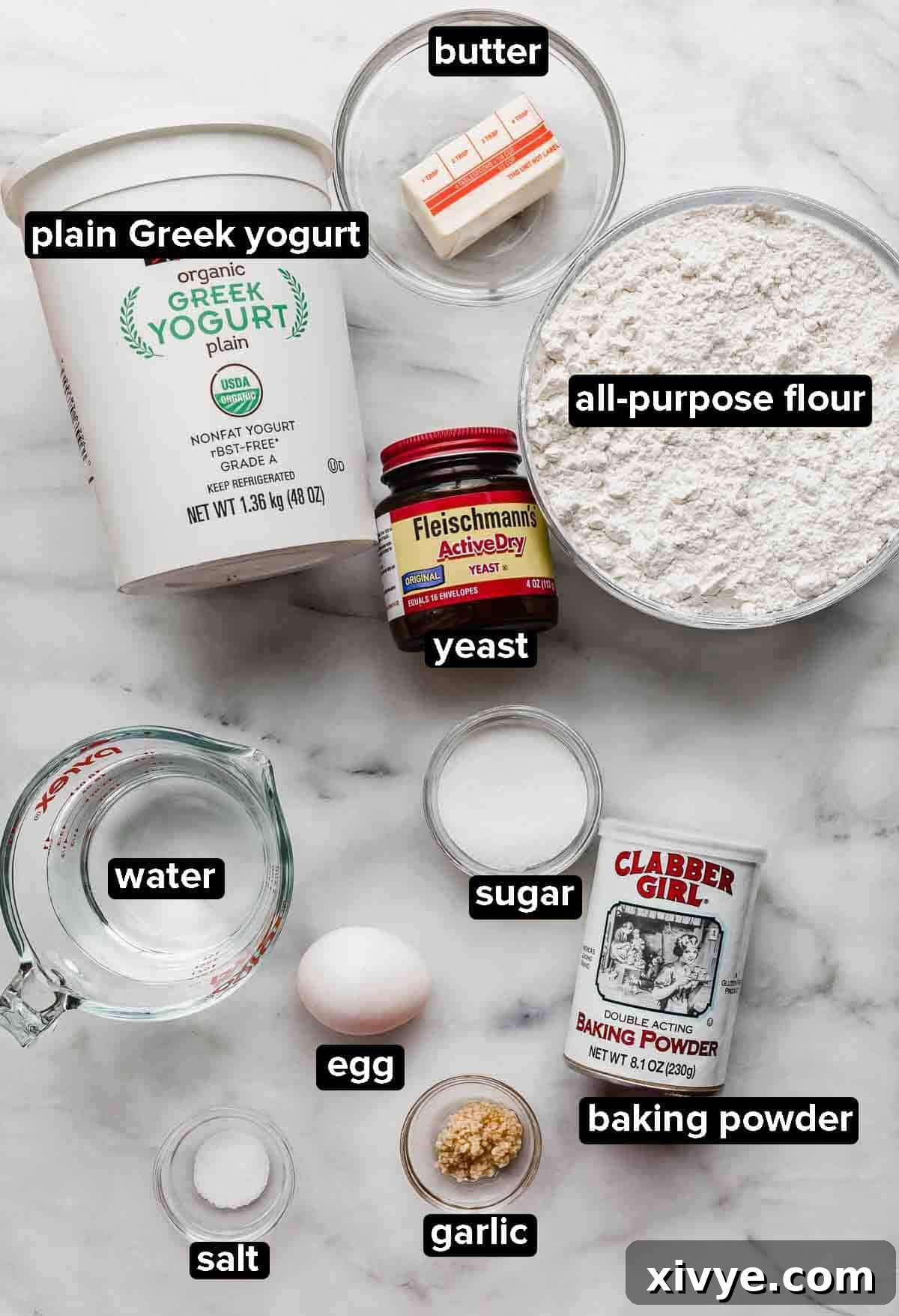
- Warm Water: This isn’t just for mixing; it’s crucial for waking up your yeast. The water should be lukewarm, ideally between 105-115°F (40-46°C). Water that’s too cold won’t activate the yeast, while water that’s too hot can kill it.
- Active Dry Yeast: The primary leavening agent in this yeast naan bread recipe. When activated, the yeast produces carbon dioxide, creating the signature airy bubbles and soft texture of naan. Ensure your yeast is fresh for the best rise.
- Granulated Sugar: A small amount of sugar acts as food for the yeast, helping it to activate more quickly and fully. It also contributes to the beautiful golden-brown color and slightly sweet notes in the final bread, balancing the savory flavors.
- All-Purpose Flour: There’s no need for specialty flours here! Standard all-purpose flour works wonderfully, providing the perfect balance of gluten for a chewy yet tender naan. For a slightly chewier texture, you could experiment with bread flour, but all-purpose is perfectly sufficient.
- Salt: Essential for enhancing the flavor of the naan. Salt also plays a vital role in controlling yeast activity, ensuring a steady and even rise. Don’t skip it!
- Baking Powder: While yeast provides most of the lift, a touch of baking powder acts as a secondary leavening agent, giving the naan an extra boost of fluffiness and contributing to those characteristic air pockets.
- Plain Greek Yogurt: This is the game-changer! Use plain, full-fat Greek yogurt for the best results. It adds incredible moisture, richness, and a slight tang that deepens the flavor profile. The acidity in the yogurt also helps tenderize the gluten, resulting in a supremely soft and pliable dough.
- Large Egg: The egg contributes to the richness, color, and structure of the naan. It acts as a binder, helps create a softer crumb, and adds a subtle depth of flavor.
- Unsalted Butter: Used to create the flavorful garlic infusion. Using unsalted butter gives you more control over the overall saltiness of your naan.
- Fresh Garlic Cloves: Minced fresh garlic is crucial for the aromatic butter. Infusing the butter with fresh garlic ensures that delightful savory essence permeates every piece of naan.
Step-by-Step Instructions for Perfect Greek Yogurt Naan
Follow these detailed steps to create delicious homemade Greek Yogurt Naan Bread that will impress everyone:
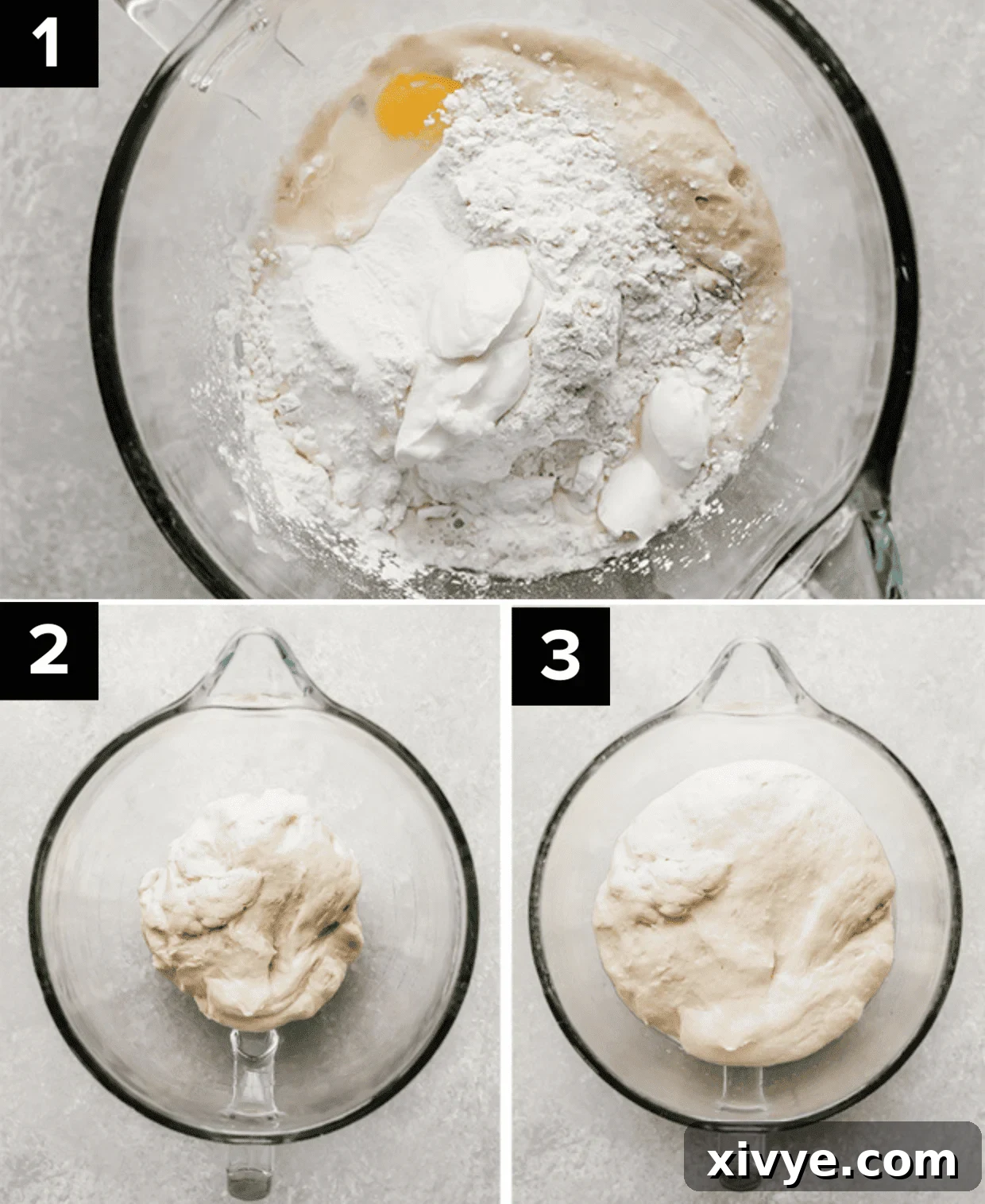
- Activate the Yeast: In the bowl of a stand mixer fitted with the dough hook (or a large mixing bowl if kneading by hand), combine 1 cup warm water, 2 ½ teaspoons active dry yeast, and 1 ½ tablespoons granulated sugar. Give it a quick stir for a few seconds. Let this mixture sit undisturbed for 10 minutes. You’ll know the yeast is active and ready when it becomes foamy and frothy on top, indicating it’s alive and working.
- Prepare the Naan Dough: To the foamy yeast mixture, add 3 ½ cups of all-purpose flour, 1 ½ teaspoons salt, ½ teaspoon baking powder, 3 tablespoons plain Greek yogurt, and 1 large egg. Attach the dough hook and mix on low speed. Continue mixing until all the ingredients are well combined and the dough begins to pull away from the sides of the bowl, forming a cohesive ball. If the dough appears too sticky, add an additional tablespoon of flour, one at a time, until it reaches the right consistency (it should be slightly tacky but not stick excessively to your hands). Increase the speed to medium-low and knead for 4 minutes to develop the gluten, which will give the naan its characteristic chewiness.
- First Rise (Proofing): Carefully remove the naan dough from the stand mixer bowl and lightly oil a separate large bowl. Place the dough in the oiled bowl, turning it once to coat all sides with a thin layer of oil. Cover the bowl with a damp, warm kitchen towel or plastic wrap. Allow the dough to rise in a warm spot for approximately 1 hour, or until it has visibly doubled in size. This crucial step develops flavor and ensures a light, airy texture.
- Craft the Garlic Butter: While the dough is rising, prepare your fragrant garlic butter. In a small sauté pan over medium-low heat, melt ¼ cup of butter. Add the minced garlic cloves to the melted butter and cook gently for about 1 minute, allowing the garlic to infuse its flavor into the butter without browning or burning. Remove from heat. For a smooth garlic butter, carefully pour the infused butter through a fine mesh strainer into a separate bowl to remove the minced garlic bits. If you prefer a stronger garlic presence, you can add some of the strained garlic bits back into the butter. Set aside.
- Divide and Shape the Dough: Once the dough has successfully risen and doubled in size, gently punch it down to release the air. Transfer the dough to a lightly floured surface. Divide the dough into 8 equal pieces. Take each piece and roll it out with a rolling pin into a somewhat circular or oval shape. Aim for a thickness of ¼ inch or less. The exact shape doesn’t need to be perfect – homemade naan often has a charming rustic appeal! Ensure they are thin enough to cook evenly and puff up beautifully.
- Cook the Naan Bread: Heat a large skillet (a cast iron skillet works best) over medium to medium-low heat. It’s important to get the pan hot enough to cook the naan quickly without burning. Lightly brush one side of a rolled-out naan dough piece with your prepared garlic-infused butter. Place the butter-brushed side down onto the hot skillet. As soon as it’s on the pan, brush the top side with more garlic butter. Cook for 60-90 seconds on the first side. You’ll notice bubbles forming on the surface, which is a great sign!
- Flip and Finish: Using tongs, flip the naan to the other side and cook for another 1-2 minutes. Keep a close eye on the naan as it cooks; you may need to adjust your stovetop temperature slightly to prevent burning while ensuring it cooks through. The naan is perfectly done when both sides are beautifully golden brown and lightly charred in spots.
- Serve Warm: Remove the cooked naan from the skillet and place it on a plate. You can stack them and cover with a clean kitchen towel to keep them warm and soft while you cook the remaining pieces. Serve immediately with your favorite Indian dishes or enjoy them on their own!

Expert Tips for Perfect Homemade Naan Every Time
Mastering homemade naan is a rewarding experience. Here are some pro tips to ensure your Greek Yogurt Naan Bread turns out perfectly:
- Kneading by Hand: While a stand mixer simplifies the process, you can absolutely knead this dough by hand. It will require a bit more effort and time, typically 8-10 minutes of continuous kneading, but the results will be just as tender and chewy. Look for a smooth, elastic dough that springs back when gently poked.
- Intensifying Garlic Flavor: If you’re a true garlic lover, don’t discard all the minced garlic bits after straining the butter! Reincorporate some of them back into the butter for an extra punch of garlic flavor and texture. You can also sprinkle a pinch of garlic powder into the dough itself for a deeper garlic base.
- Achieving Ideal Dough Thickness: The rolled-out naan should be no thicker than ¼ inch. Keeping it thin is crucial because the naan will puff up significantly as it cooks. If the dough is too thick, it may not cook evenly through the center, resulting in a dense or undercooked interior. Roll them as thin as you comfortably can without tearing.
- Temperature Control is Key: Pay close attention to your skillet’s temperature. Start with medium to medium-low heat. If the pan is too hot, the naan will burn on the outside before cooking through. If it’s too cool, it won’t puff up or get that lovely golden char. Adjust the heat as needed between batches for consistent results. You want a sizzle when the dough hits the pan, but not immediate browning.
- Watch for Bubbles: The appearance of large bubbles on the surface of the naan is a good indicator that it’s cooking well and that the leavening agents are working. These bubbles signify pockets of steam and air expanding within the dough.
- Don’t Overcrowd the Pan: Cook naan one at a time, or two if your skillet is large enough, to avoid overcrowding. This ensures even heat distribution and proper cooking.
- Add Fresh Herbs: For an extra layer of freshness, sprinkle chopped fresh cilantro or parsley over the garlic-buttered naan just after it comes off the skillet.
- Rest Time Matters: Allow the dough its full rising time. Rushing this step can lead to dense, less flavorful naan. A warm, draft-free environment is ideal for proofing.
Make Ahead, Storing, and Freezing Naan
Naan is best enjoyed fresh, but it stores remarkably well! Here’s how to keep your homemade Greek Yogurt Naan delicious for longer:
- Storing at Room Temperature: Cooked naan can be stored in an airtight container or a large ziplock bag at room temperature for up to 3 days. This helps maintain its softness and prevents it from drying out.
- Refrigeration: For longer storage, transfer the naan to an airtight container or bag and refrigerate for up to 5 days.
- Freezing for Long Term: To freeze naan, first allow it to cool completely. Then, wrap individual pieces tightly in aluminum foil, followed by placing the foil-wrapped flatbreads into a freezer-safe zip-top bag. This double layer of protection prevents freezer burn. You can freeze homemade naan for 1-2 months.
- Reheating Frozen Naan: When you’re ready to enjoy frozen naan, remove it from the freezer and let it come to room temperature. You can then gently warm it in a microwave for 15-30 seconds per piece, or wrap it in foil and reheat in a preheated oven at 350°F (175°C) for 5-10 minutes, until soft and warm. For a slightly crispy texture, warm it briefly in a dry skillet over medium heat.

Frequently Asked Questions About Naan Bread
Let’s address some common queries about this fantastic Indian flatbread:
Naan is incredibly versatile! It acts as the perfect “spoon” to scoop up rich, saucy dishes like curries, stews, and lentil dahl. Beyond that, it’s wonderful with various dips like hummus, baba ghanoush, or raita. You can also use it as a wrap for kebabs, grilled meats, or even fill it with cheese for a quick snack. Its mild, slightly tangy flavor makes it a great base for almost any topping.
Naan is a leavened oven-baked flatbread, a staple in cuisines across Western, Central, and South Asia. “Leavened” means it uses a raising agent, such as yeast (and often baking powder/soda, as in this recipe), to make it rise and become fluffy. Traditionally, naan is cooked on the interior walls of a tandoor, a cylindrical clay oven, which gives it its characteristic smoky flavor and bubbly texture. Our Greek yogurt naan recipe achieves a similar wonderful texture using a simple cast iron skillet on the stovetop.
For this homemade naan recipe, regular all-purpose flour works exceptionally well and is readily available. It provides a tender crumb with a good chew. While some recipes might call for bread flour for a chewier texture or whole wheat flour for added nutrients, all-purpose flour strikes the perfect balance for a soft, pliable naan without needing any fancy ingredients.
No tandoor? No problem! The best way to replicate the high heat of a tandoor at home is by using a heavy-bottomed skillet, such as a cast iron skillet or a sturdy sauté pan, on your stovetop. Heating the pan over medium to medium-high heat allows the naan to cook quickly, puff up, and develop beautiful browned spots, mimicking the tandoor effect. Alternatively, you can use a pizza stone in a very hot oven or even cook naan on a grill.
Greek yogurt is a star ingredient here because its acidity helps to tenderize the gluten in the flour, resulting in a much softer and more pliable naan. It also adds moisture, a rich creaminess, and a delightful subtle tang that enhances the overall flavor. While you *could* substitute with plain regular yogurt, or even sour cream, Greek yogurt’s thicker consistency and higher fat content provide superior texture and flavor. For a dairy-free option, a thick plain plant-based yogurt (like almond or soy Greek yogurt) might work, though results may vary.
There are a few common reasons why naan might not puff: 1) Inactive yeast (check expiration date, use warm water). 2) Dough not rising enough (needs sufficient proofing time in a warm environment). 3) Dough rolled too thick (aim for ¼ inch or less). 4) Skillet not hot enough (needs medium to medium-high heat to create steam quickly). 5) Overworking the dough (can make it tough and prevent puffing). Ensure your yeast is fresh, your dough rises fully, and your pan is properly heated for maximum puff!

Delicious Recipes to Serve with Your Naan
Naan is the ultimate companion to a wide array of flavorful dishes. Here are some fantastic recipes from our collection that pair perfectly with your homemade Greek Yogurt Naan Bread:
- Creamy Coconut Curry Noodles with Vegetables
- Authentic Thai Massaman Curry
- Hearty Curry Chicken Rice and Peas
- Nutritious Chickpea and Spinach Curry
- Flavorful Vegetarian Butter Cauliflower (a twist on Butter Chicken)
Did you try this amazing Greek Yogurt Naan Bread recipe? We’d love to hear your thoughts! Please leave a star rating and a review to let us know how much you enjoyed it. Your feedback helps us and other home cooks. Don’t forget to share your creations! Tag @saltandbaker on Instagram, TikTok, YouTube, Facebook, and Pinterest so we can celebrate your culinary successes!

Greek Yogurt Naan Bread
Homemade naan is easy to make and utterly delicious. This version features the richness of Greek yogurt and is topped with an aromatic garlic-infused butter for an unforgettable flavor experience.
Author: Whitney Wright
Prep Time: 25 mins
Cook Time: 20 mins
Rest Time: 1 hr
Total Time: 1 hr 45 mins
Servings: 8 servings
Rating: 4.86 from 7 votes
Print Recipe
Ingredients
- 1 cup warm water
- 2 ½ teaspoon active dry yeast
- 1 ½ tablespoons granulated sugar
- 3 ½ cups all purpose flour
- 1 ½ teaspoons salt
- ½ teaspoon baking powder
- 3 tablespoons plain Greek yogurt
- 1 large egg
- ¼ cup butter
- 3 garlic cloves, minced
Instructions
- In the bowl of a stand mixer fitted with the dough hook, add the warm water, sugar, and yeast. Mix for a few seconds until combined. Let sit for 10 minutes until yeast becomes foamy.
- Add the flour, salt, baking powder, Greek yogurt, and egg to the bowl. Mix on low speed until the dough is smooth and pulls away from the sides of the bowl. If too sticky, add a touch more flour. Continue mixing for 4 minutes.
- Remove the dough and place it in a lightly oiled bowl. Cover with a damp warm towel and let rise for 1 hour or until doubled in size.
- In a sauté pan, over medium-low heat, melt the butter and add the minced garlic cloves. Cook for 1 minute to infuse the butter. Pour the garlic-infused butter through a fine mesh strainer and discard the garlic bits. Keep the garlic butter nearby in a separate bowl.
- Once the dough has risen, divide it into 8 equal sized dough balls.
- On a lightly floured surface, roll each ball out into a circular/oval shape, no greater than ¼ inch thick. Repeat with all dough balls.
- Heat a large sauté pan or cast iron skillet over medium to medium-low heat. Brush the naan with the garlic-infused butter on both sides. Place the naan on the skillet and cook for 60 to 90 seconds. Flip the dough and cook the other side for another minute or so, adjusting heat as needed. The naan is done when both sides are golden brown and lightly charred.
- Remove from the pan and place on a plate. You can cover the naan with a towel to keep it from drying out if desired. Serve warm.
Notes
Cooked naan will last up to 3 days at room temperature in an airtight container or ziplock bag. For longer storage, refrigerate for up to 5 days or freeze for 1-2 months (wrapped tightly in foil and a freezer bag).
Nutrition Facts (per serving)
- Calories: 286 kcal (14%)
- Carbohydrates: 46g (15%)
- Protein: 8g (16%)
- Fat: 7g (11%)
- Saturated Fat: 3g (15%)
- Cholesterol: 41mg (14%)
- Sodium: 503mg (21%)
- Potassium: 141mg (4%)
- Fiber: 2g (8%)
- Sugar: 2g (2%)
- Vitamin A: 215IU (4%)
- Vitamin C: 0.3mg
- Calcium: 33mg (3%)
- Iron: 2.7mg (15%)
Course: Side Dish
Cuisine: Indian
Please leave a star rating and review on the blog post letting me know how you liked this recipe! Take a picture and tag @saltandbaker on Tik Tok, Instagram, and Facebook so I can see what you’re making!
I am a participant in the Amazon Services LLC Associates Program, an affiliate advertising program designed to provide a means for us to earn fees by linking to Amazon.com and affiliated sites.