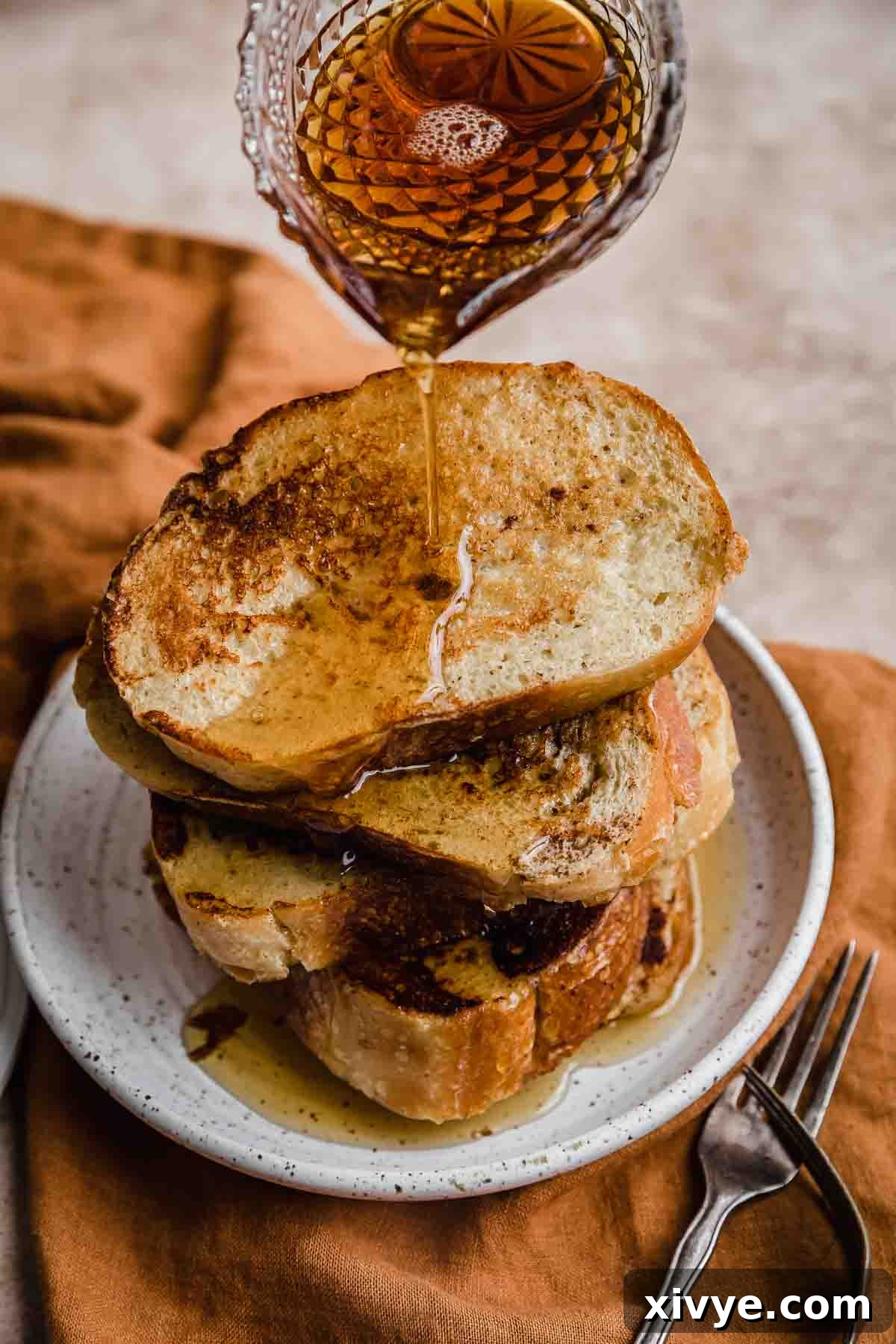
Elevate your breakfast or brunch experience with this ultimate French Bread French Toast recipe. Imagine golden-brown crusts giving way to soft, fluffy interiors, all infused with a rich, aromatic custard featuring cinnamon, vanilla, and a hint of brown sugar. This isn’t just French toast; it’s a culinary masterpiece that promises to transform your morning meal into an unforgettable indulgence. Forget soggy bread or bland flavors – we’re taking things to a whole new level of deliciousness, making every bite a perfect blend of texture and taste.
Whether you’re hosting a special brunch, treating your family to a weekend feast, or simply craving something extraordinary, this recipe is guaranteed to impress. Serve it alongside perfectly Oven-Cooked Bacon and creamy Cheesy Scrambled Eggs for a complete, satisfying meal that will have everyone asking for seconds. Get ready to discover your new favorite way to make French toast!
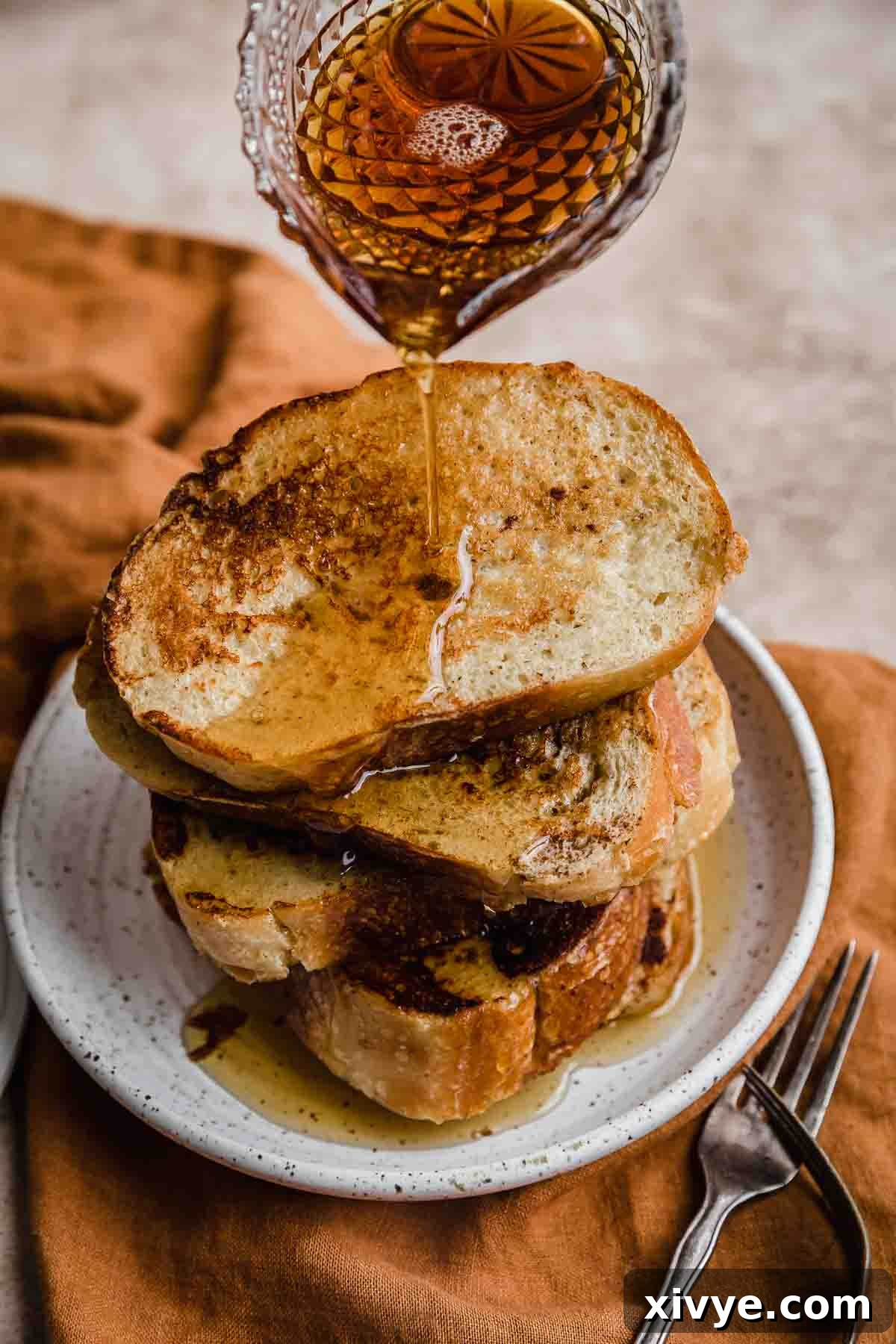
Why This French Bread French Toast Recipe Stands Out
There are countless French toast recipes out there, but this one distinguishes itself by focusing on key elements that deliver unparalleled flavor and texture. Here’s why this French Bread French Toast will become your go-to recipe:
- The Superiority of French Bread: We move beyond traditional sandwich bread or even Texas toast by choosing authentic French bread. Its robust crust, airy crumb, and ability to absorb the custard without becoming mushy are simply unmatched. This ensures that coveted contrast between a crisp exterior and a tender, moist interior.
- Perfectly Balanced Custard: The heart of any great French toast is its egg and milk mixture. Our recipe features a carefully calculated ratio of fresh eggs, whole milk, aromatic vanilla extract, warm ground cinnamon, and a touch of brown sugar and salt. This blend creates a rich, flavorful custard that perfectly coats each slice, penetrating just enough to moisten without oversaturating, and caramelizing beautifully when cooked.
- Optimal Texture Every Time: Say goodbye to bland, soggy French toast. This recipe guides you to achieve that perfect golden-brown crust and a consistently soft, custardy center. The secret lies in the right bread, the precise custard blend, and careful temperature control during cooking, ensuring a delightful bite with every piece.
Key Ingredients for Exceptional French Toast
Each ingredient plays a crucial role in creating the best French Bread French Toast. Selecting quality ingredients and understanding their function will elevate your results.
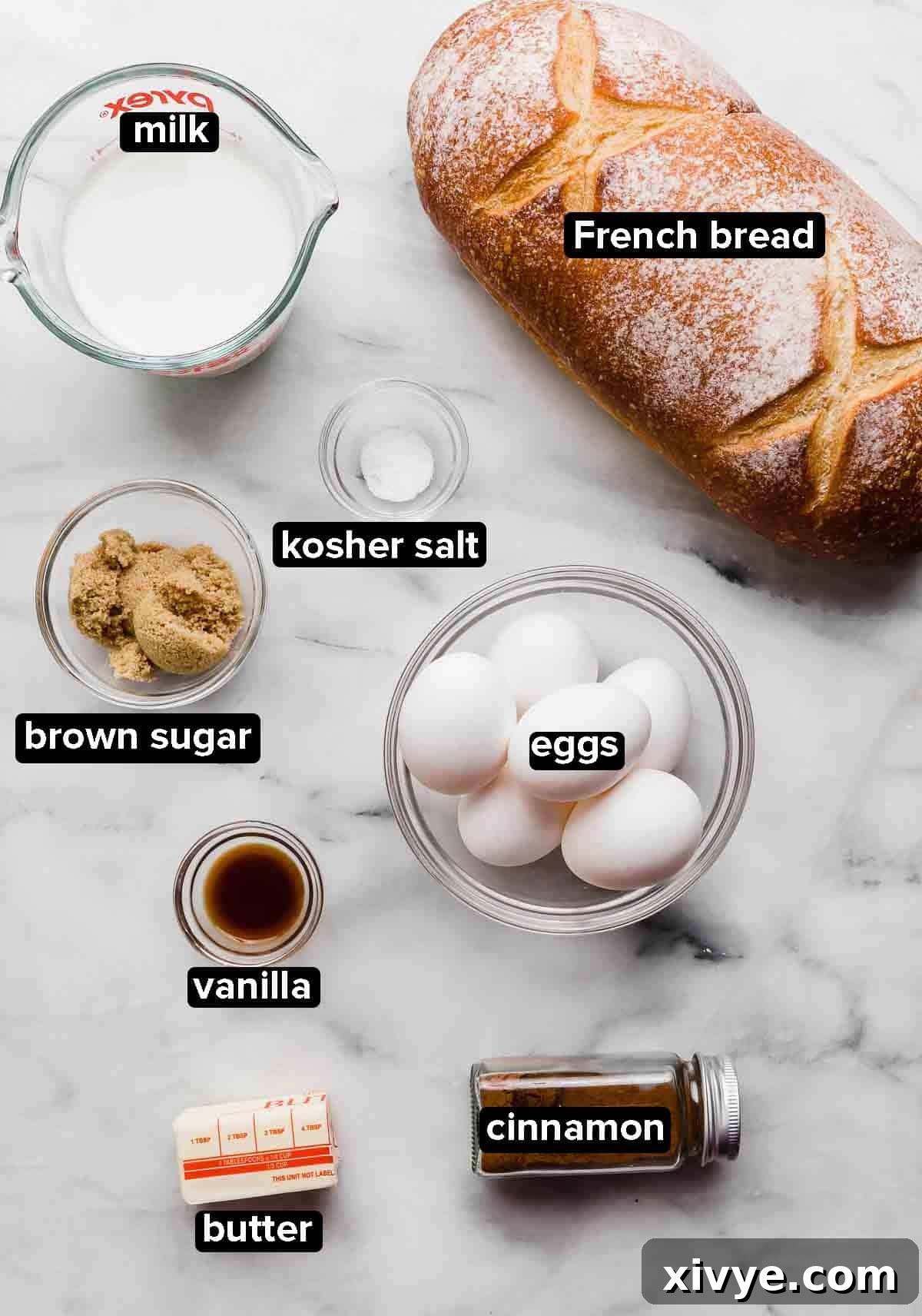
- French Bread: This is the star of the show. For optimal results, aim for a day-old loaf of French bread, as slightly stale bread absorbs the egg mixture more effectively without falling apart. A sturdy, chewy crust and a somewhat dense interior are ideal. While two loaves were used in the original recipe (often from places like Costco where loaves are smaller), a single large, high-quality French loaf might be sufficient depending on its size. Slicing the bread thick, around ½-inch, is crucial to prevent sogginess and maintain a satisfying texture.
- Large Eggs: The eggs form the base of our luxurious custard. Using large eggs ensures the correct protein and fat content for a rich mixture that binds and coats the bread beautifully. The right ratio of eggs to milk is paramount for achieving that desirable custardy interior without tasting too “eggy.”
- Milk: Any percentage of milk (1%, 2%, or whole milk) will work, with whole milk offering the richest flavor. For dietary reasons, you can experiment with milk substitutes like almond milk or coconut milk, but be aware that they will impart their unique flavors to the French toast. Traditional dairy milk provides the most neutral and classic taste.
- Brown Sugar: This isn’t just for sweetness; brown sugar adds a subtle caramel note and helps achieve a beautiful golden-brown color during cooking. Its molasses content contributes to a deeper, more complex flavor profile than white sugar, making it the “secret ingredient” for truly irresistible French toast.
- Ground Cinnamon: A touch of ground cinnamon provides warmth and a classic, comforting aroma that is synonymous with French toast. It beautifully complements the sweetness and richness of the other ingredients. You can also add a pinch of nutmeg or a mixed spice blend for more complex flavors.
- Vanilla Extract: For the best possible flavor, use a high-quality pure vanilla extract. It enhances the overall sweetness and adds a depth of flavor that cheap imitations simply cannot replicate. Vanilla bean paste is another excellent alternative for an even more pronounced vanilla flavor.
- Kosher Salt: A small amount of salt is essential to balance the sweetness and brighten all the other flavors in the custard. It prevents the French toast from tasting flat and brings out the best in the cinnamon and vanilla.
- Butter (for cooking and topping): Melted butter on the griddle prevents sticking and adds an incredible richness and flavor to the crust. Brushing a little extra melted butter on the cooked slices before serving takes the indulgence to the next level.
- Favorite Toppings: The possibilities are endless! Warm maple syrup (pure maple syrup is best), homemade buttermilk syrup, fresh berries (strawberries, blueberries, raspberries), a dollop of whipped cream, powdered sugar, sliced bananas, or even a sprinkle of chopped nuts can transform your French toast into a personalized delight.
Crafting Your Perfect French Toast: Step-by-Step Guide
Follow these detailed steps to create flawless French Bread French Toast every time. Precision and attention to detail ensure a perfect outcome.
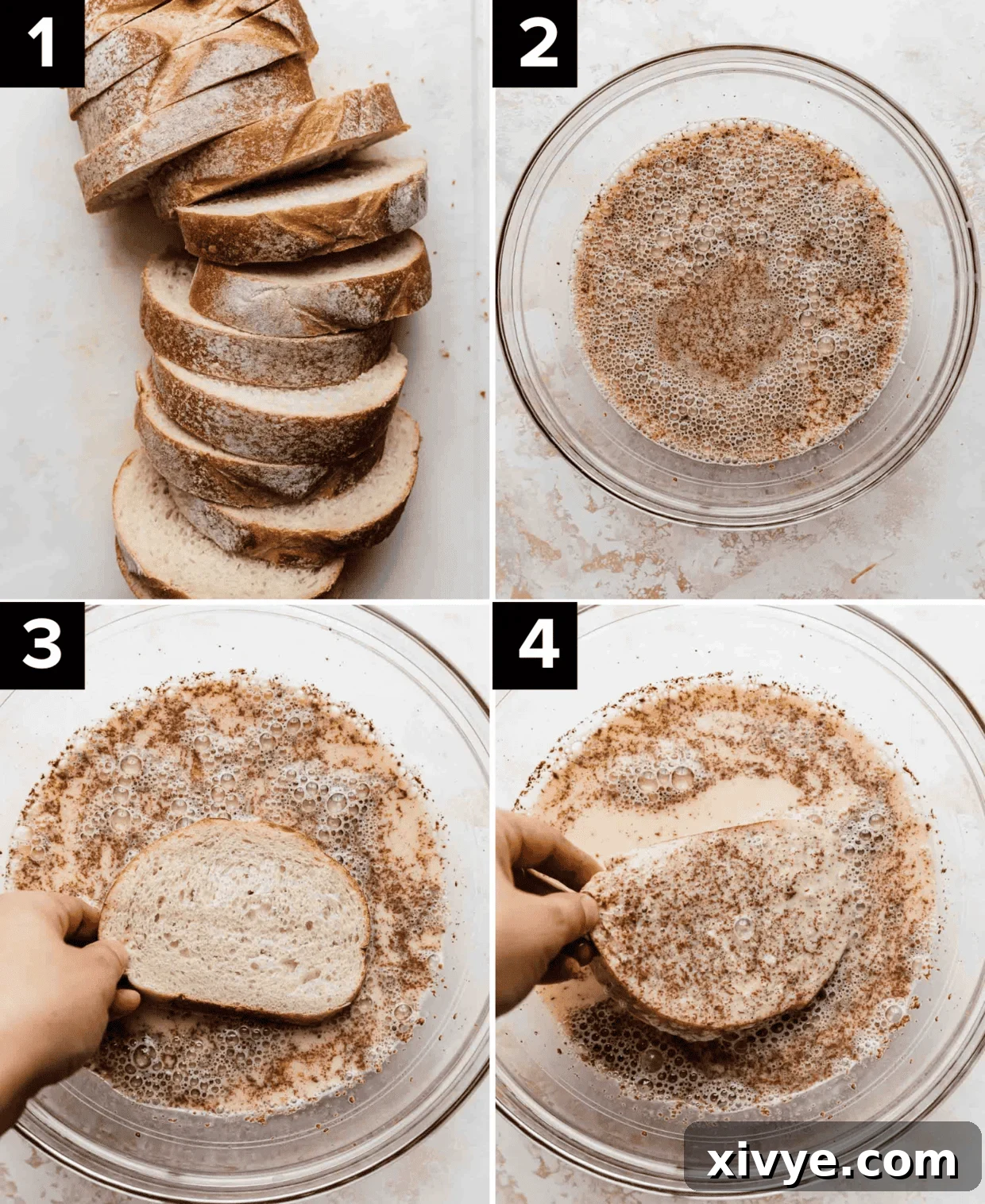
- Prepare the Bread: Begin by slicing your French bread into uniform ½-inch thick slices. This thickness is crucial for the bread to absorb enough custard without becoming overly saturated or mushy. The very ends of the loaf can be discarded or saved for another use, such as making croutons.
- Create the Custard Mixture: In a large bowl (or a blender for ease and thoroughness), combine 6 large eggs, 1 ¾ cups of milk, 3 tablespoons of packed brown sugar, ½ teaspoon of high-quality vanilla extract, 1 teaspoon of ground cinnamon, and ¼ teaspoon of kosher salt. Whisk vigorously or blend until all ingredients are thoroughly combined and the mixture is smooth, with no streaks of egg white remaining. If you used a blender, transfer the custard to a shallow, wide bowl for easy dipping.
- Preheat the Griddle: Place a pancake griddle or a large non-stick skillet over medium heat and allow it to preheat to a temperature between 300°F and 325°F. Proper preheating is essential for achieving an even golden-brown crust without burning the exterior or leaving the interior undercooked. You can test the temperature by sprinkling a few drops of water onto the surface; they should sizzle and evaporate immediately.
- Dip the French Bread: Once your griddle is warm and ready, take a slice of French bread and gently dip it into the egg mixture. Flip the slice to ensure both sides are fully coated. The key is to soak the bread just long enough for it to absorb the custard but not so long that it becomes waterlogged and fragile. About 5-10 seconds per side is usually sufficient for ½-inch thick French bread. Avoid leaving the bread submerged for too long to prevent sogginess.
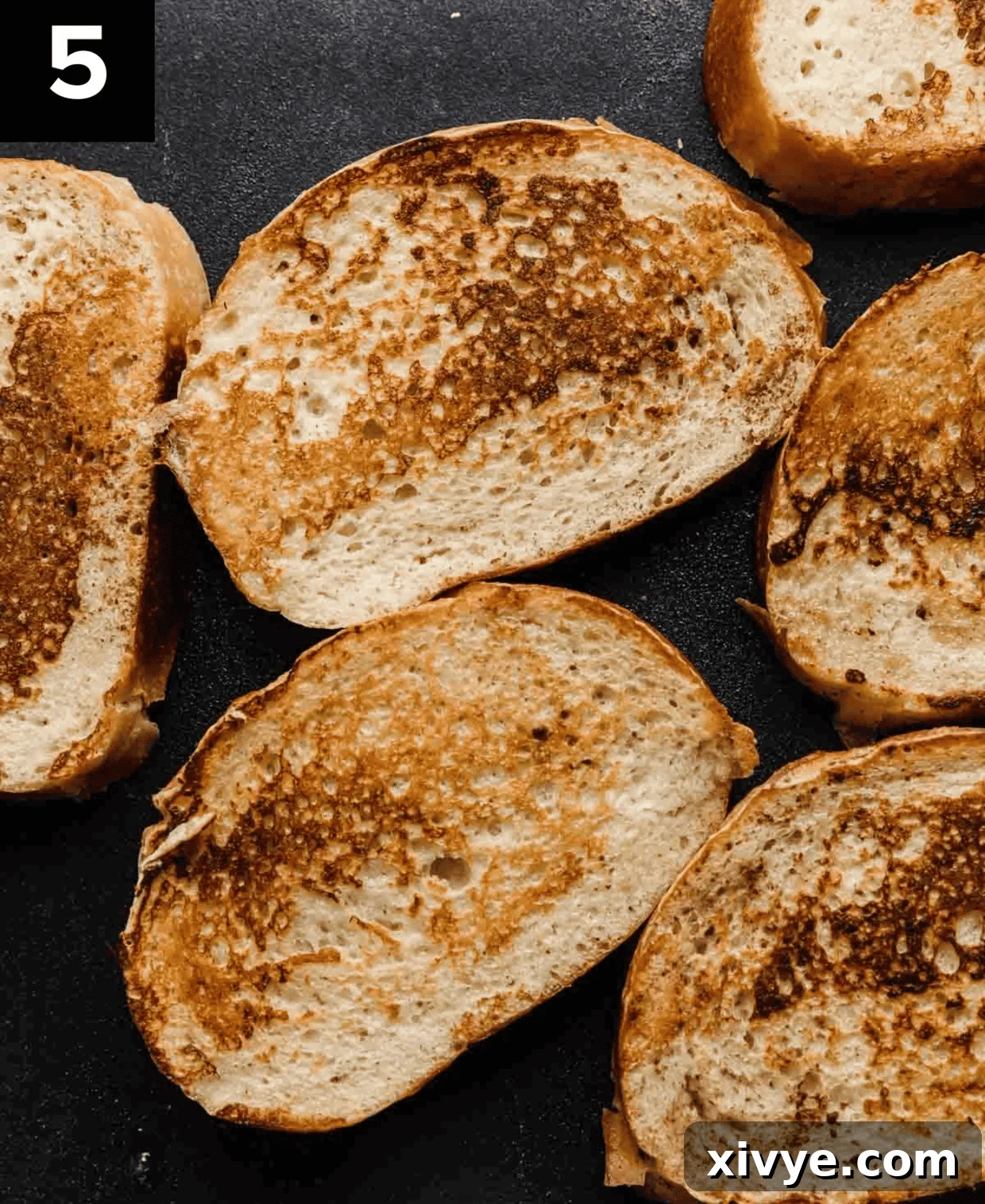
- Cook to Golden Perfection: Carefully place the egg-coated bread slices onto the preheated griddle. Cook each side for approximately 3-4 minutes, or until it achieves a beautiful golden-brown color and the edges appear set. It’s crucial not to cook the French toast on too high heat. High heat will quickly burn the outside while leaving the inside raw and mushy. A steady medium heat allows the bread to cook through evenly, resulting in a soft, custardy interior and a perfectly crisp exterior.
- Add a Buttery Finish (Optional but Recommended): Just before removing the French toast from the griddle, place a small pat of butter on top of each slice. The melting butter will seep into the warm bread, adding an extra layer of richness and flavor. This simple step elevates the taste significantly.
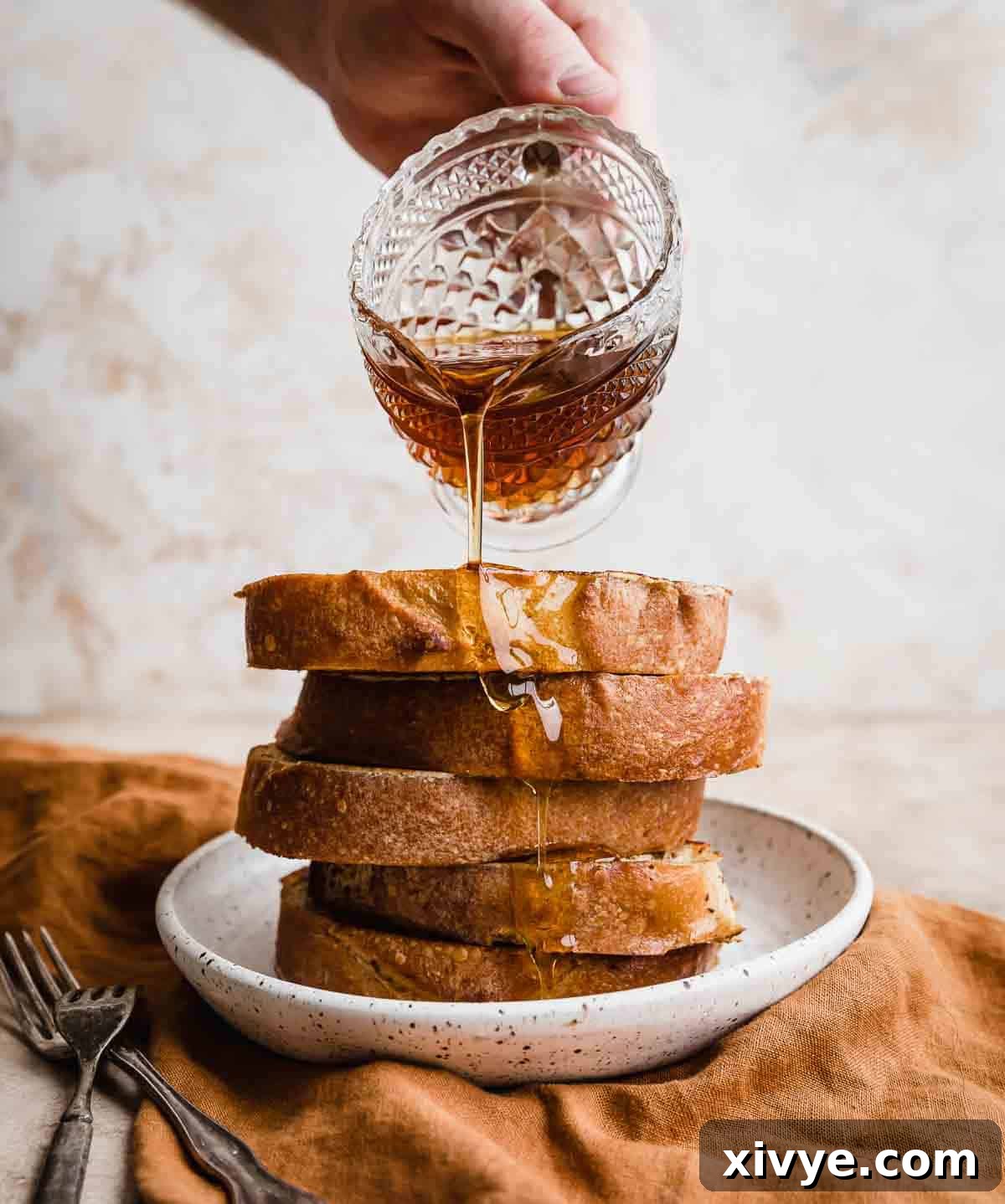
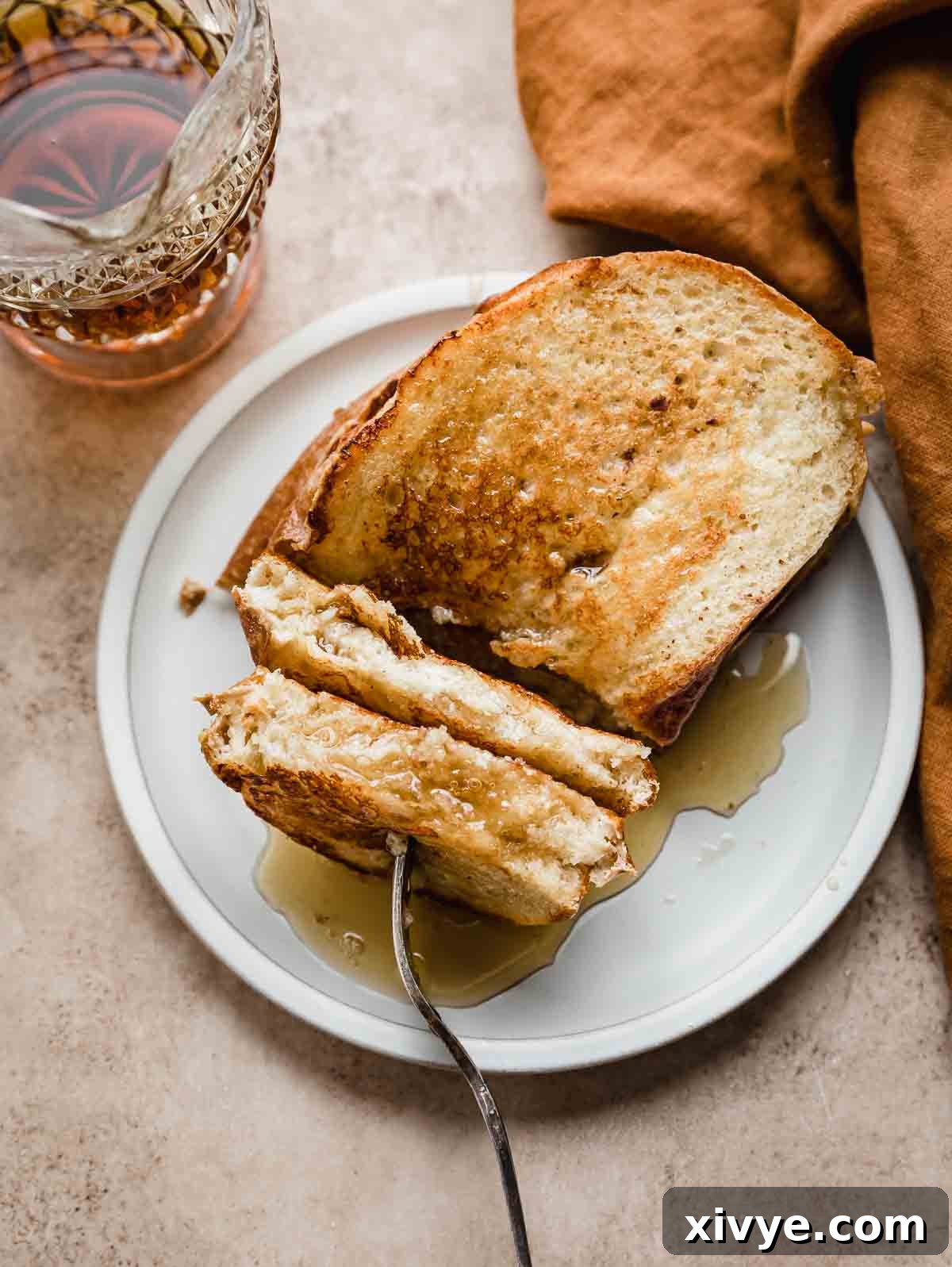
- Serve Immediately: Transfer the cooked French toast to plates and serve piping hot! Garnish with your favorite toppings such as warm maple syrup, fresh berries, a dusting of powdered sugar, or a dollop of whipped cream. Enjoy your masterpiece right away for the best taste and texture experience.
Expert Tips for French Toast Success
Achieving truly exceptional French Bread French Toast goes beyond just following the steps. Here are some invaluable tips to ensure your creation is nothing short of perfect:
- Yield and Adjustments: This recipe is designed to yield approximately 6-7 servings, with each person enjoying about 3 hearty slices. If you’re cooking for a smaller crowd, feel free to halve the recipe for both the bread and the custard mixture. Consistency in ratios is key, so adjust all ingredients proportionally.
- Choose the Right Dipping Dish: A shallow, wide baking dish or a pie plate works best for dipping the bread. It allows you to easily submerge the slices without needing excessive custard depth, making the process cleaner and more efficient.
- Keeping French Toast Warm for a Crowd: If you’re making a large batch and want to serve everyone at once, preheat your oven to a low temperature, around 200°F (95°C). As each batch finishes cooking on the griddle, transfer the slices to a baking sheet or baking dish and keep them warm in the oven. This ensures all your French toast is hot and ready when it’s time to eat.
- The Ideal Bread Thickness: The recommended ½-inch thickness for your French bread slices is not arbitrary. This measurement strikes the perfect balance: thick enough to provide substance and a good chew, yet thin enough to absorb the egg mixture thoroughly and cook evenly through to the center. Thinner slices risk becoming too soggy, while overly thick slices might remain raw in the middle.
- Mastering Griddle Temperature: Consistent medium heat is your best friend. Resist the urge to crank up the heat to speed up cooking. High heat will quickly burn the exterior of your French toast, creating a dark, crusty outside while leaving the inside undercooked and unpleasant. A steady medium heat ensures the exterior browns beautifully while the interior custardy goodness cooks through.
- Day-Old Bread Advantage: While fresh French bread can be used, day-old or slightly stale bread is often preferred for French toast. The slightly dried-out texture allows it to absorb the custard more efficiently without instantly turning mushy. This results in a better texture contrast after cooking.
- Finishing with Butter: Don’t skip the step of brushing or dabbing a small piece of melted butter on top of each slice just before removing it from the griddle. This imparts a rich, glossy finish and an extra layer of buttery flavor that truly makes a difference.
Make Ahead, Storing, and Freezing Options
While French toast is best enjoyed fresh, you can still plan ahead and manage leftovers effectively:
- Make Ahead: For the freshest taste and texture, it’s generally best to cook French toast just before serving. However, if you want to get a head start, you can prepare the egg custard mixture the night before. Simply whisk all the ingredients together and store the mixture in an airtight container in the refrigerator. Give it a quick whisk again in the morning before dipping your bread.
- Storing Leftovers: Any leftover French toast can be stored in an airtight container or a resealable plastic bag in the refrigerator for 2-3 days. To reheat for best results, use a toaster, toaster oven, or a griddle. Microwaving is an option, but it won’t yield the desirable crispy exterior and soft interior.
- Freezing for Future Feasts: French toast freezes beautifully! To freeze, arrange the cooked and cooled slices in a single layer on a baking sheet and flash freeze until solid (this prevents them from sticking together). Once frozen, transfer the slices to a freezer-safe ziplock bag or airtight container, placing parchment paper between slices if stacking. Store in the freezer for up to 1 month. Reheat directly from frozen in a toaster, toaster oven, or on a griddle until warmed through and crispy.
Frequently Asked Questions (FAQs)
How do I reheat leftover French toast for the best results?
For optimal texture, I recommend reheating French toast in a toaster, toaster oven, or on a griddle. This method helps restore the crispy exterior and soft interior. While microwaving works for heating, it often results in a softer, less desirable texture.
What’s the secret to preventing soggy French toast?
The key to avoiding soggy French toast is to control the dipping time. Don’t let the bread sit in the egg mixture for too long. A quick dip and flip, ensuring both sides are coated but not saturated, is sufficient. You want the bread to absorb enough moisture for a custardy inside, but not so much that it loses its structure.
Should I use fresh or day-old bread for French toast?
While fresh bread can work, day-old or slightly stale French bread is often preferred. Its slightly drier texture allows it to absorb the custard more evenly and thoroughly without immediately breaking down. This helps create a more resilient and perfectly textured French toast.
Which type of bread is truly best for French toast?
Without a doubt, French bread is the champion for French toast! Its sturdy crust and airy, yet dense, crumb provide the ideal balance of structure and absorbency. This results in that perfect contrast of a crispy exterior and a wonderfully tender, custardy interior, making it truly the best bread choice.
Can I make this recipe dairy-free or gluten-free?
Yes, you can adapt this recipe! For a dairy-free version, simply substitute regular milk with your favorite unsweetened dairy-free milk alternative, such as almond milk, oat milk, or soy milk. Be mindful that this may slightly alter the flavor profile. For gluten-free French toast, use a good quality, sturdy gluten-free French bread or sourdough loaf. Ensure it’s thick-sliced to hold up to dipping.
More Delicious Breakfast & Brunch Recipes
Looking for more amazing ways to start your day or host a fabulous brunch? Explore these other delightful breakfast recipes:
- Irresistible Chocolate Chip Waffles
- Fluffy Almond Milk Pancakes
- Classic English Pancakes
- Perfect Buttermilk Waffles Recipe
- Traditional German Pancakes
Have you tried this incredible French Bread French Toast recipe? We’d absolutely love to hear about your experience! Please leave a star rating and review below the recipe card, or scroll down to the comments section to share your thoughts. Your feedback helps us and others discover amazing new dishes!
Stay connected and up-to-date with all our latest recipes and culinary adventures by following us on Instagram, TikTok, YouTube, Facebook, and Pinterest.
Print
SaveSaved!
Review
French Bread French Toast
 Whitney Wright
Ingredients
- 2 loaves French bread – (I used the loaves from Costco, feel free to half the recipe if you want to make less). Also note, if you have a large French loaf, you may only need 1!
- 6 large eggs
- 1 ¾ cups milk
- 3 tablespoons brown sugar – packed
- 1 teaspoon ground cinnamon
- ½ teaspoon vanilla extract
- ¼ teaspoon kosher salt
- butter – for topping, optional
Instructions
-
Slice the French bread into ½ inch slices, discard the very ends or save them for later use.
-
In a large bowl (or a blender) add the eggs, milk, brown sugar, cinnamon, vanilla, and salt. Beat or blend until combined. If using a blender, transfer the mixture to a large bowl.
-
Heat a flat griddle to 300°- 325°F or medium heat. Dip a slice of bread into the egg mixture and turn it over to coat both sides. Place the egg coated bread on the warm skillet. Continue dipping the bread and placing it on the skillet until filled.
-
Cook about 3-4 minutes per side. The outsides should be golden brown. The key to making French toast is to cook it on medium heat (don’t want it too hot otherwise you’ll scorch the outsides and the insides will be raw and still mushy).
-
Just prior to removing the French toast from the griddle, add a small piece of butter to the top of each bread… totally optional, but I love doing this!
-
Eat immediately with desired toppings, or place the French toast in a 200°F preheated oven until ready to serve.
Notes
Store leftovers in the fridge in a ziplock bag or airtight container for 2-3 days. Reheat in the toaster or on the griddle.