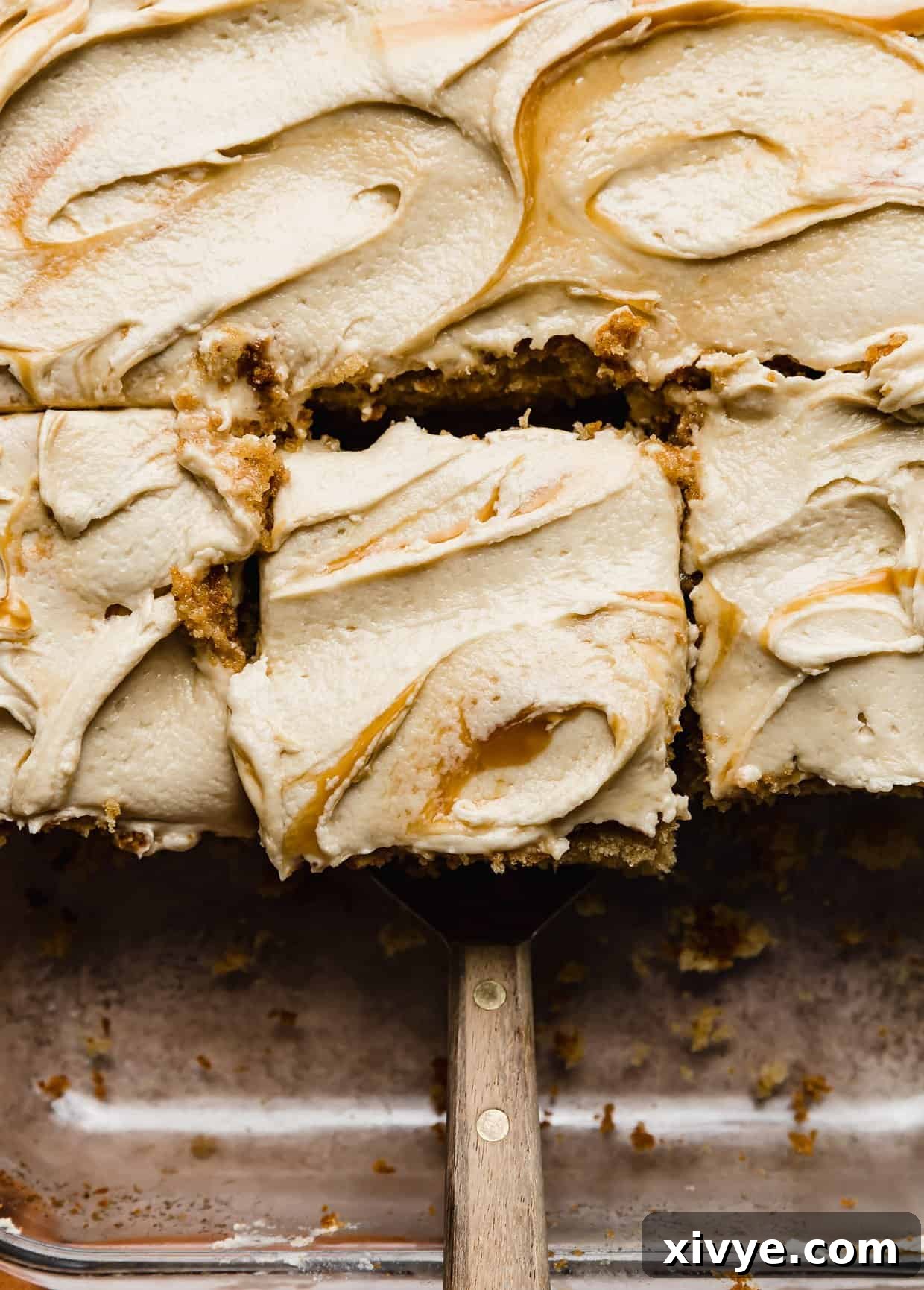
Welcome to the ultimate indulgence: a homemade Butterscotch Cake that promises to be the centerpiece of any dessert table. This exquisite cake features a foundation of incredibly moist brown butter cake, creating a depth of flavor that is both nutty and subtly caramel-like. It’s then generously crowned with a luscious, from-scratch butterscotch frosting, enriched with our decadent Homemade Butterscotch Sauce. Prepare to be captivated by every tender, sweet, and utterly delicious bite.
My journey into the world of butterscotch began with a revelation: discovering how unbelievably simple it is to craft homemade butterscotch sauce, and how utterly phenomenal it tastes. This newfound passion quickly evolved into a full-blown butterscotch obsession! That very same homemade sauce, which takes center stage in this cake, is also the secret ingredient in my delightful Butterscotch Shake and the inspiration behind my creamy Butterscotch Ice Cream. If you adore the rich, caramelized notes of butterscotch, you’re in for a treat with this cake!
Why This Butterscotch Cake Recipe Is a Must-Try
This isn’t just another cake recipe; it’s a meticulously crafted dessert designed for maximum flavor and an unforgettable texture. Here’s a closer look at what makes our Butterscotch Cake truly exceptional:
- Unrivaled Moisture and Tenderness: The cake boasts an incredibly moist and tender crumb, a direct result of two key ingredients: vegetable oil and buttermilk. The oil remains liquid at room temperature, contributing to a consistently soft and plush texture that won’t dry out easily. Meanwhile, the lactic acid in buttermilk plays a crucial role in breaking down gluten strands, ensuring the cake remains exceptionally tender and delicate with every forkful. This thoughtful combination guarantees a cake that is both rich and beautifully light.
- Layers of Authentic Butterscotch Flavor: To achieve a truly remarkable butterscotch experience, we’ve woven its distinctive flavor profile throughout the cake. The foundation is a brown butter cake, where butter is gently cooked until it develops a nutty, golden-brown hue and a complex caramel-like aroma. This browned butter, along with aromatic vanilla extract and deep dark brown sugar (a signature ingredient in traditional butterscotch sauce), infuses the cake batter with a rich, multi-dimensional flavor. The crowning glory is a buttercream frosting, made intensely flavorful with our homemade butterscotch sauce, creating a harmonious and utterly decadent dessert.
- Superior Flavor from Homemade Butterscotch Sauce: What truly elevates this butterscotch cake to gourmet status is the exclusive use of homemade butterscotch sauce in the frosting, rather than relying on melted butterscotch chips. Our homemade sauce offers a depth of flavor and a silky-smooth texture that simply cannot be replicated by pre-packaged chips. This commitment to fresh, homemade components ensures an extra delicious, vibrant butterscotch taste that shines through in every bite, delivering an authentic and unforgettable experience.
Essential Ingredients for Your Butterscotch Masterpiece
Crafting the perfect Butterscotch Cake starts with understanding the role of each ingredient. Here’s what you’ll need and why it’s important:
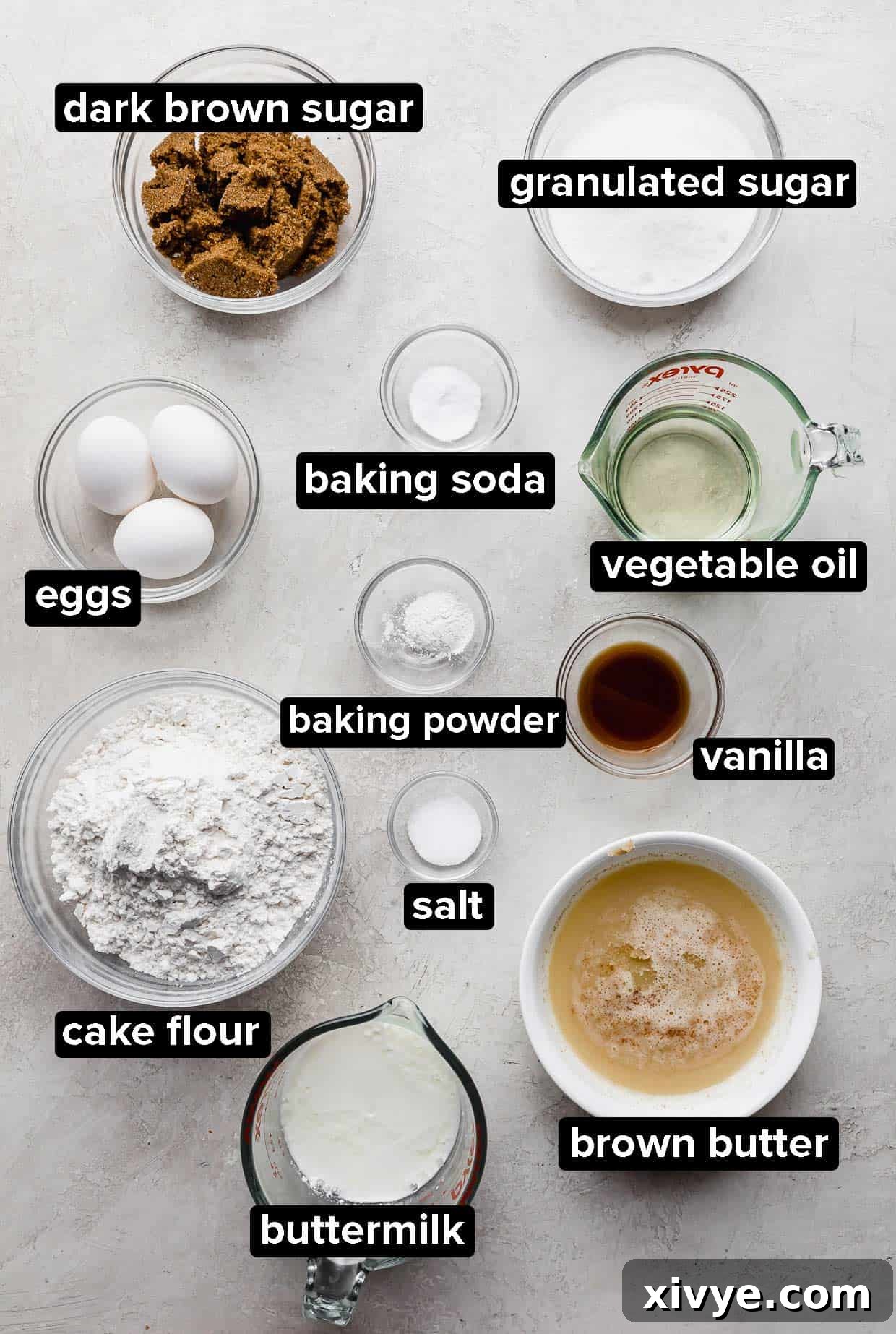
- Cake Flour: This special flour is more finely milled and contains a lower protein content compared to all-purpose flour. Often bleached, it also contributes to a lighter color in baked goods. The result? Cakes made with cake flour are consistently lighter, fluffier, and exceptionally tender, providing the perfect delicate structure for our butterscotch creation.
- Dark Brown Sugar: Since authentic butterscotch sauce derives its rich, molasses-infused sweetness from dark brown sugar, incorporating it directly into the cake batter is crucial. This choice deepens the flavor profile of the cake, aligning it perfectly with the classic butterscotch taste and enhancing its overall richness.
- Buttermilk: Used in two separate portions, buttermilk at room temperature (or slightly warmer) is essential. Its acidity reacts with the leavening agents, contributing to a higher rise and a lighter, more tender crumb. It also adds a subtle tang that balances the sweetness of the butterscotch.
- Browned Butter: This ingredient is the heart of the cake’s unique flavor. Browning butter involves cooking it until the milk solids toast, releasing a wonderfully nutty, caramelized aroma and taste. It’s vital for this to be at room temperature before mixing. You’ll need about 19 tablespoons of unsalted butter before browning to yield the required 8 oz for the recipe, as water evaporates during the browning process. For a detailed guide, refer to my post on How to Brown Butter.
- Vegetable Oil: I advocate for cakes that include oil because it’s a secret weapon for achieving superior moisture and softness. In this brown butter-based cake, splitting the fat content between browned butter and oil allows us to enjoy the complex, nutty notes of browned butter while ensuring the cake remains incredibly moist and tender, a hallmark of oil-based cakes.
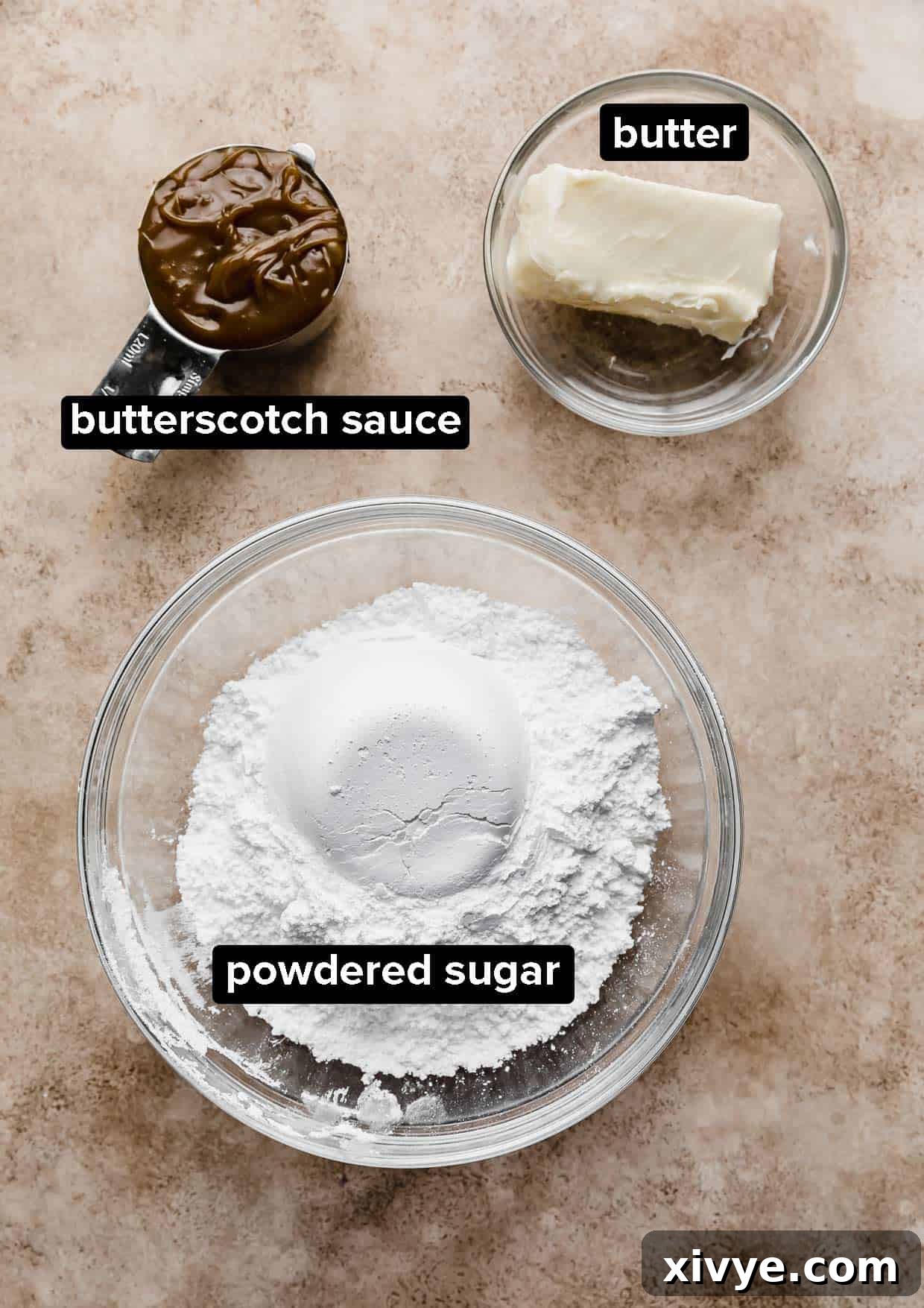
- Unsalted Butter: Distinct from the butter used for browning, this softened unsalted butter forms the creamy base of our homemade butterscotch frosting. Using unsalted butter gives you precise control over the saltiness of your frosting.
- Butterscotch Sauce: The star of the frosting! For the most authentic and rich flavor, follow my detailed Salted Butterscotch Sauce recipe. This homemade sauce is what truly sets our frosting apart.
- Powdered Sugar: Also known as confectioners’ sugar, this fine sugar is critical for achieving a smooth, velvety texture in your butterscotch frosting. Sifting the powdered sugar before adding it will prevent any lumps, ensuring a flawlessly smooth and spreadable frosting.
Crafting Your Delicious Butterscotch Cake: A Step-by-Step Guide
Follow these detailed instructions to create a show-stopping Butterscotch Cake from scratch. Precision and attention to detail will ensure a perfect outcome.
- Prepare the Buttermilk Mixtures: Begin by measuring out your buttermilk. Into one container, combine 4 ounces of room temperature buttermilk with the vegetable oil. Set this aside. In a separate bowl, add the remaining 6 ounces of room temperature buttermilk, along with the large eggs and vanilla extract. Whisk this mixture until it is completely smooth and uniform. Set both mixtures aside.
- Combine the Dry Ingredients: In the bowl of your stand mixer, fitted with the paddle attachment, thoroughly combine the cake flour, granulated sugar, dark brown sugar, baking soda, baking powder, and salt. Mix these dry ingredients on low speed for about 30 seconds to ensure they are well distributed.
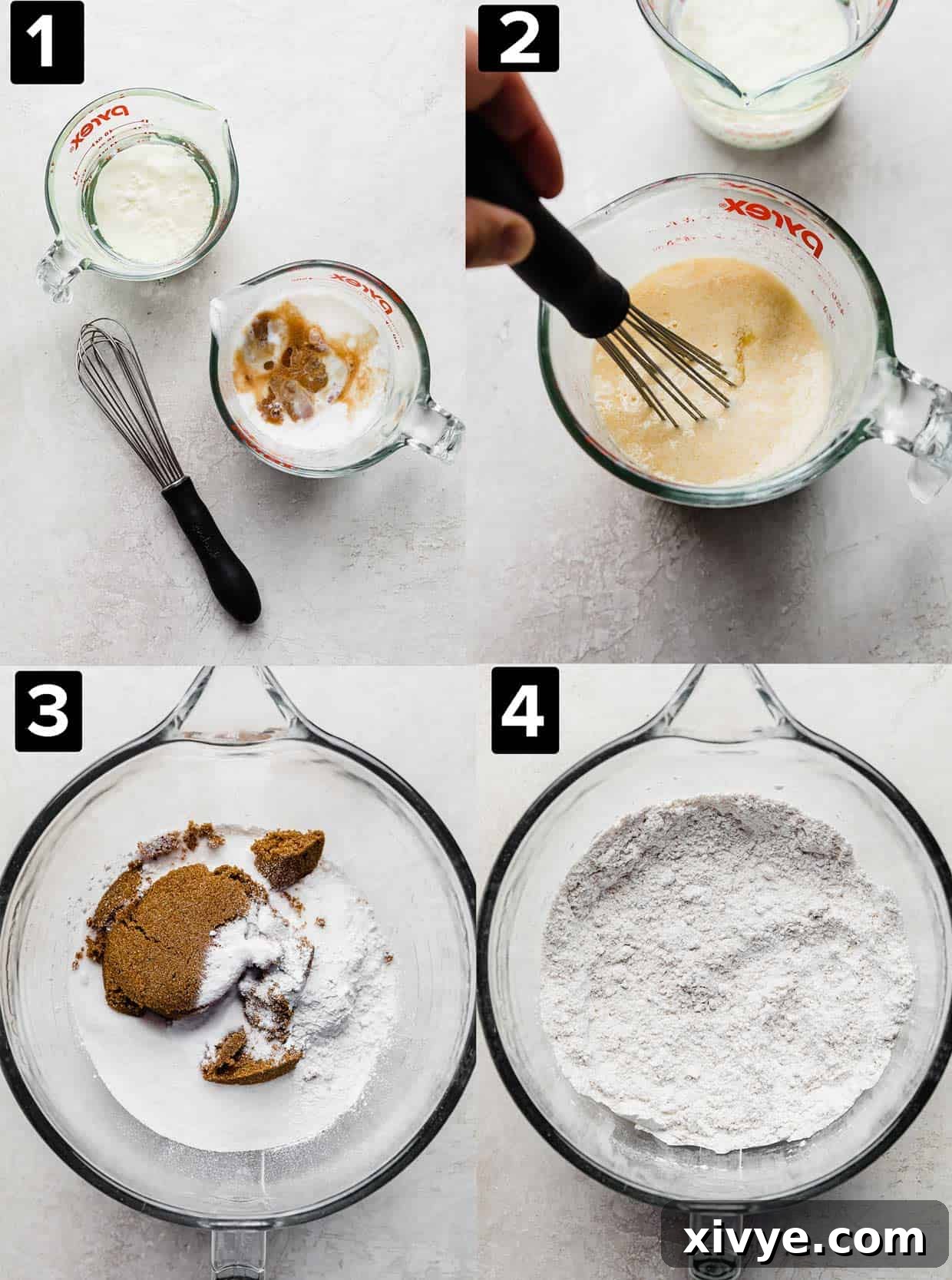
- Incorporate the Browned Butter: Add the cooled, room-temperature browned butter to the dry ingredient mixture in your stand mixer. Mix on low to medium speed until the mixture is fully combined and takes on the appearance of coarse, sandy crumbs. This process ensures the butter is evenly distributed, coating the flour particles and beginning to build the cake’s foundational flavor.
- Add Buttermilk and Oil: Pour the first buttermilk and vegetable oil mixture into the sandy flour-browned butter mixture. Mix on medium speed for approximately 1 minute. During this time, the batter will visibly thicken and lighten in color, indicating proper emulsification. Stop the mixer, scrape down the sides of the bowl thoroughly with a rubber spatula to ensure all ingredients are incorporated, then mix again for another minute.
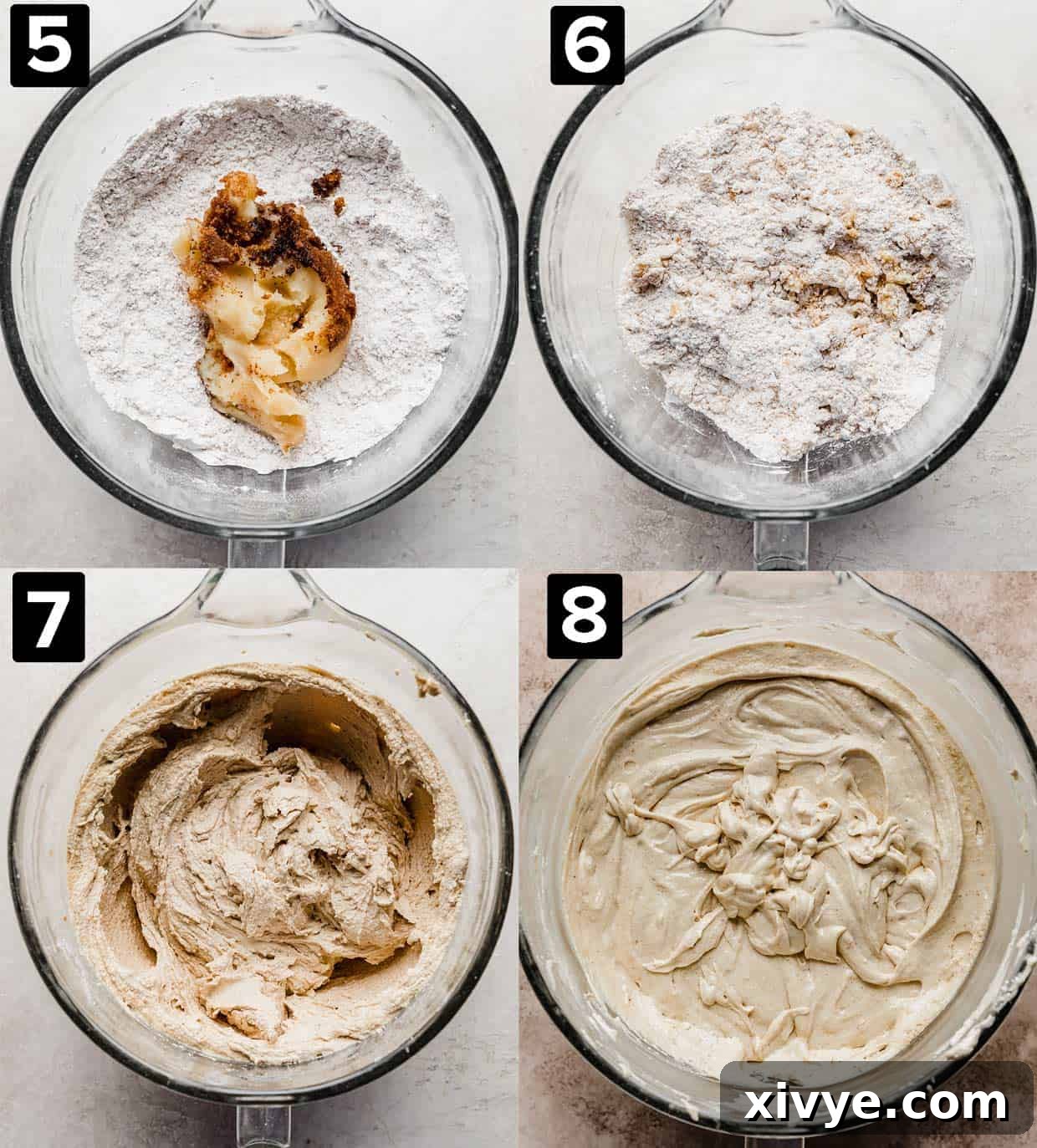
- Stream in Remaining Wet Ingredients: With the mixer on low speed, slowly stream in the second buttermilk, vanilla extract, and egg mixture. Continue mixing until the batter is just combined, being careful not to overmix. Overmixing can lead to a tough cake. Scrape down the sides and bottom of the bowl as needed to ensure a uniform batter.
- Bake the Cake: Pour the prepared butterscotch cake batter evenly into a 9×13-inch baking pan that has been thoroughly sprayed with nonstick cooking spray. Smooth the top with an offset spatula for even baking. Bake in a preheated oven at 335°F (168°C) for 32 to 40 minutes, or until a wooden toothpick inserted into the center of the cake comes out with only a few moist crumbs attached. Avoid overbaking. Once baked, remove the cake from the oven and allow it to cool completely in the pan on a wire rack before proceeding to the frosting stage.
- Prepare the Butterscotch Frosting: In the bowl of a stand mixer fitted with the paddle attachment, combine the softened unsalted butter and the homemade butterscotch sauce. Beat on medium speed until the mixture is smooth and creamy, about 1-2 minutes. Gradually add the sifted powdered sugar, one cup at a time, mixing thoroughly after each addition until fully incorporated and smooth. If the frosting appears too stiff, add a tablespoon of milk or heavy cream as needed, mixing until it reaches a spreadable consistency.
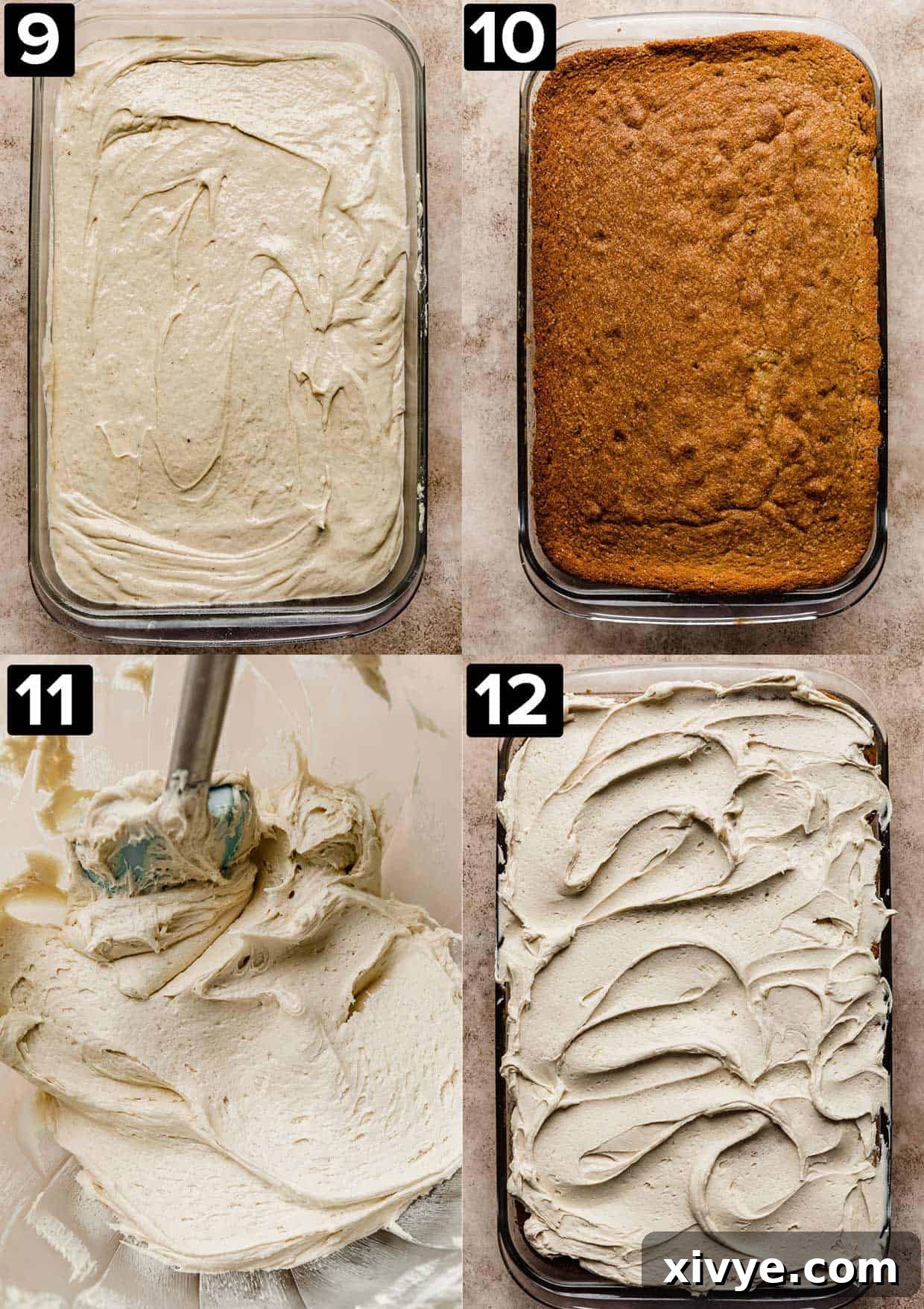
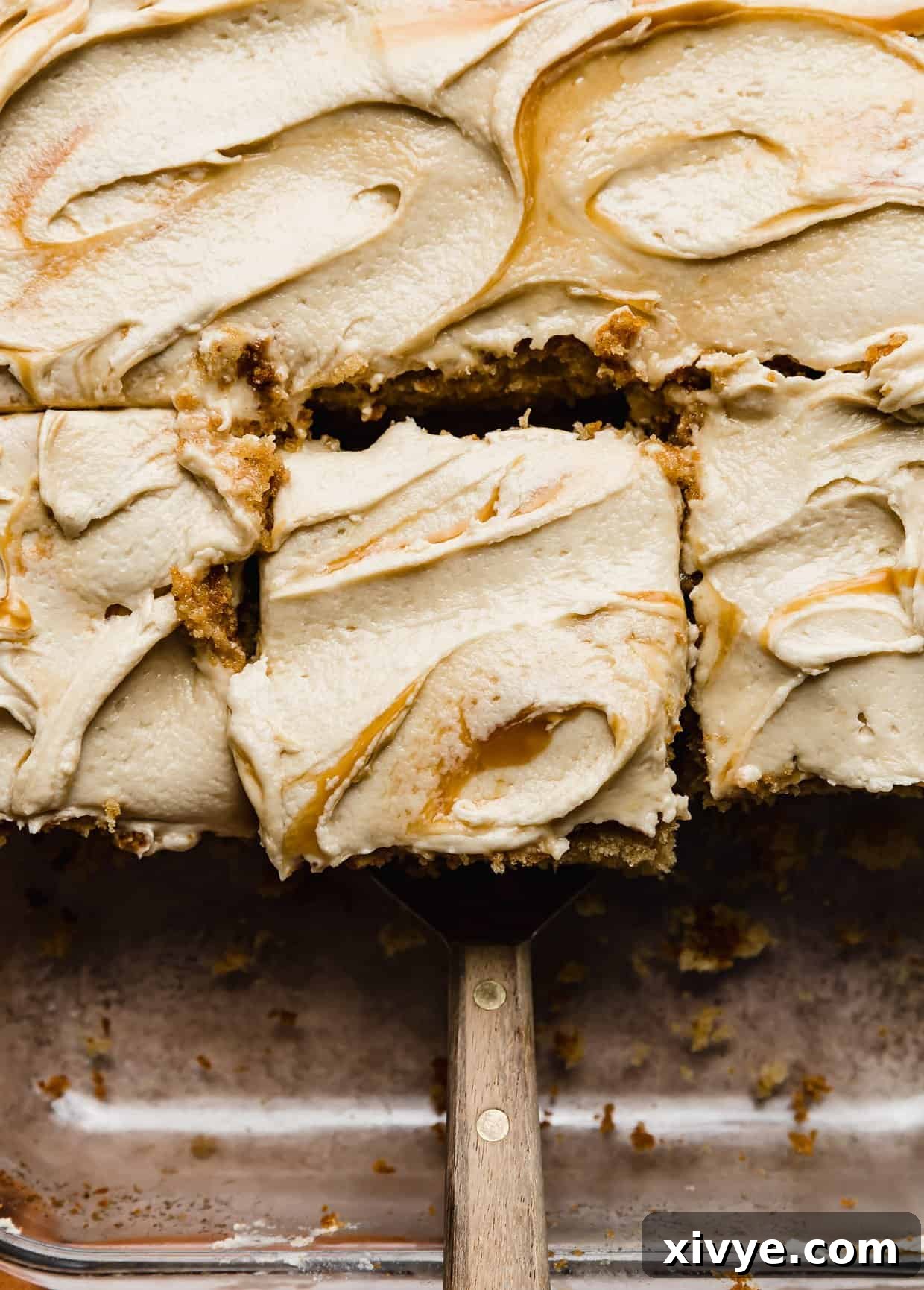
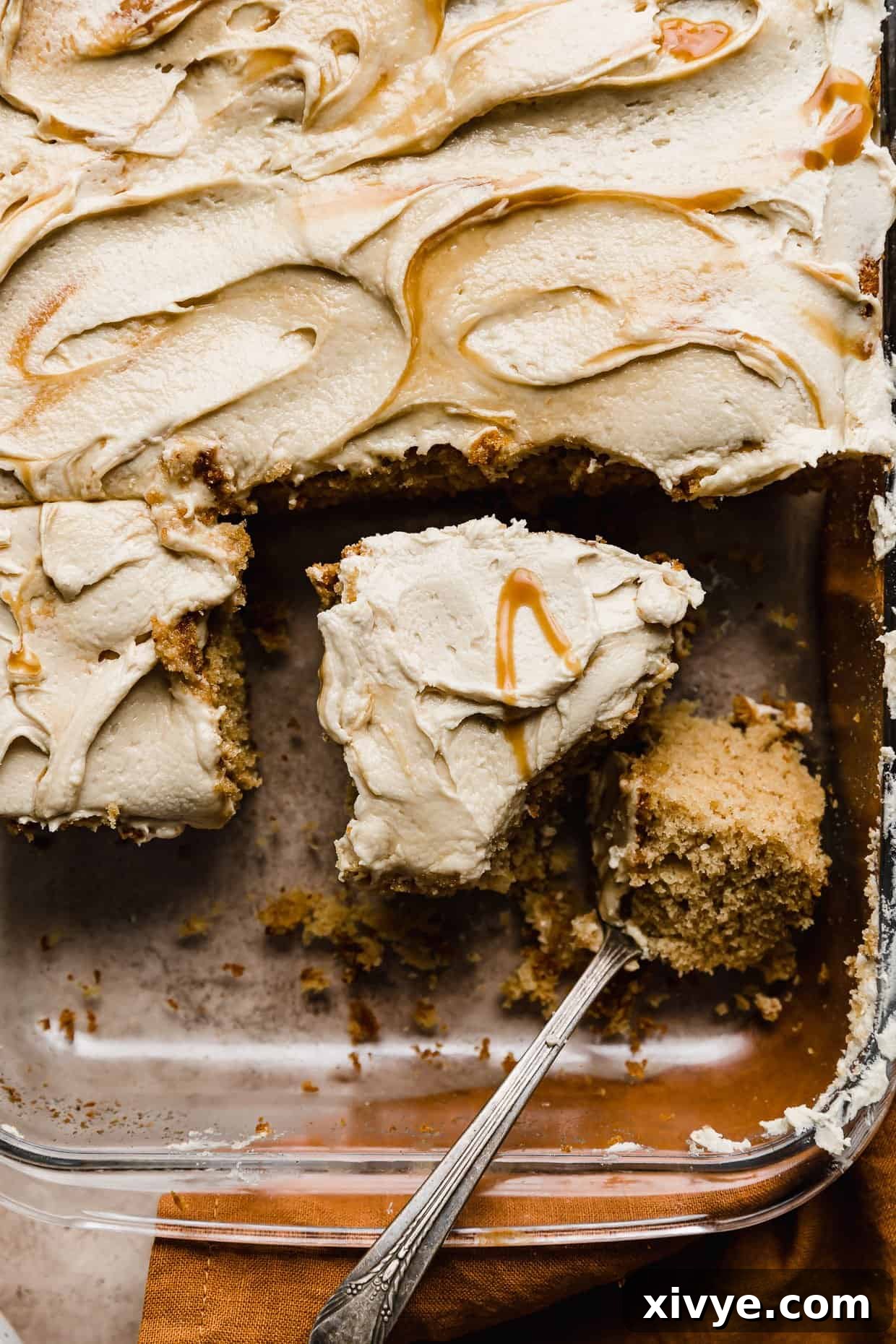
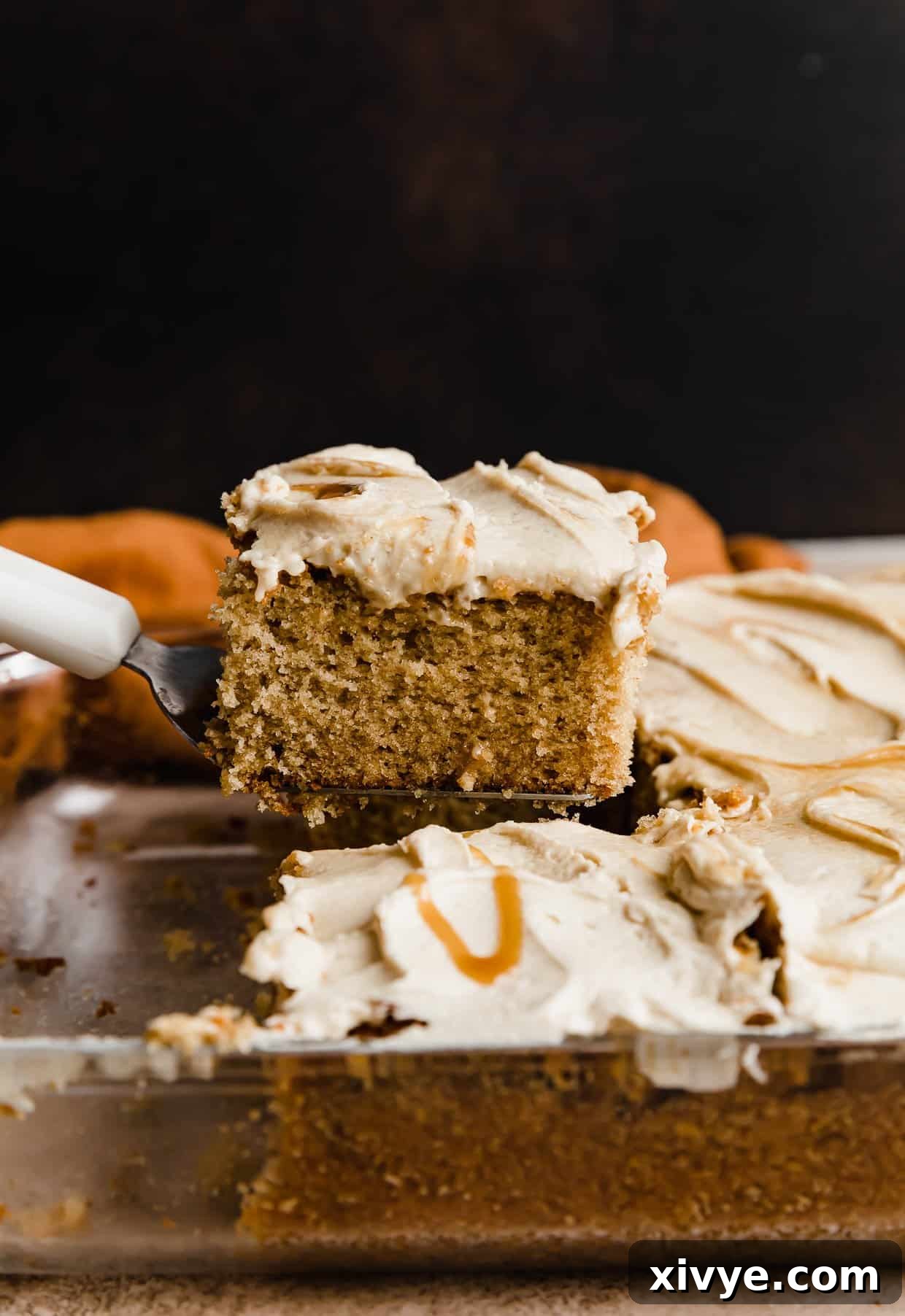
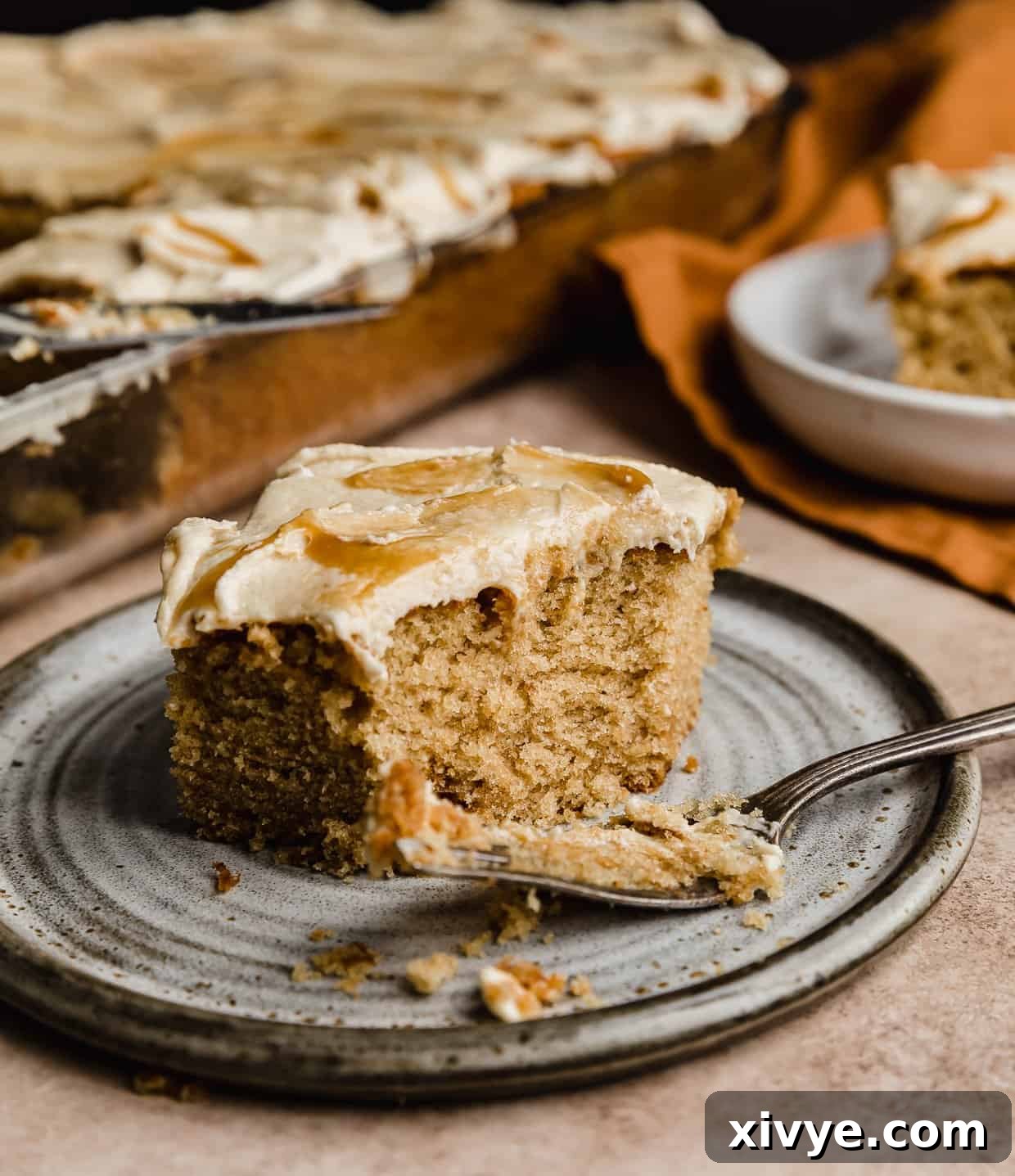
- Frost and Serve: Once the cake is completely cooled to room temperature, generously spread the rich, creamy butterscotch frosting over the top. For an elegant presentation, as pictured, use an offset spatula to create a decorative pattern. Drizzle an additional tablespoon of homemade butterscotch sauce over the frosted cake, then gently swirl it into the frosting with your spatula for a beautiful marbled effect. Slice and serve this magnificent butterscotch cake to eager guests!
Expert Tips for a Flawless Butterscotch Cake
Achieving the perfect butterscotch cake is easy with these helpful tips:
- Choose the Right Pan Size: This cake recipe is specifically designed for a 9×13-inch (or larger) baking pan. Using a smaller pan will result in the batter overflowing during baking, leading to a messy kitchen and an improperly baked cake. Always adhere to the recommended pan size.
- Ensure Room Temperature Ingredients: If your cake batter appears lumpy or curdled, particularly after adding the egg, buttermilk, and vanilla mixture, it’s a strong indicator that your wet ingredients were too cold. Cold ingredients don’t emulsify properly with the fats, which can negatively impact the cake’s texture and its ability to rise. Always bring all wet ingredients (eggs, buttermilk, browned butter) to room temperature before beginning the recipe for a smooth batter and optimal rise.
- Scrape Down the Bowl Consistently: During the mixing process, especially when incorporating the dry and wet ingredients, it’s crucial to frequently scrape down the sides and bottom of your stand mixer bowl with a rubber spatula. This ensures that all ingredients are fully incorporated into the batter, preventing any pockets of dry flour or unmixed liquid that could lead to an uneven texture in the final cake.
- The Magic of Room Temperature: Beyond preventing curdled batter, using room temperature wet ingredients offers significant benefits. They incorporate more easily and uniformly into the batter, creating a smoother emulsion. This superior mixing allows for better aeration and activation of leavening agents, which in turn contributes to a significantly better rise and a lighter, airier texture in your finished cake.
- Converting to a Layer Cake: If you prefer a stunning layer cake presentation, this recipe can be adapted. You will need three 8-inch round cake pans. The baking time will differ significantly from a sheet cake; expect to bake at a slightly lower temperature of 325°F (163°C) for approximately 28-34 minutes. Begin checking for doneness at the 28-minute mark by inserting a toothpick into the center of each cake.
For an in-depth guide on how to perfectly brown butter, including crucial tips and frequently asked questions, make sure to check out my comprehensive Browning Butter post!
Make Ahead, Storing, and Freezing Your Butterscotch Cake
Planning ahead or managing leftovers is easy with these storage tips:
- Make Ahead: You can prepare the entire homemade butterscotch cake in advance. Store the unfrosted cake at room temperature, tightly covered, for up to 1 day before frosting and serving. If you need to store it longer, it can be kept in the refrigerator.
- Storing Frosting: The homemade butterscotch frosting can be stored in an airtight container in the refrigerator for 5-6 days. For longer storage, it can be frozen for up to 2 months. When ready to use, thaw in the refrigerator overnight, then let it come to room temperature. Re-whip it in a stand mixer until it becomes light and fluffy again before spreading.
- Storing Frosted Cake: A frosted butterscotch cake should be covered and stored in the refrigerator for 3-4 days. For extended storage, double-wrap the cake (or individual slices) tightly in plastic wrap, then an additional layer of aluminum foil, and freeze for up to 2 months.
- Thawing Frozen Cake: To enjoy a frozen cake, transfer it to the refrigerator and allow it to thaw overnight. Once thawed, remove it from the fridge and let it sit at room temperature for at least an hour before serving. This allows the butter in the cake and frosting to soften, returning it to its intended moist and tender texture.
For more comprehensive guidance on storing and freezing various types of cakes, including individual cake layers, buttercream, and fully decorated cakes, consult my detailed How to Store and Freeze Cakes guide!
Frequently Asked Questions About Butterscotch Cake
This delightful butterscotch cake is primarily composed of a rich brown butter cake base, which infuses it with nutty and caramel notes from the browned butter and deep sweetness from dark brown sugar. It is then generously topped with a velvety butterscotch buttercream frosting, made truly exceptional by incorporating homemade butterscotch sauce for an authentic and intense flavor.
This specific butterscotch cake recipe does not include any alcohol, making it suitable for all to enjoy. While some modern butterscotch recipes might feature a splash of Scotch whisky or other spirits, the term “scotch” in “butterscotch” traditionally refers to how the candy was cut or “scotched” into pieces, not an alcoholic ingredient. My recipe honors the traditional flavor profile without alcohol.
When you brown butter, you’re not just changing its flavor; you’re also reducing its volume. Butter naturally contains a certain percentage of water. As the butter cooks and browns, this water content evaporates. To ensure you have the precise amount of browned butter required by the recipe after this evaporation, it’s necessary to start with a slightly larger quantity of butter. This guarantees that your final measurement of browned, nutty butter is accurate for the best results in your cake.
More Delightful Butterscotch Recipes to Explore
If you’re a fan of butterscotch, you’ll love these other recipes that celebrate its rich flavor:
- Oatmeal Butterscotch Cookies
- Butterscotch Chocolate Chip Cookies
- Scotcharoos
- 7 Layer Bars
- Magic Bar Cookies
Did you try this irresistible recipe? I’d love to hear about your experience! Leave a star rating and review below, or scroll down to the recipe card to share your thoughts.
Stay connected and never miss a delicious update by following us on Instagram, TikTok, Facebook, and Pinterest.
Print
SaveSaved!
Review
Butterscotch Cake
 Whitney Wright
Ingredients
Brown Butter Butterscotch Cake
- 3 cups cake flour – (14 oz)
- ¾ cup + 2 tablespoons granulated sugar – (6oz)
- ¾ cup dark brown sugar – packed (6 oz)
- 1 teaspoon baking soda
- 1 teaspoon baking powder
- 1 teaspoon salt
- 1 tablespoon vanilla extract
- 10 oz buttermilk – divided, at room temperature or on the warmer side
- 3 large eggs – room temperature
- 8 oz browned butter – room temperature (requires ~19 tablespoons unsalted butter before browning)
- ½ cup vegetable oil – (4 oz)
Butterscotch Frosting
- 10 tablespoons unsalted butter – softened
- ¾ cup butterscotch sauce – plus 1 tablespoon for swirling if desired
- 5 cups powdered sugar
- milk or heavy cream – as needed, for desired consistency
Equipment
-
13″x9″ glass baking pan
Instructions
Brown Butter Butterscotch Cake
-
Lightly spray a 9×13-inch baking pan with nonstick cooking spray; ensure thorough coverage. This pan size is crucial, as a smaller pan will not accommodate the batter. Preheat your oven to 335°F (168°C).
-
In a small bowl or container, measure out 4 oz (120ml) of room temperature buttermilk. Stir in the ½ cup (4 oz) of vegetable oil and set this mixture aside.
-
In a separate medium bowl, combine the remaining 6 oz (180ml) of room temperature buttermilk with the 3 large room temperature eggs and 1 tablespoon of vanilla extract. Whisk thoroughly until the mixture is smooth and evenly blended.
-
In the bowl of a stand mixer fitted with the paddle attachment, add the 3 cups (14 oz) cake flour, ¾ cup + 2 tablespoons (6oz) granulated sugar, ¾ cup (6 oz) packed dark brown sugar, 1 teaspoon baking soda, 1 teaspoon baking powder, and 1 teaspoon salt. Mix on low speed for about 15-30 seconds to combine. Add the 8 oz (226g) cooled browned butter and mix for another 15-30 seconds until the mixture resembles coarse sand.
-
Pour the buttermilk and oil mixture into the flour-browned butter mixture. Mix on medium speed for 1 minute. The batter will visibly thicken and lighten in color. Stop the mixer, scrape down the sides of the bowl with a rubber spatula to ensure all ingredients are incorporated, then mix on medium speed for 1 more minute.
-
Reduce the mixer speed to low. Slowly stream in the buttermilk, vanilla, and egg mixture. Mix until the batter is just combined and smooth, taking care not to overmix. Scrape down the sides of the bowl as needed to ensure uniformity.
-
Pour the prepared cake batter into your greased 9×13-inch pan. Use an offset spatula to smooth it into an even layer. Bake for 32-40 minutes, or until a wooden toothpick inserted into the center of the cake comes out with only a few moist crumbs attached. Remove the cake from the oven and allow it to cool completely to room temperature in the pan before attempting to frost it.
Butterscotch Frosting
-
In a large mixing bowl (or the bowl of your stand mixer fitted with a paddle attachment), add the 10 tablespoons of softened unsalted butter and ¾ cup of homemade butterscotch sauce. Beat on medium speed for 1 minute until the mixture is smooth and creamy. Gradually add the 5 cups of sifted powdered sugar, 1 cup at a time, mixing thoroughly after each addition until smooth. If the frosting is too thick, add a splash of milk or heavy cream, one teaspoon at a time, until it reaches your desired spreadable consistency.
Assembly
-
Once the brown butter cake has completely cooled to room temperature, spread the luscious butterscotch frosting evenly over the entire top surface of the cake.
-
For the beautiful swirled effect seen in the photos, you can drizzle an additional tablespoon of butterscotch sauce over the frosted cake. Then, using an offset spatula, gently swirl the sauce into the frosting to create an attractive marbled design. Serve and enjoy!
Notes
For more comprehensive guidance on storing and freezing various types of cakes, including individual cake layers, buttercream, and fully decorated cakes, consult my detailed How to Store and Freeze Cakes guide!